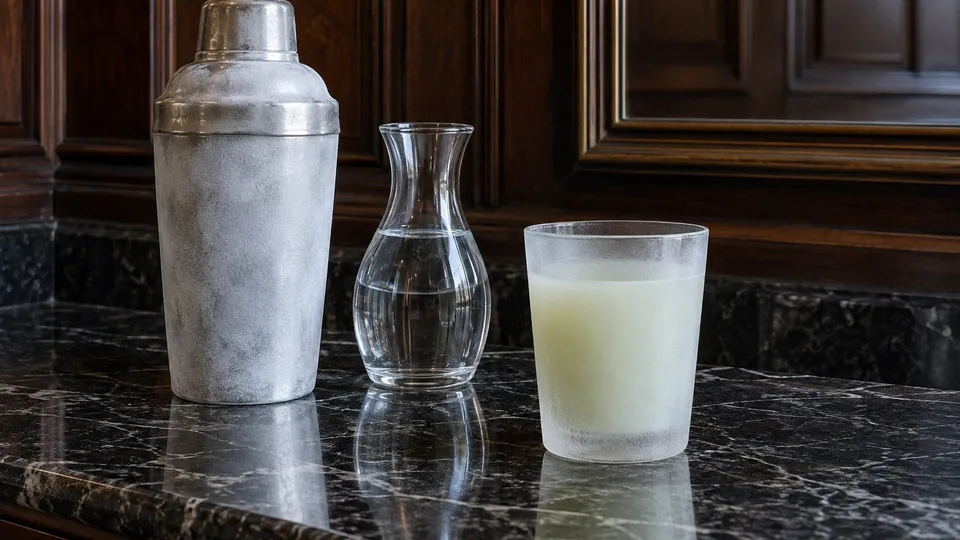
Absinthe Frappé, Shaken until the Shaker Frosts
A pony of absinthe and a pony of water with a dash of anisette, shaken with fine ice until the shaker frosts, strained and topped with seltzer: the absinthe frappé of 1895.
What can I make?
Tick the bottles and everyday basics in your kitchen, and we sort 228 drinks from the old books into what you can make tonight, what is one or two things away, and what your kitchen makes with no bottle at all. Each drink names its source and gives a version to make today, with or without alcohol.
Nothing yet. Tick what you have, or see what one or two more things would make below.
Plus from your kitchen alone, with none of your bottles
more are one or two things away
Worth buying:
Nothing close yet. Tick another bottle or some fruit.
Drinks you can make with none of your bottles, from fruit and everyday basics.
A pony of absinthe and a pony of water with a dash of anisette, shaken with fine ice until the shaker frosts, strained and topped with seltzer: the absinthe frappé of 1895.
You’ll use: Cocktail shaker · Strainer · Cocktail glass
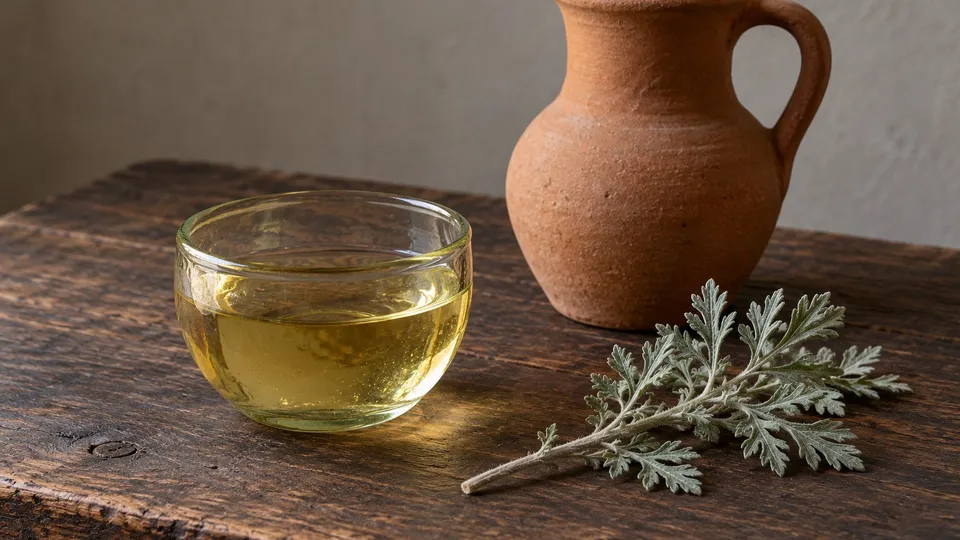
Apicius’s Roman vermouth: mild white wine steeped for a day with wormwood, mastic, bay and saffron, unsweetened and bitter by design.
You’ll use: Jar · Mortar and pestle · Sieve · Kitchen scale · Bottle
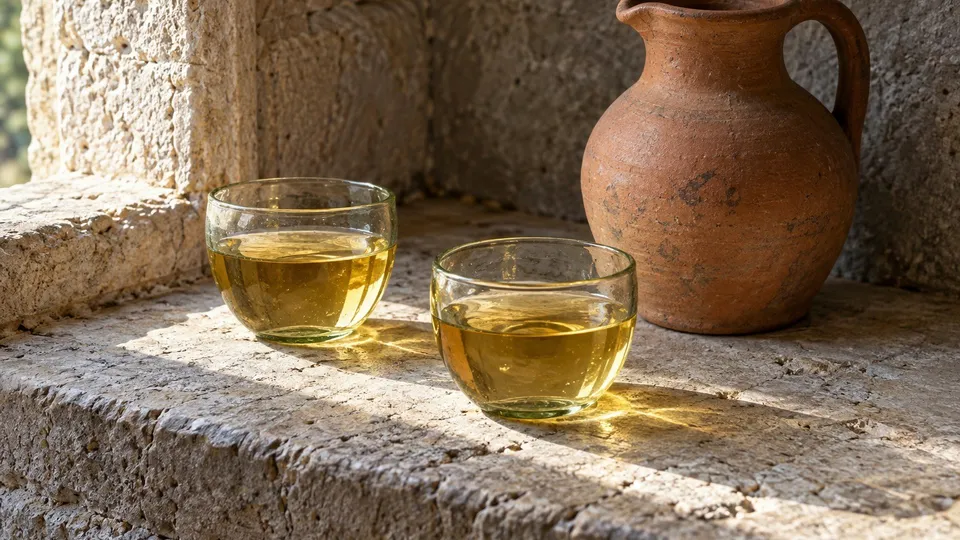
White grape must boiled with half its volume of water until the water is gone: the Roman ‘wine’ given to people who were not allowed wine. Alcohol-free.
You’ll use: Saucepan · Spoon · Carafe
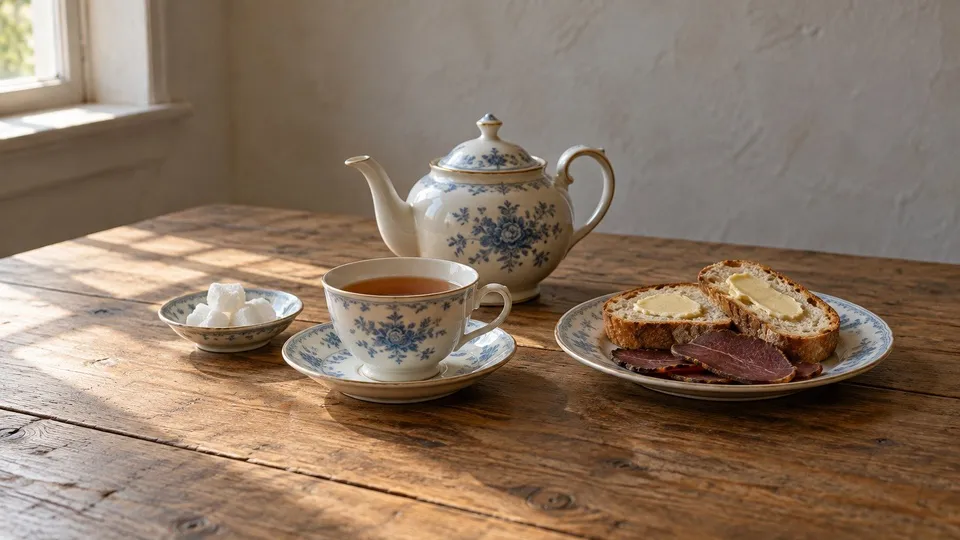
Black tea without milk, drunk with a small lump of sugar held in the mouth: breakfast tea as a Swedish visitor saw the Dutch of Albany take it in 1749.
You’ll use: Kettle · Teapot · Tea strainer
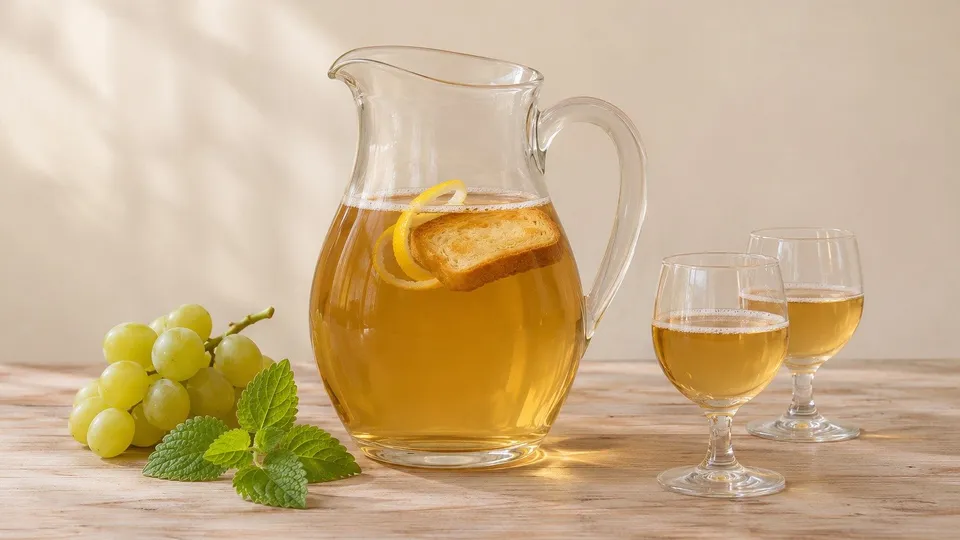
Spencer’s 1903 Ale Cup made without alcohol: a 0.0% ale and white grape juice poured cold over hot toast with lemon, sugar, nutmeg and a sprig of balm.
You’ll use: Jug · Toaster · Citrus juicer · Vegetable peeler · Nutmeg grater · Long spoon
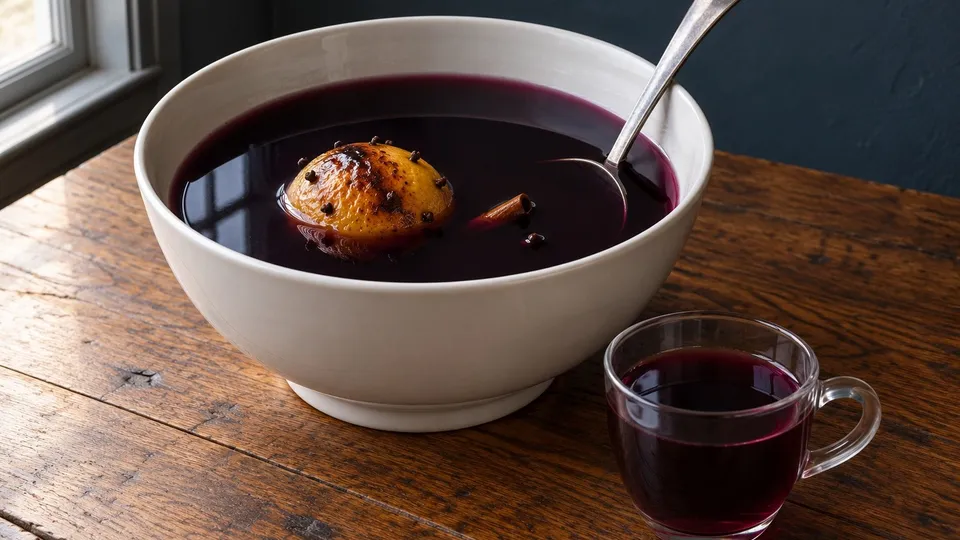
Hot red grape juice with a roasted clove-studded lemon, boiled-down spices, fresh lemon and nutmeg: the 1847 Oxford bishop made without the port.
You’ll use: Baking dish · Saucepan · Bowl · Ladle and cups
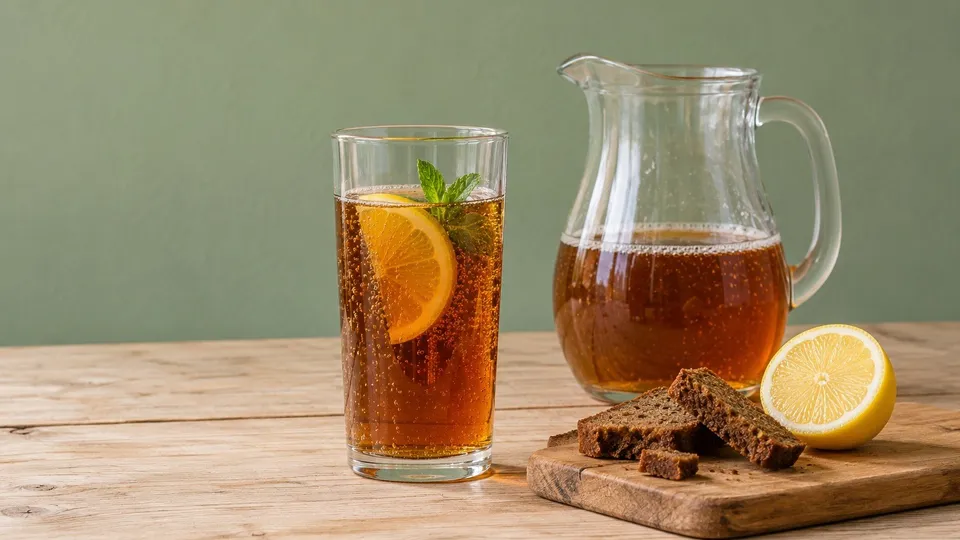
Dried rye bread and fresh mint steeped in boiling water, sweetened with dark treacle and sharpened with lemon, then lifted with soda water: Molokhovets’s 1887 kvass made without yeast.
You’ll use: Bowl · Sieve · Jug
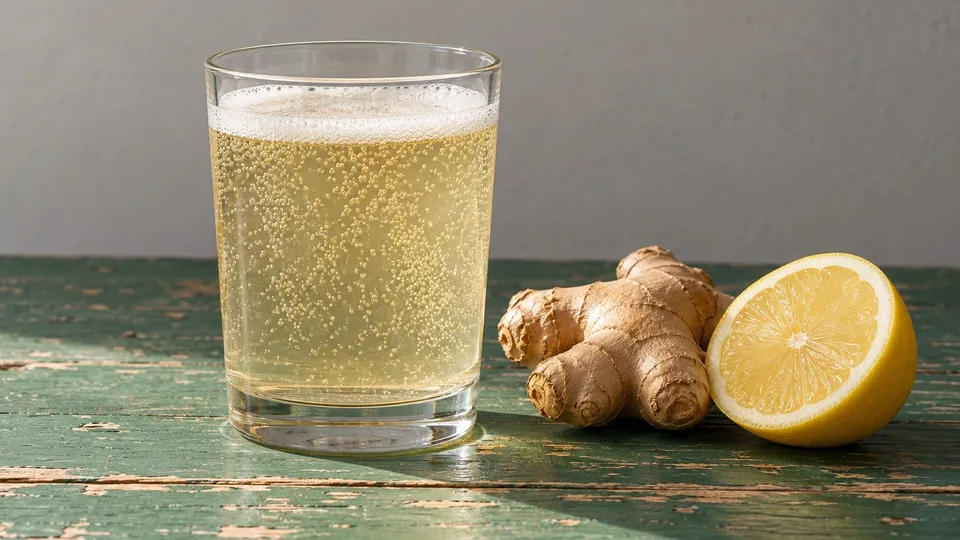
Fresh ginger syrup, lemon juice and cold soda water, never fermented: an alcohol-free ginger beer after the street fountains of 1850s London.
You’ll use: Saucepan · Strainer · Bottle · Half-pint tumbler
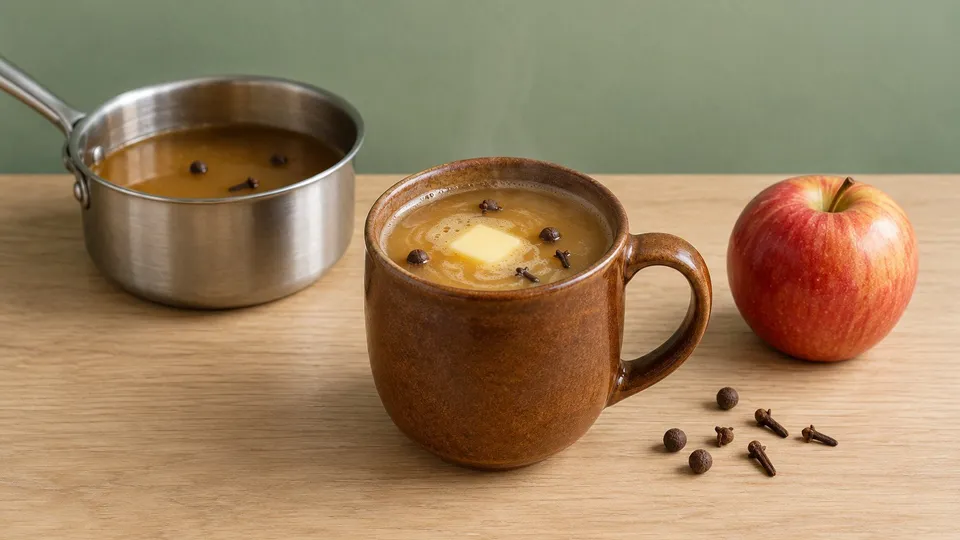
Jerry Thomas’s 1862 hot spiced rum without the rum: sweet apple cider heated with whole allspice and cloves, finished with a piece of butter melting on top.
You’ll use: Saucepan · Strainer · Mug
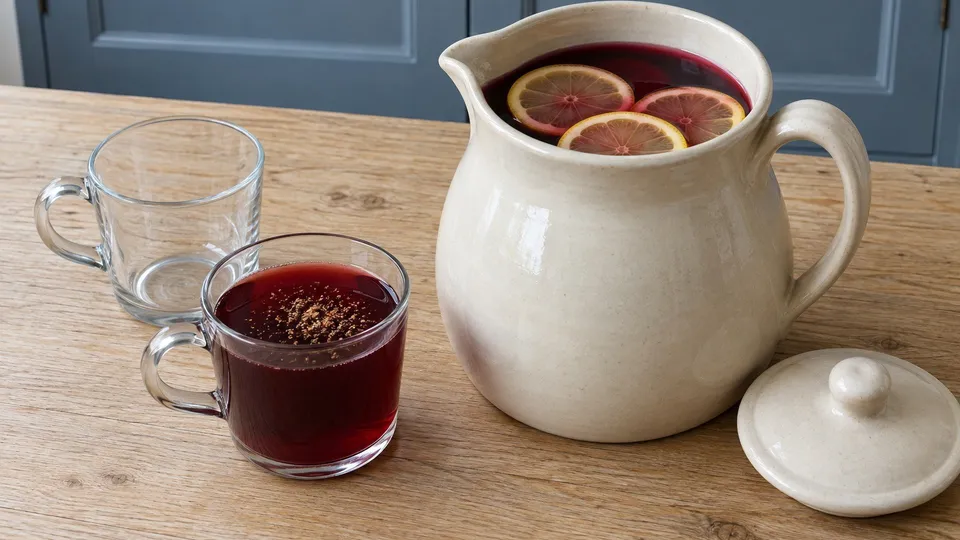
Hot red grape and blackcurrant juice poured into a covered jug of lemon sugar, sliced lemons and a little spice, then grated over with nutmeg: negus by the 1847 Oxford method, without the port.
You’ll use: Grater · Jug · Saucepan · Kettle · Cups
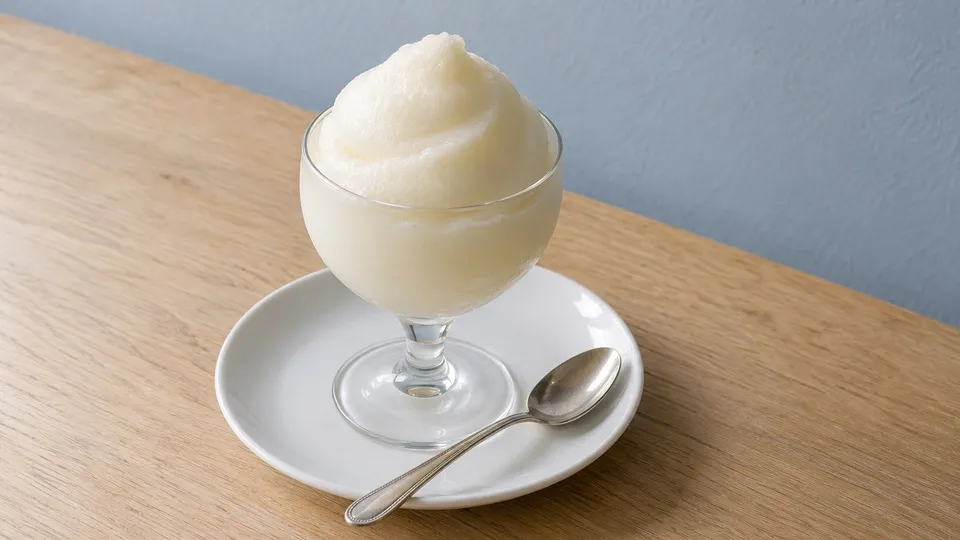
Escoffier’s half-frozen Punch à la Romaine without the wine or rum: white grape juice, orange and lemon steeped in syrup, churned to a soft ice and lightened with Italian meringue.
You’ll use: Saucepan · Thermometer · Strainer · Ice-cream machine · Whisk · Stemmed glasses
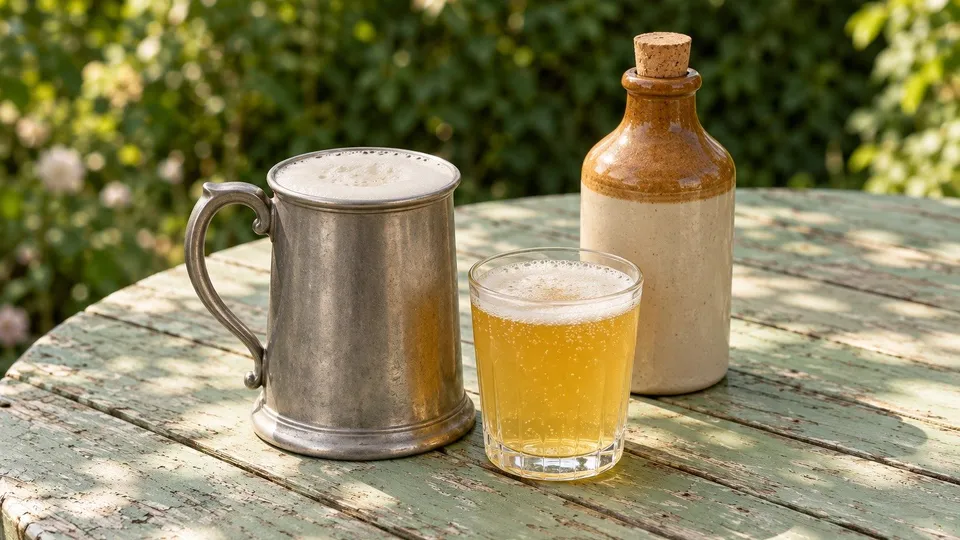
Terrington’s 1869 shandy gaff made without alcohol: a 0.0% ale topped up with ginger beer in equal parts, poured cold.
You’ll use: Glass
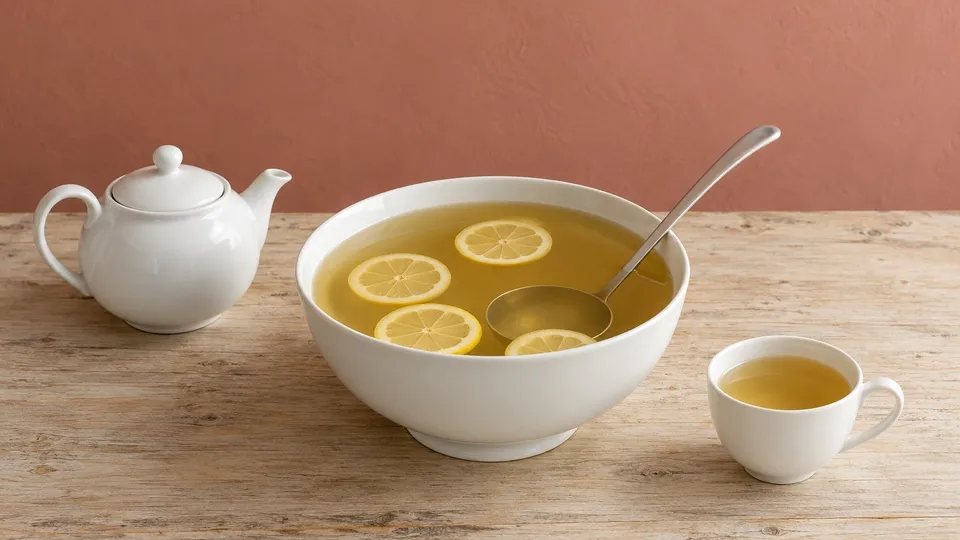
The green tea, lump sugar rubbed on lemon peel and lemon juice of Jerry Thomas’s 1862 tea punch, with hot water in place of the brandy and rum, served from a warm bowl.
You’ll use: Kettle · Teapot · Strainer · Punch bowl · Ladle and cups
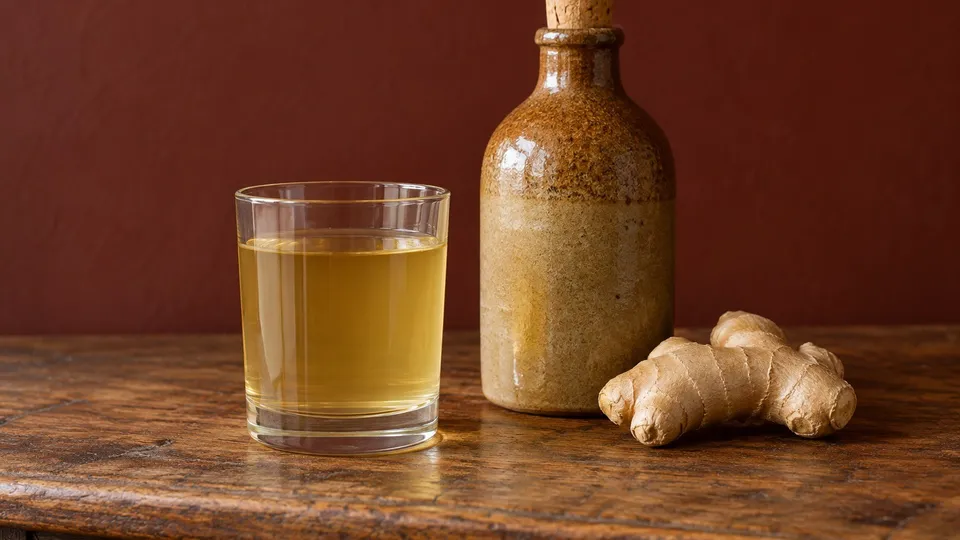
A still ginger drink with no wine in it: sugar, tartaric acid and boiling water heated with ginger and chile, after an 1887 Temperance Cook Book. A modern alcohol-free version.
You’ll use: Saucepan · Jug · Sieve · Bottle
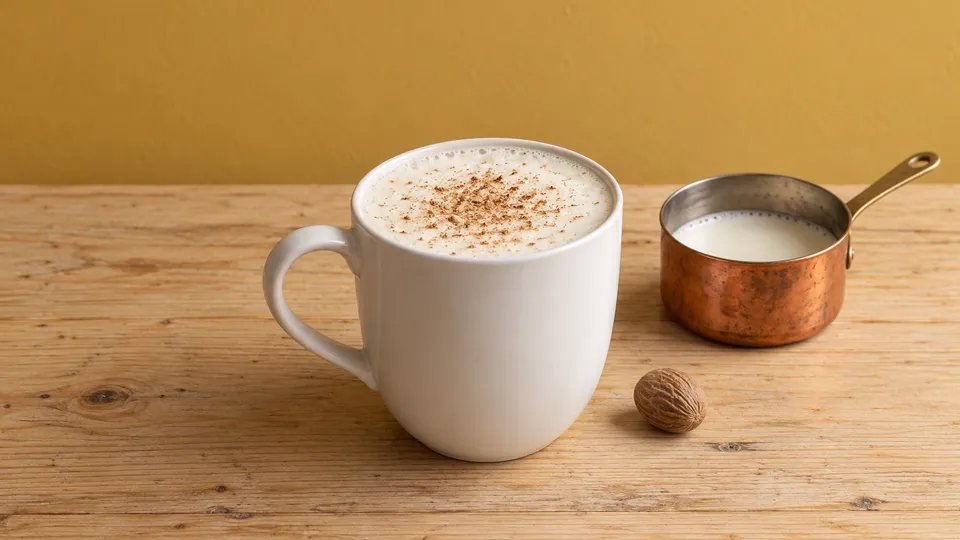
The spiced egg batter of the 1862 Tom and Jerry, beaten light and stirred into milk just off the boil, with nutmeg on top: the hot Christmas drink without the brandy.
You’ll use: Bowls · Whisk · Saucepan · Mugs · Nutmeg grater
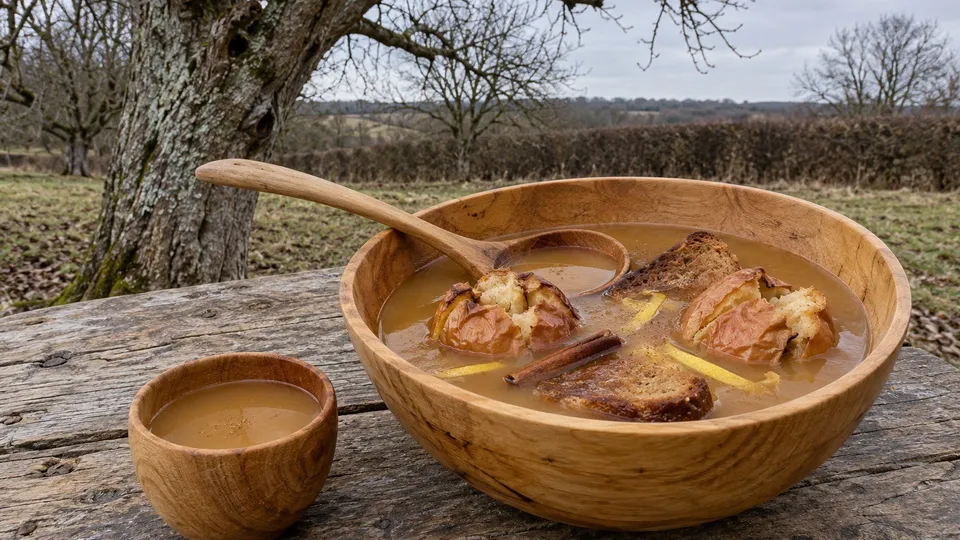
Cloudy apple juice heated with cinnamon, ginger, lemon and nutmeg, with roasted apples and toast floating in the bowl: our modern alcohol-free take on the 1869 wassail.
You’ll use: Baking dish · Saucepan · Vegetable peeler · Bowl · Ladle and cups
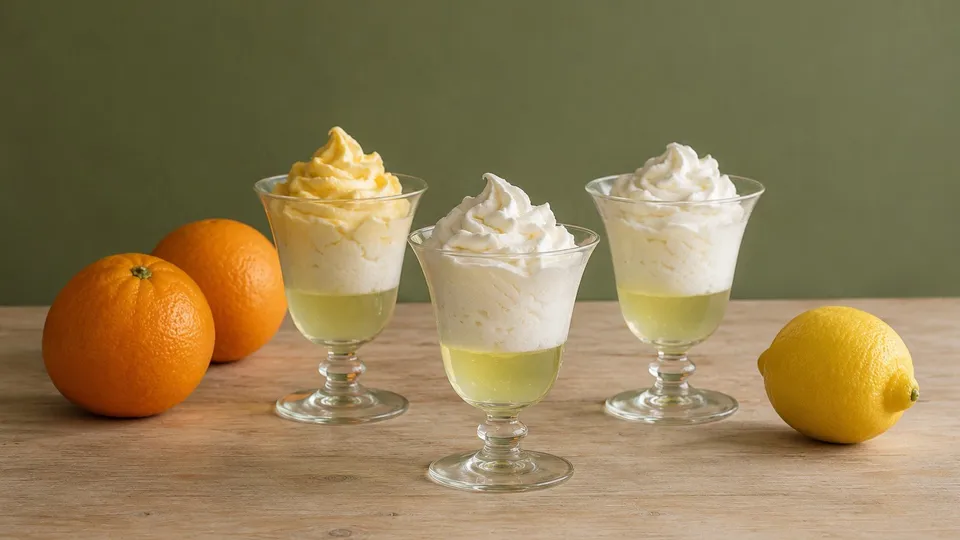
Cream whisked with orange and lemon juice, grated lemon peel and fine sugar, spooned over sweetened lemon whey, which Hannah Glasse offered in 1747 in place of the wine.
You’ll use: Saucepan · Sieve · Grater · Bowl · Whisk · Stemmed glasses
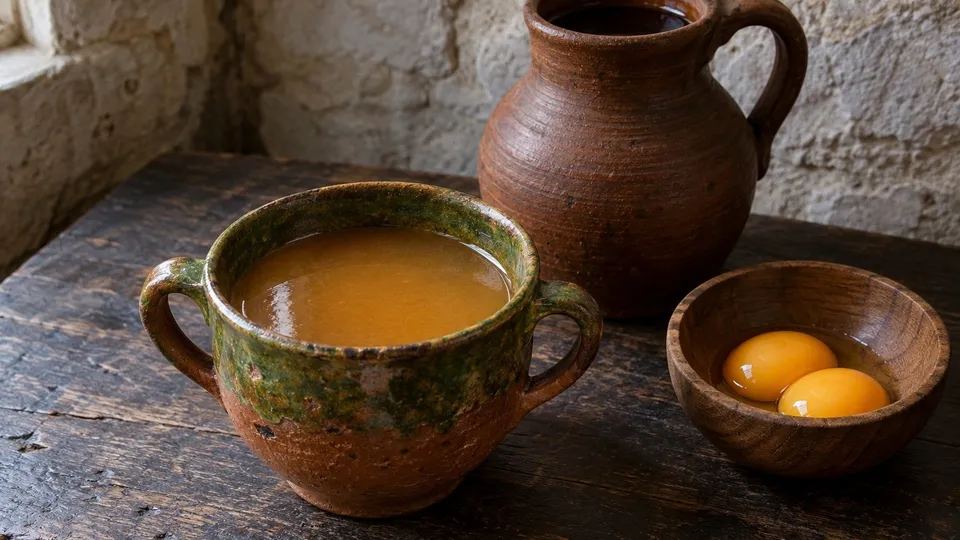
Malty ale stirred over low heat with beaten egg yolks until it thickens like a thin custard: the medieval caudle, made safe with a thermometer.
You’ll use: Saucepan · Whisk · Thermometer · Sieve
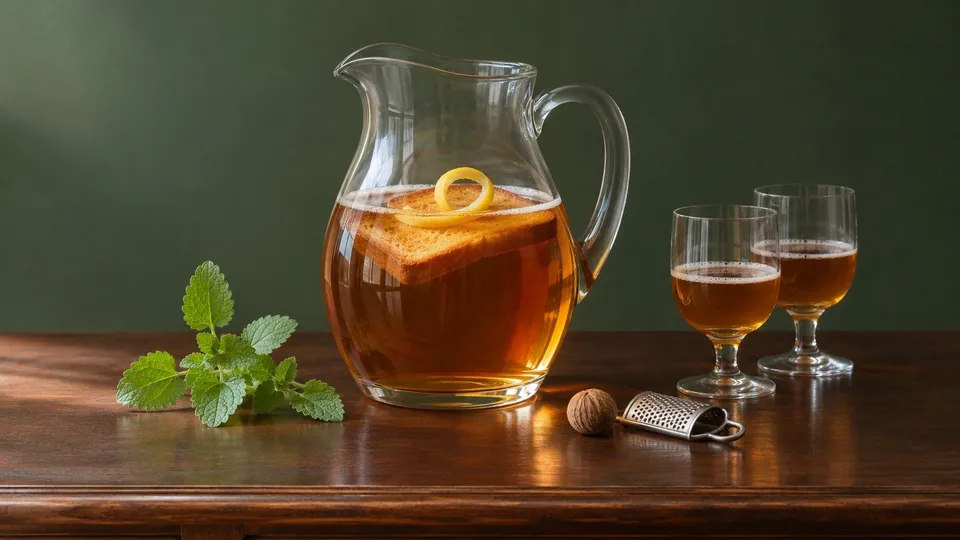
Lemon juice squeezed onto hot toast, then sugar, nutmeg and a sprig of balm, and cold mild ale, sherry and brandy poured over: the Ale Cup of Edward Spencer’s The Flowing Bowl, 1903.
You’ll use: Jug · Toaster · Citrus juicer · Vegetable peeler · Nutmeg grater · Long spoon
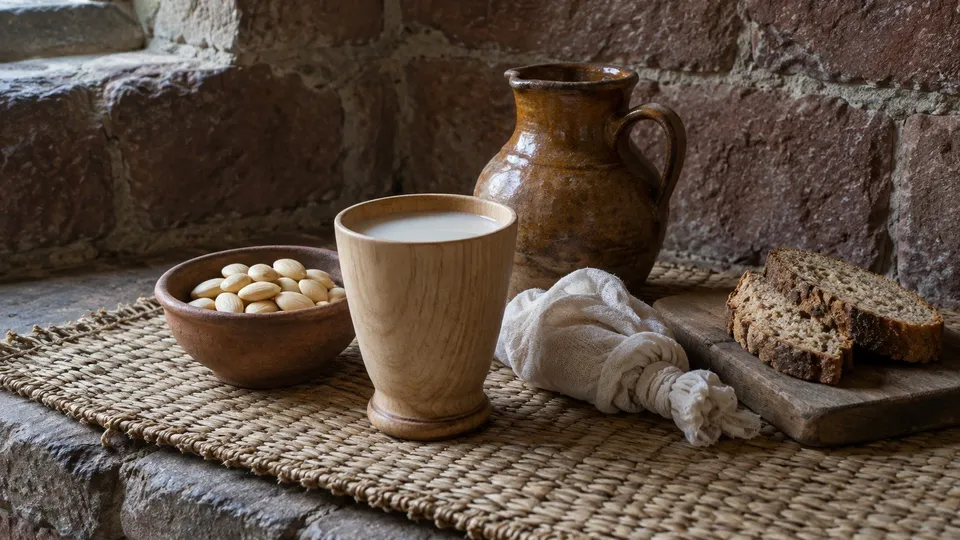
Blanched almonds ground with boiled, lightly sweetened water and drawn through a cloth: the milk medieval cooks used when the Church ruled out the cow’s.
You’ll use: Saucepan · Blender · Sieve · Bowl and jug
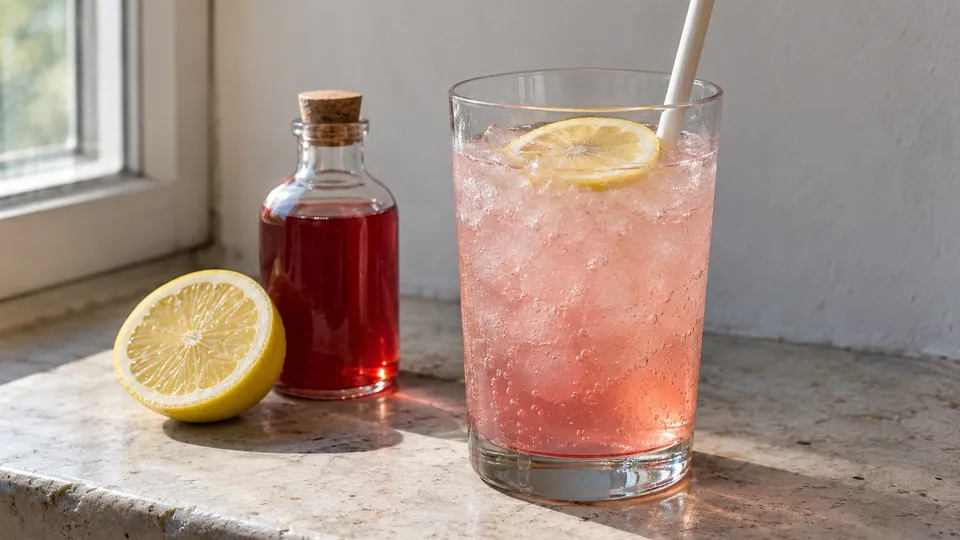
Lemon juice and sugar over shaved ice, homemade strawberry syrup and a fill of soda water, with a straw: a 1924 London book’s idea of American lemonade.
You’ll use: Bowl · Jelly bag · Saucepan · Bottle · Tumbler
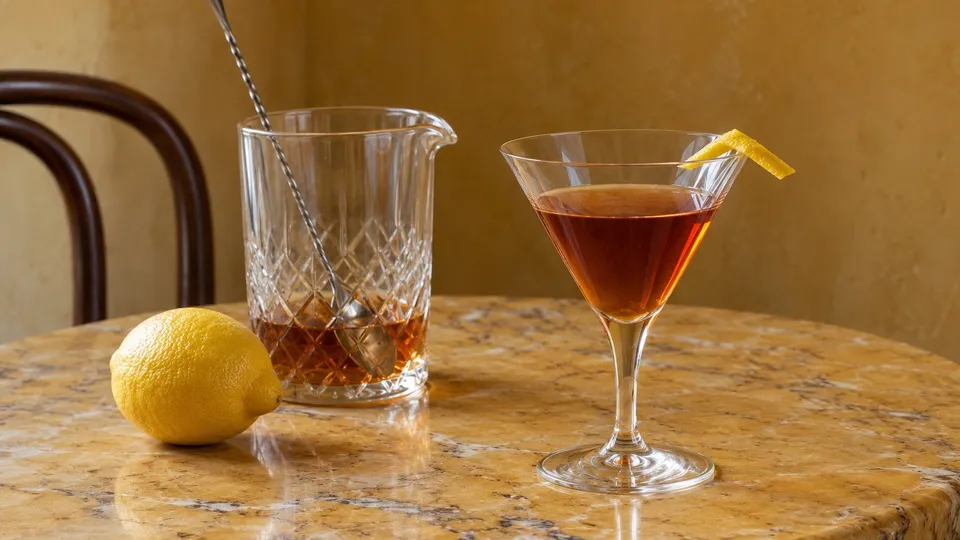
Turin vermouth sharpened with a spoonful of bitter, a few drops of cognac and Angostura, stirred and served short with lemon peel: the earliest printed Americano, from an Italian bar guide of about 1920.
You’ll use: Mixing glass · Bar spoon · Strainer · Cocktail glass
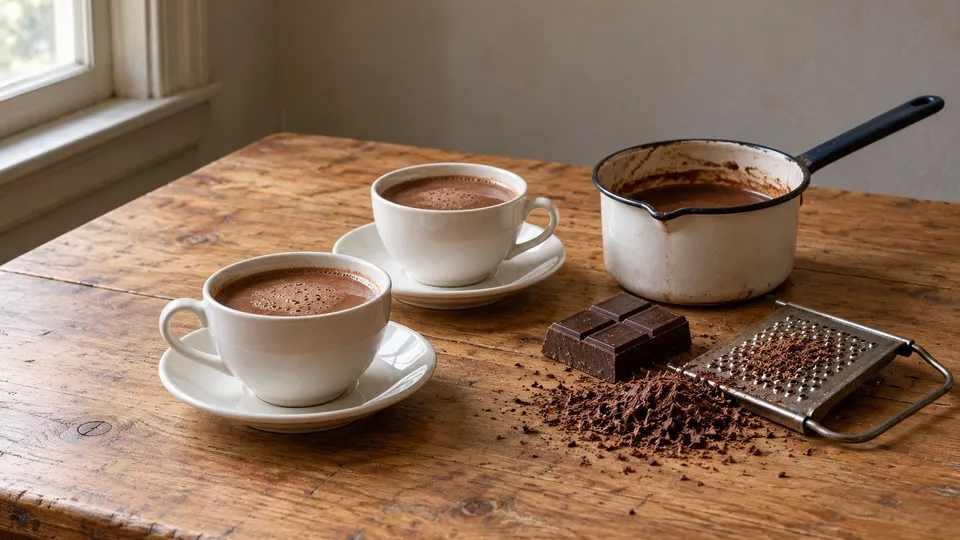
An ounce of chocolate scraped fine with its own weight of sugar, thrown into a pint of boiling milk and water and milled until it dissolves: the chocolate drink of a Massachusetts chocolate maker’s 1886 booklet.
You’ll use: Grater · Saucepan · Chocolate whisk · Teacups
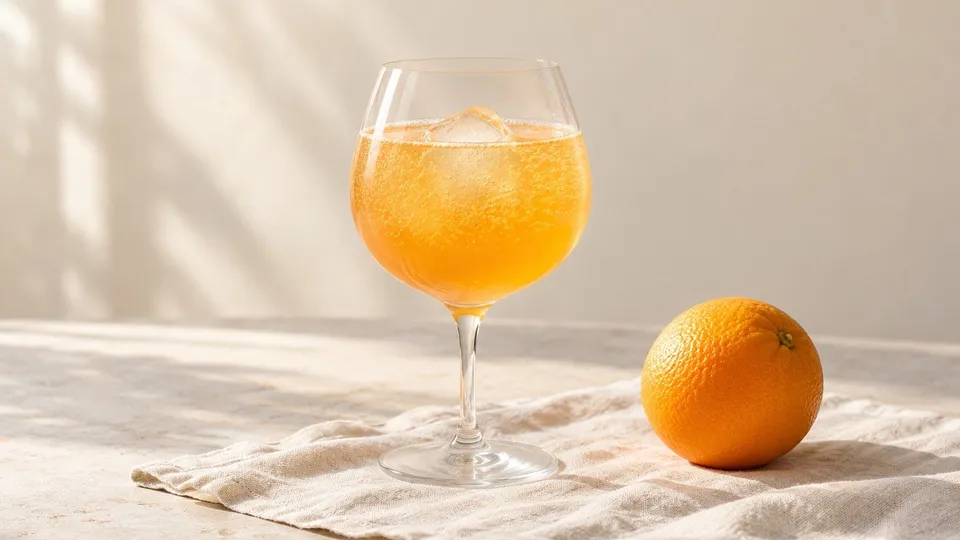
Orange juice, a spoon of sugar and soda water with a tenth part anisette, stirred in a balloon glass over one piece of ice: an Italian thirst-quencher of 1936, light on alcohol.
You’ll use: Stemmed balloon glass · Bar spoon
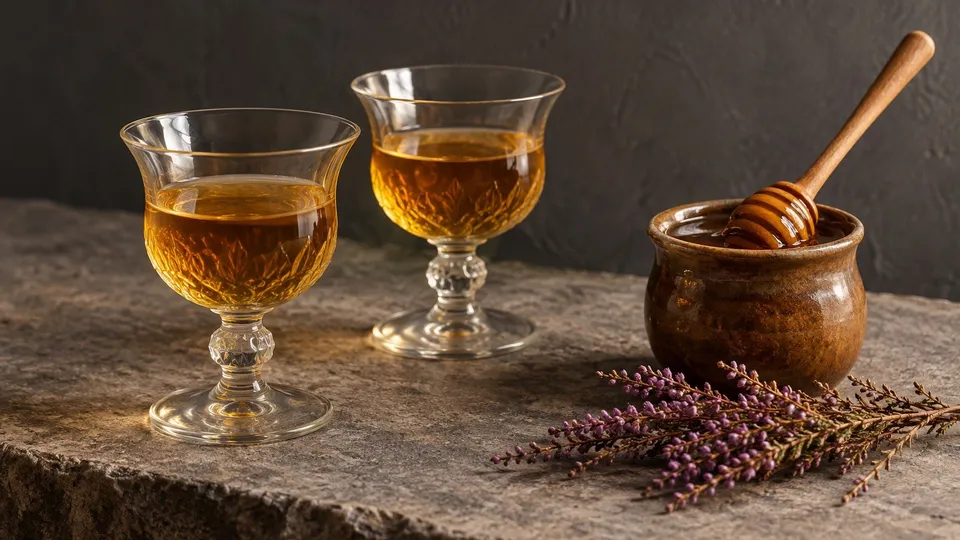
One part heather honey to two of Scotch whisky, stirred until smooth, with an egg yolk beaten in if you like: the Highland drink as an Edinburgh cookbook printed it in 1829.
You’ll use: Jug · Whisk · Glasses
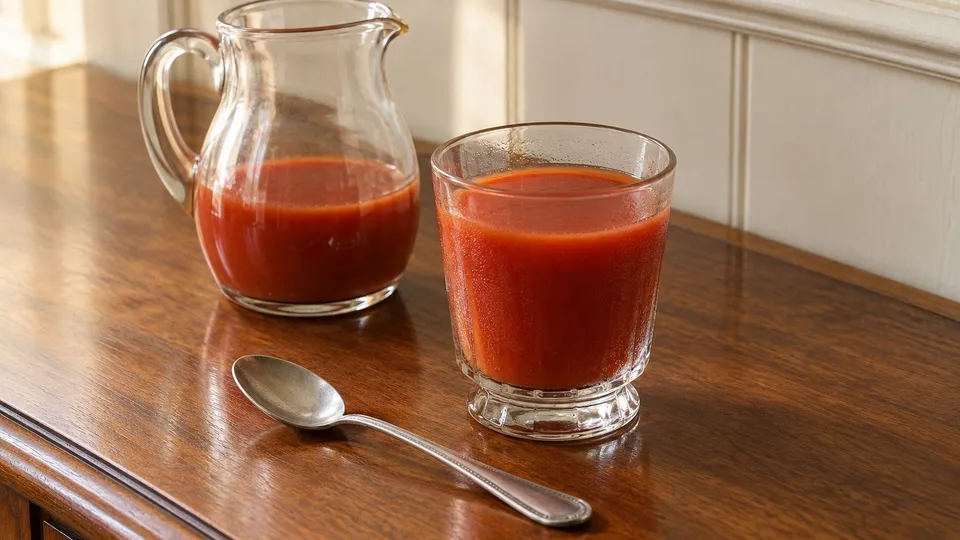
Fresh tomatoes cooked with celery and green pepper, sieved, then sharpened with catsup, onion and horseradish and chilled: the USDA’s 1931 first course in a small glass.
You’ll use: Saucepan · Sieve · Bowl · Jug · Glasses
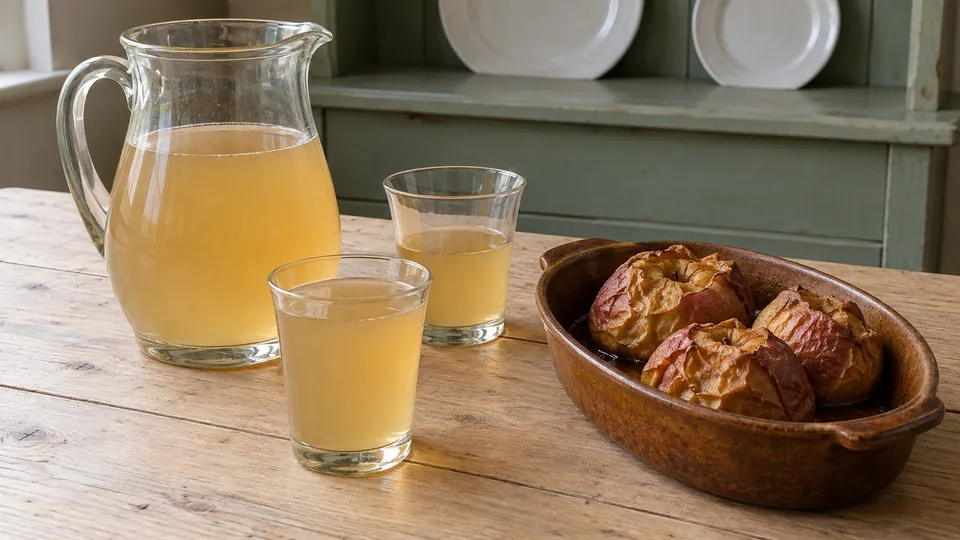
Boiling water poured over baked apples, a pear, grated ginger and lemon peel, then pressed through a sieve: an alcohol-free Victorian drink from 1869.
You’ll use: Baking dish · Vegetable peeler · Grater · Kettle · Jug · Sieve · Bowl · Spoon · Serving jug
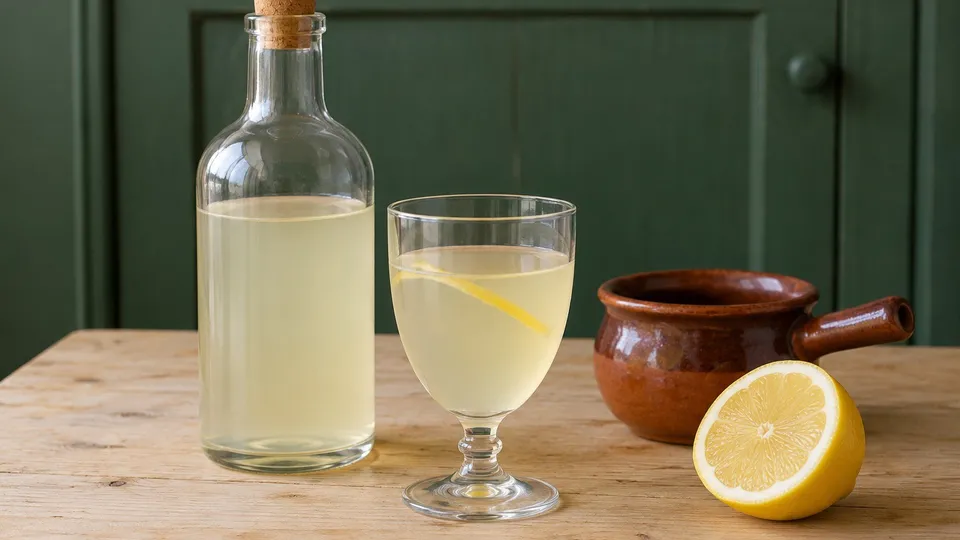
Pearl barley boiled until the water turns silky, spiced with mace, sharpened with lemon and sweetened: barley water from Eliza Smith’s Compleat Housewife (1739). Alcohol-free.
You’ll use: Saucepan · Sieve · Jug · Muslin · Bottle
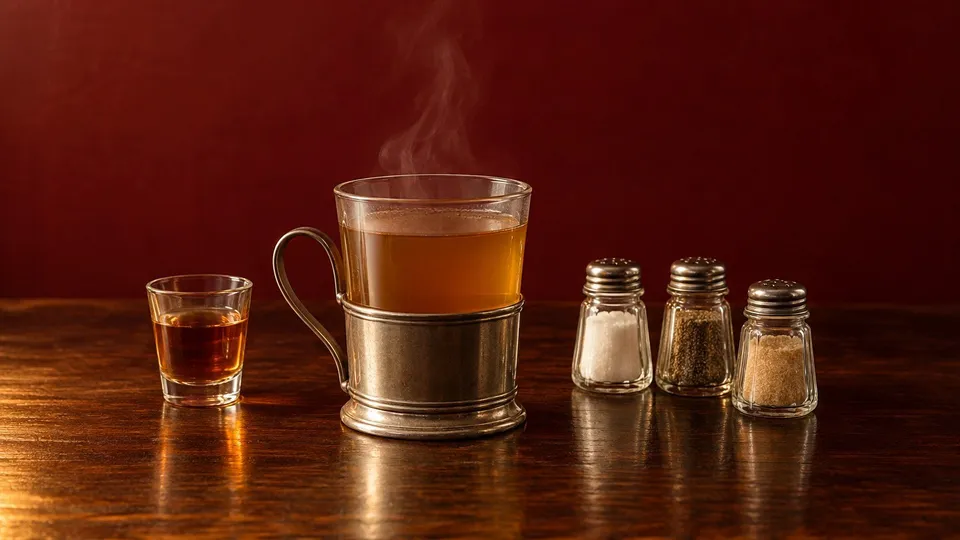
Beef extract stirred into a glass of hot water, with salt, pepper and celery salt on the side and a little sherry or brandy if the customer asked: Harry Johnson’s 1900 bar beef tea.
You’ll use: Kettle · Cup
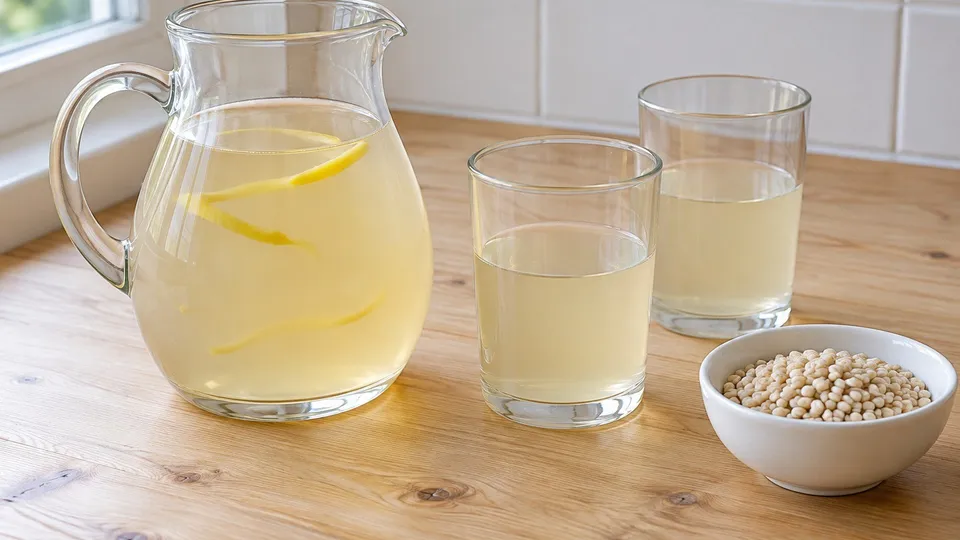
Blanched pearl barley, a little sugar and thin lemon peel, covered with boiling water and left until cold: the quick barley water of Mrs. Beeton’s 1906 book. Alcohol-free.
You’ll use: Saucepan · Sieve · Jug · Kettle · Vegetable peeler
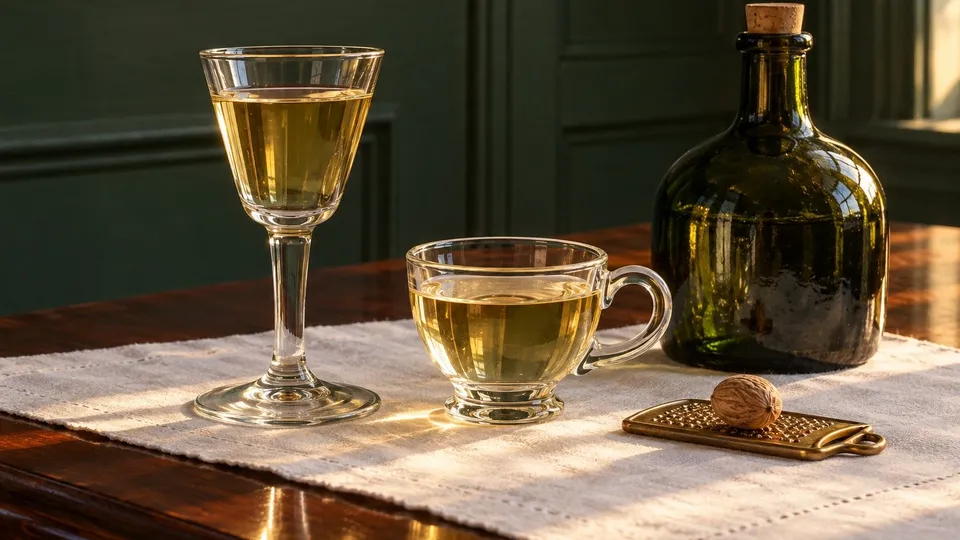
Brandy steeped with lemon peel, then nutmeg, lemon, sugar and boiling milk, dripped clear through a jelly bag and bottled: Franklin’s 1763 receipt at a twelfth of the size.
You’ll use: Jar · Vegetable peeler · Nutmeg grater · Saucepan · Bowl · Jelly bag · Clean
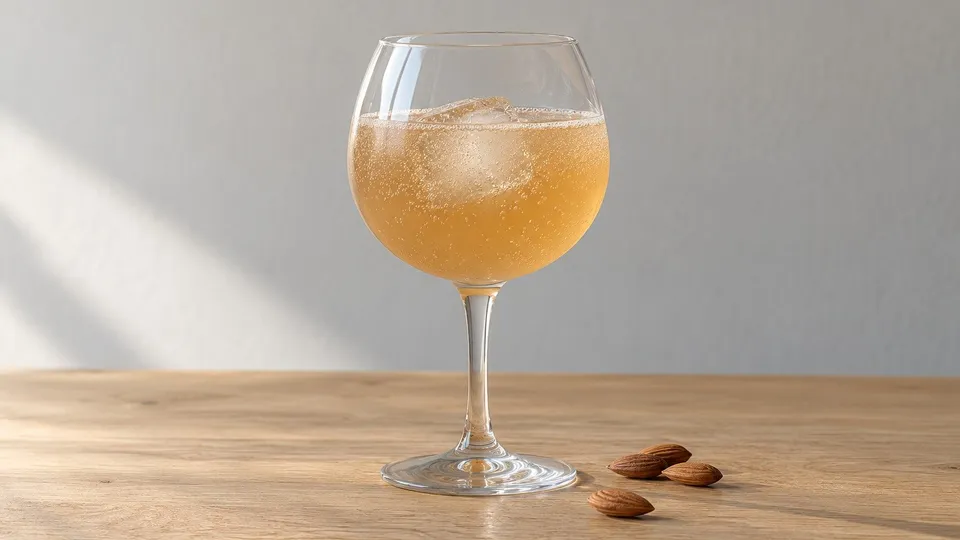
Almond orgeat syrup and tamarind syrup topped with soda water over one piece of ice: an alcohol-free Italian thirst-quencher a Lugano bartender printed in 1936.
You’ll use: Stemmed balloon glass · Bar spoon
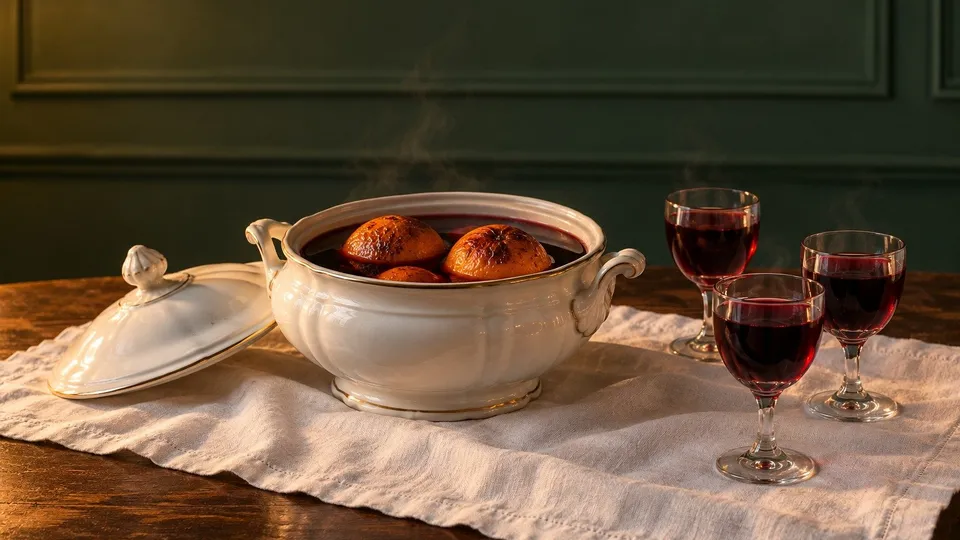
Four bitter oranges roasted pale brown, left overnight under sugar and claret, then pressed out and served warm with the rest of the bottle: Jerry Thomas’s Bishop of 1862.
You’ll use: Baking dish · Bowl and saucepan · Spoon · Sieve · Saucepan
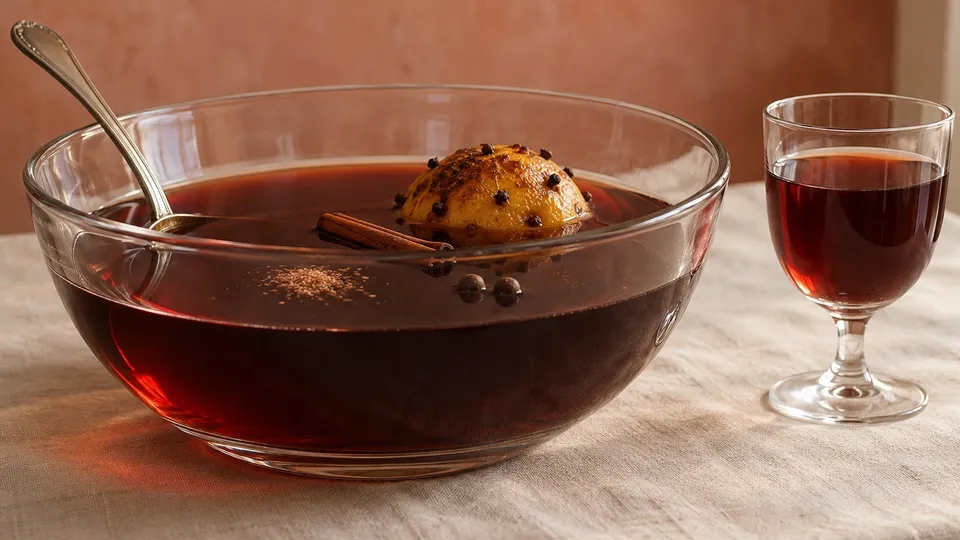
Hot port with a roasted clove-studded lemon, boiled-down spices, fresh lemon and nutmeg: the Oxford bishop of 1847 and the smoking bishop of A Christmas Carol.
You’ll use: Baking dish · Saucepan · Bowl · Ladle and glasses
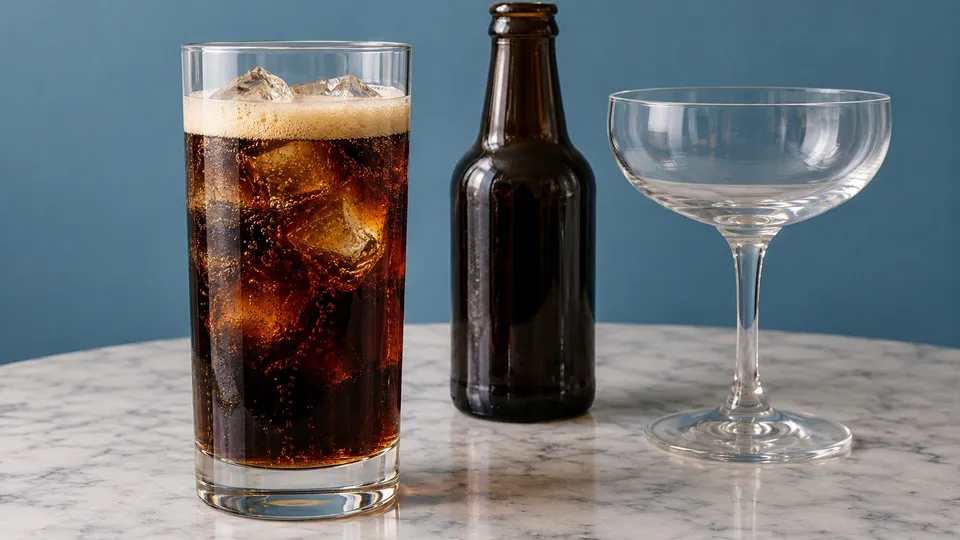
Champagne, cola and stout in equal thirds, all well iced: the Black Bottom Cooler that Barflies and Cocktails credited to the jazzband impresario Billy Arnold in Paris in 1927.
You’ll use: Glass · Bar spoon
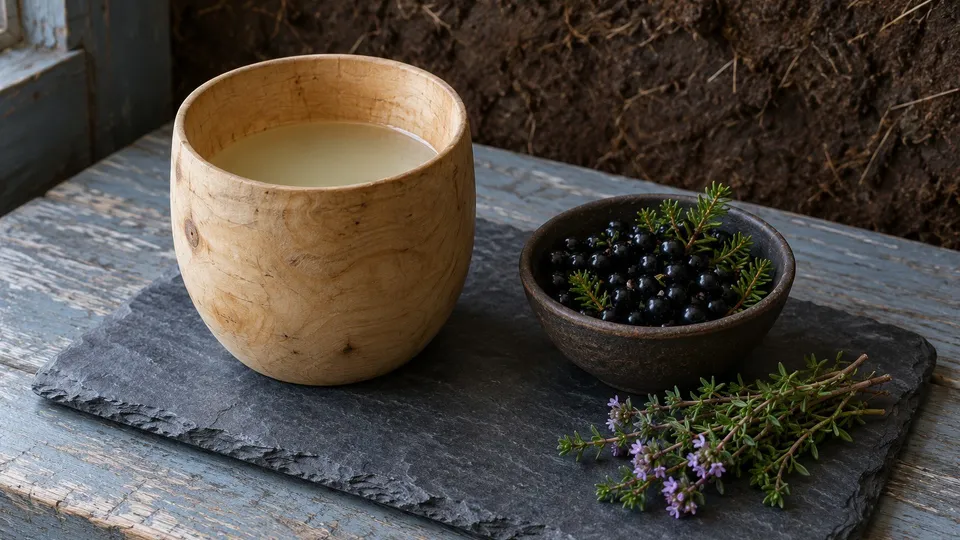
Cold water sharpened with sour whey and scented with thyme: the everyday farm drink of Iceland, recorded in 1772, from a saga-age word.
You’ll use: Sieve · Bowl · Kettle · Jug
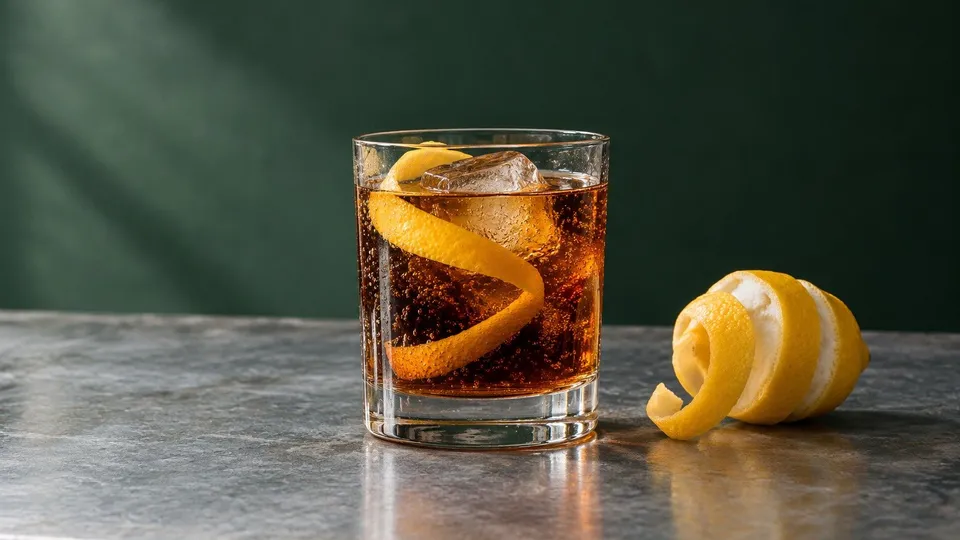
Equal parts sarsaparilla and ginger ale over a lump of ice and a whole lemon peel in a large tumbler, drunk while it fizzes: a soft cooler from a 1922 London bar book.
You’ll use: Vegetable peeler · Tumbler
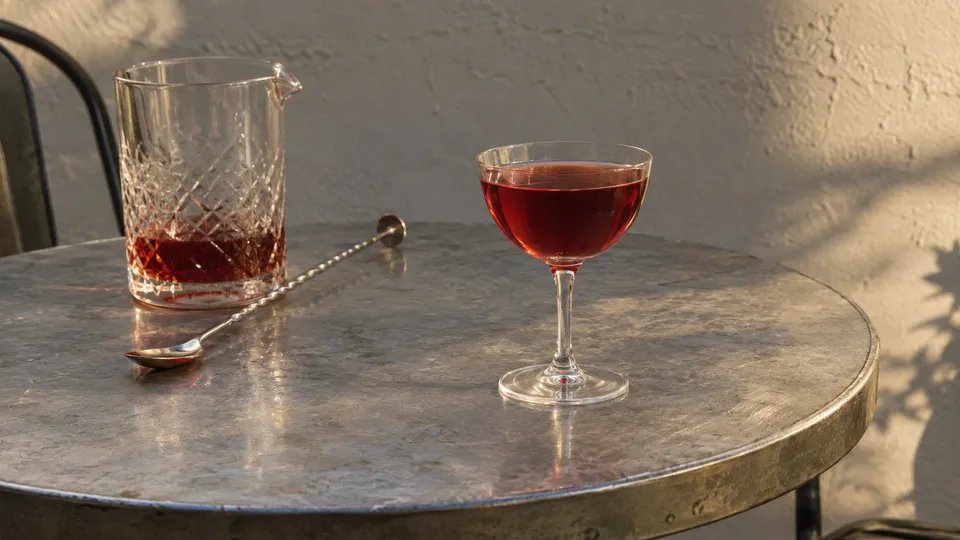
Bourbon, Campari and Italian vermouth in equal thirds: Erskine Gwynne’s drink, recorded in a single line of Barflies and Cocktails in Paris in 1927.
You’ll use: Mixing glass · Bar spoon · Strainer · Cocktail glass
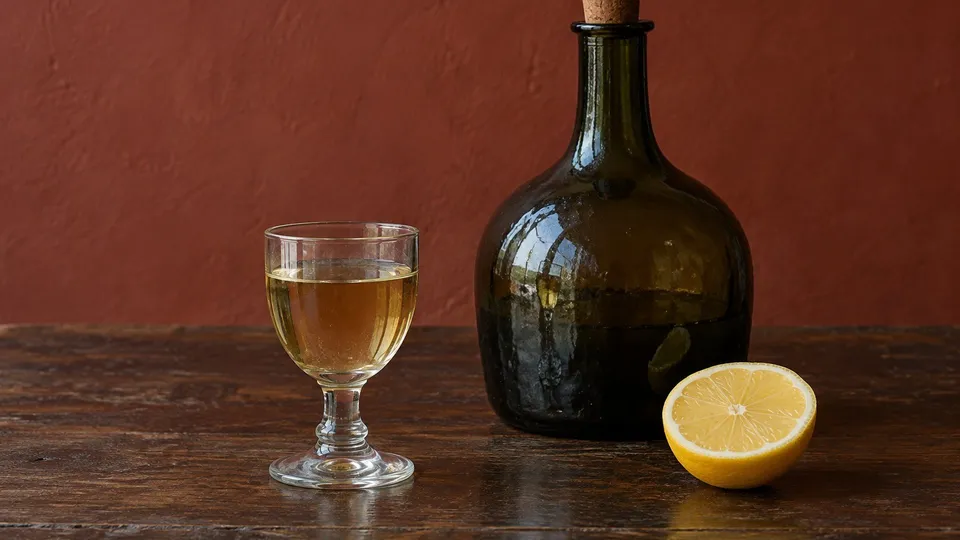
Brandy steeped three days with lemon juice, lemon peel and nutmeg, then mixed with white wine and sugar and strained twice: the English shrub of 1739, at about 24% ABV.
You’ll use: Vegetable peeler · Citrus juicer · Jar · Spoon · Sieve and coffee filter · Bottle · Tumbler
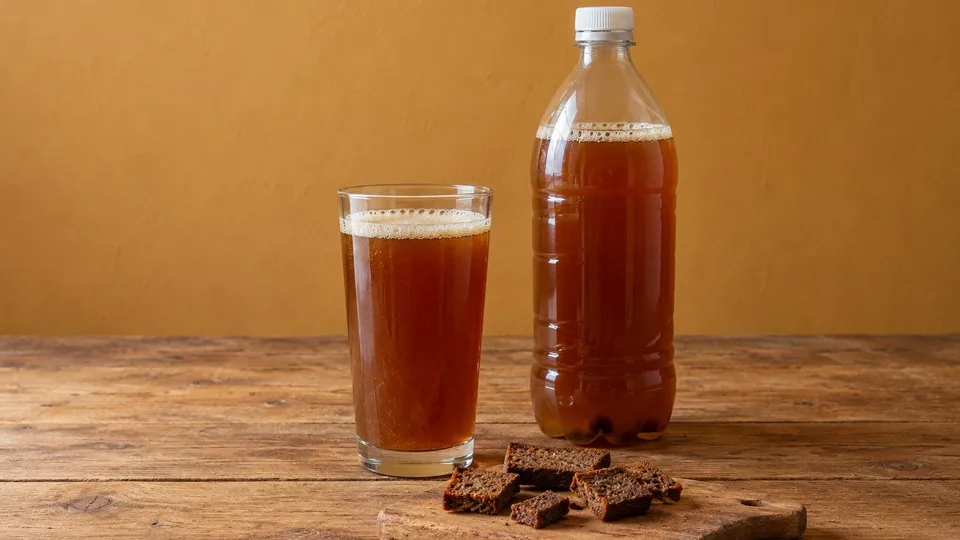
Dried rye bread steeped in boiling water, sweetened with dark treacle, started with a little yeast and bottled with two raisins: Elena Molokhovets’s 1887 kvass, at a tenth of her batch.
You’ll use: Bowl · Sieve · Funnel · Plastic soda bottles
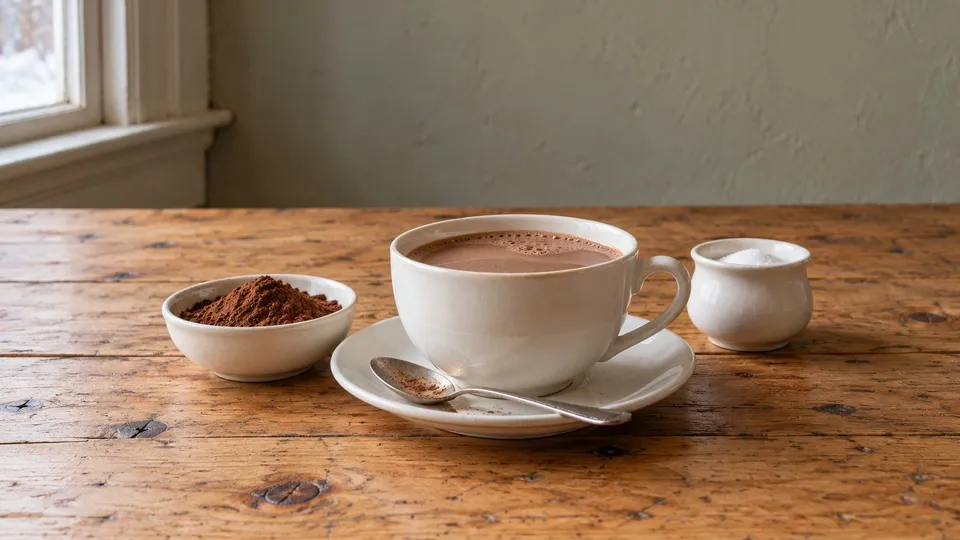
Cocoa powder worked to a paste with a spoonful of boiling water, then made up with equal parts of boiling water and boiled milk: the breakfast cocoa of a Massachusetts chocolate maker’s 1886 booklet, at the center of an 1898 lawsuit.
You’ll use: Kettle · Saucepan · Whisk · Mug
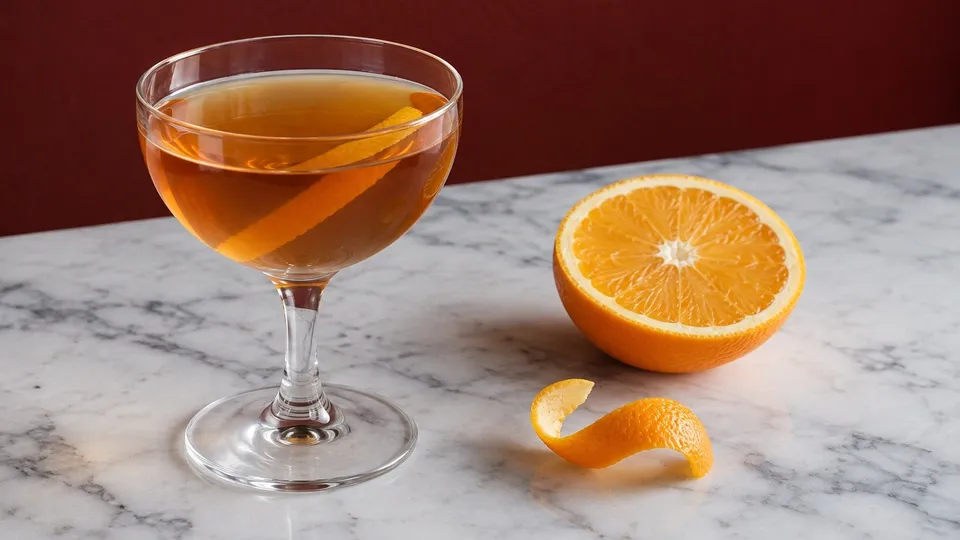
Equal thirds of gin, French and Italian vermouth, with orange bitters, a spoonful of orange juice and a squeeze of peel: the Bronx as William Boothby printed it in 1908.
You’ll use: Mixing glass · Bar spoon · Strainer · Cocktail glass
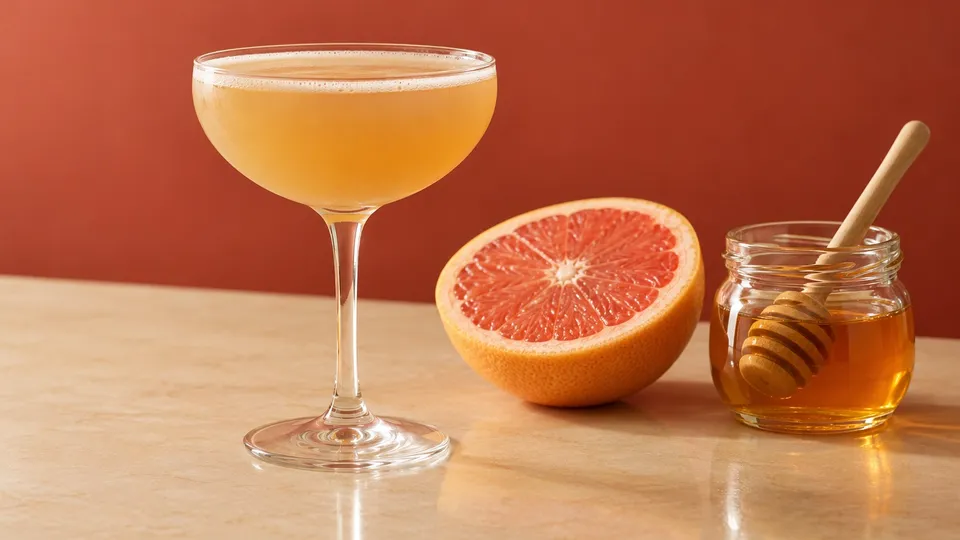
Half whisky, a quarter grapefruit juice and a quarter honey, shaken: the Brown Derby as Hollywood Cocktails printed it in 1933, the same drink the Savoy Cocktail Book had called the De Rigueur.
You’ll use: Cocktail shaker · Strainer · Cocktail glass
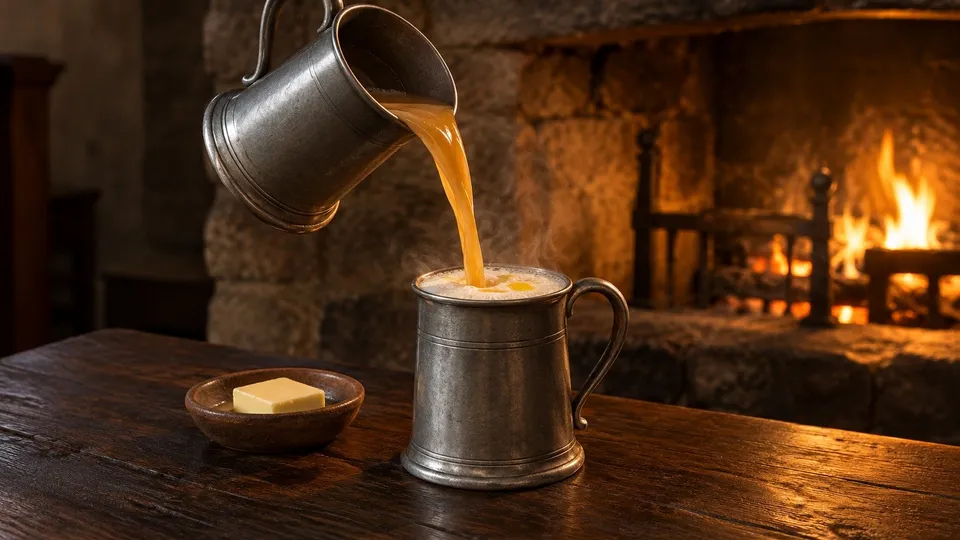
Hot beer thickened with egg yolks, sweetened, spiced with nutmeg, cloves and ginger and finished with sweet butter: buttered beer from a 1594 English cookbook.
You’ll use: Saucepan · Whisk · Sieve · Thermometer · Two jugs
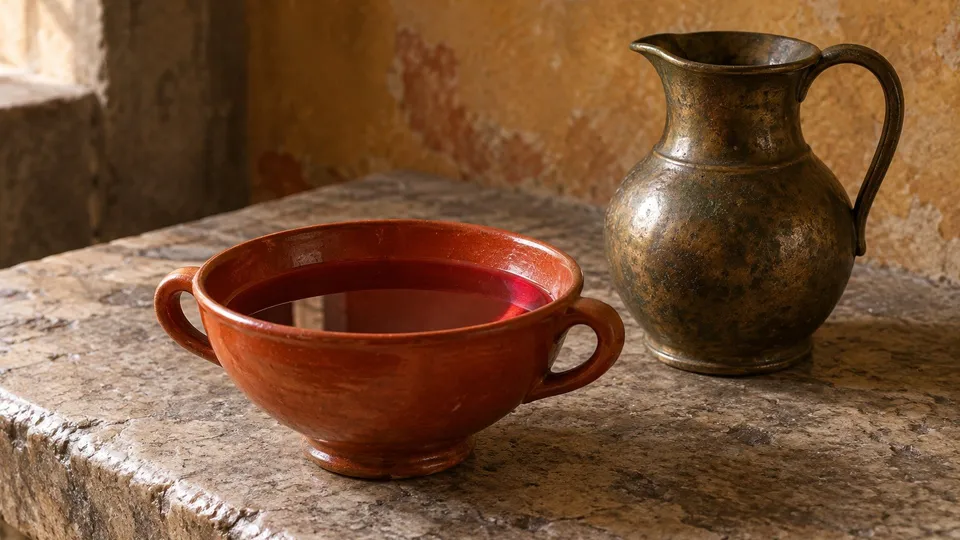
Wine mixed with hot water, more water than wine: the Roman winter drink, sometimes kept hot in bronze urns.
You’ll use: Kettle · Cup
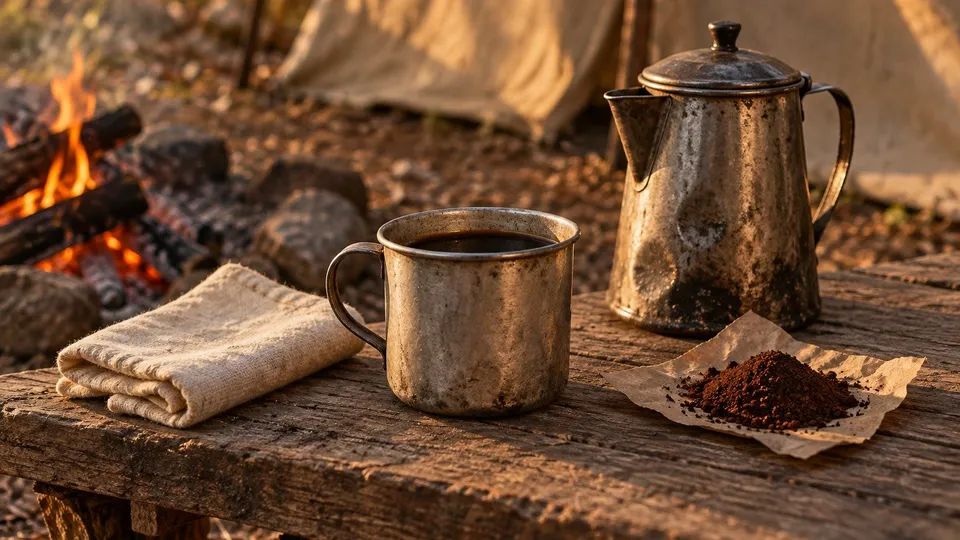
Ground coffee boiled two minutes, settled with a splash of cold water and strained through flannel: the coffee a Union commissary taught company cooks in 1862.
You’ll use: Saucepan · Coffee filter · Jug
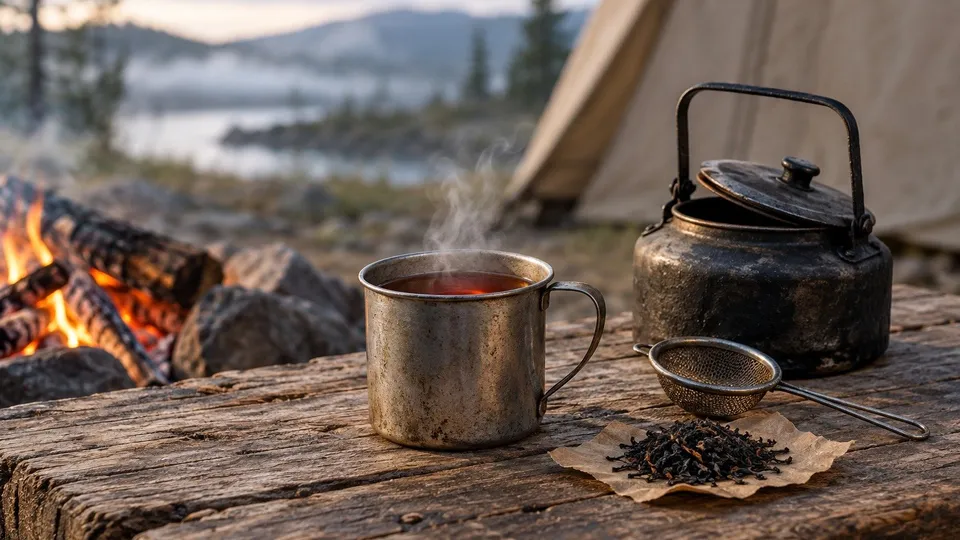
Leaves pre-steeped a minute, boiled a minute under a lid and rested five by the fire, in his method: the tea a Union commissary taught company cooks in 1862.
You’ll use: Bowl · Saucepan · Strainer · Jug
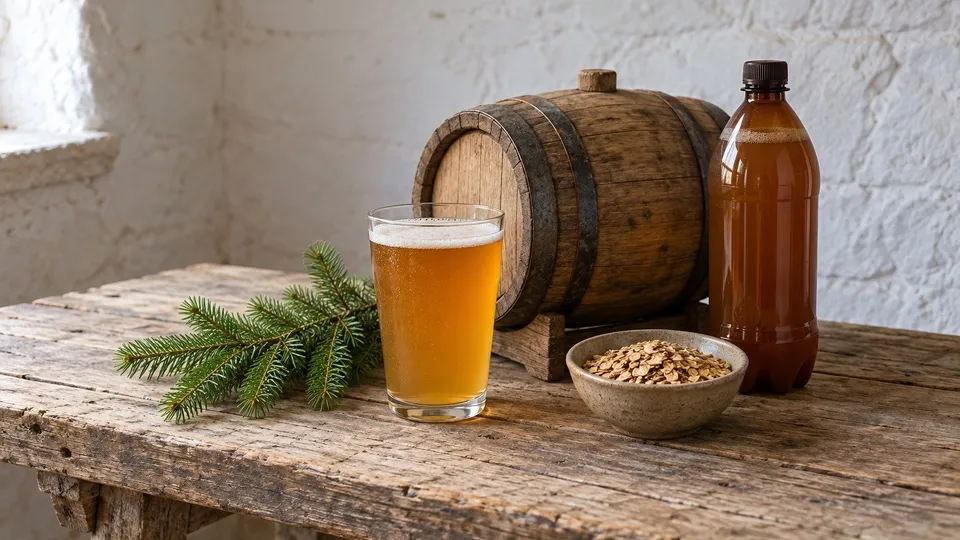
Spruce branches boiled until the bark slips, roasted oats and toast, molasses and beer yeast: spruce beer as Canada made it, printed in Paris in 1755, at one gallon.
You’ll use: Pot · Frying pan · Sieve · Jug · Funnel · Brewing sanitizer · Thermometer · Plastic soda bottles
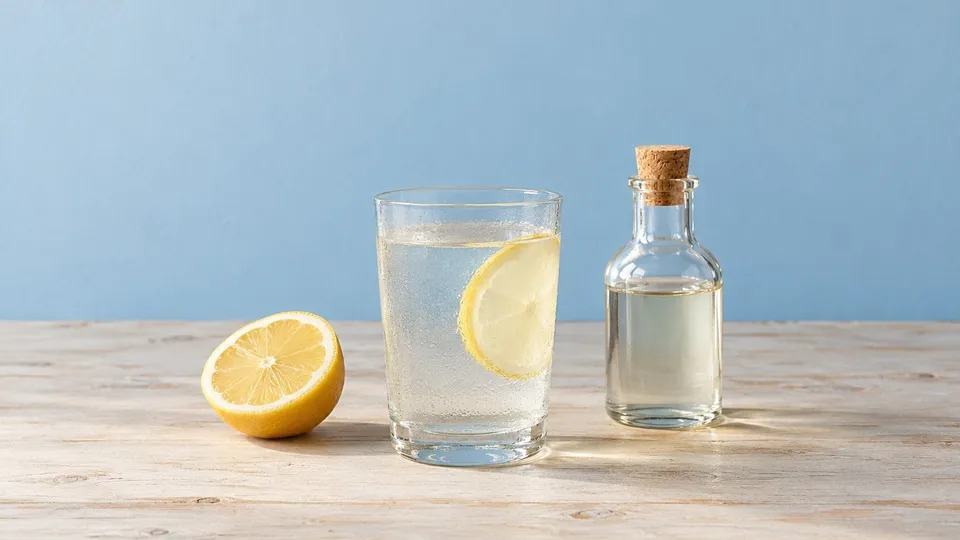
A thick sugar syrup scented with orange-flower water, stirred into cold water with a little lemon juice: capillaire, which Meg Dods’s Edinburgh cookbook of 1829 called a pleasant summer-draught.
You’ll use: Saucepan · Sieve · Bottle
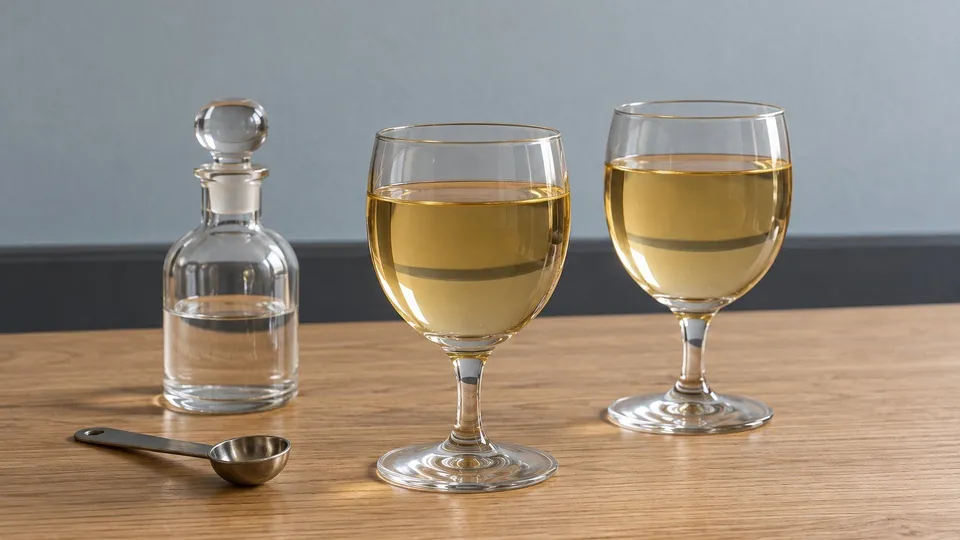
Still hard cider with a little vodka, syrup and a few drops of orange-flower water, poured into small stemmed glasses: Terrington’s 1869 champagne cider, fortified and scented, in a modern version.
You’ll use: Jug · Measuring jug and spoons · Stemmed glasses
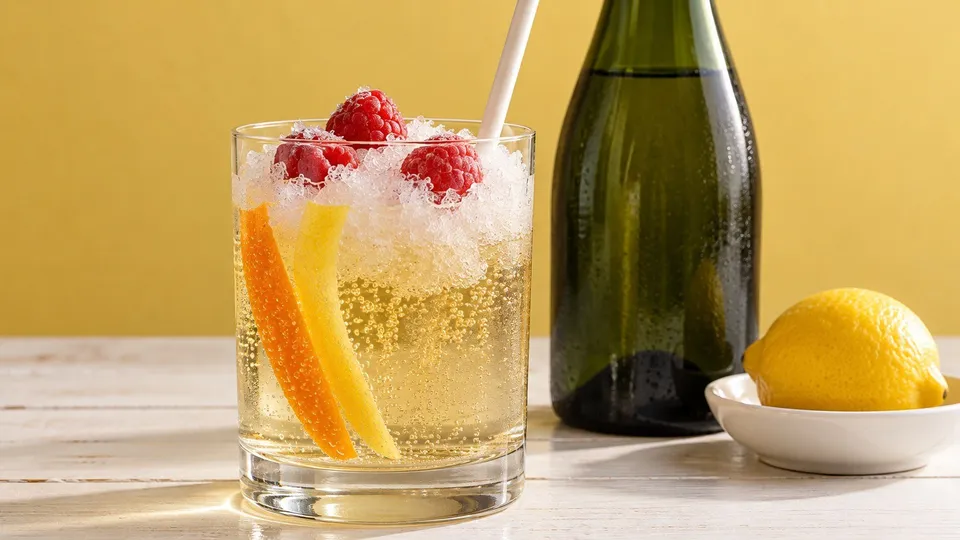
A quarter bottle of champagne poured over shaved ice with sugar and a piece each of orange and lemon peel, dressed with berries and sipped through a straw: Jerry Thomas’s Champagne Cobbler of 1862.
You’ll use: Tumbler · Peeler · Bar spoon
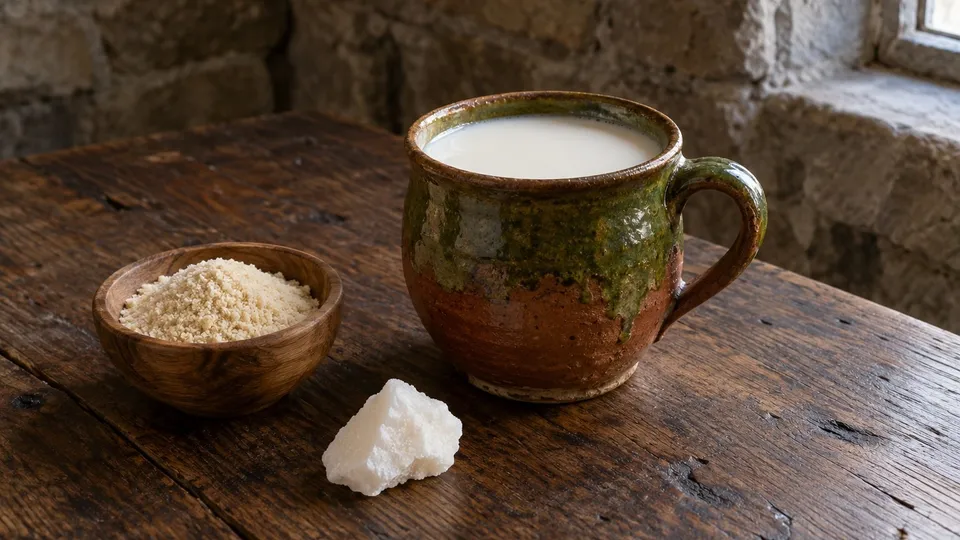
Blanched almonds ground with water, strained, boiled once and sweetened with sugar and salt: the fifteenth-century almond caudle made without the ale.
You’ll use: Blender · Sieve · Saucepan
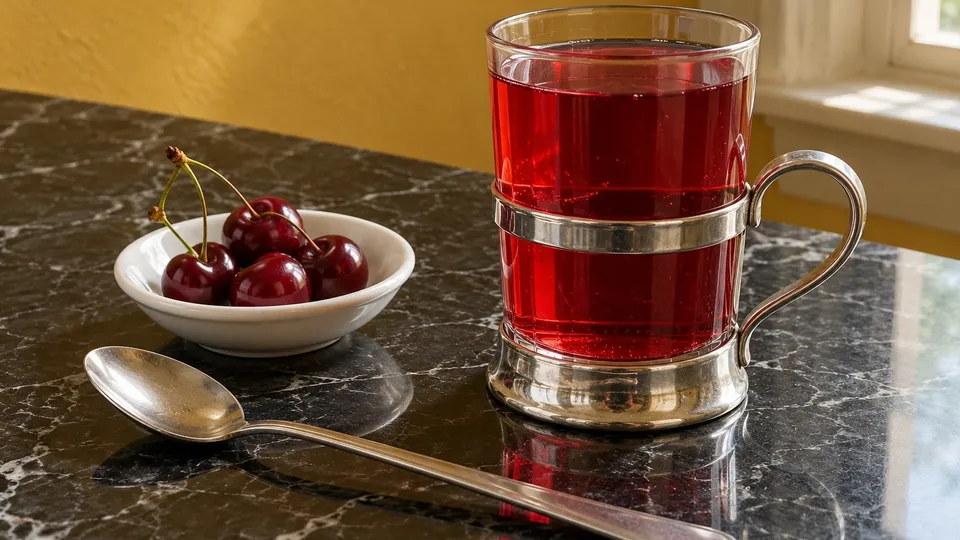
Fresh cherry syrup, cold soda water and acid phosphate added last, stirred in a short glass: the soda fountain’s cherry sour, after Saxe’s dispensers’ guide of 1894.
You’ll use: Bowl · Potato masher · Sieve · Saucepan · Bottle · Tumbler · Long spoon
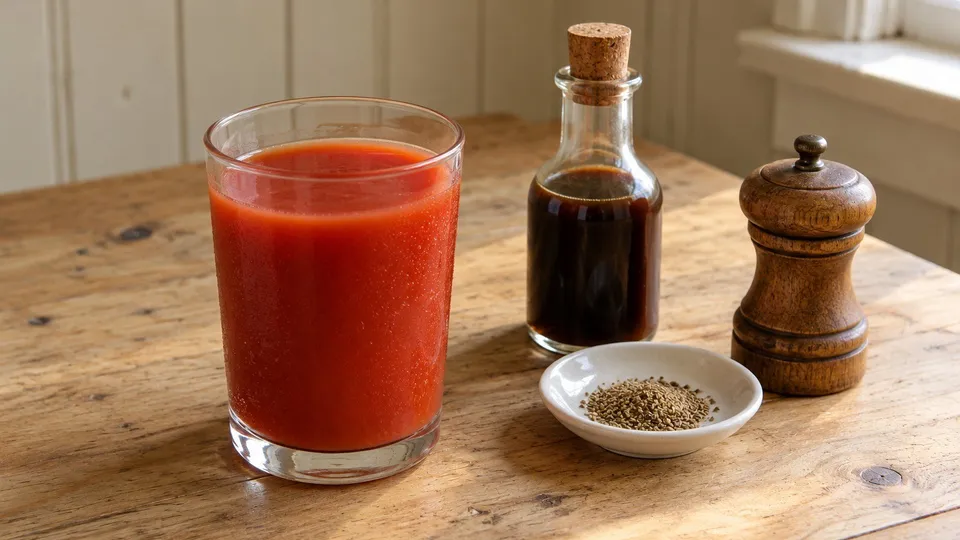
Ripe tomatoes simmered soft, pressed through a sieve and lightly salted, then seasoned glass by glass from the USDA’s 1934 list: Worcestershire, Tabasco, celery seed and more.
You’ll use: Saucepan · Sieve · Bowl · Jug · Glasses
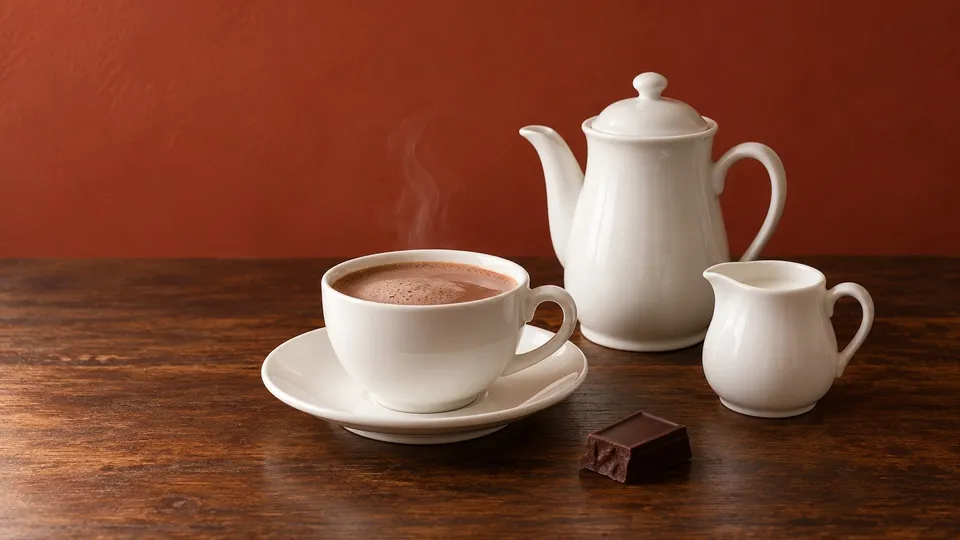
Fresh coffee poured through the grounds and chocolate melted into hot milk, mixed half and half in the cup: the choca of Pierre Blot’s 1866 New York cookery lectures.
You’ll use: Coffee dripper and filters · Kettle · Grater · Saucepan · Whisk
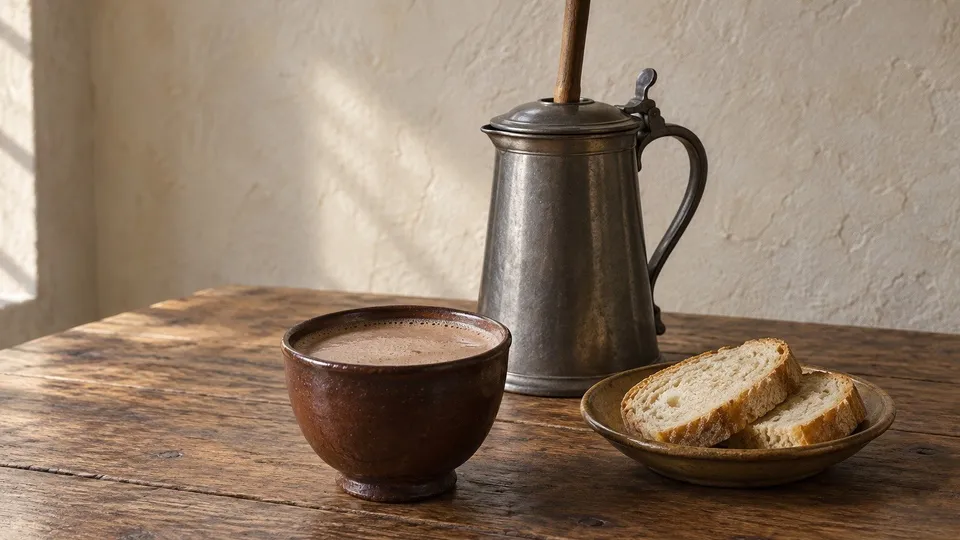
Grated chocolate frothed into boiling milk with two egg yolks and sugar: the 1652 breakfast cup from the earliest English chocolate book we know of.
You’ll use: Saucepan · Grater · Chocolate whisk · Bowl · Ladle · Thermometer
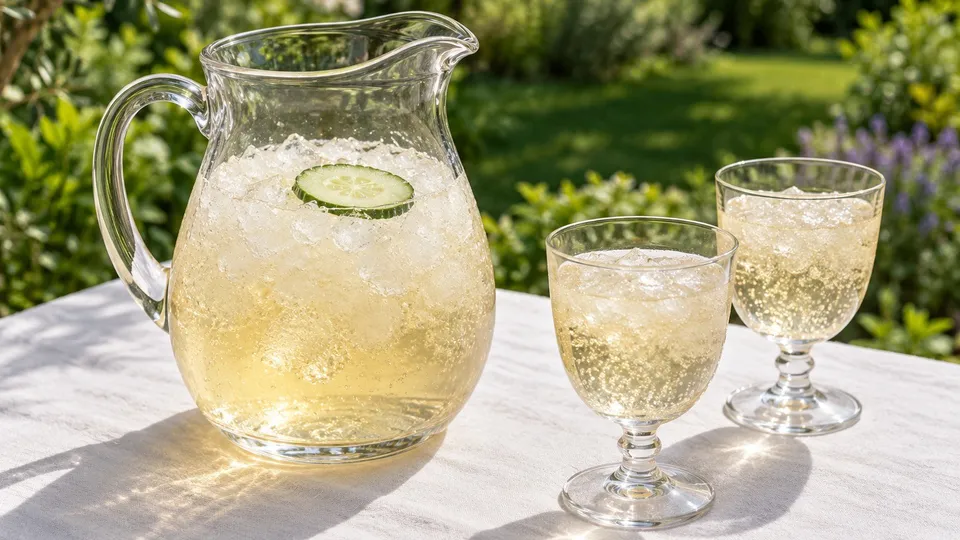
Sparkling cider with curaçao, brandy, rock sugar, lemon and a slice of cucumber, poured over shaved ice and served at once: a summer cider cup from 1869, at half quantity.
You’ll use: Jug · Kettle · Lemon squeezer and sieve · Glasses
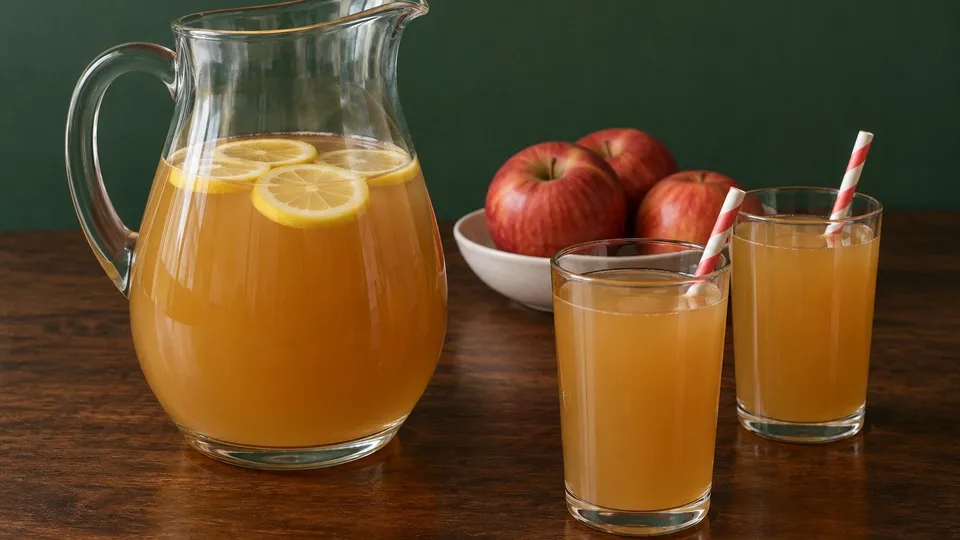
Fresh sweet apple cider in a tall pitcher with lemon slices and the juice of three lemons, served with straws, or hot on a cold night: the drink of a 1903 Halloween party book.
You’ll use: Pitcher · Citrus juicer · Glass · Saucepan
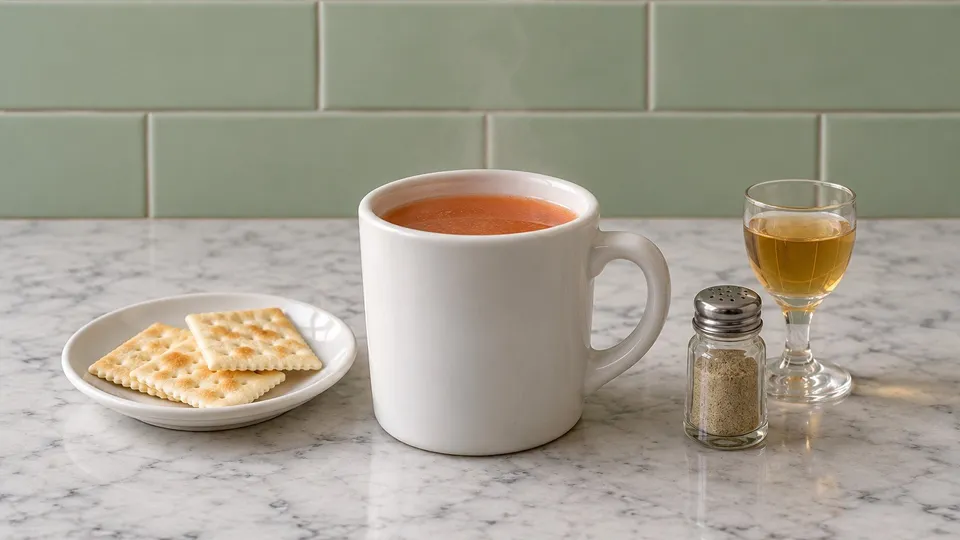
Clam juice and tomato catsup in a mug of boiling water, seasoned with salt, pepper and celery salt and finished with a dash of sherry: the 1919 clam punch, a hot savory cousin of the Bloody Mary.
You’ll use: Kettle · Mug
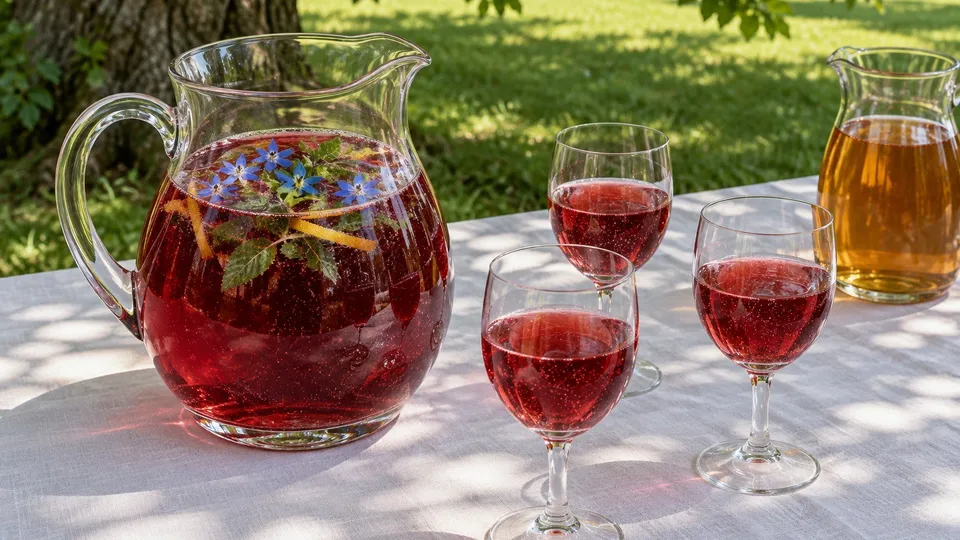
Claret chilled with lemon peel and sugar, then sherry, brandy, noyau, maraschino, borage and soda water: the claret cup of the Edwardian tennis tea, from 1906.
You’ll use: Jug · Bowl · Vegetable peeler · Measuring jug · Long spoon
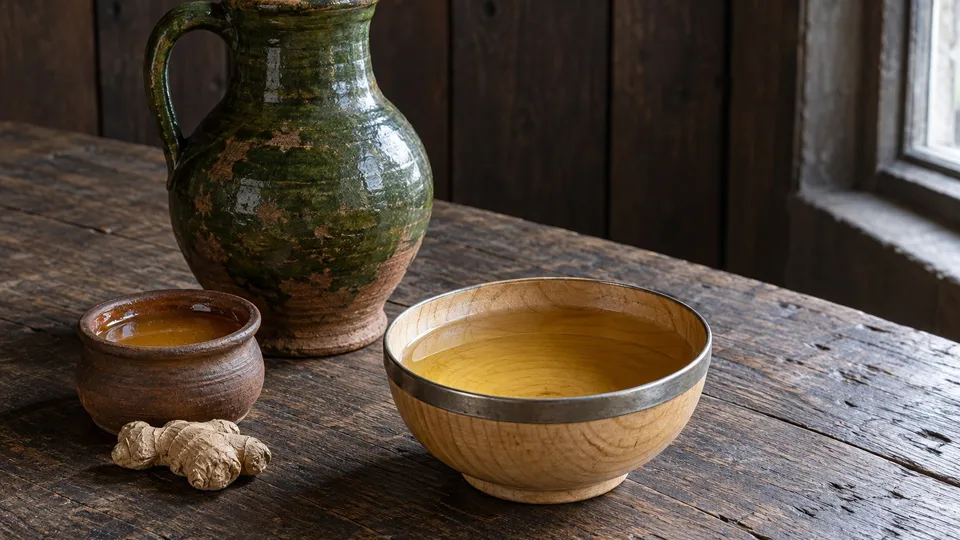
White wine with clarified honey, ginger and cinnamon, run through a strainer: one documented form of clarrey, the medieval spiced wine akin to hippocras.
You’ll use: Saucepan · Jug · Sieve and coffee filter · Bottle
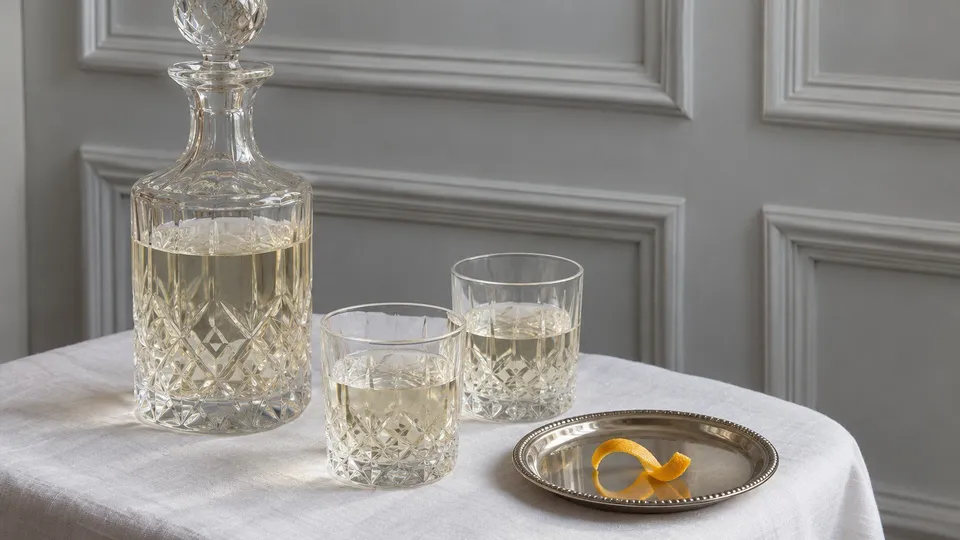
Orange and lemon peel steeped four hours, sugar syrup and fresh juice, run through a jelly bag until bright: Mrs. Rundell’s 1813 party lemonade, alcohol-free.
You’ll use: Vegetable peeler · Kettle · Bowl · Saucepan · Citrus juicer · Jug · Jelly bag · Bottle
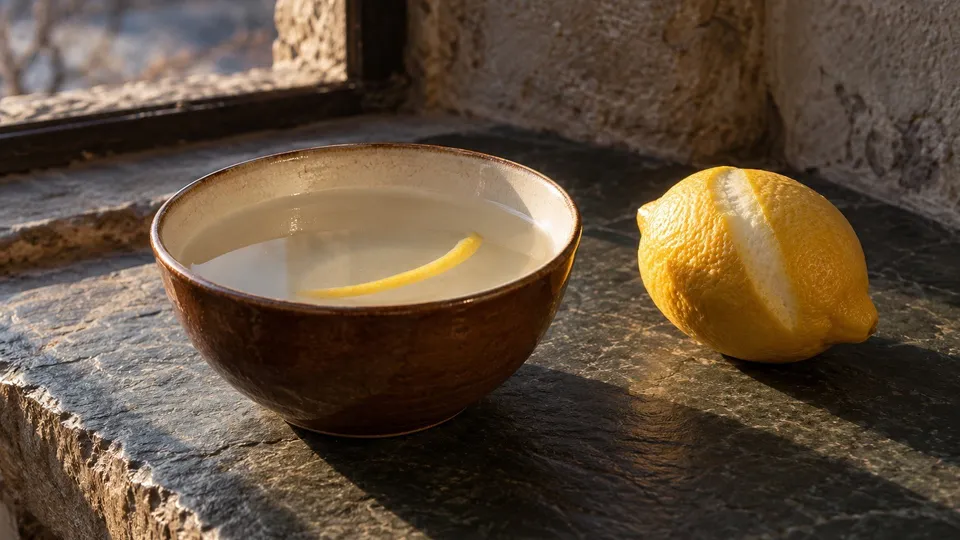
Boiling water stirred onto arrowroot with a strip of lemon peel until clear and lightly thick, then sweetened: the 1812 cookery-book saloop, made without its wine.
You’ll use: Kettle · Saucepan · Spoon · Vegetable peeler · Bowls
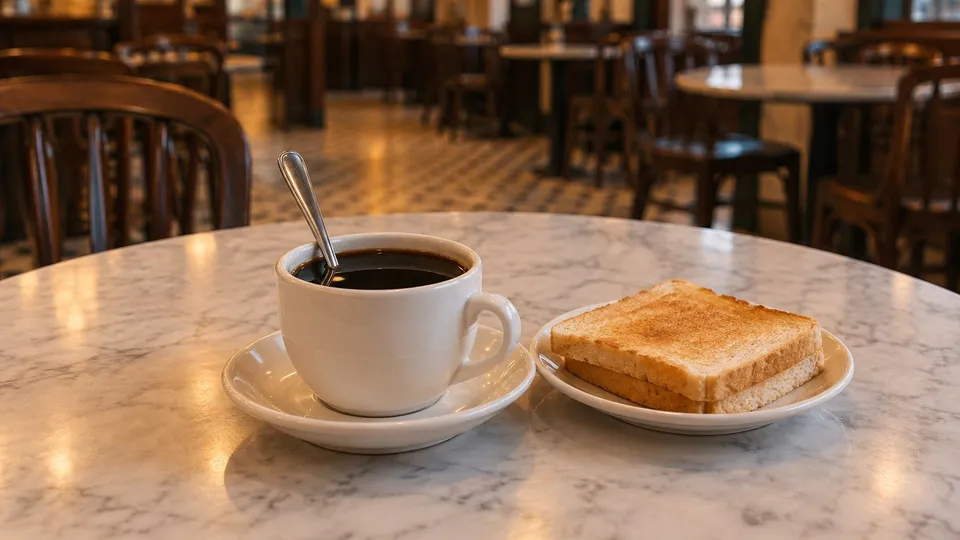
Jet-black coffee poured over a spoonful of sweetened condensed milk, left for the drinker to stir until it turns light brown: the four-cent coffee-shop cup of 1933 Singapore.
You’ll use: Kettle · Coffee pot · Strainer · Cup and spoon
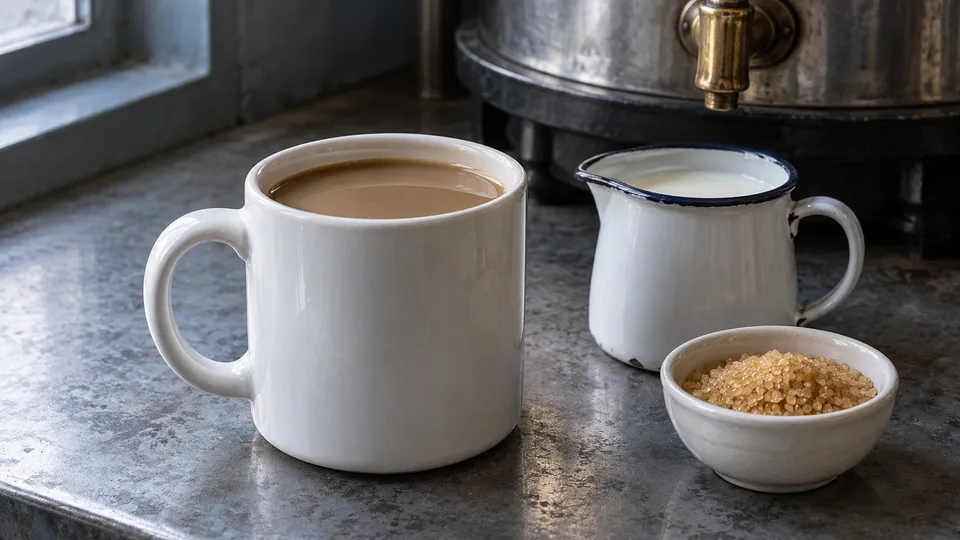
Fresh-ground coffee steeped fifteen minutes in boiling water, strained, then sweetened with Demerara and hot milk: the urn coffee an 1878 manual costed at a penny a cup.
You’ll use: Coffee grinder · Jug · Saucepan · Sieve · Mugs
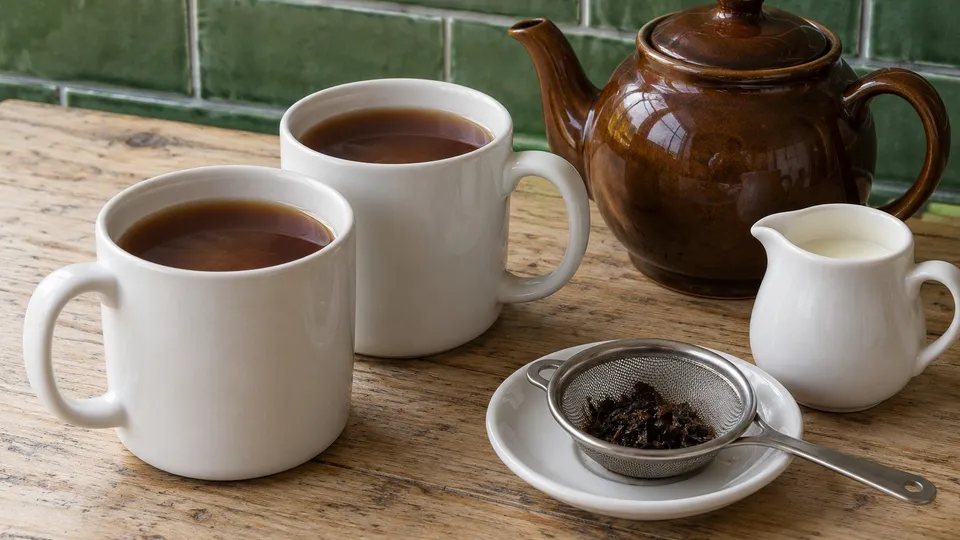
China black tea and Assam steeped exactly ten minutes, poured off the leaves, sweetened in the pot and given a spoonful of milk: tea from an 1878 coffee-tavern manual.
You’ll use: Kettle · Teapots · Tea strainer · Timer · Mugs
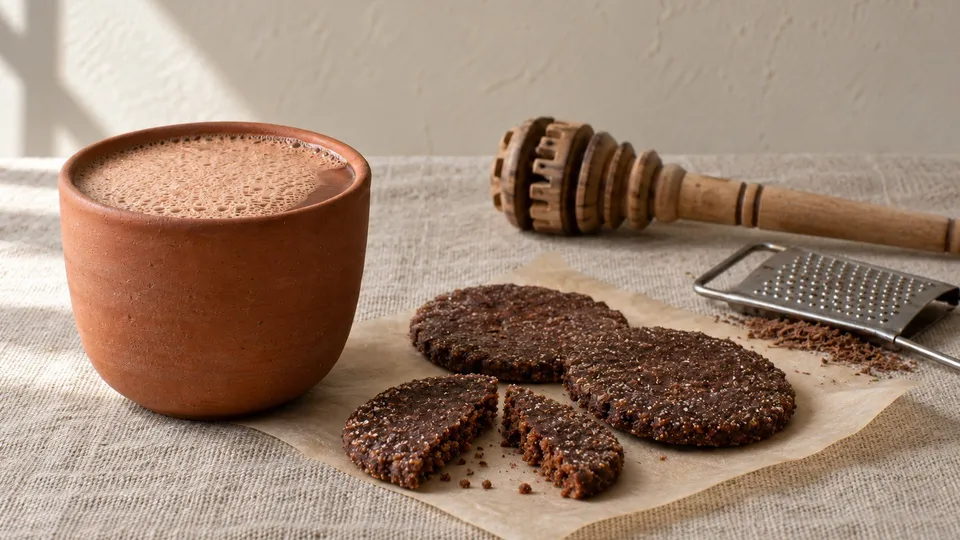
Chocolate cakes ground with chile, aniseed, cinnamon, vanilla and nuts, then frothed into hot water: a Spanish physician’s recipe, printed in London in 1685.
You’ll use: Frying pan · Spice grinder · Bowl and saucepan · Baking parchment · Grater · Saucepan · Chocolate whisk
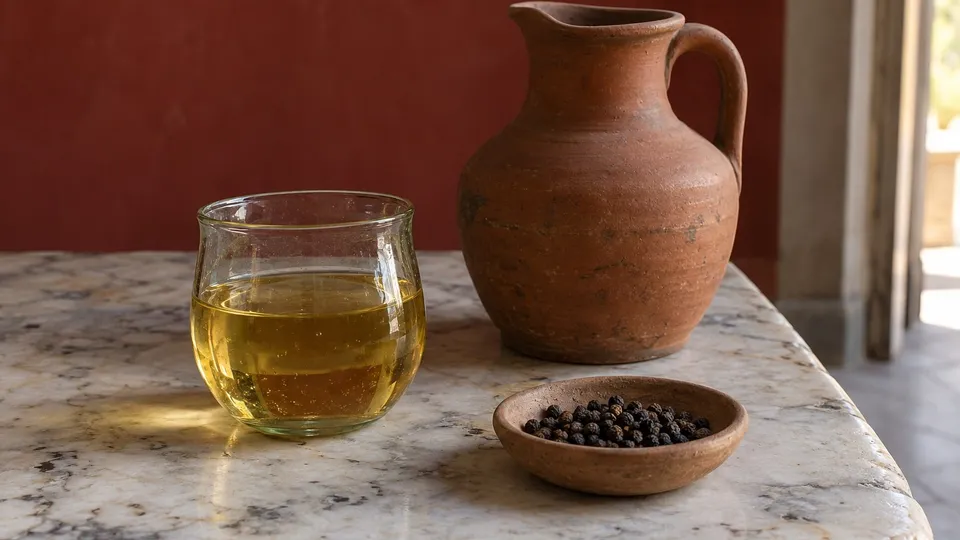
The first recipe in the Roman cookbook of Apicius: honey boiled with wine, then steeped with pepper, saffron, bay and mastic resin.
You’ll use: Frying pan · Mortar and pestle · Kitchen scale · Saucepan · Whisk · Sieve · Jar · Bottle
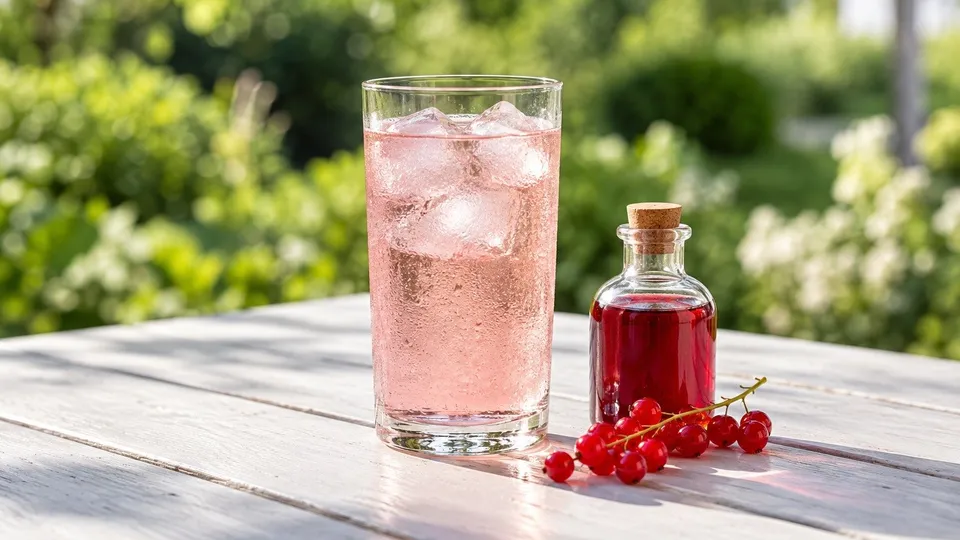
Red currant juice boiled five minutes with its weight in sugar and stirred as it cools: a family shrub dated 1845 and printed in 1920, a teaspoon to a glass of iced water.
You’ll use: Potato masher · Sieve · Saucepan · Spoon · Bottle
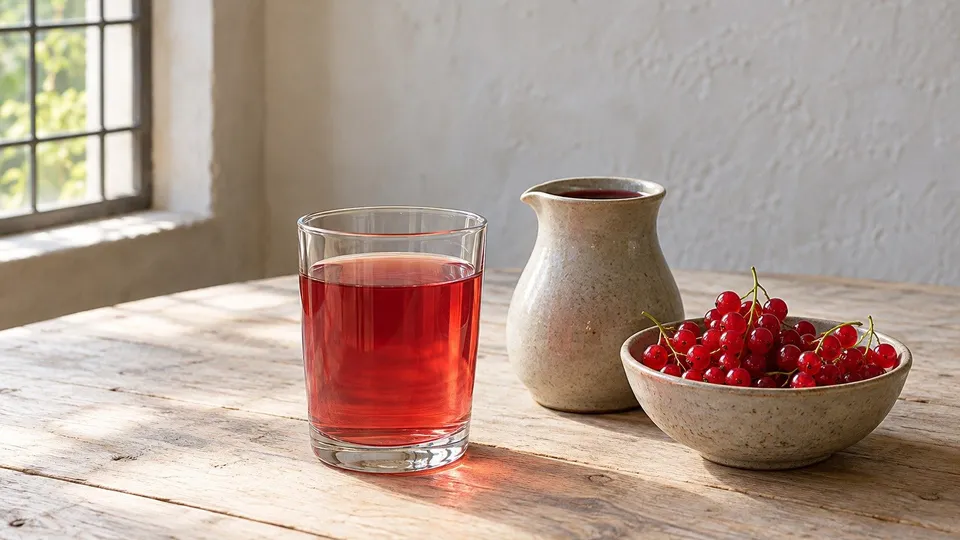
Red currant juice boiled with sugar to a thin syrup, three parts to two, and stirred into cold water: a thirst-quencher from an Amsterdam book of 1669.
You’ll use: Saucepan · Sieve · Bottle
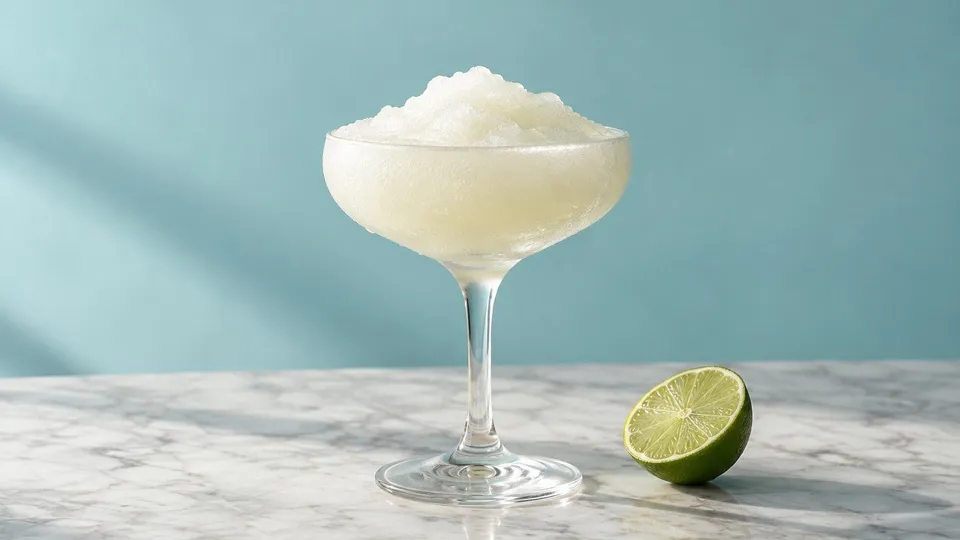
Gold rum, a teaspoon each of sugar and maraschino and half a lime, whizzed with snow-fine ice and served frappé: the Daiquirí No. 4 of Havana’s Bar La Florida, printed in 1939.
You’ll use: Blender · Coarse strainer · Citrus juicer · Coupe
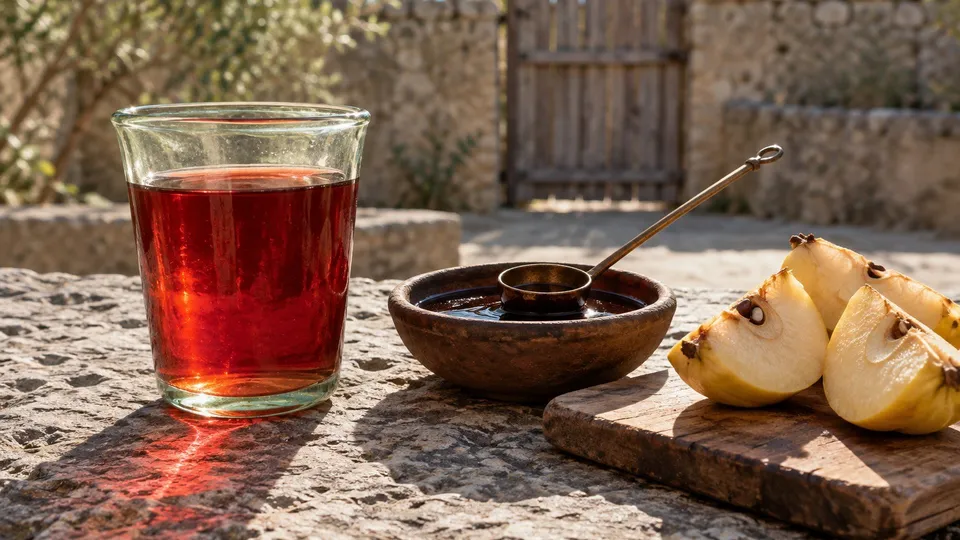
Grape juice boiled down to half its volume into the Romans’ defrutum, then stirred into cold water: a dark, sweet, alcohol-free grape drink.
You’ll use: Saucepan · Spoon · Measuring jug · Bottle
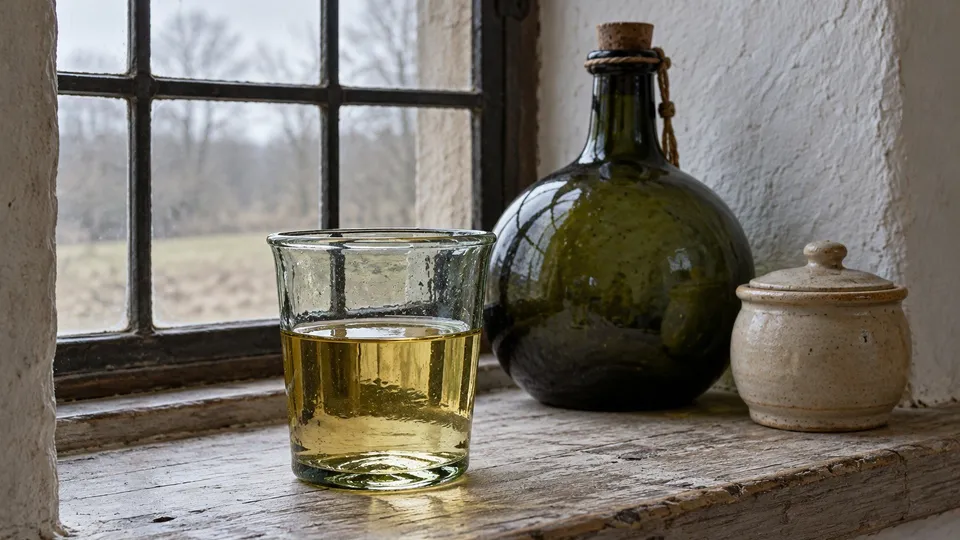
A gallon of light, gingery mead at about 4.4% ABV: one part honey to eighteen of water, boiled an hour with ginger, clove and rosemary, from Digby’s 1669 book.
You’ll use: Saucepan · Spoon · Thermometer · Sieve · Funnel · Demijohn with an airlock · Hydrometer · No-rinse sanitizer · Siphon tube · Swing-top bottles
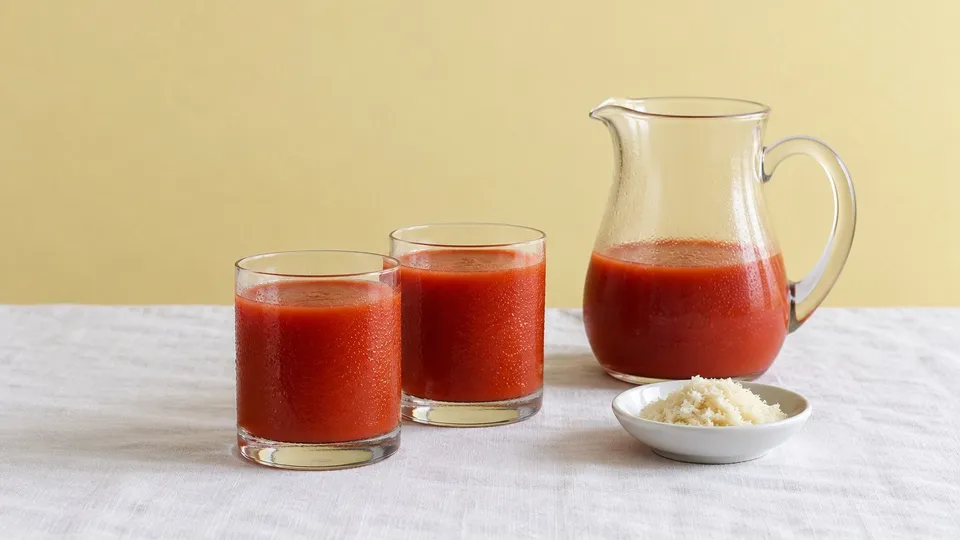
Chilled tomato juice with salt, horseradish and a little sugar: the alcohol-free tomato juice cocktail that a Washington hotel said it served more than any other recipe on its menu in 1930.
You’ll use: Jug · Glasses
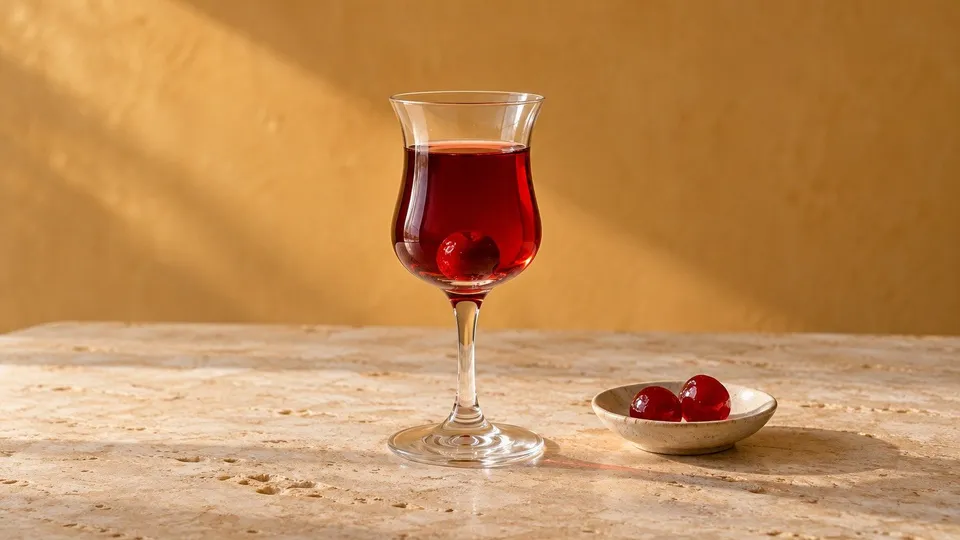
Lemon, Campari, Campari’s sweet cordial and old cognac, shaken and served with a candied cherry: a Lugano bartender’s cocktail, named for the Duke of Bergamo with his written permission in 1935.
You’ll use: Cocktail shaker and strainer · Stemmed cocktail glass
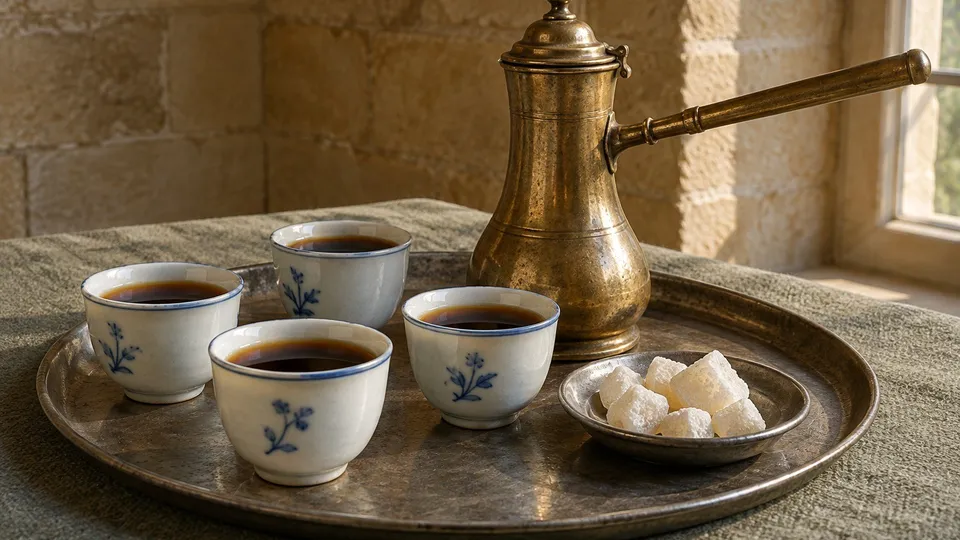
A third of a spoonful of fine coffee a head, boiled briefly with a little sugar and sipped scalding from small cups: coffee as a 1685 handbook made it.
You’ll use: Saucepan · Cups
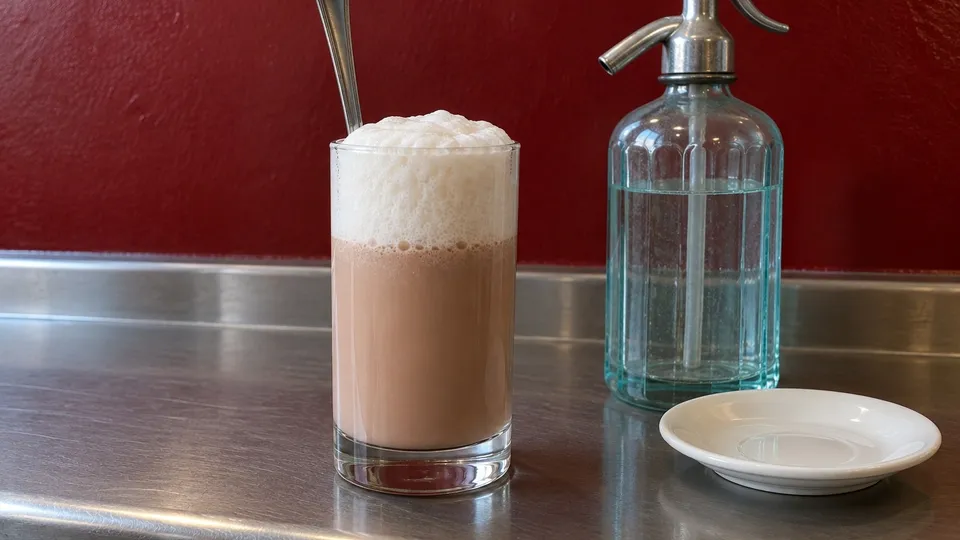
Chocolate syrup, cold milk and seltzer stirred to a white head, plus the 1897 egg cream that really did have egg yolks and cream in it, topped with nutmeg.
You’ll use: Glass · Long spoon · Saucepan · Bowl · Whisk · Jar · Tumbler · Nutmeg grater
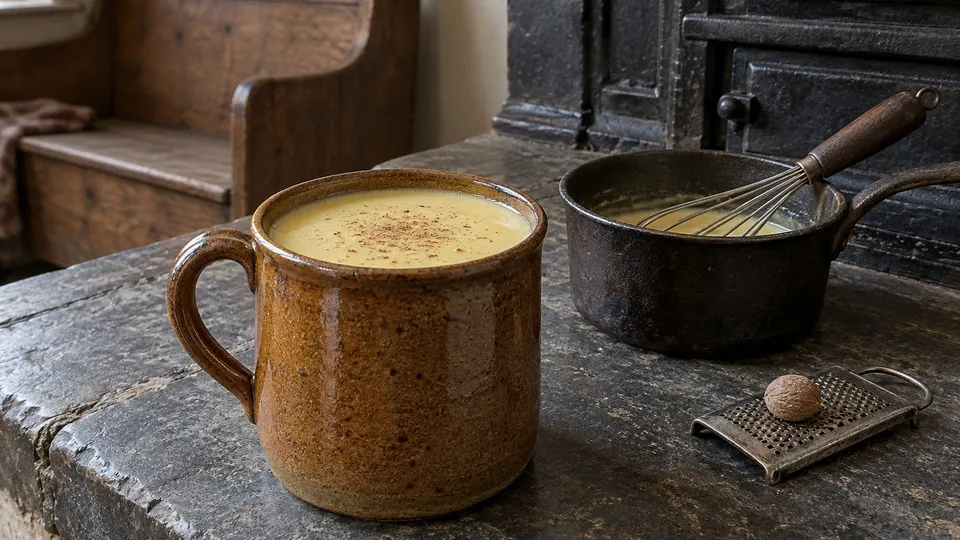
Two beaten eggs stirred into a pint of milk and heated until scalding but never boiling, then sweetened and finished with nutmeg or lemon: Lettice Bryan’s egg drink of 1839.
You’ll use: Saucepan · Whisk · Thermometer · Nutmeg grater · Mugs
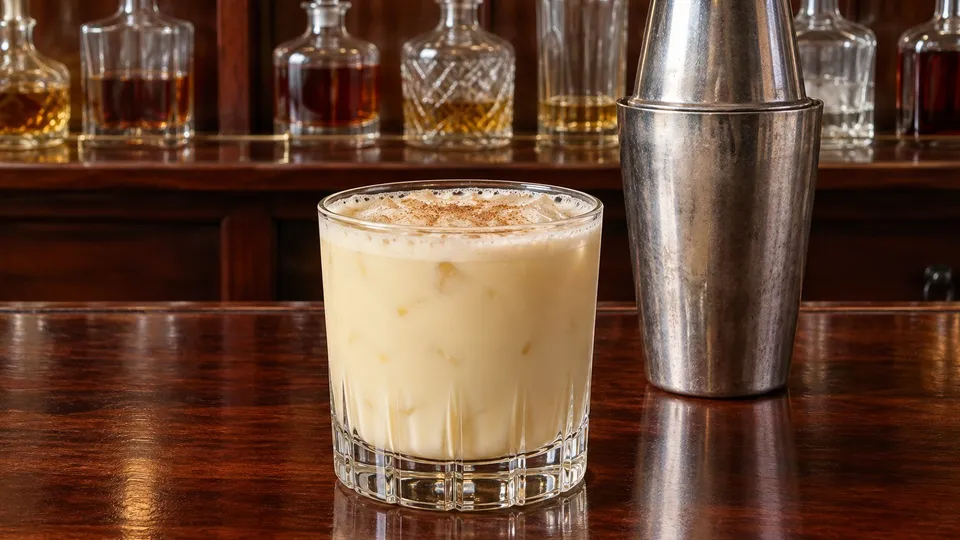
One egg, a wine-glass of Cognac, half as much St. Croix rum, sugar and a third of a tumbler of milk, shaken with shaved ice and topped with nutmeg: Jerry Thomas’s eggnog of 1862.
You’ll use: Cocktail shaker · Tumbler · Nutmeg grater
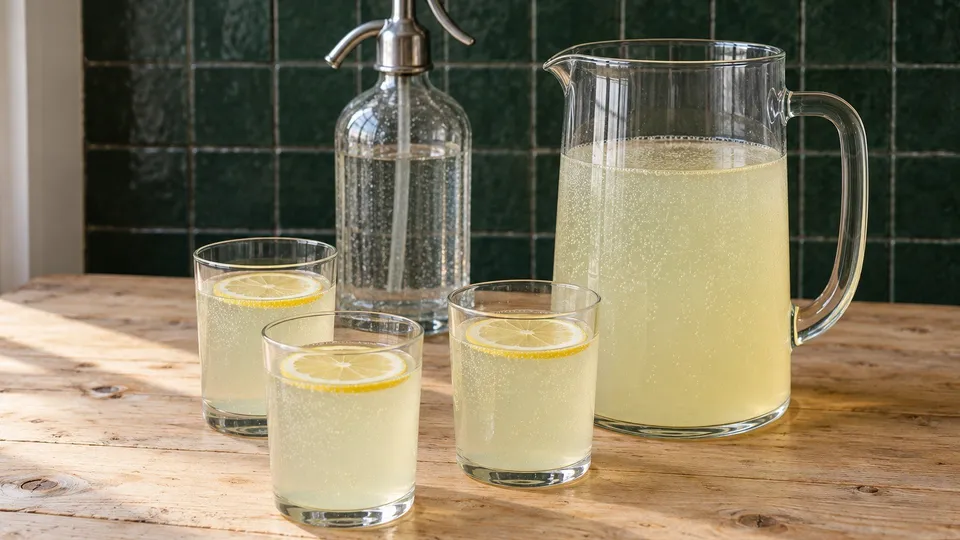
Lemon zest and juice steeped cold in sugar syrup for three hours, strained and lengthened with a siphon of seltzer, with a thin round of lemon in each glass: Escoffier’s lemonade of 1907.
You’ll use: Vegetable peeler · Jug · Strainer · Serving jug
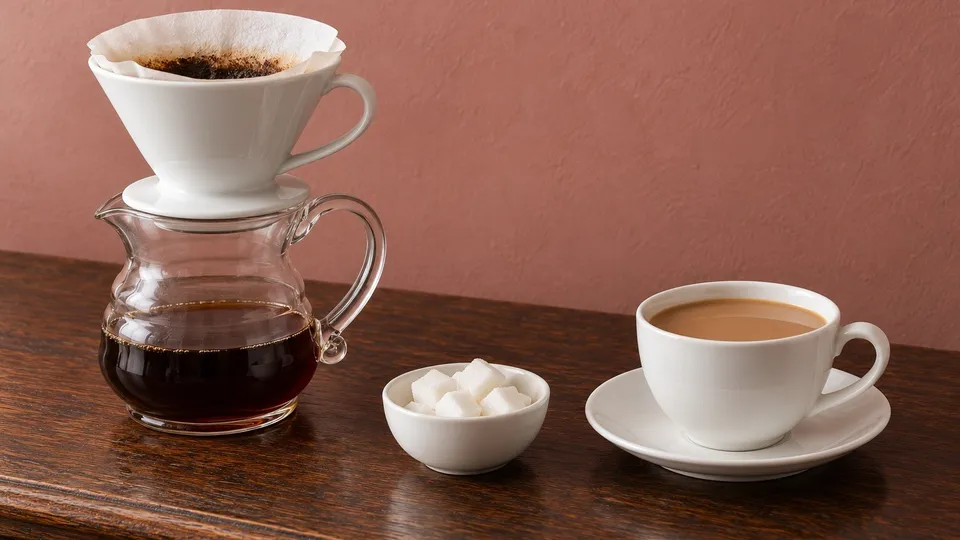
Fine-ground coffee in a strainer, boiling water poured on by degrees and the pot covered between pours, served at once over cut sugar and cream: drip coffee from the 1896 Boston Cooking-School Cook Book.
You’ll use: Coffee grinder · Kettle · Coffee dripper and filters · Jug
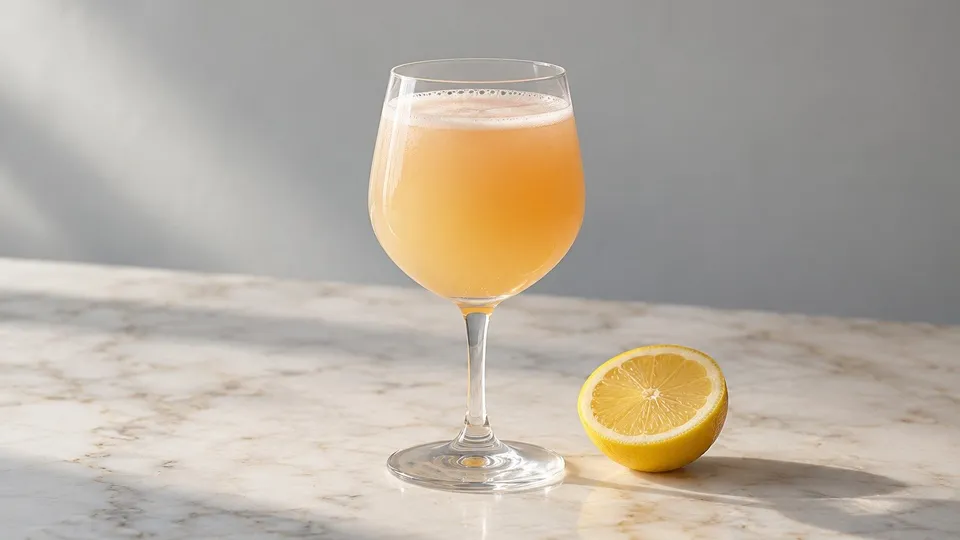
Lemon and orange juice shaken with a few dashes of bitters and only as much syrup as you want: the sharp Florida Cocktail from the alcohol-free chapter of a 1922 London bar book.
You’ll use: Cocktail shaker and strainer · Citrus juicer · Stemmed wine glass
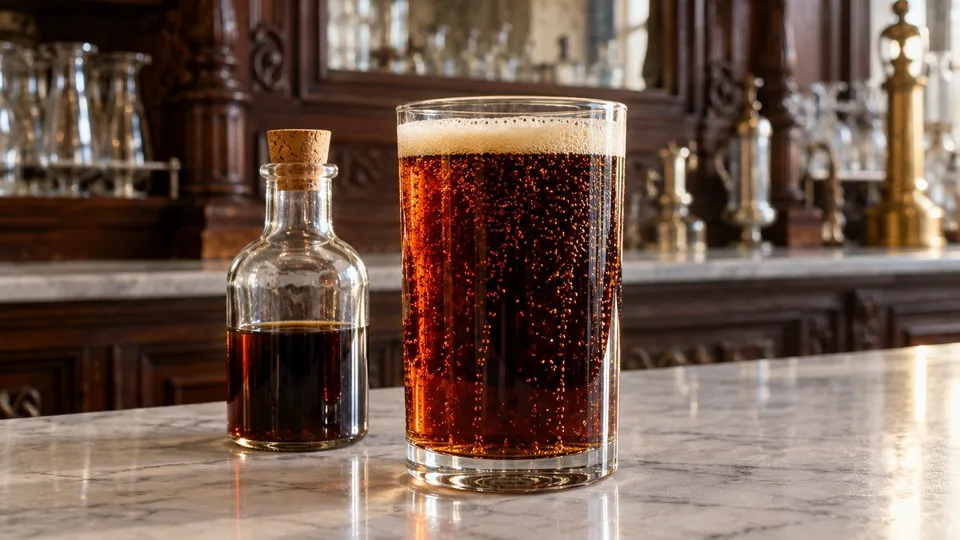
Root beer extract stirred into a heavy sugar syrup and drawn with very cold soda water, as an 1897 soda manual made it: never fermented, and alcohol-free with an alcohol-free extract.
You’ll use: Saucepan · Bottle · Soda glass
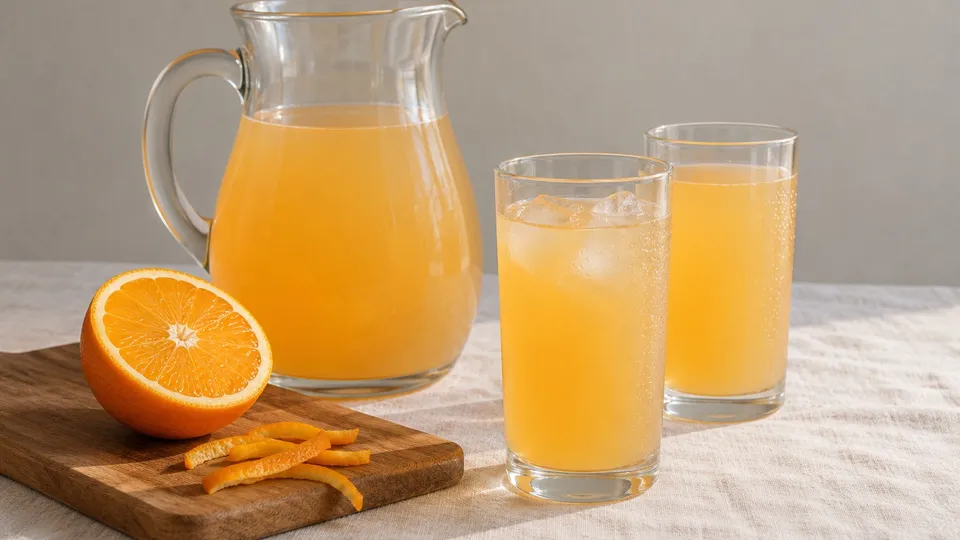
Orange rind steeped in hot syrup, fresh orange juice and cold water: the real orangeade a 1921 state chemist demanded, from a 1924 London drinks book.
You’ll use: Vegetable peeler · Saucepan · Bowl · Citrus juicer · Sieve · Jug
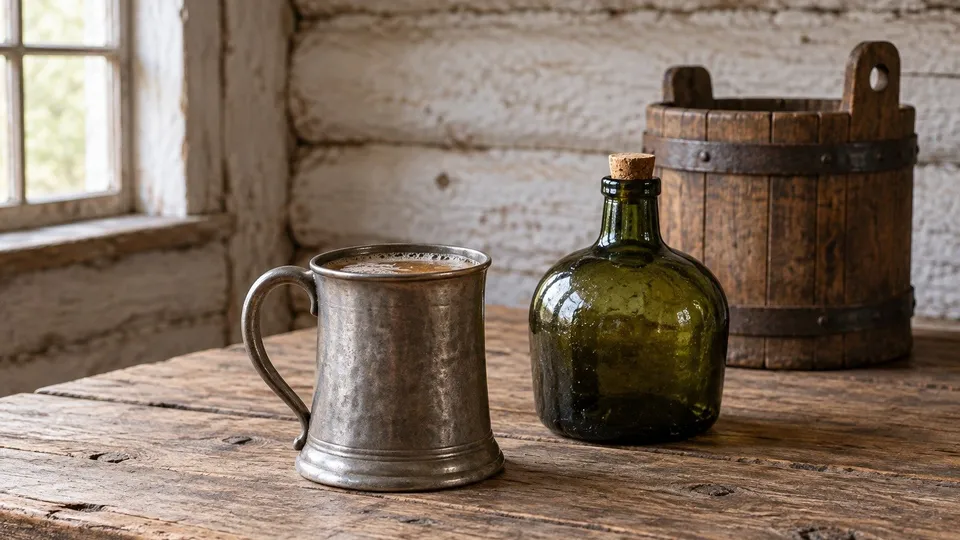
Bran and hops boiled three hours, strained onto molasses and worked a week: the small beer in the notebook George Washington kept as a Virginia colonel in 1757.
You’ll use: Stockpot · Bowl · Sieve · Thermometer · Jug · Funnel · Brewing sanitizer · Plastic soda bottles
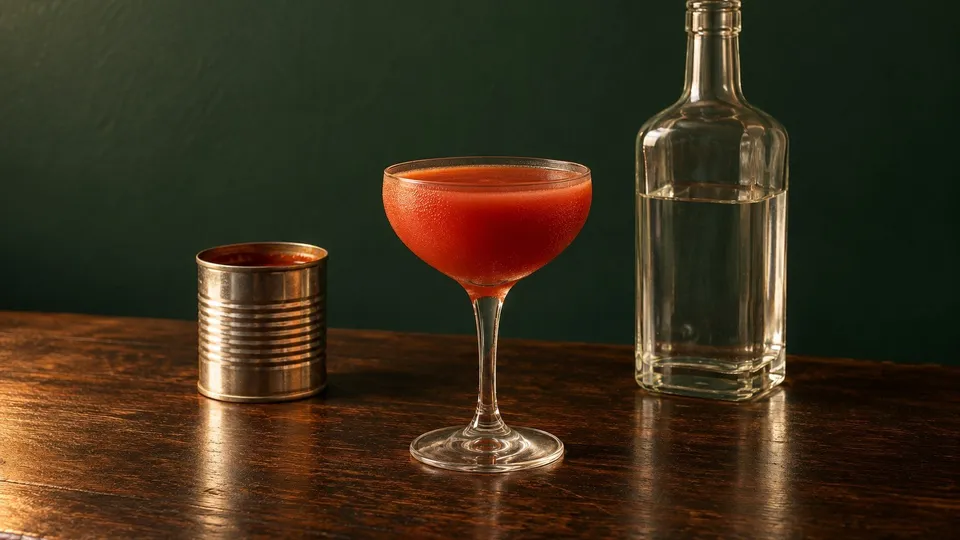
Equal parts tomato juice and gin, shaken cold: the Broadway cocktail of January 1929, drunk against the next morning’s headache ten years before the name Bloody Mary turns up in print.
You’ll use: Cocktail shaker · Strainer · Cocktail glass
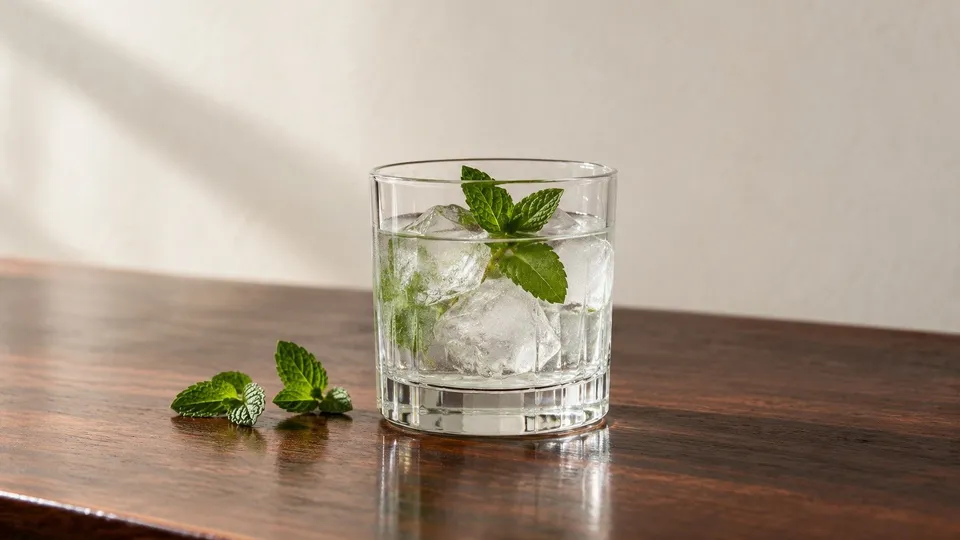
Gin with a sprig of mint, a dash of Angostura, a teaspoon each of sugar and curaçao, served unstrained: the ‘mixed gin’ Havana’s Bar La Florida traced to its corner tavern of 1819 and printed in 1939.
You’ll use: Short tumbler · Bar spoon
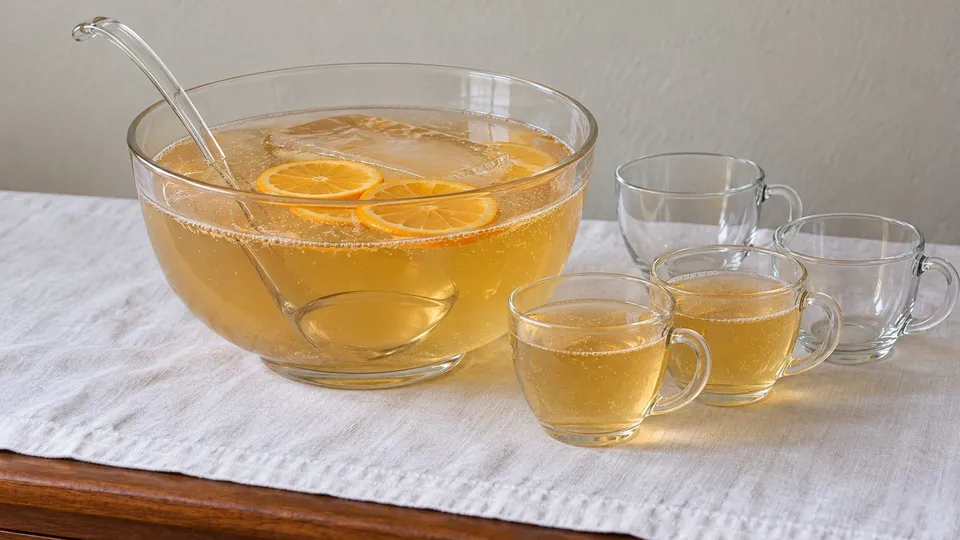
Weak tea, sugar, orange and lemon juice over a block of ice, topped with ginger ale and sparkling water at the last minute: a Prohibition party punch.
You’ll use: Teapot · Strainer · Loaf pan · Punch bowl and ladle
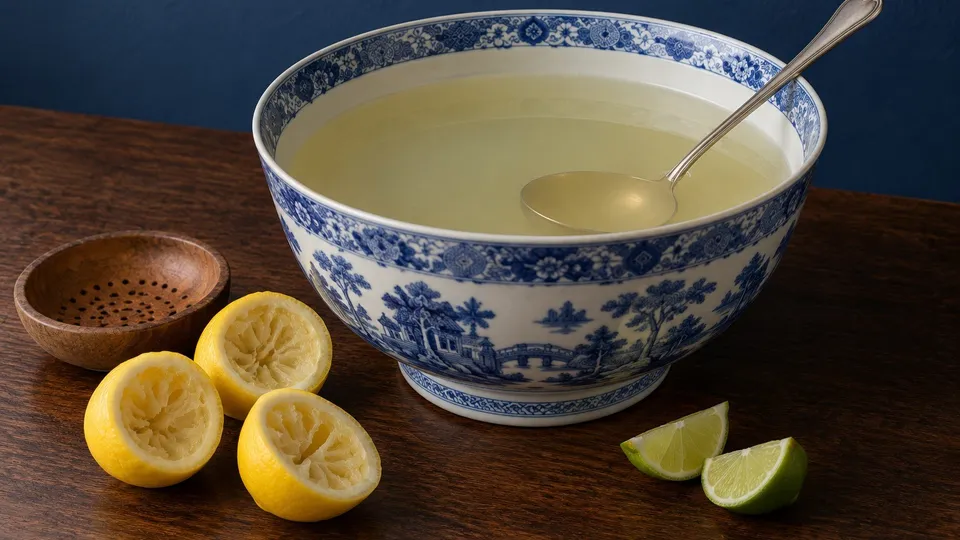
Sugar melted in cold water, a dozen lemons’ juice strained in, the bowl filled with the coldest water and finished with limes: Glasgow punch as it was tasted before the rum.
You’ll use: Citrus juicer · Strainer · Punch bowl · Ladle and cups
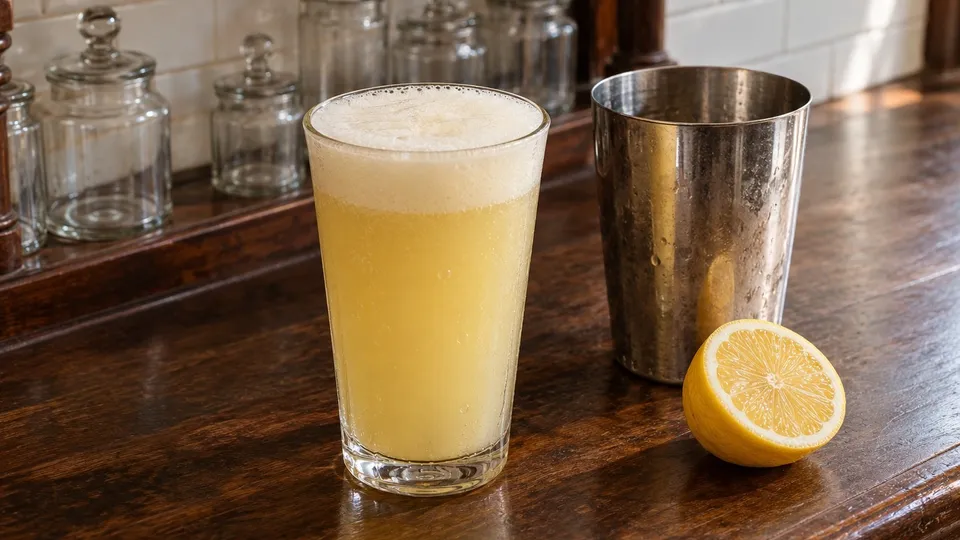
An egg yolk shaken with powdered sugar, fresh lemon juice and ice, then filled with soda and poured back and forth: the alcohol-free Goldenade of an 1897 soda fountain manual.
You’ll use: Cocktail shaker and strainer · Soda glass
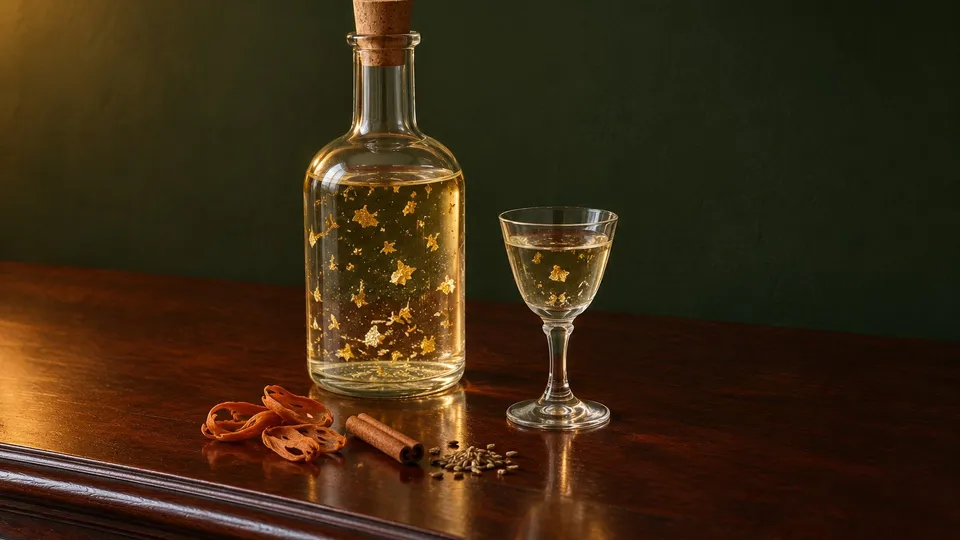
Clean spirit steeped for a week with mace, cinnamon, citron, aniseed and rose, sweetened with an equal measure of syrup and finished with flakes of gold leaf: the Goldwasser of William Terrington’s Cooling Cups and Dainty Drinks, 1869.
You’ll use: Jar · Sieve · Coffee filter and funnel · Saucepan · Clean
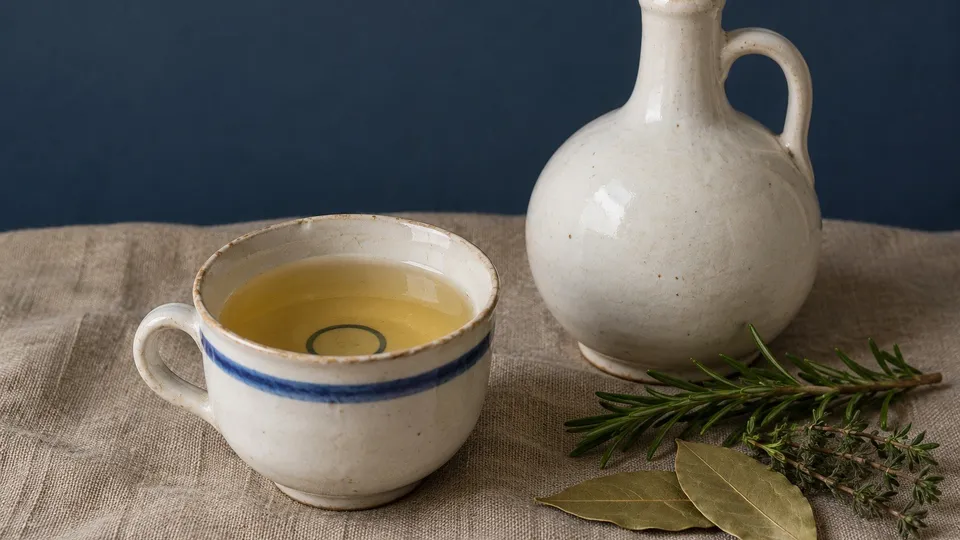
Honey stirred into a decoction of rosemary, bay, thyme and marjoram, boiled slowly, skimmed clear and fermented: Sir Thomas Gower’s pale metheglin from Digby’s 1669 book, at about 8% ABV.
You’ll use: Saucepan · Spoon · Sieve · Bowl · Ladle · Thermometer · Funnel · Demijohn with an airlock · Hydrometer · No-rinse sanitizer · Siphon tube · Swing-top bottles
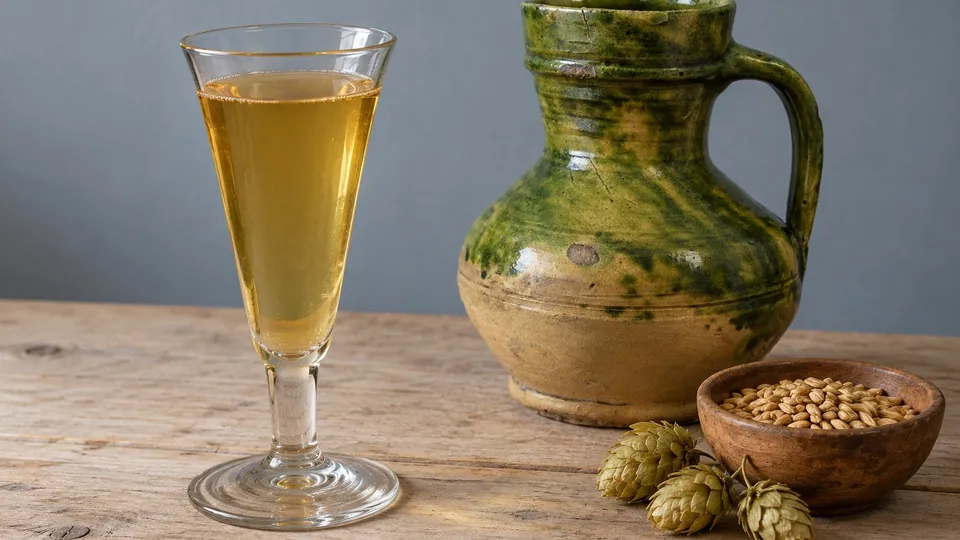
A very small ale with a gallon of honey to every eight, worked with yeast and left three months: Sir Thomas Gower’s everyday drink from Digby’s 1669 book, at about 8% ABV.
You’ll use: Saucepan · Mesh brewing bag · Kitchen scale · Thermometer · Spoon · Sieve · Funnel · Jug · Demijohn with an airlock · Hydrometer · No-rinse sanitizer · Siphon tube · Swing-top bottles
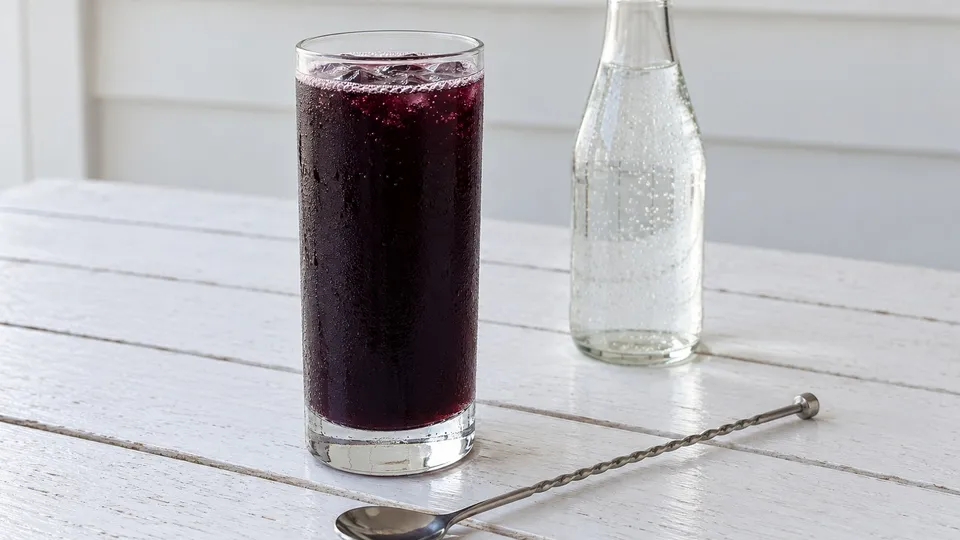
A cup of purple grape juice, a teaspoon of syrup, a little cracked ice and a top of soda water: the highball as a 1920 temperance hostess served it.
You’ll use: Highball glass · Bar spoon
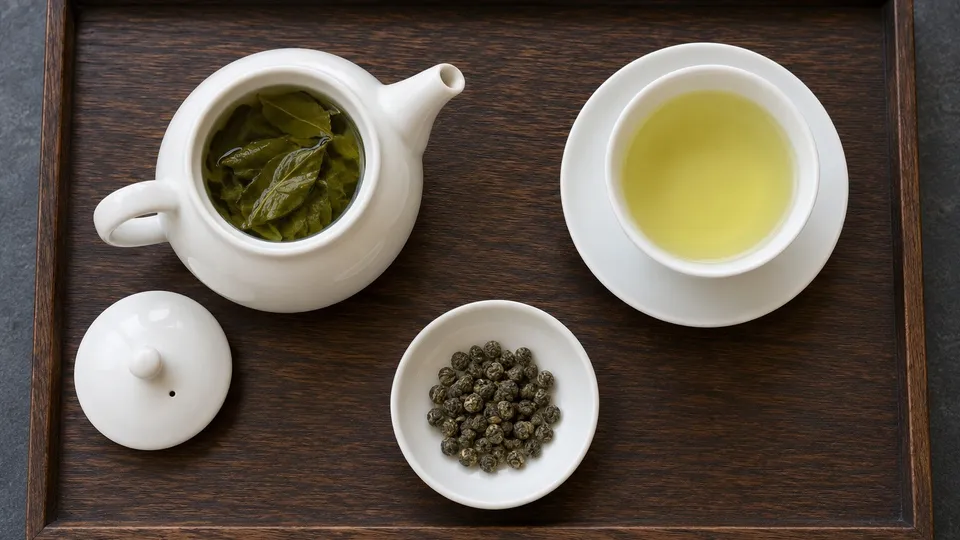
A teaspoon of rolled gunpowder tea for each person and one for the pot, boiling water, five minutes under the lid, then filled up: green tea as Mrs. Beeton made it in 1861.
You’ll use: Kettle · Teapot · Tea strainer · Teacups
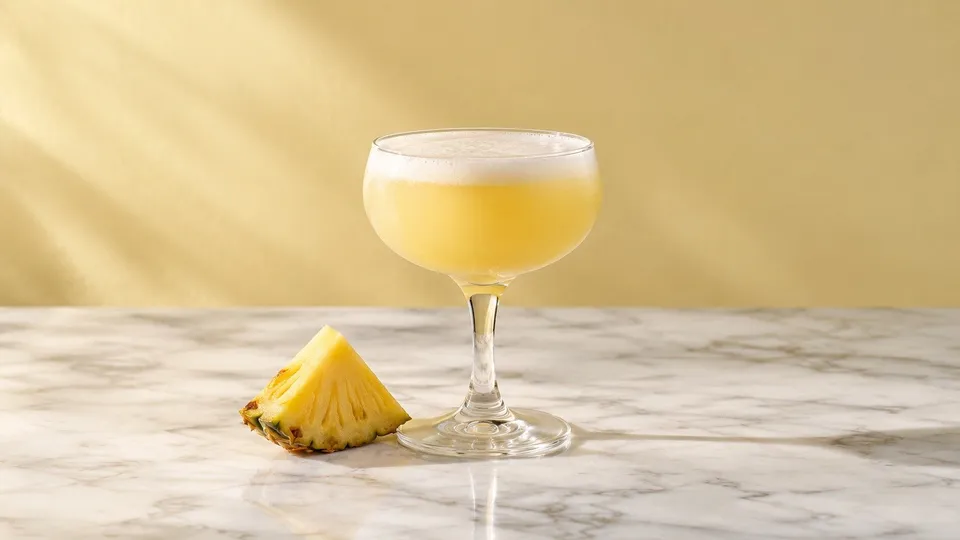
Equal parts Cuban rum and pineapple juice with a teaspoon of sugar, shaken well and strained into a cocktail glass: the Havana Special of the city’s Bar La Florida, printed in 1939.
You’ll use: Cocktail shaker and strainer · Stemmed cocktail glass
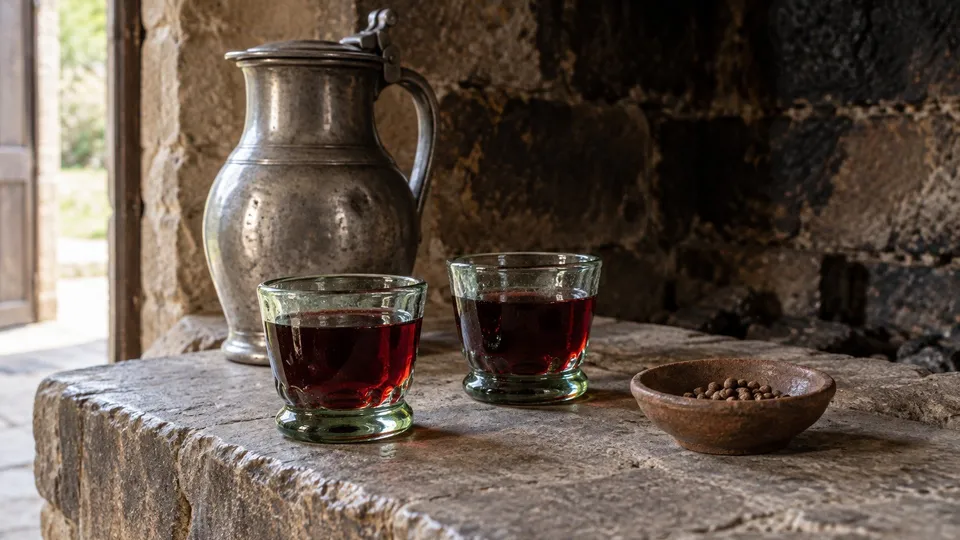
Red wine with cinnamon, ginger, grains of paradise and sugar, poured through cloth until it runs clear: the spiced wine that closed a medieval feast.
You’ll use: Jug · Sieve · Coffee filter and funnel · Bottle
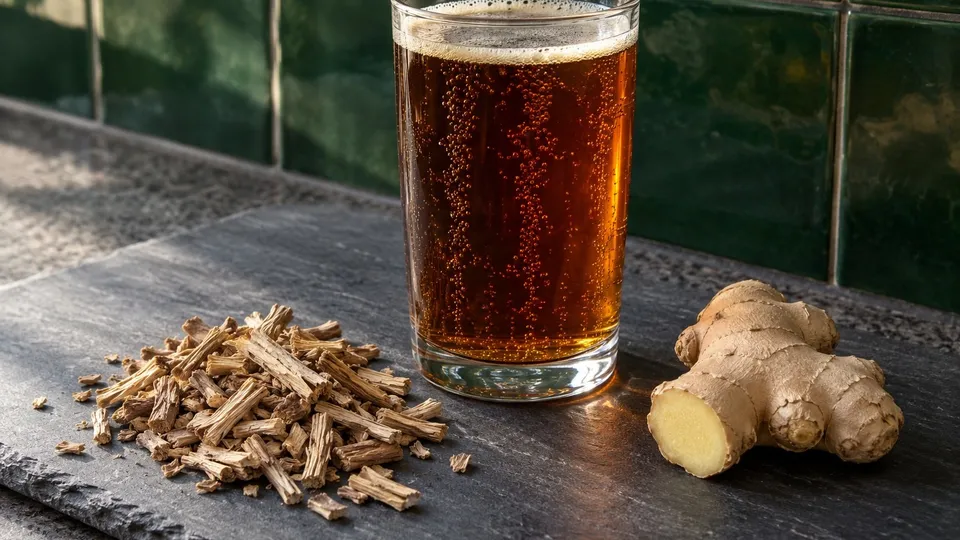
A modern root syrup of sarsaparilla, roasted dandelion root, fresh ginger and dark brown sugar, served the 1890s fountain way with cold soda water. No sassafras, no fermenting.
You’ll use: Saucepan · Sieve · Bottle · Glass
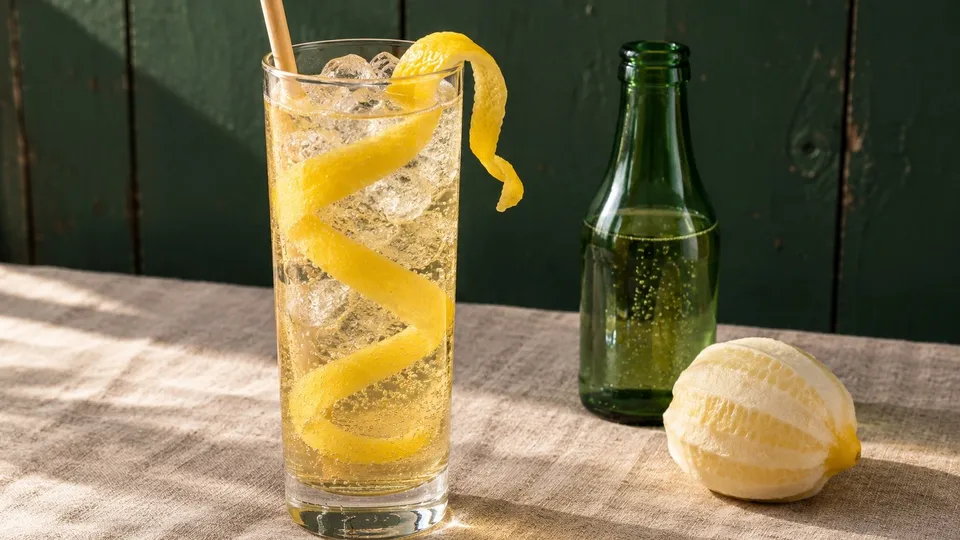
A whole lemon peel in one long spiral, ice and a bottle of ginger ale: the Horse’s Neck as an alcohol-free drink, the way an 1895 home-drinks column and a 1901 bar book made it.
You’ll use: Vegetable peeler · Glass · Bar spoon
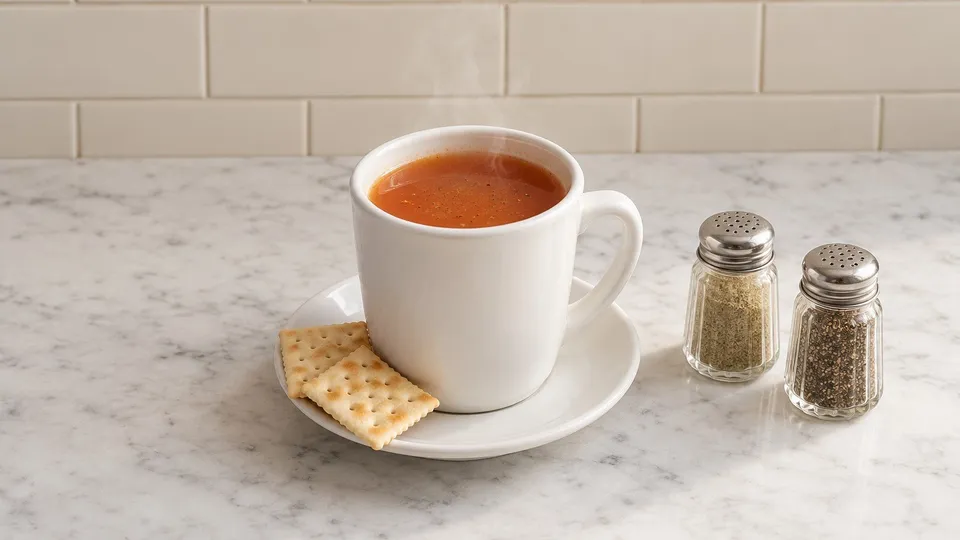
Clam juice and tomato catsup stirred into a mug of boiling water and seasoned with salt, pepper and celery salt: the 1919 clam and tomato blend, a hot savory drink with no alcohol.
You’ll use: Kettle · Mug
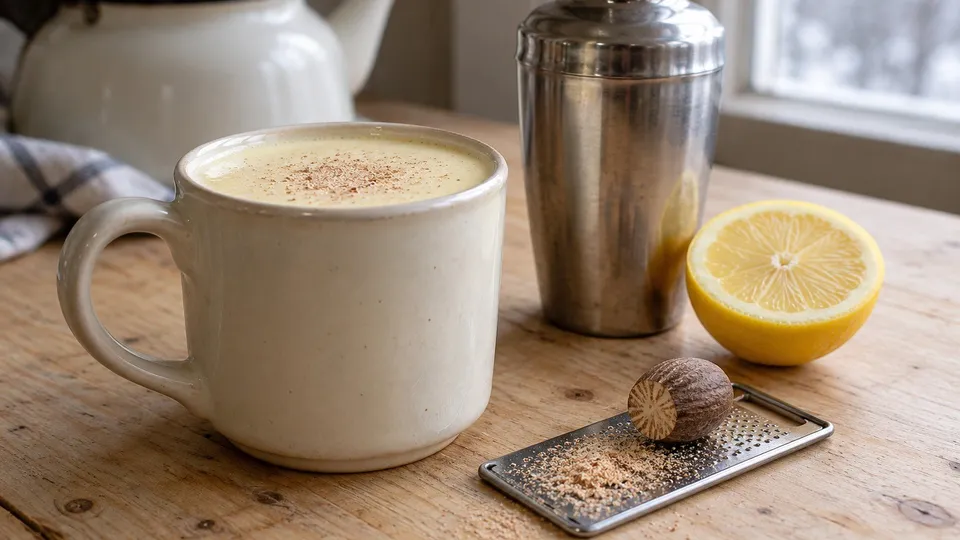
A whole egg shaken with strong lemon syrup and acid phosphate, then filled up with hot water and dusted with nutmeg: the winter fountain’s egg drink from 1894.
You’ll use: Grater · Bowl and strainer · Bottle · Cocktail shaker · Kettle and whisk · Mug · Nutmeg grater
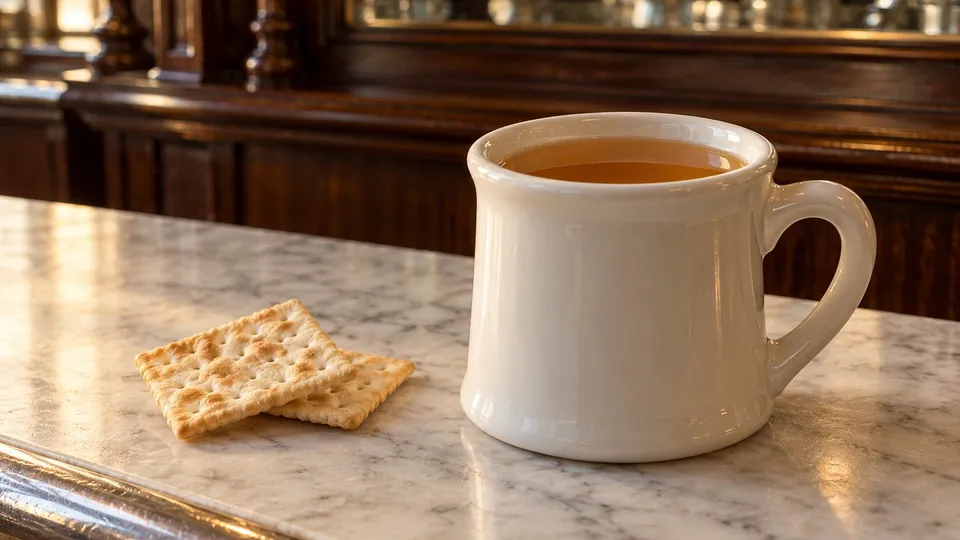
A strong ginger syrup drawn into a mug and filled with hot water, no fizz at all: the soda fountain’s Hot Ginger, from Saxe’s 1894 guide for dispensers.
You’ll use: Saucepan · Strainer · Jar · Kettle · Mug
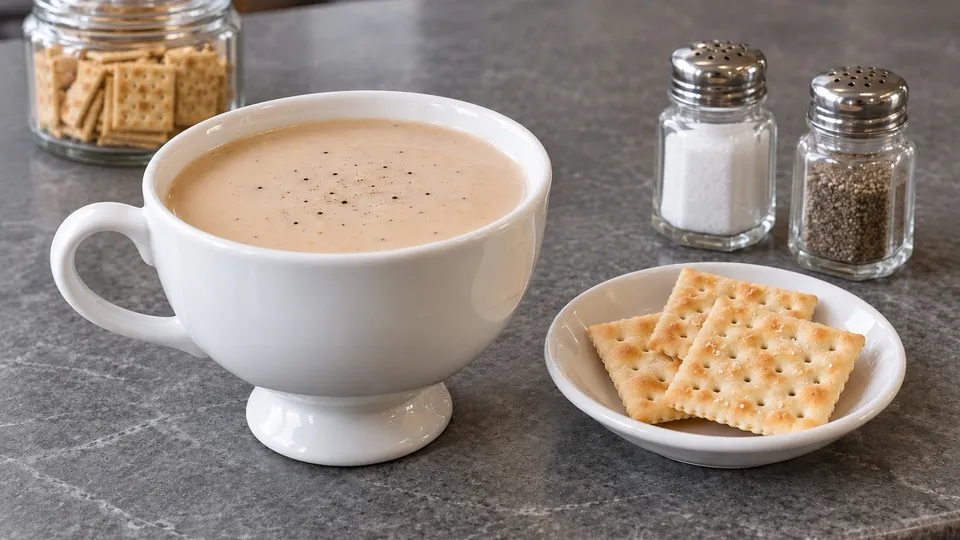
Malted milk stirred into hot water and seasoned with salt and pepper in place of sugar, with soda crackers on the side: the 1890s soda fountain’s savory mug.
You’ll use: Kettle · Mug · Long spoon · Pepper mill
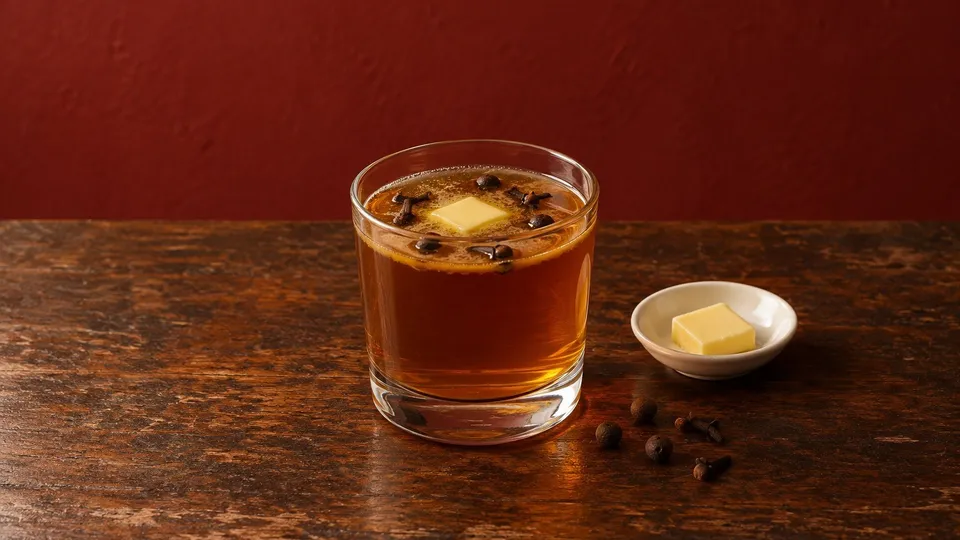
A teaspoon of sugar, a wine-glass of Jamaica rum, allspice and cloves, and a piece of butter the size of half a chestnut, filled up with hot water: Jerry Thomas’s hot spiced rum of 1862.
You’ll use: Kettle · Cups · Bar spoon
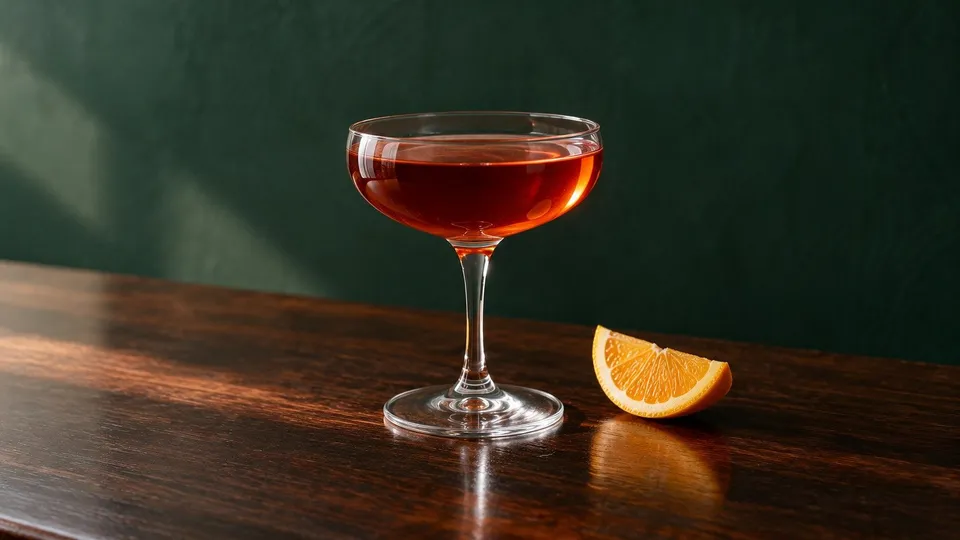
Two parts sweet vermouth to one of gin, shaken with a slice of orange and strained: the H.P.W., made at a New York club for the millionaire Harry Payne Whitney, as a 1922 London bar book told it.
You’ll use: Cocktail shaker and strainer · Coupe
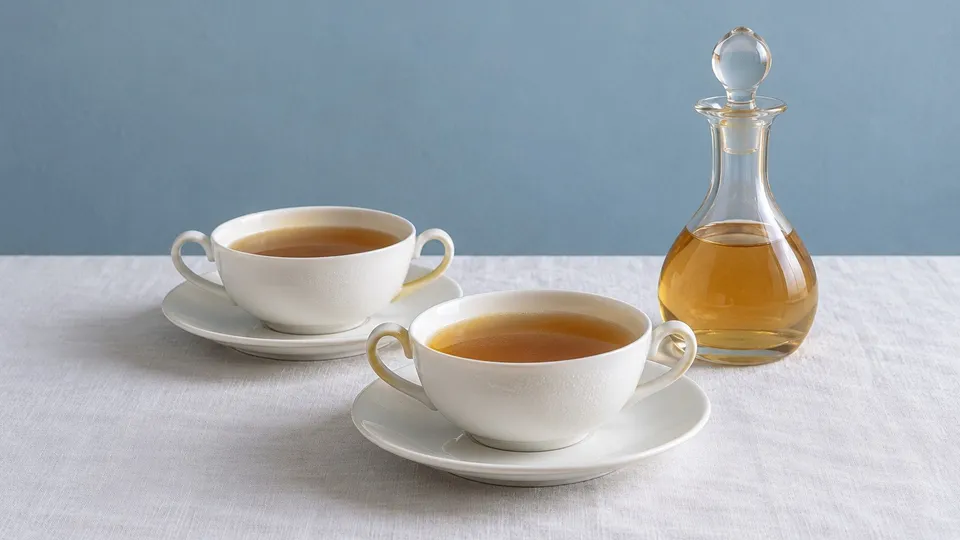
Beef bouillon cooked with carrot, onion, celery, parsley and bay, strained, flavored with a little sherry or Madeira and served cold in cups: Armour’s iced bouillon of 1905.
You’ll use: Saucepan · Sieve · Jug · Bouillon cups
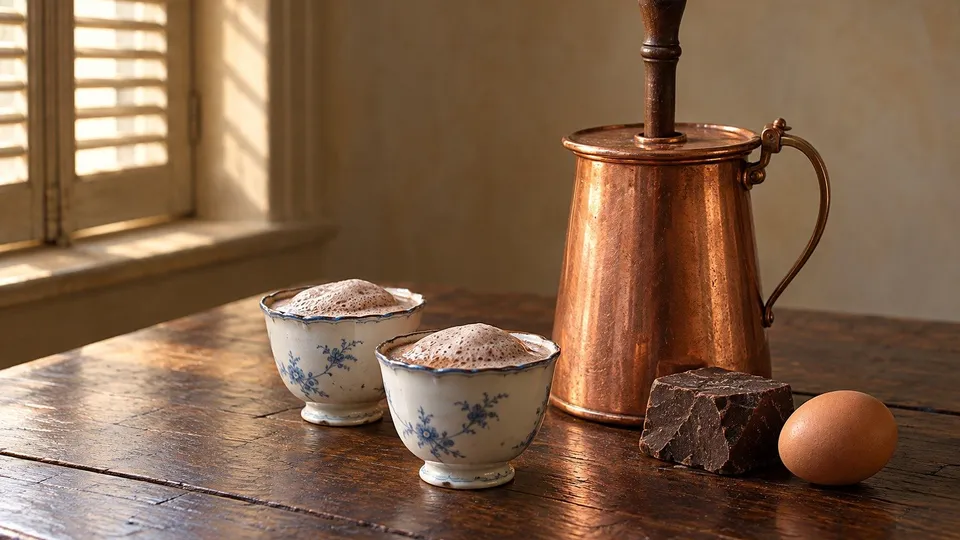
Grated cacao, sugar, cinnamon and a whole fresh egg, worked into boiling water and milled to a thick froth: chocolate as the French islands made it, from Labat’s 1722 account.
You’ll use: Saucepan · Grater · Chocolate mill · Thermometer
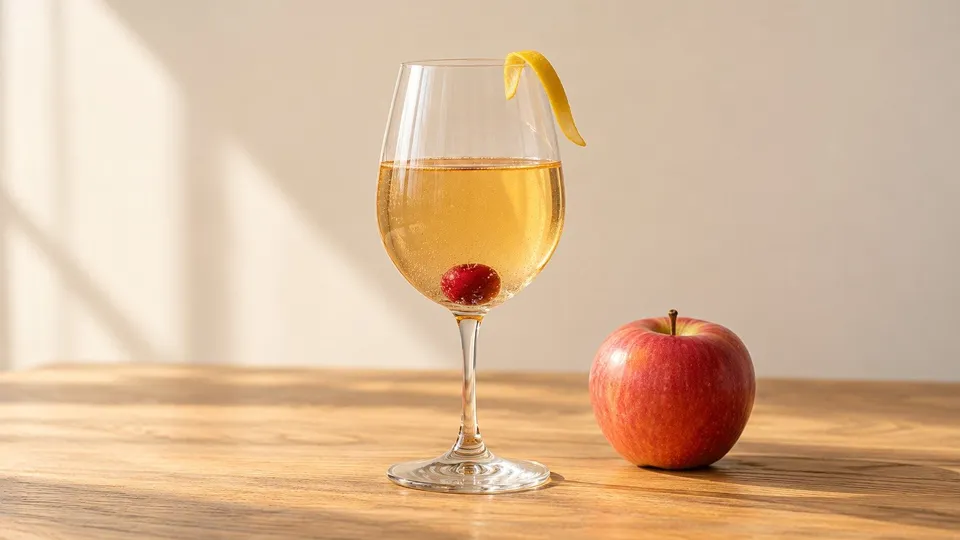
Non-alcoholic cider stirred with gum syrup and bitters, strained into a wine glass with a cherry and a squeeze of lemon peel: an old-style cocktail without the spirit, from a 1922 London bar book.
You’ll use: Mixing and bar spoon · Strainer · Stemmed wine glass
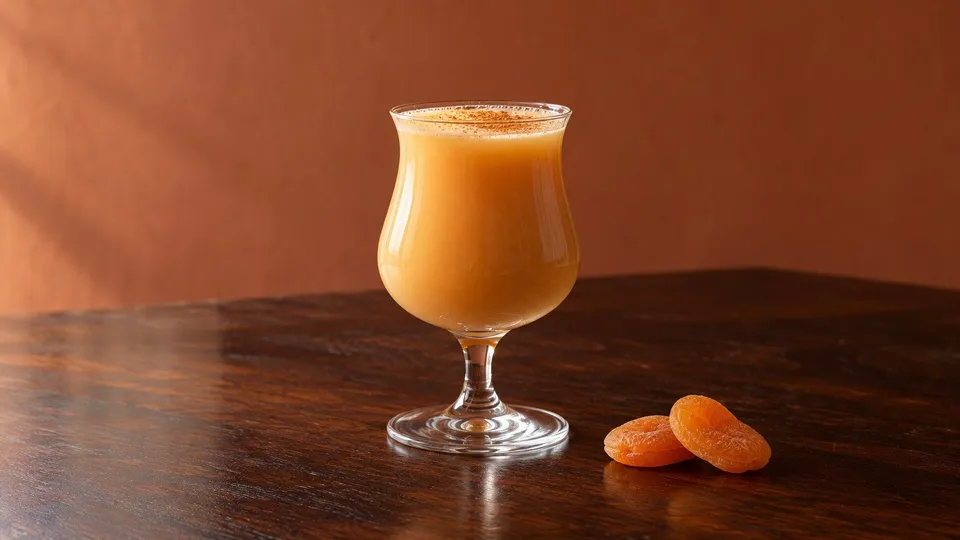
Cognac, port and apricot brandy shaken with sugar, lemon peel and an egg yolk, strained and dusted with cinnamon: the Josephine Baker of Havana’s Bar La Florida, printed in 1939.
You’ll use: Cocktail shaker and strainer · Tulip-shaped cocktail glass
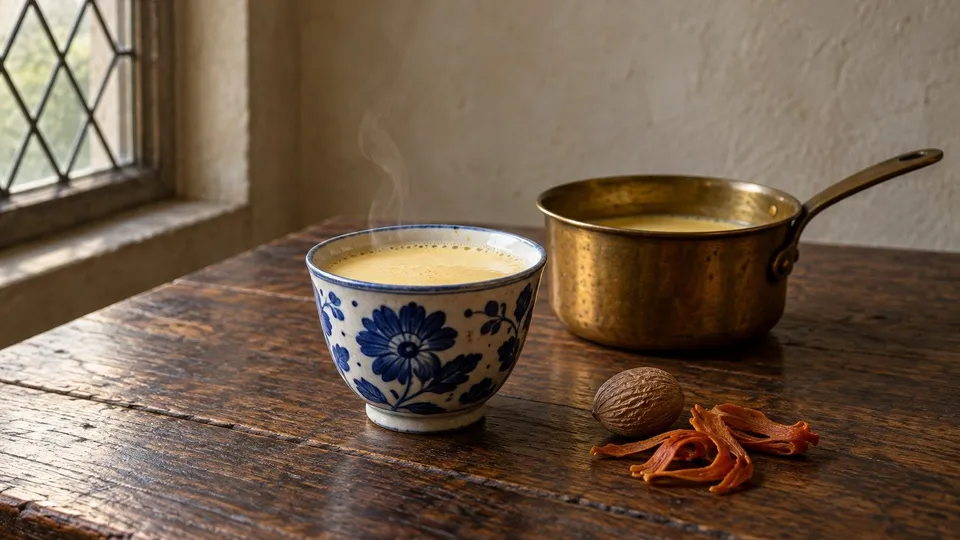
Rhenish wine and water thickened with beaten eggs and spiced with mace, nutmeg, cinnamon and cloves: kandeel from an Amsterdam cookbook of 1669.
You’ll use: Saucepan · Whisk · Sieve · Thermometer
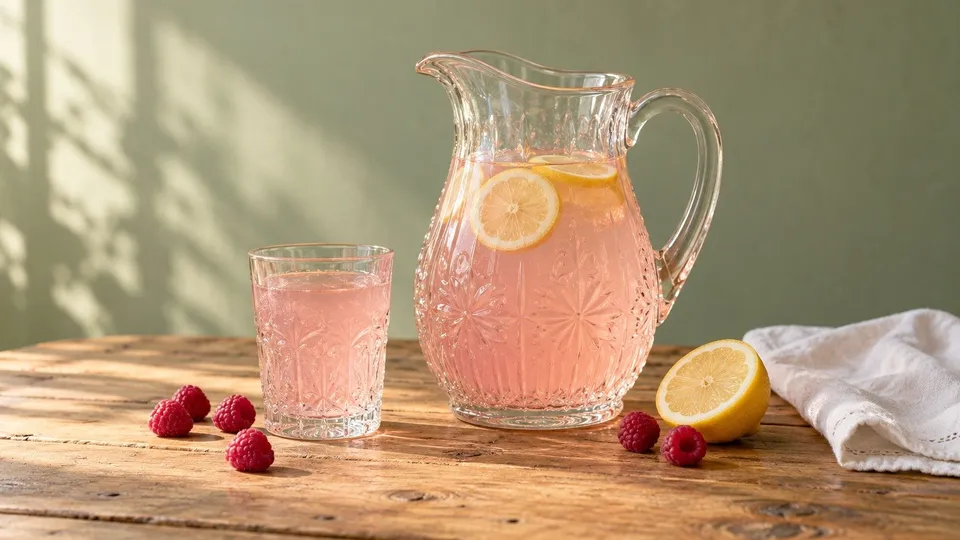
Plain lemonade made the 1892 way, three lemons to a quart, then half a cup of strawberry, raspberry, currant or cranberry juice to every pint: pink lemonade with nothing in it but fruit.
You’ll use: Citrus juicer · Strainer · Pitcher
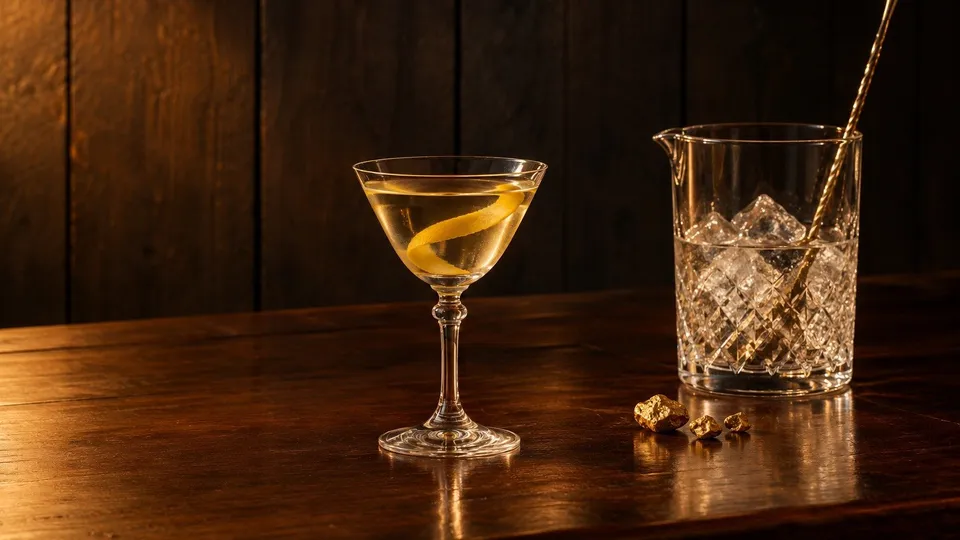
Old Tom gin stirred over ice with orange bitters, a dash of Bénédictine and a little brandy, finished with lemon peel: the Klondike Cocktail of a 1903 bar book, for miners home rich.
You’ll use: Mixing glass · Bar spoon · Strainer · Cocktail glass
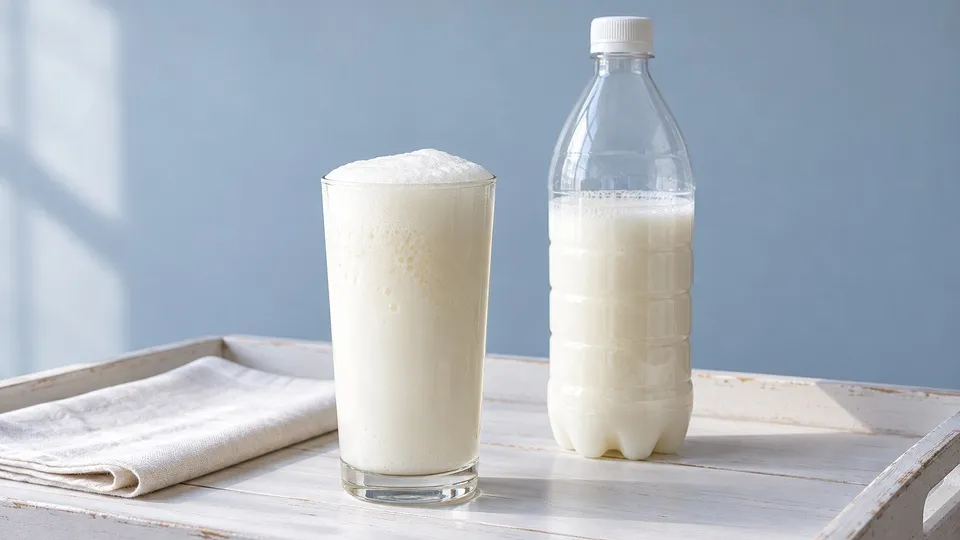
A quart bottle of milk, a little yeast and sugar, six warm hours and a week in the cold: Ella Kellogg’s 1892 koumiss, the fizzy cow’s-milk version of the steppe’s fermented mare’s milk.
You’ll use: Bowl · Funnel · Plastic soda bottle
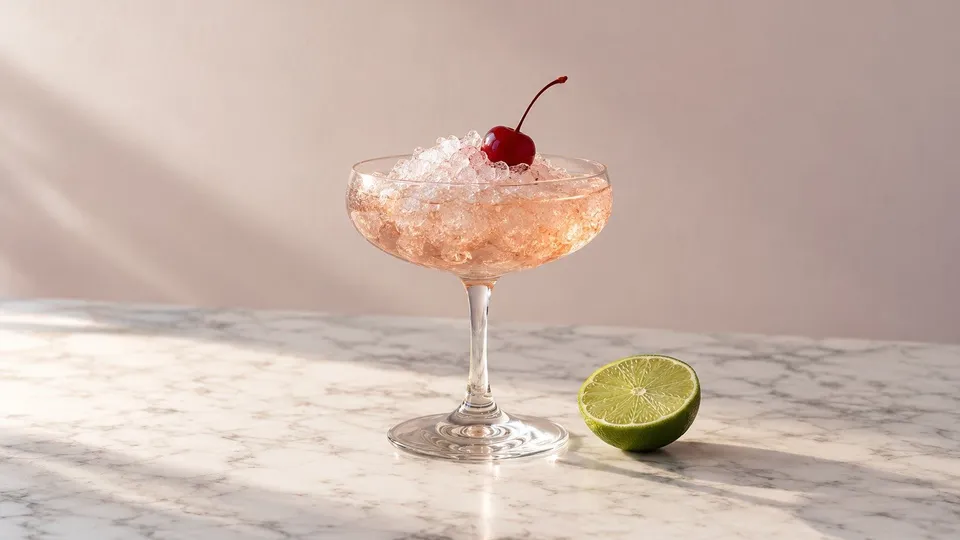
Two ounces of cognac with a teaspoon of grenadine and half a lime, served frappé with a cherry: a daiquiri-style brandy drink from Havana’s Bar La Florida, printed in 1939.
You’ll use: Cocktail shaker · Citrus juicer · Champagne saucer
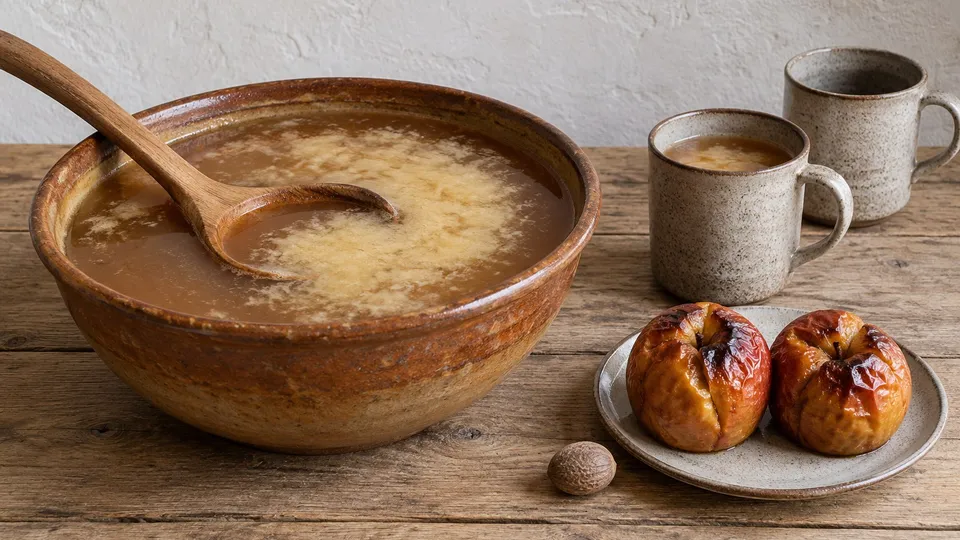
Strong hot ale with the soft pulp of roasted apples, nutmeg, ginger and raw sugar beaten in: the Elizabethan winter drink, from the 1869 recipe.
You’ll use: Baking dish · Saucepan · Whisk · Bowl
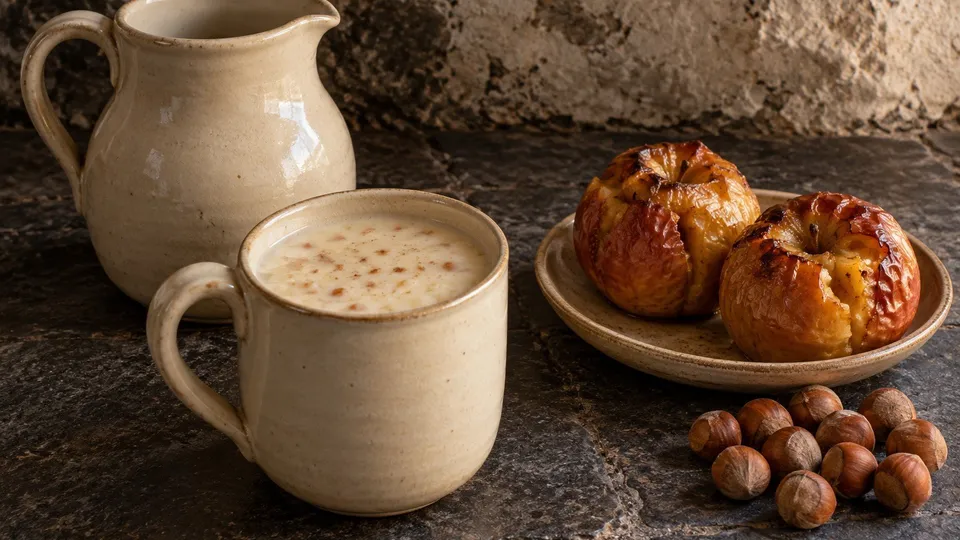
The soft pulp of roasted apples beaten into hot milk with nutmeg, ginger and sugar: the milk lambswool of an Irish Halloween, from a 1784 letter.
You’ll use: Baking dish · Saucepan · Sieve · Whisk · Bowl
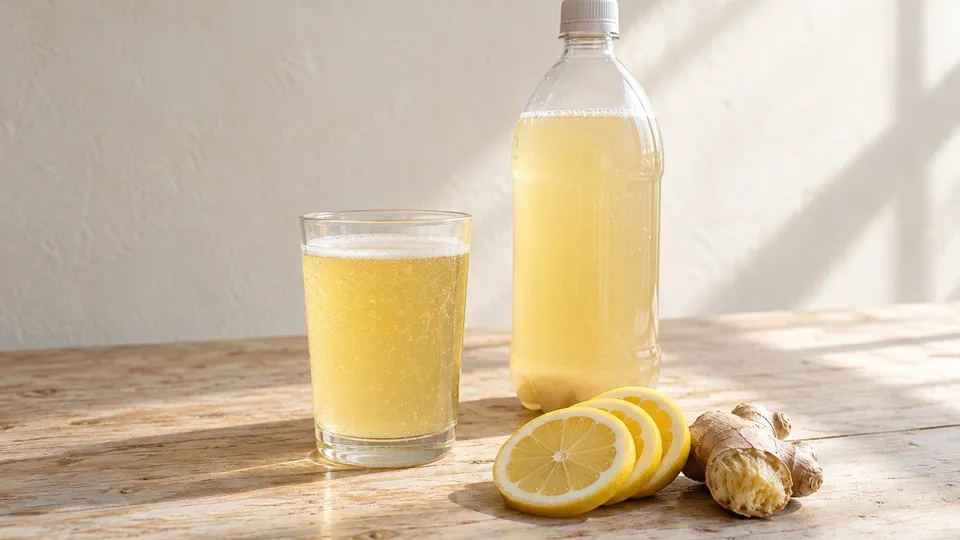
Boiling water poured over a sliced lemon, bruised ginger and sugar, started with yeast and bottled the next day: the simplest brewed drink in Albert Hopkins’s 1919 Home Made Beverages, at half a gallon.
You’ll use: Bowl · Sieve · Funnel · Plastic soda bottles
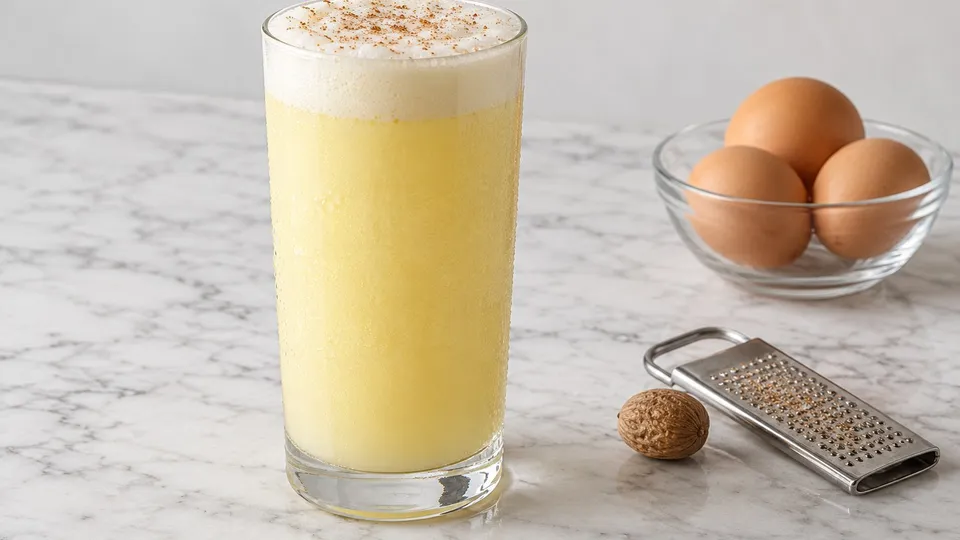
Lemon syrup, a whole egg and half a teaspoon of acid phosphate, shaken with ice and topped with soda: the soda fountain’s sour drink from What to Drink (1920).
You’ll use: Saucepan · Bottle · Cocktail shaker and strainer · Glass · Nutmeg grater
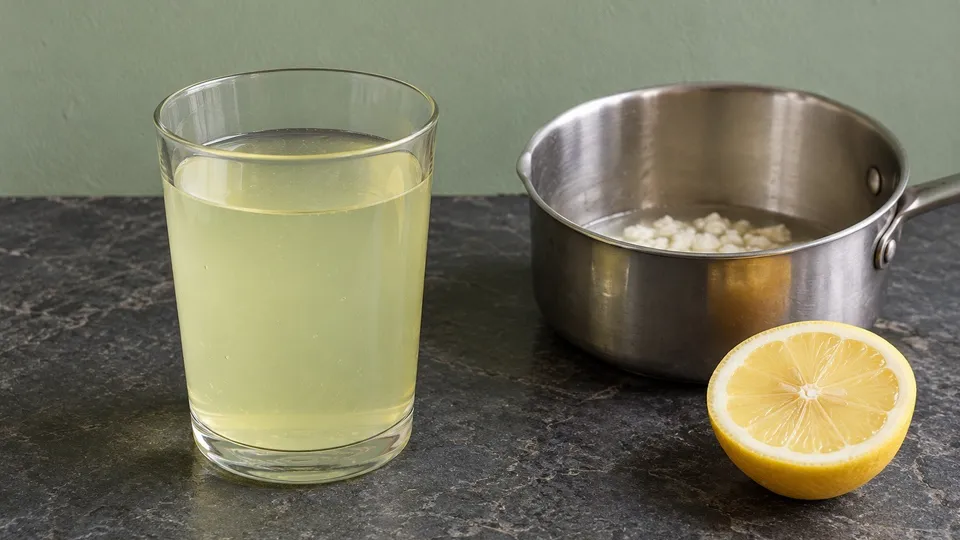
Boiling milk turned with lemon juice, the clear whey poured off the curd and thinned with hot water and a little sugar: the alcohol-free sickroom whey from Maria Rundell’s 1806 cookbook.
You’ll use: Saucepan · Citrus juicer · Kettle · Sieve · Cups
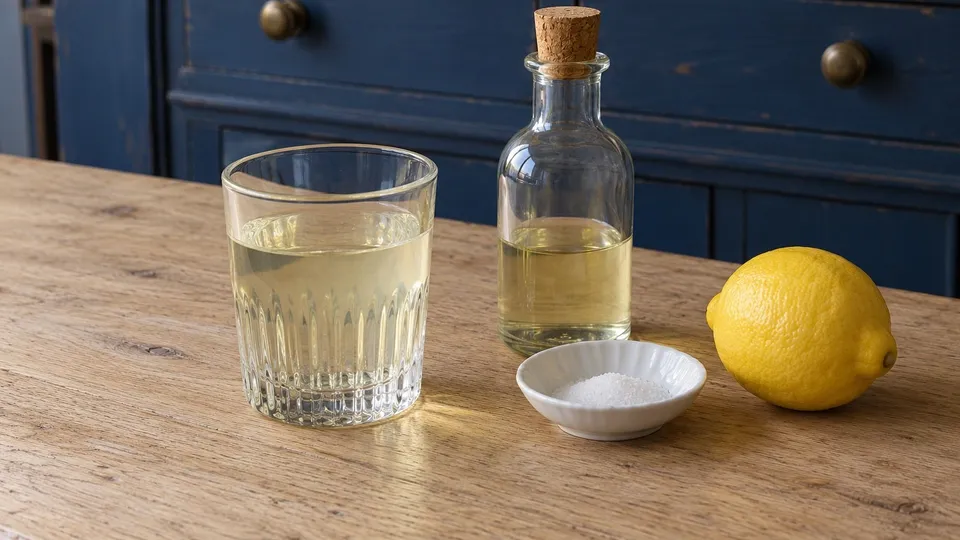
Citric acid dissolved in sugar syrup with lemon zest, bottled, and stirred into cold water two tablespoons to the pint: William Kitchiner’s instant lemonade of 1817.
You’ll use: Kitchen scale · Saucepan · Grater · Sieve · Bottle · Tumbler
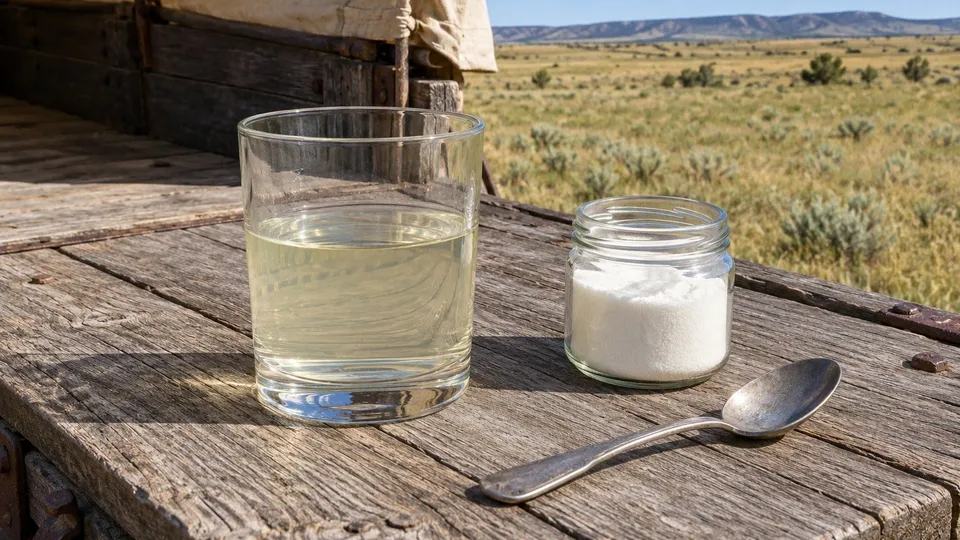
Sugar, citric acid and a few drops of lemon oil, mixed dry and kept in a jar, then stirred into cold water by the teaspoon: Jerry Thomas’s lemonade powders of 1862.
You’ll use: Kitchen scale · Bowl · Jar · Tumbler · Spoon
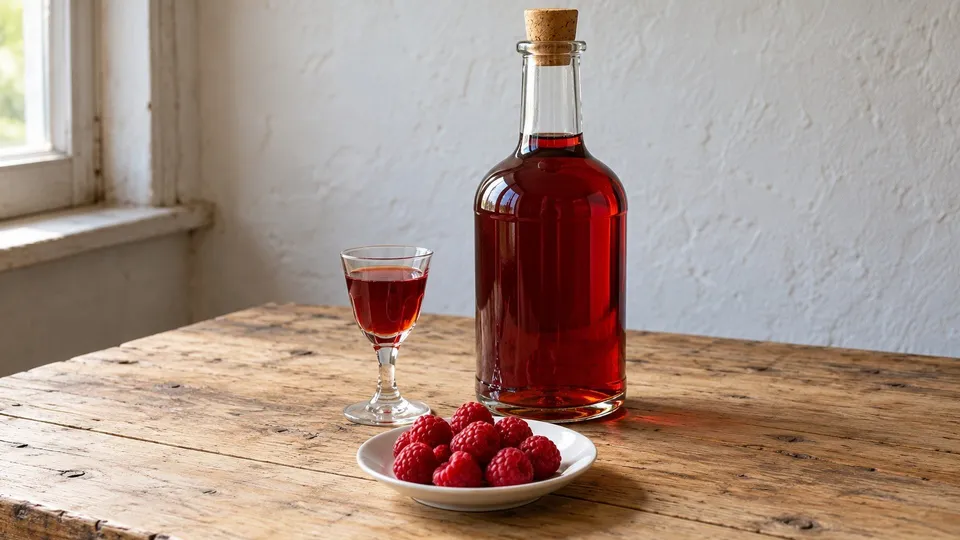
Ripe raspberries steeped in spirit for exactly twenty-four hours, twice, then filtered and poured into a thick sugar syrup: the raspberry liqueur of Lucyna Ćwierczakiewiczowa’s Warsaw household book of 1885.
You’ll use: Jar · Sieve · Coffee filter and funnel · Saucepan · Clean
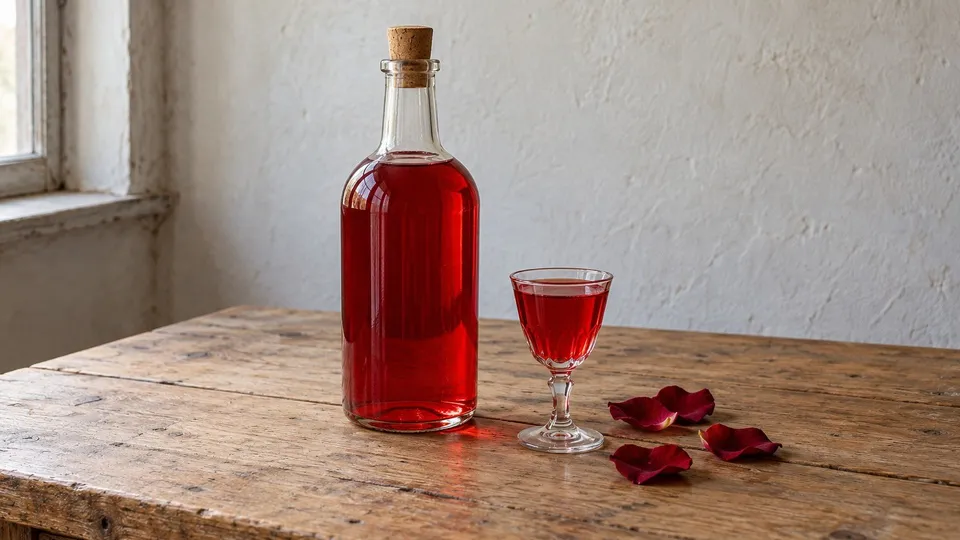
Spirit scented with rose, poured slowly into a hot sugar syrup and tinted red with cochineal: the rose liqueur of Lucyna Ćwierczakiewiczowa’s Warsaw household book of 1885, made today with culinary rose water.
You’ll use: Saucepan · Jug · Cocktail glass · Clean
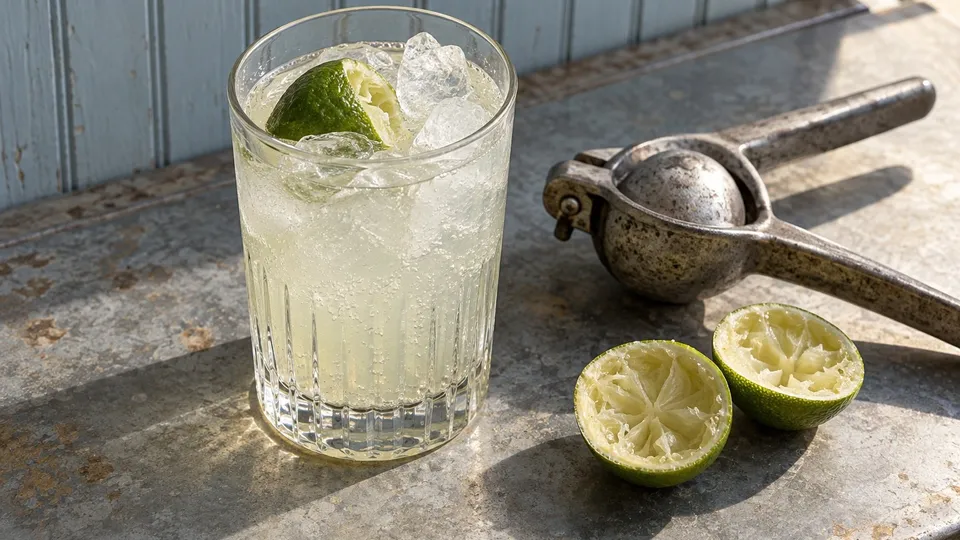
A whole lime squeezed over pineapple syrup, then cracked ice and a fill of soda water: the alcohol-free lime rickey from a San Francisco druggists’ journal of 1912.
You’ll use: Saucepan · Bottle · Citrus juicer · Tumbler · Bar spoon
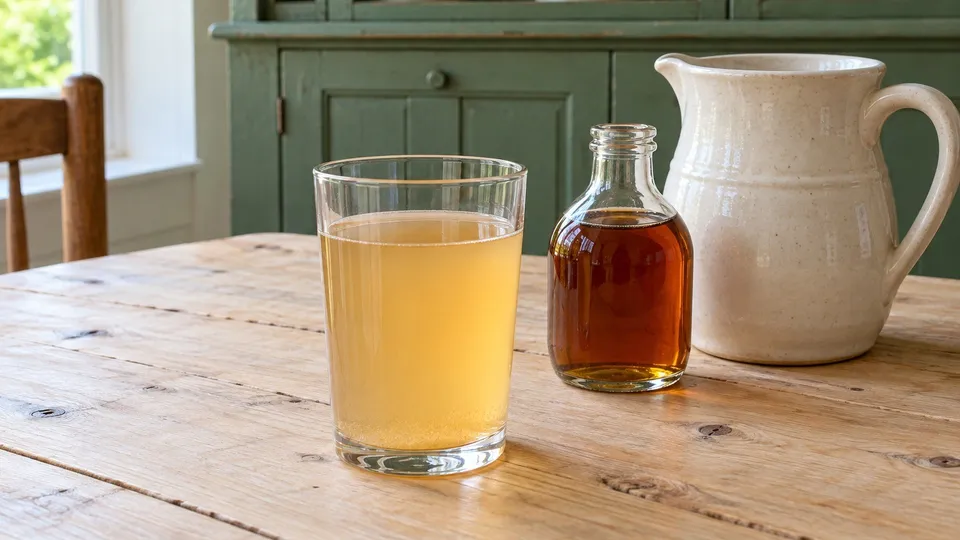
Switchel sweetened with maple syrup in place of molasses, with cider vinegar and ginger: a modern combination of two period versions of the haymakers’ drink.
You’ll use: Jug · Measuring jug and spoons
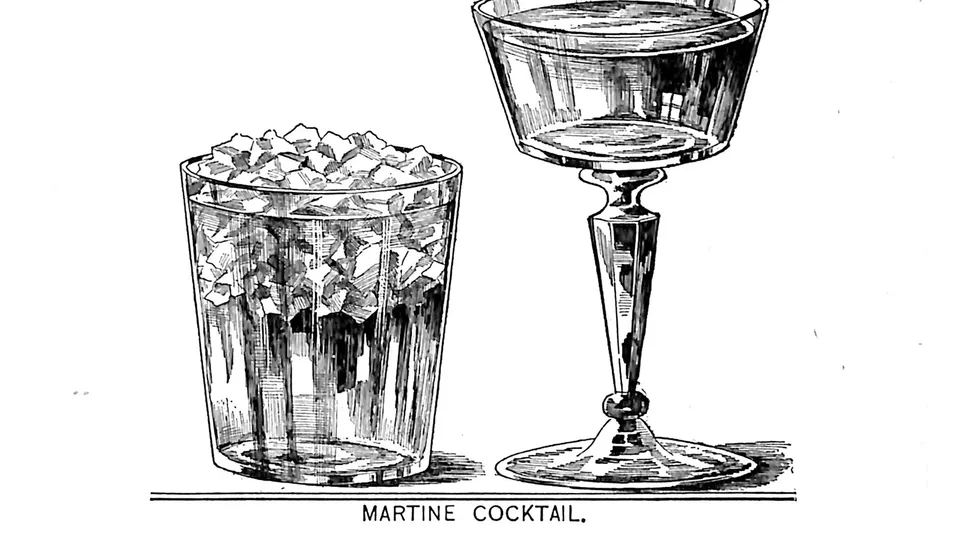
A pony of Old Tom gin, a wine-glass of vermouth, maraschino and bitters, shaken and served with a quarter slice of lemon: the first full Martinez, printed in 1887.
You’ll use: Cocktail shaker · Strainer · Cocktail glass
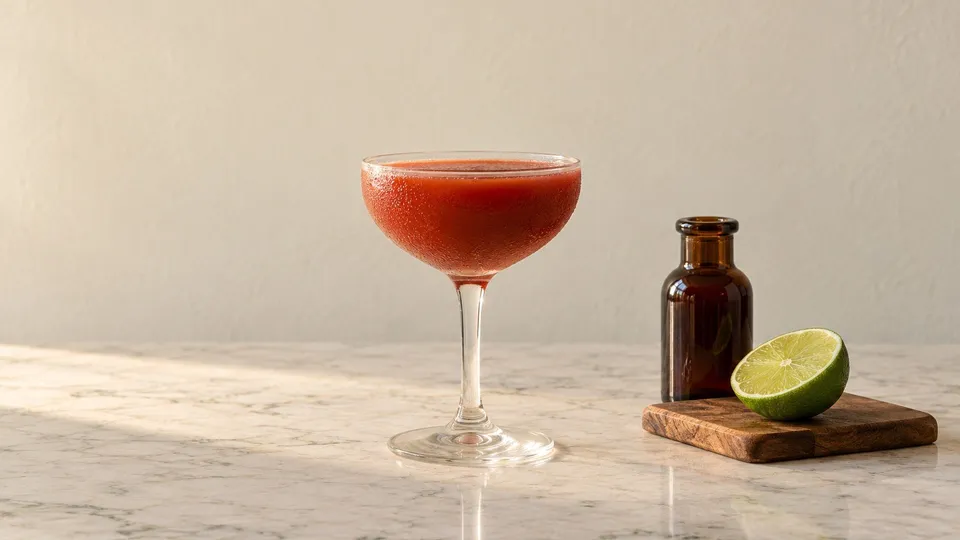
Vodka and tomato juice in equal parts with Worcestershire sauce and lime, shaken: the Mary Rose of Havana’s Bar La Florida, printed in 1939 under another name than Bloody Mary.
You’ll use: Cocktail shaker · Strainer · Cocktail glass
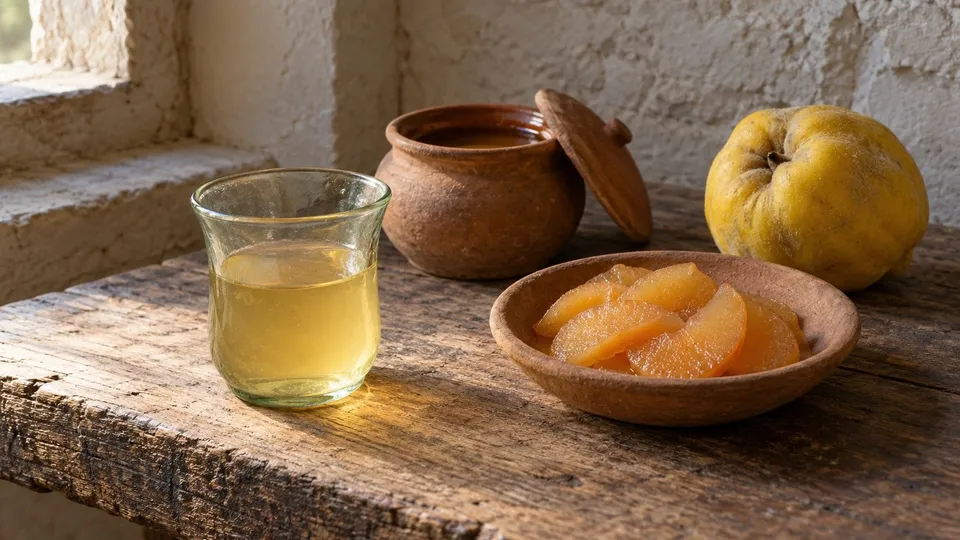
Ripe quince warmed in honey and steeped overnight: Columella’s quince-scented honey, stirred into cold water for an alcohol-free Roman drink.
You’ll use: Saucepan · Sieve · Jar
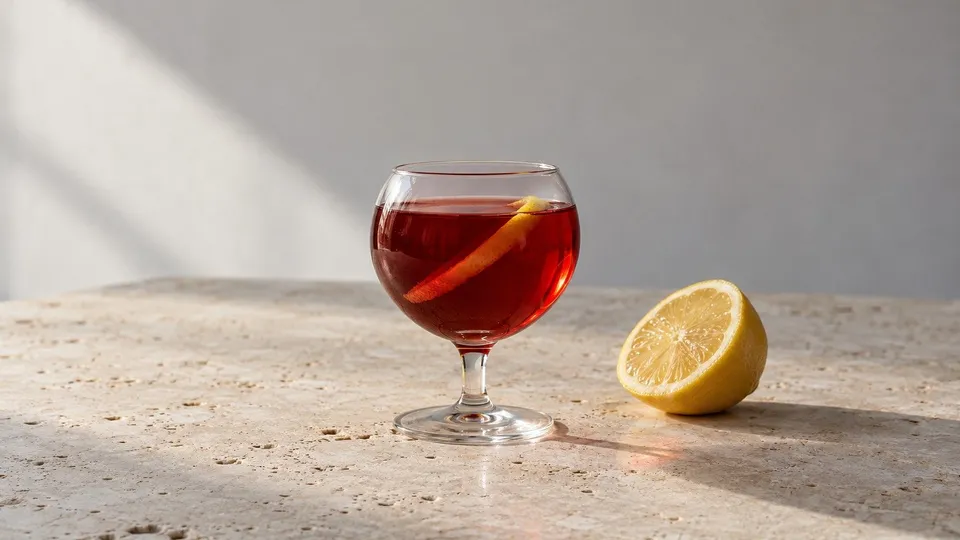
Half Turin vermouth, four tenths Campari and one tenth Piedmont grappa, shaken and served with lemon peel: a Lugano bartender’s own Milano-Torino of 1936, a cousin of the Negroni.
You’ll use: Cocktail shaker and strainer · Stemmed cocktail glass
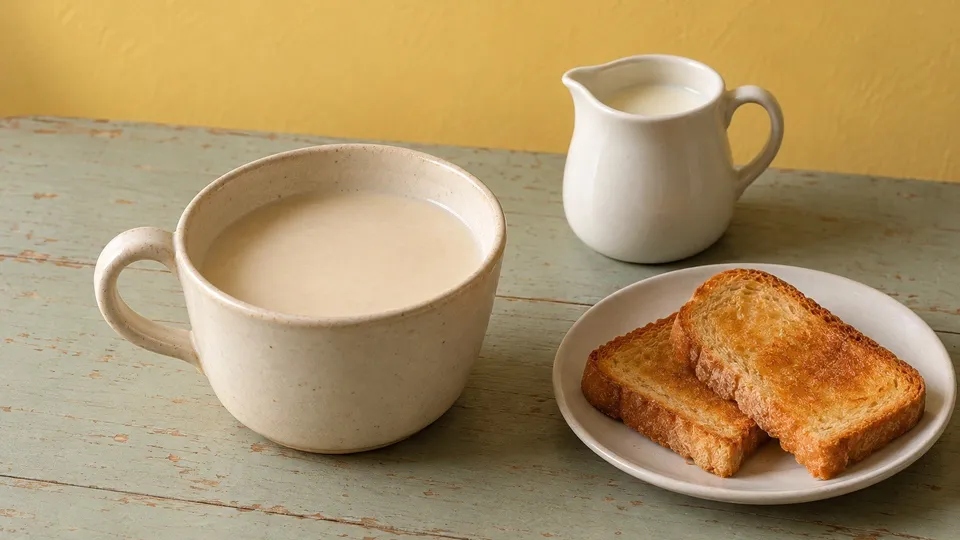
Oats boiled long into a fine gruel, strained, and let down with cold or warm milk, with toast on the side: Maria Rundell’s milk porridge from the sickroom chapter of her 1806 cookbook.
You’ll use: Saucepan · Sieve · Cups
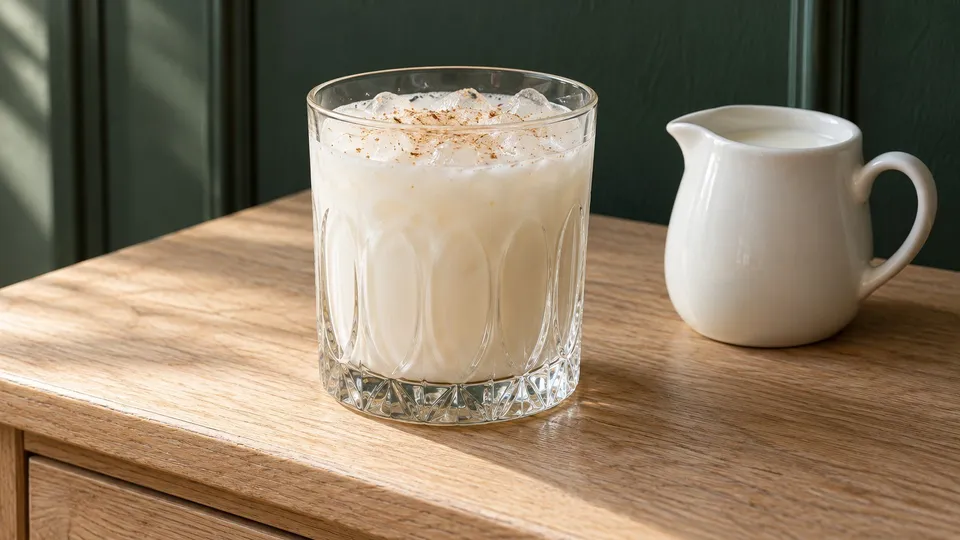
A wine-glass of Cognac and half as much St. Croix rum, shaken with sugar, shaved ice and milk to fill the glass, topped with nutmeg: Jerry Thomas’s Milk Punch of 1862, eggnog without the egg.
You’ll use: Cocktail shaker · Tumbler · Nutmeg grater
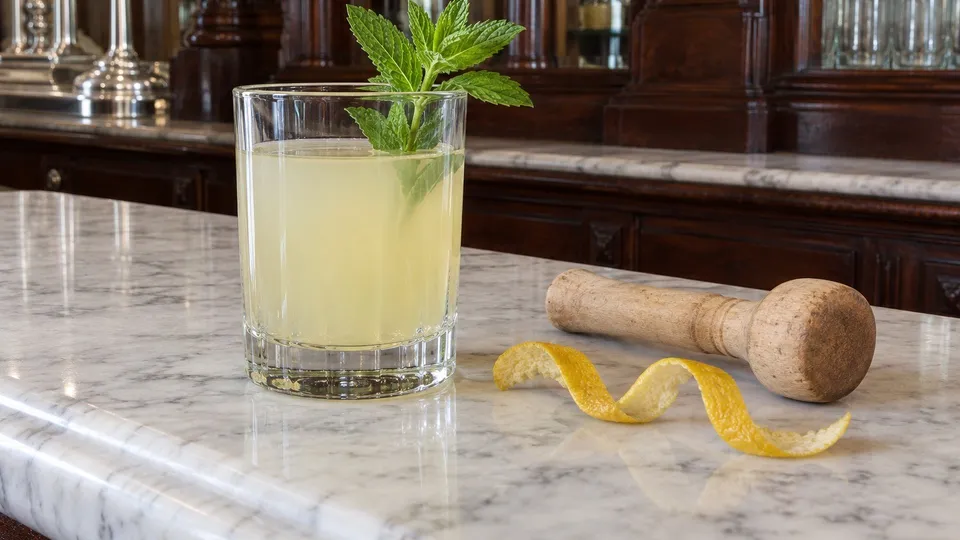
A peeled lemon pounded in the glass with sugar and fresh mint, shaken with ice and water and strained over a new sprig: one glass of mint lemonade from a 1910 soda-fountain formula.
You’ll use: Knife · Cocktail shaker and strainer · Spoon · Tumbler
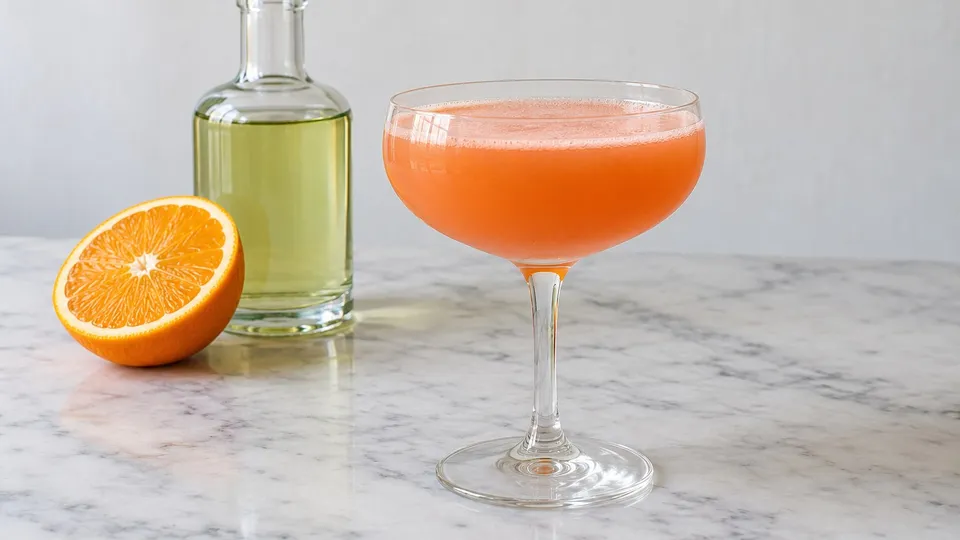
Gin and orange juice in equal parts with grenadine and a dash of absinthe, named in 1923 after a surgeon who grafted monkey glands into aging men.
You’ll use: Cocktail shaker · Strainer · Cocktail glass
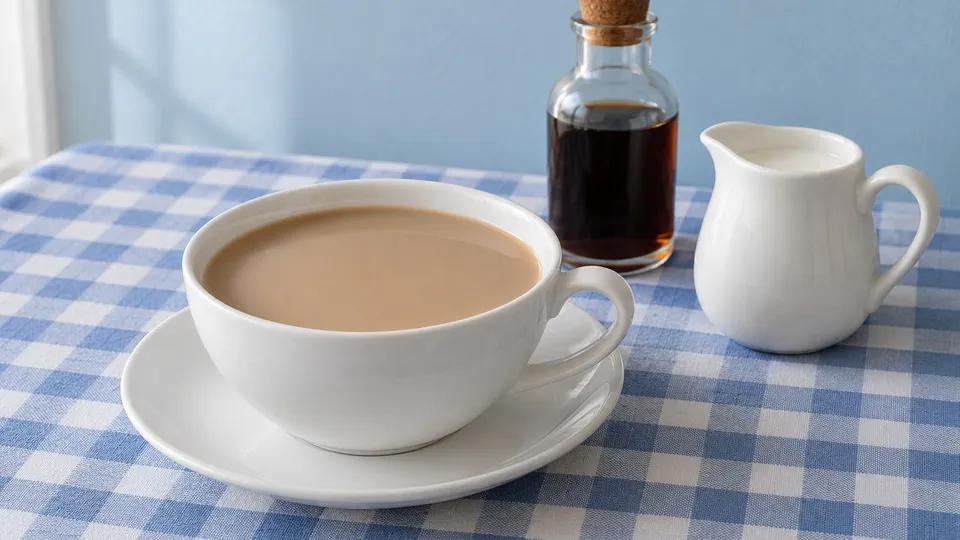
Fresh-ground coffee and a small spoonful of chicory, dripped, warmed and dripped again into a strong essence, then stirred into hot milk: Mrs. Beeton’s café au lait of 1861.
You’ll use: Coffee grinder · Kettle · Coffee dripper and filters · Saucepan · Bottle
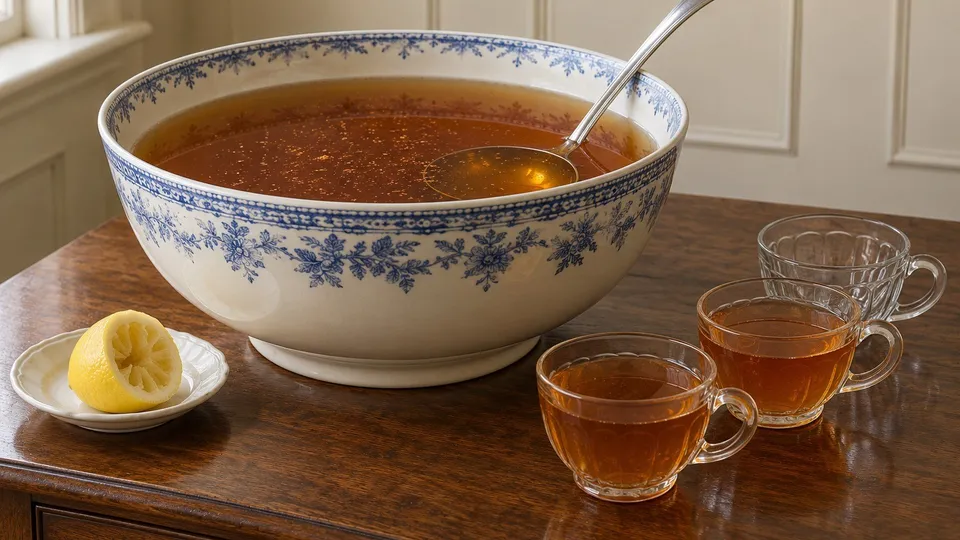
Equal parts rum and brandy, sugar rubbed on a lemon, nutmeg and a pint of boiling water, mixed in a punchbowl: the hot punch of Mrs. Beeton’s 1861 book.
You’ll use: Kettle · Grater · Citrus juicer · Tea strainer · Punch bowl and ladle · Cups
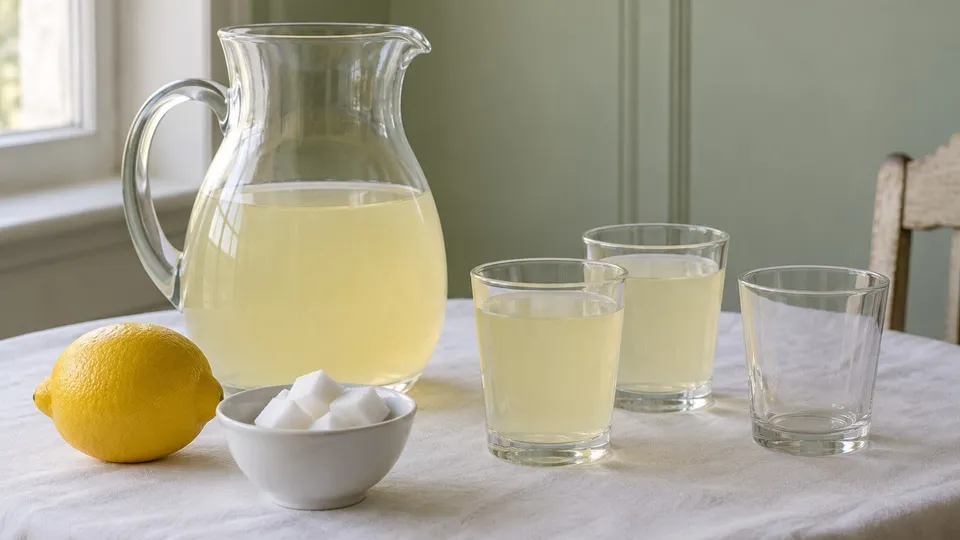
Sugar rubbed over lemons until it drinks up their oil, then juice and a quart of boiling water, strained and left to cool: lemonade from Mrs. Beeton’s 1861 book.
You’ll use: Kettle · Grater · Citrus juicer · Jug · Sieve · Serving jug
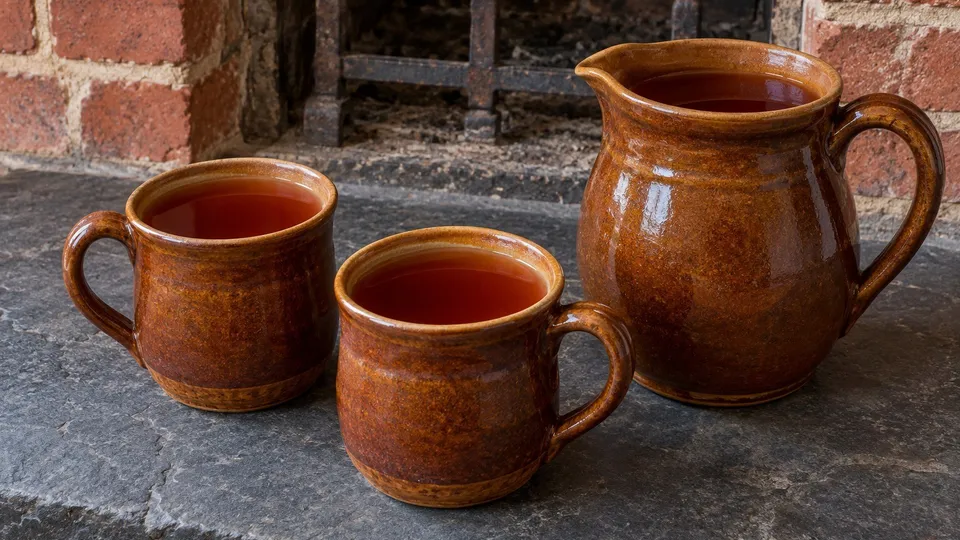
Sweet apple cider simmered for fifteen minutes with nutmeg, cloves, cinnamon and brown sugar, never boiled: an alcohol-free mulled cider from a 1919 temperance drinks book.
You’ll use: Saucepan · Strainer · Ladle
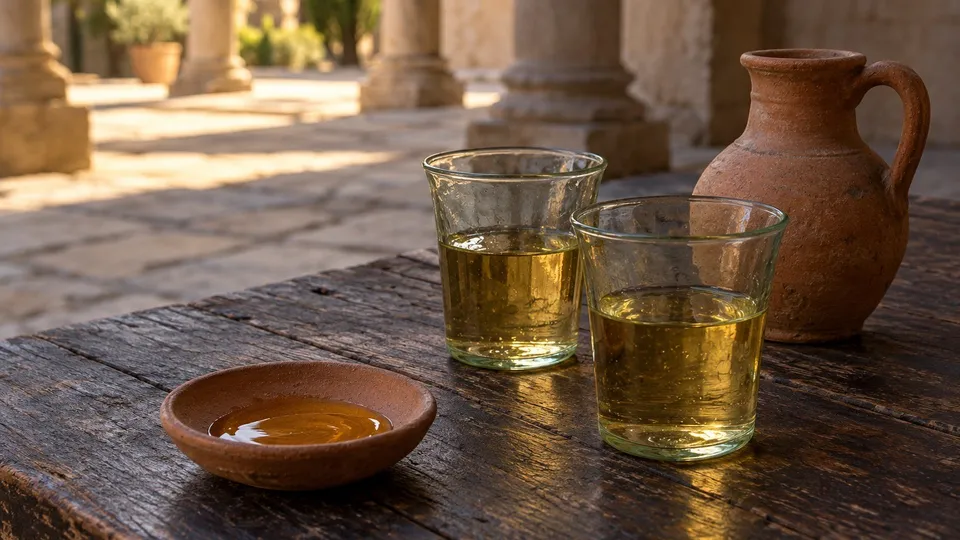
Four measures of wine to one of honey: the drink Romans poured with the first course of dinner, made in five minutes, then left to cool.
You’ll use: Saucepan · Jug
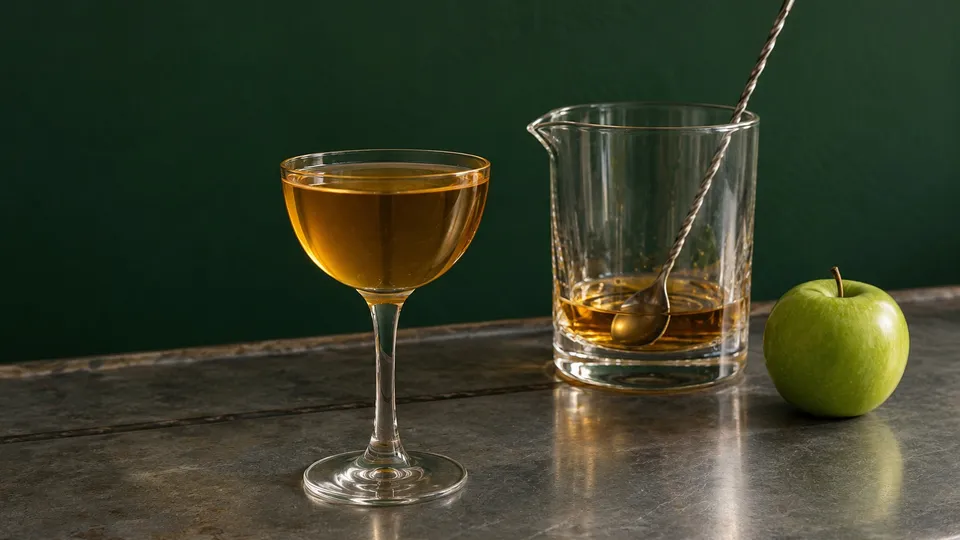
Calvados, Swedish punch and rum in equal thirds, with bitters and absinthe: the Murderer’s Cocktail printed in Barflies and Cocktails in Paris in 1927, with a joke about fire extinguishers.
You’ll use: Mixing glass · Bar spoon · Strainer · Cocktail glass
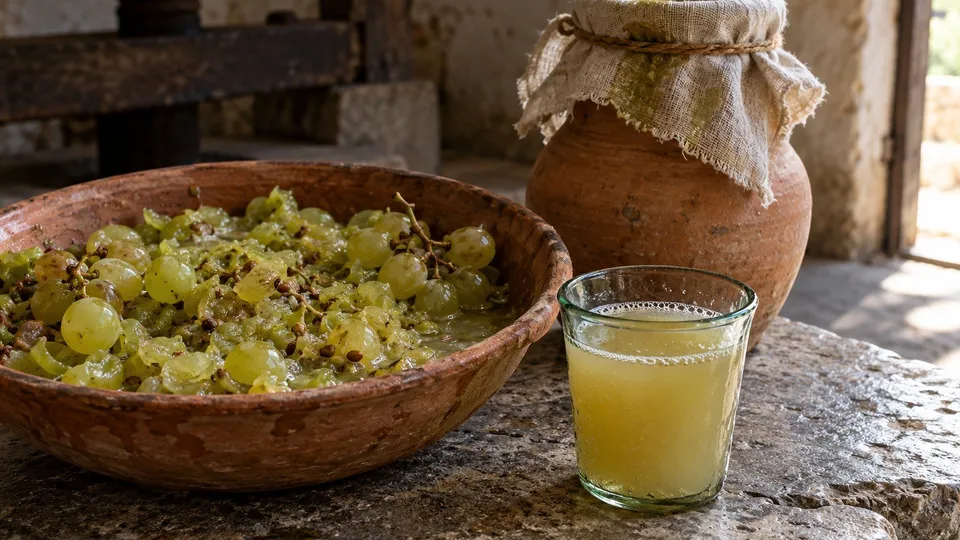
Ripe grapes crushed and strained into cloudy fresh juice, the Roman mustum drunk before it could become wine, kept cold and drunk the same day.
You’ll use: Bowl · Potato masher · Sieve · Jug
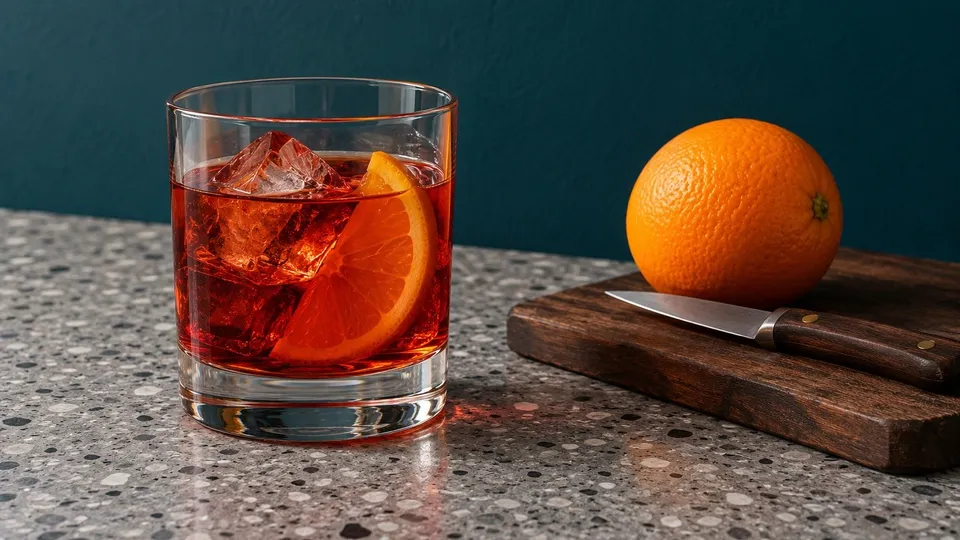
Equal parts gin, Campari and sweet vermouth, stirred over ice with an orange slice: a modern recipe for the Negroni, with what the record shows about Count Negroni’s Florence.
You’ll use: Mixing glass · Bar spoon · Strainer · Tumbler
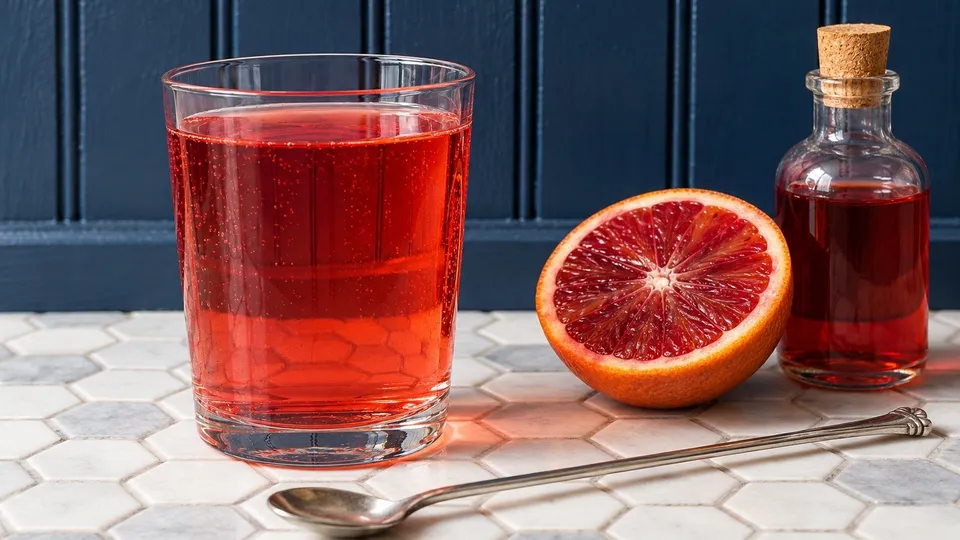
Blood orange and raspberry syrup, plain soda water and a teaspoon of acid phosphate, stirred and served still: Saxe’s red orange phosphate from Chicago, 1894.
You’ll use: Saucepan · Sieve · Grater · Bottle · Tumbler · Long spoon
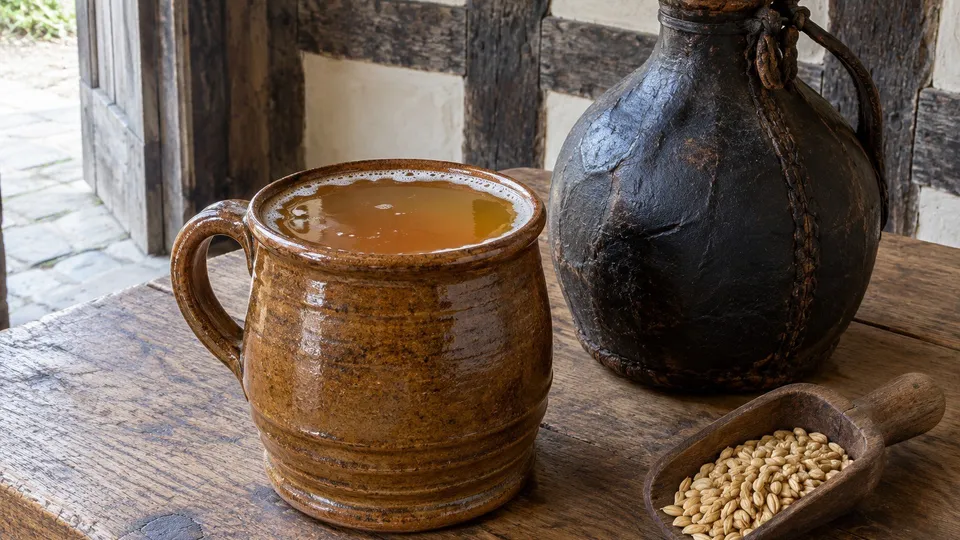
Pale malt and a light hand of English hops, mashed, boiled an hour and drunk at a fortnight old: Gervase Markham’s everyday beer of 1623, scaled to a 10-liter home brew.
You’ll use: Stainless-steel · Pot · Mesh brewing bag · Thermometer · Hydrometer · Fermenter with airlock · No-rinse sanitizer · Strainer · Siphon tube · Swing-top bottles
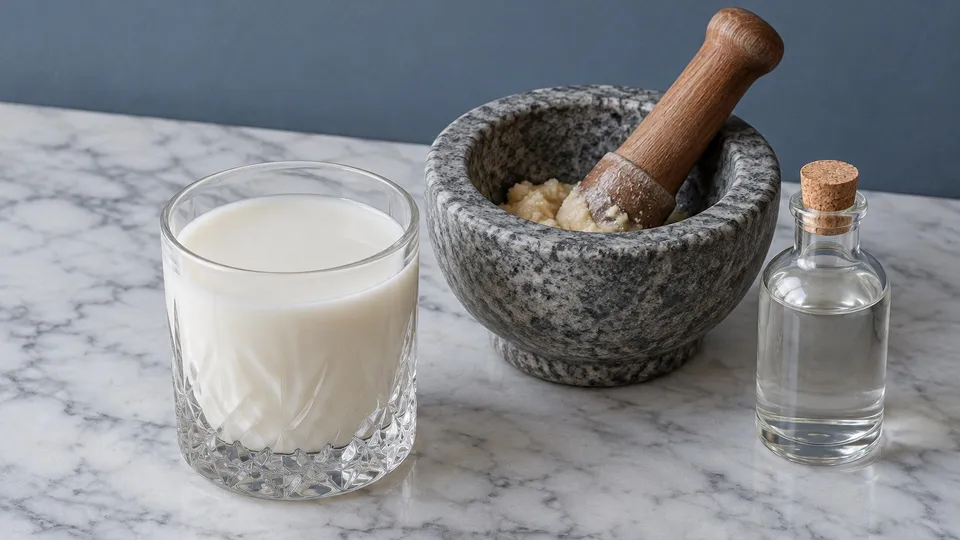
Almonds pounded with orange-flower water, let down with milk and water, strained and sweetened: the alcohol-free orgeat of Rundell’s 1807 sickroom chapter.
You’ll use: Mortar and pestle · Jug · Sieve
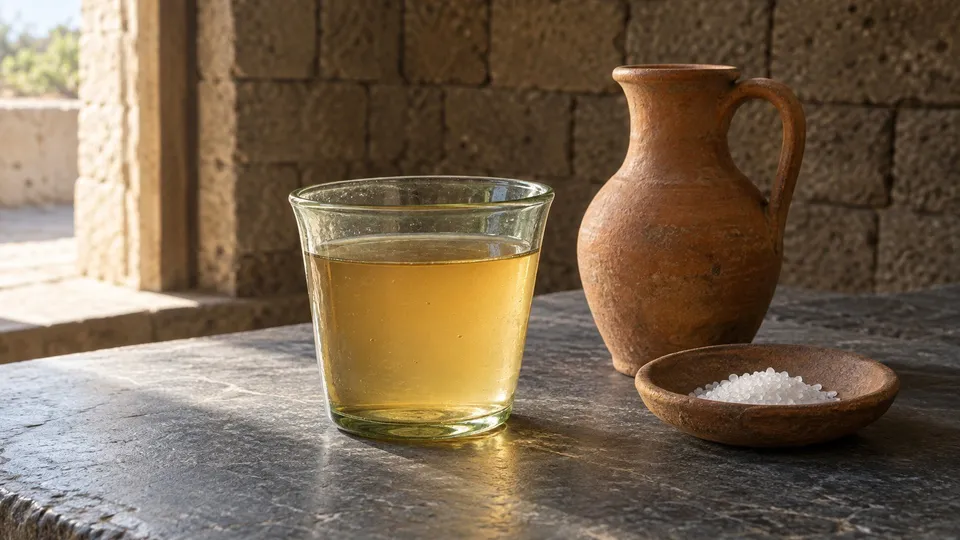
Honey, old vinegar, sea salt and water, boiled into a sharp-sweet syrup: the sweetened cousin of the Roman soldier’s vinegar drink, and alcohol-free.
You’ll use: Saucepan · Bottle
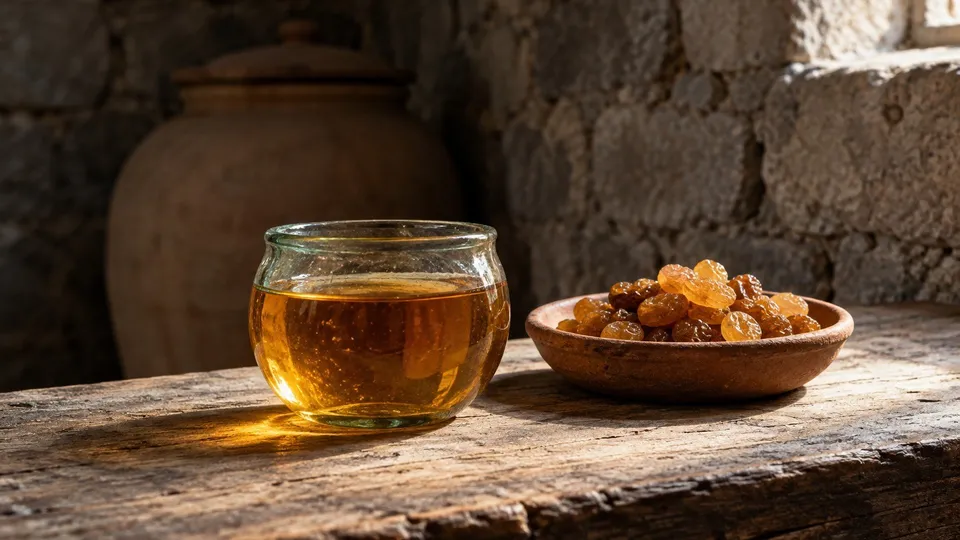
Crushed raisins soaked in wine for five days and pressed: Columella’s raisin wine, made with shop raisins and a bottle of white.
You’ll use: Kitchen scale · Food processor · Jar · Sieve · Bottle
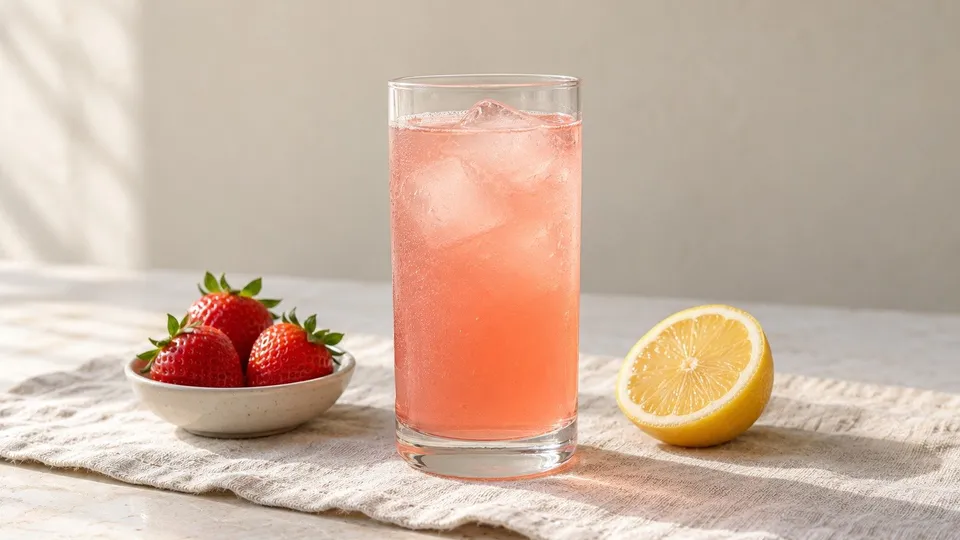
Ripe strawberries mashed and left on ice for four hours with lemon, lemon-rubbed sugar, orange-flower water and cold water, then strained: an alcohol-free sherbet from a 1924 London book of home drinks.
You’ll use: Bowl · Potato masher · Sieve · Jug · Glass
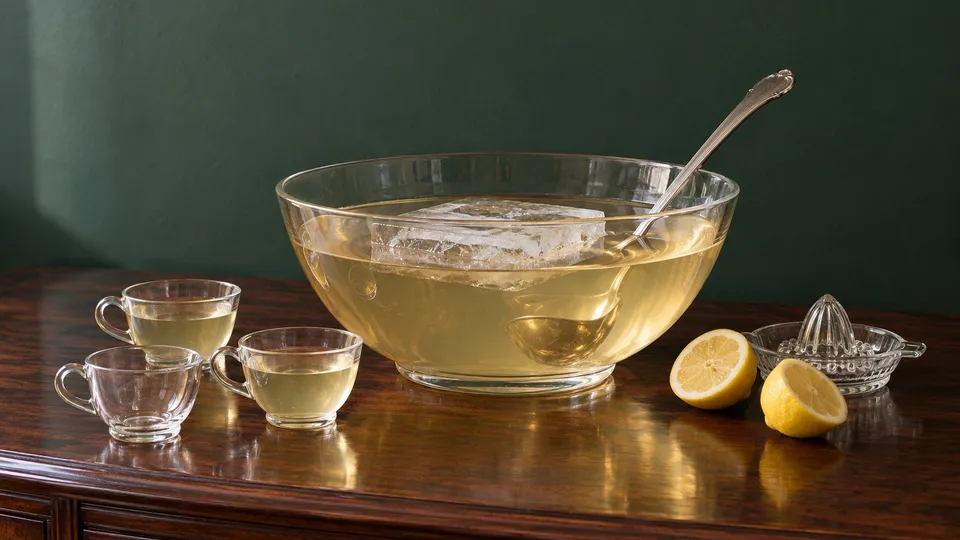
Lemon juice and sugar with Cognac, peach brandy and Jamaica rum, lengthened with plenty of cold water and served over ice: the Philadelphia Fish-House Punch of Jerry Thomas’s 1862 bar guide.
You’ll use: Citrus juicer · Bowl · Punch bowl and ladle · Loaf pan · Cups
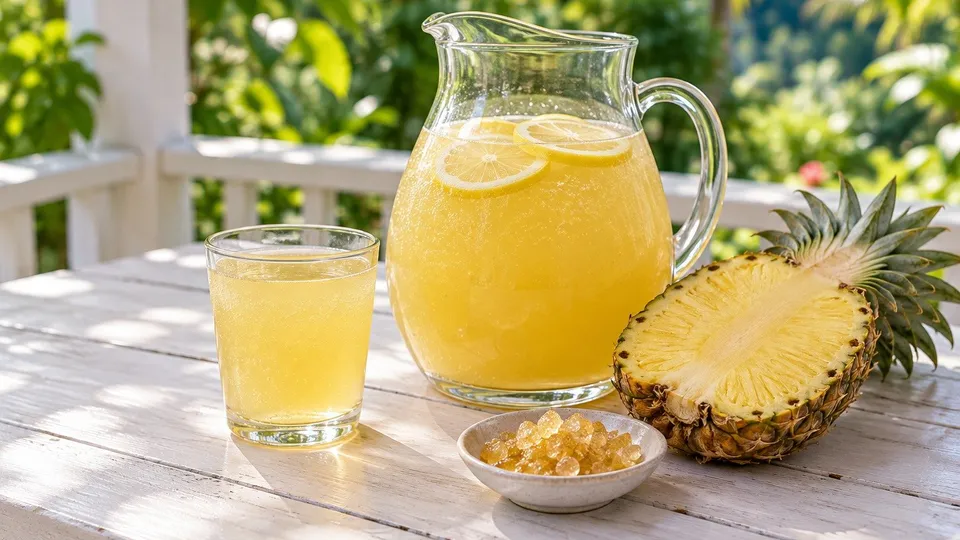
Fresh pineapple juice with soda or plain water, a little crushed rock sugar and thin slices of lemon: a hot-weather drink printed in Singapore in 1915.
You’ll use: Juicer · Sieve · Deep jug
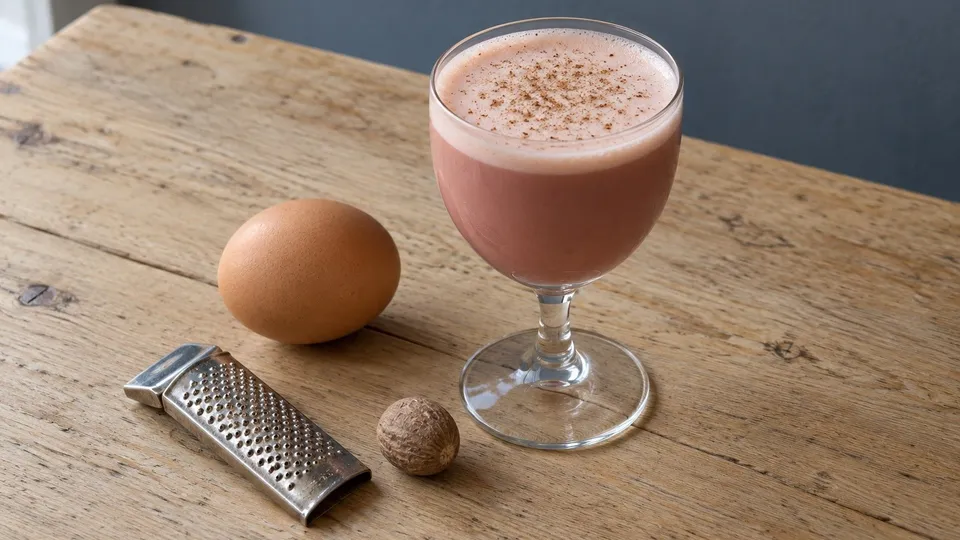
A wine glass of port shaken with a whole egg, sugar and shaved ice, strained and dusted with nutmeg: the cold Port Wine Flip of Harry Johnson’s 1882 bar manual.
You’ll use: Cocktail shaker · Strainer · Cocktail glass · Nutmeg grater
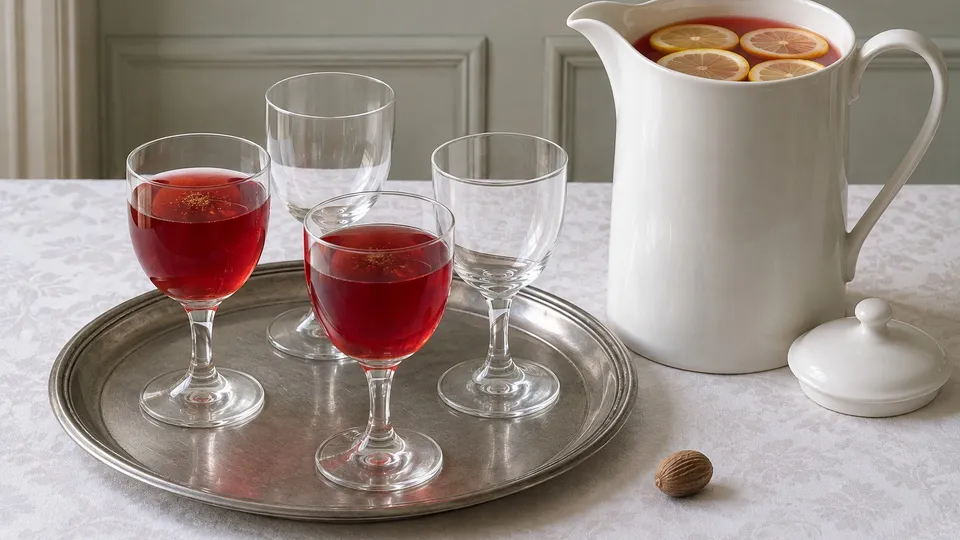
A bottle of hot ruby port poured into a covered jug of lemon sugar, sliced lemons, a little spice and a quart of boiling water, then grated over with nutmeg: negus as Oxford made it in 1847.
You’ll use: Grater · Jug · Saucepan · Kettle · Cups
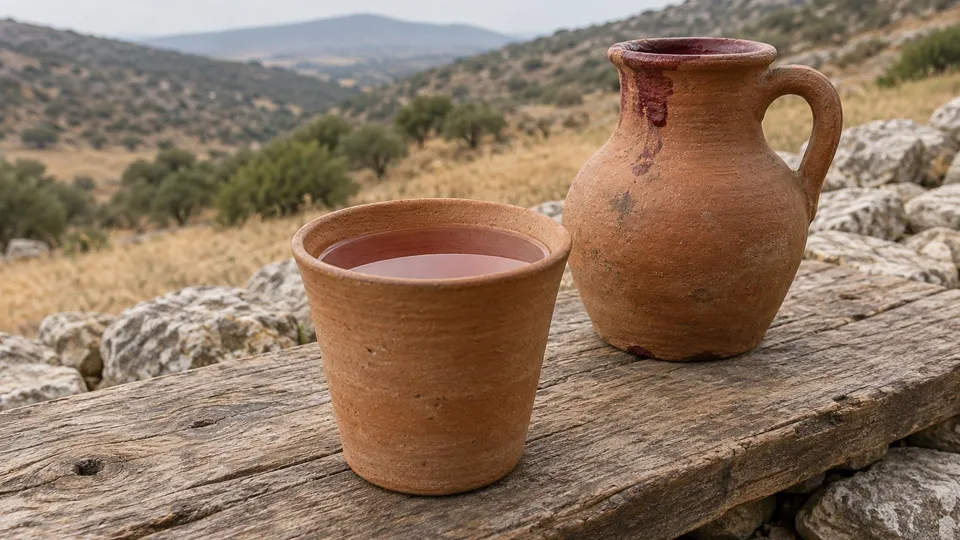
Wine vinegar stirred into cold water: the sour, cheap drink of Roman soldiers and slaves, alcohol-free and ready in a minute.
You’ll use: Glass
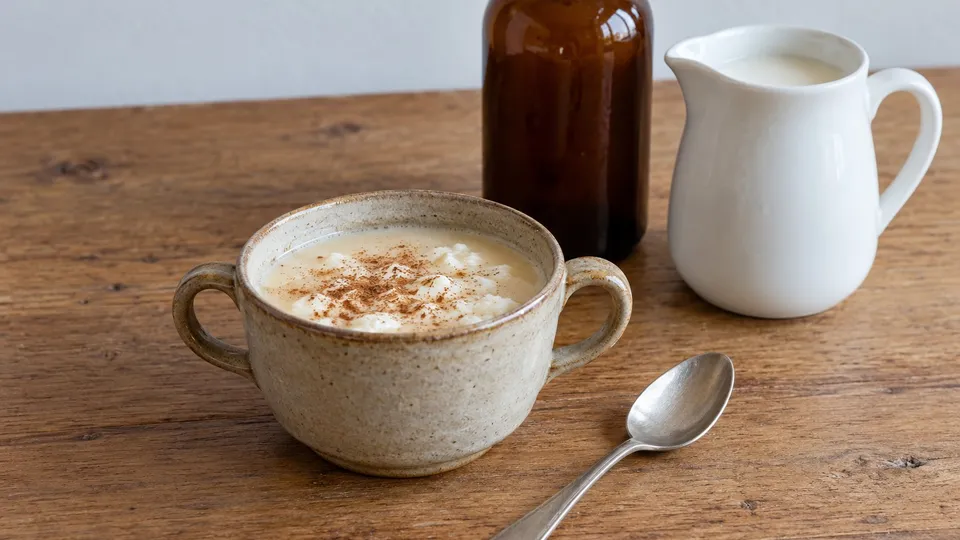
Very hot milk poured onto cold ale and left to set into soft curds in a warm whey, sweetened with honey and strewn with cinnamon and ginger.
You’ll use: Saucepan · Jug
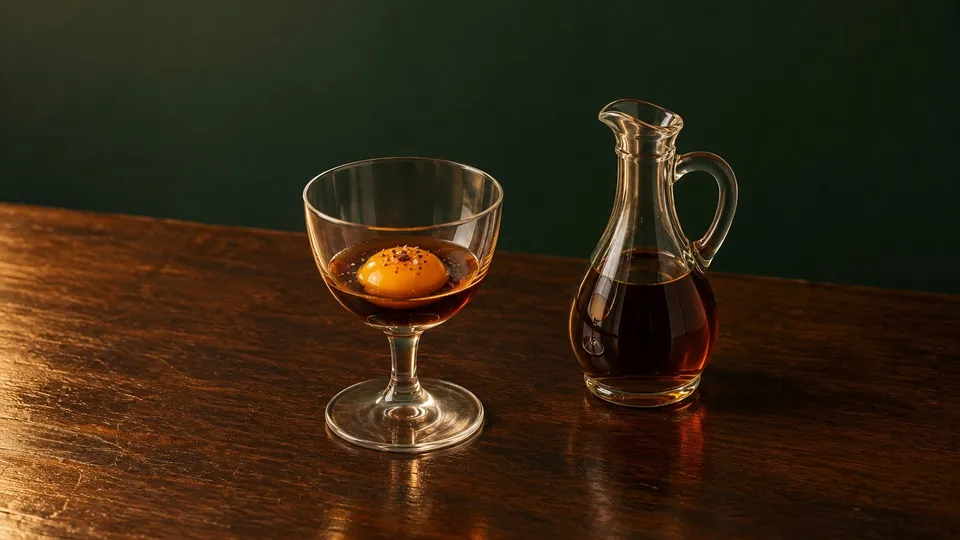
A whole egg yolk in Worcester sauce and malt vinegar, with red pepper and salt on top: the Prairie Oyster of Harry MacElhone’s London bar book of the 1920s, with no alcohol in it.
You’ll use: Stemmed wine glass · Measuring teaspoon
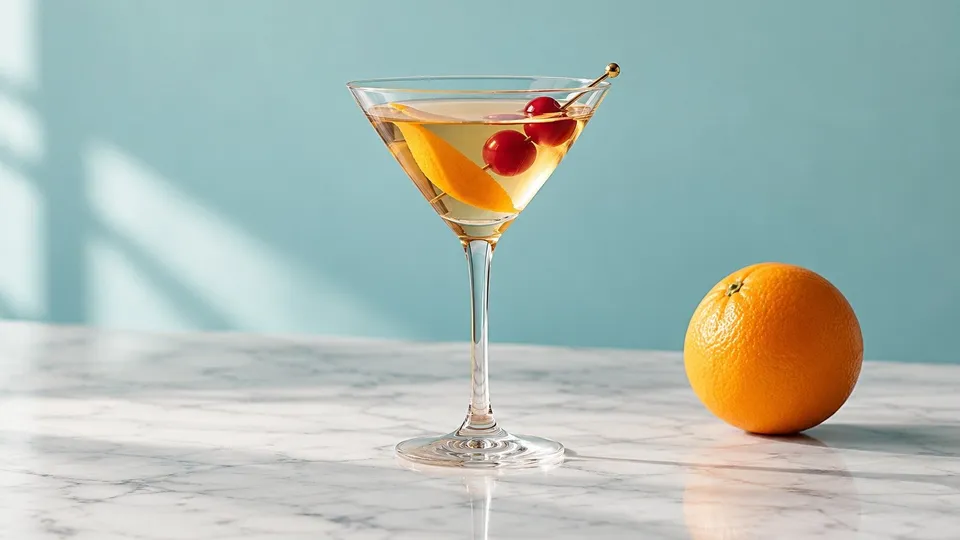
Vermouth and gold rum, three parts to two, stirred cold with half a teaspoon of curaçao and served with cherries and orange peel: the Presidente of Havana’s Bar La Florida, printed in 1939.
You’ll use: Mixing and bar spoon · Strainer · Stemmed cocktail glass
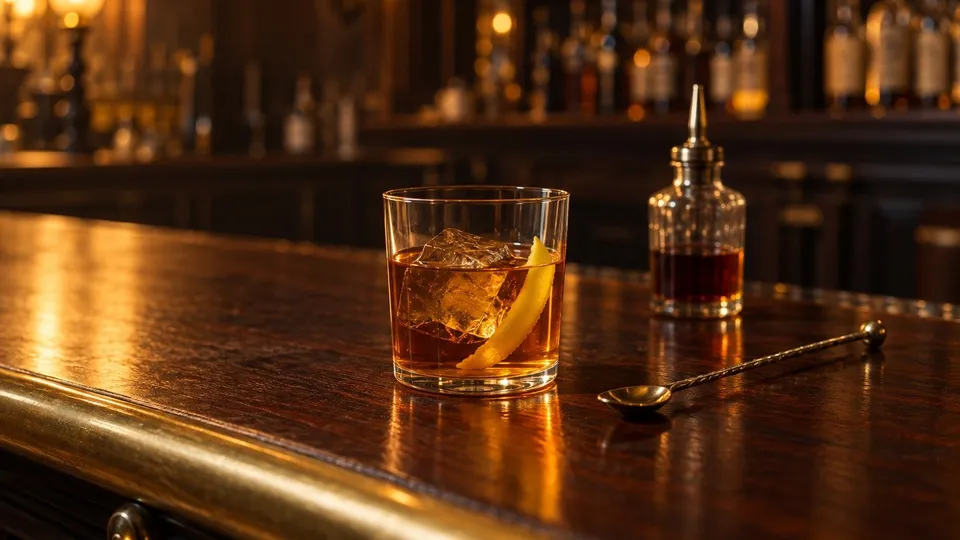
Sugar dissolved in the glass, bitters, absinthe, lemon peel, one chunk of ice and whiskey: the first recipe printed as an Old-fashioned Cocktail, Chicago, 1888.
You’ll use: Thin tumbler · Bar spoon · Peeler
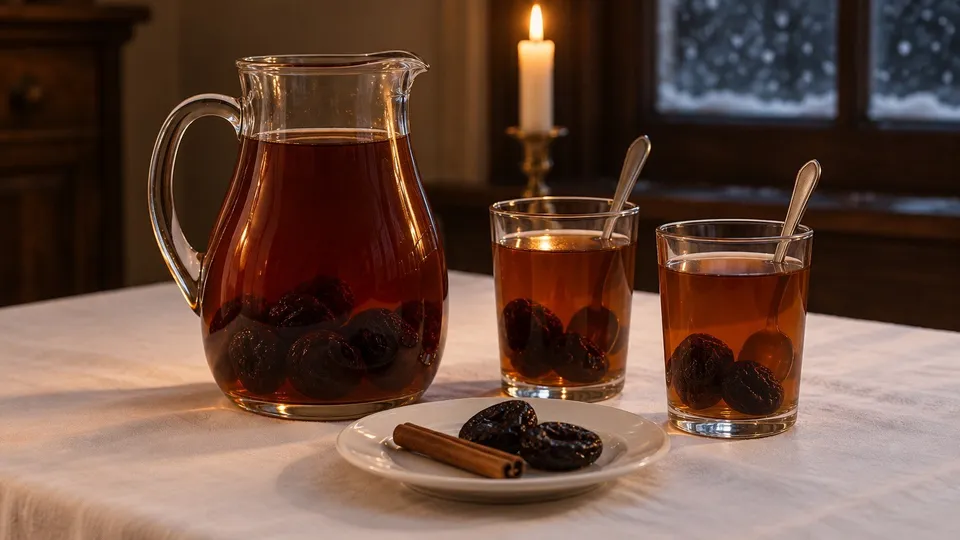
Dried plums cooked soft with sugar and cinnamon: the prune kompot of a 1913 Polish-Lithuanian cookbook, served then as a dessert and poured today as a drink at Christmas Eve supper.
You’ll use: Saucepan · Jug · Glass · Teaspoon
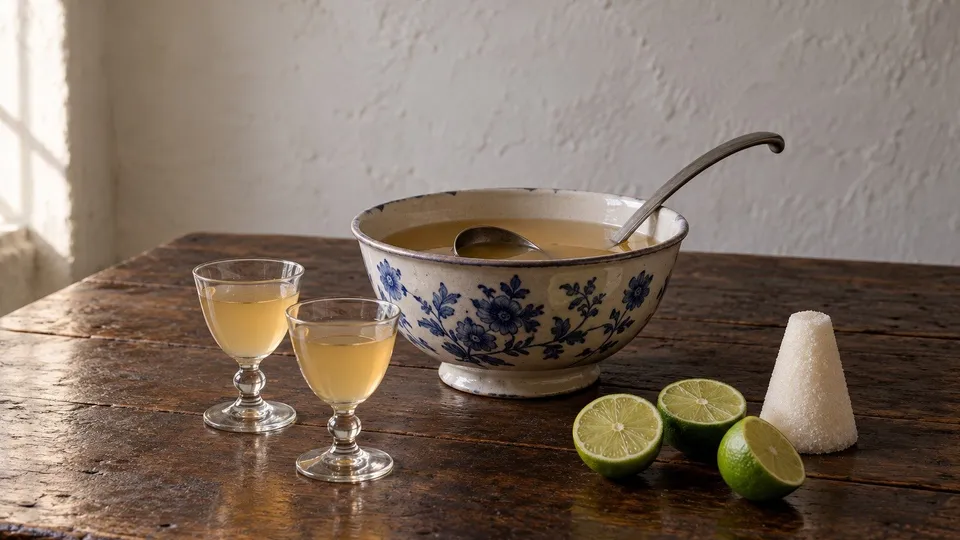
Brandy, spring water, a pint of lime juice and a pound of double-refined sugar: William Salmon’s strong lime punch of 1710, from the years of Blackbeard and Bartholomew Roberts.
You’ll use: Citrus juicer · Strainer · Bowl
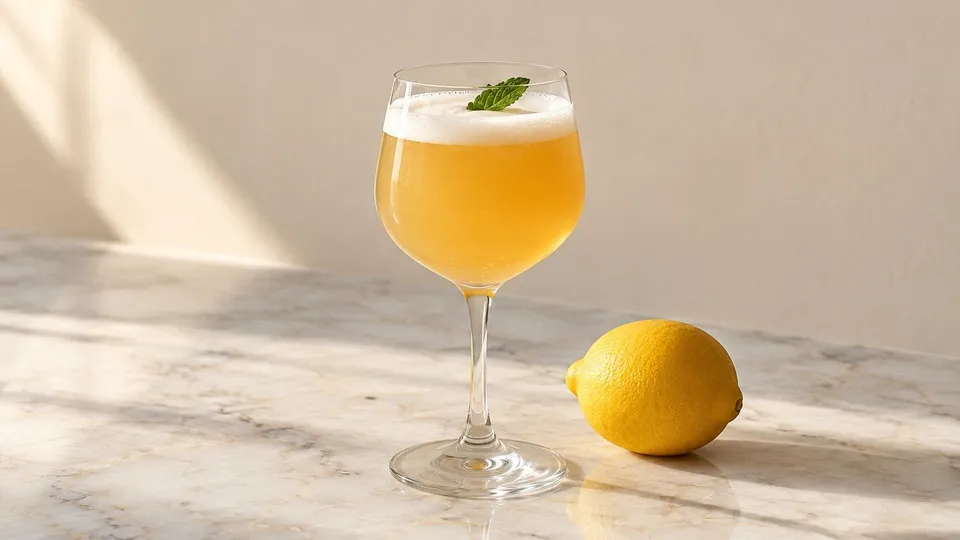
Lemon and orange juice shaken with a little syrup, mint and egg white: the alcohol-free cocktail a London bartender named in 1922 for the dry campaigner Pussyfoot Johnson.
You’ll use: Cocktail shaker and strainer · Citrus juicer · Stemmed wine glass
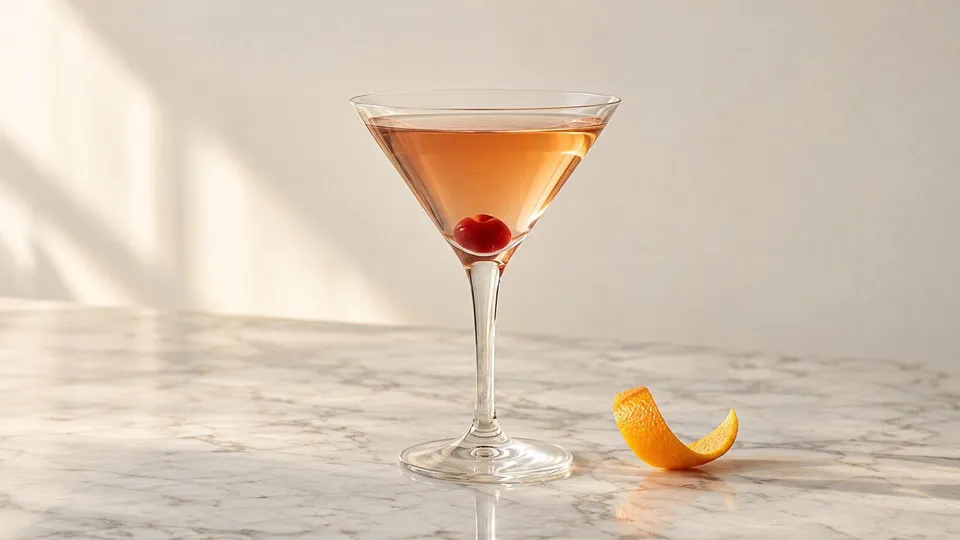
Gin with French and Italian vermouth, a dash each of grenadine and orange bitters, stirred and served with a cherry: the house cocktail of London’s Royal Automobile Club, credited to Fred Faecks, 1914.
You’ll use: Mixing and bar spoon · Strainer · Stemmed cocktail glass
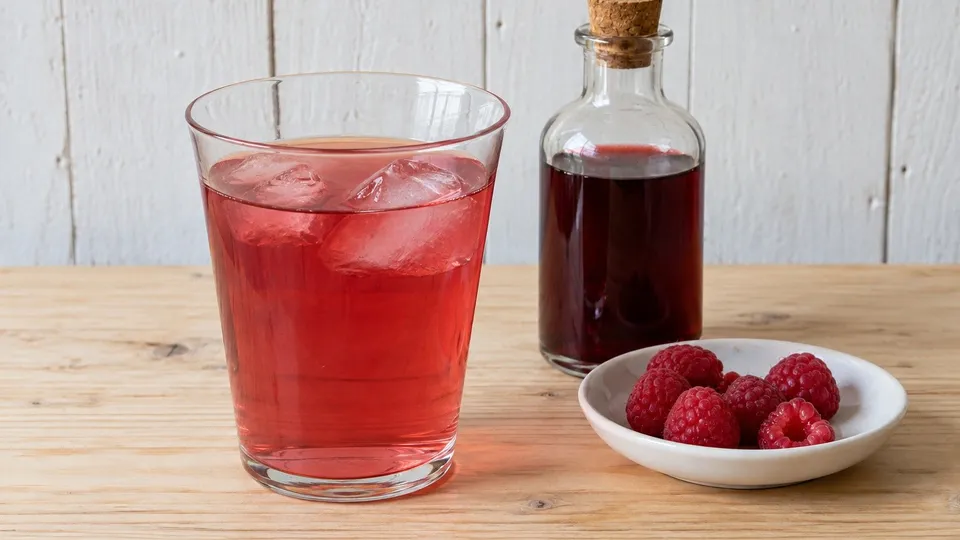
Raspberries steeped twice in cider vinegar, boiled and lightly sweetened, then stirred into iced water: Lettice Bryan’s alcohol-free raspberry shrub of 1839.
You’ll use: Jar · Spoon · Jelly bag · Saucepan · Measuring jug · Bottle · Tumbler
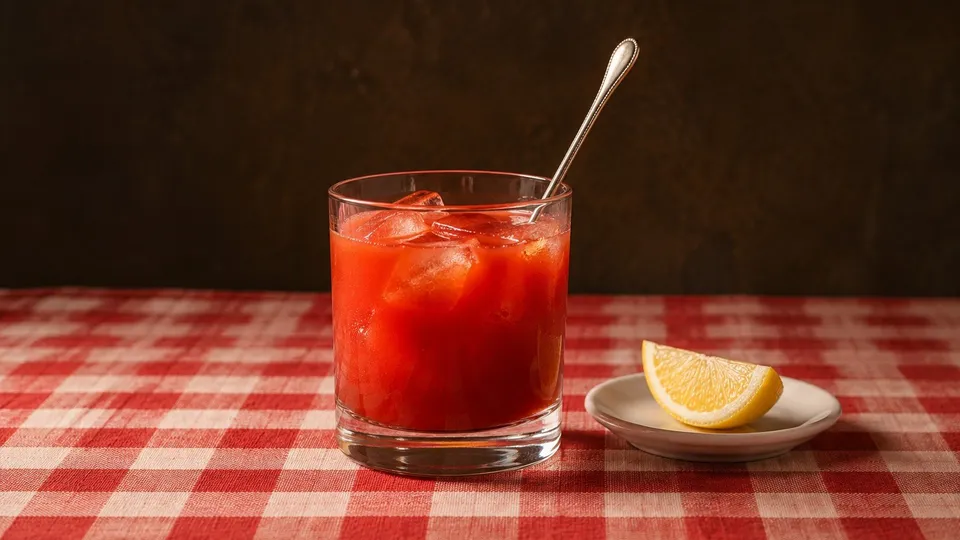
Vodka and tomato juice with a dash of lemon: the Red Hammer that LIFE called a new Hollywood cocktail in August 1942, at a Russian-themed party. We stir it over ice.
You’ll use: Glass · Bar spoon
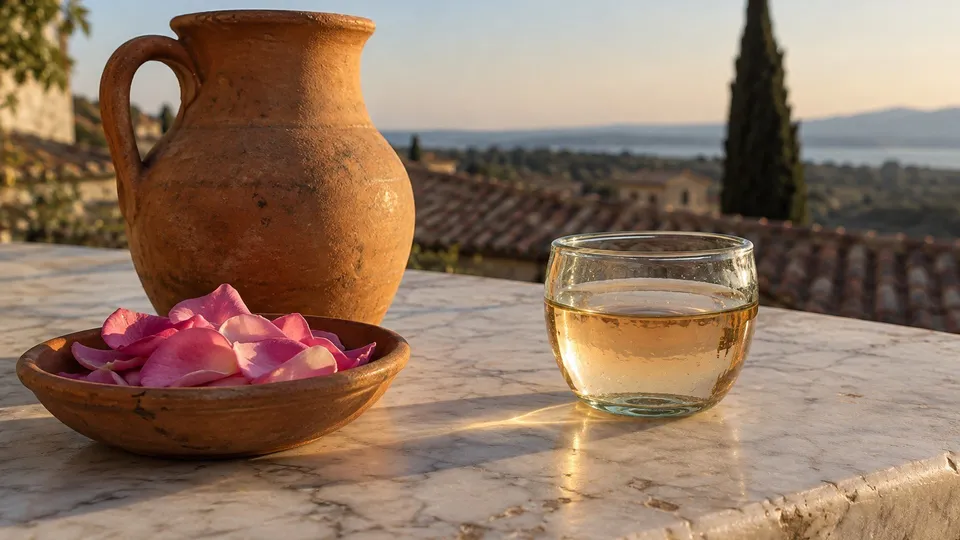
White wine steeped with fresh rose petals three times over, a week at a time, then sweetened with honey: the rose wine of Apicius.
You’ll use: Jar · Kitchen scissors · Kitchen scale · Saucepan · Muslin · Sieve · Bottle
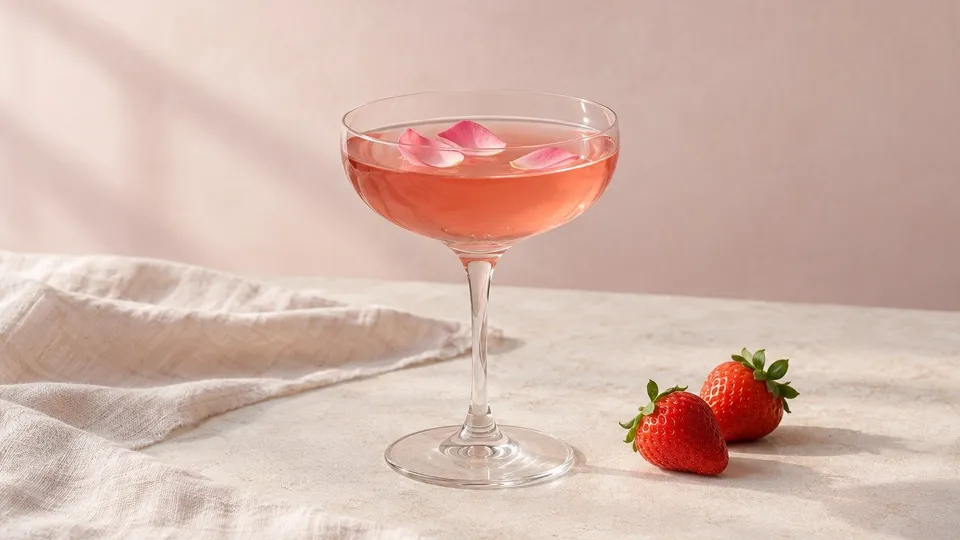
Strawberries, pineapple, orange and lemon shaken with orange-flower water and strained into a small wine glass under rose petals: the alcohol-free Rose Cocktail of a 1922 London bar book.
You’ll use: Cocktail shaker · Strainer · Citrus juicer · Stemmed wine glass
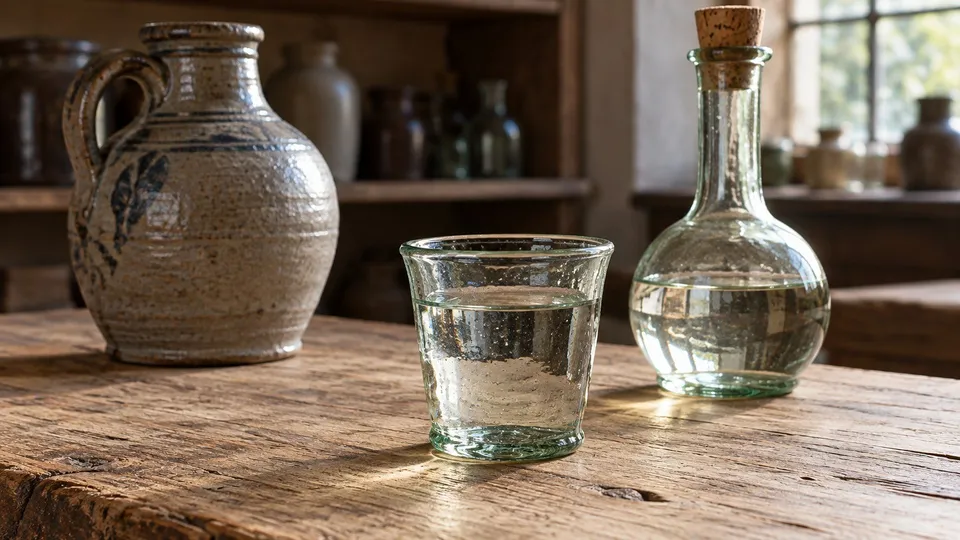
Red rose water drunk by the ounce, as Brunschwig’s distilling book of 1527 doses it, lengthened with cold water into a pale, scented drink. Alcohol-free.
You’ll use: Glass · Spoon
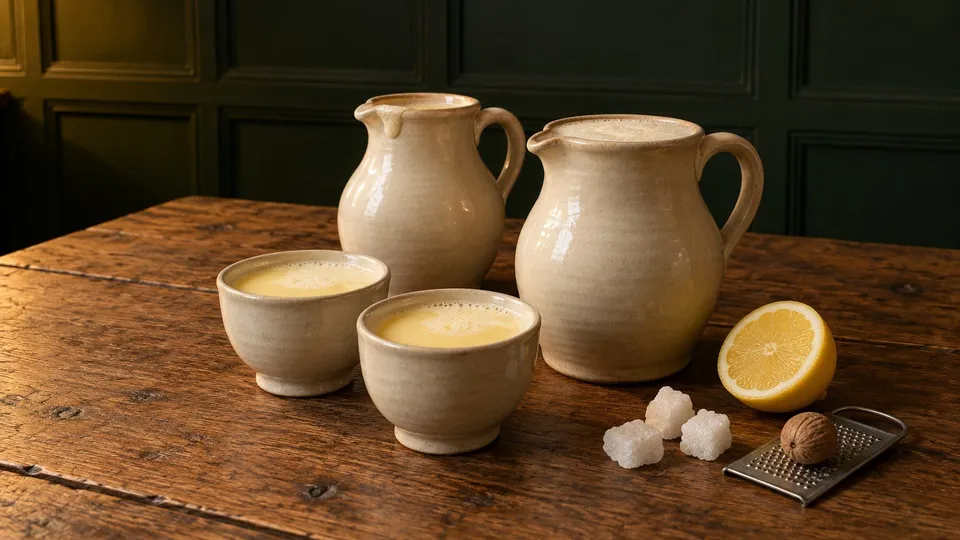
White wine boiled with cinnamon and lemon-rubbed sugar, poured onto beaten egg yolks with nutmeg and tossed between two jugs to a froth: the Rum Booze of Oxford Night Caps, 1847, which has no rum in it.
You’ll use: Saucepan · Two bowls · Whisk · Thermometer · Grater · Cups
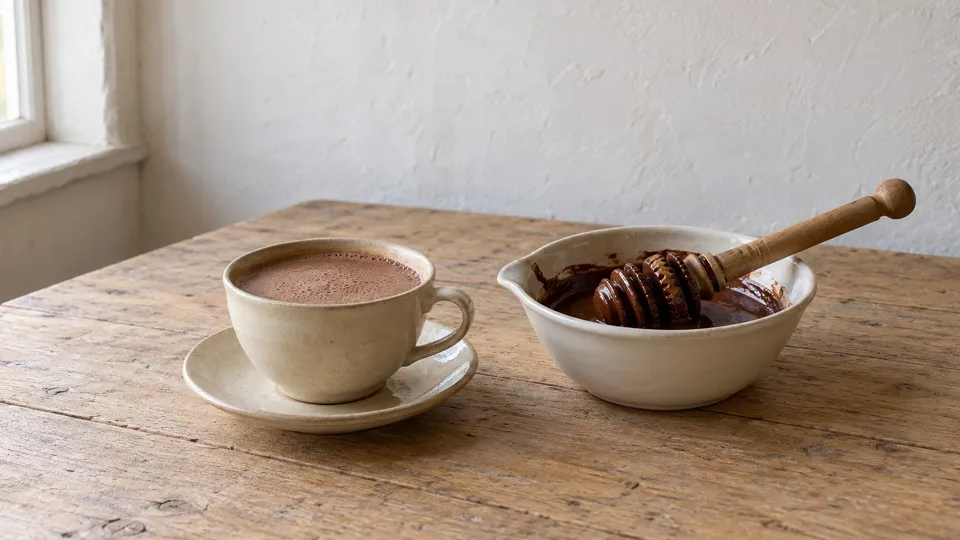
A cake of chocolate melted into boiling water and kept in a basin, then a spoonful or two boiled up in milk with sugar and whisked to a froth: the hot chocolate of Maria Rundell’s 1806 household cookery book.
You’ll use: Saucepan · Chocolate whisk · Bowl · Mug
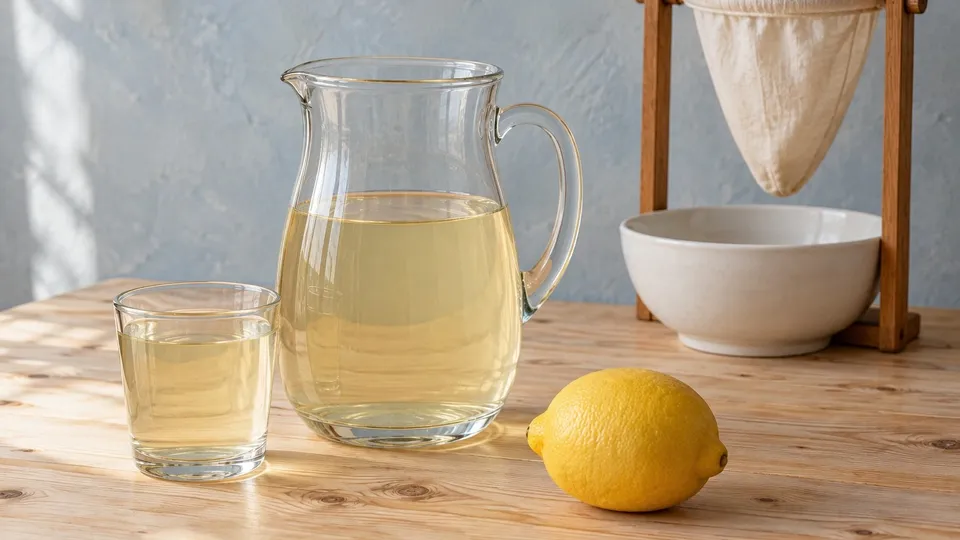
Lemon peel, juice and sugar with boiling milk, dripped through a jelly bag until clear: Maria Rundell’s alcohol-free lemonade of 1806–07, made a day ahead.
You’ll use: Vegetable peeler · Two bowls · Saucepan · Jelly bag · Jug
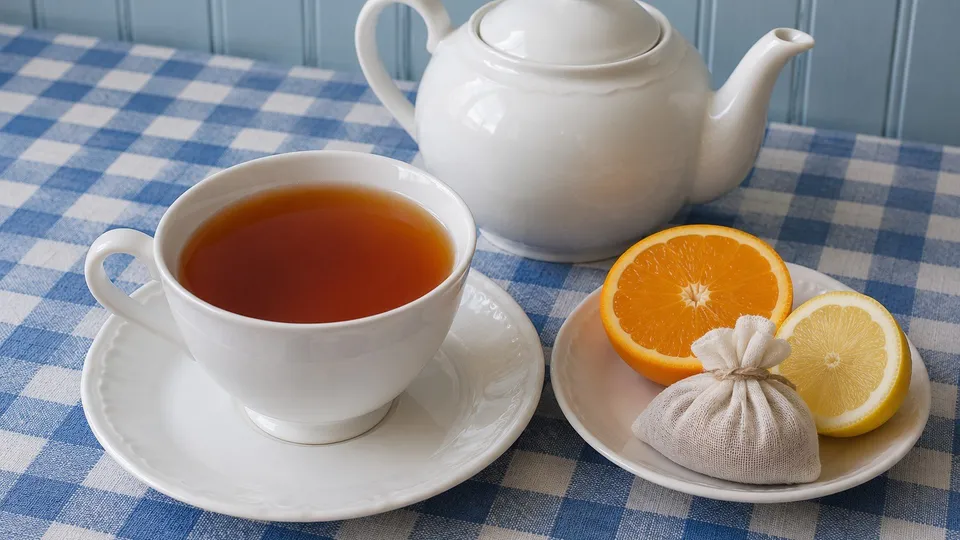
Strong black tea simmered with a bag of cloves and cinnamon, then sweetened and sharpened with orange and lemon juice: Russian tea from a 1917 Raleigh church cookbook.
You’ll use: Saucepan · Muslin · Citrus juicer · Tea strainer · Ladle and cups
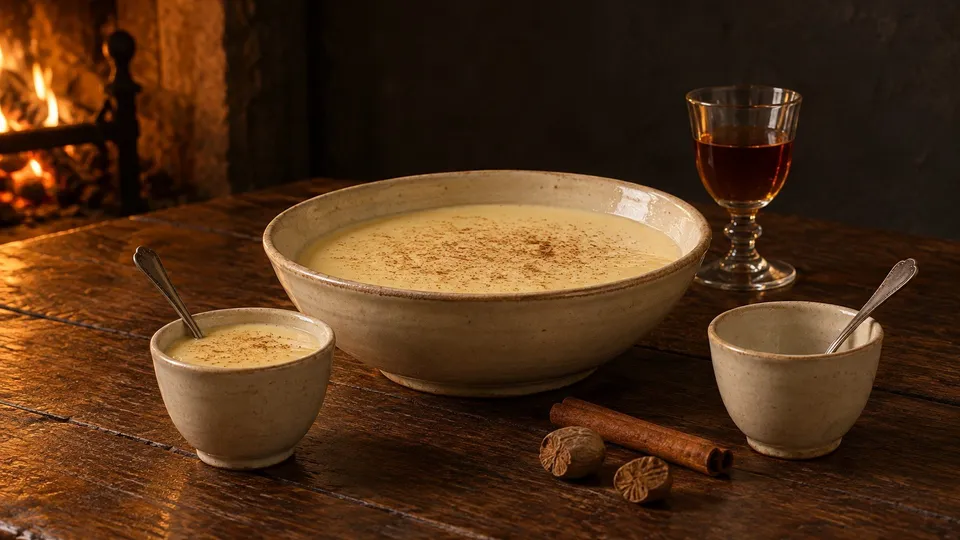
Hot cream thickened with egg and poured from a height onto boiling sweet sherry with sugar, nutmeg and cinnamon, then eaten with a spoon: the sack posset of Sir Kenelm Digby’s 1669 cookbook.
You’ll use: Saucepan · Bowl · Whisk · Thermometer · Cups
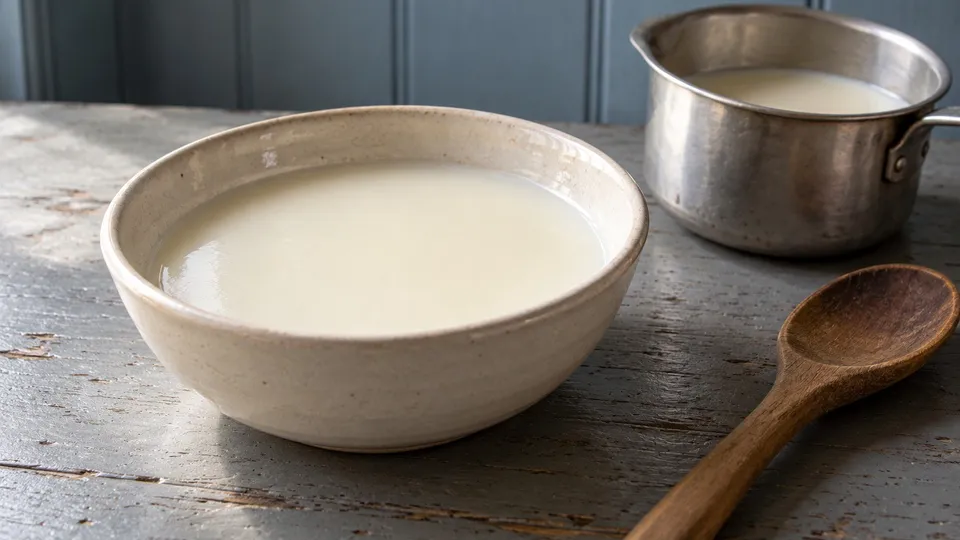
Hot milk poured onto a smooth paste of arrowroot and sugar and stirred until lightly thick: the milk saloop of an 1821 vegetarian cookbook that also renounced drink.
You’ll use: Saucepan · Bowl · Spoon · Bowls
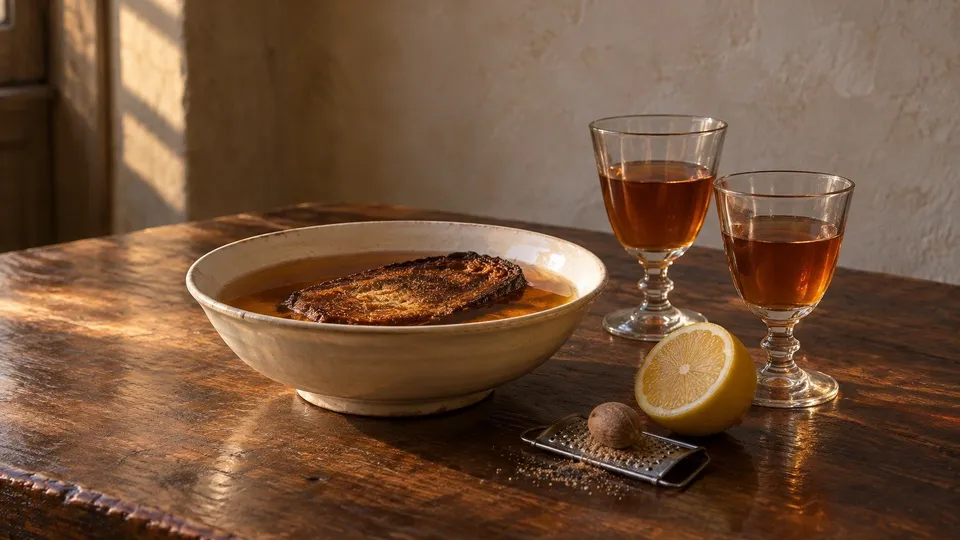
Madeira steeped with sugar, lemon juice, cinnamon, clove, plenty of nutmeg and a crust of dark toast, then strained: the English drink the French islands copied, from Labat’s 1722 account.
You’ll use: Bowl · Grater · Sieve
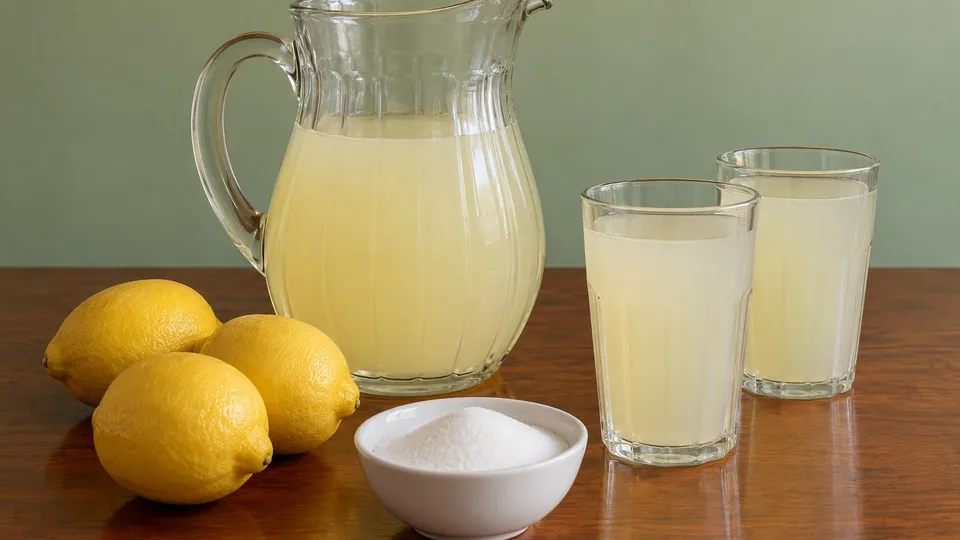
Three lemons to a pint of cold water, sweetened to taste: the strong, plain lemonade that the woman behind the national Thanksgiving called the best drink for parties.
You’ll use: Citrus juicer · Pitcher · Strainer
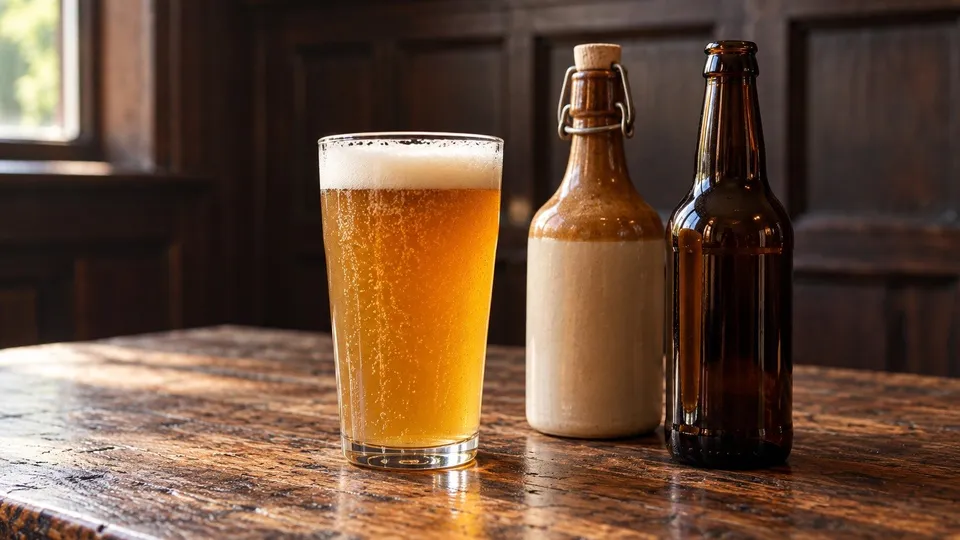
Cold ale topped up with ginger beer, the shandy before lemonade: William Terrington’s one-line recipe of 1869, and Oxford students knew it by 1853.
You’ll use: Glass
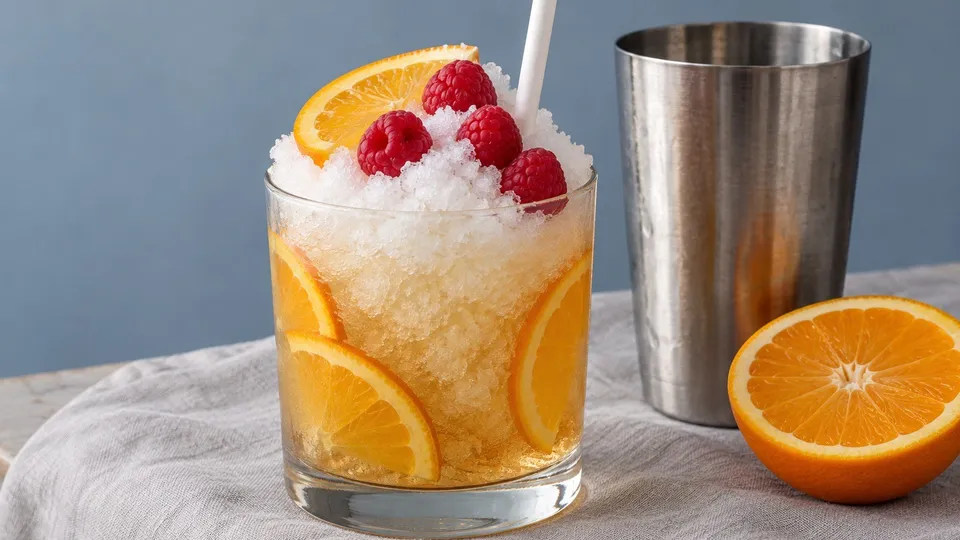
Two wine-glasses of sherry, a tablespoon of sugar and slices of orange, shaken in a tumbler of shaved ice and finished with berries and a straw: Jerry Thomas’s Sherry Cobbler of 1862.
You’ll use: Cocktail shaker · Tumbler
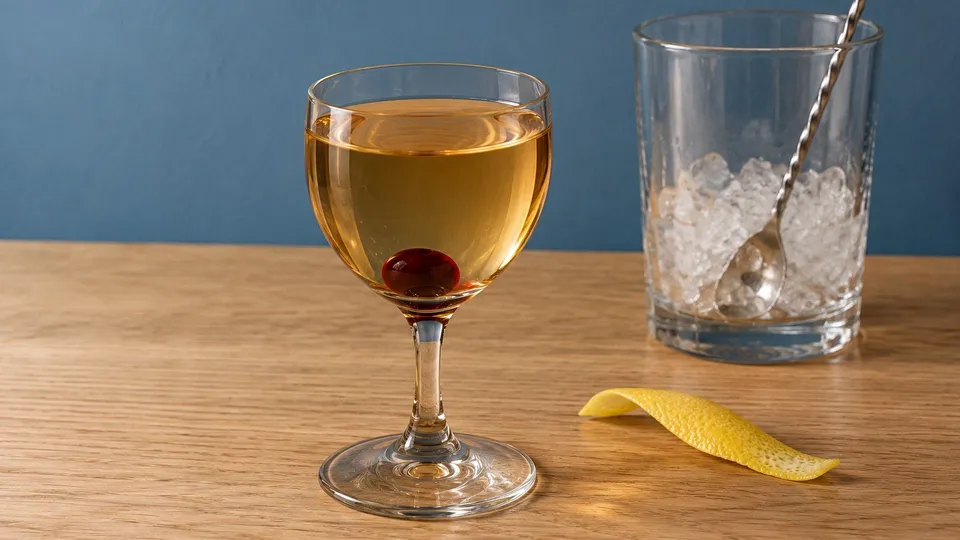
A wine glass of sherry stirred on shaved ice with bitters and a dash of maraschino, strained, with a cherry and a squeeze of lemon peel: Harry Johnson’s Sherry Cocktail of 1900.
You’ll use: Mixing glass · Bar spoon · Strainer · Cocktail glass · Peeler
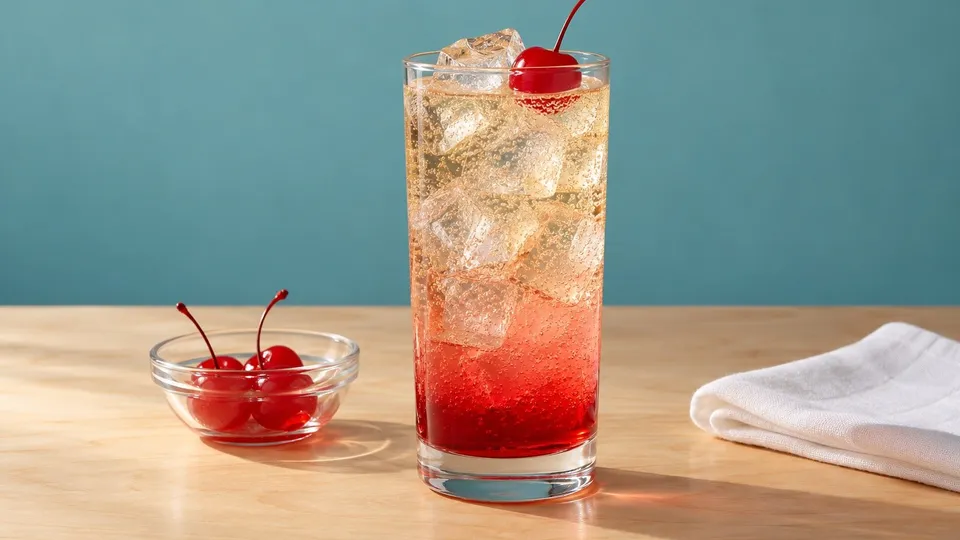
Ginger ale over ice, a spoonful of grenadine sinking to the bottom and a maraschino cherry: a modern recipe for the Shirley Temple, with what is known of its history.
You’ll use: Highball glass · Bar spoon
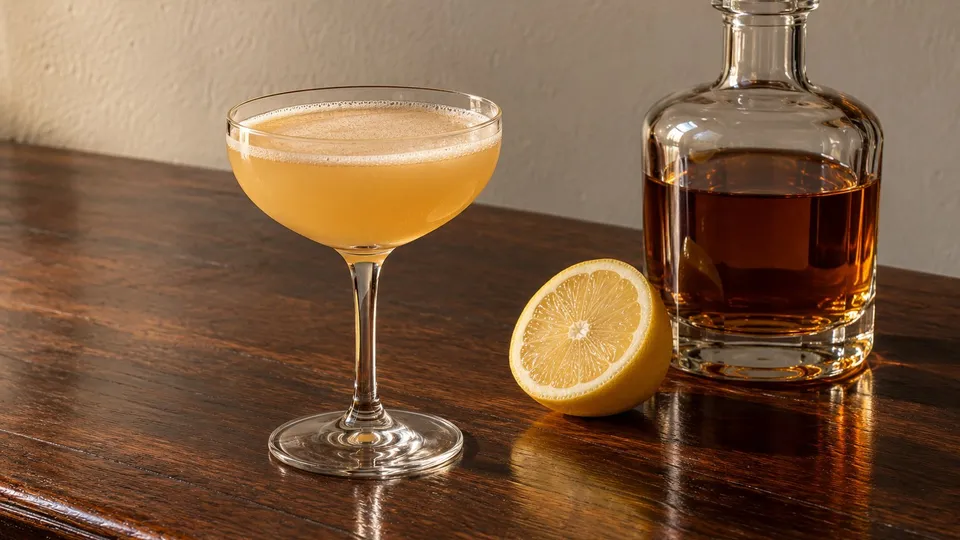
Harry MacElhone’s Sidecar, printed in London in late 1923 or after: brandy, Cointreau and lemon in equal parts, sharper and more orange-led than the brandy-heavy version poured today.
You’ll use: Cocktail shaker · Strainer · Cocktail glass
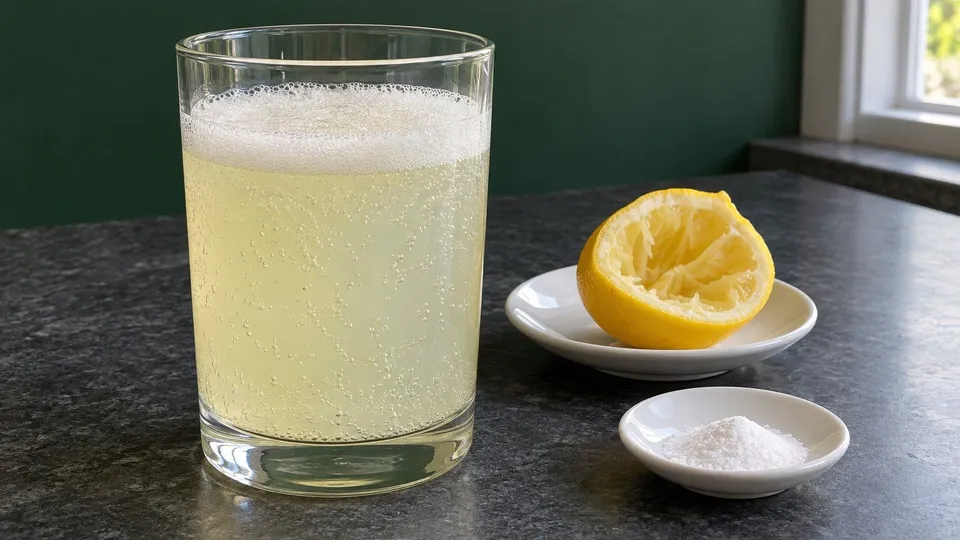
The juice of a lemon, three-quarters of a tumbler of water and sugar, with a little baking soda stirred in last so it foams: Jerry Thomas’s Soda Nectar of 1862.
You’ll use: Citrus juicer · Tea strainer · Tumbler · Spoon
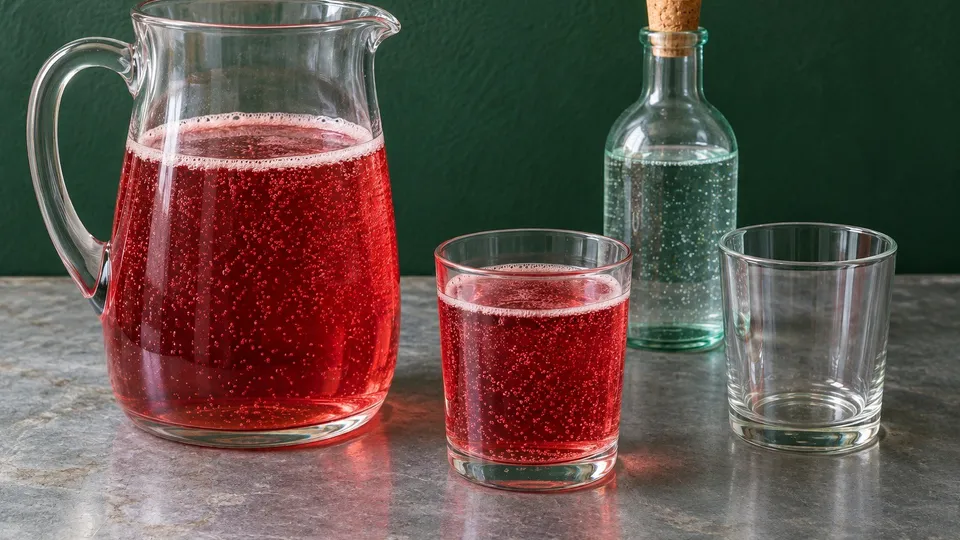
Ruby port warmed with sugar, cloves and nutmeg, then topped in the jug with a bottle of soda water so it reaches the glass fizzing: Jerry Thomas’s soda negus of 1862.
You’ll use: Saucepan · Bowl · Glass
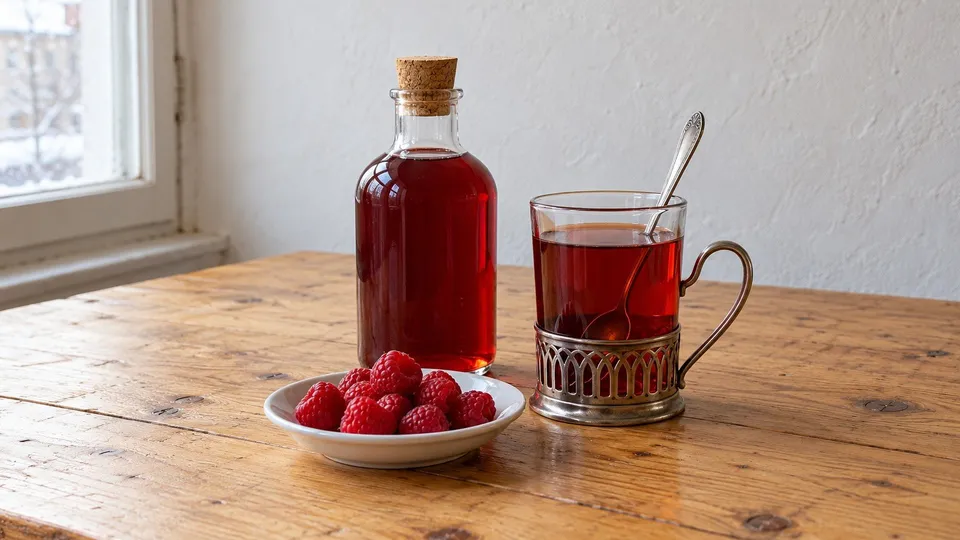
Raspberries warmed in a pot standing in hot water until they give up their juice, then boiled with sugar into a bright syrup for cold water or hot tea: the sok malinowy of Lucyna Ćwierczakiewiczowa’s Warsaw household book of 1885.
You’ll use: Bowl · Jelly bag · Measuring jug · Saucepan · Bottle · Tumbler
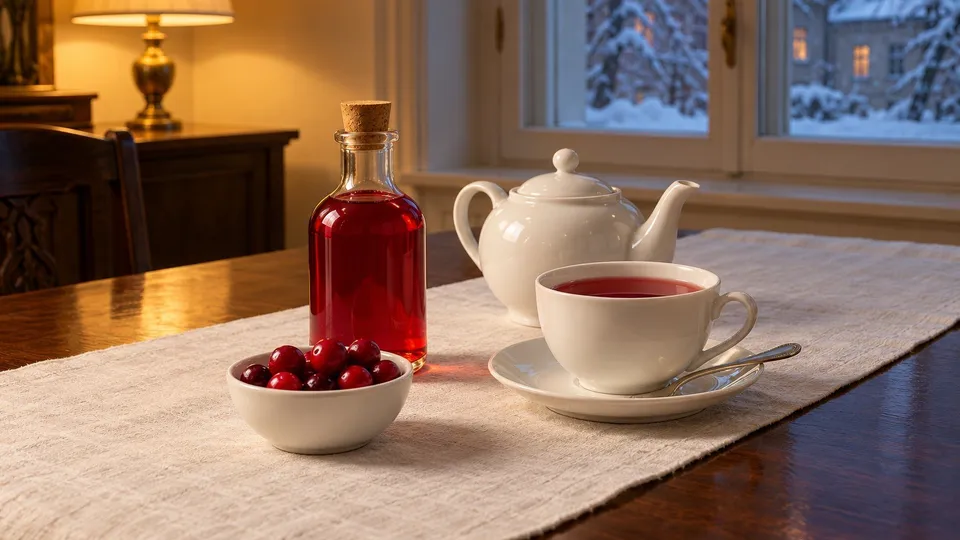
Whole cranberries boiled until they burst, the juice left to clear and then cooked with sugar into a thin, bright syrup for a glass of hot tea: the sok żurawinowy of Lucyna Ćwierczakiewiczowa’s Warsaw household book of 1885.
You’ll use: Saucepan · Sieve · Jug · Bottle · Teapot · Cup
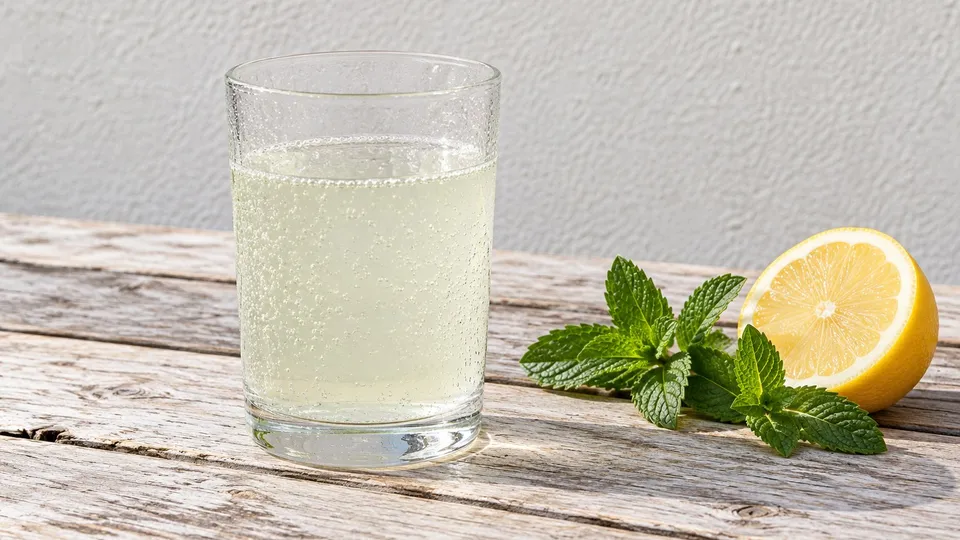
Gin, lemon, sugar and fresh mint, shaken and topped with soda in a tumbler: the South Side as Harry MacElhone printed it in 1923, before the gangster stories.
You’ll use: Cocktail shaker · Strainer · Tumbler
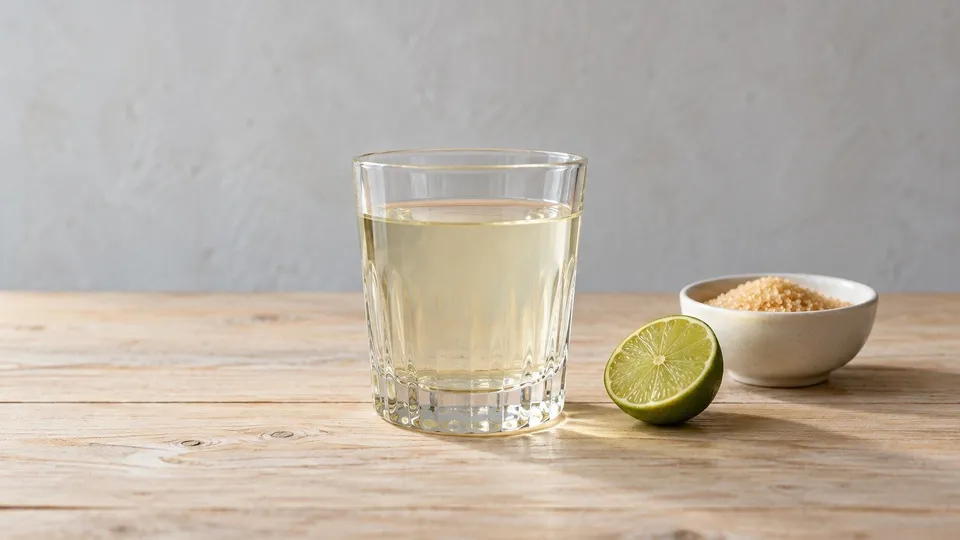
Two tablespoons of sugar stirred for a minute with lime juice, then a pint of cold water: the lemonade without lemons that the chef Alexis Soyer gave the Scutari hospitals and the camp.
You’ll use: Bowl · Spoon · Glass
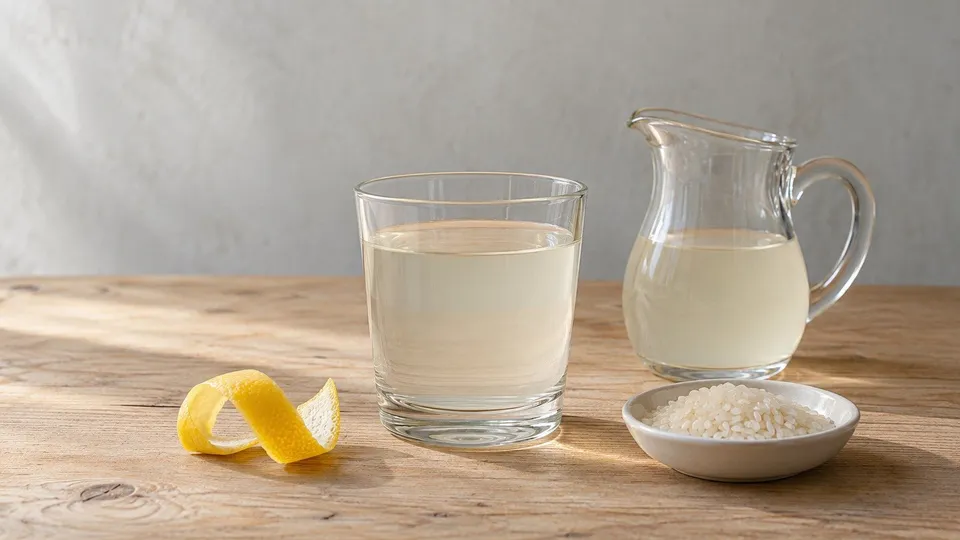
Washed rice, sugar and lemon peel simmered gently in water for three-quarters of an hour and strained: the rice water the doctors at Scutari chose for sick soldiers, from Alexis Soyer’s 1857 hospital diets.
You’ll use: Saucepan · Vegetable peeler · Sieve · Jug
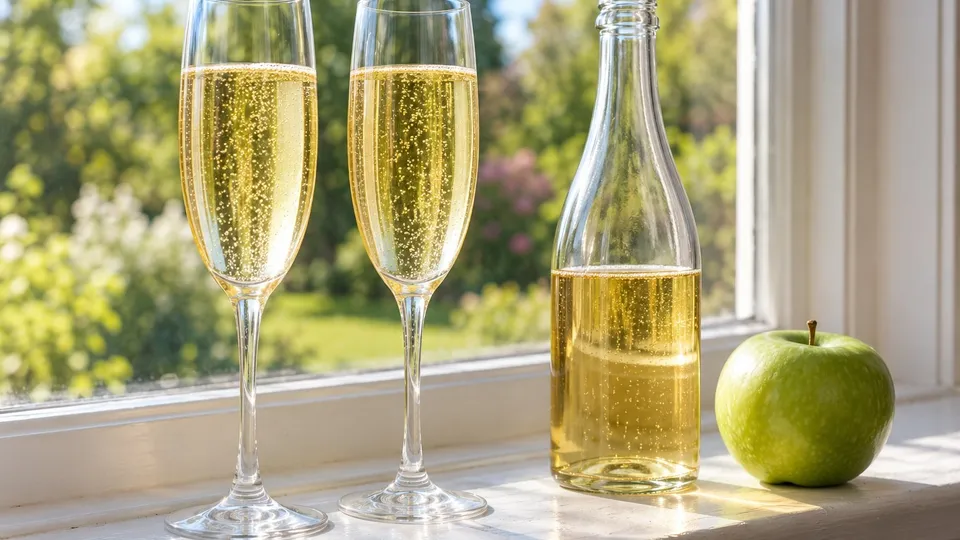
Clear apple juice and soda water, cold and poured at the last minute: a modern, alcohol-free stand-in for the bottled champagne cider of the 1860s.
You’ll use: Jug · Champagne flutes
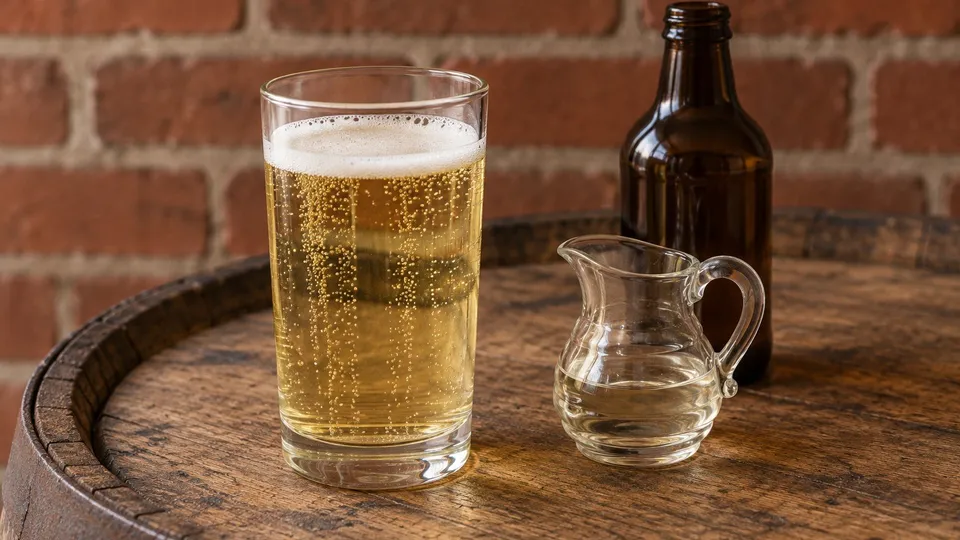
Sparkling hard cider sweetened with a little syrup, poured into a tall glass and drunk at once: a safe modern take on Terrington’s 1869 barrel of cider gassed with tartaric acid and bicarbonate.
You’ll use: Glass · Bar spoon · Measuring teaspoon
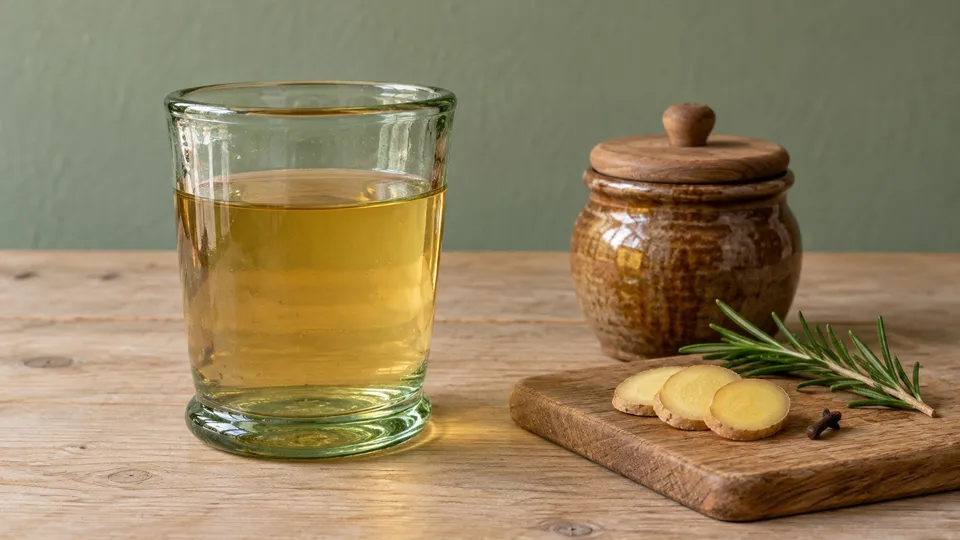
Honey simmered in water with ginger, a clove and rosemary, then chilled: Sir Kenelm Digby’s weak 1669 mead, stopped before the yeast goes in.
You’ll use: Saucepan · Spoon · Sieve · Jug
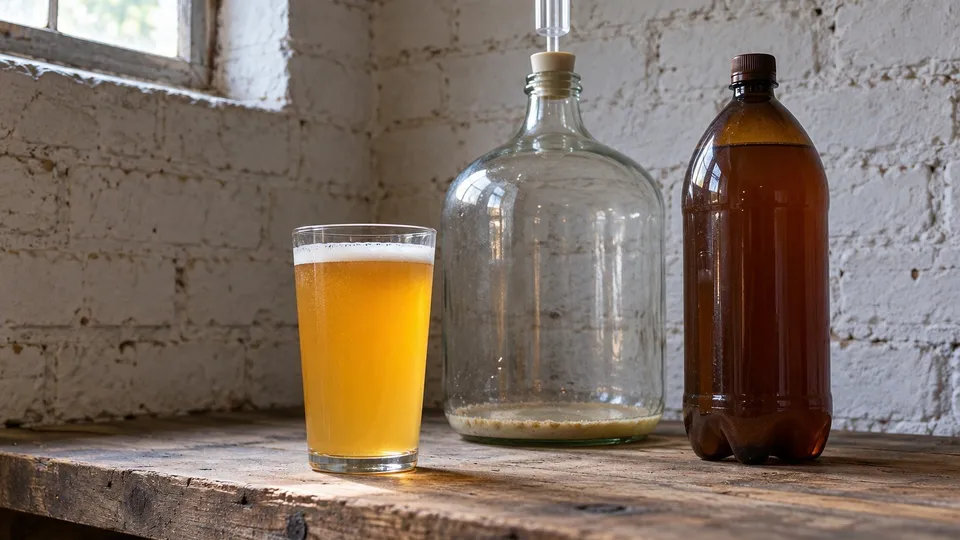
Molasses, water and essence of spruce, worked with yeast for three or four days, rested, then bottled for ten: a New York druggist’s spruce beer of about 1804, at one gallon.
You’ll use: Jug · Funnel · Brewing sanitizer · Saucepan · Plastic soda bottles
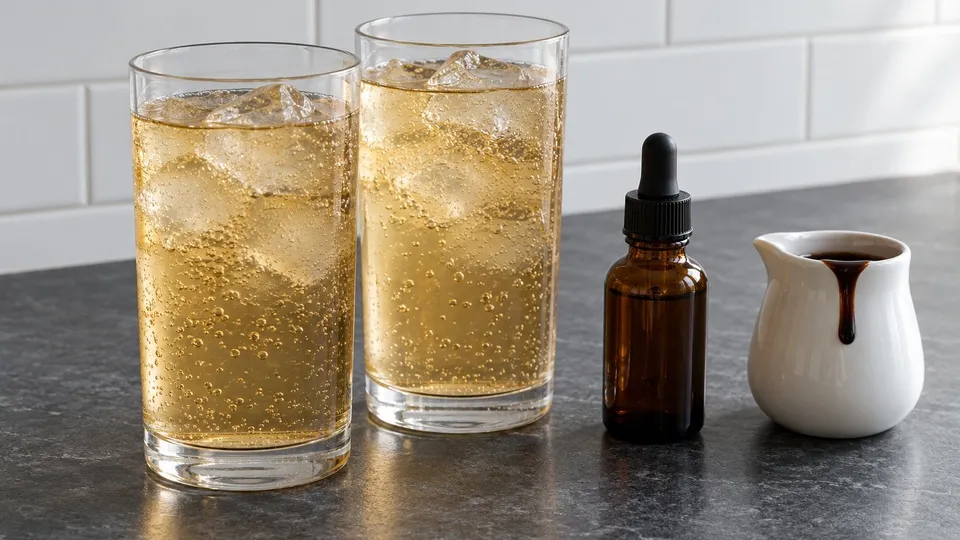
Simple syrup, a spoonful of molasses and a drop of food-grade spruce essence over ice, topped with soda water: the flavors of old spruce beer with no yeast and no alcohol.
You’ll use: Jug · Teaspoon · Glasses
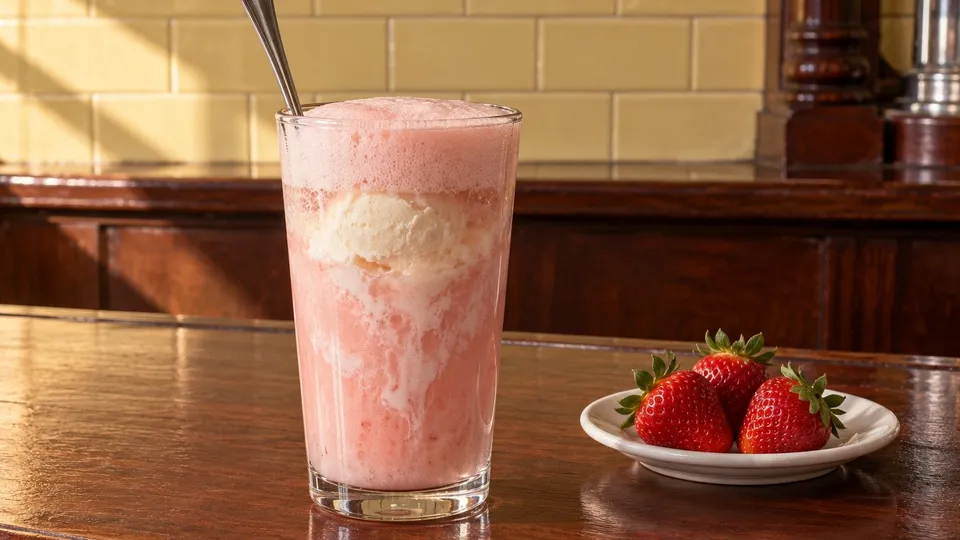
Fresh strawberry syrup, soda water and a big scoop of plain ice cream floating in the middle, with a long spoon: the soda fountain’s ice cream soda as the 1890s drew it.
You’ll use: Bowl · Potato masher · Sieve · Saucepan · Bottle · Tumbler · Long spoon
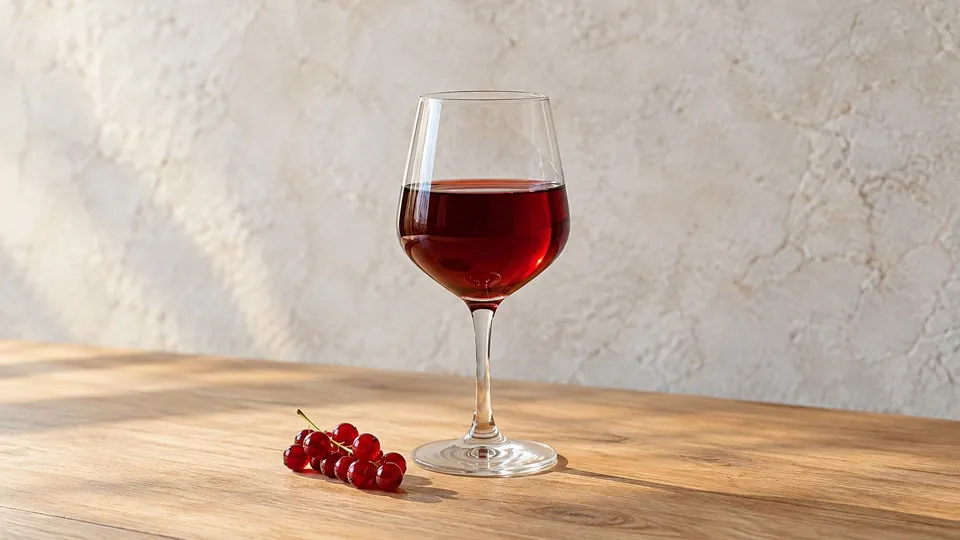
Currants, raspberries and strawberries mashed with sugar, the juice shaken with lemon and water and strained into a small wine glass: an alcohol-free cocktail from a 1922 London bar book.
You’ll use: Bowl and fork · Strainer · Cocktail shaker · Stemmed wine glass
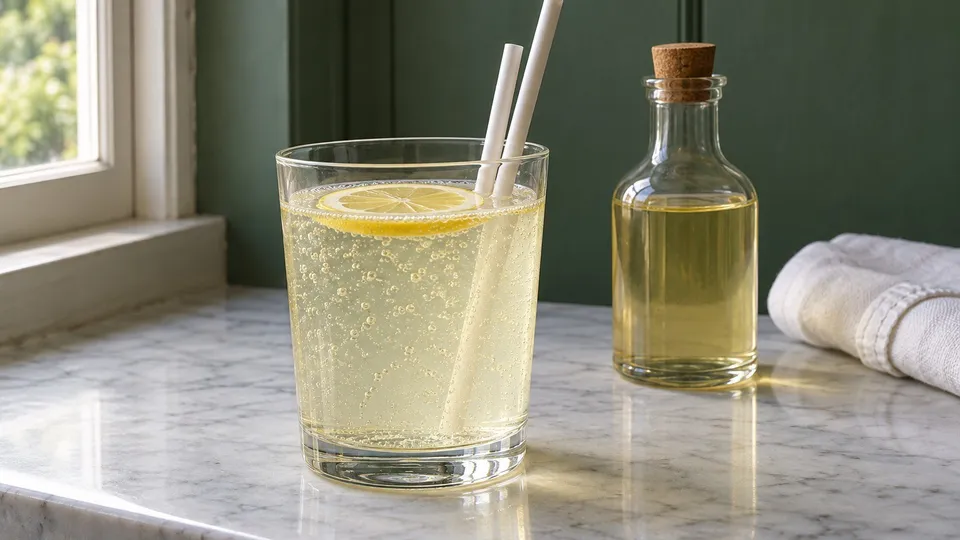
Lemon juice boiled with sugar, cleared with egg white and sharpened with citric acid, then poured over soda water: Edward Spencer’s 1903 lemon squash. Alcohol-free.
You’ll use: Citrus juicer · Saucepan · Whisk · Jelly bag · Bowl · Bottle · Half-pint tumbler
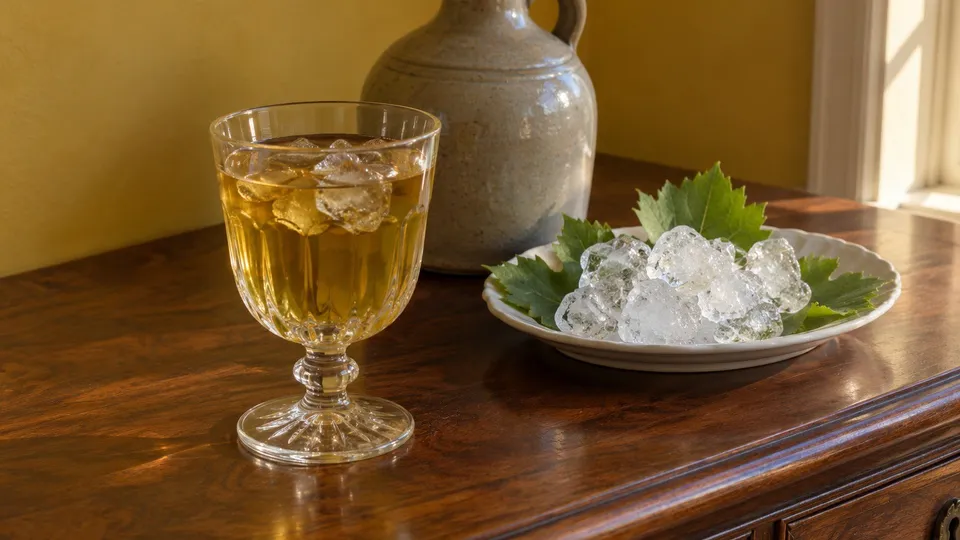
Green and black tea made strong and sweet in the morning, chilled in a stone jug and drunk from goblets over broken ice: the earliest printed iced tea yet traced, from Ohio in 1876.
You’ll use: Kitchen scale · Kettle · Teapot · Timer · Tea strainer · Jug
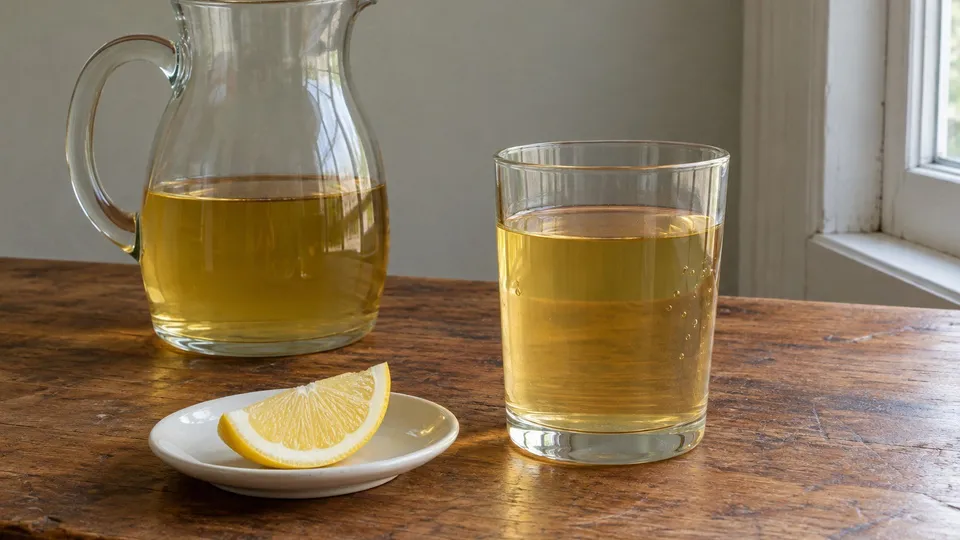
Malt boiled with a few hops, chilled and cut with sparkling water: the sweet, unfermented wort that 17th-century beer started from, made as a modern alcohol-free drink.
You’ll use: Saucepan · Strainer · Jug
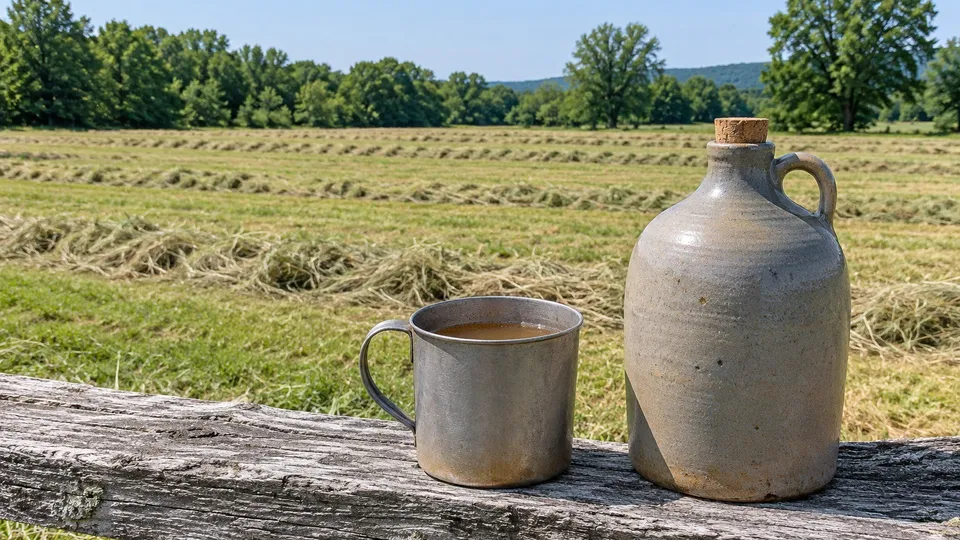
Cold water, molasses, cider vinegar and ground ginger shaken in a jug: the haymakers’ switchel, scaled from the 1856 Harvest Drink to a liter of water.
You’ll use: Jug · Measuring jug and spoons
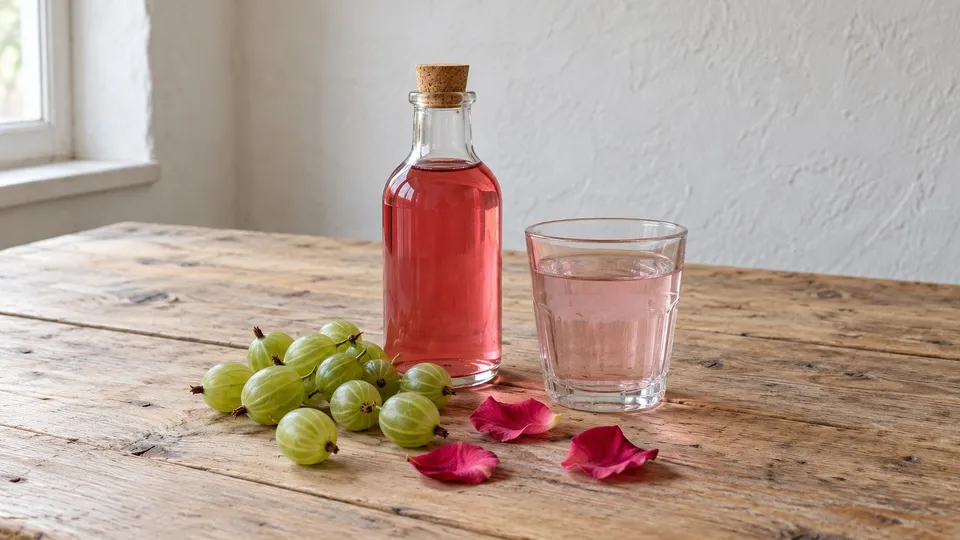
Sour juice of green gooseberries poured over rose petals for a day, pressed and boiled with sugar into a rose syrup for cold water: the syrop z róż of Lucyna Ćwierczakiewiczowa’s Warsaw household book of 1885.
You’ll use: Food processor · Sieve · Jar · Measuring jug · Saucepan · Bottle · Tumbler
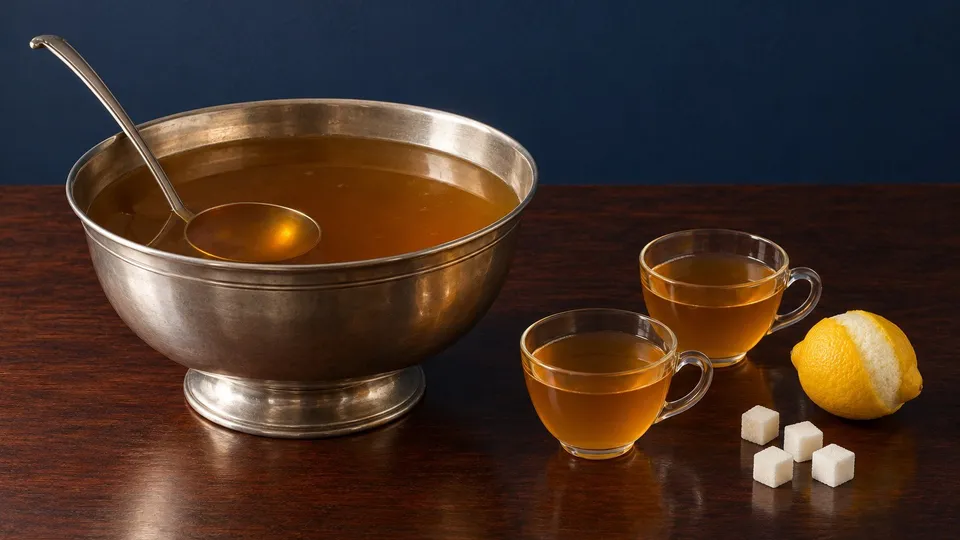
A quart of strong green tea poured into hot brandy, rum, lump sugar rubbed on lemon peel and lemon juice: Jerry Thomas’s 1862 tea punch, once served alight.
You’ll use: Kettle · Teapot · Strainer · Punch bowl · Ladle and cups
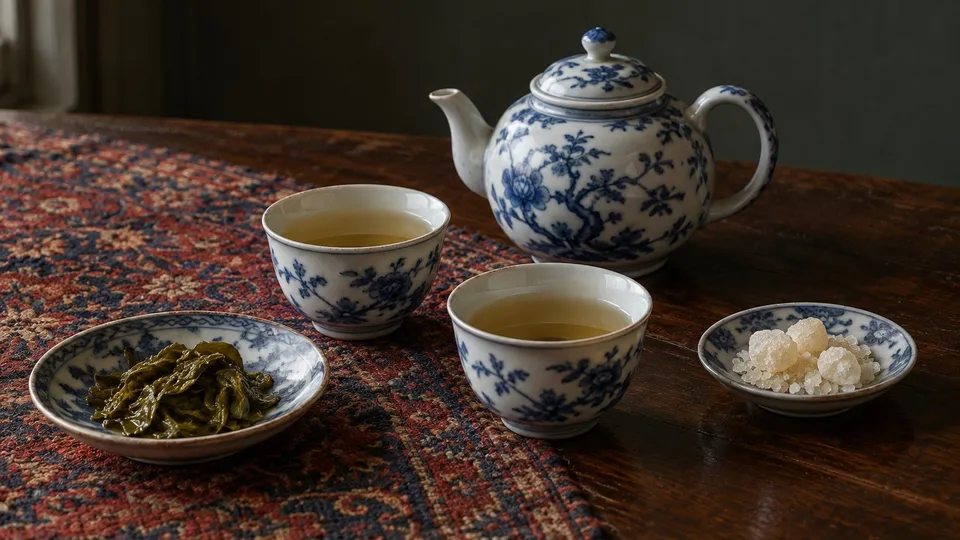
Green tea in just-boiled water in a covered pot, drunk when the leaves sink, with a little sugar against the bitterness: tea as Europe learned it in 1685.
You’ll use: Saucepan · Pot
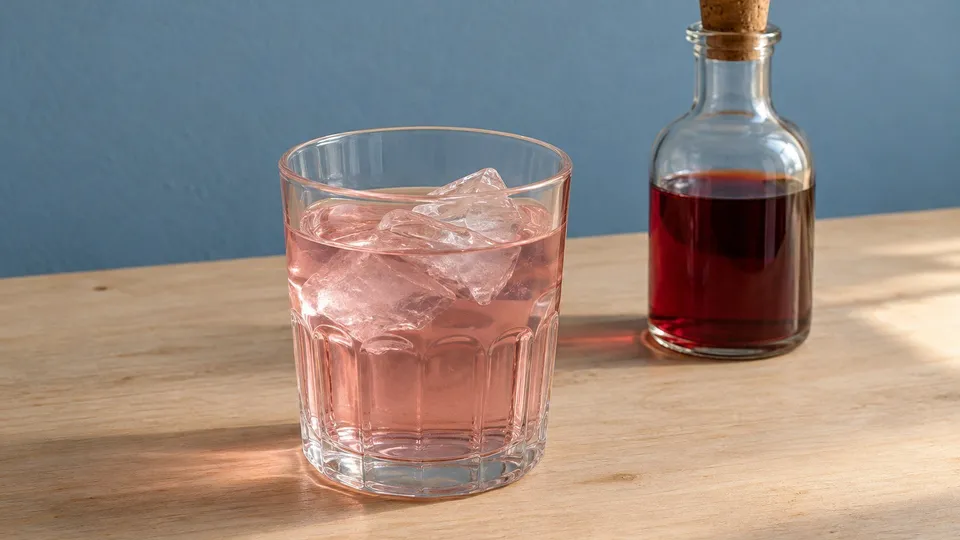
Raspberries steeped a week in cider vinegar and boiled with plenty of sugar, two tablespoons to a tumbler of iced water: the alcohol-free summer drink of an 1887 temperance cookbook.
You’ll use: Jar · Sieve · Spoon · Saucepan · Measuring jug · Bottle · Tumbler
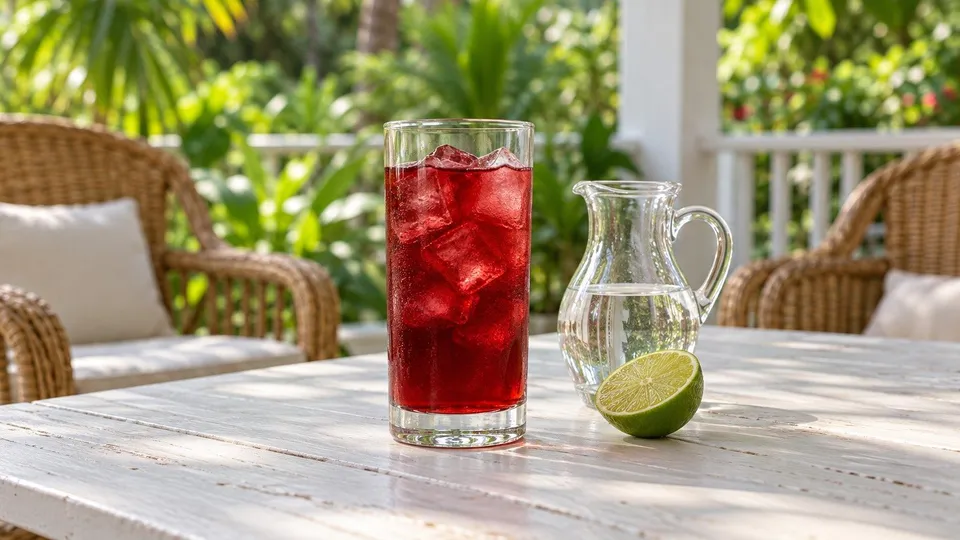
Gin, cherry brandy, Bénédictine and lime juice in equal parts, with bitters, ice and water: the gin sling two members ordered at the Singapore Cricket Club in 1913.
You’ll use: Tumbler · Measuring jigger · Bar spoon
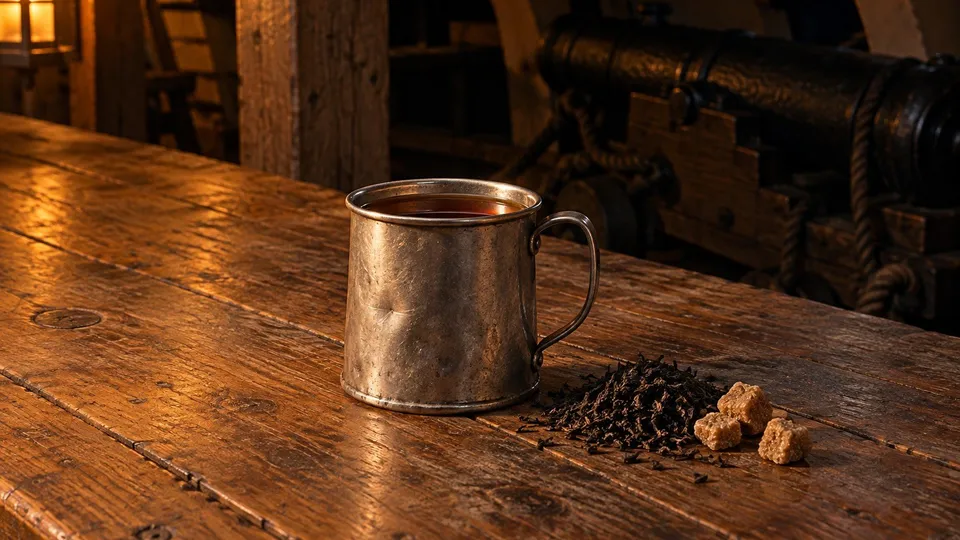
A quarter-ounce of tea made up to a pint and sweetened from the sugar ration: the evening pint every Royal Navy sailor was promised from 1824, when the Admiralty cut the grog.
You’ll use: Kettle · Teapot · Tea strainer · Mug
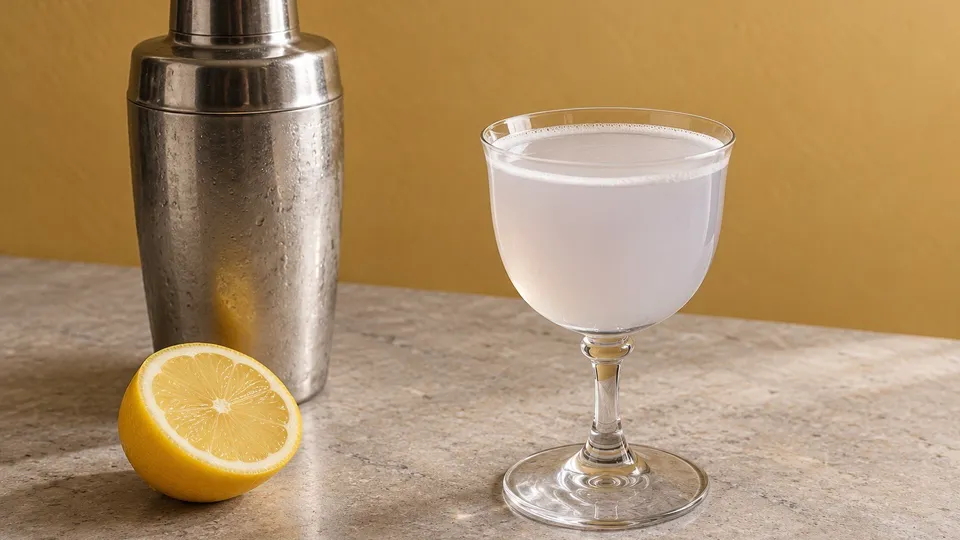
Two-thirds gin to one-third lemon juice, with two dashes of maraschino and two of crème de violette, shaken with cracked ice and strained: the Aviation as Hugo Ensslin printed it in New York, before the violette went missing.
You’ll use: Citrus juicer · Cocktail shaker · Strainer · Cocktail glass
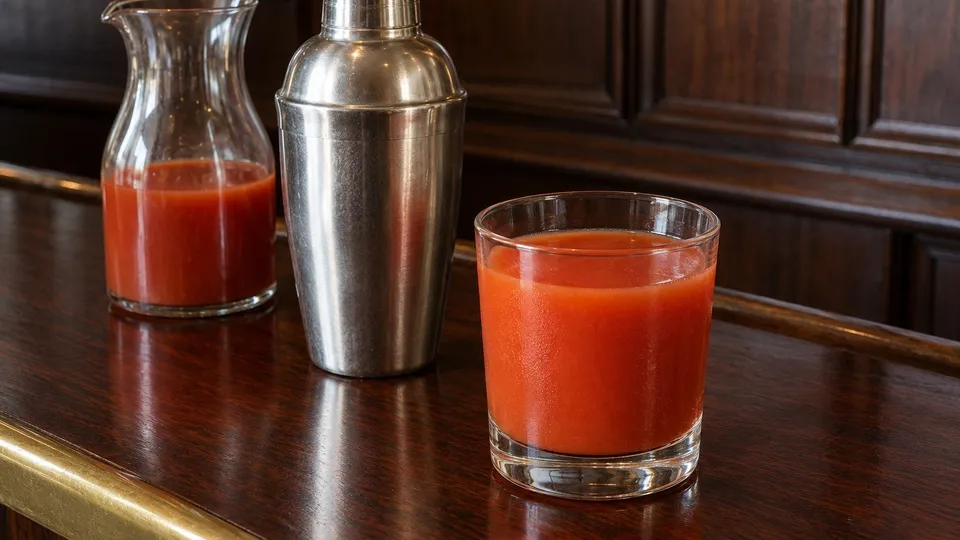
Half tomato juice and half vodka, shaken cold: the Bloody Mary as New York’s columnists first described it in 1939, before salt, pepper and Worcestershire went in.
You’ll use: Cocktail shaker · Strainer · Tumbler
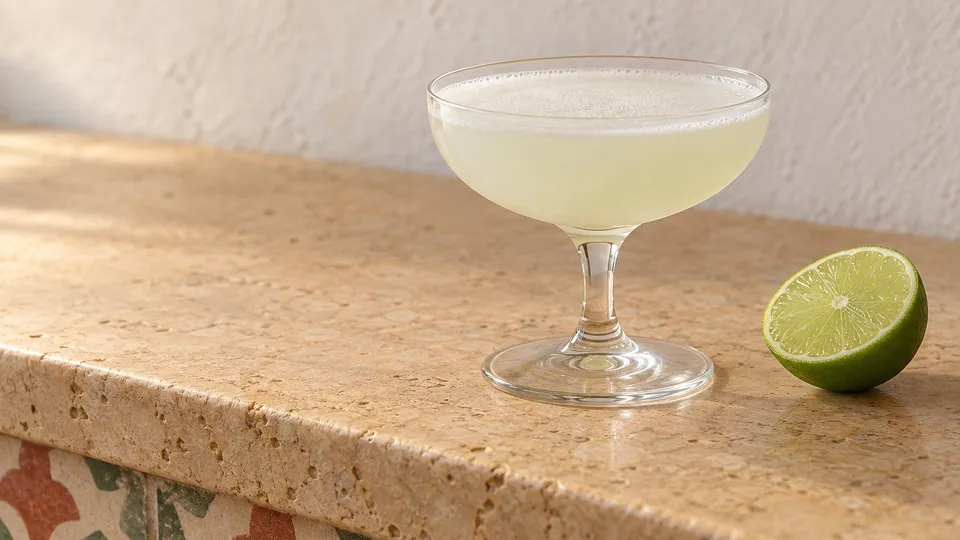
Two-thirds of a jigger of lime juice, one-third of rum and a spoon of powdered sugar, shaken with fine ice: the Daiquiri as Jacques Straub first printed it in 1913.
You’ll use: Cocktail shaker and strainer · Citrus juicer · Cocktail glass
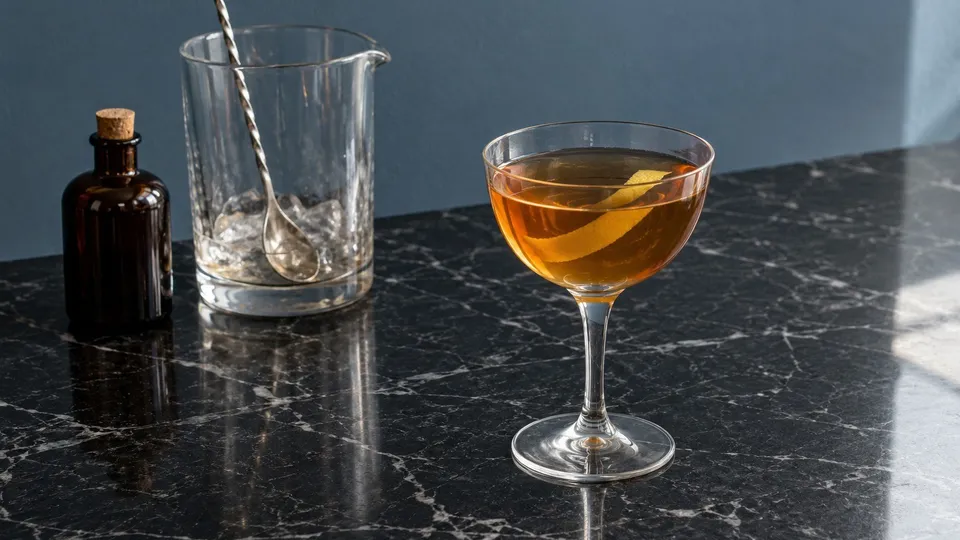
Half Tom gin, half Italian vermouth, two dashes of orange bitters and a piece of lemon peel, stirred with ice and strained: the oldest recipe we have found printed as a dry Martini, from 1904, when dry meant no syrup.
You’ll use: Mixing glass · Bar spoon · Strainer · Cocktail glass
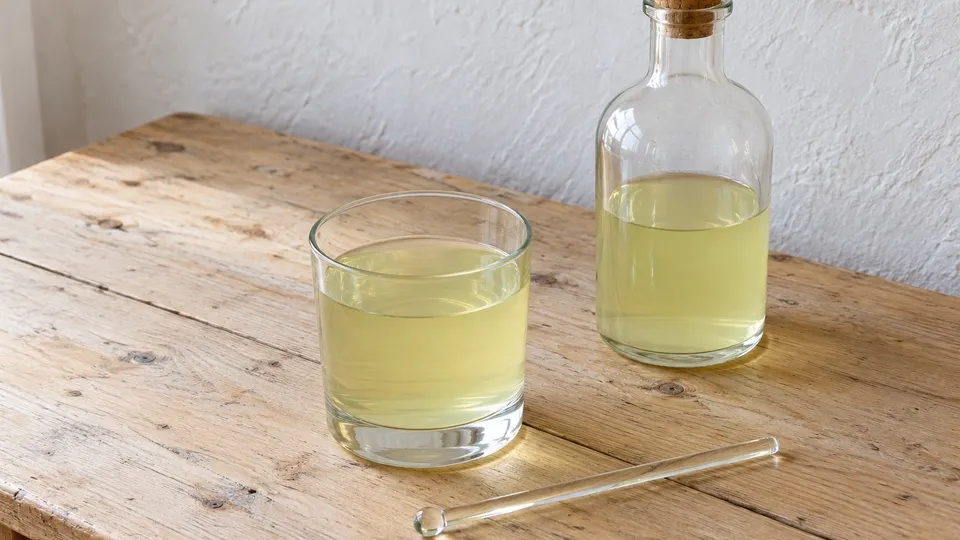
Plymouth gin and Rose’s lime juice cordial in equal halves, stirred and served in the same glass, iced only if you like: the Gimlet as Harry MacElhone printed it in London in 1923, with a note that it was popular in the Navy.
You’ll use: Tumbler · Bar spoon
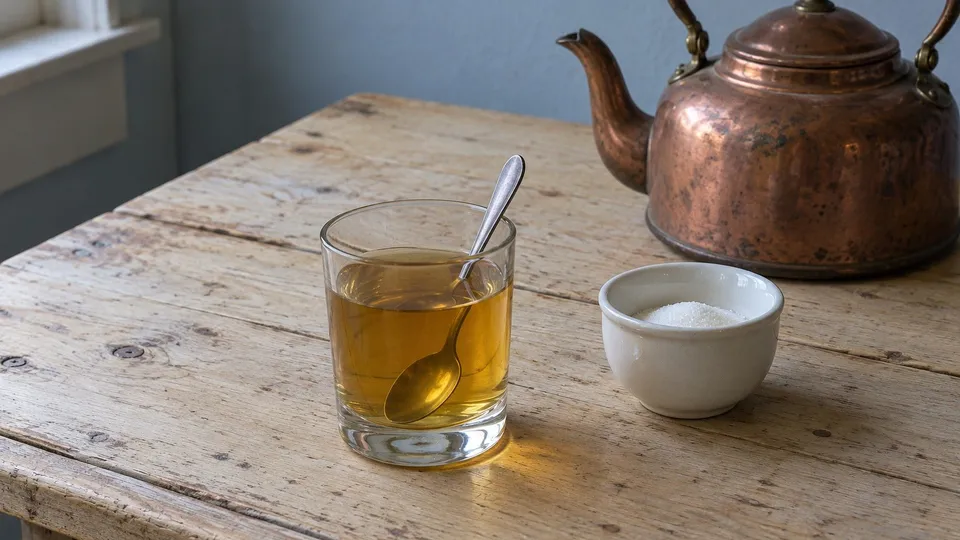
A teaspoon of sugar, a wine-glass of whiskey and boiling water in place of the ice, stirred in a small glass with no lemon at all: the hot toddy as Jerry Thomas’s 1862 bar book made it.
You’ll use: Kettle · Cup · Bar spoon
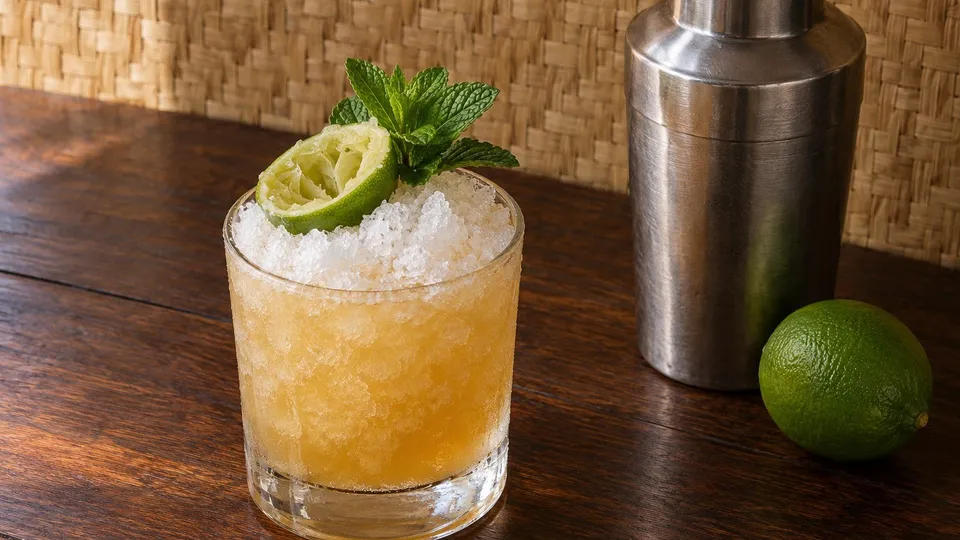
Aged Jamaica rum, fresh lime, orange curaçao, orgeat and rock candy syrup, shaken with shaved ice: the Mai Tai as Victor Bergeron said he first mixed it in 1944.
You’ll use: Cocktail shaker · Citrus juicer · Tumbler
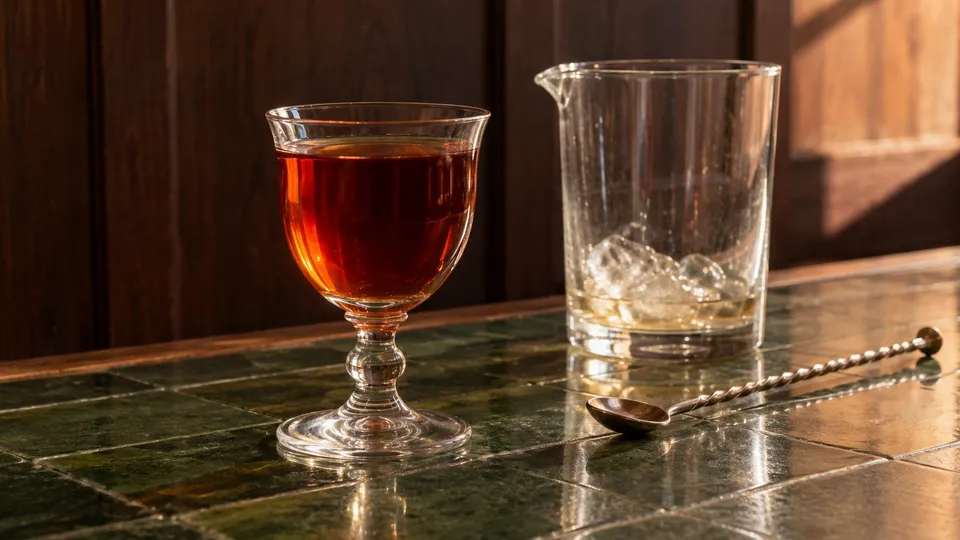
Half a wine-glass of whiskey, half of Italian vermouth, two dashes of curaçao and two of Angostura, stirred with fine ice: the Manhattan as O. H. Byron printed it in 1884, among the first recipes in print.
You’ll use: Mixing glass · Bar spoon · Strainer · Cocktail glass
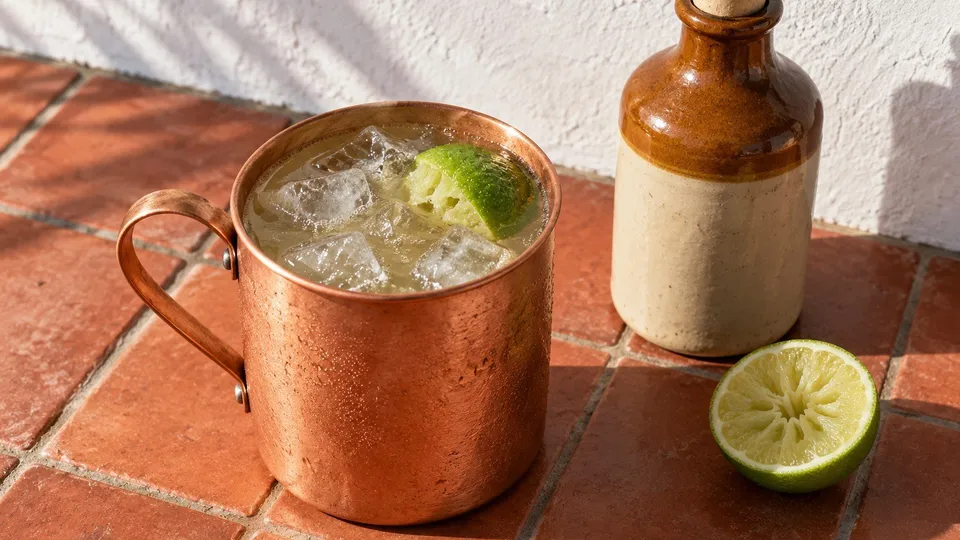
Vodka, lime juice and ginger beer over ice: the Moscow Mule as Hollywood columns first described it in 1942, with the two-ounce shot and squeeze of lime of the first full account.
You’ll use: Knife · Glass · Bar spoon
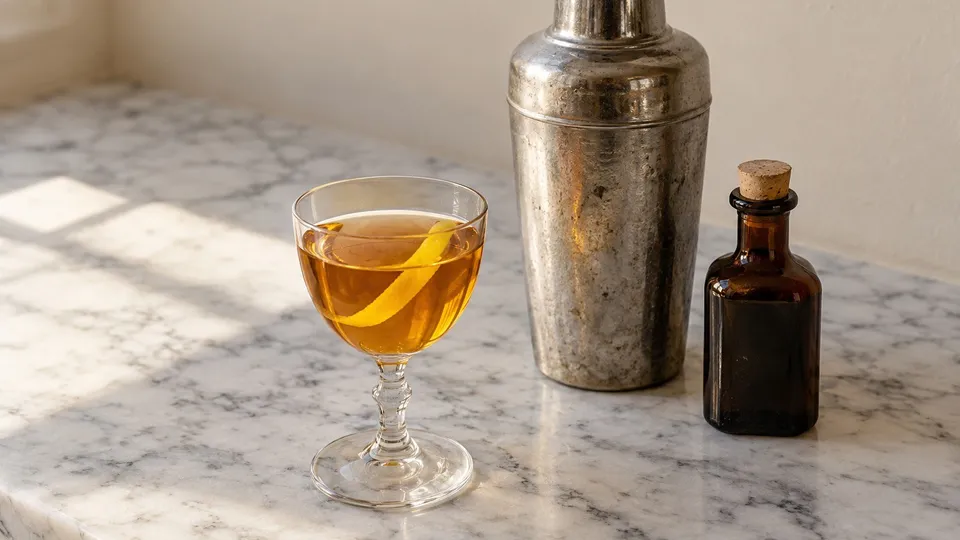
Gum syrup, two dashes of bitters and a wine-glass of whiskey, shaken with fine ice and strained over a piece of lemon peel: Jerry Thomas’s 1862 Whiskey Cocktail, the plain drink later called the Old Fashioned.
You’ll use: Cocktail shaker and strainer · Stemmed wine glass · Peeler
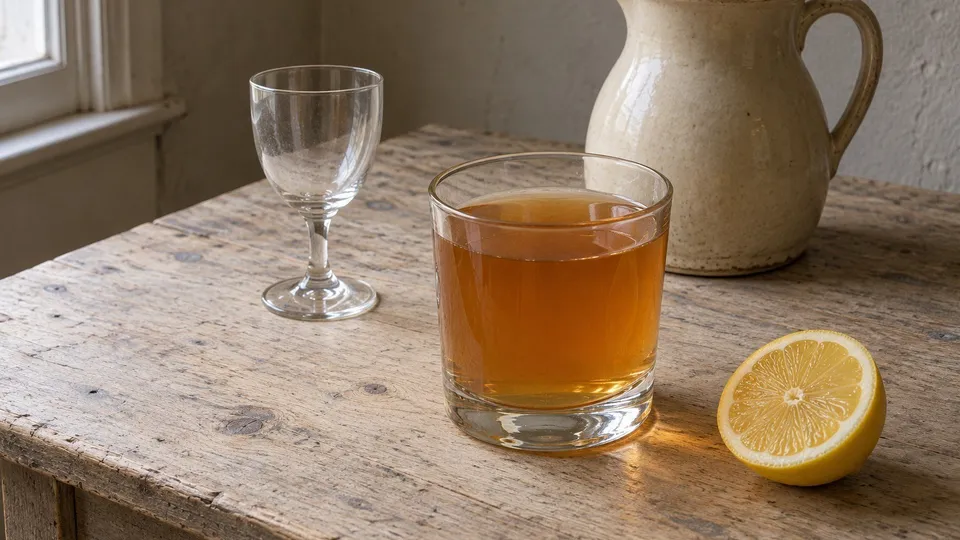
One wine-glass of lemon juice, two of sugar, three of rum and four of cold water: Planter’s Punch as the London weekly Fun printed it in verse in 1878.
You’ll use: Citrus juicer · Jug · Spoon · Tumbler
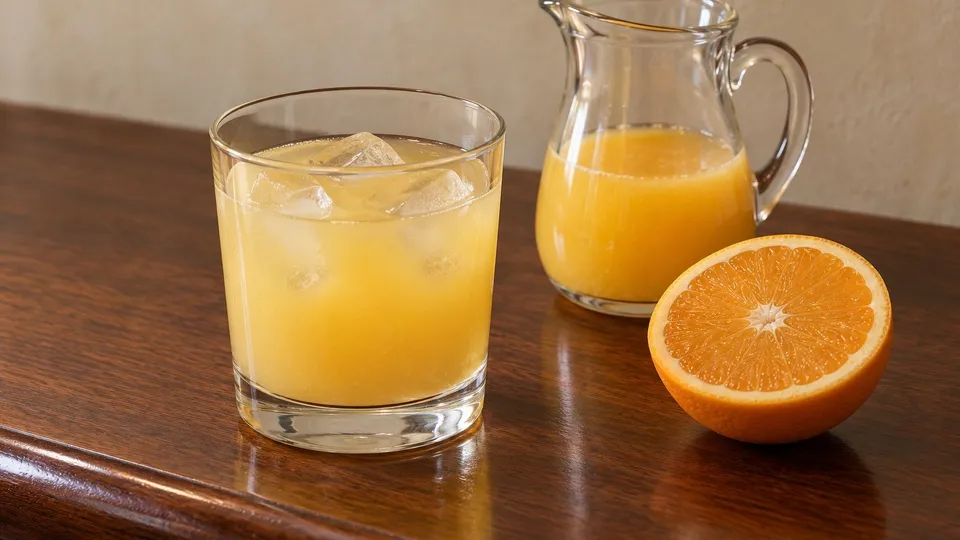
Half orange juice and half vodka over ice: the Screwdriver as Newsweek reported it from wartime Ankara in 1944, five years before Time called it the newest American mix.
You’ll use: Citrus juicer · Tumbler · Bar spoon
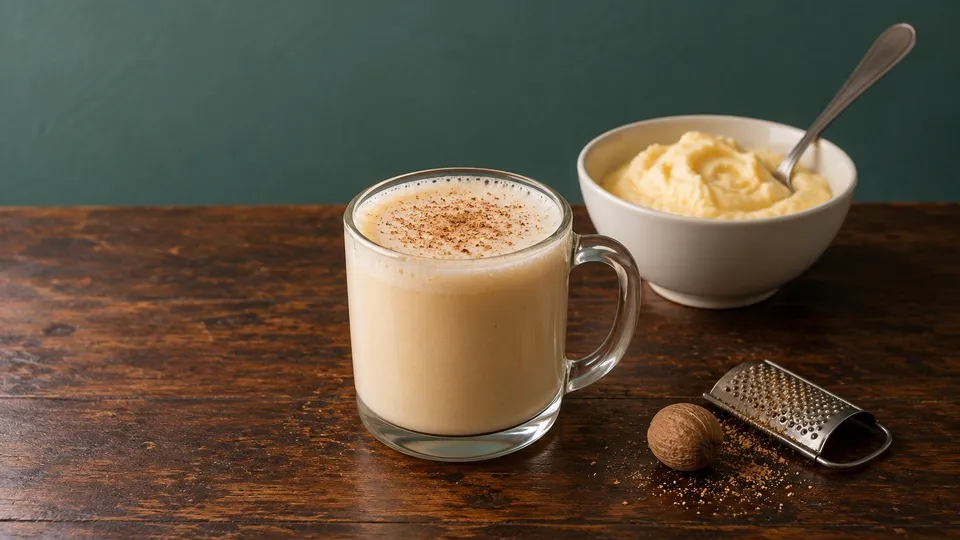
A spoonful of spiced egg batter, a wine-glass of brandy and boiling water, with nutmeg grated on top: the Tom and Jerry as Jerry Thomas’s 1862 bar book dealt it out.
You’ll use: Bowls · Whisk · Kettle · Cups · Nutmeg grater
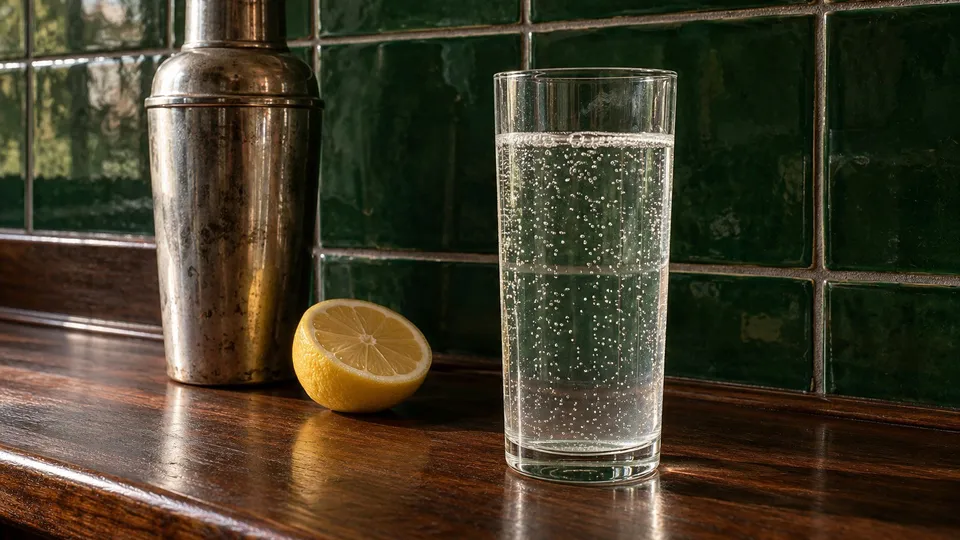
Gin, lemon juice and a few dashes of syrup, shaken with shaved ice and filled up with soda: the Tom Collins as Jerry Thomas first printed it in 1876.
You’ll use: Cocktail shaker · Strainer · Glass
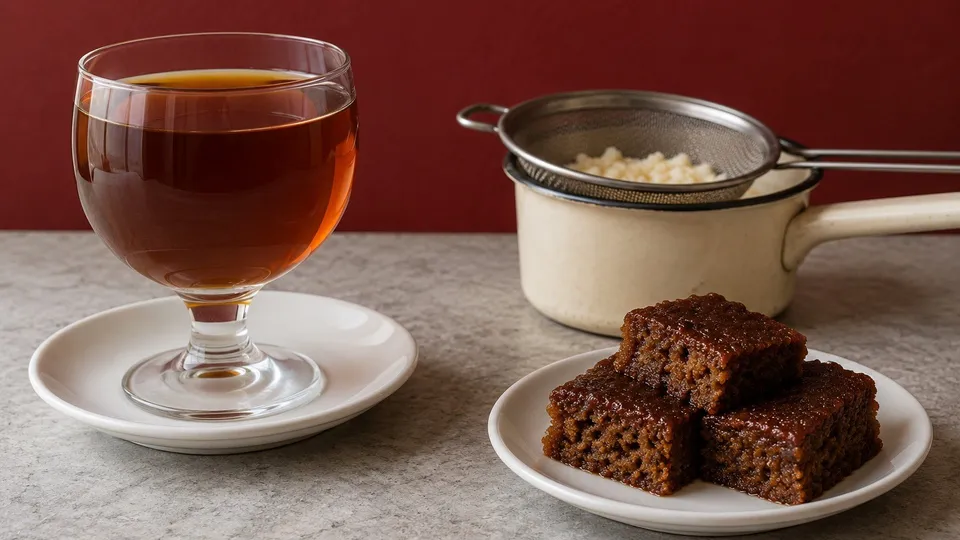
Boiling milk turned with black treacle and strained into a glass: a hot, dark, sweet whey from the sick-room lessons of an 1877 London cookery school.
You’ll use: Saucepan · Sieve · Cup
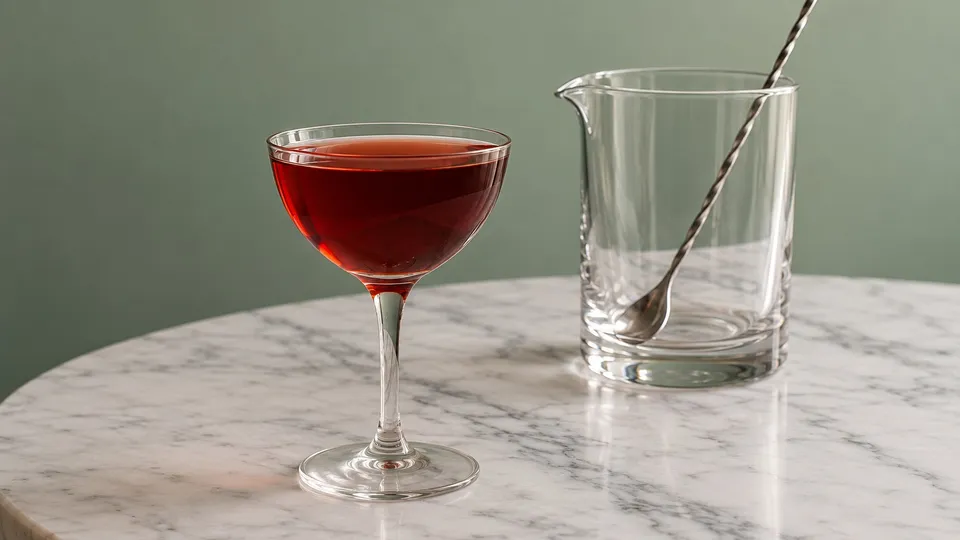
Dubonnet, gin and French vermouth in thirds, with a little more Dubonnet and a little less vermouth: the Vendome Cocktail from Hollywood Cocktails, 1933, the Savoy’s Salomé under a Hollywood name.
You’ll use: Mixing glass · Bar spoon · Strainer · Cocktail glass
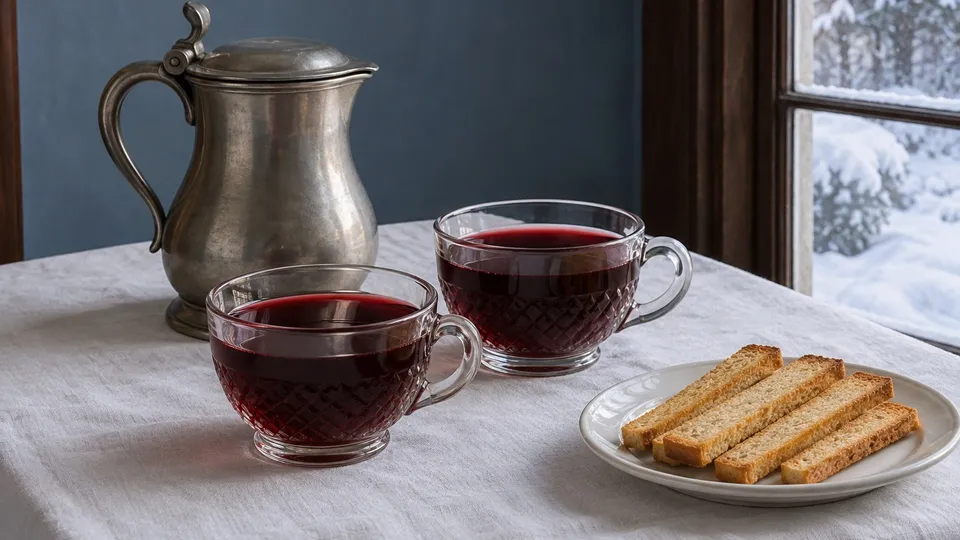
Cloves, cinnamon, lemon peel and sugar boiled in water, then a pint of claret and a glass of port, heated, never boiled: mulled wine from an 1869 London book.
You’ll use: Vegetable peeler · Saucepan · Nutmeg grater · Sieve · Jug · Cups
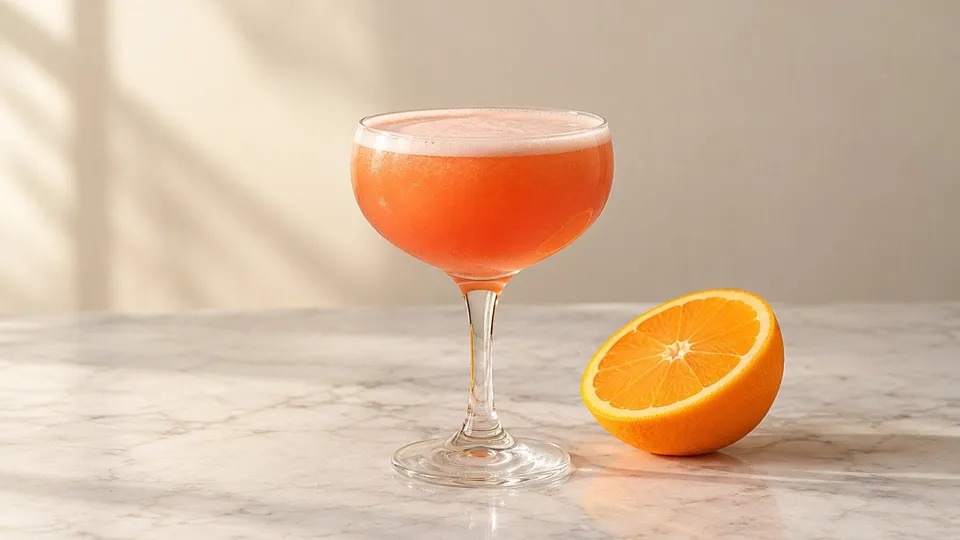
Rye whisky shaken hard with orange and lemon juice and a teaspoon of grenadine: the Ward Eight as a London bar book printed it in 1922, with its own story of where the name came from.
You’ll use: Cocktail shaker and strainer · Citrus juicer · Stemmed cocktail glass
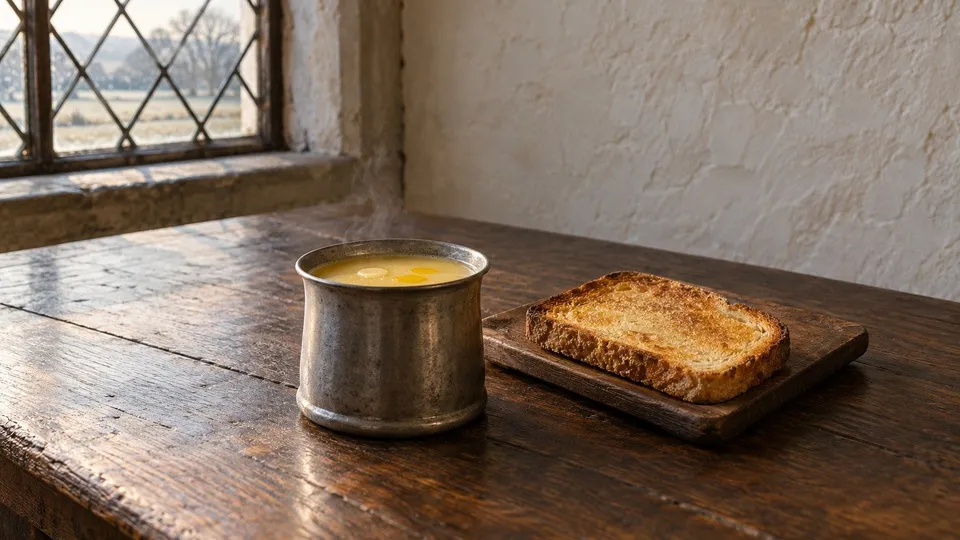
Mead warmed gently with an egg yolk and a knob of fresh butter, drunk hot first thing: a morning cup from Sir Kenelm Digby’s 1669 book, at about 10% ABV.
You’ll use: Saucepan · Bowl · Whisk · Thermometer
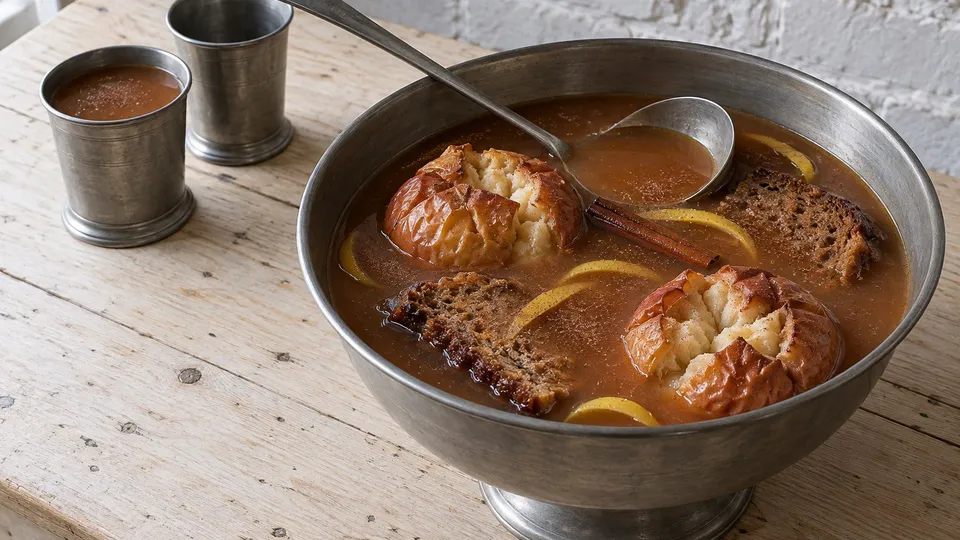
Hot ale with sherry, nutmeg, ginger, cinnamon and lemon, served with roasted apples and toast floating in the bowl: the Christmas wassail as printed in 1869.
You’ll use: Baking dish · Saucepan · Vegetable peeler · Bowl · Ladle and cups
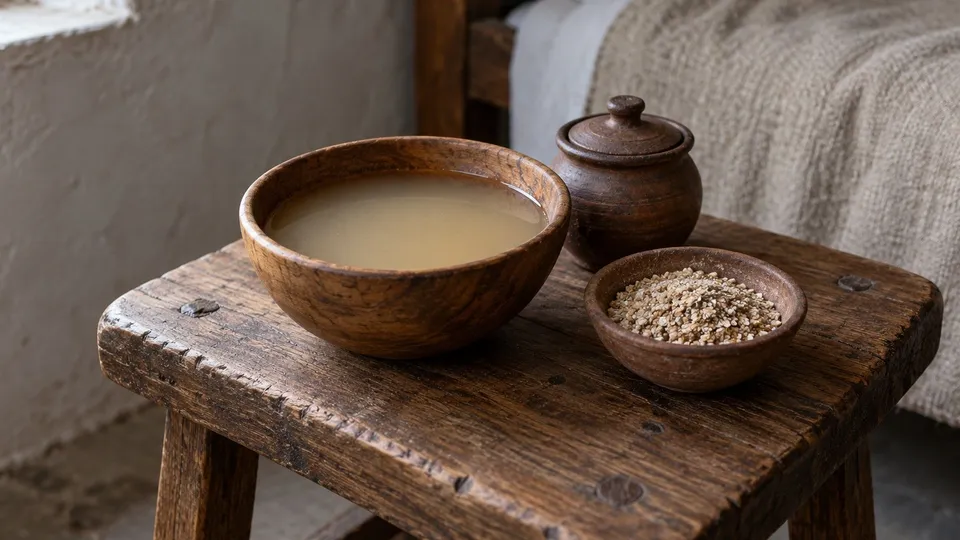
Oat groats simmered in boiled water with honey and strained into a thin, warm drink: the sober half of a 15th-century cookery poem’s advice ‘For seke menne.’
You’ll use: Saucepan · Sieve · Jug
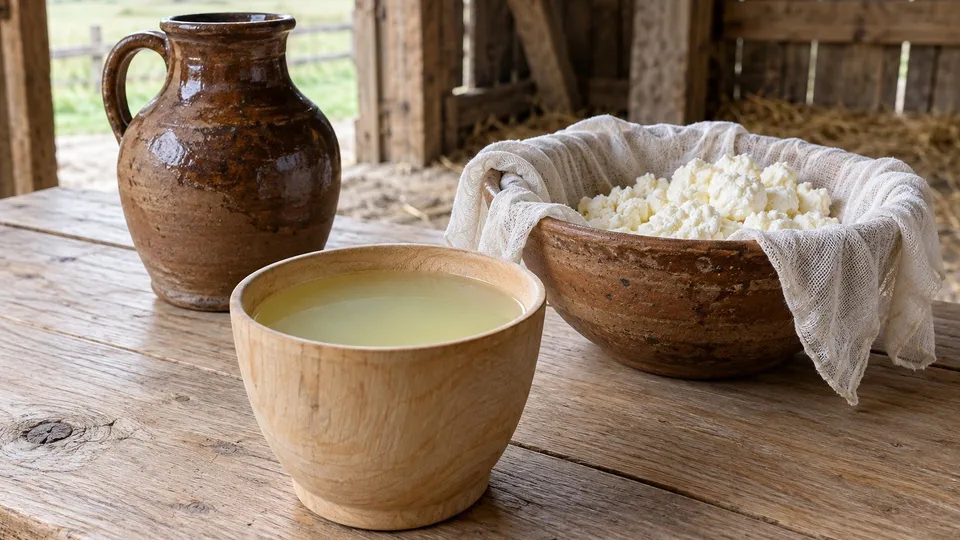
The thin, pale liquid that runs from fresh curds, made safely at home from pasteurized milk and rennet and drunk cold: a Tudor drink of shepherds and the poor.
You’ll use: Saucepan · Thermometer · Long knife · Colander · Bowl and jug
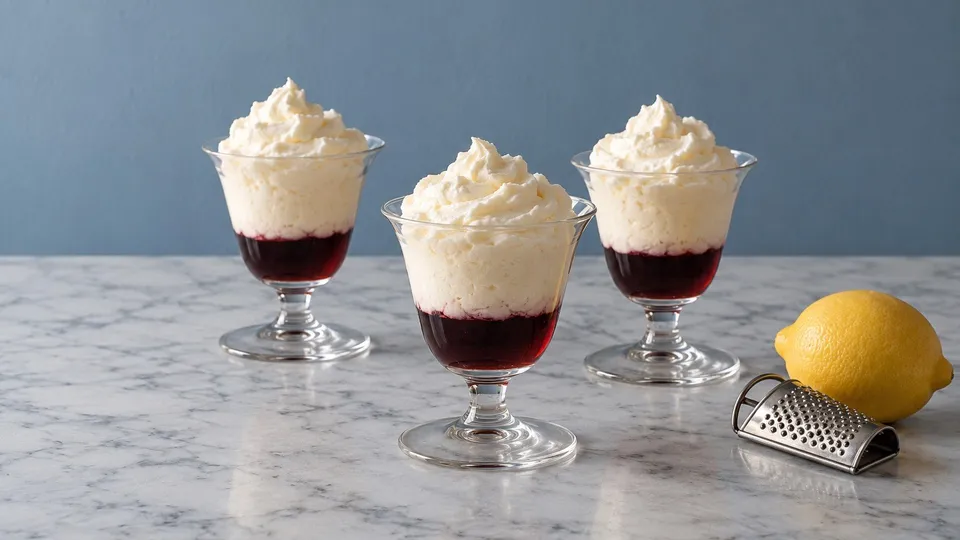
Thick cream whisked with sack, Seville orange or lemon juice, grated lemon peel and fine sugar, and the froth laid over sweetened red wine in glasses: the whipt syllabub of Hannah Glasse’s 1747 cookery book.
You’ll use: Grater · Bowl · Whisk · Jug · Stemmed glasses
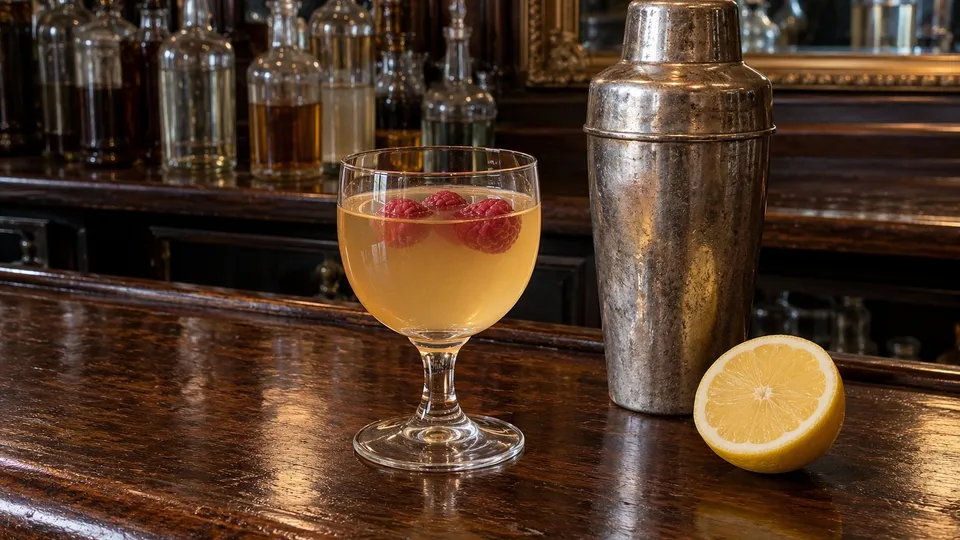
A wine-glass of bourbon or rye, half a small lemon and a large teaspoon of sugar dissolved in Seltzer, shaken with shaved ice and strained into a claret glass with berries: the Whiskey Sour of 1887.
You’ll use: Cocktail shaker and strainer · Citrus juicer · Bar spoon · Stemmed wine glass
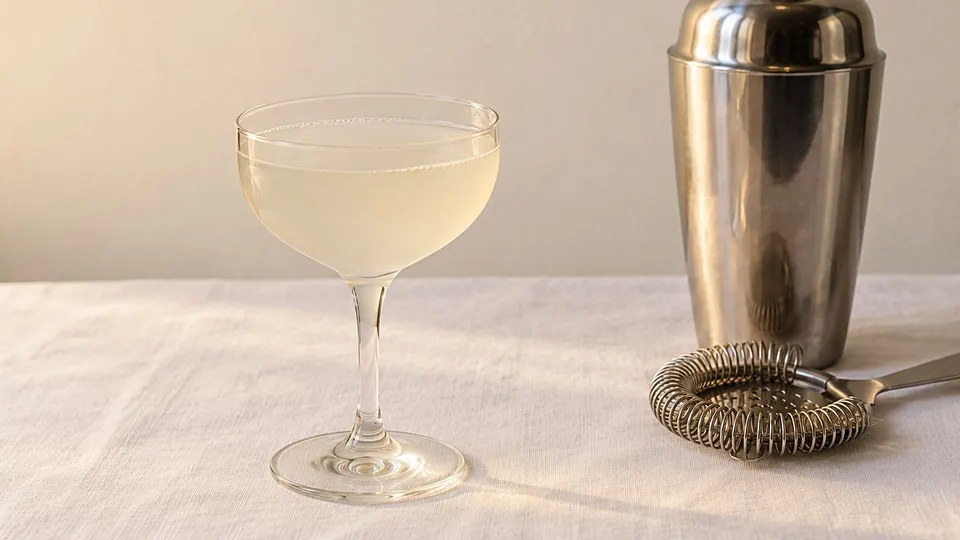
Harry MacElhone’s earliest printed White Lady had no gin: two-thirds Cointreau with a little brandy and crème de menthe, and no citrus at all.
You’ll use: Cocktail shaker · Strainer · Cocktail glass
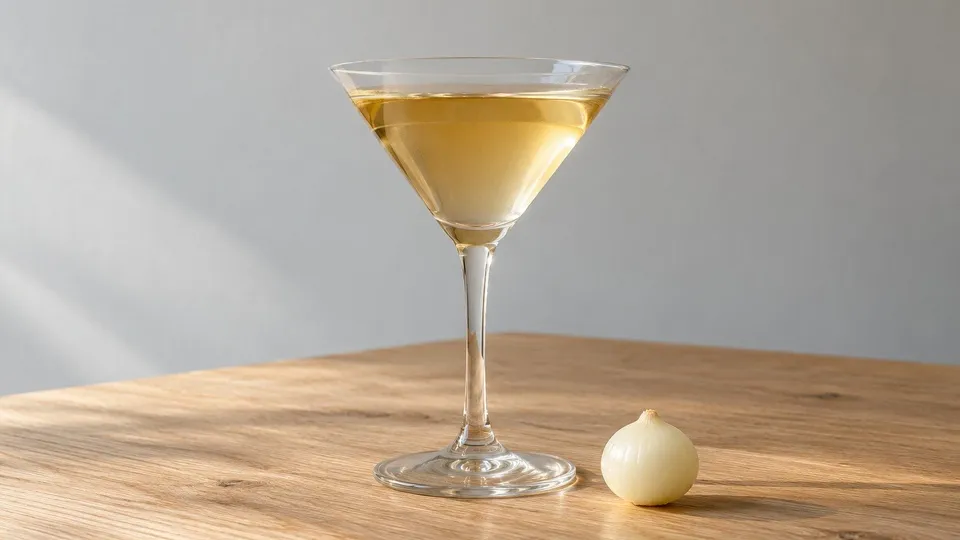
Gin and sweet vermouth with a dash of orange bitters, shaken with a small bruised white onion and strained: the Yellow Rattler, which a 1922 London bar book called a cowboys’ cocktail.
You’ll use: Cocktail shaker and strainer · Stemmed cocktail glass