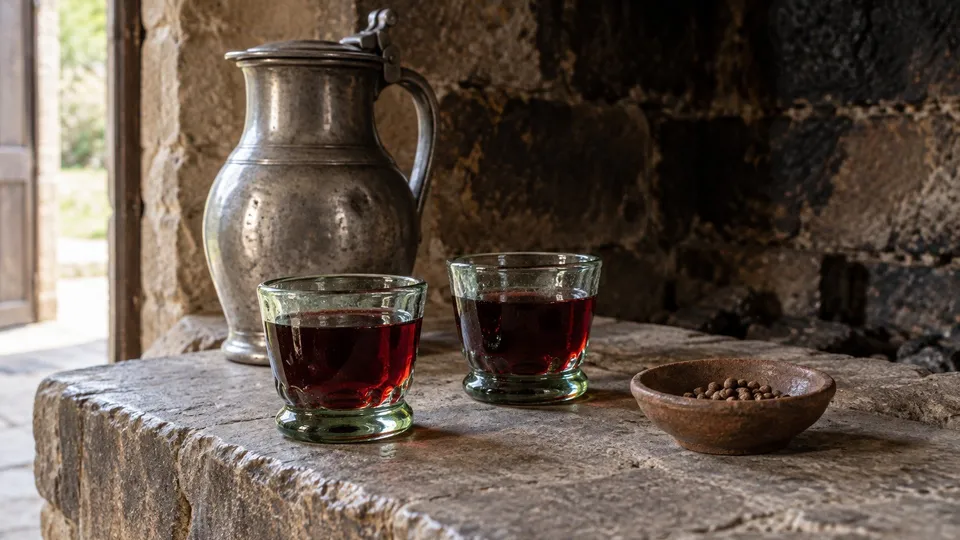
Hippocras, Medieval Spiced Wine
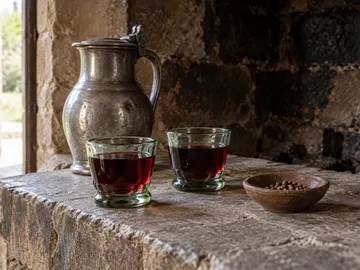
Red wine with cinnamon, ginger, grains of paradise and sugar, poured through cloth until it runs clear: the spiced wine that closed a medieval feast.
Drinks by theme
Medieval and Tudor drinks to make at home, from period cookery books: spiced hippocras, ale caudle, posset, almond milk, lambswool, rose water and whey.
Updated
Make it today
Red wine with cinnamon, ginger, grains of paradise and sugar, poured through cloth until it runs clear: the spiced wine that closed a medieval feast.
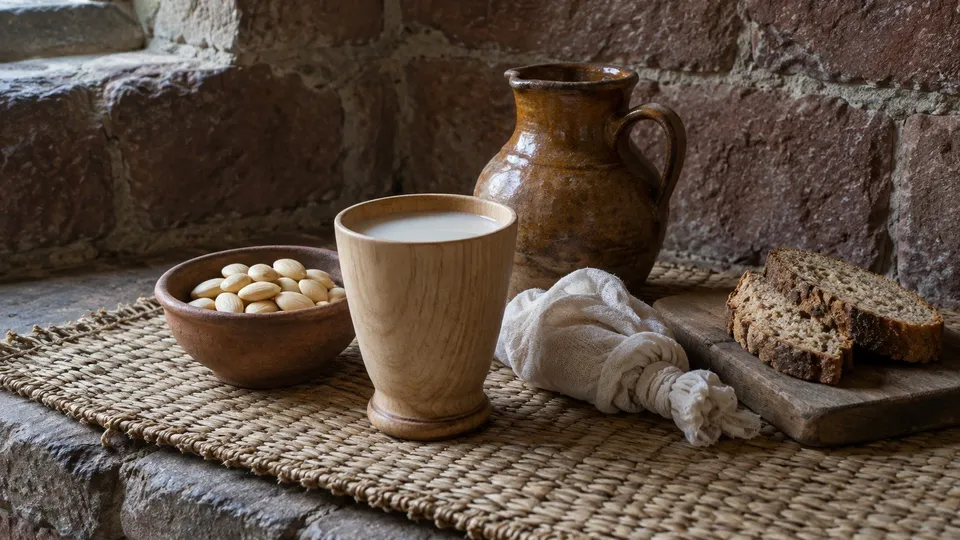
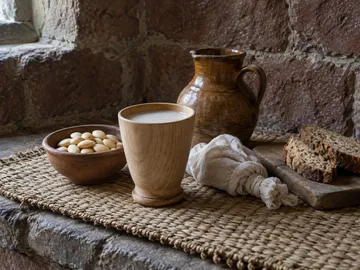
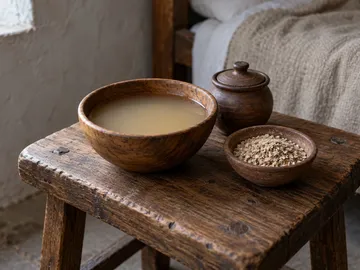
Blanched almonds ground with boiled, lightly sweetened water and drawn through a cloth: the milk medieval cooks used when the Church ruled out the cow’s.
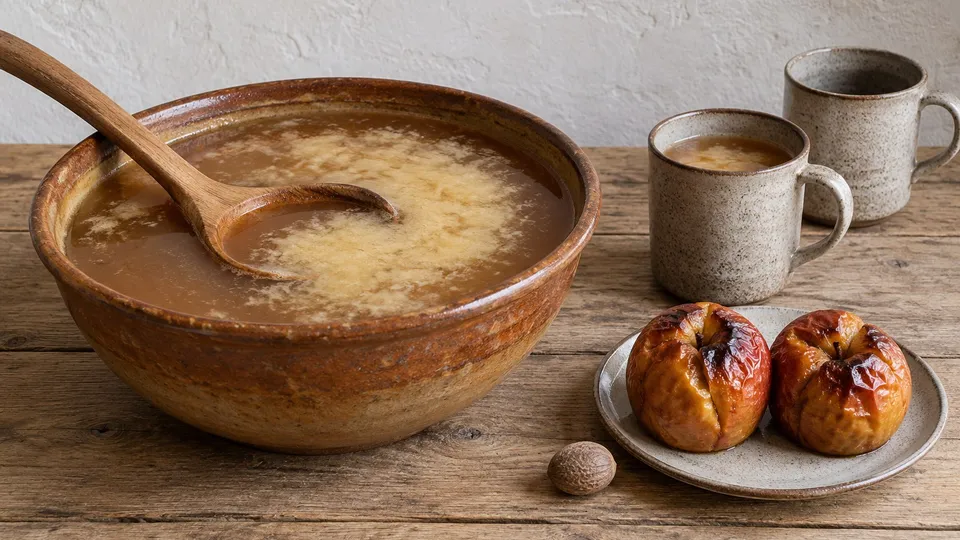
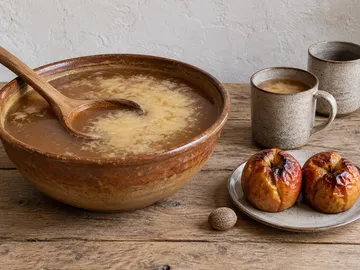
Strong hot ale with the soft pulp of roasted apples, nutmeg, ginger and raw sugar beaten in: the Elizabethan winter drink, from the 1869 recipe.
Ale, above all, in English households that could brew or buy it, valued as food as well as pleasure. Water was drunk too, especially by the poor, the young and servants, and every cook used it; the idea that nobody touched it is a modern myth.
The myth leans on one Tudor physician. Andrew Boorde’s Dyetary of Helth (1542) says that “water is not holsome, sole by it selfe, for an Englysshe man,” because Englishmen weren’t used to it and the medicine of his day judged it cold and slow to digest. In the same chapter he ranks the waters, starting with rain water, an odd thing to do with a drink nobody drank.
The fifteenth-century cookery books behind most of these recipes made far more than ale. Feasts closed with hippocras, red wine with cinnamon, ginger and grains of paradise, poured through cloth until it ran clear; clarrey was its honeyed cousin. On fast days, when the Church ruled out milk from animals, cooks ground almonds with water into almond milk. For the sick there were warm ale thickened with egg yolks, and thin oat gruel sweetened with honey.
Tudor England added the still-room, where rose water was distilled and drunk by the ounce, and lambswool, hot spiced ale with roasted apples. Whey, the thin liquid left from cheesemaking, was a drink of shepherds and the poor. Beer with hops, at first a foreign drink, took over from ale over the sixteenth century.
Every recipe here names its source, and the few printed later than the drink they record, such as lambswool from a book of 1869, say so on their pages. The alcohol-free drinks are marked.
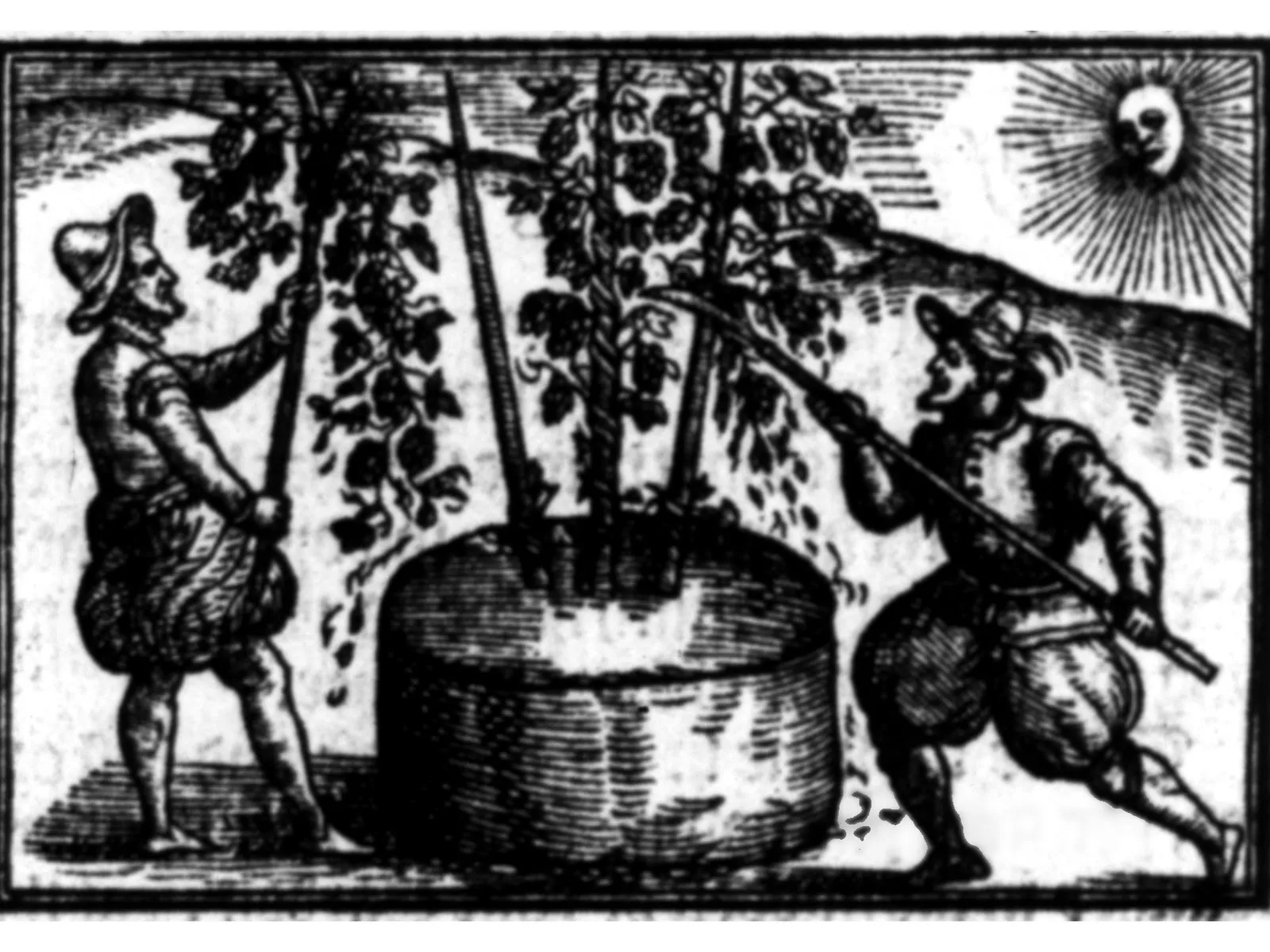
The best water is rayne-water, so be it that it be clene and purely taken.
Mostly ale, and they drank water as well. These warm ale drinks were made for the sick and the cold.
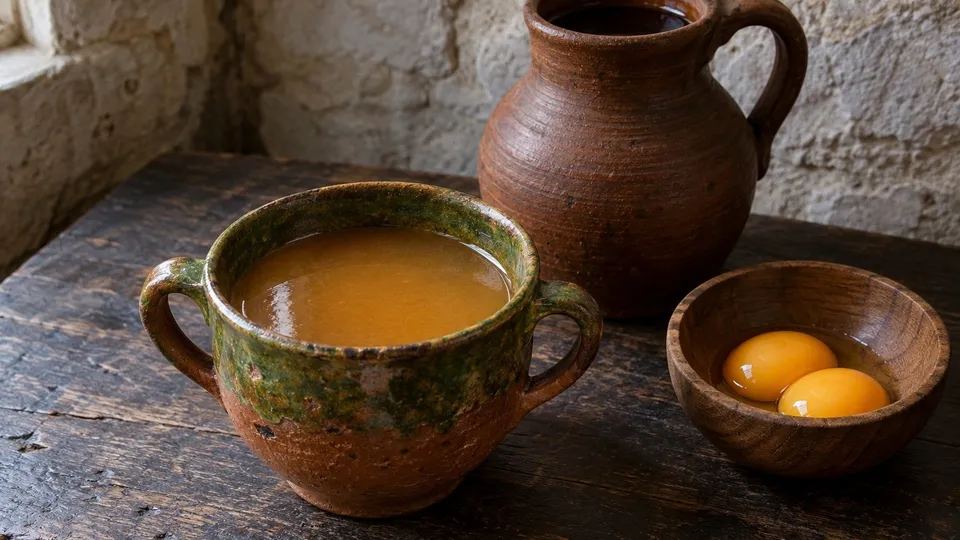
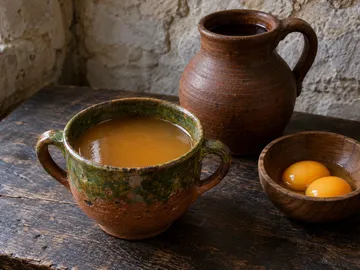
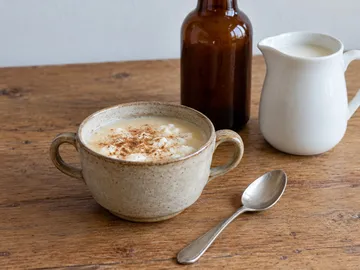
Malty ale stirred over low heat with beaten egg yolks until it thickens like a thin custard: the medieval caudle, made safe with a thermometer.
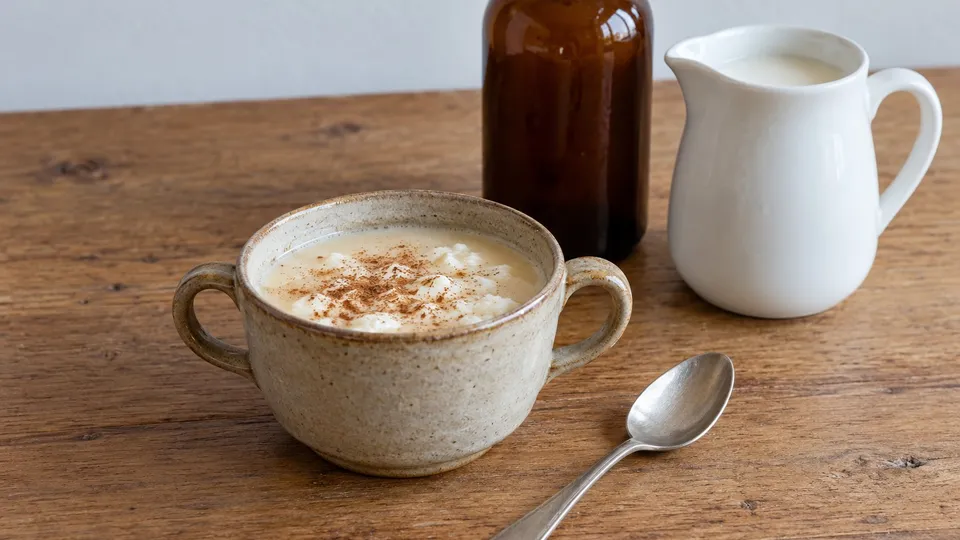
Very hot milk poured onto cold ale and left to set into soft curds in a warm whey, sweetened with honey and strewn with cinnamon and ginger.
Red wine sweetened and spiced with cinnamon, ginger and grains of paradise, strained through cloth and served at the end of a feast. Clarrey made the same idea with white wine and honey.
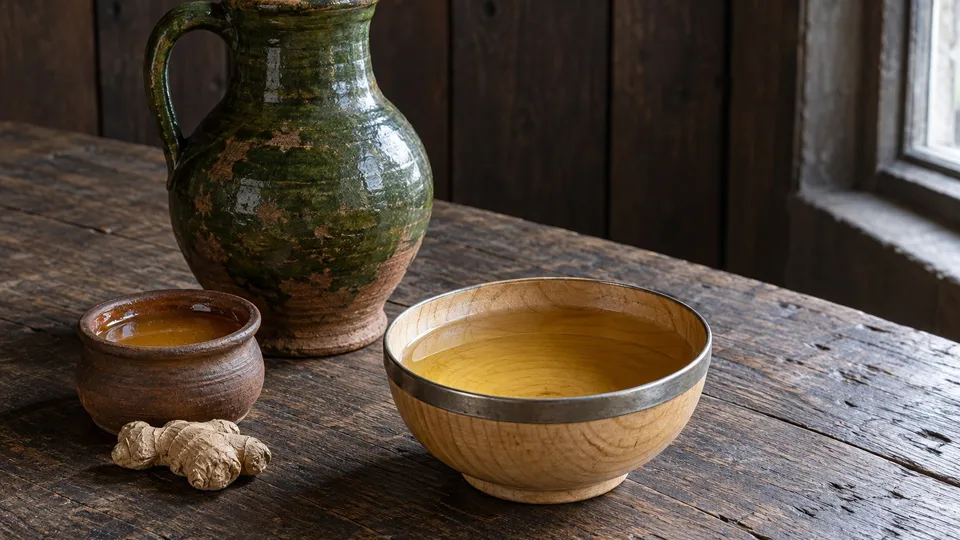
White wine with clarified honey, ginger and cinnamon, run through a strainer: one documented form of clarrey, the medieval spiced wine akin to hippocras.
Almond milk for fast days, oat gruel for the sick, whey from the dairy and Tudor rose water. All are alcohol-free.
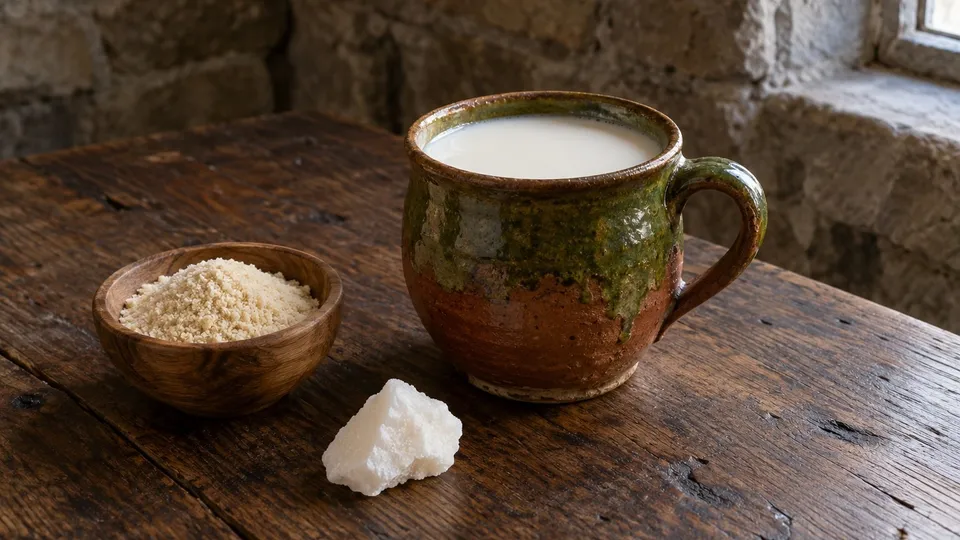
Blanched almonds ground with water, strained, boiled once and sweetened with sugar and salt: the fifteenth-century almond caudle made without the ale.
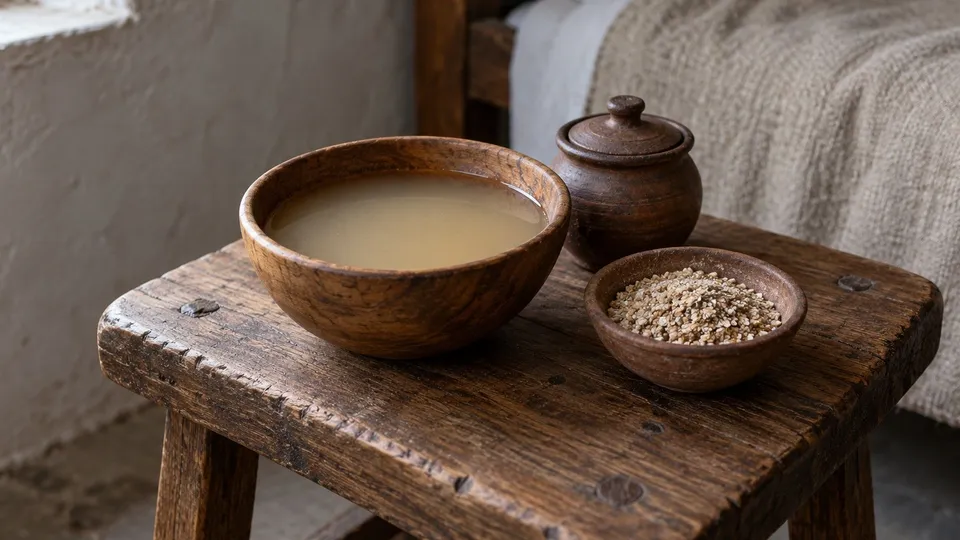
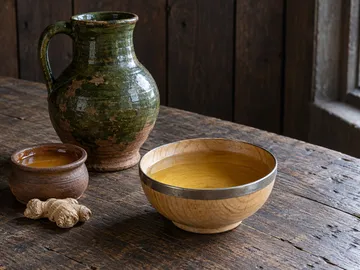
Oat groats simmered in boiled water with honey and strained into a thin, warm drink: the sober half of a 15th-century cookery poem’s advice ‘For seke menne.’
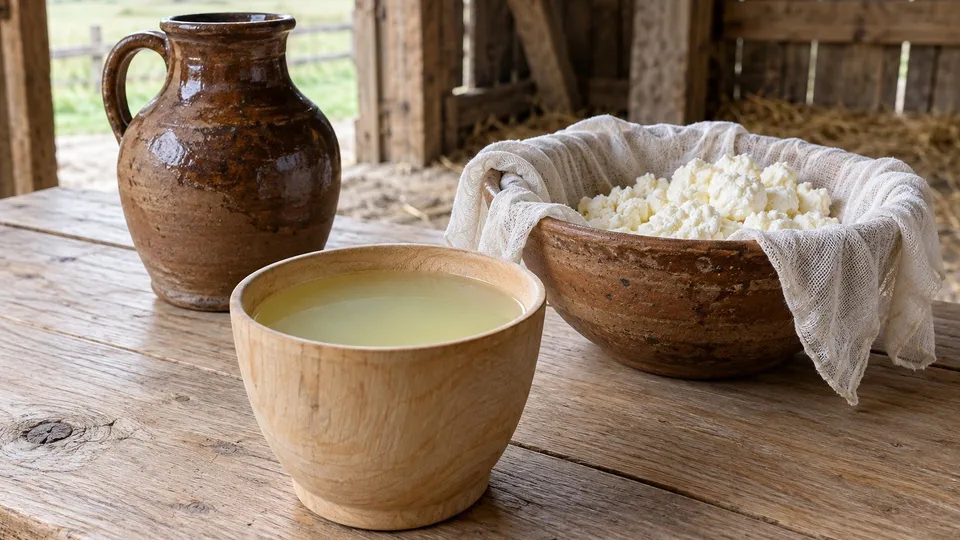
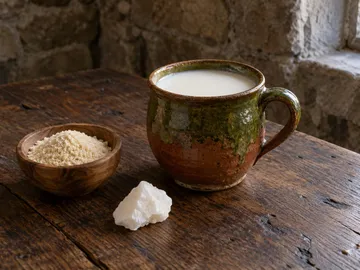
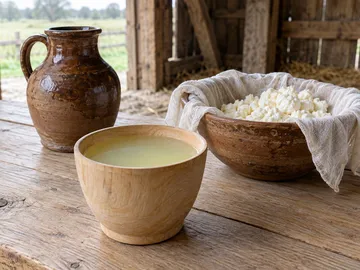
The thin, pale liquid that runs from fresh curds, made safely at home from pasteurized milk and rennet and drunk cold: a Tudor drink of shepherds and the poor.
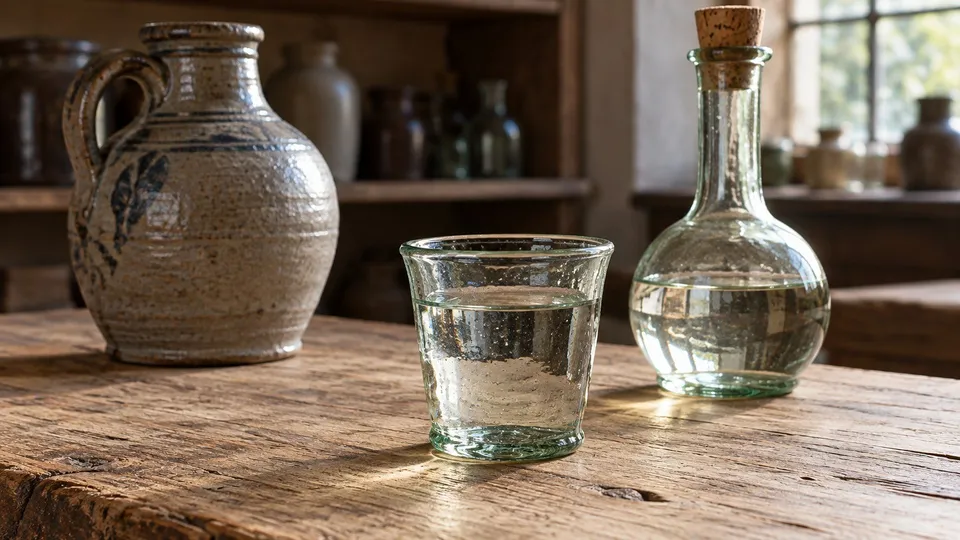
Red rose water drunk by the ounce, as Brunschwig’s distilling book of 1527 doses it, lengthened with cold water into a pale, scented drink. Alcohol-free.
The full list
11 recipes in Medieval and Tudor Drinks
Try a different ingredient or recipe name, or use Clear filters above to see the full collection.
Recipes could not be loaded. or browse this collection page without filters.
Always alcohol-free
Alcohol-free version
Always alcohol-free
Always alcohol-free
Always alcohol-free
Malty ale stirred over low heat with beaten egg yolks until it thickens like a thin custard: the medieval caudle, made safe with a thermometer.
Blanched almonds ground with boiled, lightly sweetened water and drawn through a cloth: the milk medieval cooks used when the Church ruled out the cow’s.
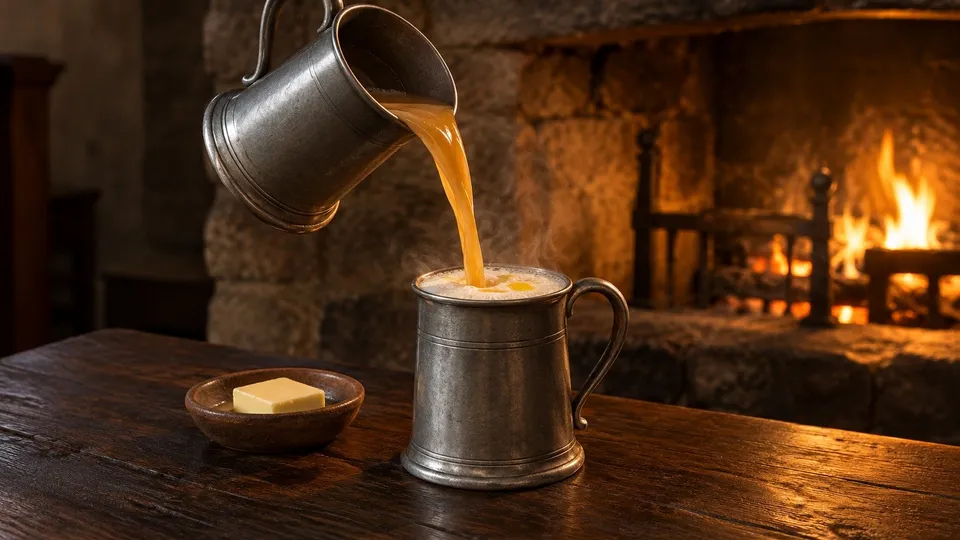
Hot beer thickened with egg yolks, sweetened, spiced with nutmeg, cloves and ginger and finished with sweet butter: buttered beer from a 1594 English cookbook.
For what was on the plate, our sister site The Forgotten Menu has medieval feasts and fish days (opens in a new tab).