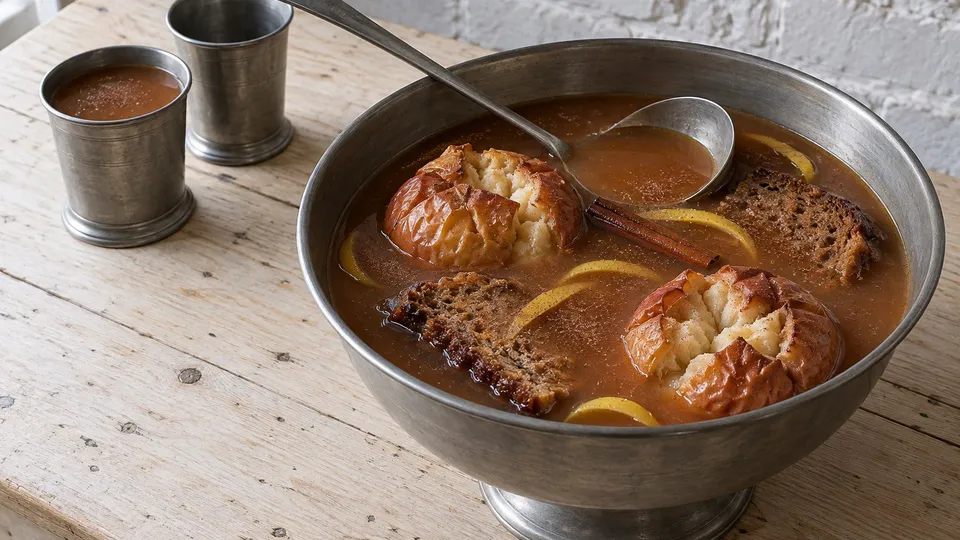
Wassail Bowl, Hot Ale and Sherry with Roasted Apples
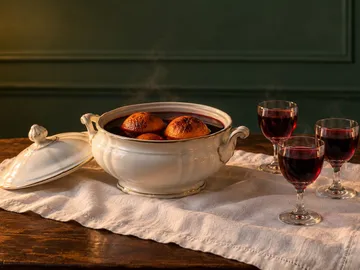
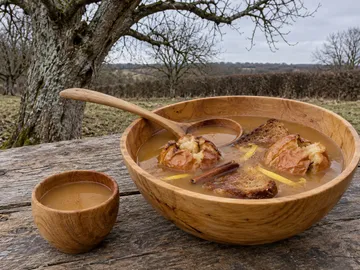
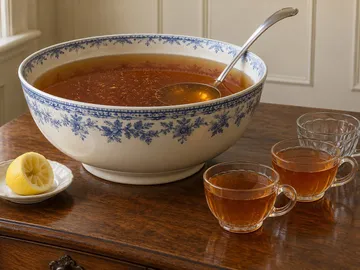
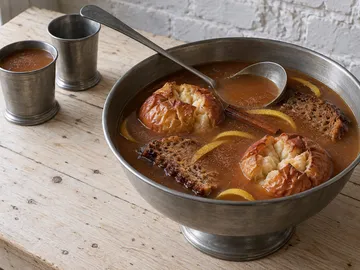
Hot ale with sherry, nutmeg, ginger, cinnamon and lemon, served with roasted apples and toast floating in the bowl: the Christmas wassail as printed in 1869.
Drinks by theme
Old Christmas drinks from period books: wassail, lambswool, smoking bishop, negus, mulled wine, punch, eggnog and Tom and Jerry, with alcohol-free versions.
Updated
Make it today
Hot ale with sherry, nutmeg, ginger, cinnamon and lemon, served with roasted apples and toast floating in the bowl: the Christmas wassail as printed in 1869.
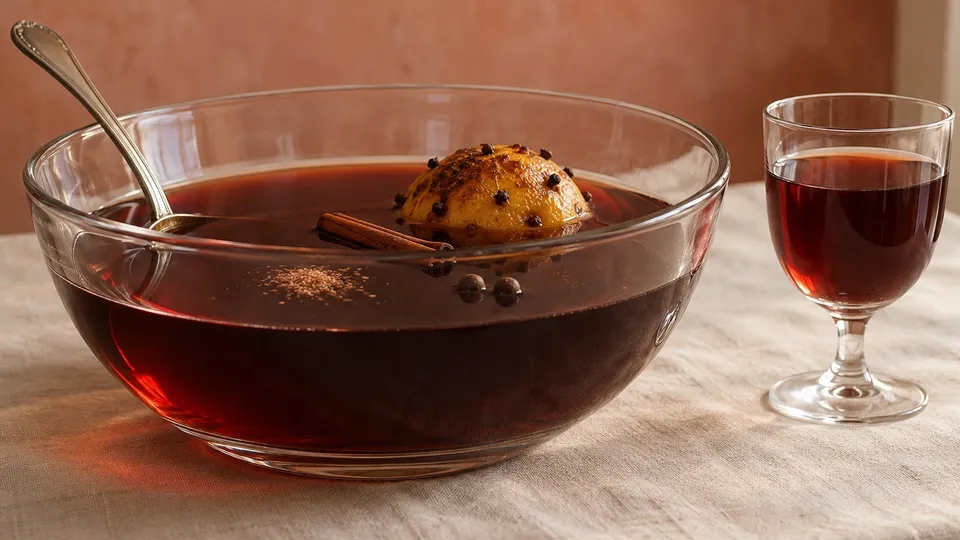
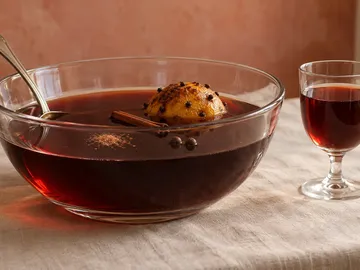
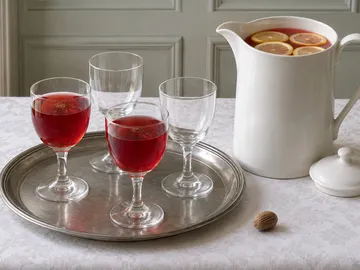
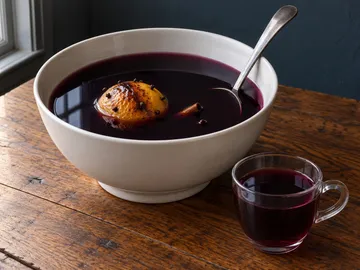
Hot port with a roasted clove-studded lemon, boiled-down spices, fresh lemon and nutmeg: the Oxford bishop of 1847 and the smoking bishop of A Christmas Carol.
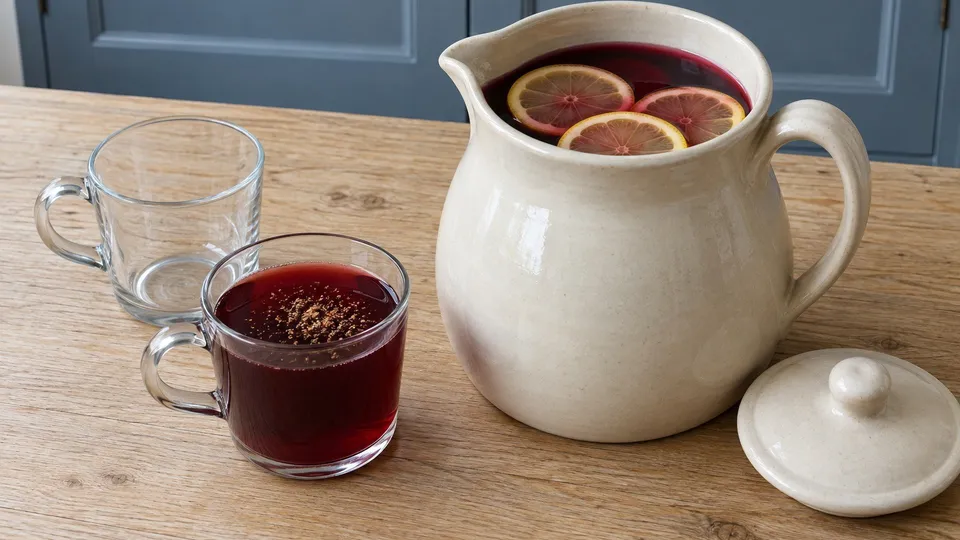
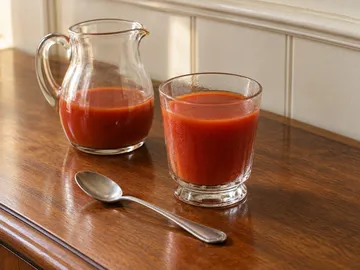
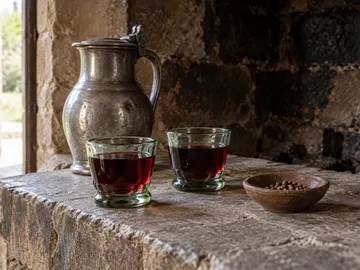
Hot red grape and blackcurrant juice poured into a covered jug of lemon sugar, sliced lemons and a little spice, then grated over with nutmeg: negus by the 1847 Oxford method, without the port.
Mostly hot drinks from a shared bowl or jug: wassail and lambswool in the English country house, punch, mulled wine and smoking bishop in the Victorian parlor, eggnog and the Tom and Jerry at the American bar. Children had negus, well watered, and lemonade.
The oldest of them is the wassail bowl. Robert Herrick’s of 1648 held ale with sugar, nutmeg and ginger, later accounts float roasted apples and toast in it, and it went round between Christmas and Twelfth Night. Sir Kenelm Digby’s cookbook of 1669 made a rich posset of cream and sack for the same season.
The Victorians served their Christmas hot. When the Ghost of Christmas Present appears in A Christmas Carol (1843), the room holds “seething bowls of punch,” and on Christmas morning Scrooge promises Bob Cratchit “a Christmas bowl of smoking bishop,” port poured over a roasted lemon stuck with cloves, as Oxford printed it in 1847. Mrs. Beeton mixed her hot punch of rum and brandy with boiling water. In the workhouse, the one drink of the year was a pint of stout with dinner; in the street, the poor bought hot elder wine at a halfpenny a glass.
Across the Atlantic, Jerry Thomas’s bar book of 1862 printed the eggnog and the Tom and Jerry, and further east a Polish Christmas Eve supper ended with prune kompot.
Most of these drinks have an alcohol-free version here, made from the original recipe: spiced apple juice in the wassail bowl, grape juice in the bishop and the negus, hot milk under the Tom and Jerry batter.
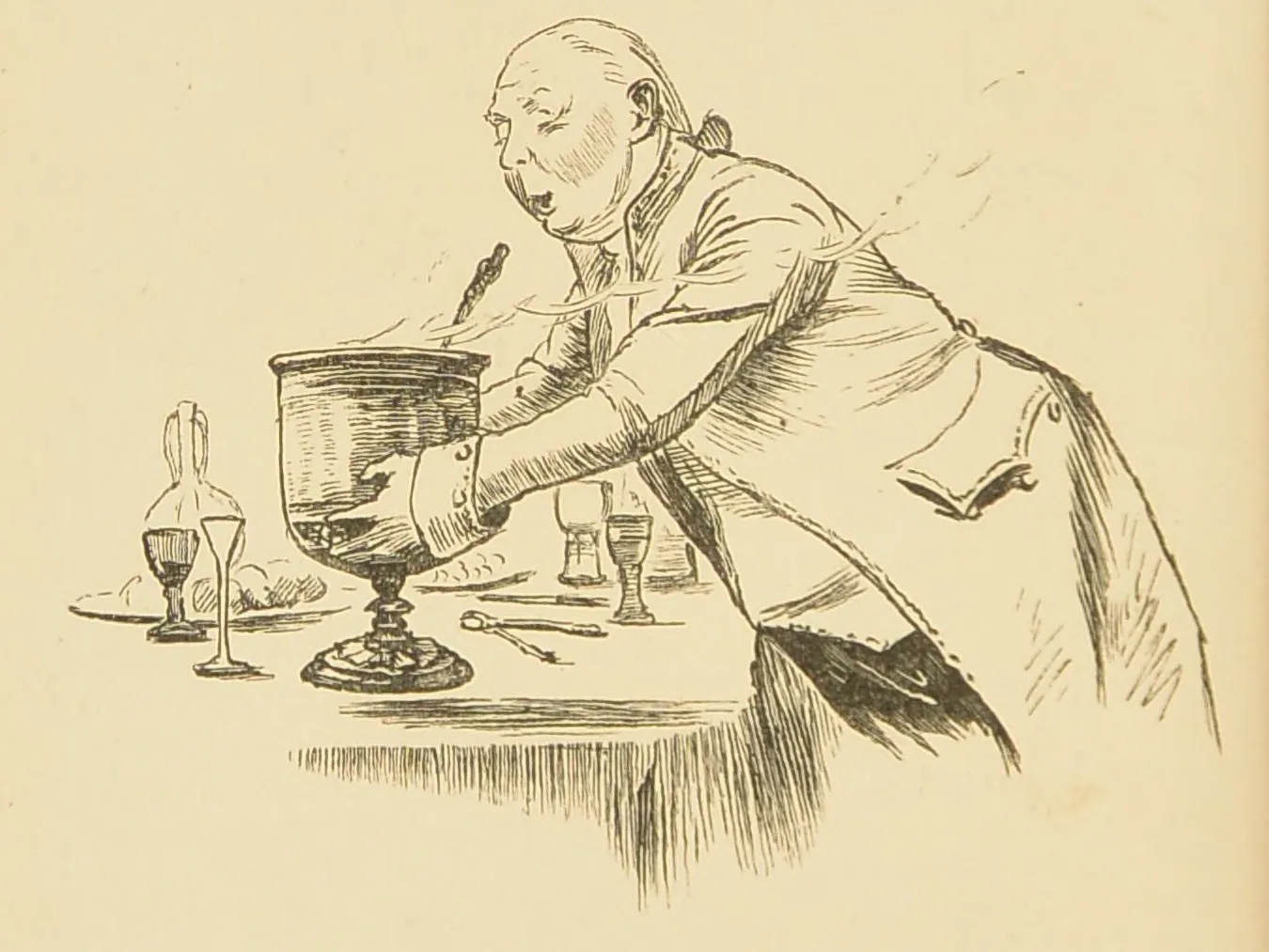
We will discuss your affairs this very afternoon, over a Christmas bowl of smoking bishop, Bob!
A hot bowl of ale, sugar and spices with roasted apples floating in it, passed round from Christmas to Twelfth Night. Lambswool is the same drink by another name.
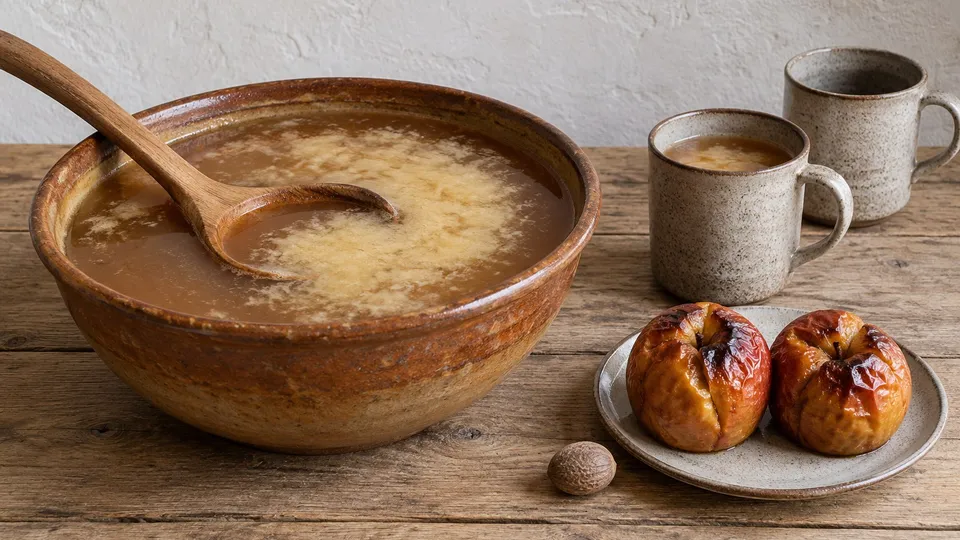
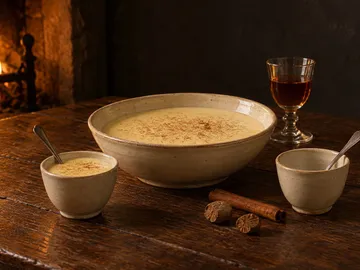
Strong hot ale with the soft pulp of roasted apples, nutmeg, ginger and raw sugar beaten in: the Elizabethan winter drink, from the 1869 recipe.
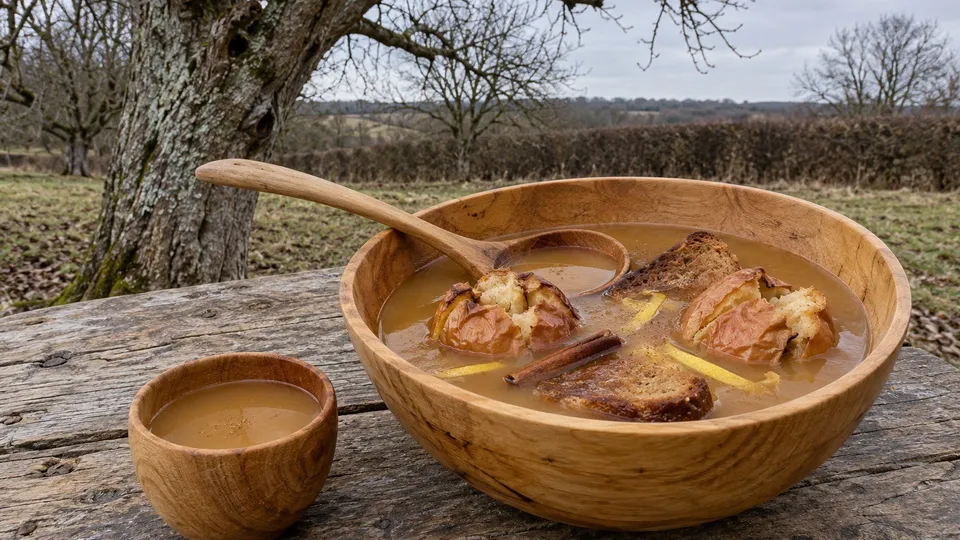
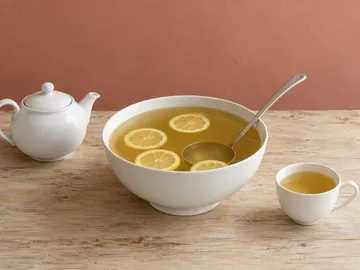
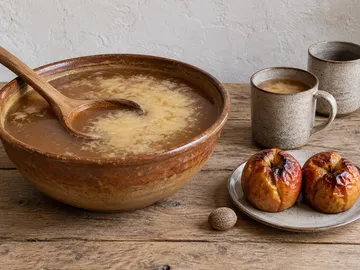
Cloudy apple juice heated with cinnamon, ginger, lemon and nutmeg, with roasted apples and toast floating in the bowl: our modern alcohol-free take on the 1869 wassail.
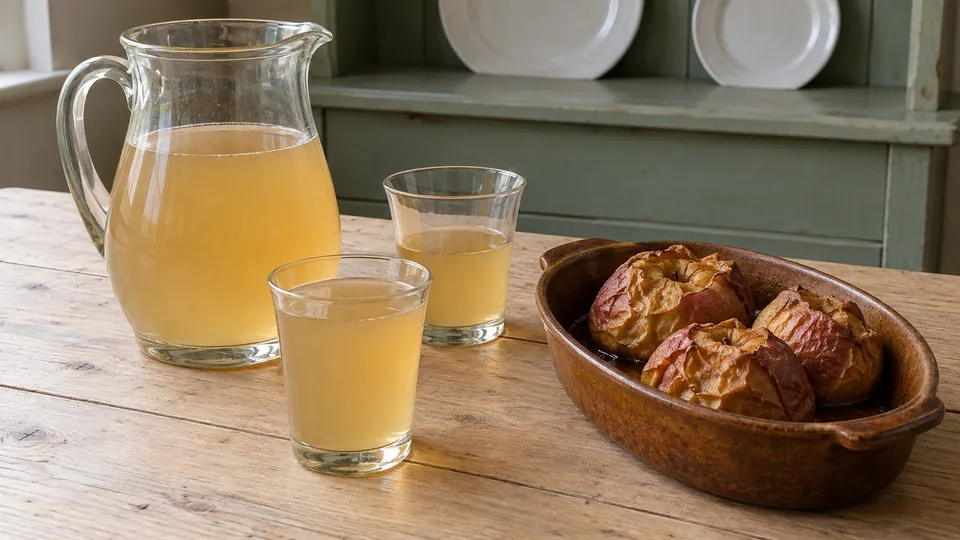
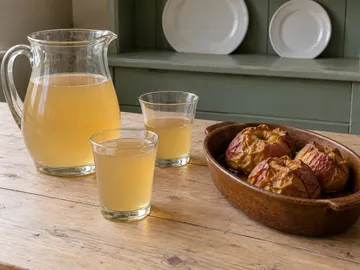
Boiling water poured over baked apples, a pear, grated ginger and lemon peel, then pressed through a sieve: an alcohol-free Victorian drink from 1869.
Punch, mulled wine, negus and smoking bishop, nearly all of them hot. Each has an alcohol-free partner here for children and drivers.
The whole Victorian Christmas, from the parlor punch bowl to the street, is in Victorian Christmas Drinks, from Punch to Elder Wine.
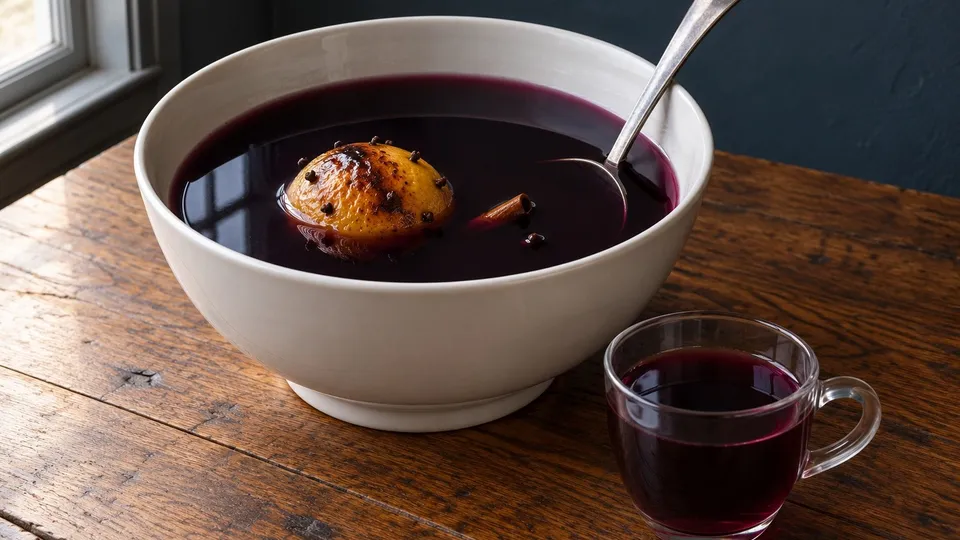
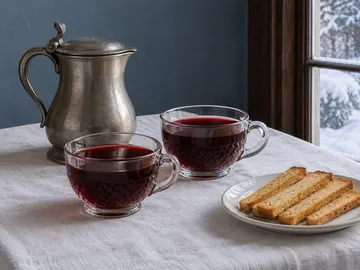
Hot red grape juice with a roasted clove-studded lemon, boiled-down spices, fresh lemon and nutmeg: the 1847 Oxford bishop made without the port.
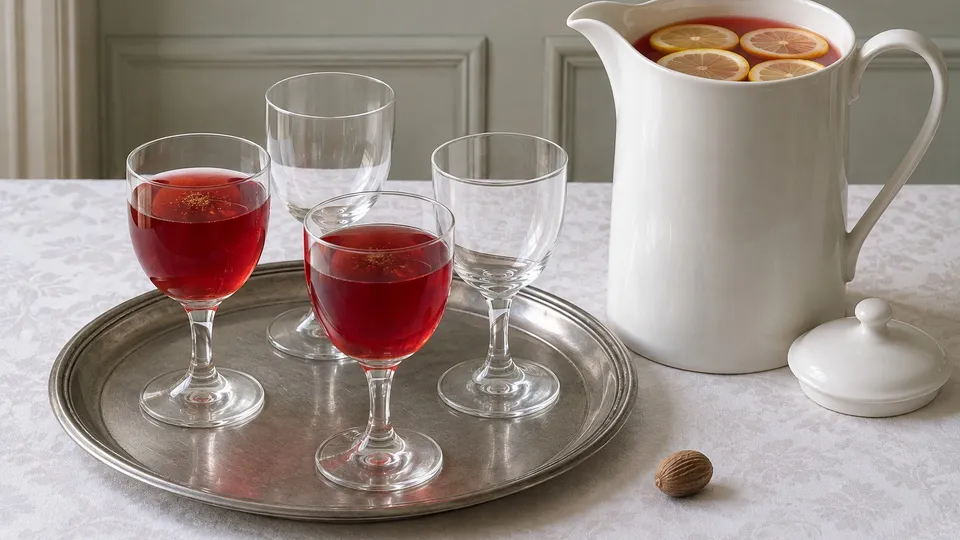
A bottle of hot ruby port poured into a covered jug of lemon sugar, sliced lemons, a little spice and a quart of boiling water, then grated over with nutmeg: negus as Oxford made it in 1847.
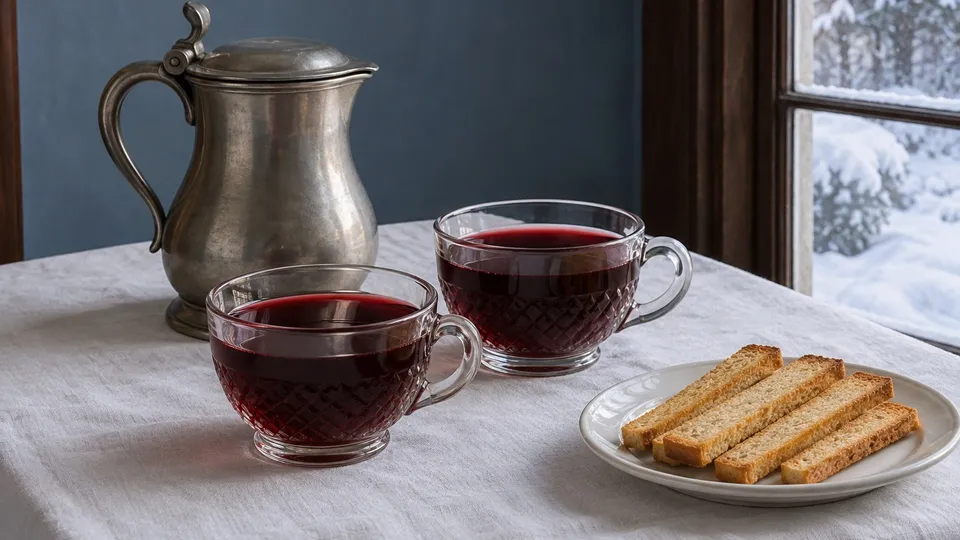
Cloves, cinnamon, lemon peel and sugar boiled in water, then a pint of claret and a glass of port, heated, never boiled: mulled wine from an 1869 London book.
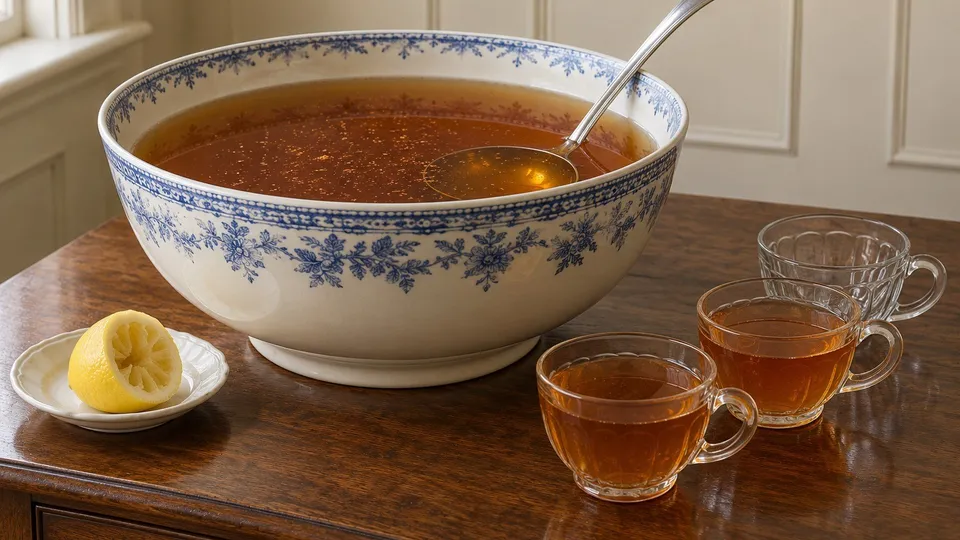
Equal parts rum and brandy, sugar rubbed on a lemon, nutmeg and a pint of boiling water, mixed in a punchbowl: the hot punch of Mrs. Beeton’s 1861 book.
Hot spiced port poured over a lemon stuck with cloves and roasted by the fire, served steaming from a bowl. Oxford Night Caps printed it that way in 1847, four years after Scrooge promised Bob Cratchit “a Christmas bowl of smoking bishop.” Dickens gave no recipe, and “smoking” meant hot enough to steam.
The bowl Scrooge promised, and the oranges Swift put in it, are in What Was Smoking Bishop, the Drink in A Christmas Carol?.
In the workhouse, a single pint of beer or stout with the Christmas dinner, the one day of the year, sickness apart, when it was allowed, and only where the Guardians agreed. Outside the walls, the London poor bought hot elder wine in the street at a halfpenny a glass, about 25p today by UK consumer prices (Bank of England), and the temperance societies offered them tea.
The workhouse dinner and the street urn are in A Pint of Stout on Christmas Day: What the Victorian Poor Drank.
Tea at the tea table and lemonade later in the evening, at children’s parties, and tea again at the temperance societies’ Christmas festivals. An 1869 book of cups poured boiling water over baked apples, ginger and lemon peel. Our alcohol-free bishop, negus and wassail keep the period method with grape or apple juice in place of the wine and ale.
What the children drank, negus included, is in What Did Victorian Children Drink at Christmas?.
Jerry Thomas’s 1862 version shakes one egg, sugar, Cognac and rum with milk and ice. His Tom and Jerry stirs a spoonful of spiced egg batter into brandy and boiling water.
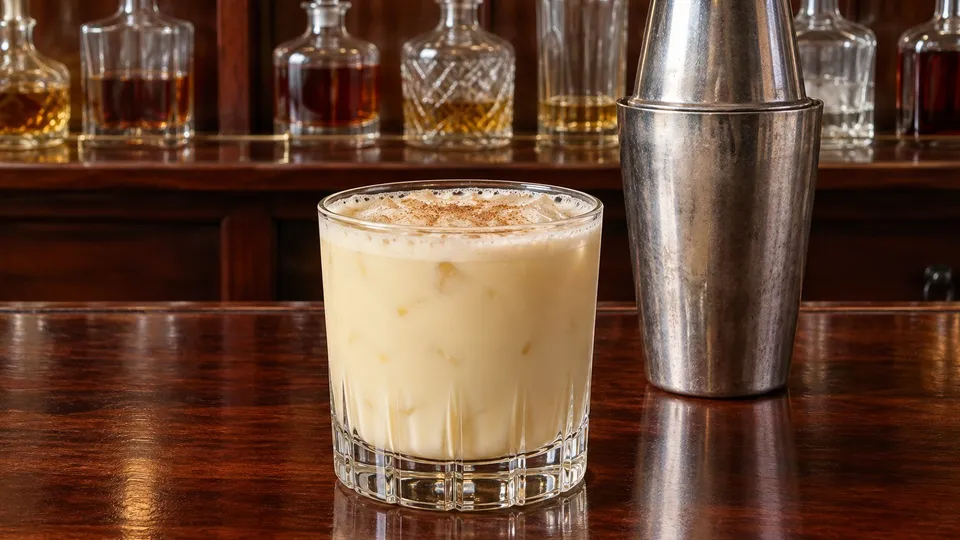
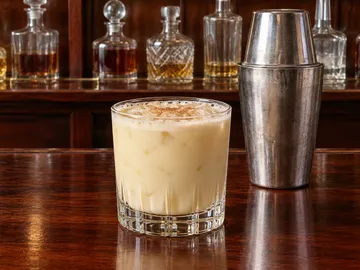
One egg, a wine-glass of Cognac, half as much St. Croix rum, sugar and a third of a tumbler of milk, shaken with shaved ice and topped with nutmeg: Jerry Thomas’s eggnog of 1862.
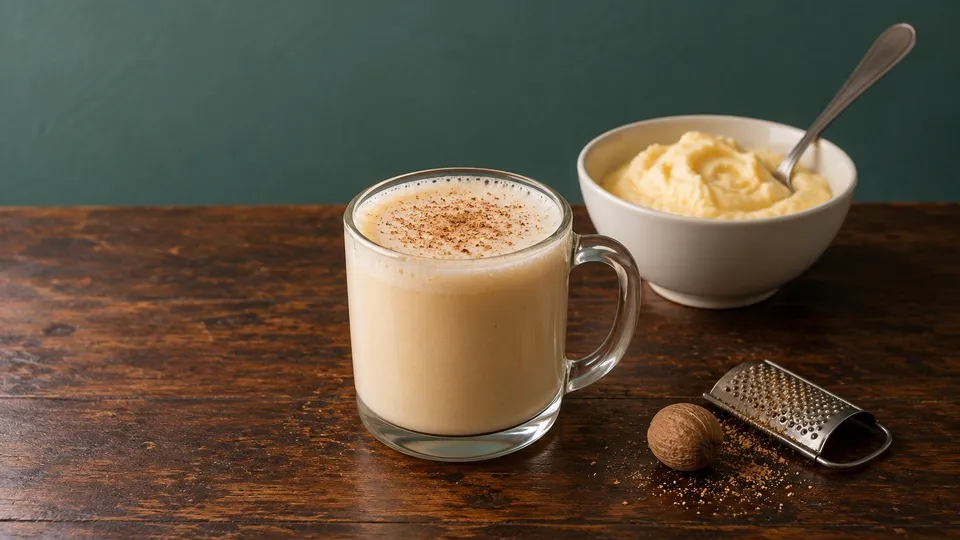
A spoonful of spiced egg batter, a wine-glass of brandy and boiling water, with nutmeg grated on top: the Tom and Jerry as Jerry Thomas’s 1862 bar book dealt it out.
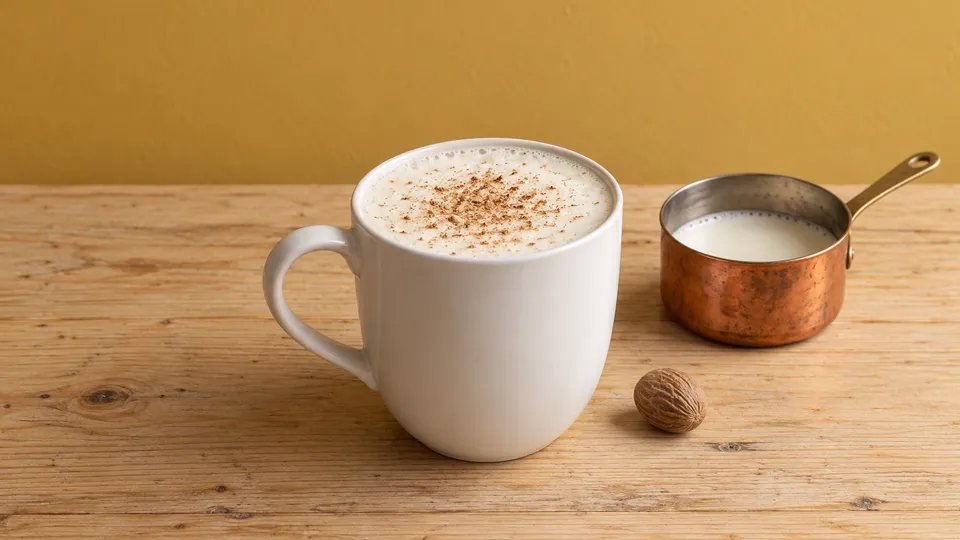
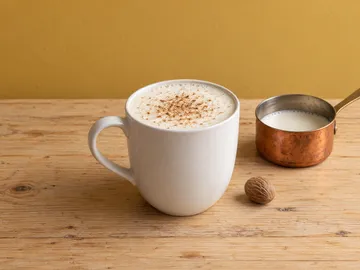
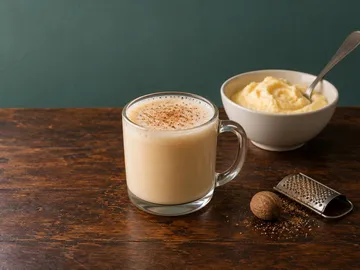
The spiced egg batter of the 1862 Tom and Jerry, beaten light and stirred into milk just off the boil, with nutmeg on top: the hot Christmas drink without the brandy.
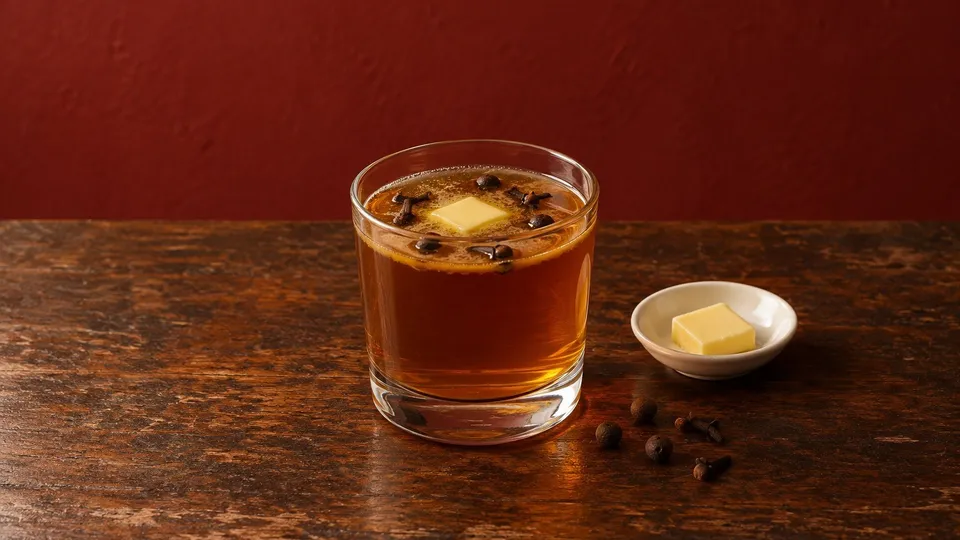
A teaspoon of sugar, a wine-glass of Jamaica rum, allspice and cloves, and a piece of butter the size of half a chestnut, filled up with hot water: Jerry Thomas’s hot spiced rum of 1862.
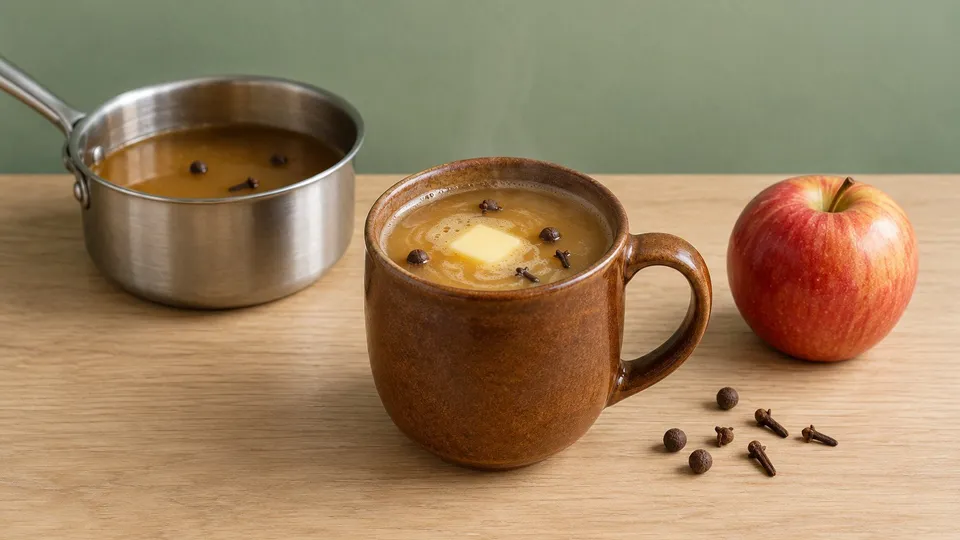
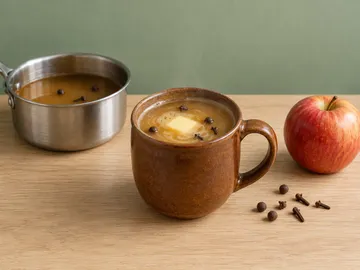
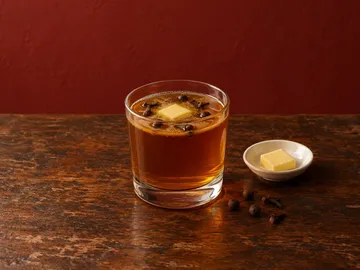
Jerry Thomas’s 1862 hot spiced rum without the rum: sweet apple cider heated with whole allspice and cloves, finished with a piece of butter melting on top.
Spiced apple, hot grape and blackcurrant, cranberry syrup for tea and a Polish prune kompot. Every drink in this group is alcohol-free.
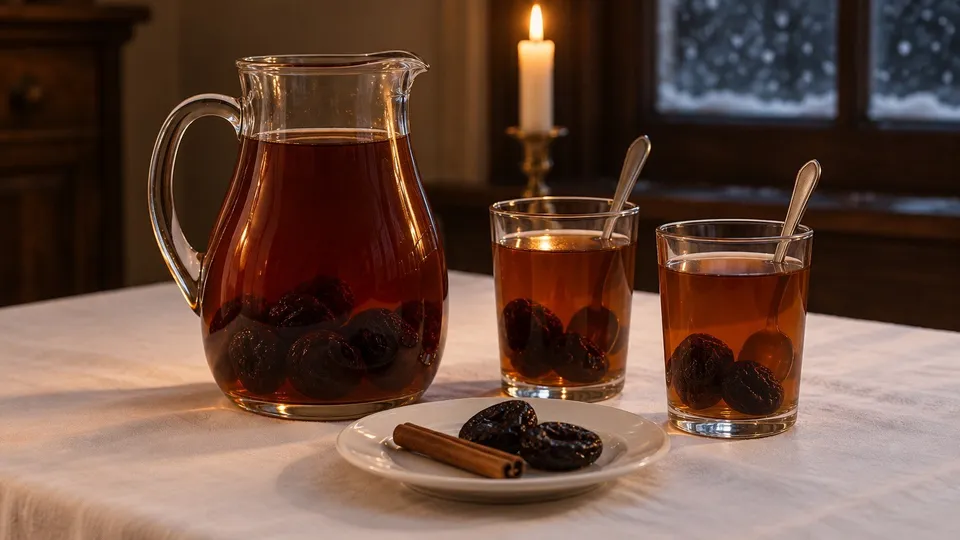
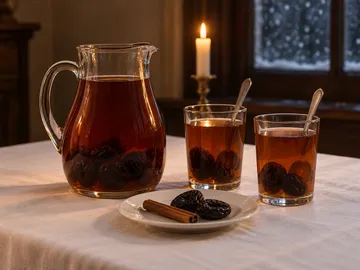
Dried plums cooked soft with sugar and cinnamon: the prune kompot of a 1913 Polish-Lithuanian cookbook, served then as a dessert and poured today as a drink at Christmas Eve supper.
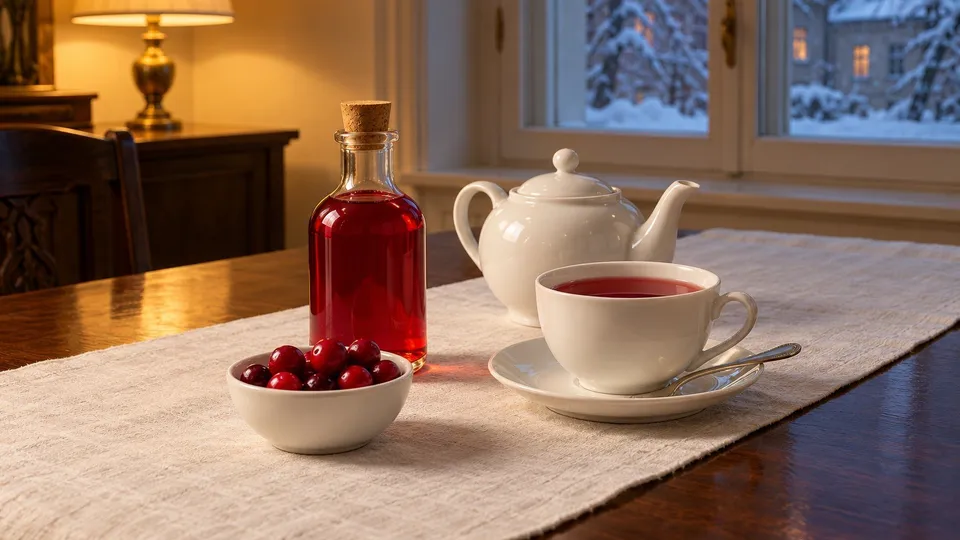
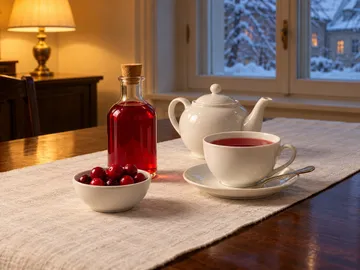
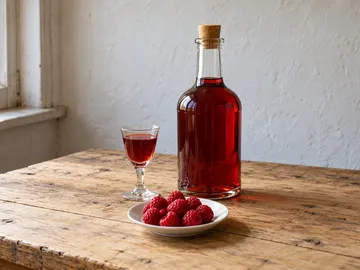
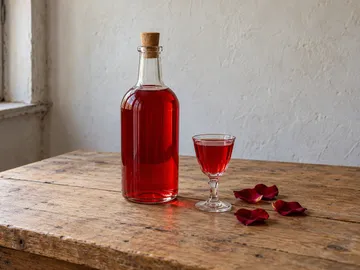
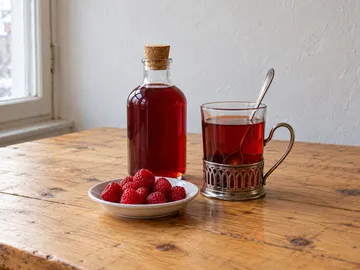
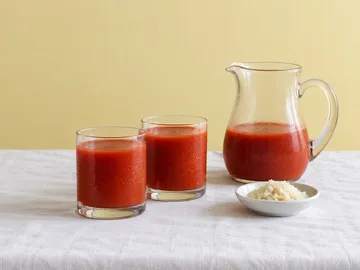
Whole cranberries boiled until they burst, the juice left to clear and then cooked with sugar into a thin, bright syrup for a glass of hot tea: the sok żurawinowy of Lucyna Ćwierczakiewiczowa’s Warsaw household book of 1885.
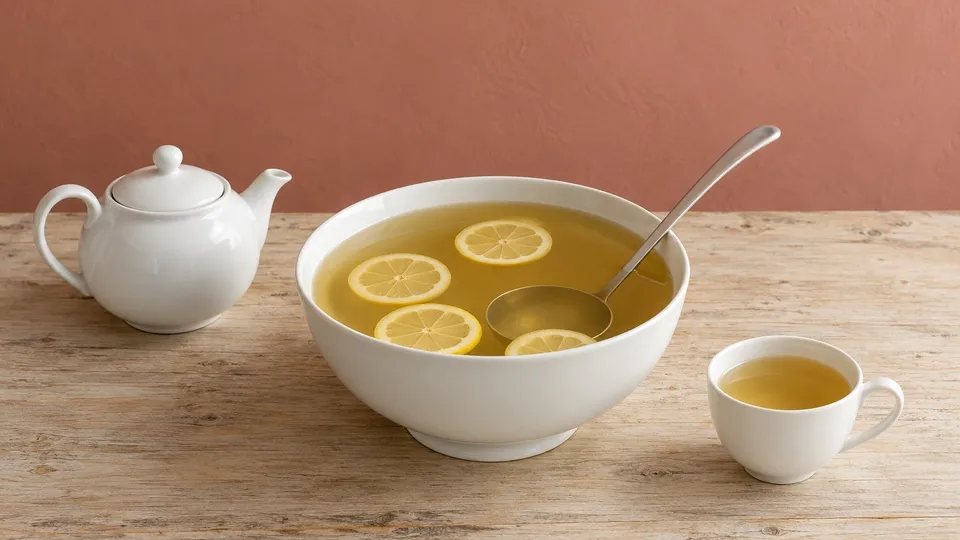
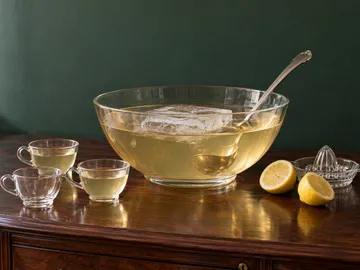
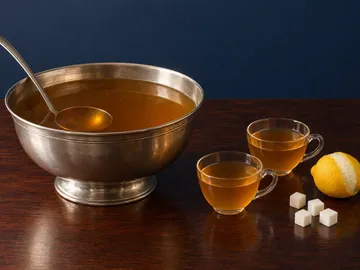
The green tea, lump sugar rubbed on lemon peel and lemon juice of Jerry Thomas’s 1862 tea punch, with hot water in place of the brandy and rum, served from a warm bowl.
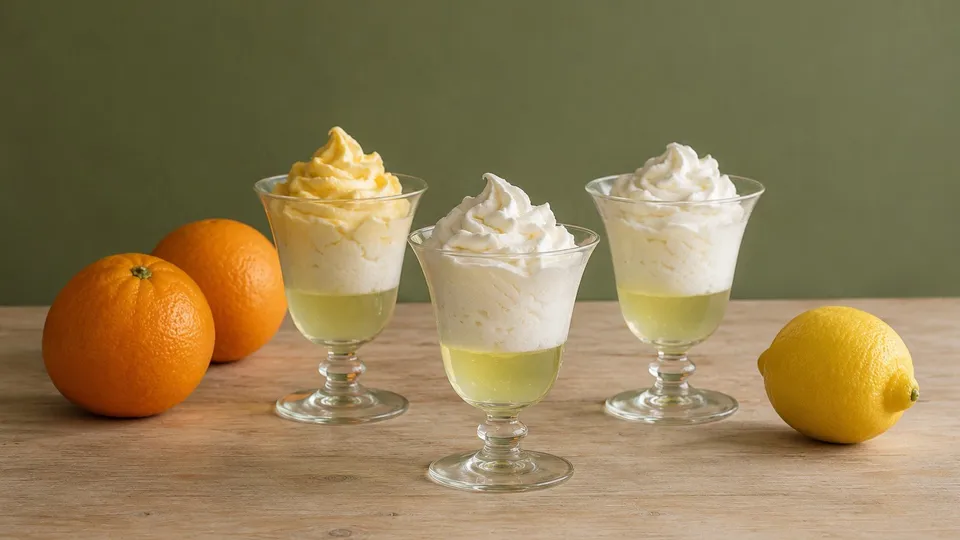
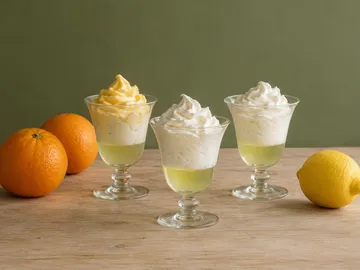
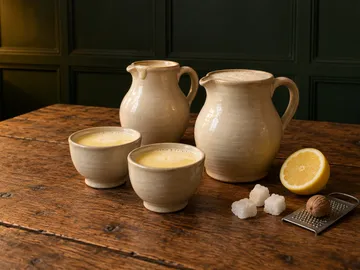
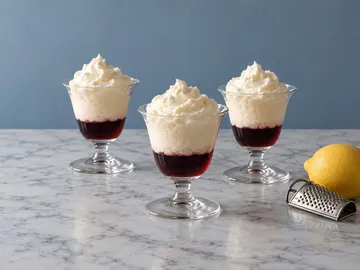
Cream whisked with orange and lemon juice, grated lemon peel and fine sugar, spooned over sweetened lemon whey, which Hannah Glasse offered in 1747 in place of the wine.
The full list
33 recipes in Christmas Drinks From History: Wassail, Smoking Bishop, Negus and Tom and Jerry
Try a different ingredient or recipe name, or use Clear filters above to see the full collection.
Recipes could not be loaded. or browse this collection page without filters.
Always alcohol-free
Always alcohol-free
Alcohol-free version
Alcohol-free version
Alcohol-free version
Alcohol-free version
Always alcohol-free
Always alcohol-free
Alcohol-free version
Alcohol-free version
Always alcohol-free
Always alcohol-free
Alcohol-free version
Always alcohol-free
Hot red grape juice with a roasted clove-studded lemon, boiled-down spices, fresh lemon and nutmeg: the 1847 Oxford bishop made without the port.
Jerry Thomas’s 1862 hot spiced rum without the rum: sweet apple cider heated with whole allspice and cloves, finished with a piece of butter melting on top.
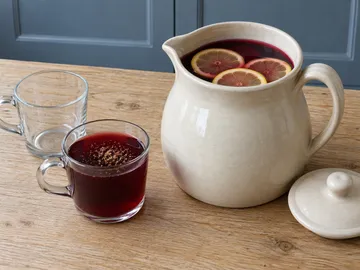
Hot red grape and blackcurrant juice poured into a covered jug of lemon sugar, sliced lemons and a little spice, then grated over with nutmeg: negus by the 1847 Oxford method, without the port.
For what was on the plate, our sister site The Forgotten Menu has the Cratchits’ Christmas dinner of 1843 (opens in a new tab).