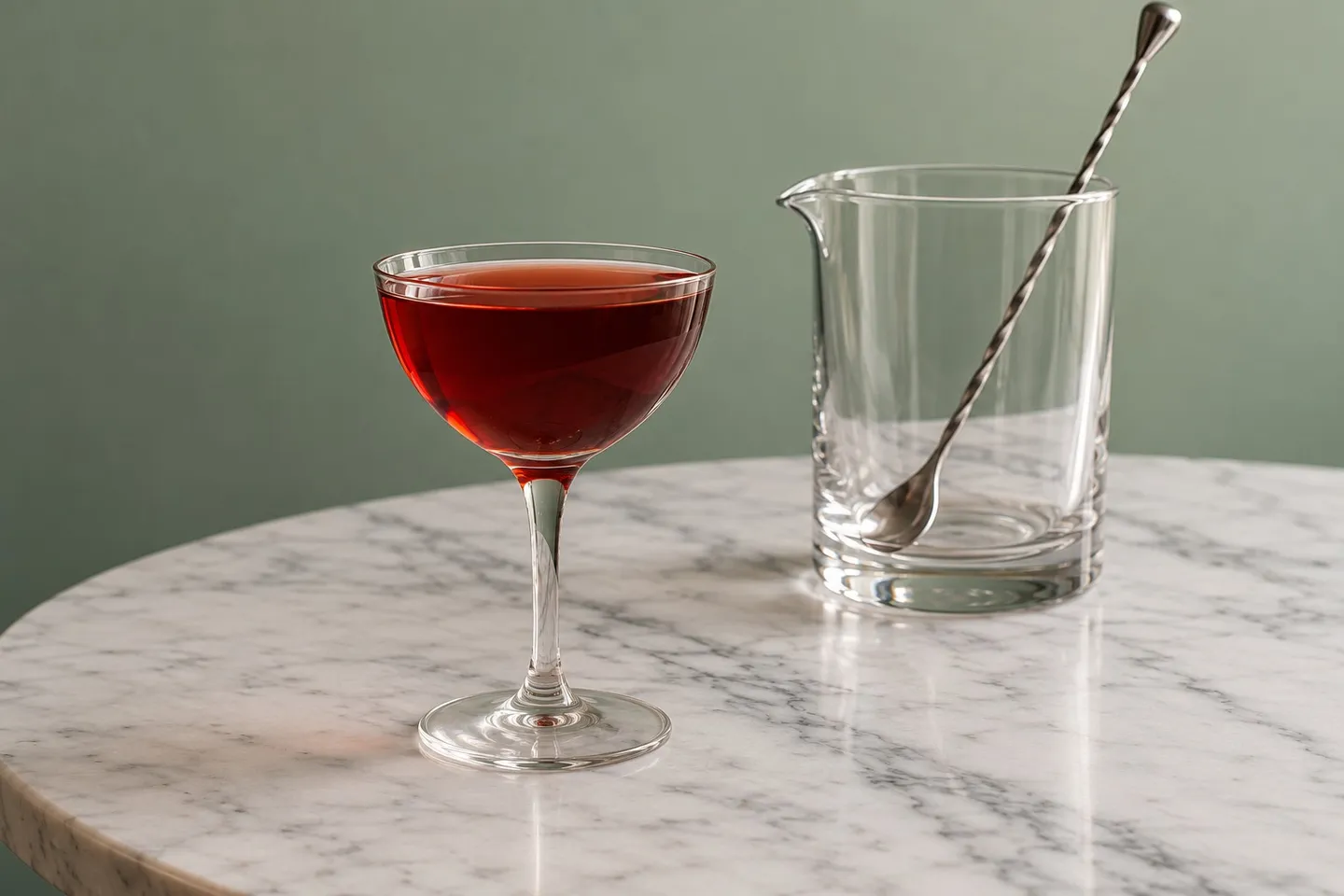
Vendome Cocktail, Dubonnet, Gin and Vermouth from 1933
Reader ratingsDubonnet, gin and French vermouth in thirds, with a little more Dubonnet and a little less vermouth: the Vendome Cocktail from Hollywood Cocktails, 1933, the Savoy’s Salomé under a Hollywood name.
- Recipe makes
- 1 drink
- Prep
- Total
A Vendome Cocktail of Dubonnet, gin and dry vermouth in a small stemmed glass, with a mixing jug and bar spoon on white marble.
The story behind the recipe
The Vendome Cocktail is Dubonnet, gin and French vermouth in thirds, with one instruction that makes it its own: “In measuring, put a little more Dubonnet and a little less Vermouth.” It was printed in Hollywood Cocktails at the end of 1933 under a red drawing of the Café Vendome, the restaurant on Sunset Boulevard.
The Salomé with a twist
Three years earlier, on page 140 of The Savoy Cocktail Book, the same three ingredients appear in equal thirds as the Salomé Cocktail, shaken and strained. The Hollywood book took many of its recipes from the Savoy and renamed them after the places its readers had heard of; the Cocktail Kingdom library counts about 44 renamed drinks, the Salomé among them. The library’s notes describe the recipes as copied. This one, at least, gained a line, tipping the balance toward the Dubonnet and away from the dry vermouth, and lost the Savoy’s method. The book’s other illustrated drink, and the rest of the story, are in Hollywood Cocktails, 1933: Old Recipes at Star Addresses.
Read more about this recipe
Stirring it today
“A little more” and “a little less” are not measures, so ours are a choice: 1 1/4 fl oz of Dubonnet, 1 fl oz of gin and 3/4 fl oz of vermouth, which keeps the drink at 3 fl oz and shifts a quarter ounce from the vermouth to the Dubonnet. Dubonnet is a wine aperitif flavored with quinine; the bottles sold in the United States are made there at 19%, while the French one is about 15%. Being all wine and spirit, the drink is best stirred, though the Savoy shook its Salomé.
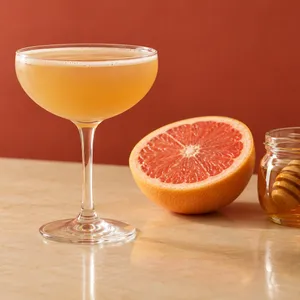
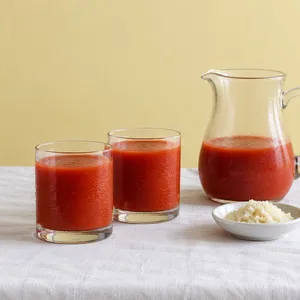
With US Dubonnet, the stirred drink comes to about 20% alcohol, about one and a quarter US standard drinks. It makes a pair with the whisky-and-honey Brown Derby from the same book. For an alcohol-free glass before dinner from the same years, try the Dodge Hotel Tomato Juice Cocktail.
Recipe makes: 1 drink
Ingredients
For 1 drink. Quantities are shown as written.
Quantities as written here, for 1 drink.
- Dubonnet Rouge1 1/4 fl oz
- Gin1 fl oz
- Dry vermouth3/4 fl oz
- Ice cubes
Measurement notes
Ingredients as written here
- 1 1/4 fl oz Dubonnet Rouge
- 1 fl oz gin
- 3/4 fl oz dry vermouth
- ice cubes
Equipment
 Mixing glass or jug
 Bar spoon
 Strainer
 Small cocktail glass
Instructions
Chill a small cocktail glass in the freezer or with ice water.
Pour the Dubonnet Rouge, gin and dry vermouth into a mixing glass and fill it two-thirds with ice cubes.
Stir steadily for about 30 seconds, until the mixing glass is very cold to the touch.
Strain into the chilled glass and serve.
Nutrition
145calories per serving
- Recipe makes
- 1 drink
Estimated from published values for US-made Dubonnet Rouge (19%), 80-proof gin and dry vermouth, counting alcohol at 7 calories per gram plus the aperitif’s sugar.
Recipe notes
When adjusting quantities
Keep a little more Dubonnet than gin and a little less vermouth; stir no more than two drinks at a time.
Notes
Quantities mentioned in these notes don’t change when you adjust the batch.
The 1933 text gives a third each of Dubonnet, gin and French vermouth, “a little more Dubonnet and a little less Vermouth,” and no method. Our measures, the stir, the strain and the cocktail glass are ours. For the Savoy’s Salomé, use 1 fl oz of each and shake it.
Use a dry gin and a French-style dry vermouth. Keep opened Dubonnet and vermouth in the fridge.
Scaling changes the ingredients only; glassware, ice and timings need their own judgment. To adapt this recipe further, try the recipe tool at TuneMyRecipe (opens in a new tab), our sister site.
Sources and attribution
Hollywood Cocktails, designed by George E. Buzza, Jr. (Hollywood: Buzza-Cardozo, 1933), “The Vendome Cocktail”
Recipe details
- Drink family
- Cocktails & Mixed Drinks
- Region
- American
- Source decade
- 1930s
- Difficulty
- Easy