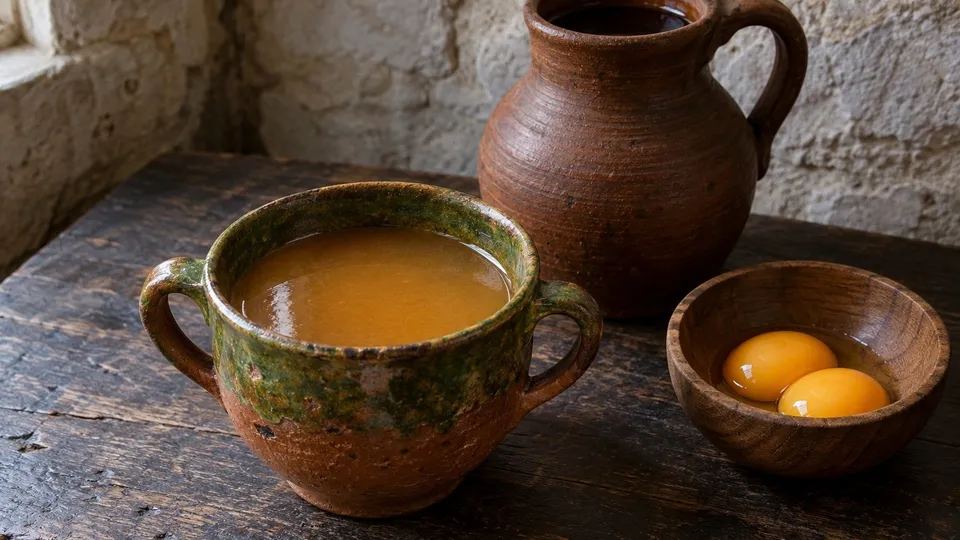
Ale Caudle, Warm Ale Thickened with Egg Yolks
Malty ale stirred over low heat with beaten egg yolks until it thickens like a thin custard: the medieval caudle, made safe with a thermometer.
Forgotten drinks, with and without alcohol
Roman wine cut with water and sweetened with honey. Honey and vinegar boiled into a syrup, then lengthened with cold water. We read the period books, quote them, and turn what we find into drinks you can make today.
Every recipe names its sources, quoted as printed where we can.
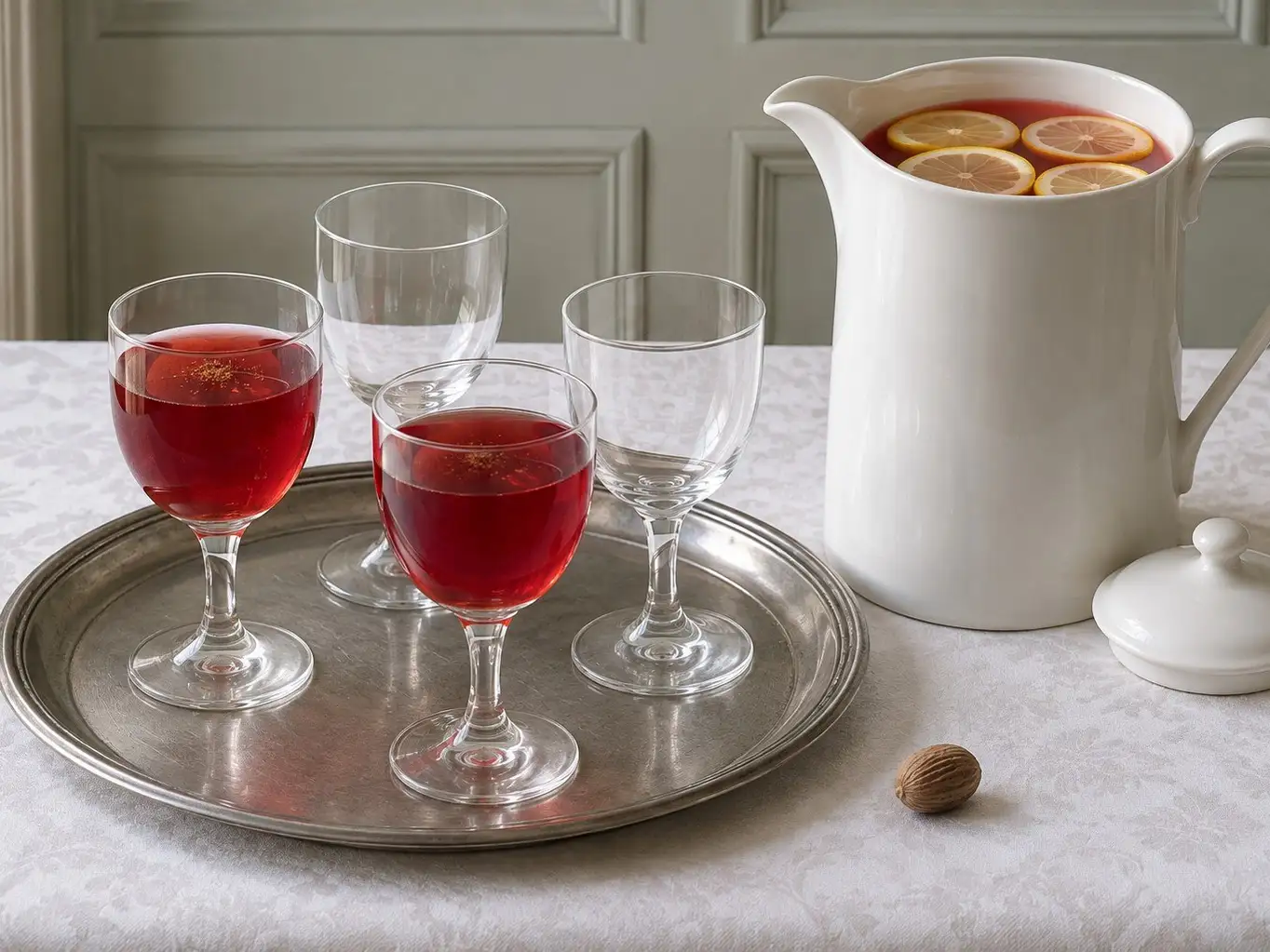 Drink of the weekPort Wine Negus, Hot Port with Lemon and Nutmeg Hot Drinks · 30 min total
Make it today
Malty ale stirred over low heat with beaten egg yolks until it thickens like a thin custard: the medieval caudle, made safe with a thermometer.
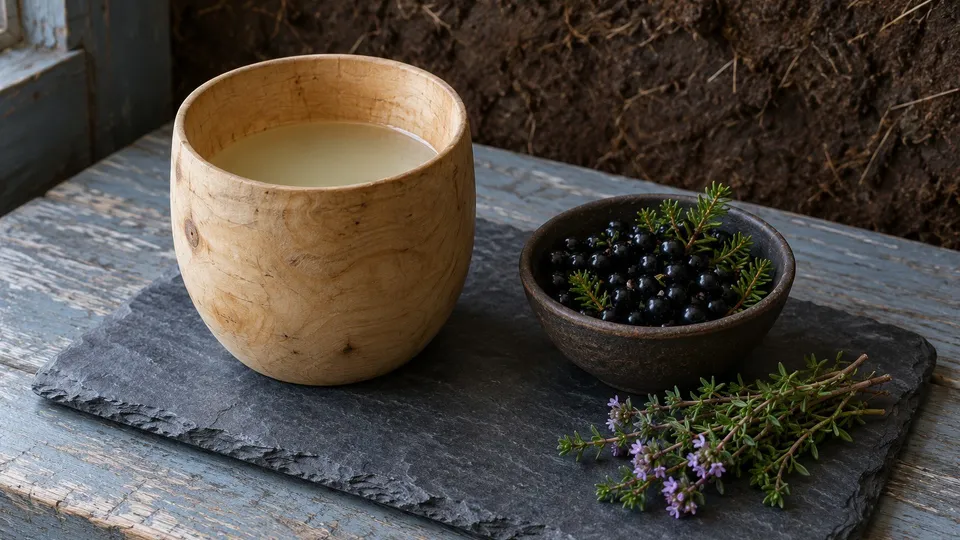
Cold water sharpened with sour whey and scented with thyme: the everyday farm drink of Iceland, recorded in 1772, from a saga-age word.
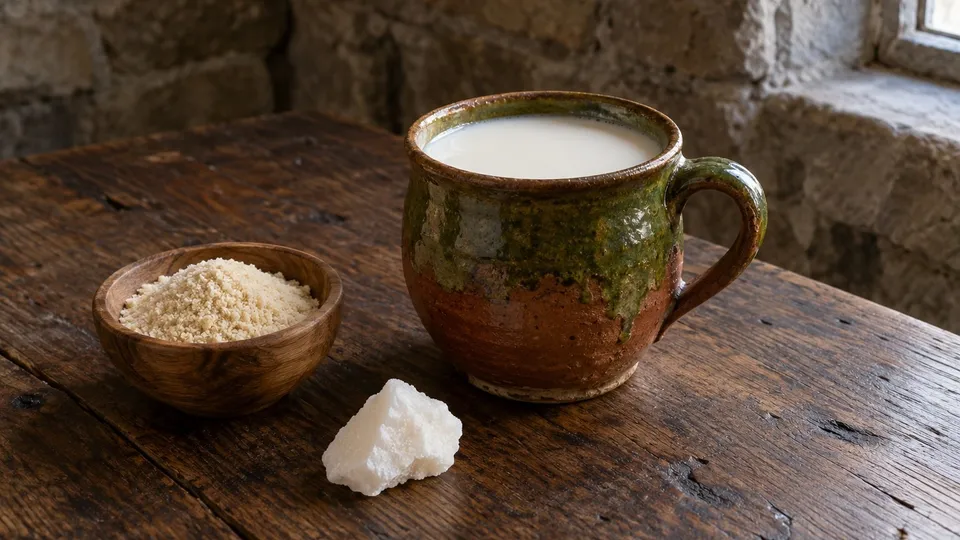
Blanched almonds ground with water, strained, boiled once and sweetened with sugar and salt: the fifteenth-century almond caudle made without the ale.
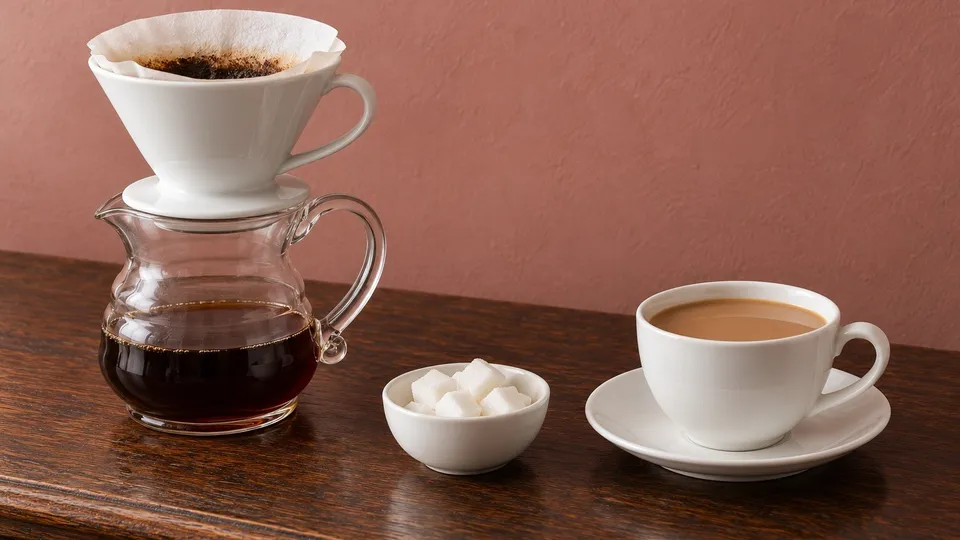
Fine-ground coffee in a strainer, boiling water poured on by degrees and the pot covered between pours, served at once over cut sugar and cream: drip coffee from the 1896 Boston Cooking-School Cook Book.
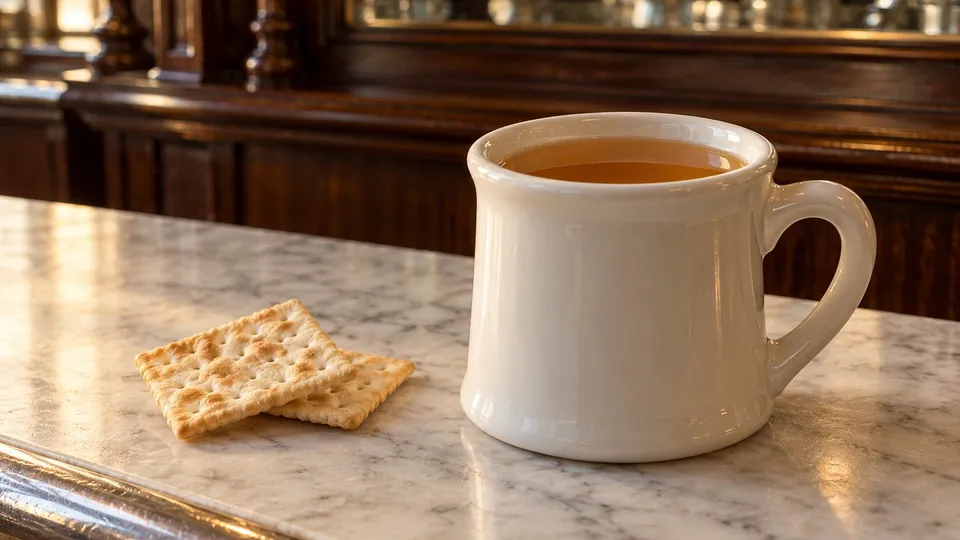
A strong ginger syrup drawn into a mug and filled with hot water, no fizz at all: the soda fountain’s Hot Ginger, from Saxe’s 1894 guide for dispensers.
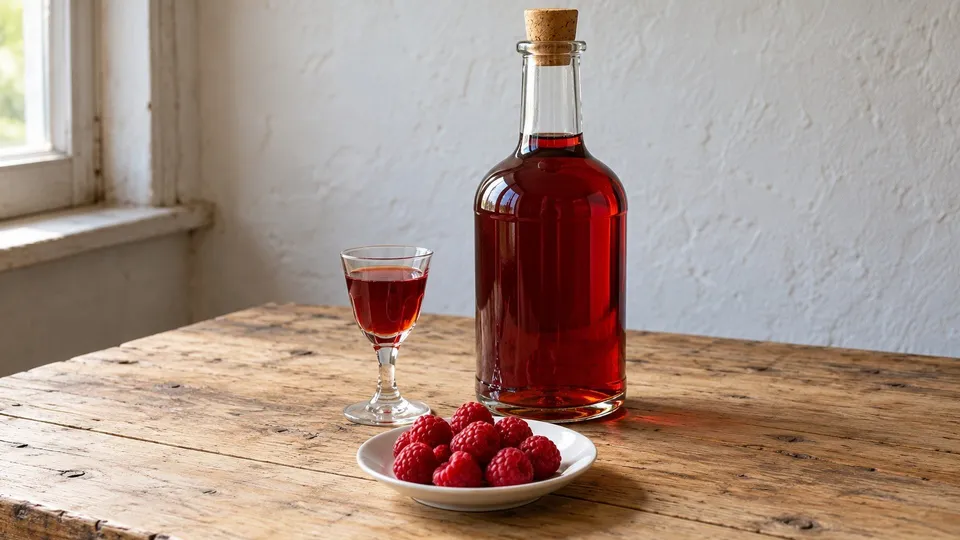
Ripe raspberries steeped in spirit for exactly twenty-four hours, twice, then filtered and poured into a thick sugar syrup: the raspberry liqueur of Lucyna Ćwierczakiewiczowa’s Warsaw household book of 1885.
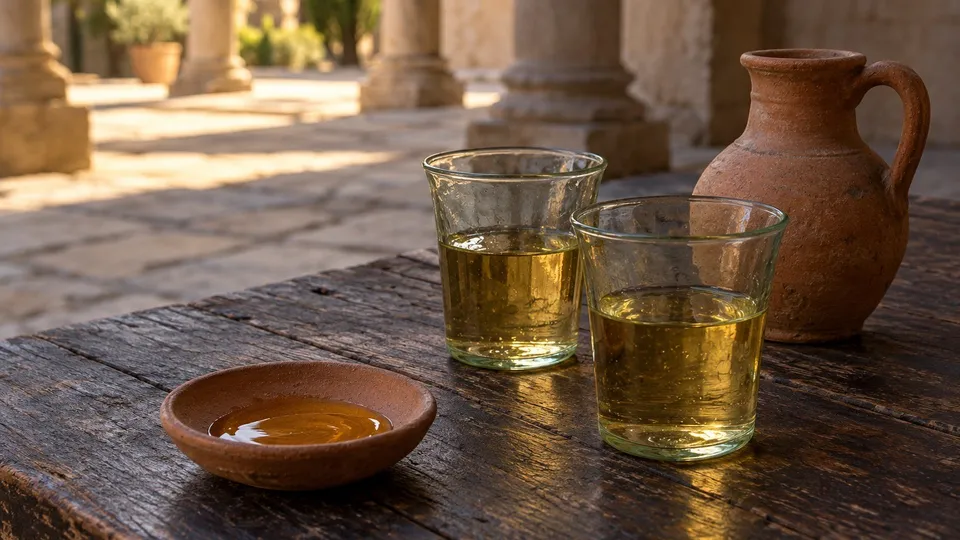
Four measures of wine to one of honey: the drink Romans poured with the first course of dinner, made in five minutes, then left to cool.
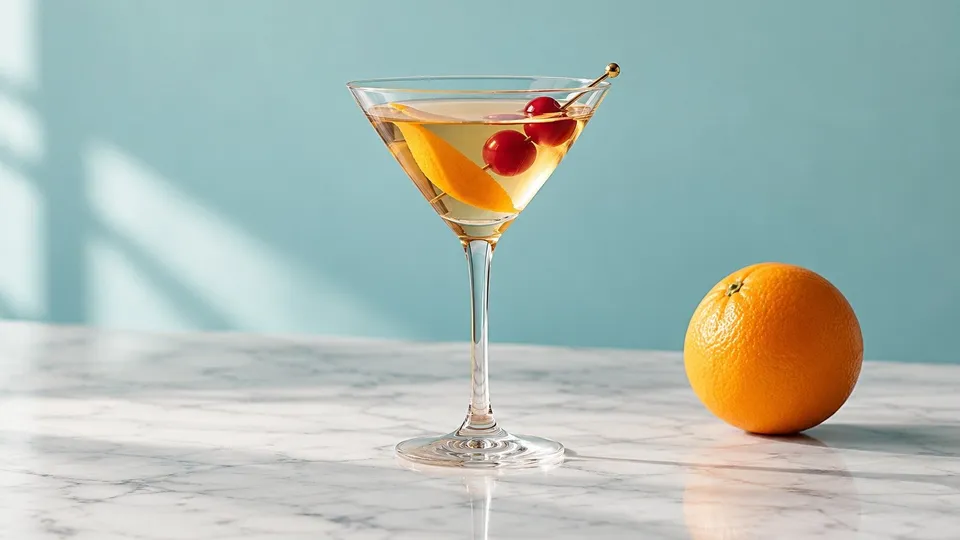
Vermouth and gold rum, three parts to two, stirred cold with half a teaspoon of curaçao and served with cherries and orange peel: the Presidente of Havana’s Bar La Florida, printed in 1939.
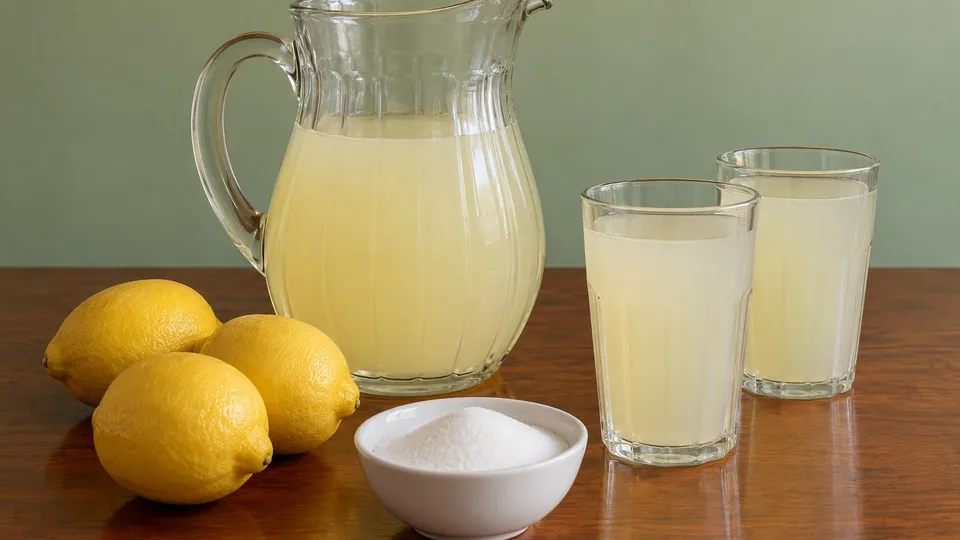
Three lemons to a pint of cold water, sweetened to taste: the strong, plain lemonade that the woman behind the national Thanksgiving called the best drink for parties.
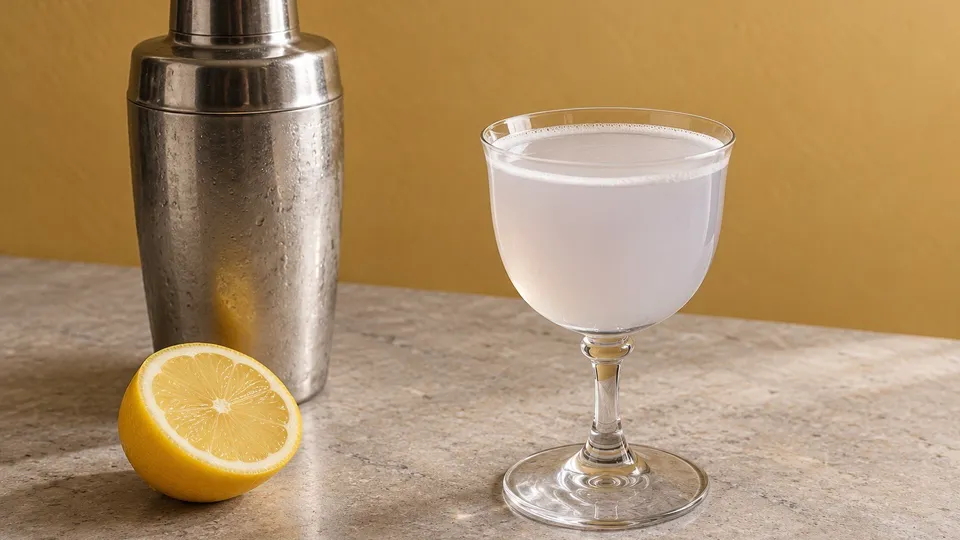
Two-thirds gin to one-third lemon juice, with two dashes of maraschino and two of crème de violette, shaken with cracked ice and strained: the Aviation as Hugo Ensslin printed it in New York, before the violette went missing.
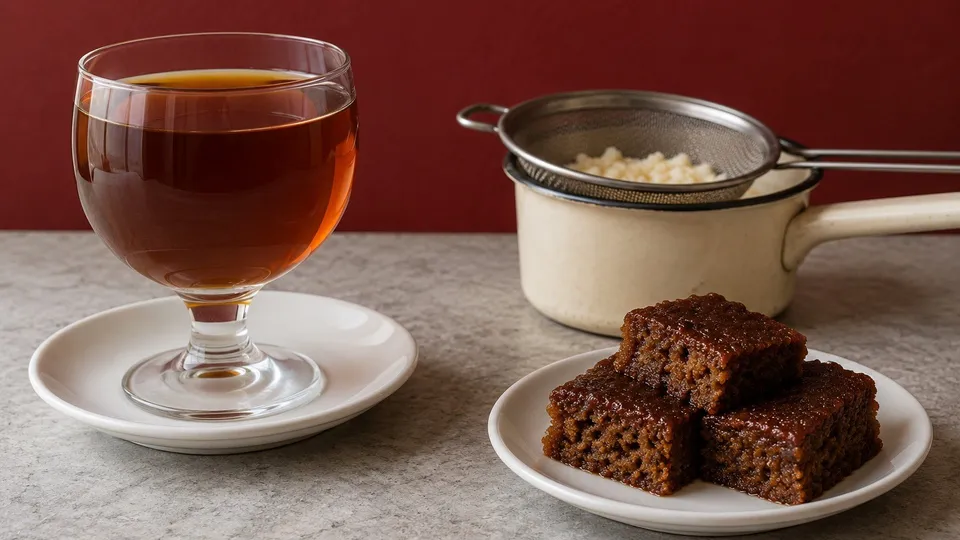
Boiling milk turned with black treacle and strained into a glass: a hot, dark, sweet whey from the sick-room lessons of an 1877 London cookery school.
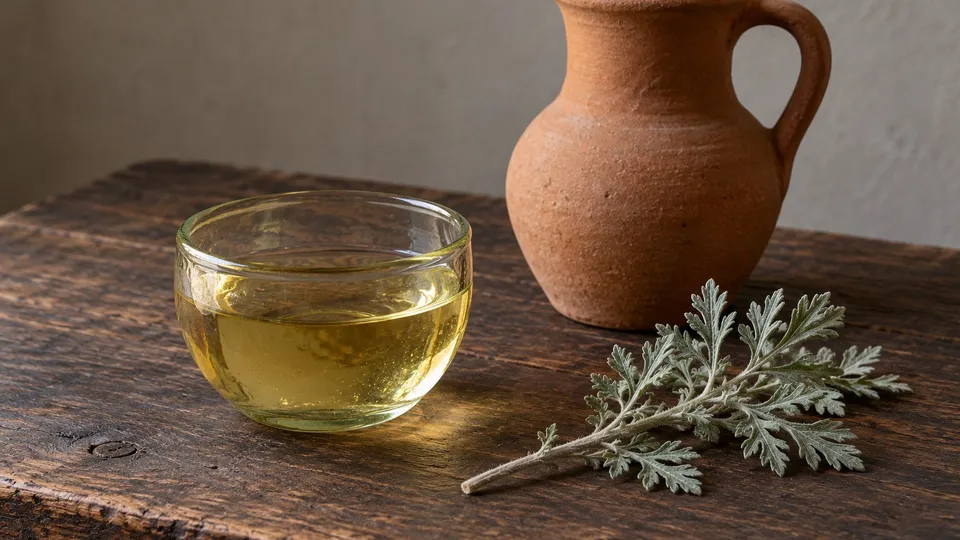
Apicius’s Roman vermouth: mild white wine steeped for a day with wormwood, mastic, bay and saffron, unsweetened and bitter by design.
What can I make?
Tick what is on your shelf, from gin and port to lemons and nutmeg, and see which old drinks you can make tonight and which are one item away.
The stories
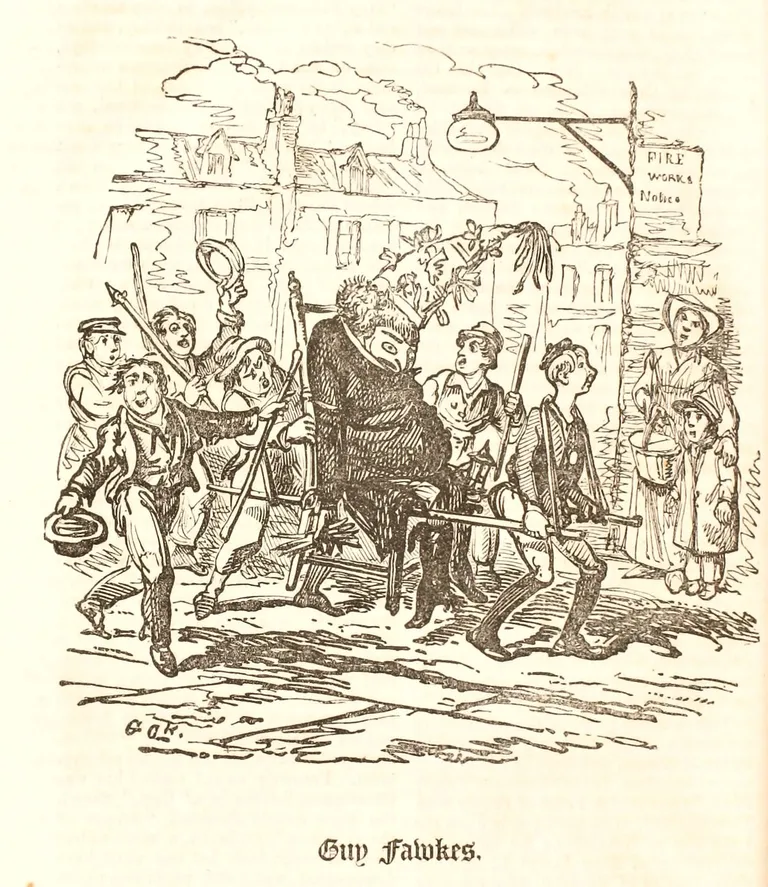
Old accounts of November 5 describe guys, squibs, drink-fired crowds and Yorkshire parkin by 1835, but none names the drink. A treacle posset fits the cake.
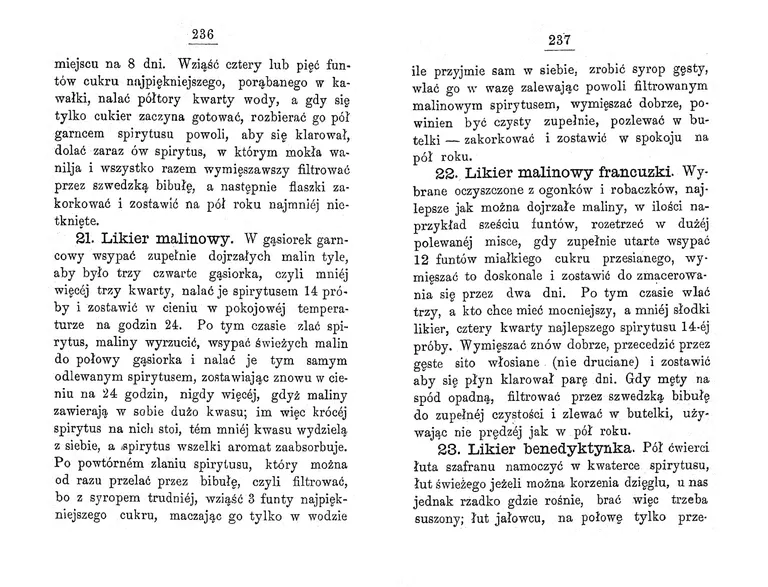
Distillers’ manuals, a Warsaw housewife’s liqueurs, and a town’s drink-tax auction: how Poland made vodka, and why the famous date of 1405 is about a pond.
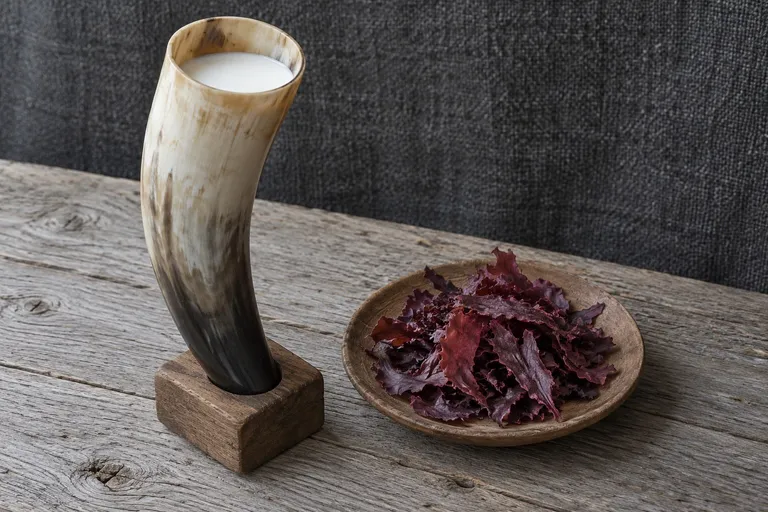
In Egil’s Saga, Thorgerd tricks her grieving father into drinking milk, breaking his fast so he lives to make a poem for his drowned son. What the saga says.
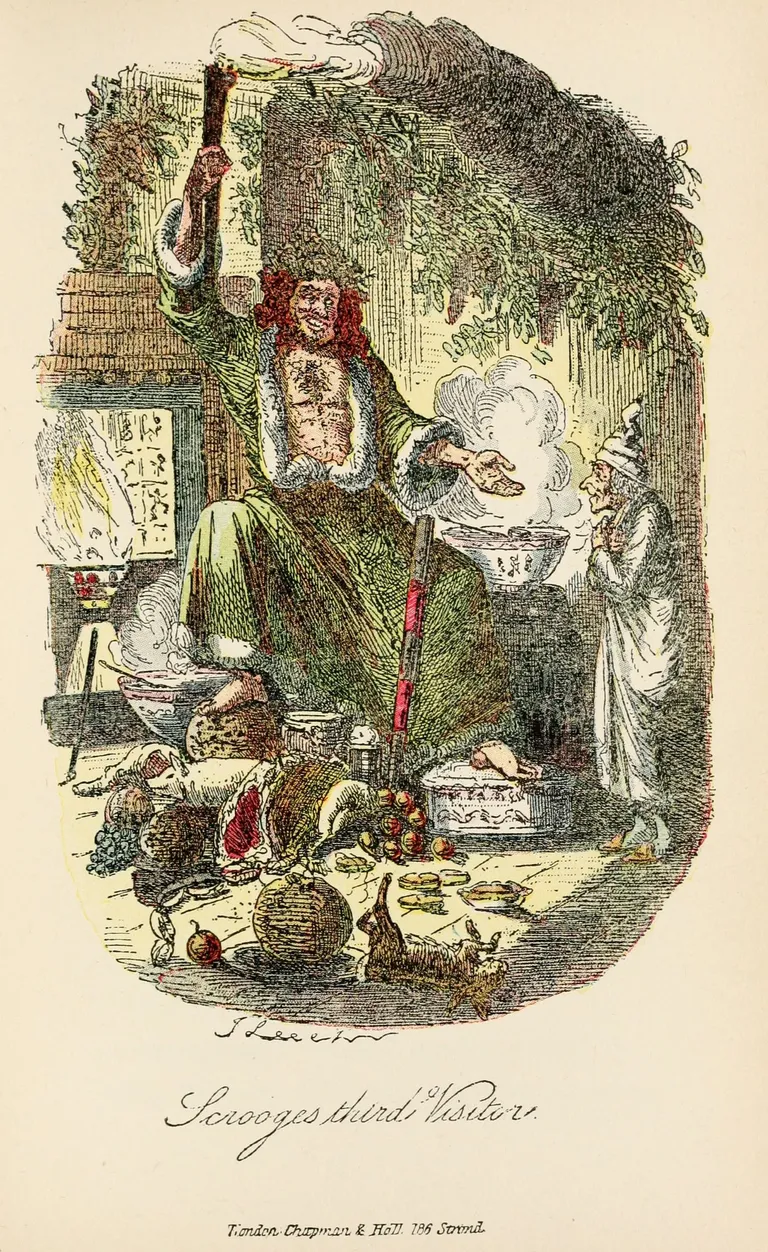
Hot punch, mulled claret, elder wine with toast, negus for the children and tea for teetotalers: what Victorians drank at Christmas, with three recipes.
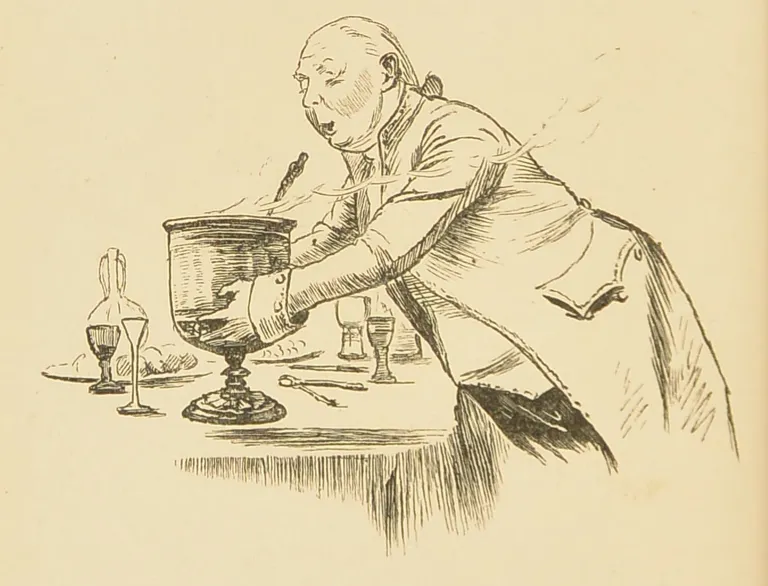
A toast to good health, then a Christmas bowl of hot spiced ale with toast and roasted apples, carried door to door and drunk to the apple trees.
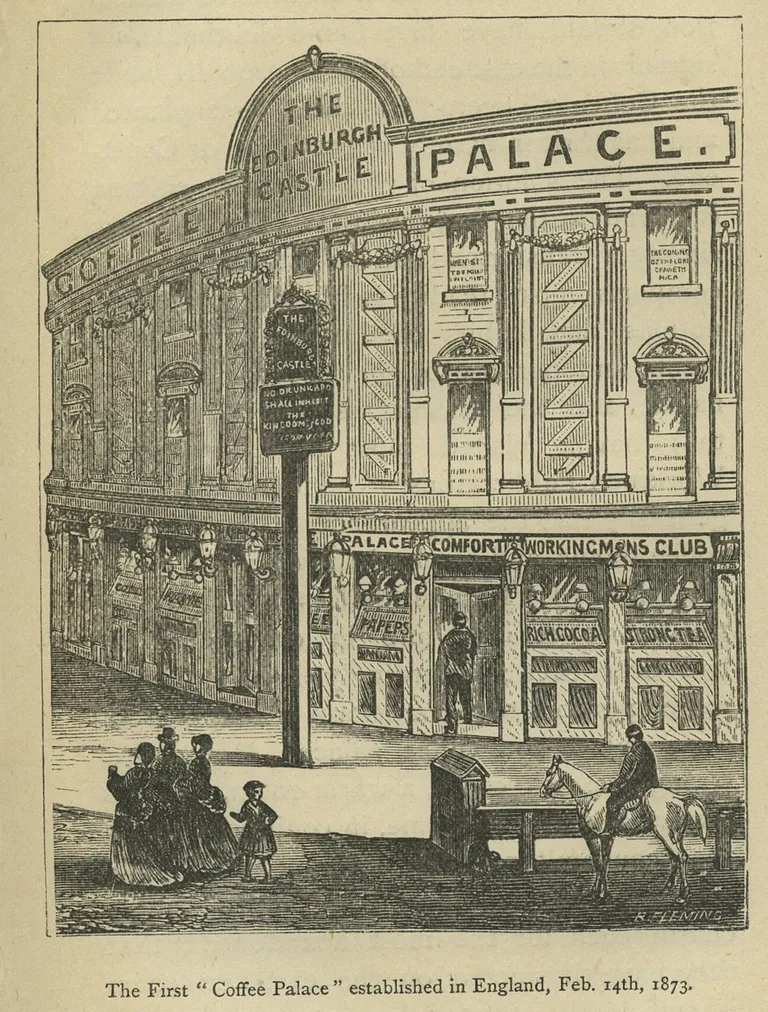
Penny cocoa, coffee and tea from gas-heated urns, served over a pub-style bar from 5 a.m.: the coffee taverns, coffee palaces and cocoa rooms of the 1870s.
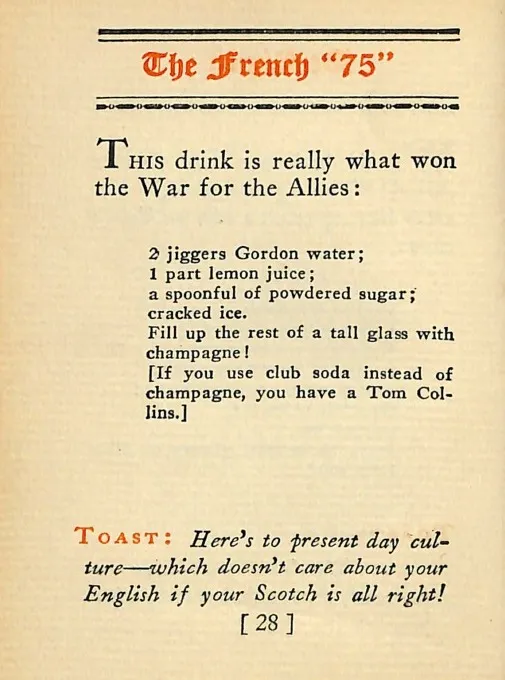
Gin, lemon, sugar and Champagne in New York in 1927, and Calvados, gin and grenadine in Paris the same year: the two drinks called the 75.
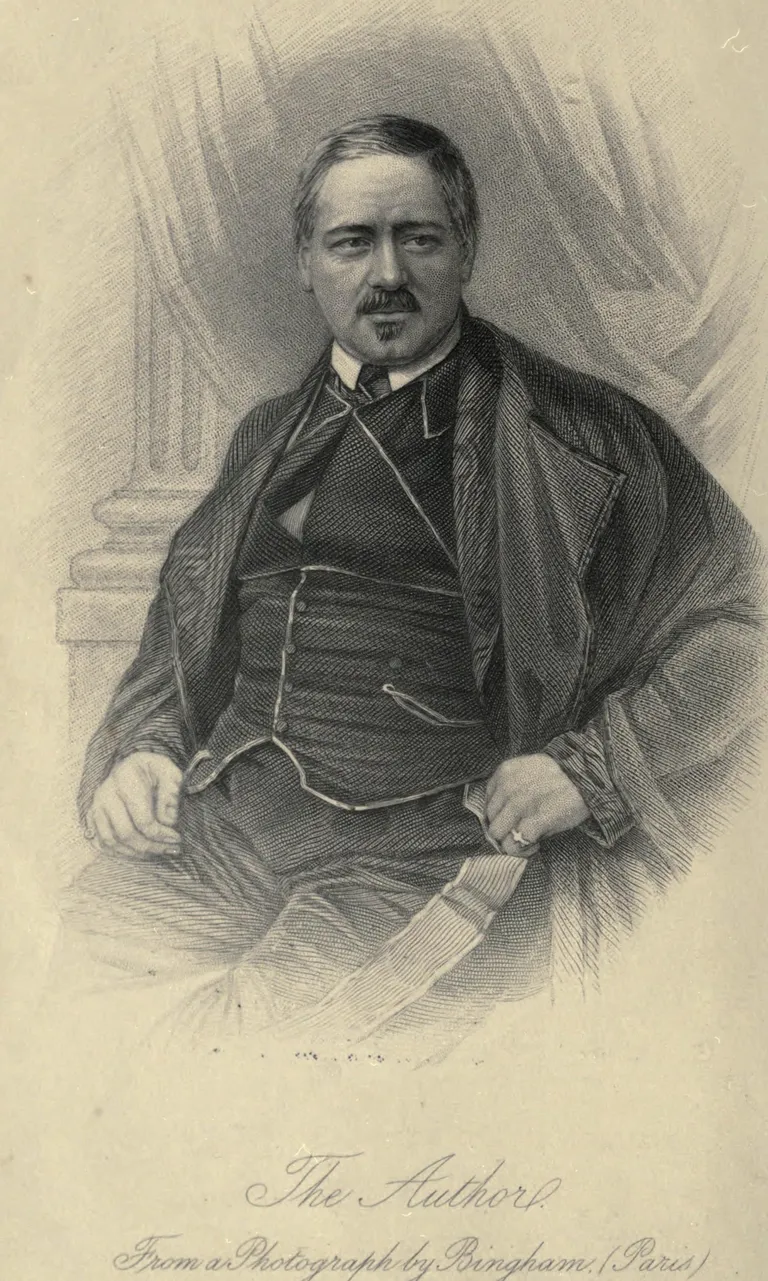
In the Scutari hospitals of 1855, sick soldiers drank tea, rice water, barley water and lemonade, many made to recipes by the chef Alexis Soyer.
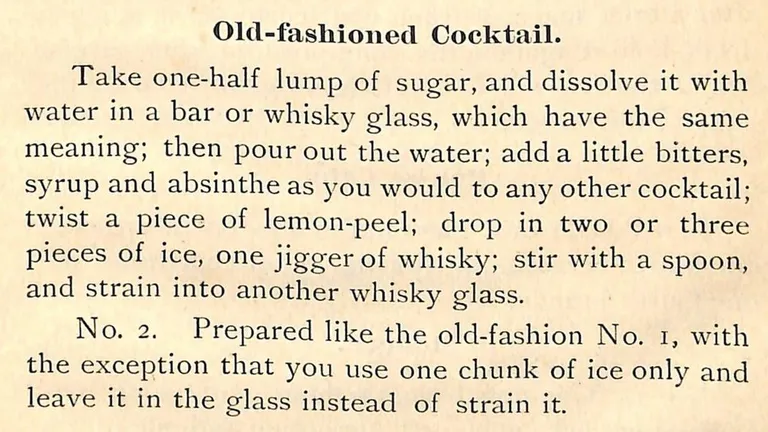
The drink goes back to 1806, but the name is from the 1880s, when drinkers wanted a plain cocktail among new ones. The earliest recipe by name we found: 1888.
Before the mocktail
People mixed them for health, for faith, for temperance or simply for thirst. Here they get the same research and the same billing as everything else.
Drink history calendar
Browse by era
How we work
Quotes and quantities are checked against scans of the original books, and every story ends with its sources, so you can check every claim for yourself.