Always alcohol-free
Horse’s Neck, Ginger Ale and a Spiral of Lemon Peel
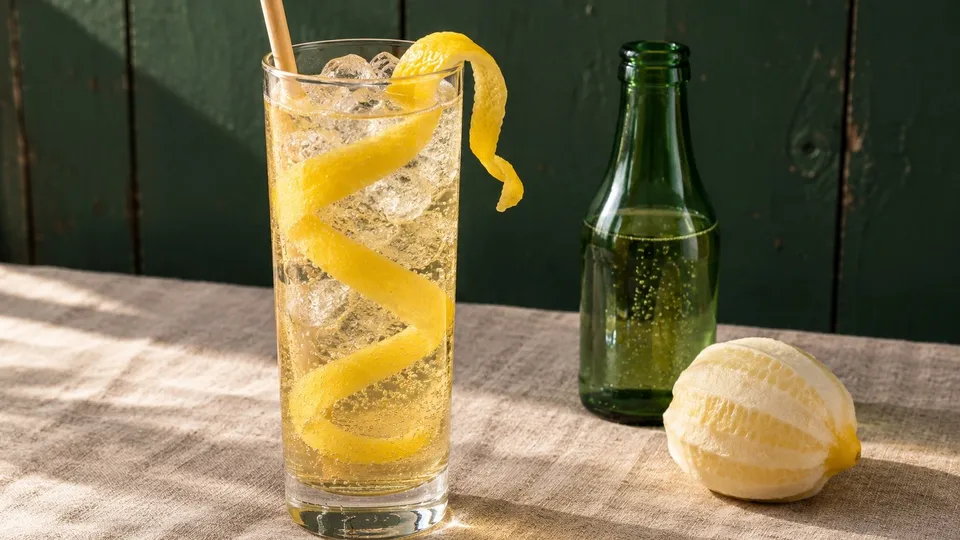
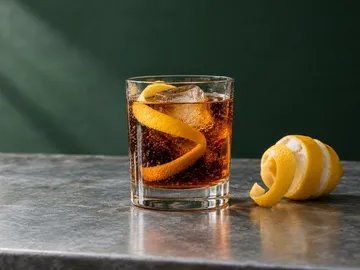
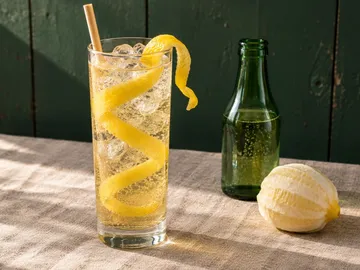
A whole lemon peel in one long spiral, ice and a bottle of ginger ale: the Horse’s Neck as an alcohol-free drink, the way an 1895 home-drinks column and a 1901 bar book made it.
Drinks by theme
1920s non-alcoholic drinks and older mocktails from period books: the grape juice highball, a 1922 bar book’s Pussyfoot, phosphates and the Horse’s Neck.
Updated
Make it today
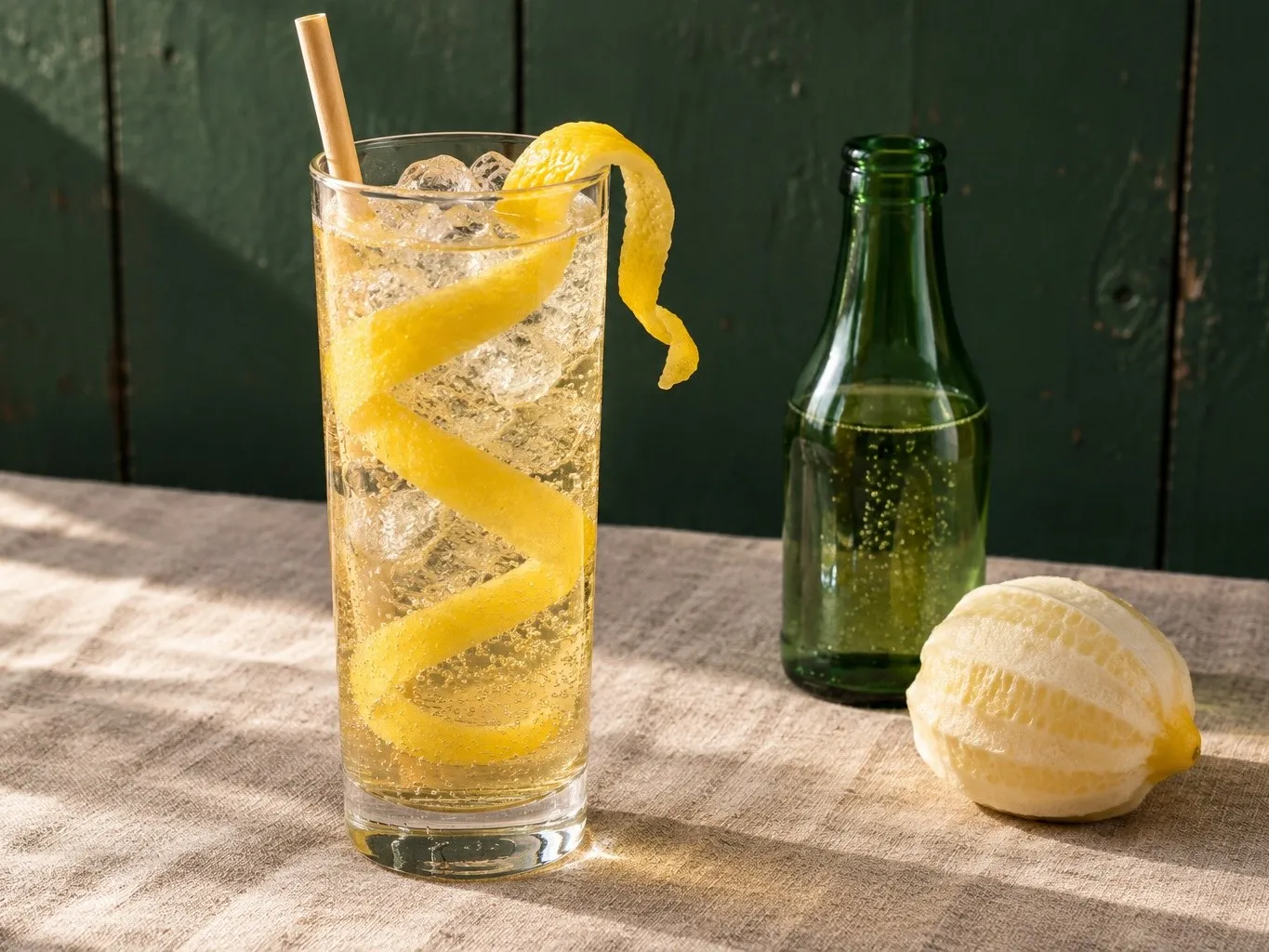
A whole lemon peel in one long spiral, ice and a bottle of ginger ale: the Horse’s Neck as an alcohol-free drink, the way an 1895 home-drinks column and a 1901 bar book made it.
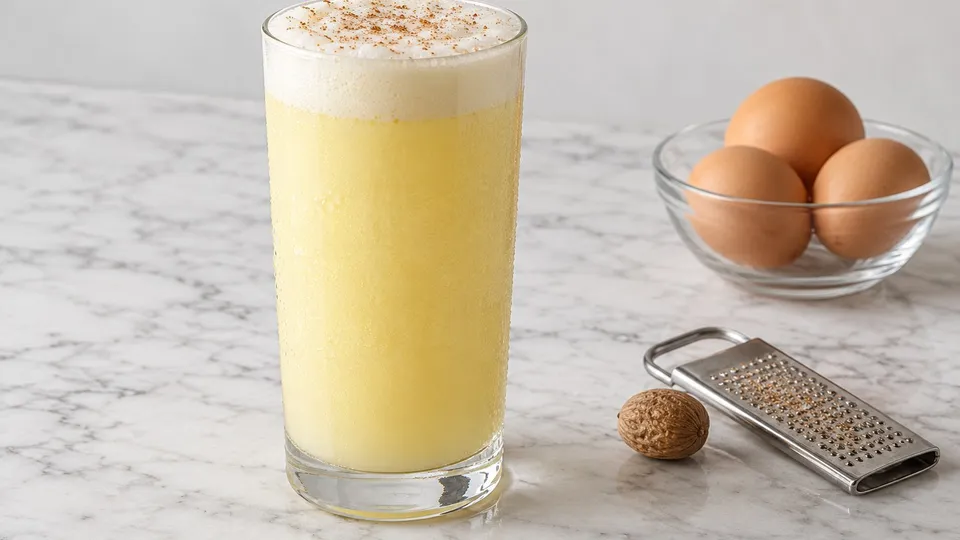
Lemon syrup, a whole egg and half a teaspoon of acid phosphate, shaken with ice and topped with soda: the soda fountain’s sour drink from What to Drink (1920).
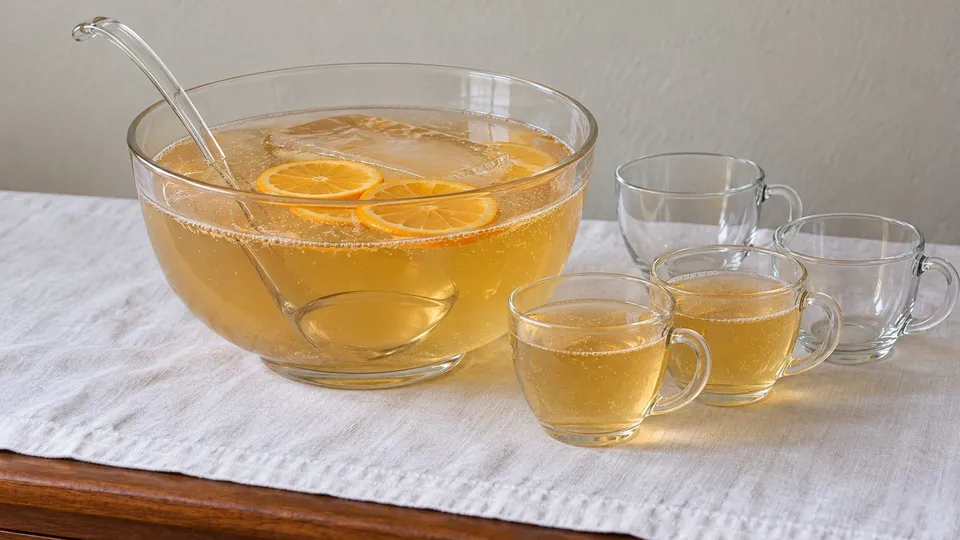
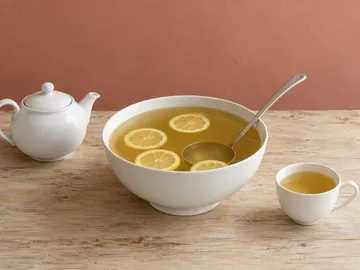
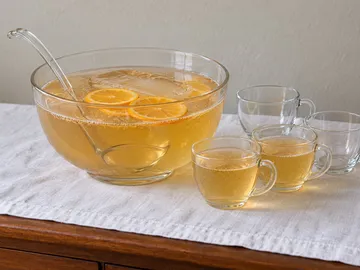
Weak tea, sugar, orange and lemon juice over a block of ice, topped with ginger ale and sparkling water at the last minute: a Prohibition party punch.
Yes. The word mocktail is modern, but bar books, household columns and soda-fountain manuals printed mixed drinks without alcohol for well over a century before it, measured, iced, shaken or stirred and finished with a twist of peel, the way a cocktail was.
The Horse’s Neck began that way. In 1895 a home-drinks column for “hospitable housewives” explained that “‘Horse’s neck’ consists of lemon peel and ginger ale,” and admitted it was “not an attractive name.” When The Cocktail Book of 1901, a Boston sideboard manual for gentlemen, printed it, the drink sat in a section headed “Non-Alcoholic Drinks.” The whiskey came later.
The soda fountain made the alcohol-free sour. Its dispensers sharpened fruit syrup and soda water with a spoonful of acid phosphate from the druggist’s shelf, and shook whole eggs into some of them, so a cherry or lemon egg phosphate has the bite and the foam of a bar drink. The lime rickey crossed over too: a San Francisco druggists’ journal printed one without gin in 1912.
When National Prohibition began in January 1920, the hostess’s guides caught up. Bertha Stockbridge’s What to Drink, published that year, filed its recipes under “Non-Alcoholic Cocktails,” and its party bowl held weak tea, citrus and ginger ale.
Every recipe here is alcohol-free and made like a cocktail. Most come from a book of their time; a few are our own alcohol-free versions of period drinks, and the Shirley Temple is a modern recipe with no printed period source. Each page says which.
‘Horse’s neck’ consists of lemon peel and ginger ale.
Soda-fountain drinks: phosphates, grape juice with soda, orangeade and lemonade. At home a dry party’s bowl held weak tea, citrus and ginger ale, and in London a bartender’s book of 1922 gave non-drinkers a chapter of cocktails of their own.
Five of them, made for a party, are in Five Alcohol-Free Drinks for a 1920s Party.
A phosphate is the soda fountain’s sour: fruit syrup and soda water sharpened with a spoonful of acid phosphate instead of a spirit’s bite. Served short and cold, it is the closest old drink to a modern sour mocktail.
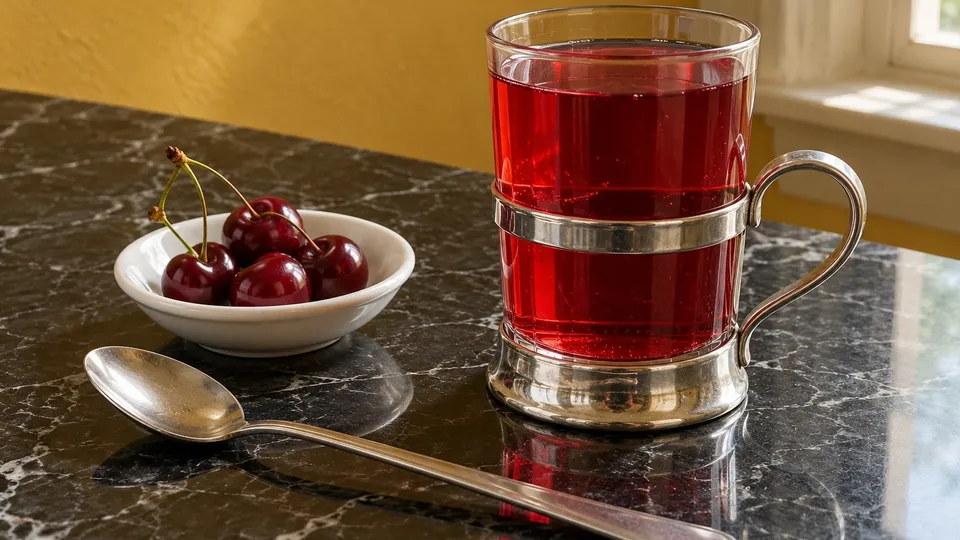
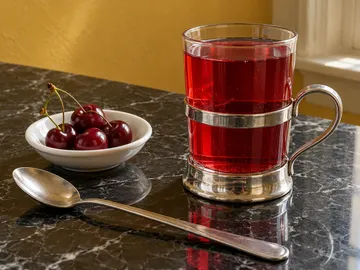
Fresh cherry syrup, cold soda water and acid phosphate added last, stirred in a short glass: the soda fountain’s cherry sour, after Saxe’s dispensers’ guide of 1894.
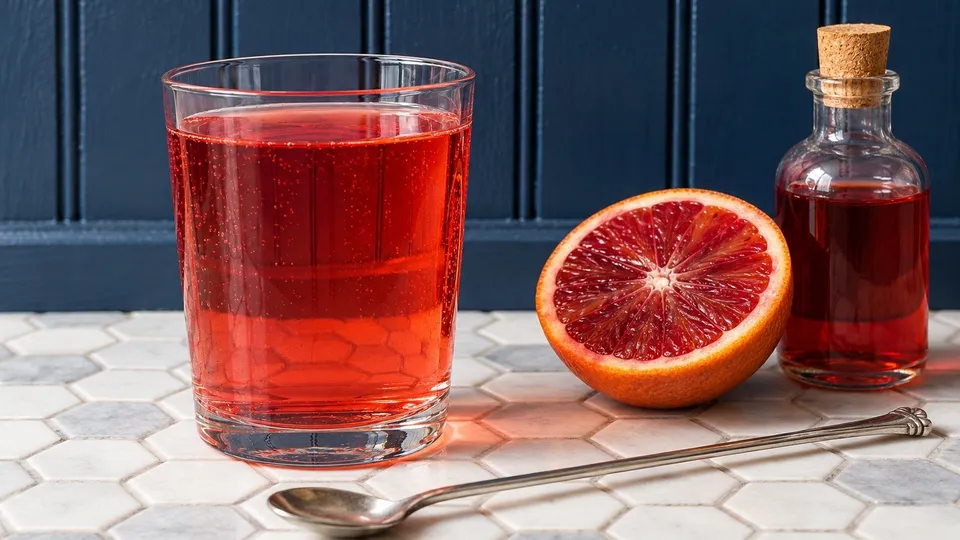
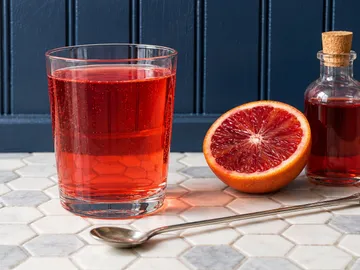
Blood orange and raspberry syrup, plain soda water and a teaspoon of acid phosphate, stirred and served still: Saxe’s red orange phosphate from Chicago, 1894.
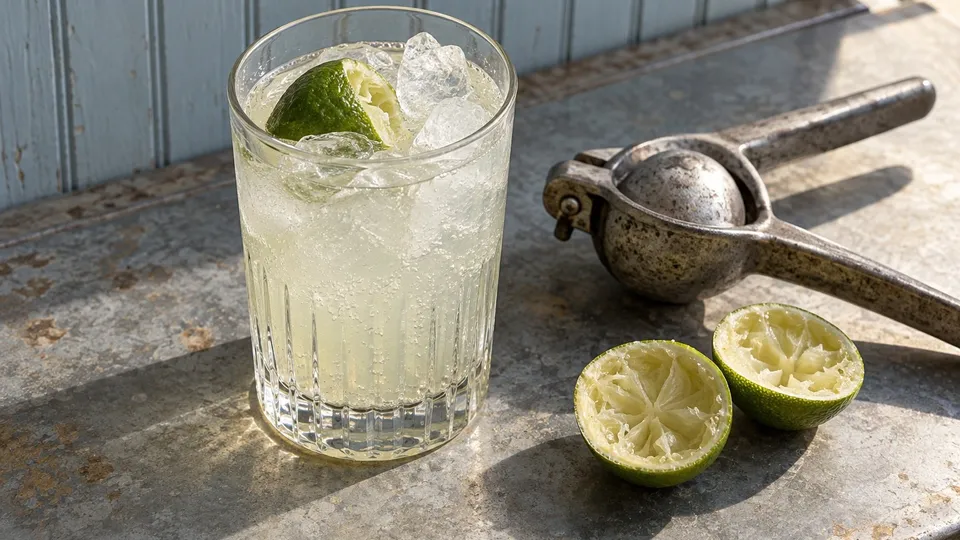
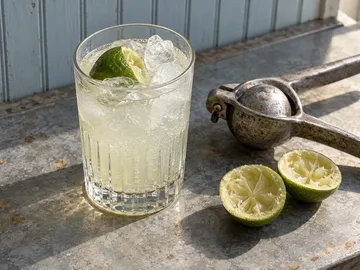
A whole lime squeezed over pineapple syrup, then cracked ice and a fill of soda water: the alcohol-free lime rickey from a San Francisco druggists’ journal of 1912.
No one can name one, but the Horse’s Neck of ginger ale and a whole lemon peel was in print as a soft drink by 1895, years before anyone added whiskey. The highball glass suited alcohol-free drinks from the start.
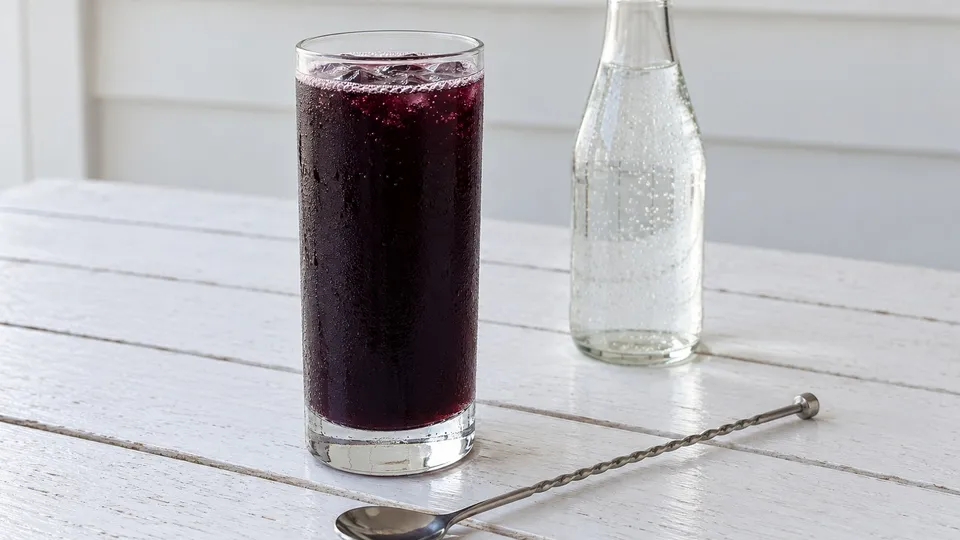
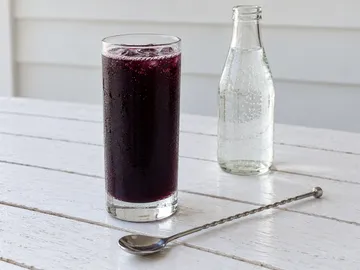
A cup of purple grape juice, a teaspoon of syrup, a little cracked ice and a top of soda water: the highball as a 1920 temperance hostess served it.
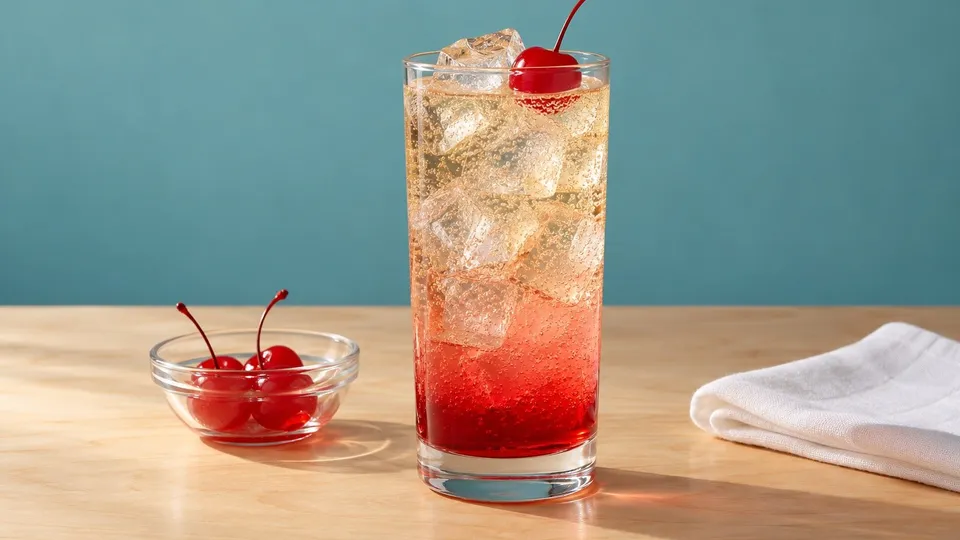
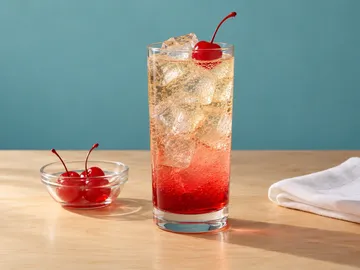
Ginger ale over ice, a spoonful of grenadine sinking to the bottom and a maraschino cherry: a modern recipe for the Shirley Temple, with what is known of its history.
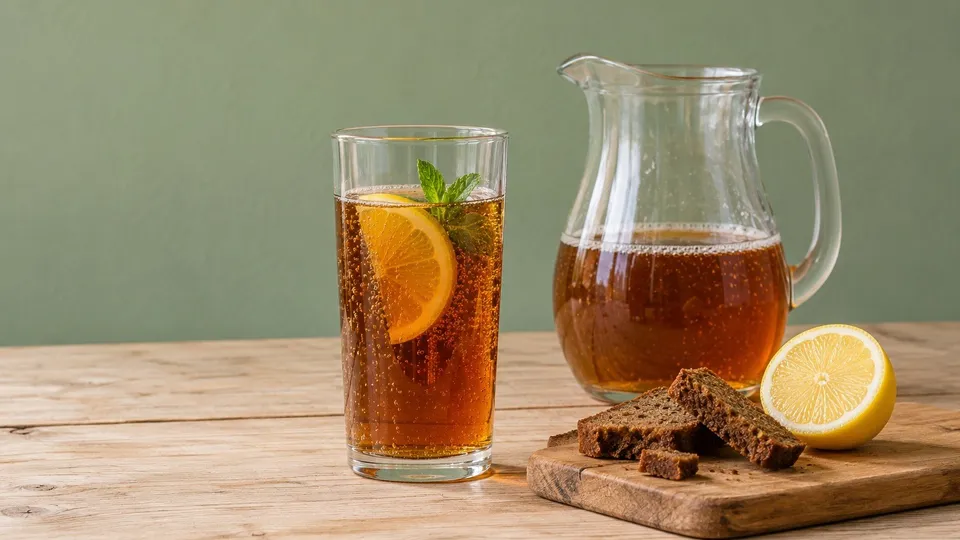
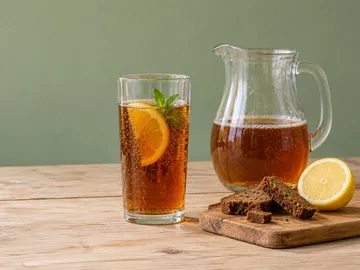
Dried rye bread and fresh mint steeped in boiling water, sweetened with dark treacle and sharpened with lemon, then lifted with soda water: Molokhovets’s 1887 kvass made without yeast.
Drinks shaken or stirred at the bar like any cocktail, with juice, syrup and bitters in place of the spirit. A London bar book of 1922 printed a whole chapter of them.
Robert Vermeire’s chapter, drink by drink, is in 1920s Mocktails From a London Bar Book.
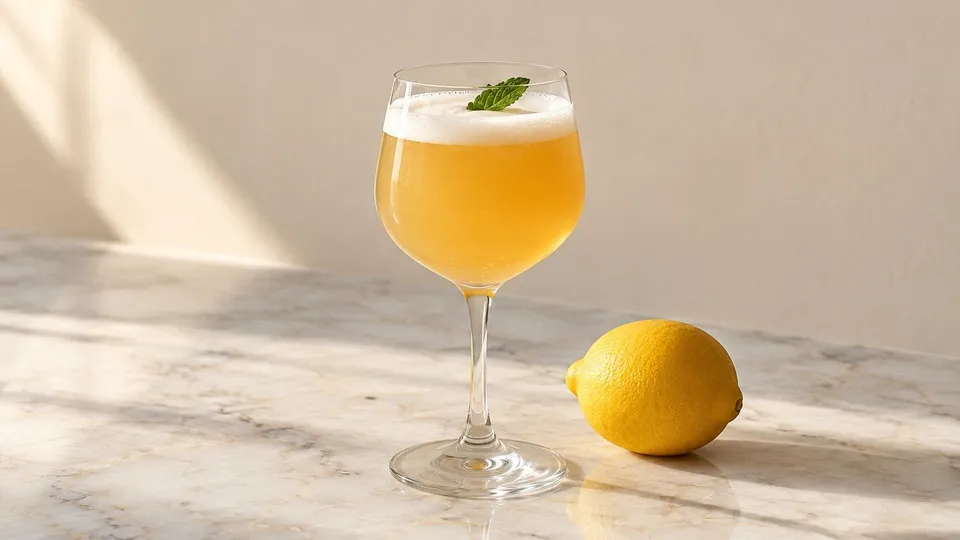
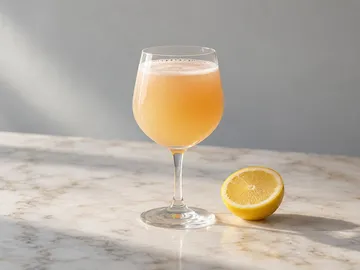
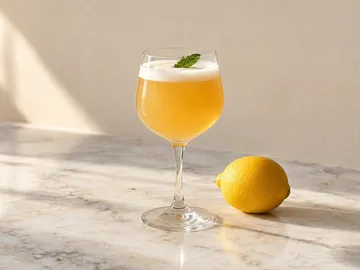
Lemon and orange juice shaken with a little syrup, mint and egg white: the alcohol-free cocktail a London bartender named in 1922 for the dry campaigner Pussyfoot Johnson.
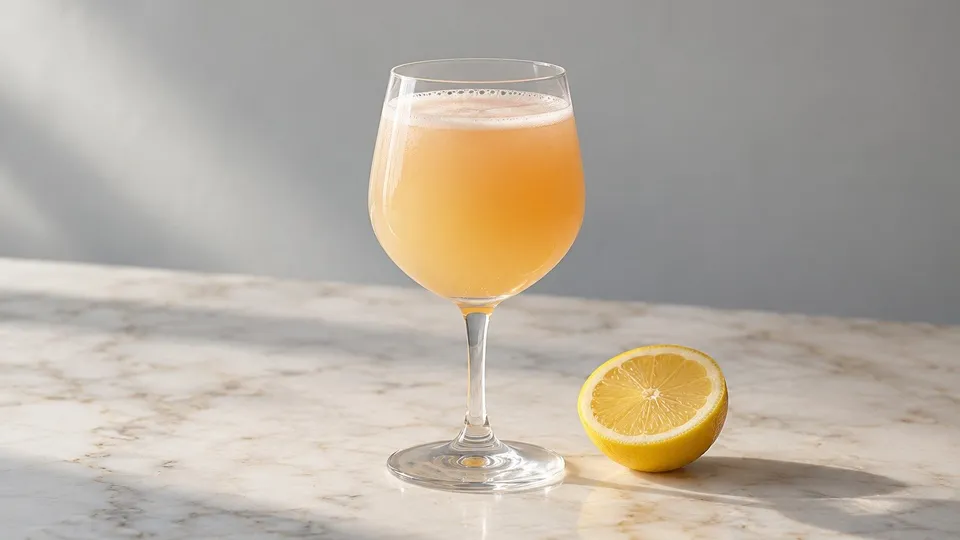
Lemon and orange juice shaken with a few dashes of bitters and only as much syrup as you want: the sharp Florida Cocktail from the alcohol-free chapter of a 1922 London bar book.
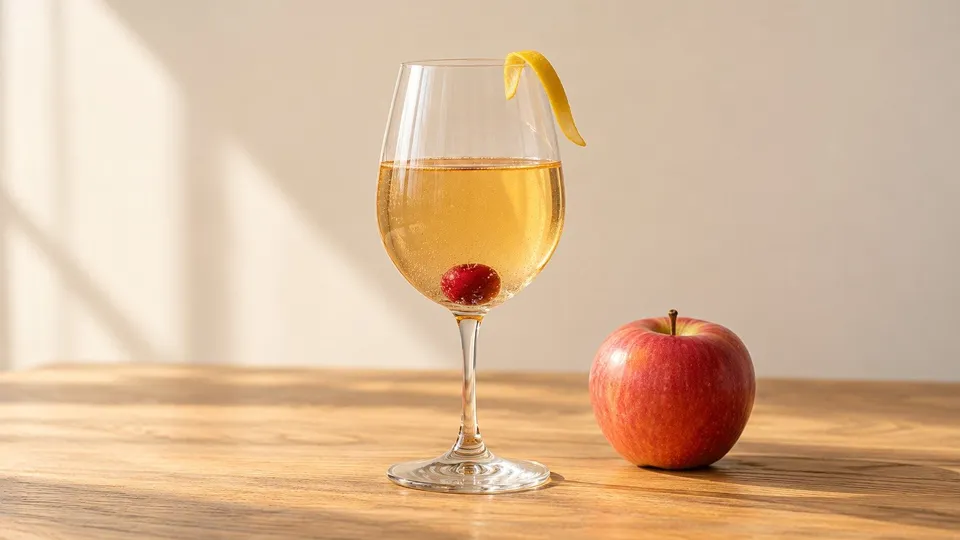
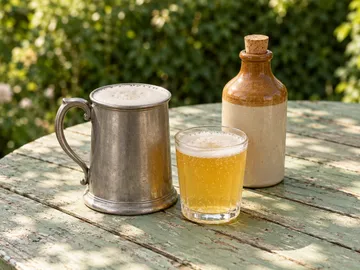
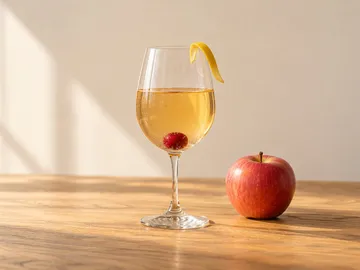
Non-alcoholic cider stirred with gum syrup and bitters, strained into a wine glass with a cherry and a squeeze of lemon peel: an old-style cocktail without the spirit, from a 1922 London bar book.
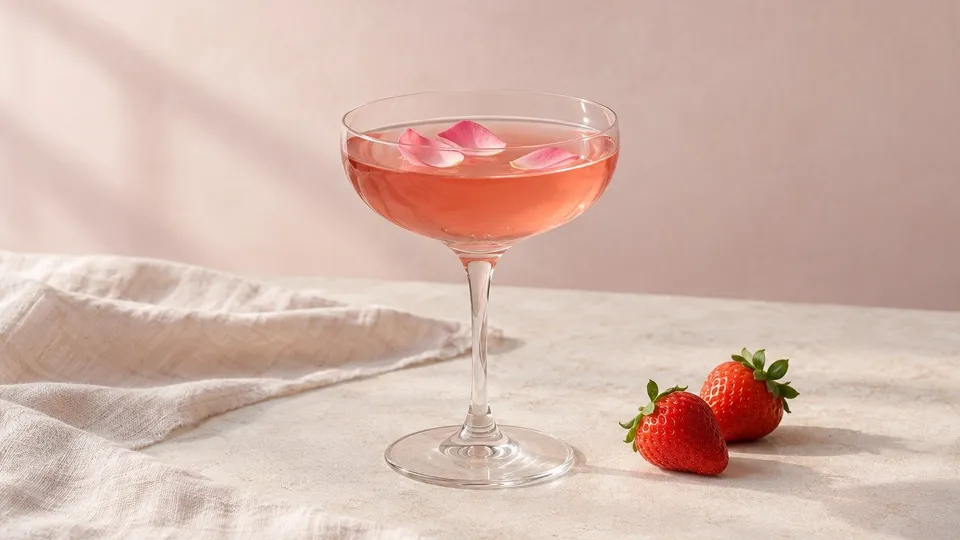
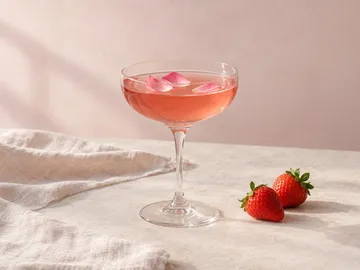
Strawberries, pineapple, orange and lemon shaken with orange-flower water and strained into a small wine glass under rose petals: the alcohol-free Rose Cocktail of a 1922 London bar book.
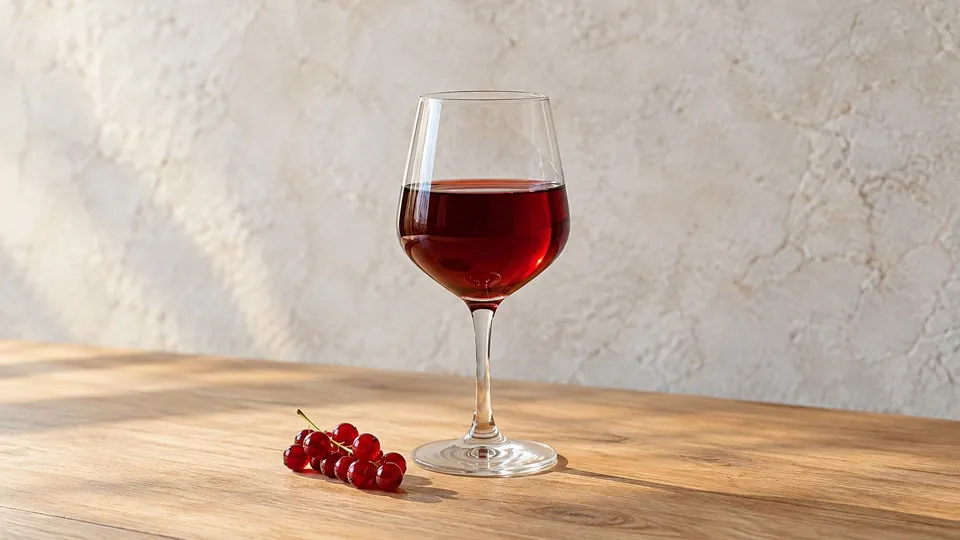
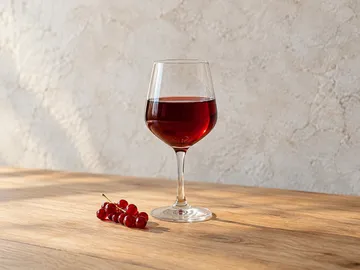
Currants, raspberries and strawberries mashed with sugar, the juice shaken with lemon and water and strained into a small wine glass: an alcohol-free cocktail from a 1922 London bar book.
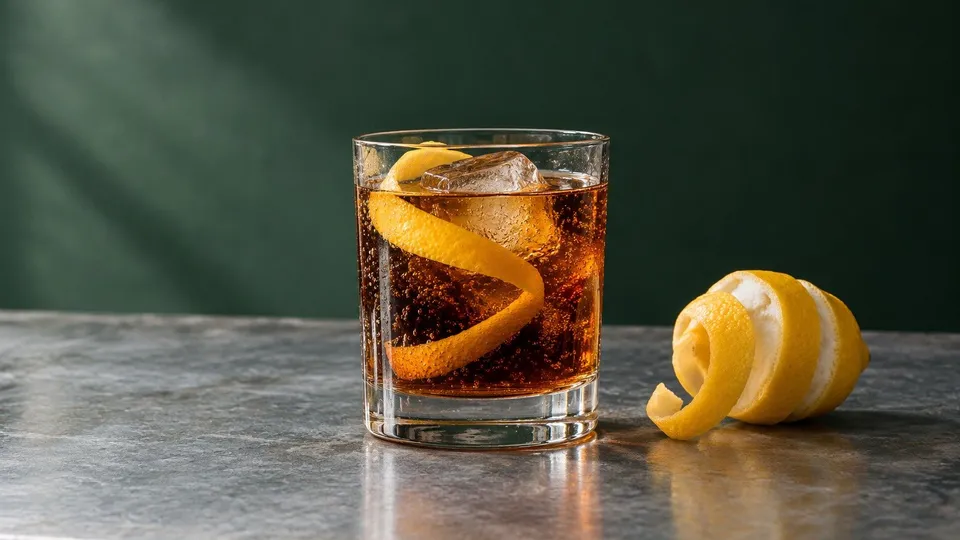
Equal parts sarsaparilla and ginger ale over a lump of ice and a whole lemon peel in a large tumbler, drunk while it fizzes: a soft cooler from a 1922 London bar book.
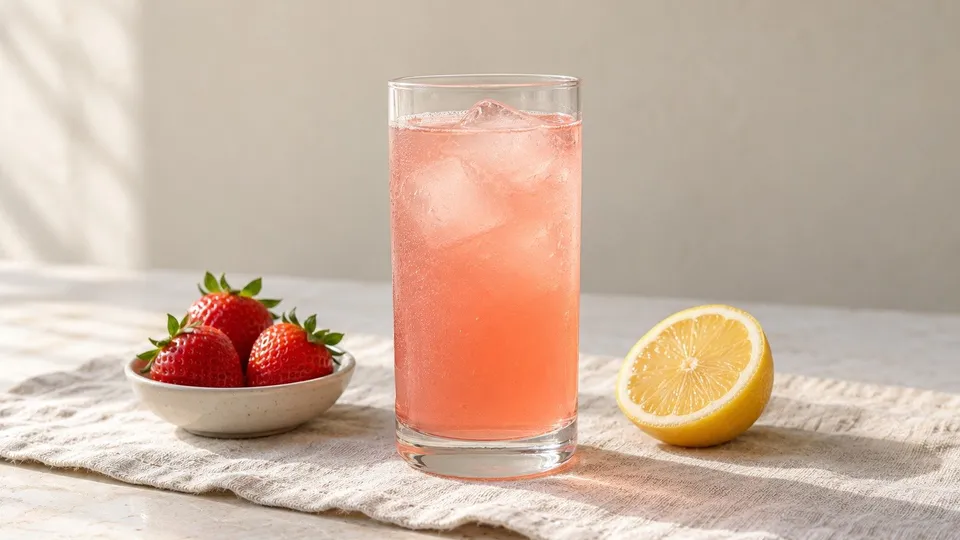
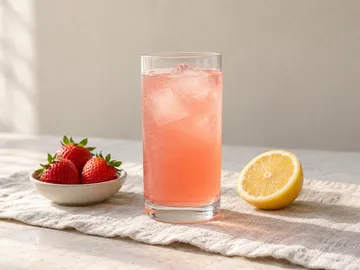
Ripe strawberries mashed and left on ice for four hours with lemon, lemon-rubbed sugar, orange-flower water and cold water, then strained: an alcohol-free sherbet from a 1924 London book of home drinks.
The old answer is a bowl of citrus, sugar, cold tea or water and something fizzy added at the last minute. Glasgow tasted its punch that way before the rum went in, and Prohibition hostesses never added it at all.
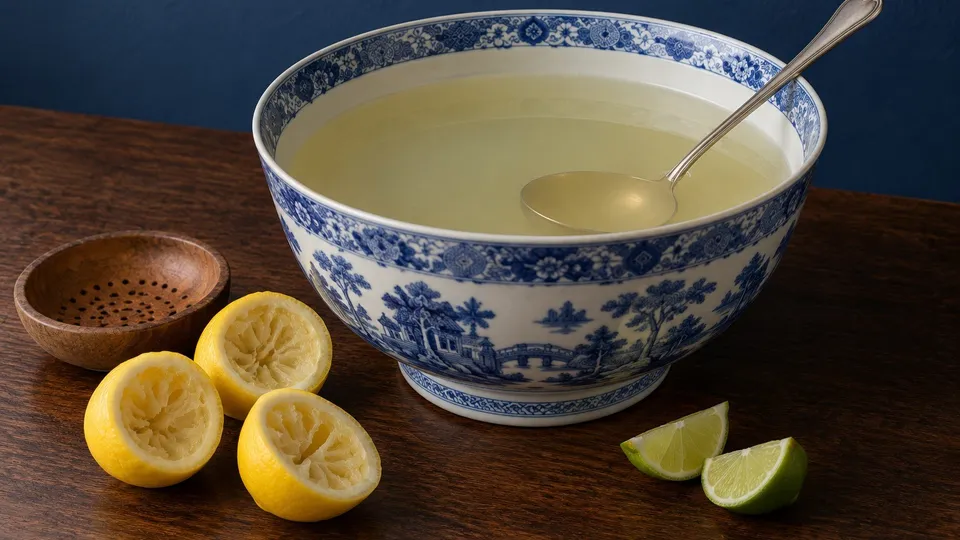
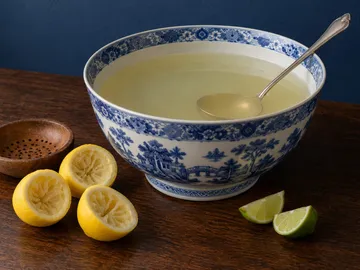
Sugar melted in cold water, a dozen lemons’ juice strained in, the bowl filled with the coldest water and finished with limes: Glasgow punch as it was tasted before the rum.
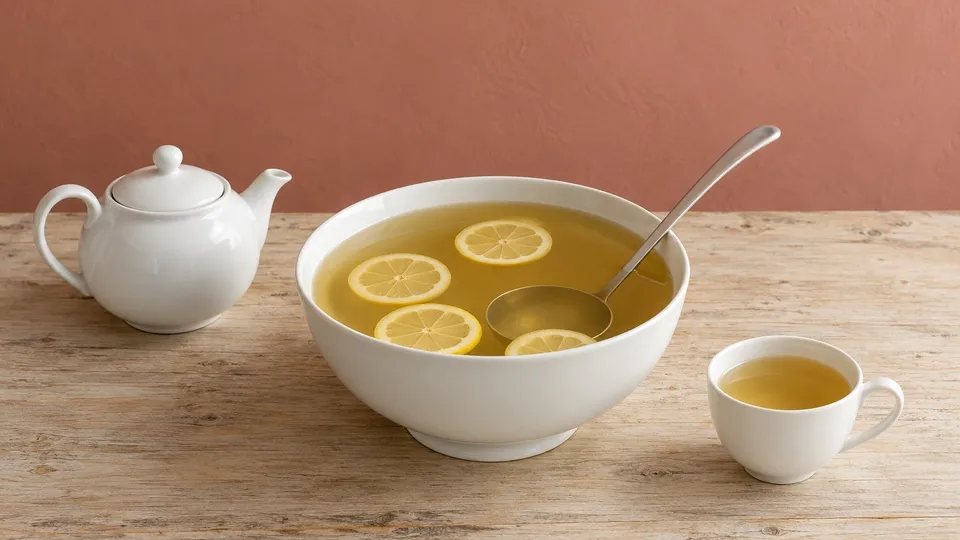
The green tea, lump sugar rubbed on lemon peel and lemon juice of Jerry Thomas’s 1862 tea punch, with hot water in place of the brandy and rum, served from a warm bowl.
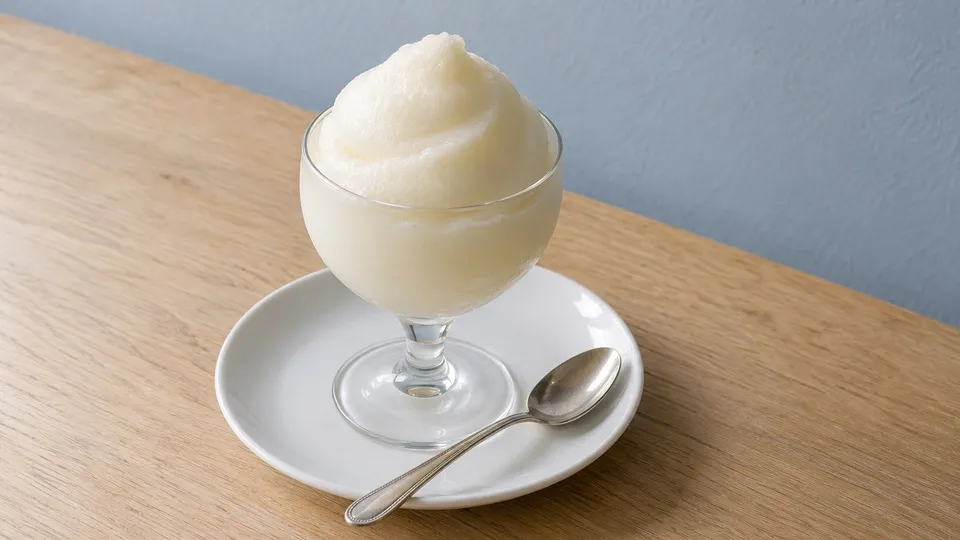
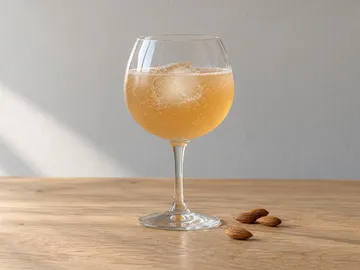
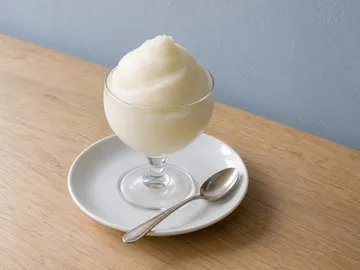
Escoffier’s half-frozen Punch à la Romaine without the wine or rum: white grape juice, orange and lemon steeped in syrup, churned to a soft ice and lightened with Italian meringue.
The full list
22 recipes in Vintage Mocktails: 1920s Non-Alcoholic Drinks and Older
Try a different ingredient or recipe name, or use Clear filters above to see the full collection.
Recipes could not be loaded. or browse this collection page without filters.
Alcohol-free version
Always alcohol-free
Alcohol-free version
Always alcohol-free
Always alcohol-free
Alcohol-free version
Alcohol-free version
Always alcohol-free
Always alcohol-free
Always alcohol-free
Alcohol-free version
Alcohol-free version
Alcohol-free version
Alcohol-free version
Always alcohol-free
Always alcohol-free
Always alcohol-free
Always alcohol-free
Always alcohol-free
Always alcohol-free
Always alcohol-free
Always alcohol-free
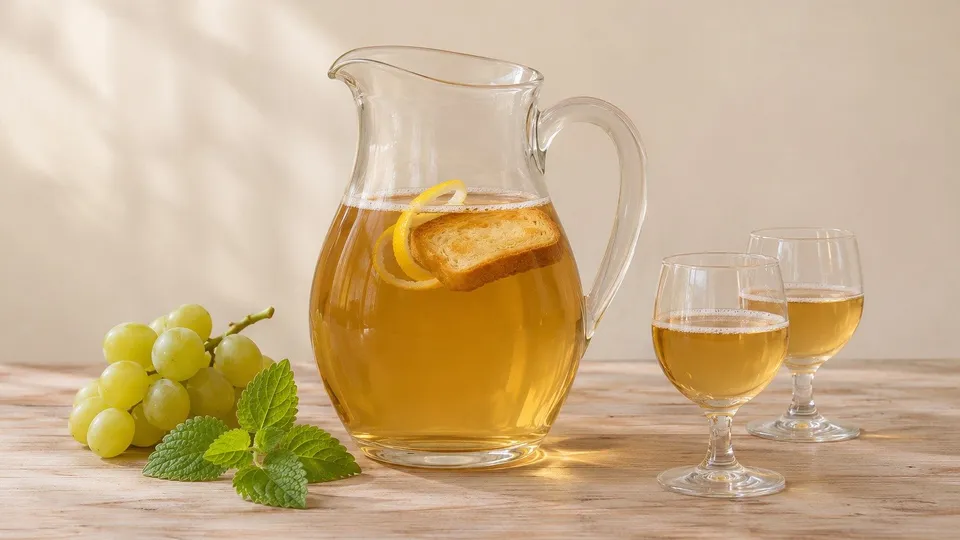
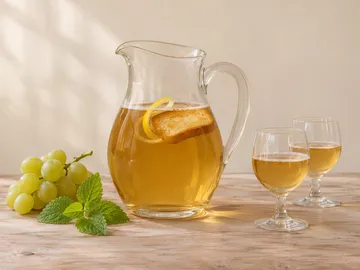
Spencer’s 1903 Ale Cup made without alcohol: a 0.0% ale and white grape juice poured cold over hot toast with lemon, sugar, nutmeg and a sprig of balm.
Dried rye bread and fresh mint steeped in boiling water, sweetened with dark treacle and sharpened with lemon, then lifted with soda water: Molokhovets’s 1887 kvass made without yeast.
Escoffier’s half-frozen Punch à la Romaine without the wine or rum: white grape juice, orange and lemon steeped in syrup, churned to a soft ice and lightened with Italian meringue.