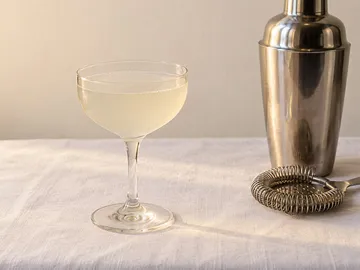
Sidecar, Brandy, Cointreau and Lemon
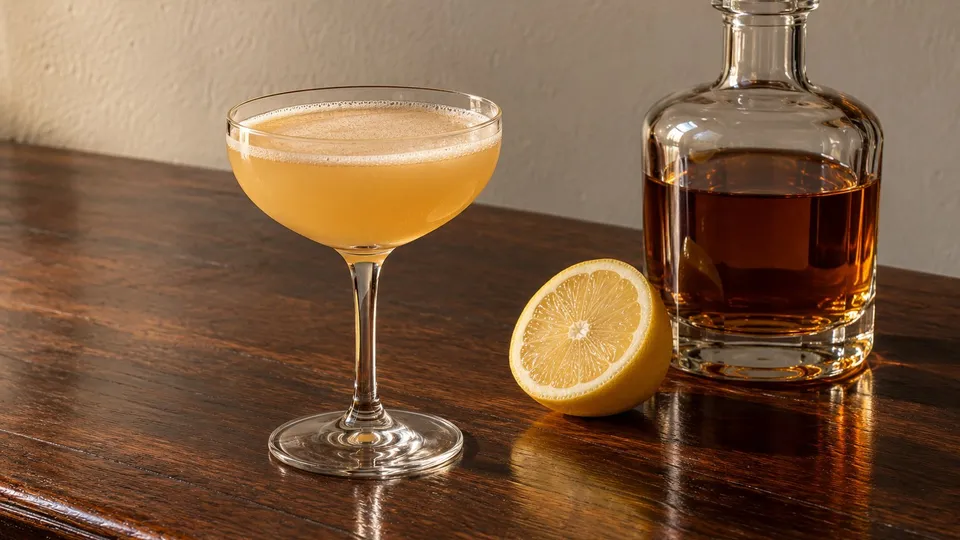
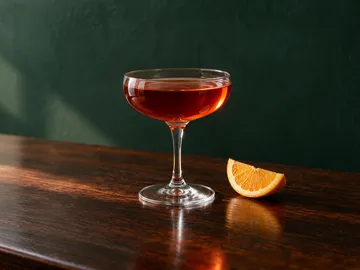
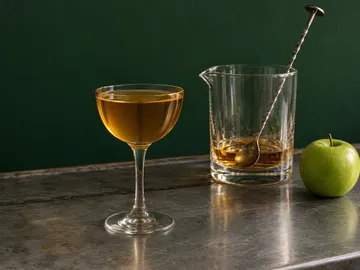
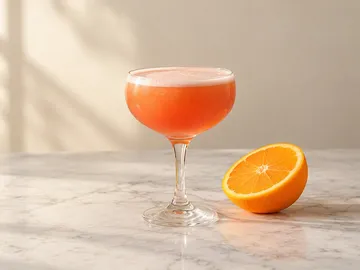
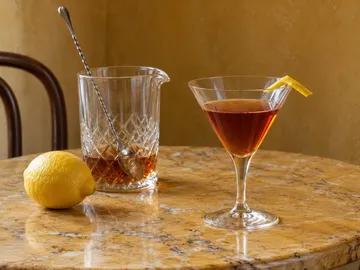
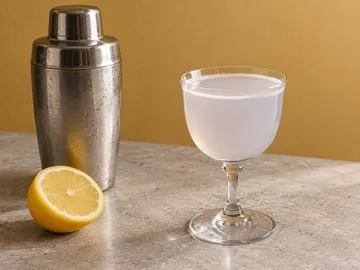
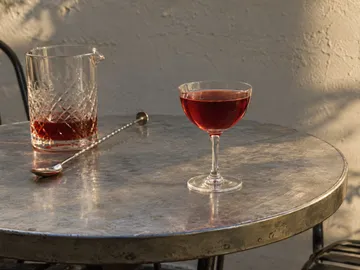
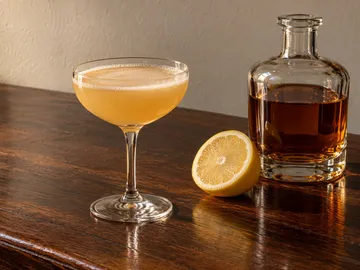
Harry MacElhone’s Sidecar, printed in London in late 1923 or after: brandy, Cointreau and lemon in equal parts, sharper and more orange-led than the brandy-heavy version poured today.
Drinks by theme
1920s drinks from the books of the decade: the Sidecar, White Lady and Monkey Gland of London and Paris bars, and Prohibition’s soda-fountain drinks.
Updated
Make it today
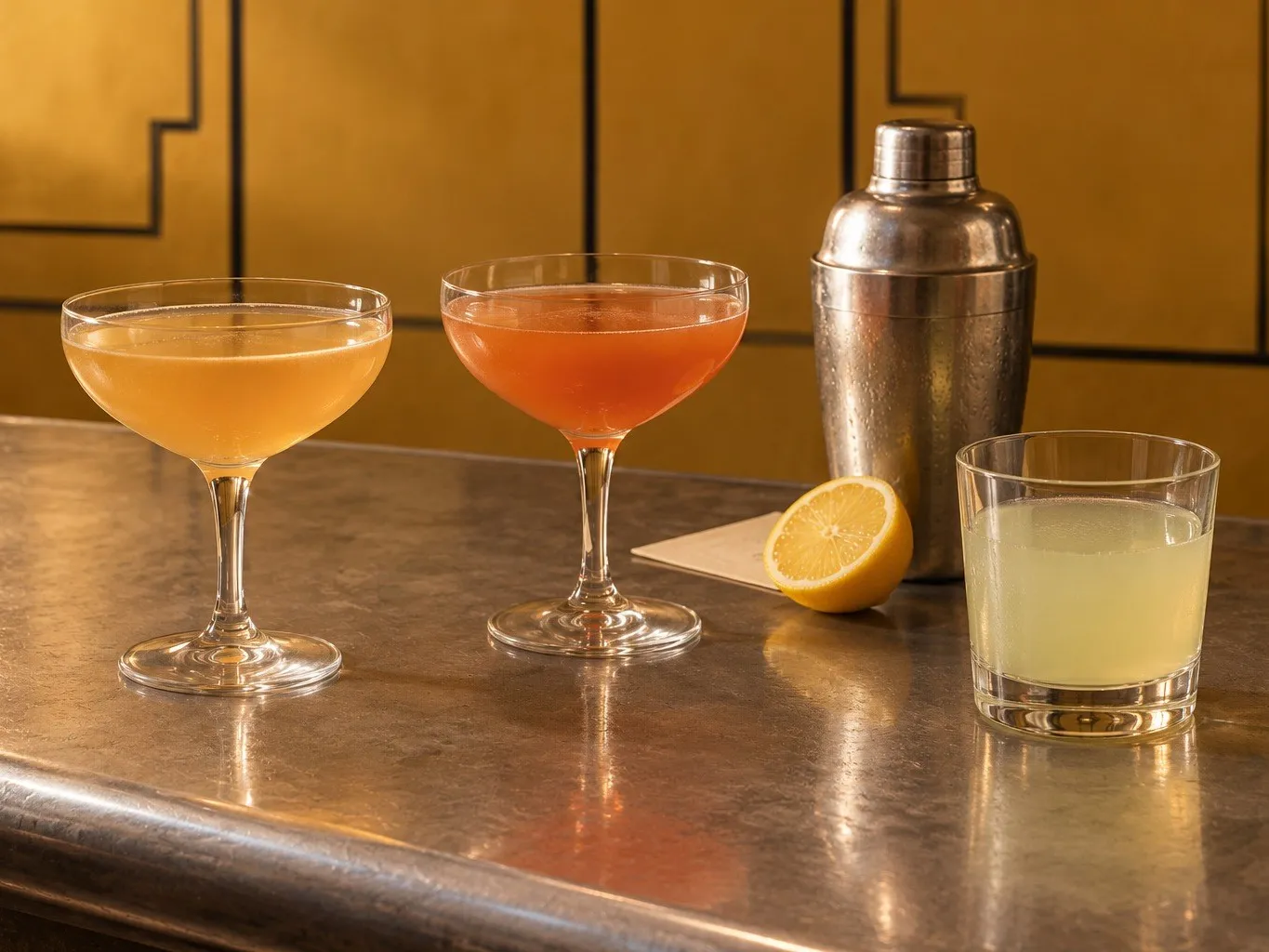
Harry MacElhone’s Sidecar, printed in London in late 1923 or after: brandy, Cointreau and lemon in equal parts, sharper and more orange-led than the brandy-heavy version poured today.
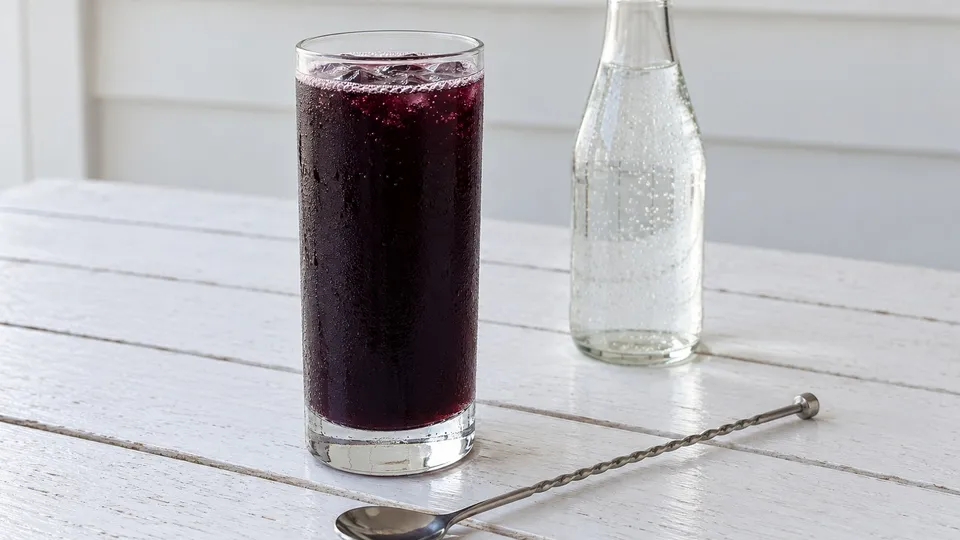
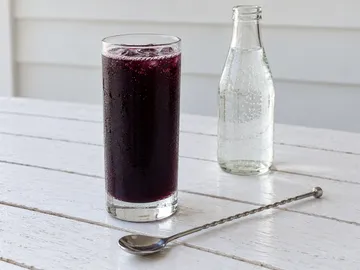
A cup of purple grape juice, a teaspoon of syrup, a little cracked ice and a top of soda water: the highball as a 1920 temperance hostess served it.
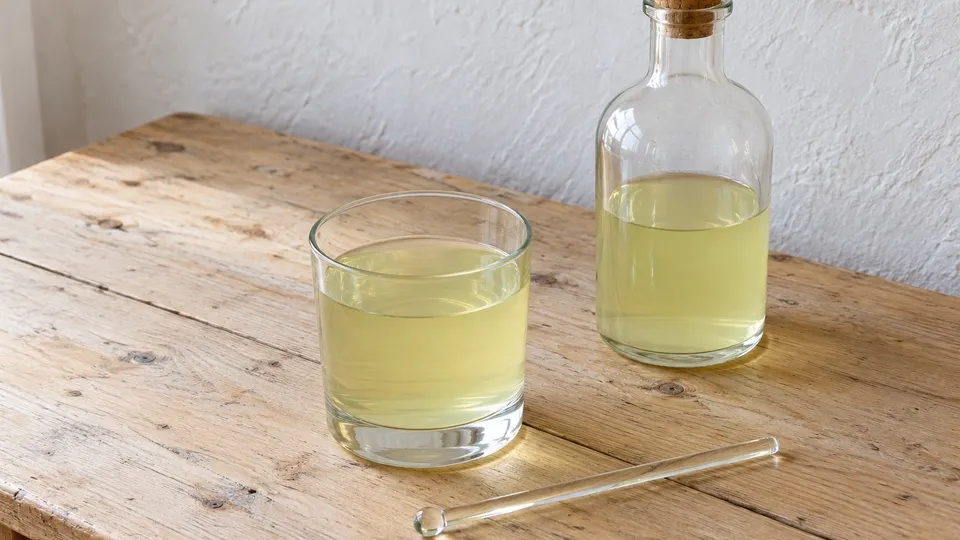
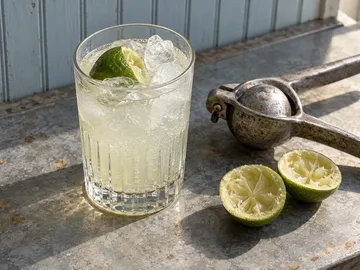
Plymouth gin and Rose’s lime juice cordial in equal halves, stirred and served in the same glass, iced only if you like: the Gimlet as Harry MacElhone printed it in London in 1923, with a note that it was popular in the Navy.
In London and Paris, short cold cocktails of gin or brandy with citrus, a French liqueur or vermouth: the Sidecar, the Monkey Gland, the White Lady, the Gimlet. In the United States, dry from January 17, 1920, the law-abiding drank at the soda fountain, from egg phosphates to grape juice highballs, and mixed ginger ale punch for their parties.
The bar books of the decade were printed abroad. Harry MacElhone, signing himself “Harry” of Ciro’s, published his ABC of Mixing Cocktails in London in 1923. Its recipes are mostly fractions of a glass: the Sidecar of brandy, Cointreau and lemon in equal parts; the Monkey Gland of gin and orange juice, marked as his own; a White Lady with no gin in it at all. By 1927 he owned Harry’s New York Bar in Paris, and his Barflies and Cocktails of that year has the Boulevardier in a single line.
The dry side had its own trade. A New York soda-fountain monthly counted “no less than 1,000 new fountains” put in across Cleveland in twelve months, and its reporter thought the fountain had “succeeded in a measure to the place filled in this respect by the saloon.” Bertha Stockbridge’s What to Drink (1920) gave the hostess grape juice highballs, egg phosphates and a ginger ale punch, filed under “Non-Alcoholic Cocktails.”
The decade ended with the tomato. In January 1929 a Broadway cocktail of equal parts tomato juice and gin was drunk against the next morning’s headache; by 1930 a Washington hotel served a tomato juice cocktail with no gin at all.
Most recipes here come from books of the decade; the older classics it still poured, and our alcohol-free versions, say so on their own pages.
It has succeeded in a measure to the place filled in this respect by the saloon.
Short, cold and shaken, made with gin or brandy, citrus and a liqueur or vermouth. The London and Paris bar books of MacElhone and his rivals are the record of what was poured.
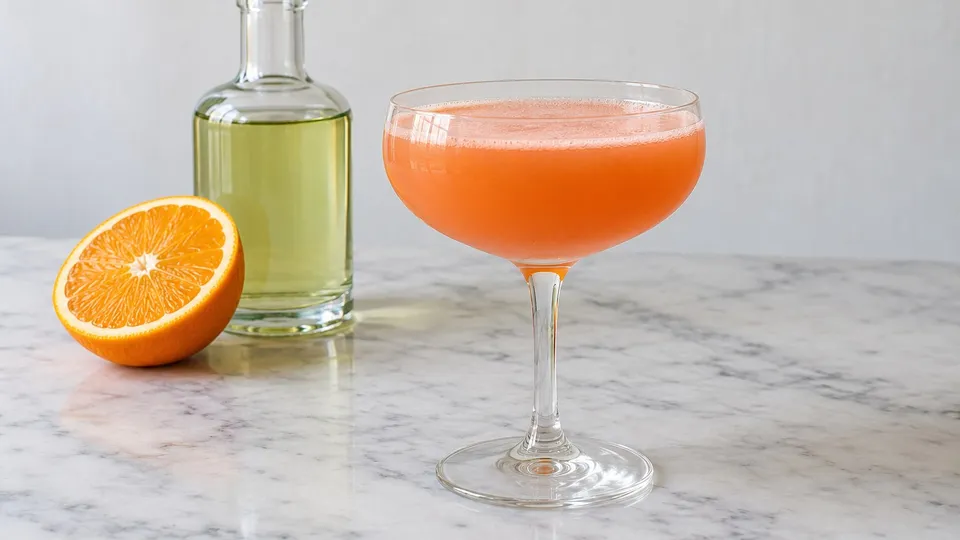
Gin and orange juice in equal parts with grenadine and a dash of absinthe, named in 1923 after a surgeon who grafted monkey glands into aging men.
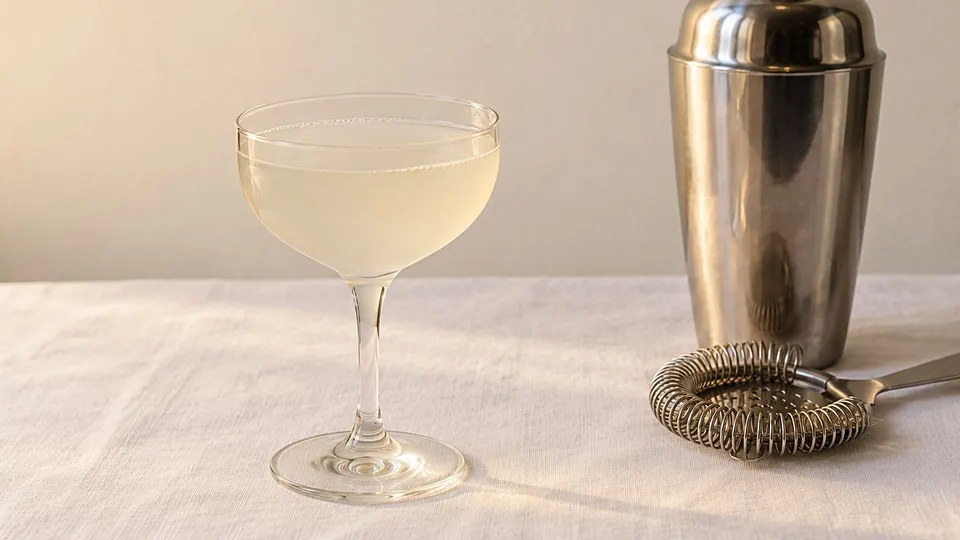
Harry MacElhone’s earliest printed White Lady had no gin: two-thirds Cointreau with a little brandy and crème de menthe, and no citrus at all.
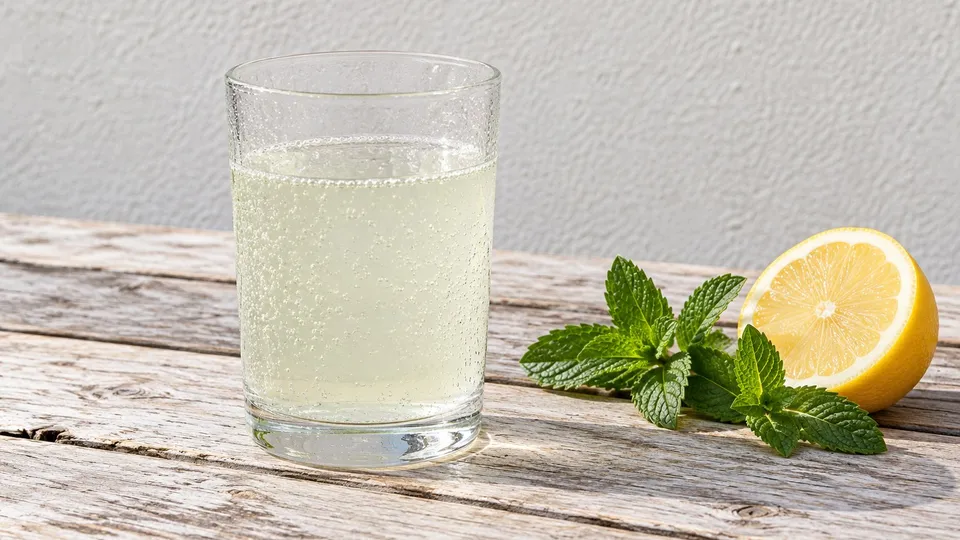
Gin, lemon, sugar and fresh mint, shaken and topped with soda in a tumbler: the South Side as Harry MacElhone printed it in 1923, before the gangster stories.
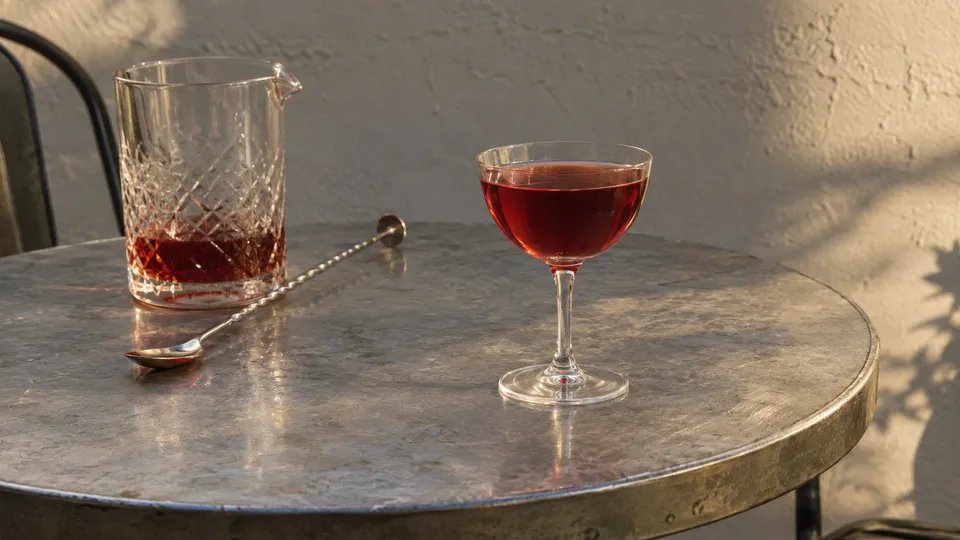
Bourbon, Campari and Italian vermouth in equal thirds: Erskine Gwynne’s drink, recorded in a single line of Barflies and Cocktails in Paris in 1927.
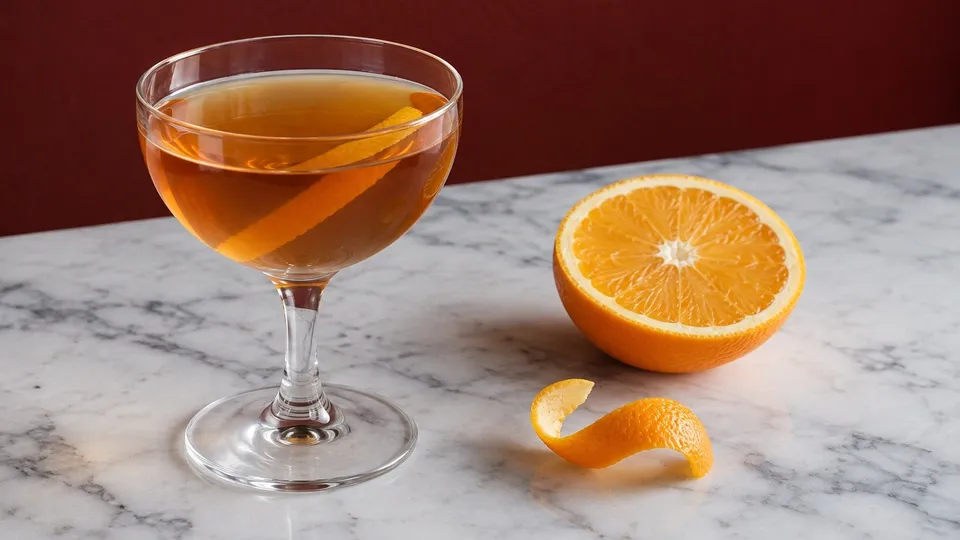
Equal thirds of gin, French and Italian vermouth, with orange bitters, a spoonful of orange juice and a squeeze of peel: the Bronx as William Boothby printed it in 1908.
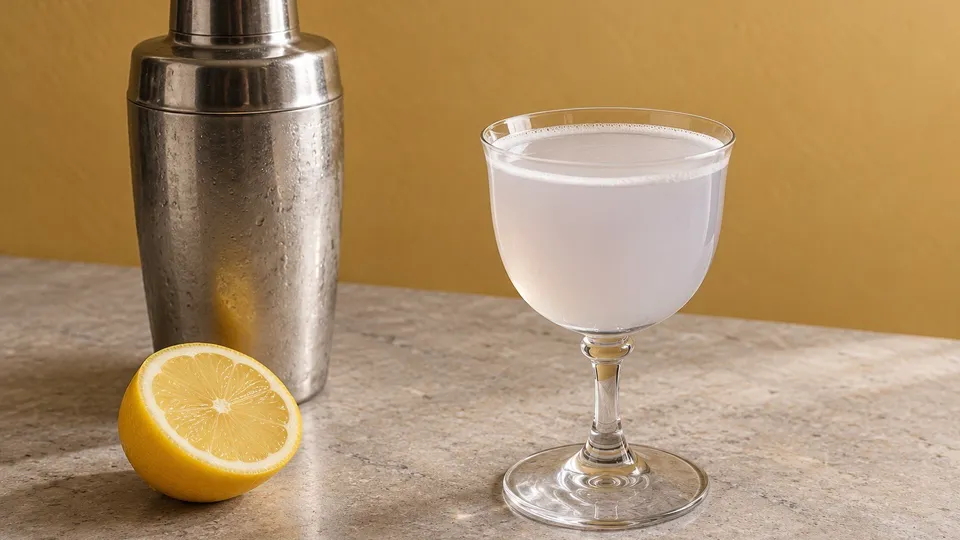
Two-thirds gin to one-third lemon juice, with two dashes of maraschino and two of crème de violette, shaken with cracked ice and strained: the Aviation as Hugo Ensslin printed it in New York, before the violette went missing.
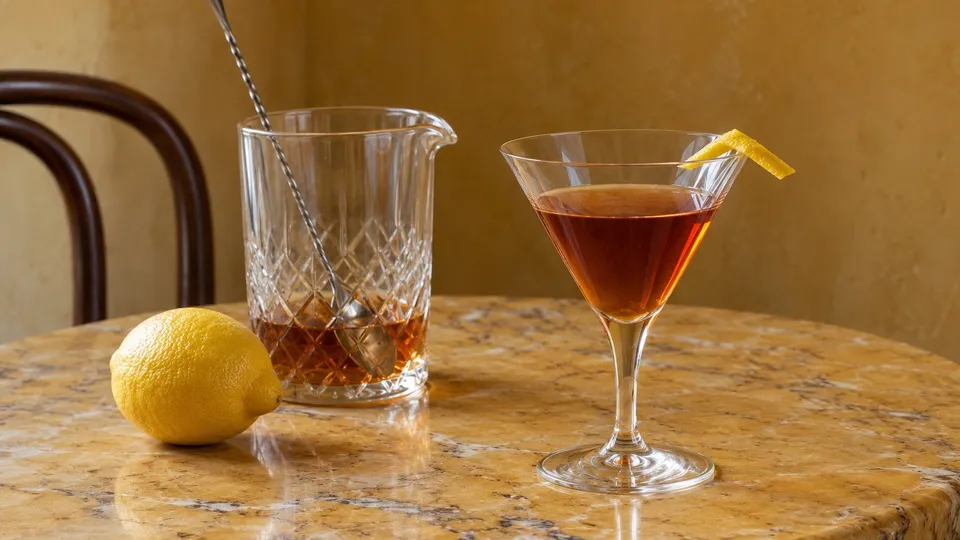
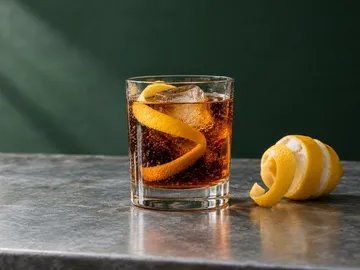
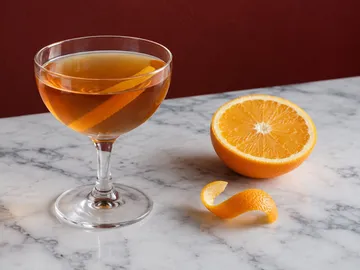
Turin vermouth sharpened with a spoonful of bitter, a few drops of cognac and Angostura, stirred and served short with lemon peel: the earliest printed Americano, from an Italian bar guide of about 1920.
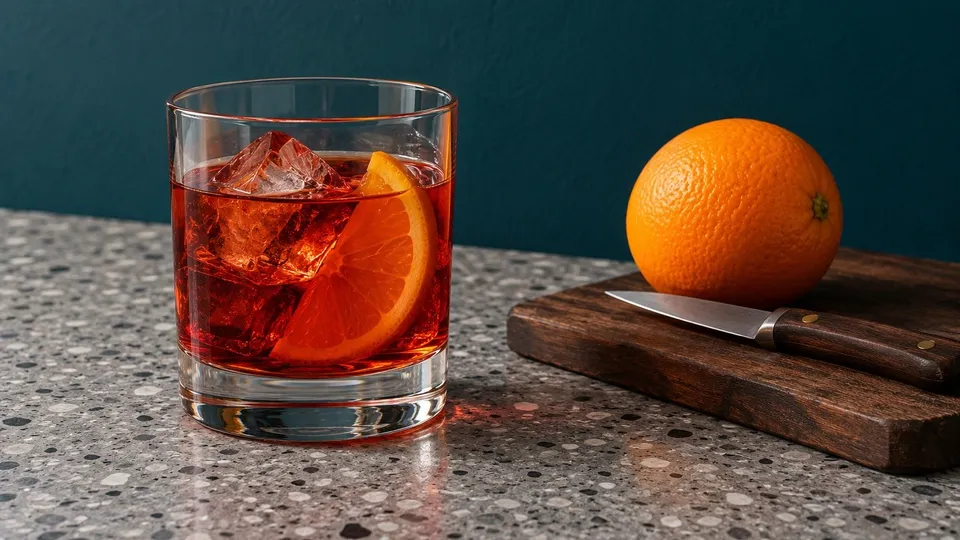
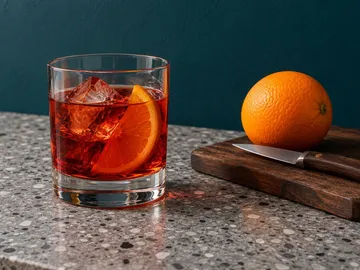
Equal parts gin, Campari and sweet vermouth, stirred over ice with an orange slice: a modern recipe for the Negroni, with what the record shows about Count Negroni’s Florence.
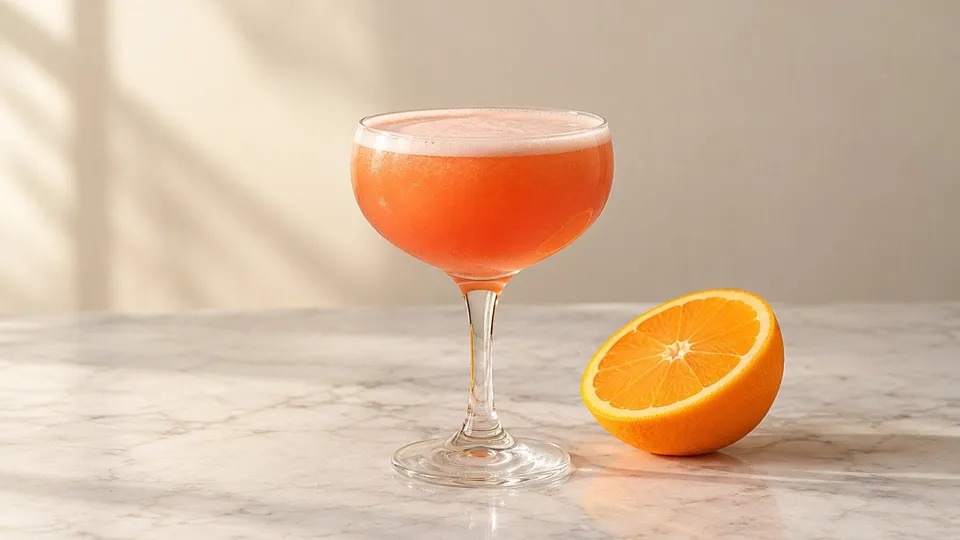
Rye whisky shaken hard with orange and lemon juice and a teaspoon of grenadine: the Ward Eight as a London bar book printed it in 1922, with its own story of where the name came from.
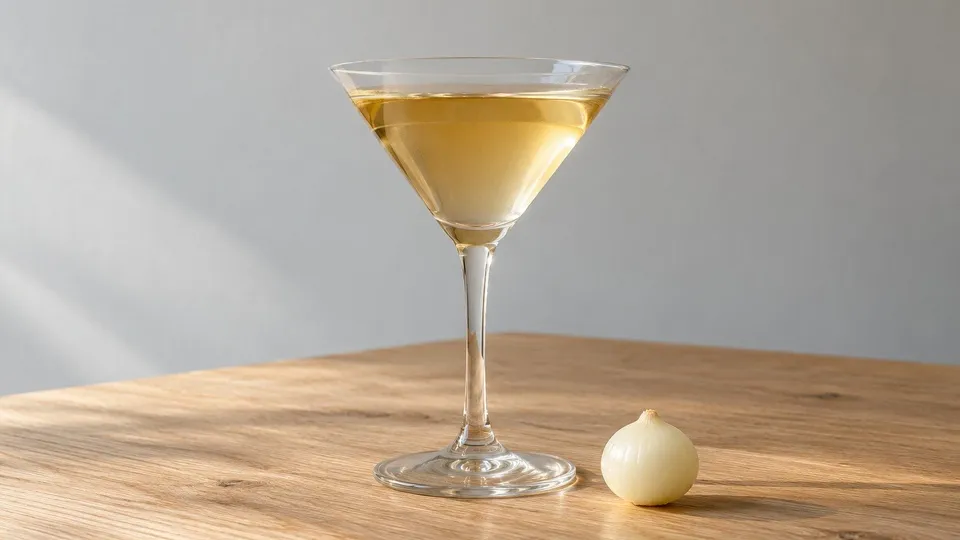
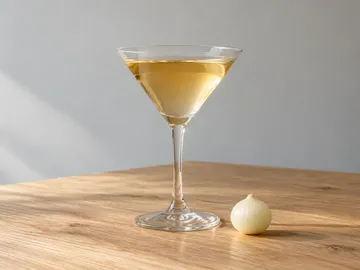
Gin and sweet vermouth with a dash of orange bitters, shaken with a small bruised white onion and strained: the Yellow Rattler, which a 1922 London bar book called a cowboys’ cocktail.
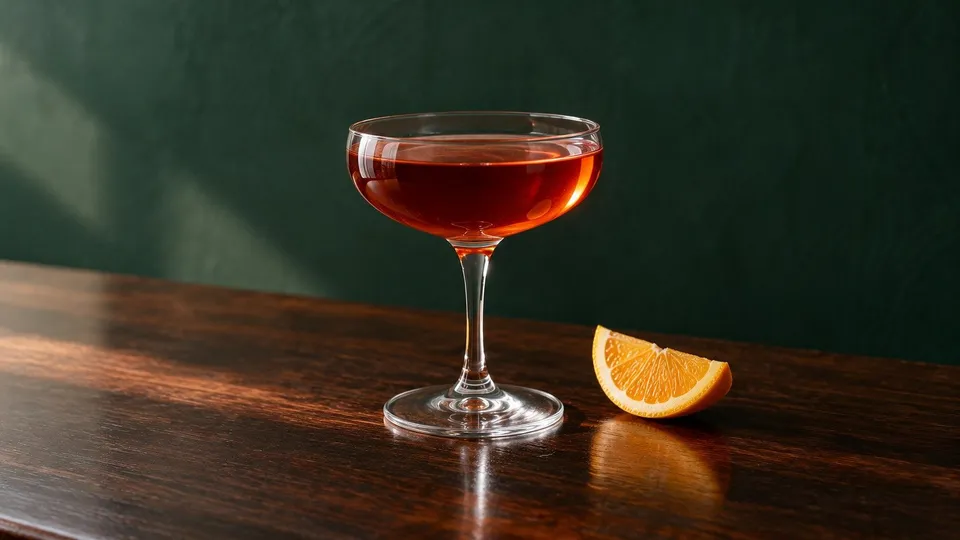
Two parts sweet vermouth to one of gin, shaken with a slice of orange and strained: the H.P.W., made at a New York club for the millionaire Harry Payne Whitney, as a 1922 London bar book told it.
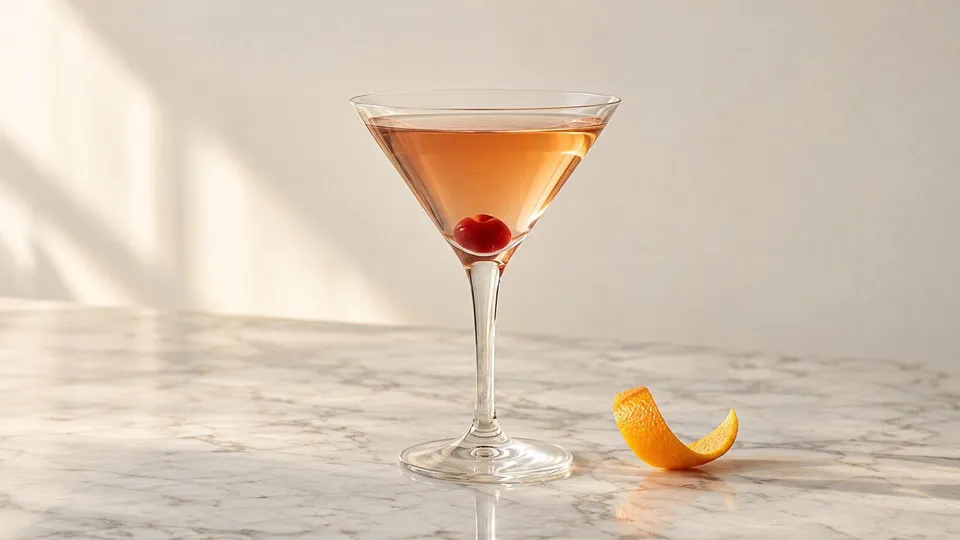
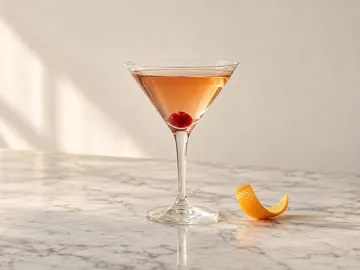
Gin with French and Italian vermouth, a dash each of grenadine and orange bitters, stirred and served with a cherry: the house cocktail of London’s Royal Automobile Club, credited to Fred Faecks, 1914.
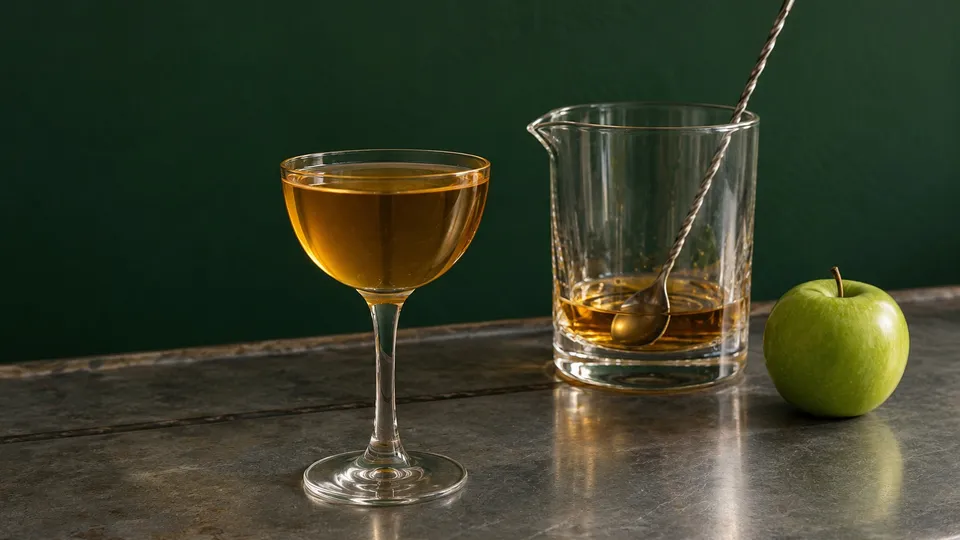
Calvados, Swedish punch and rum in equal thirds, with bitters and absinthe: the Murderer’s Cocktail printed in Barflies and Cocktails in Paris in 1927, with a joke about fire extinguishers.
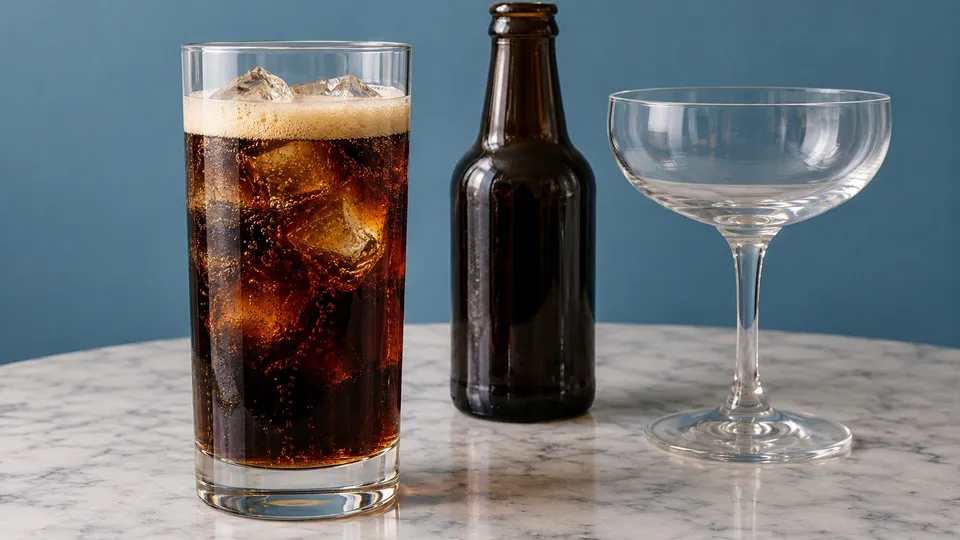
Champagne, cola and stout in equal thirds, all well iced: the Black Bottom Cooler that Barflies and Cocktails credited to the jazzband impresario Billy Arnold in Paris in 1927.
Soda-fountain drinks: phosphates, juice with soda, orangeade and lemonade, with punch bowls of tea, citrus and ginger ale at home. Every drink in this group is alcohol-free.
More alcohol-free drinks of the 1920s, and older ones, are in Vintage Mocktails: 1920s Non-Alcoholic Drinks and Older.
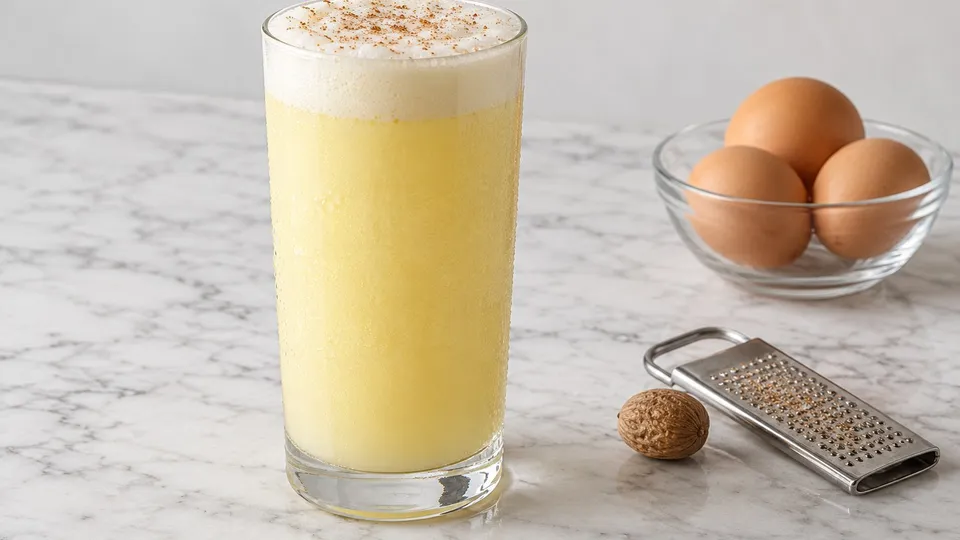
Lemon syrup, a whole egg and half a teaspoon of acid phosphate, shaken with ice and topped with soda: the soda fountain’s sour drink from What to Drink (1920).
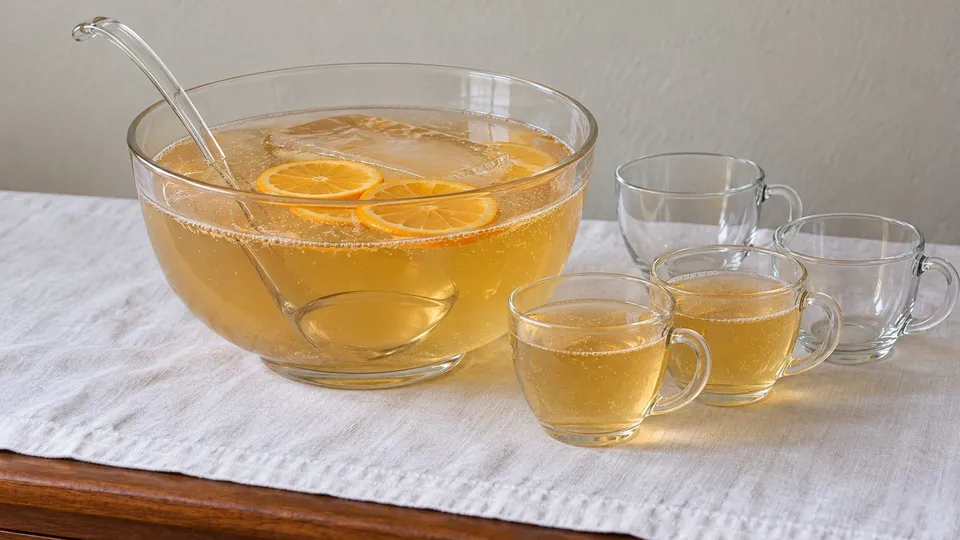
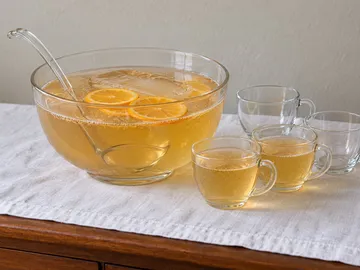
Weak tea, sugar, orange and lemon juice over a block of ice, topped with ginger ale and sparkling water at the last minute: a Prohibition party punch.
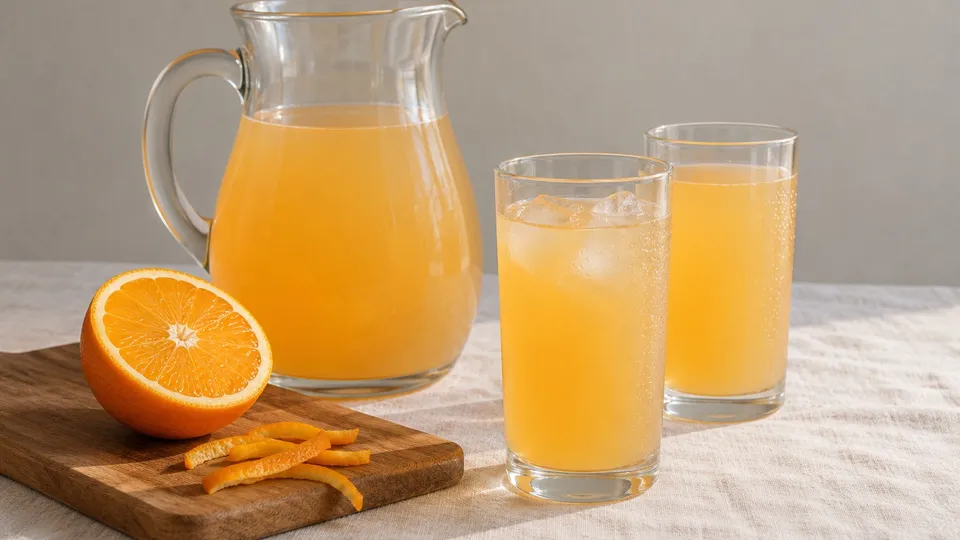
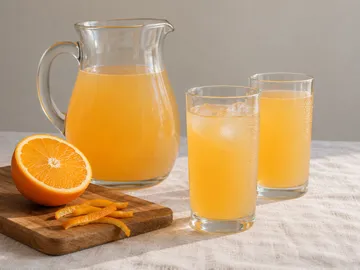
Orange rind steeped in hot syrup, fresh orange juice and cold water: the real orangeade a 1921 state chemist demanded, from a 1924 London drinks book.
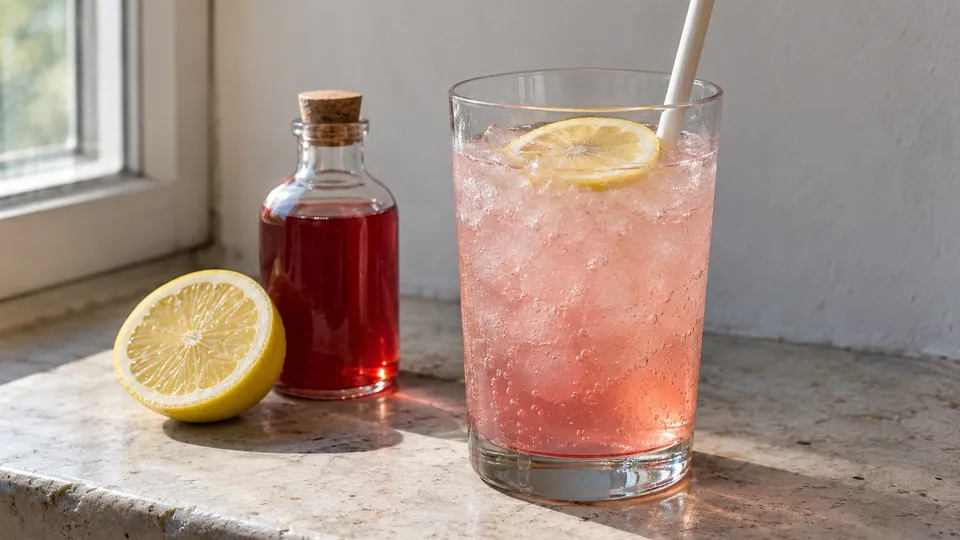
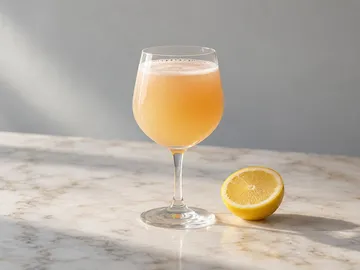
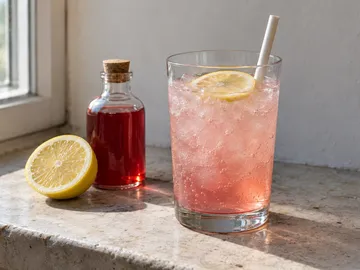
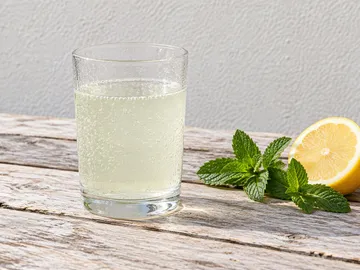
Lemon juice and sugar over shaved ice, homemade strawberry syrup and a fill of soda water, with a straw: a 1924 London book’s idea of American lemonade.
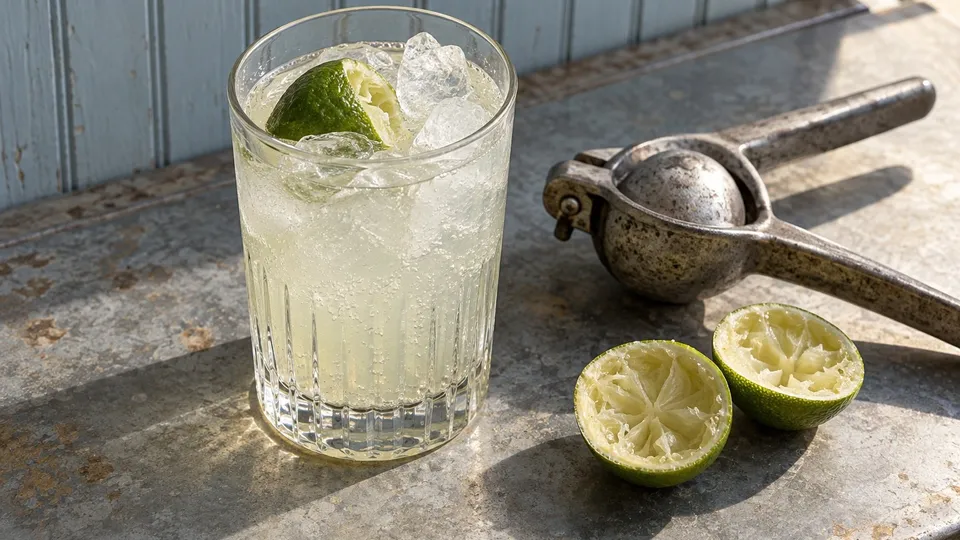
A whole lime squeezed over pineapple syrup, then cracked ice and a fill of soda water: the alcohol-free lime rickey from a San Francisco druggists’ journal of 1912.
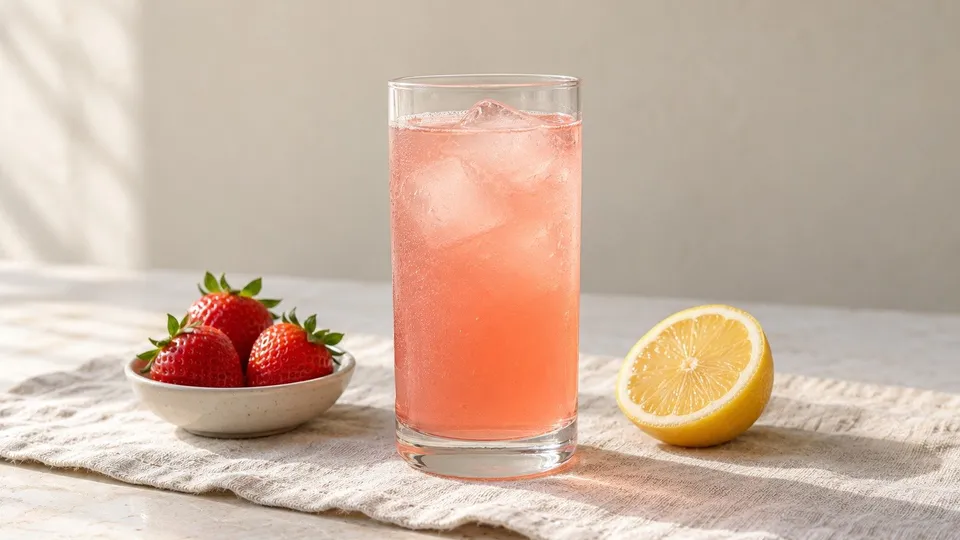
Ripe strawberries mashed and left on ice for four hours with lemon, lemon-rubbed sugar, orange-flower water and cold water, then strained: an alcohol-free sherbet from a 1924 London book of home drinks.
Proper cocktails without the liquor. Robert Vermeire’s London bar book of 1922 gave them a chapter of their own: citrus shaken with bitters, fresh berries mashed to order, and a sour named for the dry campaigner Pussyfoot Johnson.
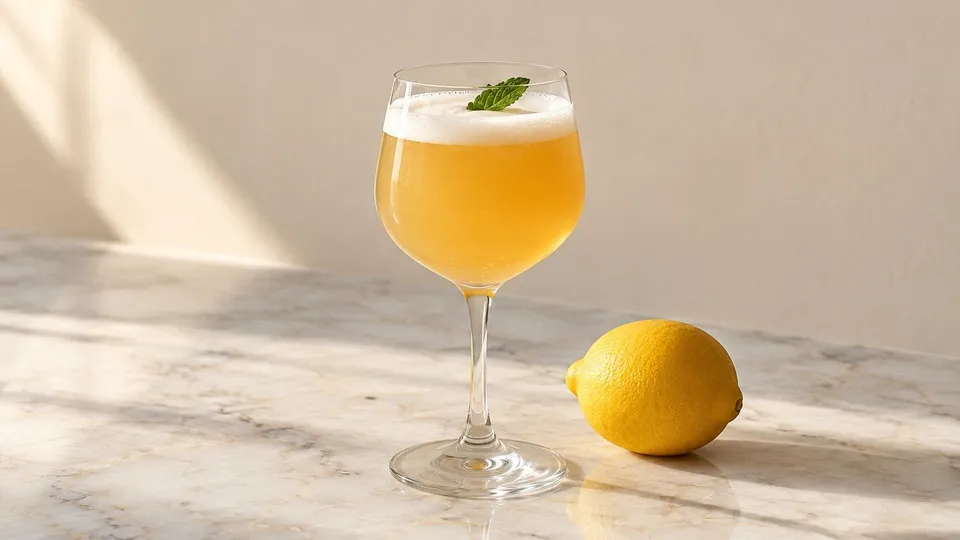
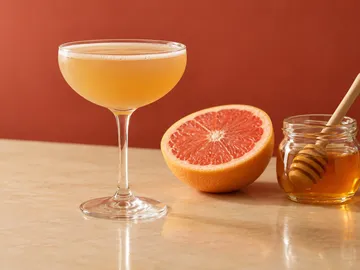
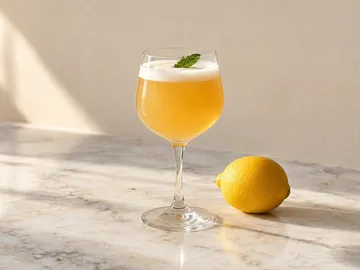
Lemon and orange juice shaken with a little syrup, mint and egg white: the alcohol-free cocktail a London bartender named in 1922 for the dry campaigner Pussyfoot Johnson.
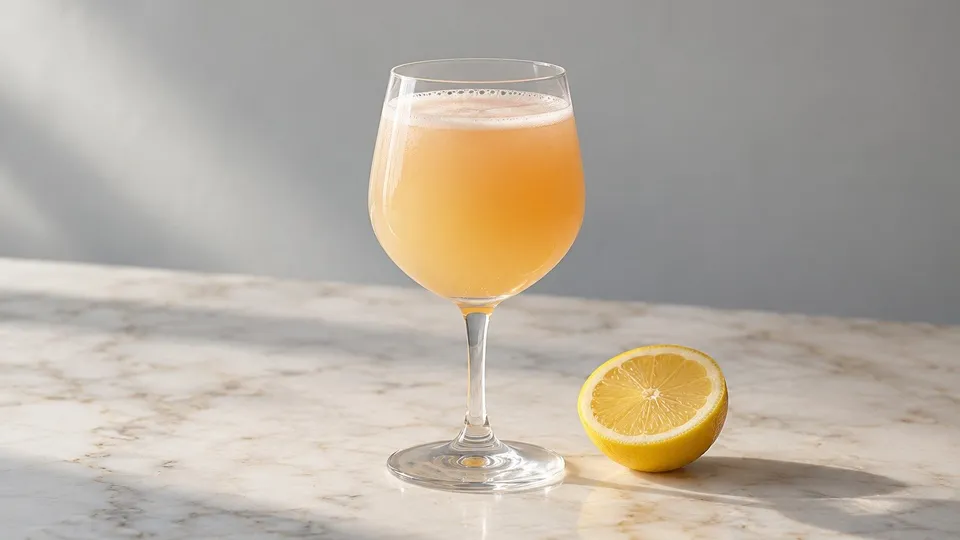
Lemon and orange juice shaken with a few dashes of bitters and only as much syrup as you want: the sharp Florida Cocktail from the alcohol-free chapter of a 1922 London bar book.
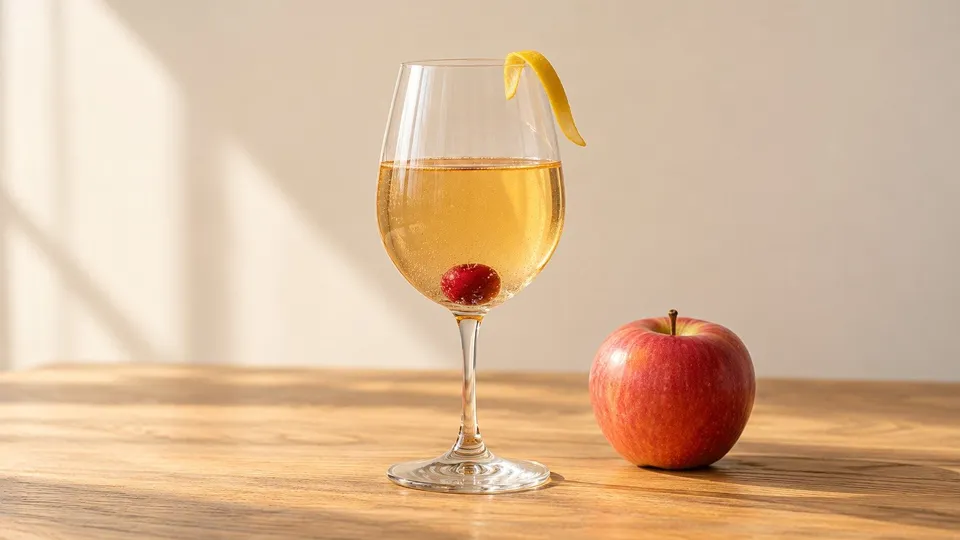
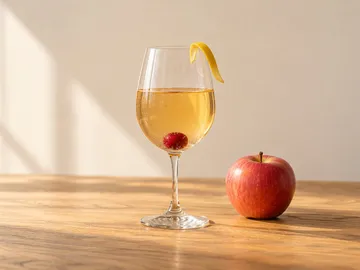
Non-alcoholic cider stirred with gum syrup and bitters, strained into a wine glass with a cherry and a squeeze of lemon peel: an old-style cocktail without the spirit, from a 1922 London bar book.
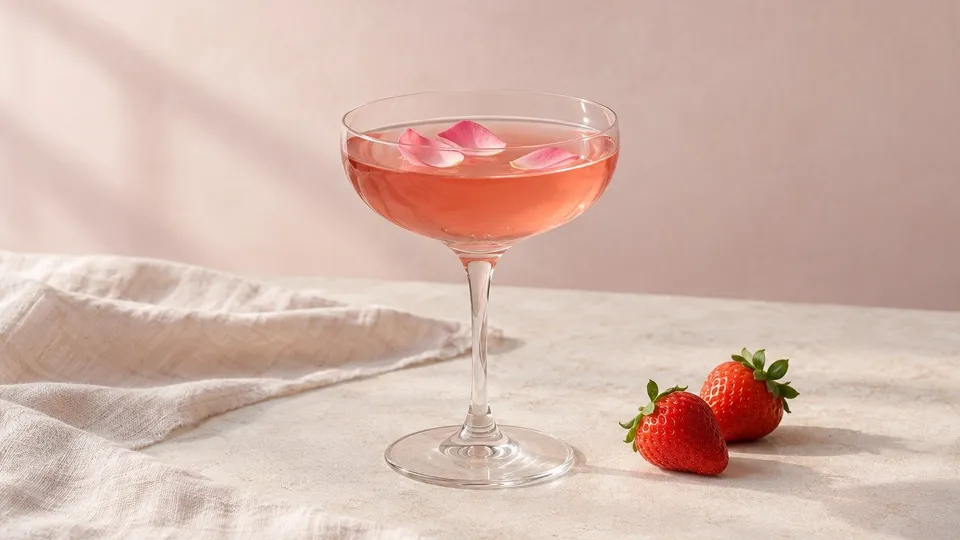
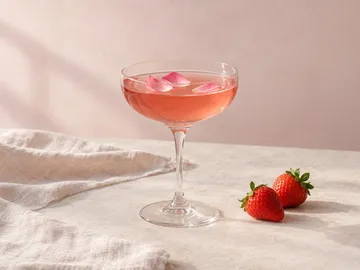
Strawberries, pineapple, orange and lemon shaken with orange-flower water and strained into a small wine glass under rose petals: the alcohol-free Rose Cocktail of a 1922 London bar book.
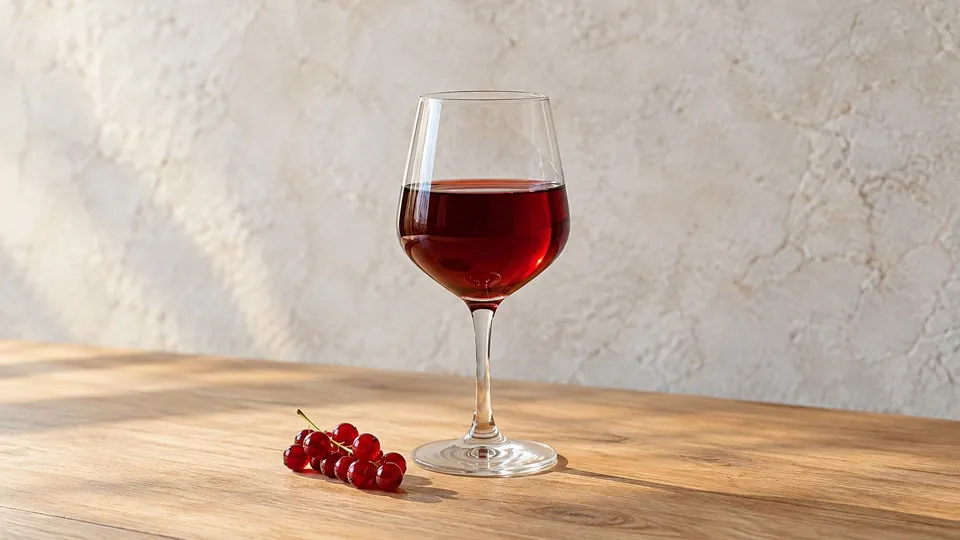
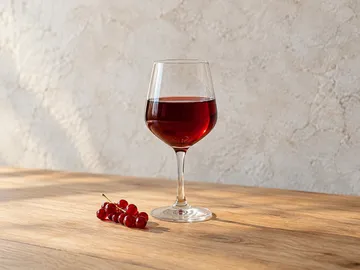
Currants, raspberries and strawberries mashed with sugar, the juice shaken with lemon and water and strained into a small wine glass: an alcohol-free cocktail from a 1922 London bar book.
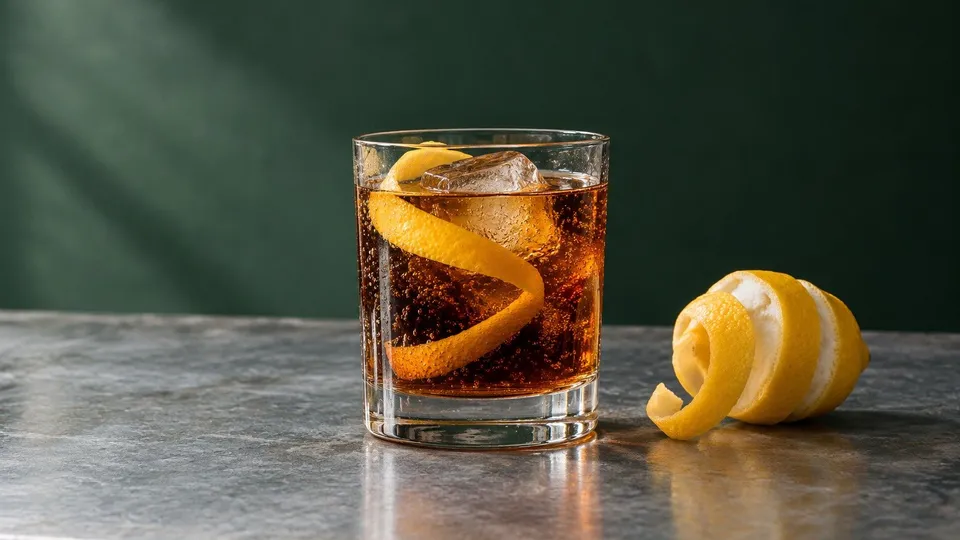
Equal parts sarsaparilla and ginger ale over a lump of ice and a whole lemon peel in a large tumbler, drunk while it fizzes: a soft cooler from a 1922 London bar book.
An egg yolk in Worcester sauce in a London bar, and by 1929 tomato juice, with or without gin. The tomato juice cocktail went on to open many a dinner.
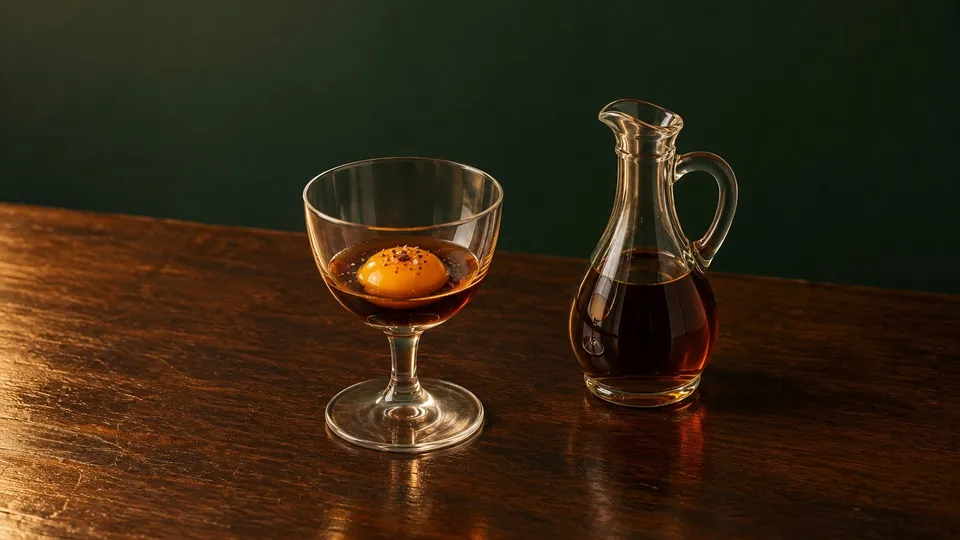
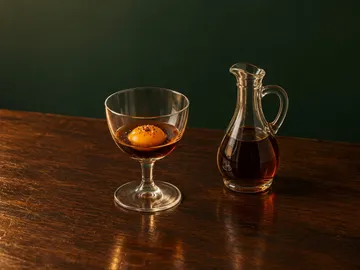
A whole egg yolk in Worcester sauce and malt vinegar, with red pepper and salt on top: the Prairie Oyster of Harry MacElhone’s London bar book of the 1920s, with no alcohol in it.
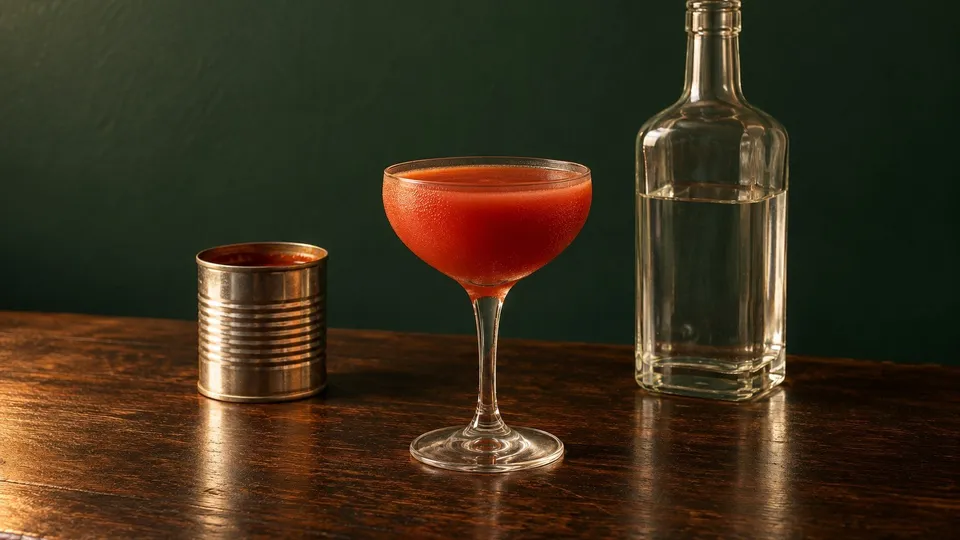
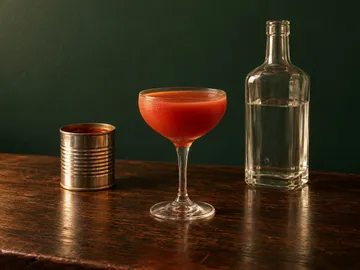
Equal parts tomato juice and gin, shaken cold: the Broadway cocktail of January 1929, drunk against the next morning’s headache ten years before the name Bloody Mary turns up in print.
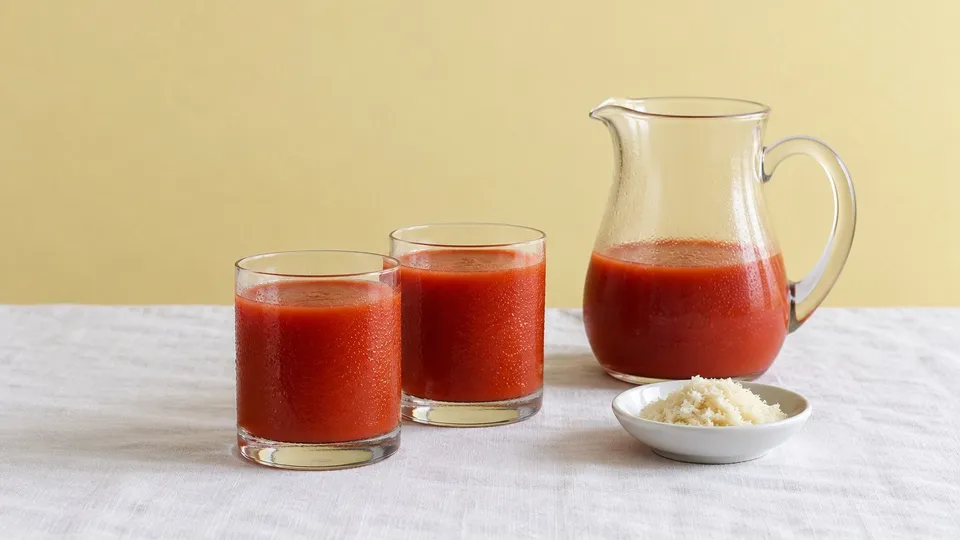
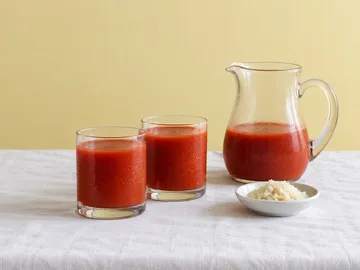
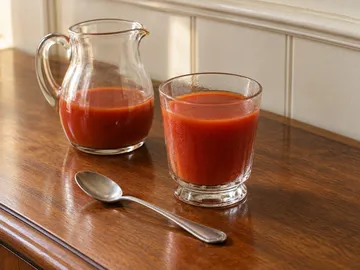
Chilled tomato juice with salt, horseradish and a little sugar: the alcohol-free tomato juice cocktail that a Washington hotel said it served more than any other recipe on its menu in 1930.
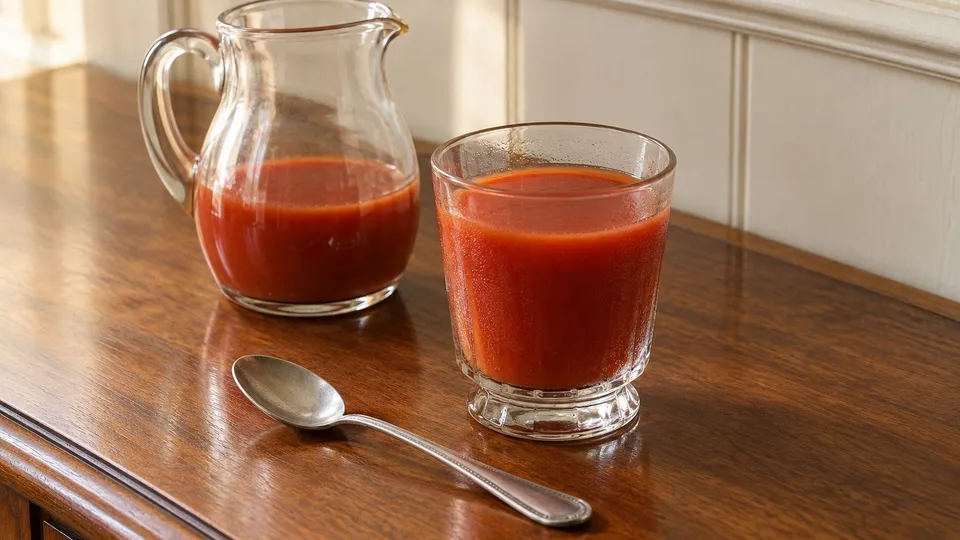
Fresh tomatoes cooked with celery and green pepper, sieved, then sharpened with catsup, onion and horseradish and chilled: the USDA’s 1931 first course in a small glass.
The full list
35 recipes in 1920s Drinks: Cocktails and Non-Alcoholic Recipes
Try a different ingredient or recipe name, or use Clear filters above to see the full collection.
Recipes could not be loaded. or browse this collection page without filters.
Always alcohol-free
Always alcohol-free
Alcohol-free version
Alcohol-free version
Always alcohol-free
Always alcohol-free
Always alcohol-free
Always alcohol-free
Always alcohol-free
Always alcohol-free
Always alcohol-free
Always alcohol-free
Always alcohol-free
Always alcohol-free
Always alcohol-free
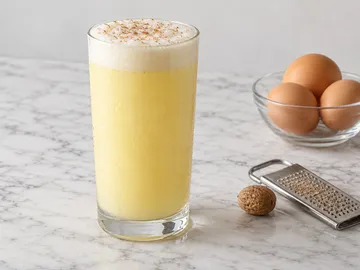
Always alcohol-free
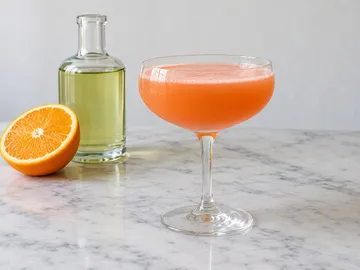
Lemon juice and sugar over shaved ice, homemade strawberry syrup and a fill of soda water, with a straw: a 1924 London book’s idea of American lemonade.
Turin vermouth sharpened with a spoonful of bitter, a few drops of cognac and Angostura, stirred and served short with lemon peel: the earliest printed Americano, from an Italian bar guide of about 1920.
Fresh tomatoes cooked with celery and green pepper, sieved, then sharpened with catsup, onion and horseradish and chilled: the USDA’s 1931 first course in a small glass.
For what was on the plate, our sister site The Forgotten Menu has 1920s party food (opens in a new tab).