Always alcohol-free
Mrs. Beeton’s Lemonade, Made with Boiling Water
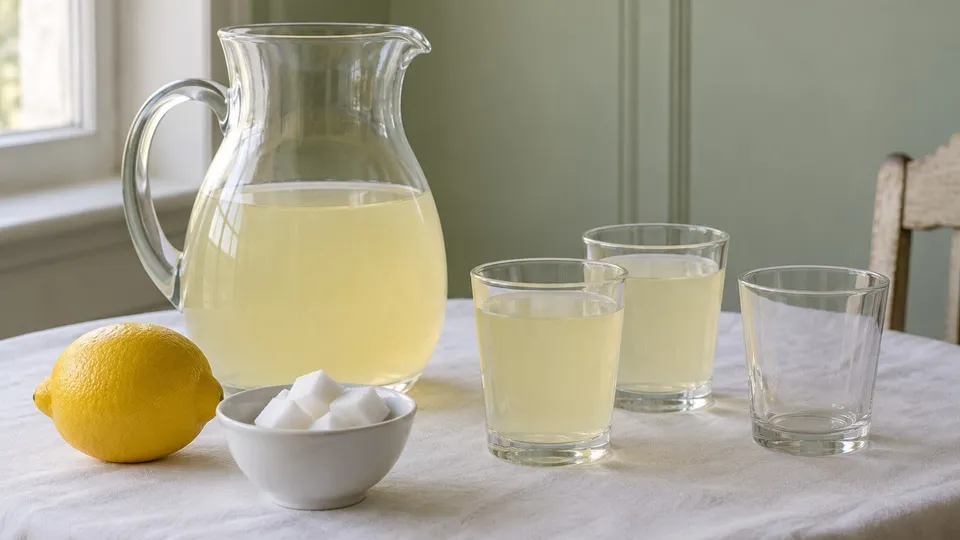
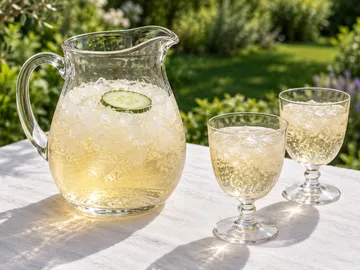
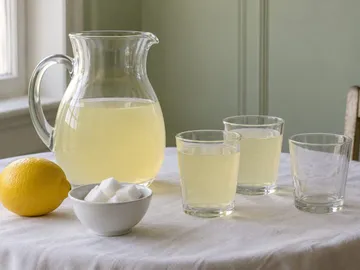
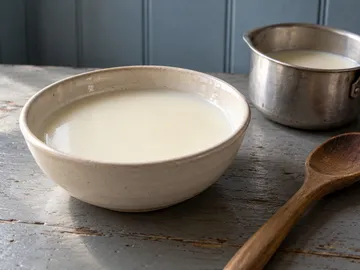
Sugar rubbed over lemons until it drinks up their oil, then juice and a quart of boiling water, strained and left to cool: lemonade from Mrs. Beeton’s 1861 book.
Drinks by theme
Recipes With and Without Alcohol
What Victorians drank, from period books: tea, cocoa and coffee-tavern drinks, lemonade and ginger beer, negus, punch, mulled wine and bishop.
Updated
Make it today
Sugar rubbed over lemons until it drinks up their oil, then juice and a quart of boiling water, strained and left to cool: lemonade from Mrs. Beeton’s 1861 book.
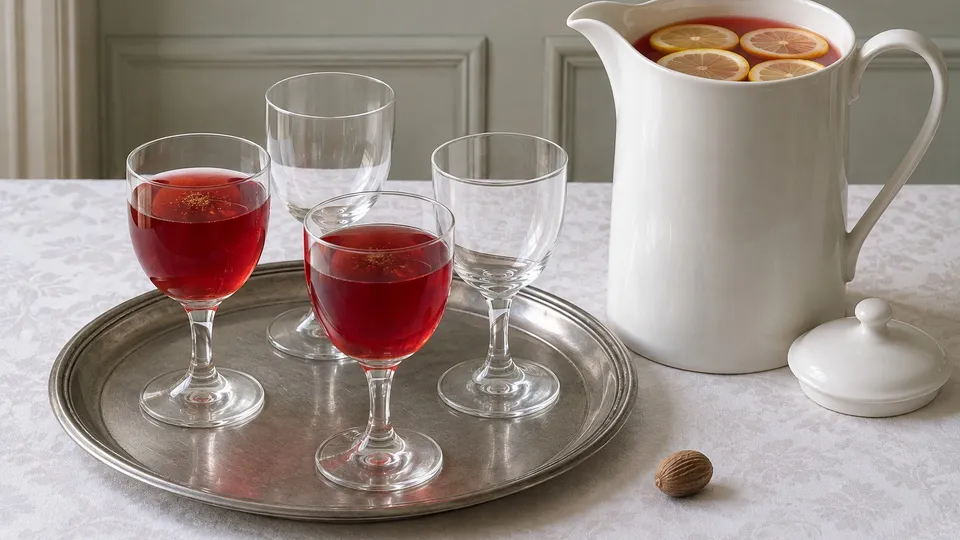
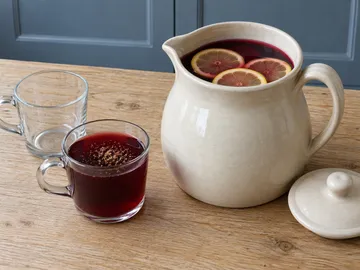
A bottle of hot ruby port poured into a covered jug of lemon sugar, sliced lemons, a little spice and a quart of boiling water, then grated over with nutmeg: negus as Oxford made it in 1847.
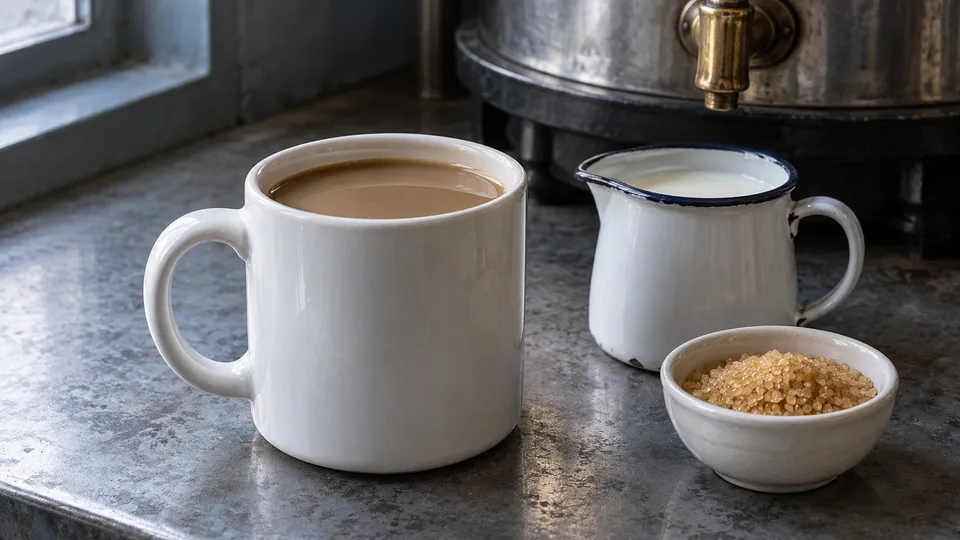
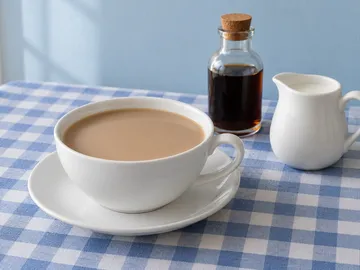
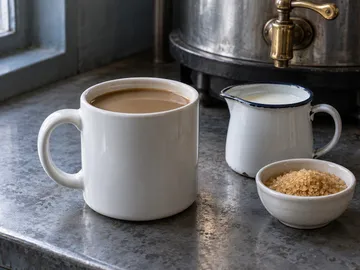
Fresh-ground coffee steeped fifteen minutes in boiling water, strained, then sweetened with Demerara and hot milk: the urn coffee an 1878 manual costed at a penny a cup.
Tea above all, with beer, cocoa, coffee and, for those who could pay, wine, punch and port. Alongside them ran a large trade in drinks without alcohol: lemonade, ginger beer, barley water and the cocoa of the coffee taverns.
Isabella Beeton’s Book of Household Management (1861) is the household’s own record. It made lemonade by pouring boiling water over sugar rubbed on lemon peel, mixed hot punch of rum and brandy for a party, and kept small tin warmers for heating wine and nothing else. Its quart of lemonade cost sixpence, about £2.60 today by UK consumer prices (Bank of England).
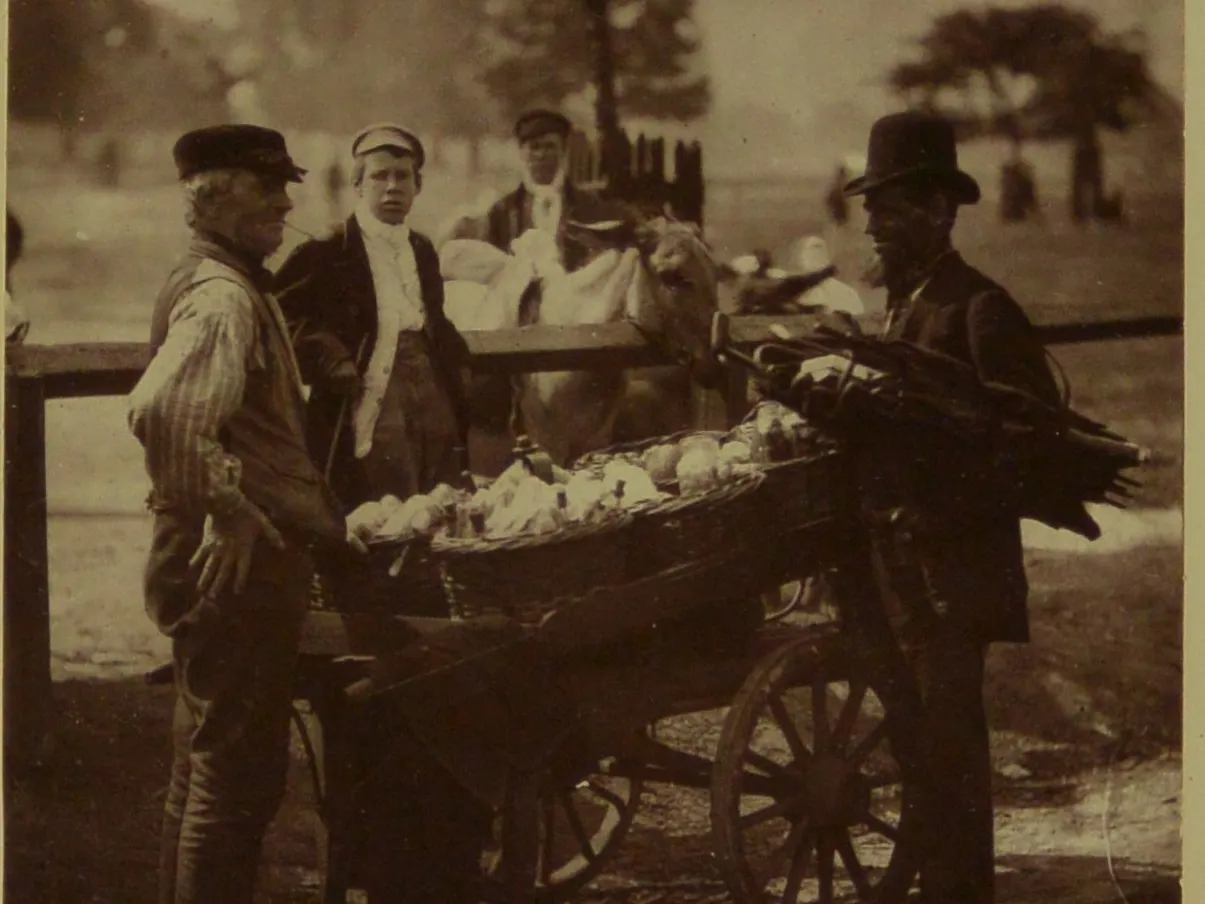
The temperance movement built a trade of its own. Reformers opened coffee taverns and cocoa rooms across Britain from the 1870s, selling hot drinks at a halfpenny or a penny a cup from five in the morning, and in one week of 1877 the seventeen houses of a Liverpool company sold “4,756 gallons of cocoa, 4,100 gallons of coffee, 540 gallons of tea.” In the street, ginger beer went by the barrow, and before dawn the saloop stalls of the early century had sold a hot sweet basin to chimney sweeps.
At parties and at Christmas, the drinks were warm. Negus, port and hot water with lemon and nutmeg, went round at balls and children’s parties; Dickens filled the Ghost of Christmas Present’s room with “seething bowls of punch”; Oxford printed its smoking bishop of port and roasted lemon in 1847.
The recipes below name their sources on each page. Most come from Victorian books, and saloop from the years just before; most drinks with alcohol have an alcohol-free partner nearby.
4,756 gallons of cocoa, 4,100 gallons of coffee, 540 gallons of tea, and 47,238 pieces of bread.
Tea, beer and water at home, and from the 1870s penny cups of cocoa, coffee and tea at the coffee taverns. In the street there was saloop before dawn and hot elder wine by the halfpenny glass.
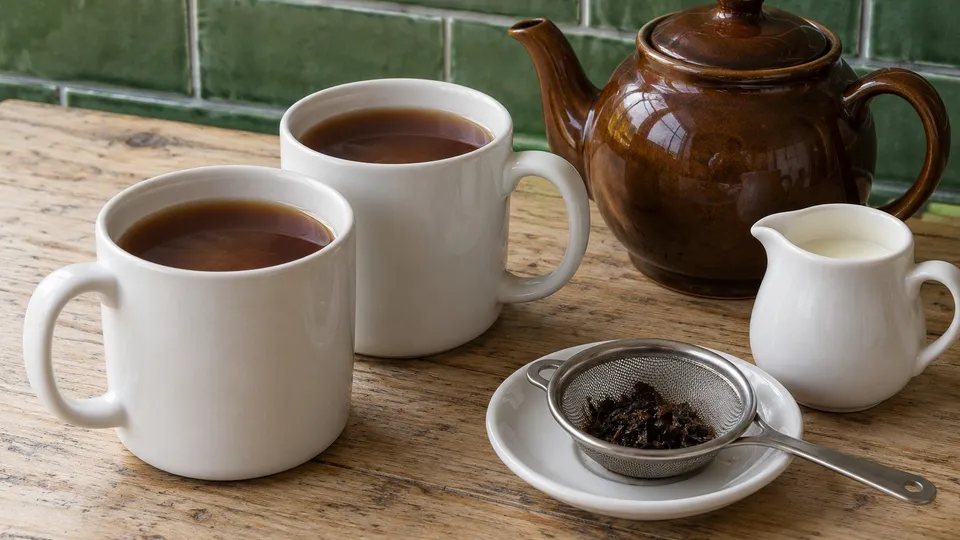
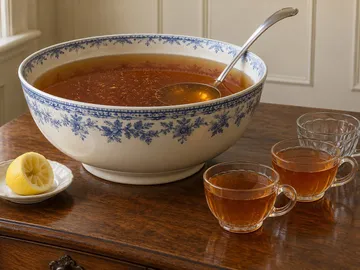
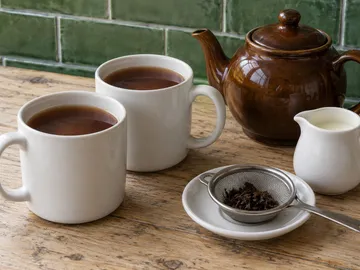
China black tea and Assam steeped exactly ten minutes, poured off the leaves, sweetened in the pot and given a spoonful of milk: tea from an 1878 coffee-tavern manual.
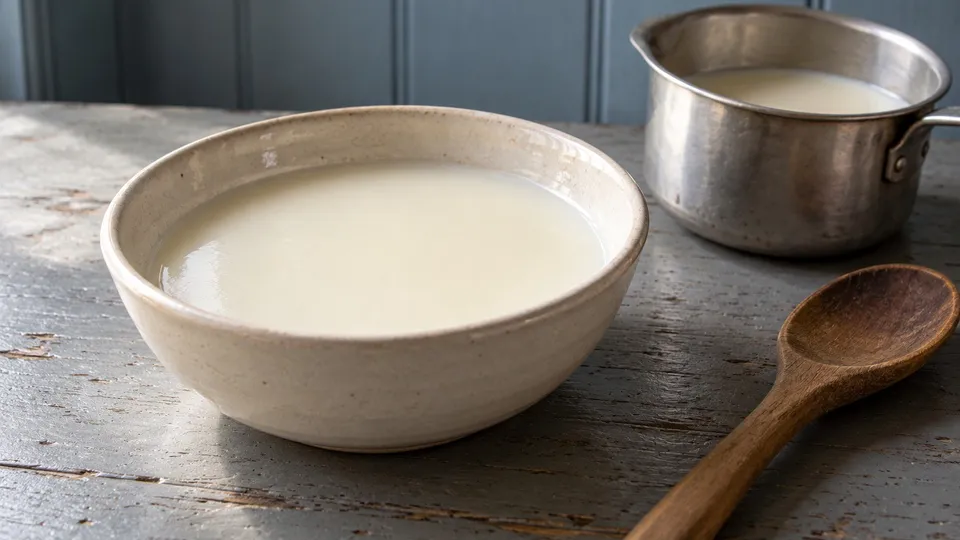
Hot milk poured onto a smooth paste of arrowroot and sugar and stirred until lightly thick: the milk saloop of an 1821 vegetarian cookbook that also renounced drink.
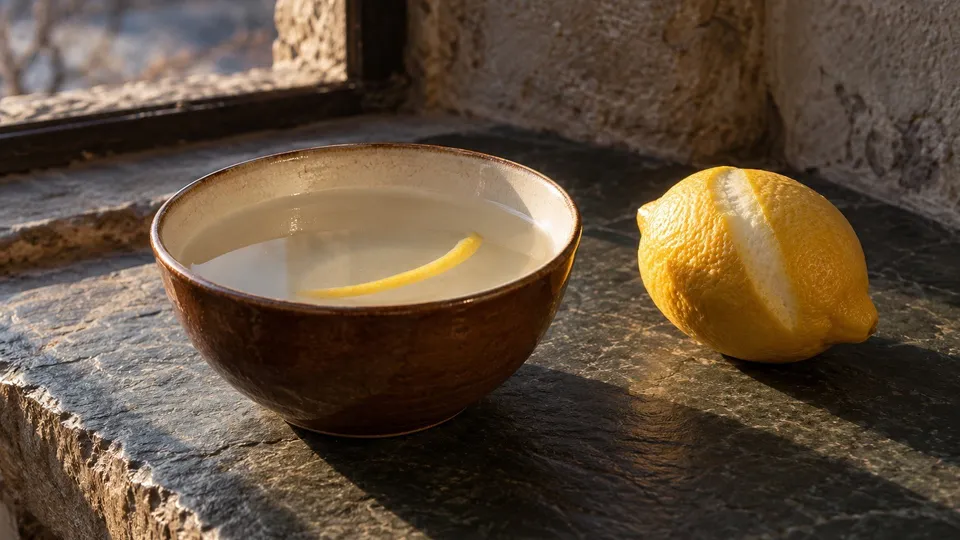
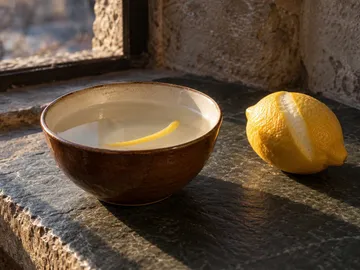
Boiling water stirred onto arrowroot with a strip of lemon peel until clear and lightly thick, then sweetened: the 1812 cookery-book saloop, made without its wine.
Lemonade, ginger beer, barley water, sparkling apple drinks and orgeat. Mrs. Beeton’s lemonade and the street ginger-beer barrow were everyday summer drinks.
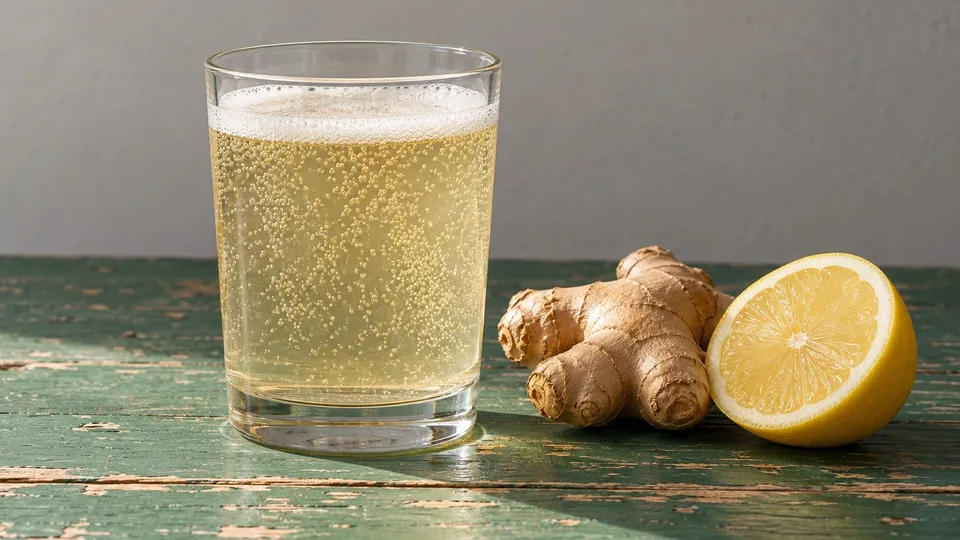
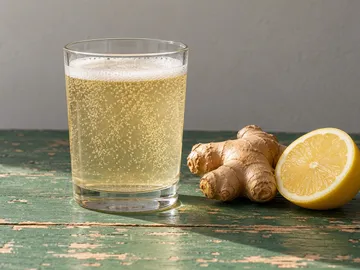
Fresh ginger syrup, lemon juice and cold soda water, never fermented: an alcohol-free ginger beer after the street fountains of 1850s London.
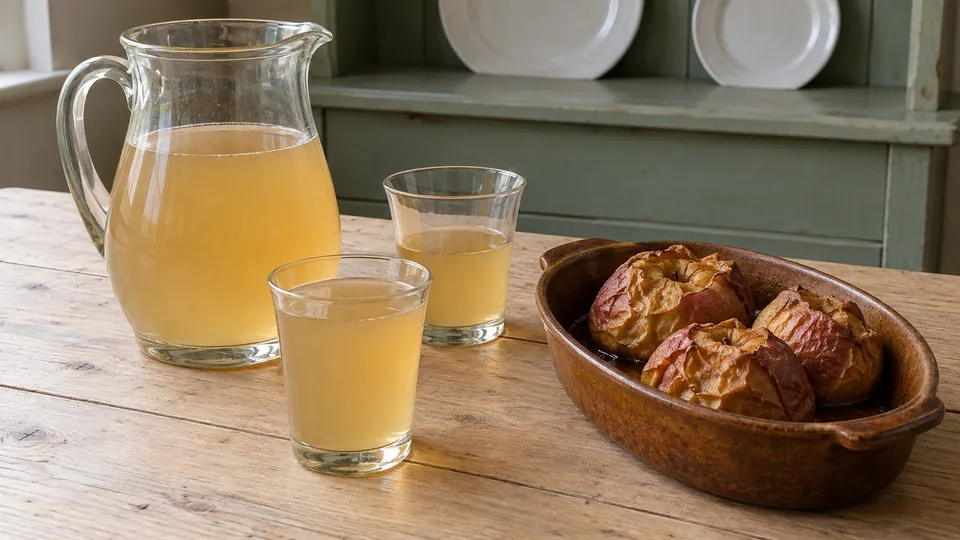
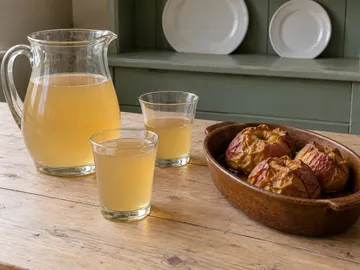
Boiling water poured over baked apples, a pear, grated ginger and lemon peel, then pressed through a sieve: an alcohol-free Victorian drink from 1869.
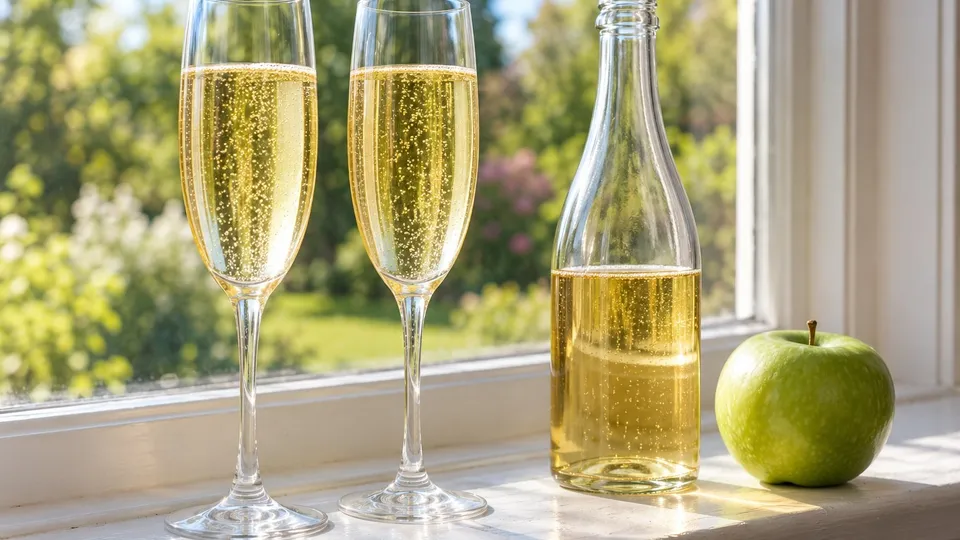
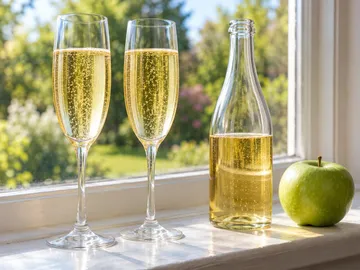
Clear apple juice and soda water, cold and poured at the last minute: a modern, alcohol-free stand-in for the bottled champagne cider of the 1860s.
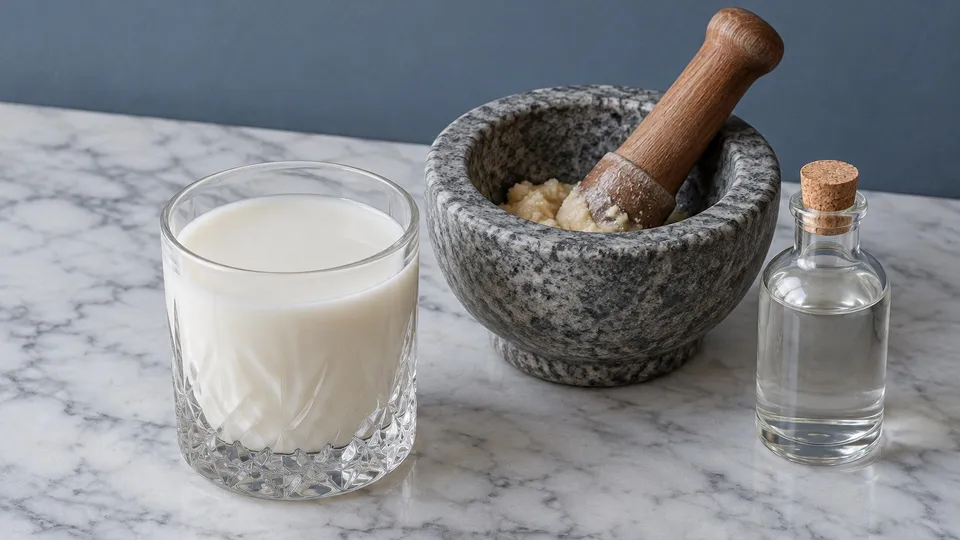
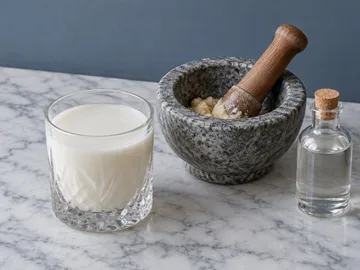
Almonds pounded with orange-flower water, let down with milk and water, strained and sweetened: the alcohol-free orgeat of Rundell’s 1807 sickroom chapter.
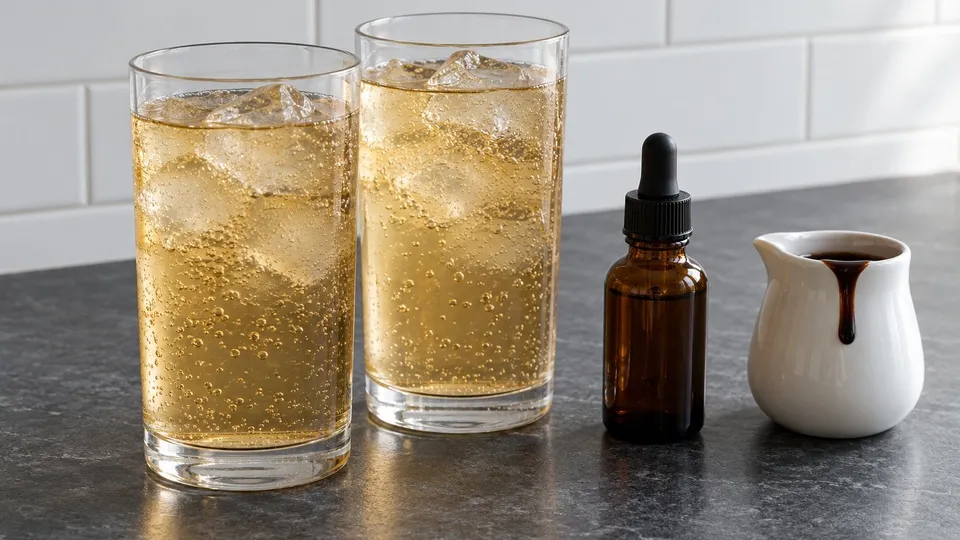
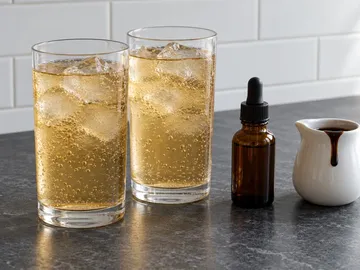
Simple syrup, a spoonful of molasses and a drop of food-grade spruce essence over ice, topped with soda water: the flavors of old spruce beer with no yeast and no alcohol.
Beer for most, and wine, port, punch and cider cups for the middle class. Much of it was served hot: negus, mulled claret, punch and bishop.
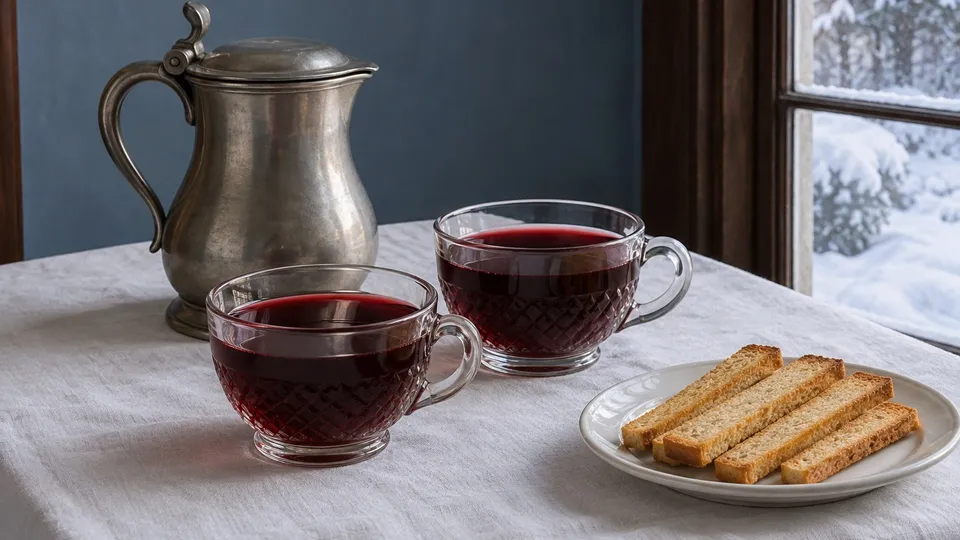
Cloves, cinnamon, lemon peel and sugar boiled in water, then a pint of claret and a glass of port, heated, never boiled: mulled wine from an 1869 London book.
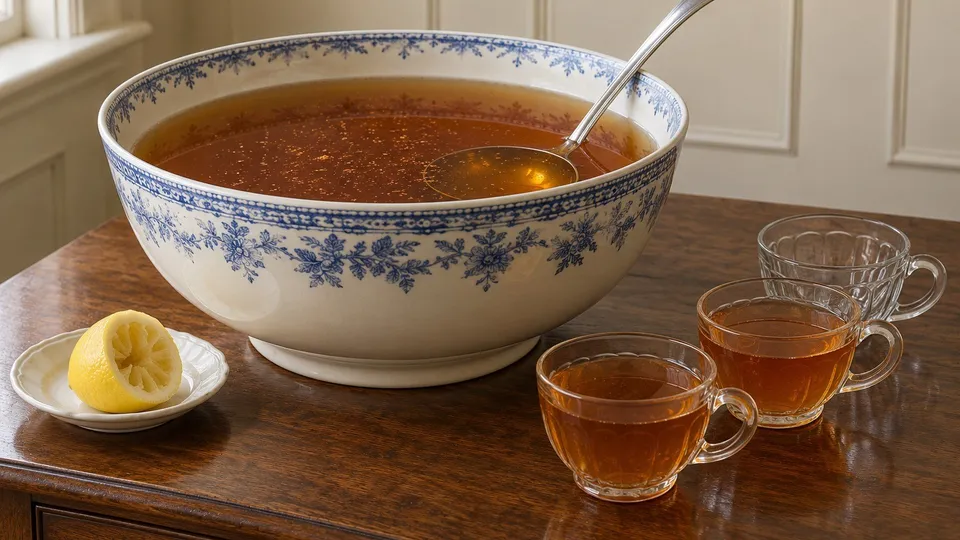
Equal parts rum and brandy, sugar rubbed on a lemon, nutmeg and a pint of boiling water, mixed in a punchbowl: the hot punch of Mrs. Beeton’s 1861 book.
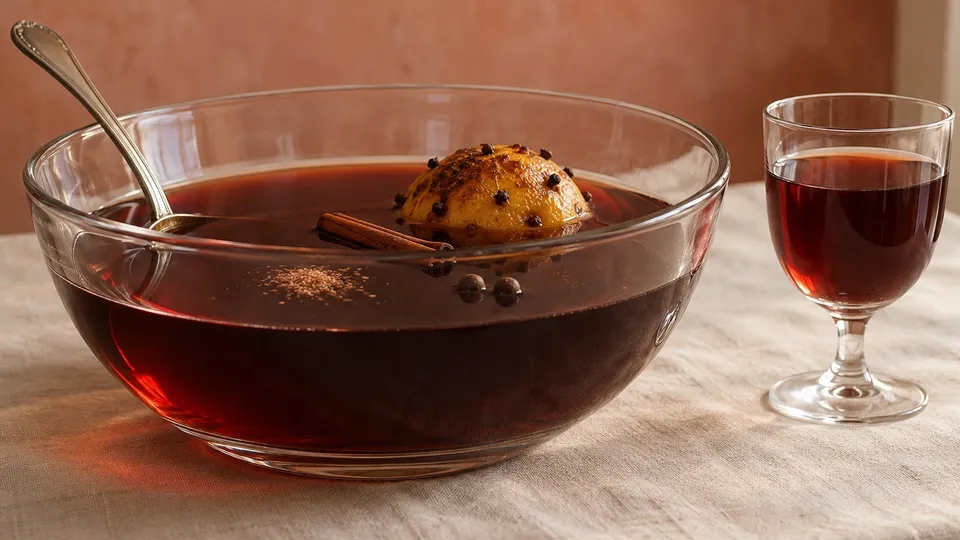
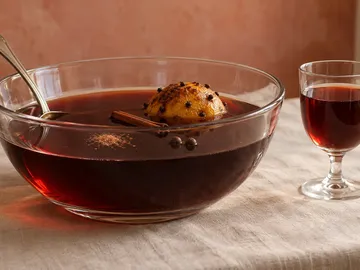
Hot port with a roasted clove-studded lemon, boiled-down spices, fresh lemon and nutmeg: the Oxford bishop of 1847 and the smoking bishop of A Christmas Carol.
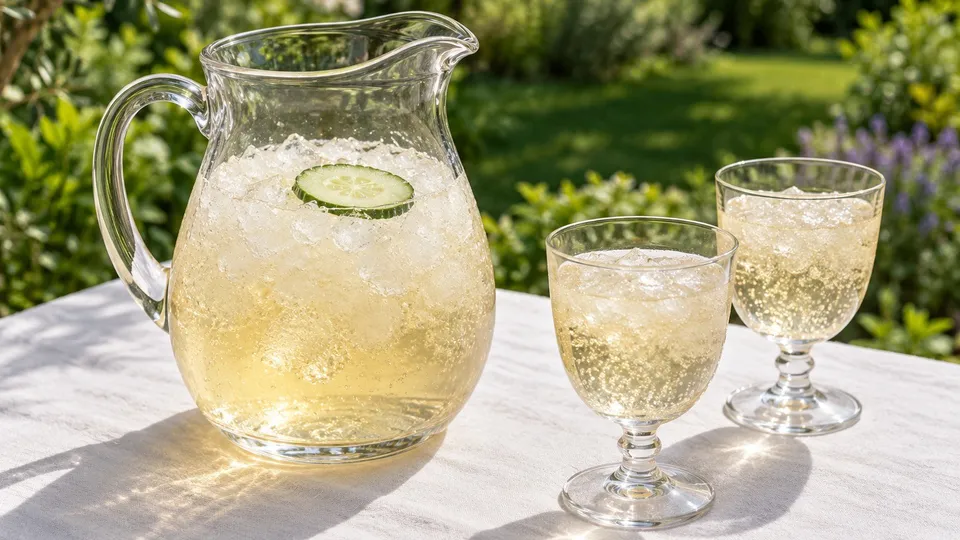
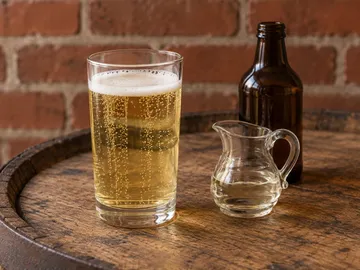
Sparkling cider with curaçao, brandy, rock sugar, lemon and a slice of cucumber, poured over shaved ice and served at once: a summer cider cup from 1869, at half quantity.
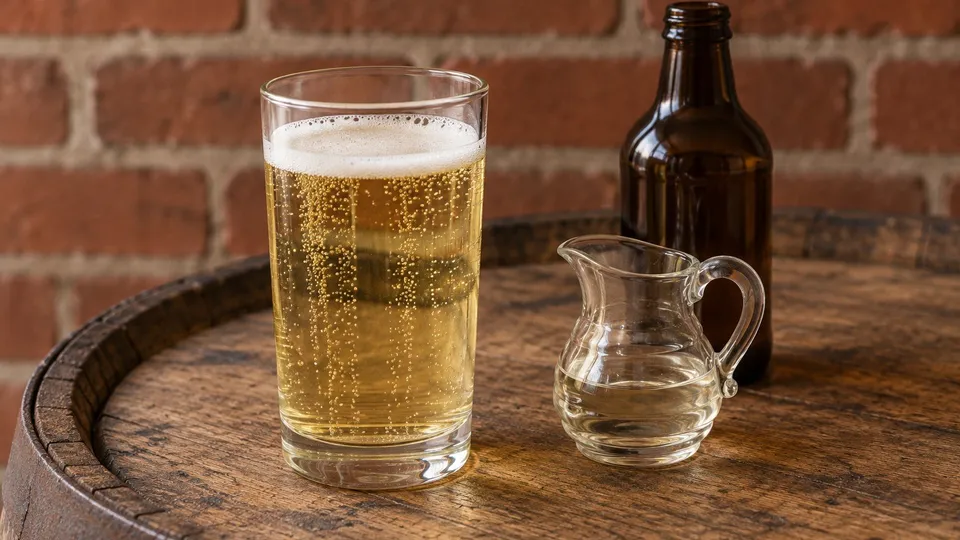
Sparkling hard cider sweetened with a little syrup, poured into a tall glass and drunk at once: a safe modern take on Terrington’s 1869 barrel of cider gassed with tartaric acid and bicarbonate.
Lemonade, and at parties negus, well watered. Our alcohol-free negus and bishop are made for the children’s table, beside the tea and coffee of the grown-ups.
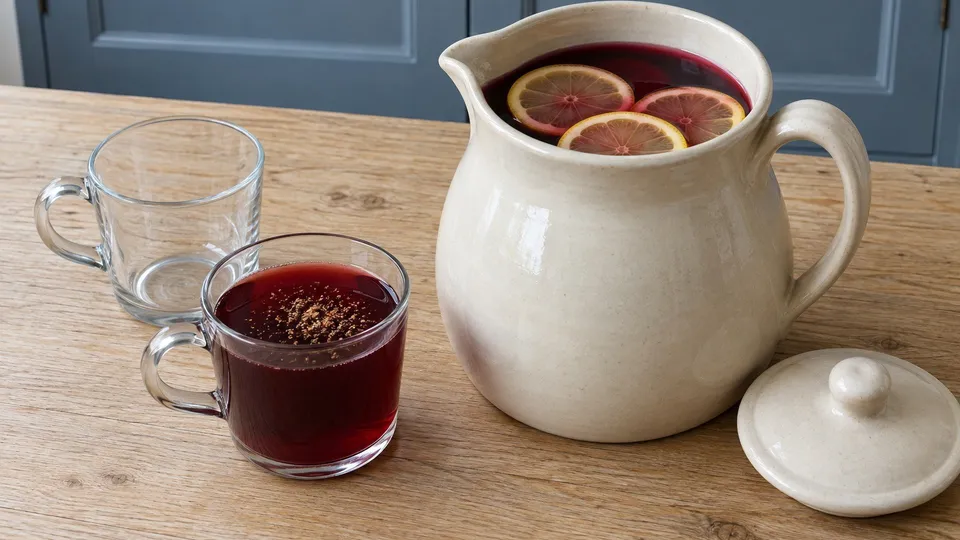
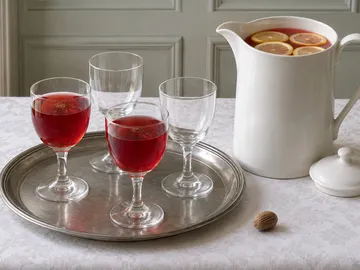
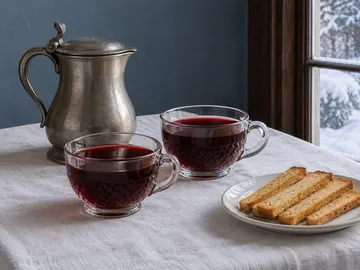
Hot red grape and blackcurrant juice poured into a covered jug of lemon sugar, sliced lemons and a little spice, then grated over with nutmeg: negus by the 1847 Oxford method, without the port.
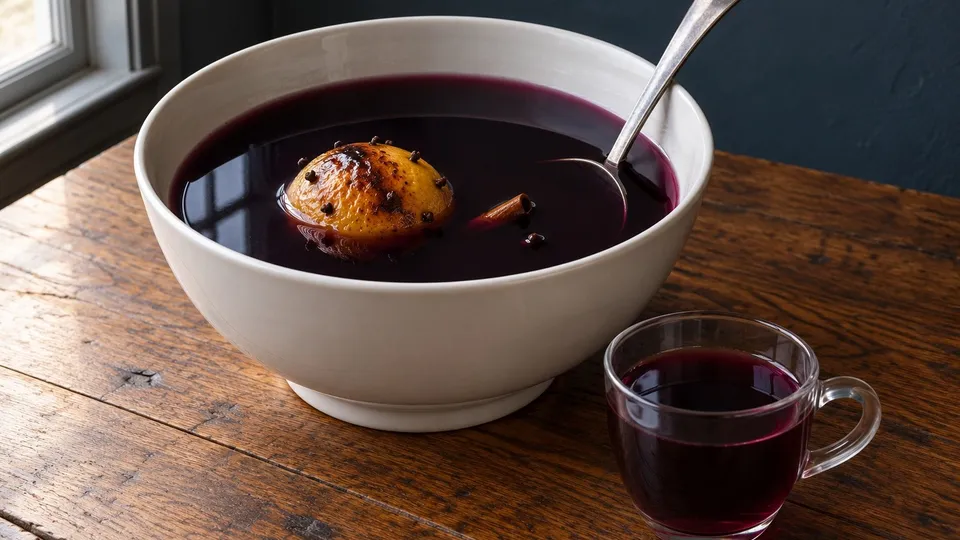
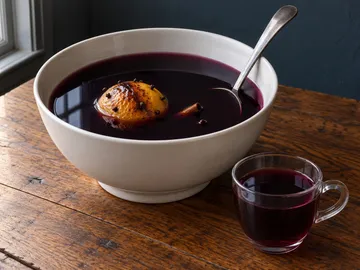
Hot red grape juice with a roasted clove-studded lemon, boiled-down spices, fresh lemon and nutmeg: the 1847 Oxford bishop made without the port.
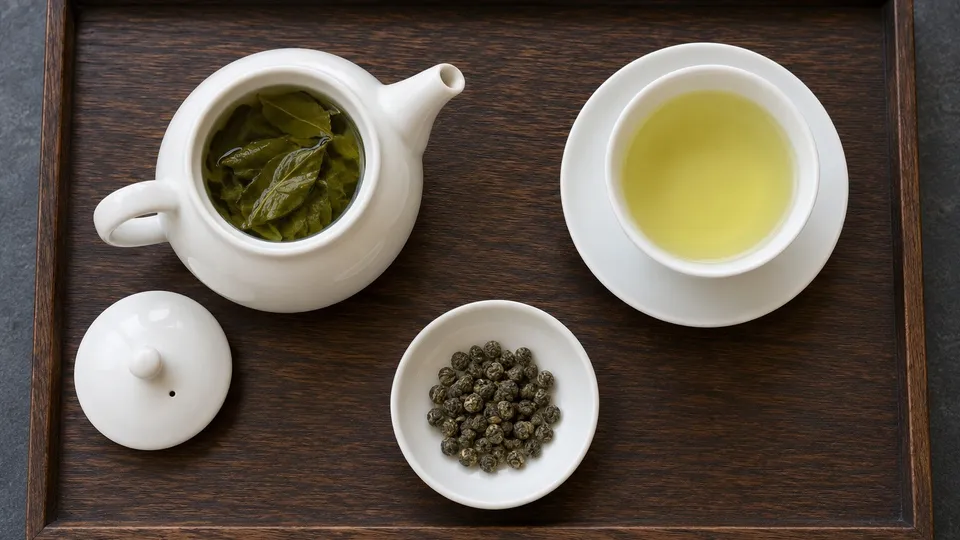
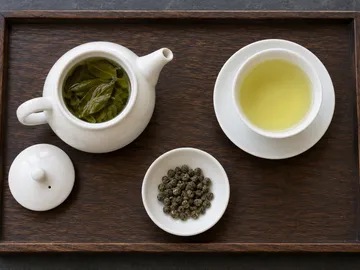
A teaspoon of rolled gunpowder tea for each person and one for the pot, boiling water, five minutes under the lid, then filled up: green tea as Mrs. Beeton made it in 1861.
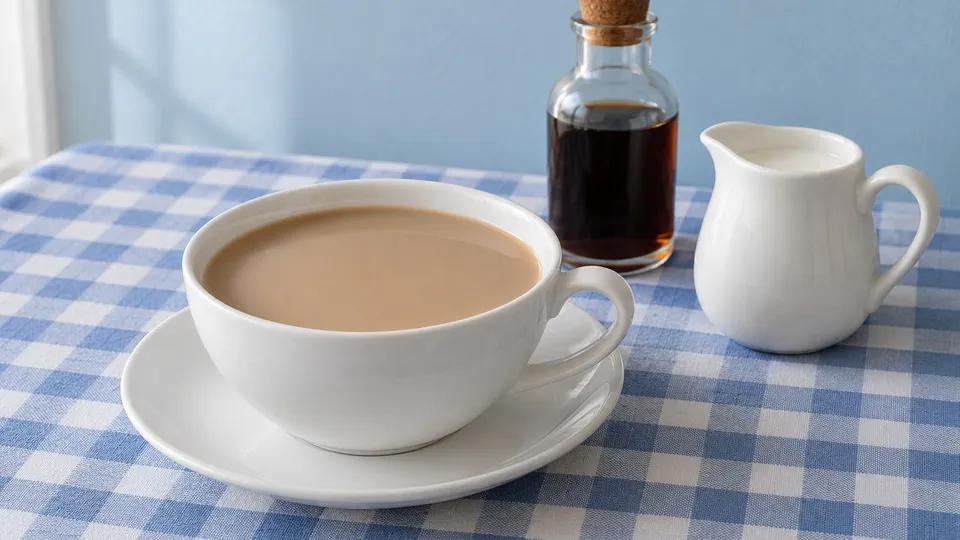
Fresh-ground coffee and a small spoonful of chicory, dripped, warmed and dripped again into a strong essence, then stirred into hot milk: Mrs. Beeton’s café au lait of 1861.
The full list
20 recipes in What Did Victorians Drink?
Try a different ingredient or recipe name, or use Clear filters above to see the full collection.
Recipes could not be loaded. or browse this collection page without filters.
Alcohol-free version
Always alcohol-free
Always alcohol-free
Always alcohol-free
Always alcohol-free
Alcohol-free version
Alcohol-free version
Alcohol-free version
Alcohol-free version
Alcohol-free version
Always alcohol-free
Always alcohol-free
Always alcohol-free
Always alcohol-free
Hot red grape juice with a roasted clove-studded lemon, boiled-down spices, fresh lemon and nutmeg: the 1847 Oxford bishop made without the port.
Fresh ginger syrup, lemon juice and cold soda water, never fermented: an alcohol-free ginger beer after the street fountains of 1850s London.
Hot red grape and blackcurrant juice poured into a covered jug of lemon sugar, sliced lemons and a little spice, then grated over with nutmeg: negus by the 1847 Oxford method, without the port.
For what was on the plate, our sister site The Forgotten Menu has Victorian recipes (opens in a new tab).