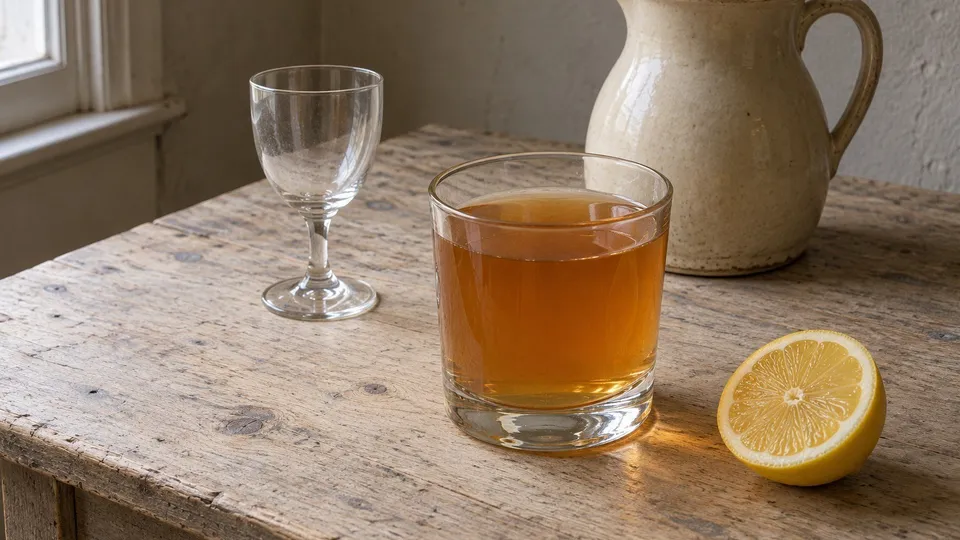
Planter’s Punch as Fun Printed It in Verse (1878)
One wine-glass of lemon juice, two of sugar, three of rum and four of cold water: Planter’s Punch as the London weekly Fun printed it in verse in 1878.
Drinks by theme
Historic punch recipes from the books that printed them: Franklin’s milk punch, Fish House Punch, Planter’s Punch, hot punch and alcohol-free punch bowls.
Updated
Make it today
One wine-glass of lemon juice, two of sugar, three of rum and four of cold water: Planter’s Punch as the London weekly Fun printed it in verse in 1878.
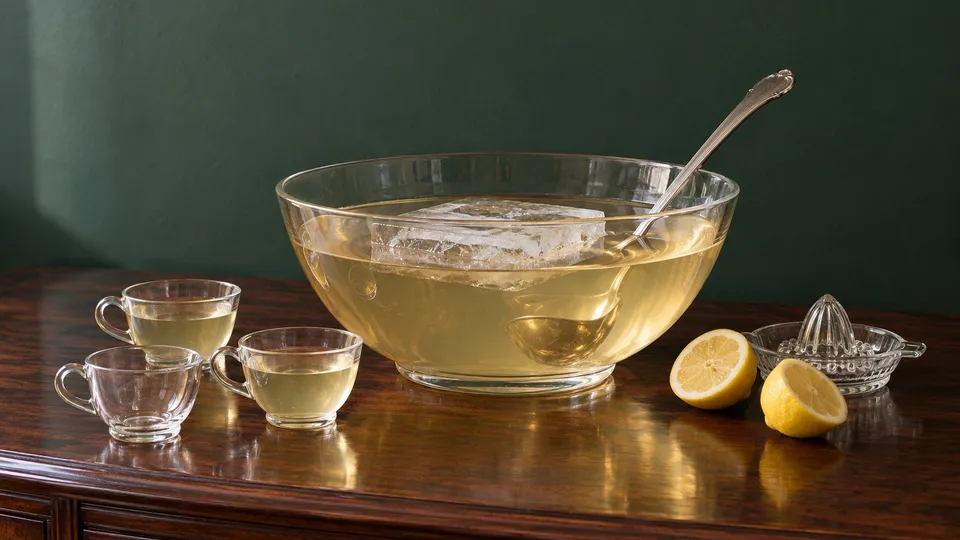
Lemon juice and sugar with Cognac, peach brandy and Jamaica rum, lengthened with plenty of cold water and served over ice: the Philadelphia Fish-House Punch of Jerry Thomas’s 1862 bar guide.
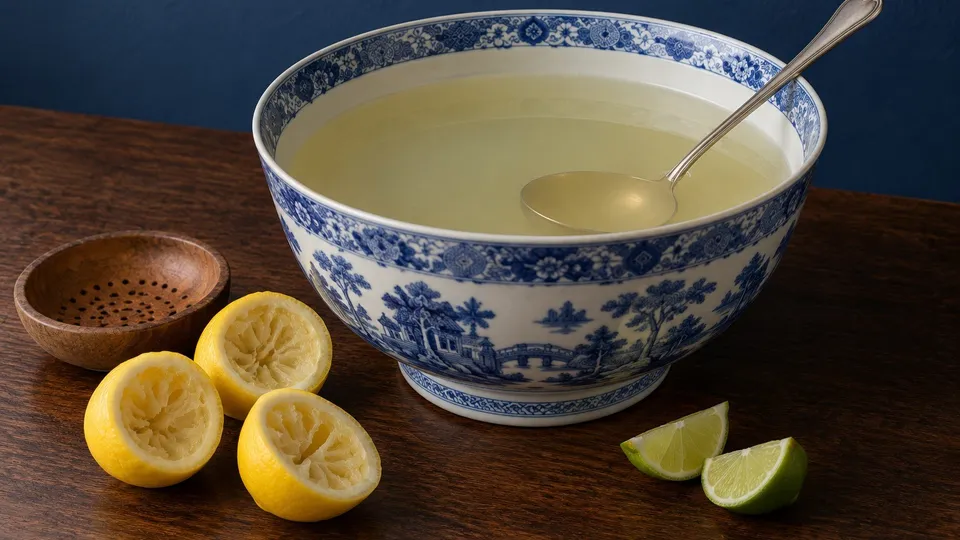
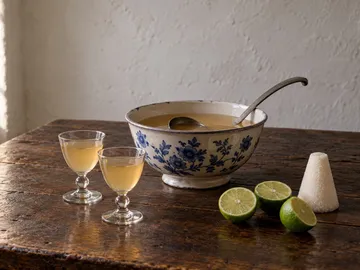
Sugar melted in cold water, a dozen lemons’ juice strained in, the bowl filled with the coldest water and finished with limes: Glasgow punch as it was tasted before the rum.
Spirit, citrus, sugar and water, mixed in a bowl for the whole table. The spirit changed, from brandy to rum to whisky, and the water could be hot, cold or tea, but those four parts held for two centuries.
In 1710 William Salmon’s Family Dictionary, a London household book, printed “Punch Orthodox, or Royal”: brandy and spring water, a pint of lime juice and a pound of the finest sugar, which he called “a Noble Cordial” that “exceeds all other Punch whatsoever.” In the Caribbean, William Dampier saw ships at the salt ponds of La Tortuga “always well stored with Rum, Sugar and Lime-juice to make Punch.” In 1763 Benjamin Franklin sent a friend in Massachusetts a receipt for punch cleared with boiling milk, six quarts of brandy and the rinds of forty-four lemons, to be bottled and kept.
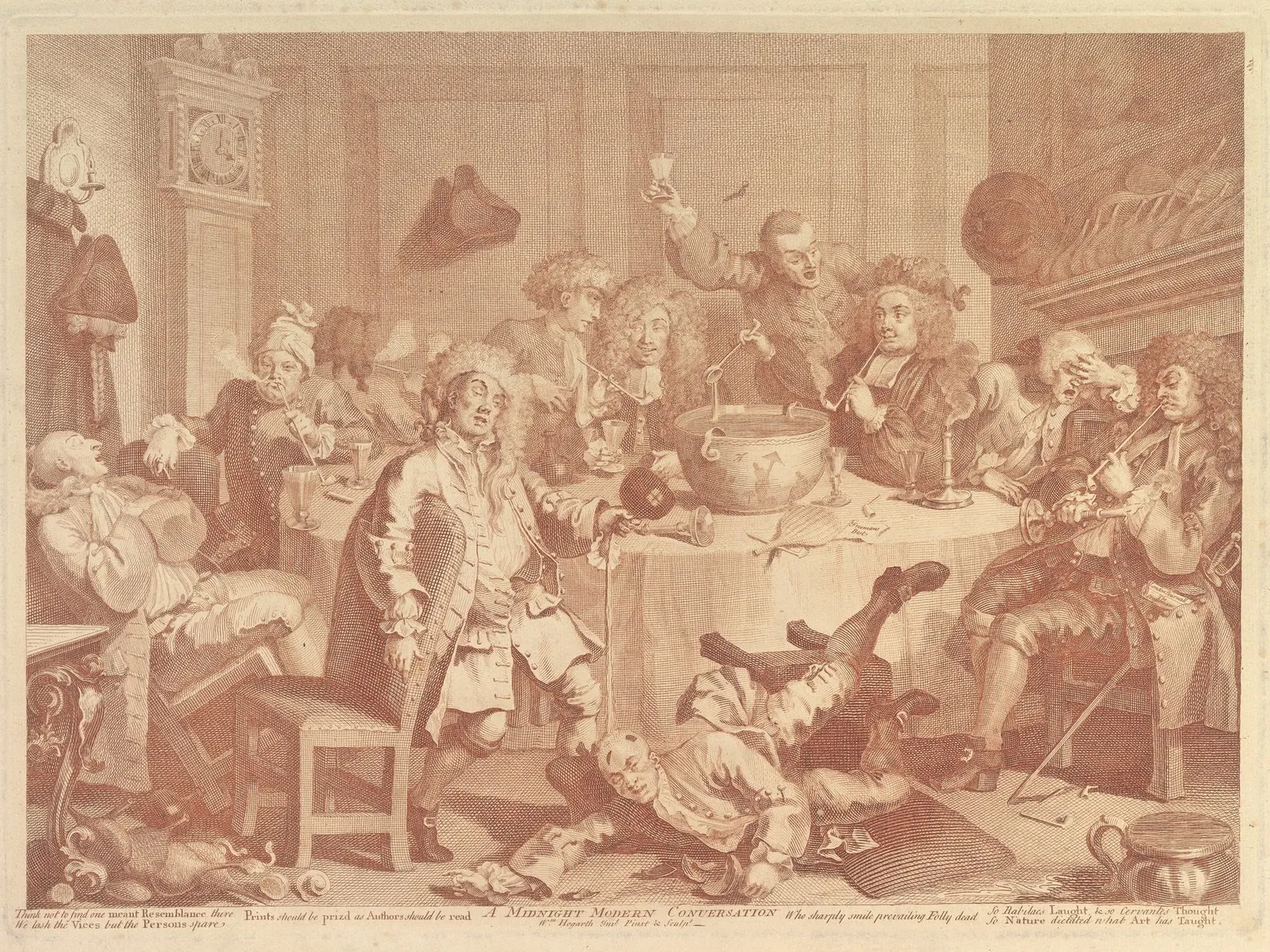
The bowl was a party in itself. At a Glasgow merchant’s dinner in 1819, John Gibson Lockhart watched the guests nearest the bowl taste the sherbet of lemons, sugar and cold water and approve it before a drop of rum went in. Jerry Thomas’s bar guide of 1862 gave a whole run of punches, from Philadelphia’s Fish House Punch to a tea punch set alight, and in 1878 the London weekly Fun put Planter’s Punch into verse: one wine-glass of lemon juice, two of sugar, three of rum and four of cold water.
Punch also made the dry party work. The temperance hostesses of the 1920s filled their bowls with weak tea, citrus and ginger ale. Each recipe gives its source, and the alcohol-free ones say whether they are period drinks or our own versions.
A Noble Cordial, and exceeds all other Punch whatsoever.
Spirit, citrus, sugar and water for a crowd, from Salmon’s lime punch of 1710 to Planter’s Punch of 1878. Franklin cleared his with milk and bottled it.
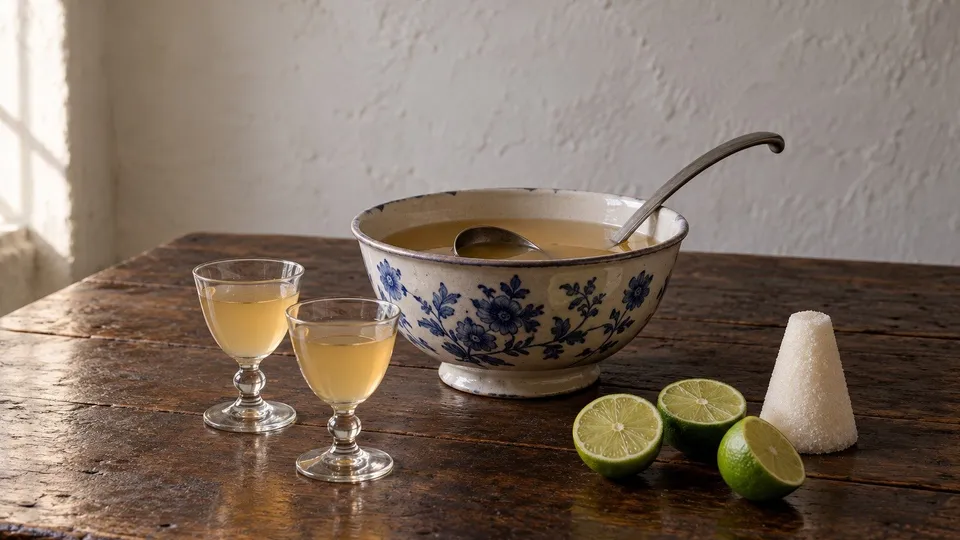
Brandy, spring water, a pint of lime juice and a pound of double-refined sugar: William Salmon’s strong lime punch of 1710, from the years of Blackbeard and Bartholomew Roberts.
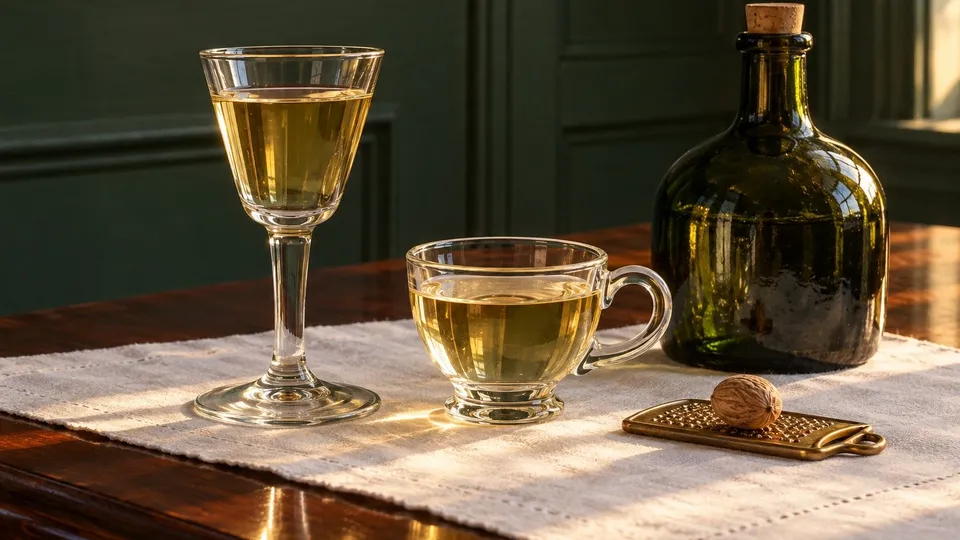
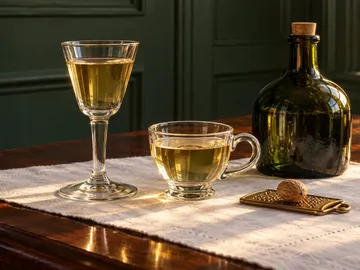
Brandy steeped with lemon peel, then nutmeg, lemon, sugar and boiling milk, dripped clear through a jelly bag and bottled: Franklin’s 1763 receipt at a twelfth of the size.
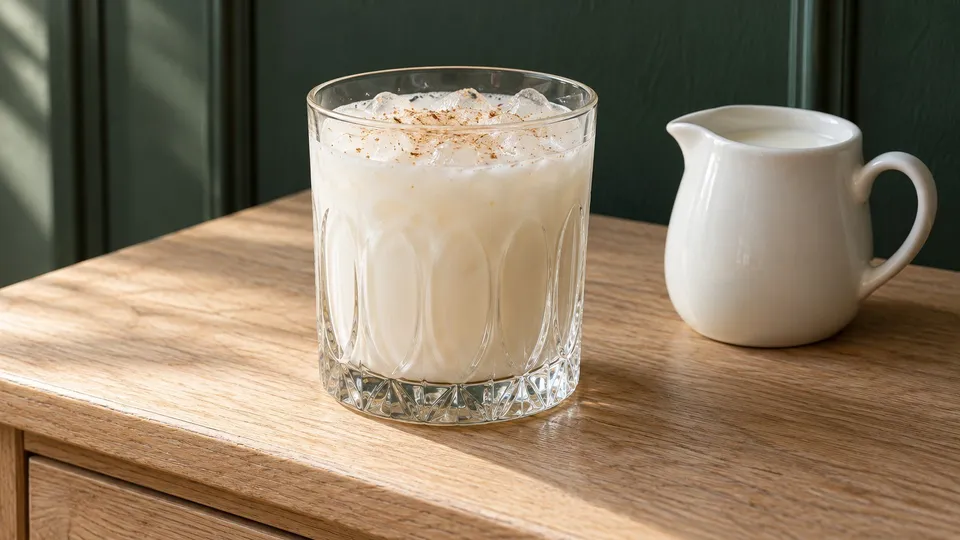
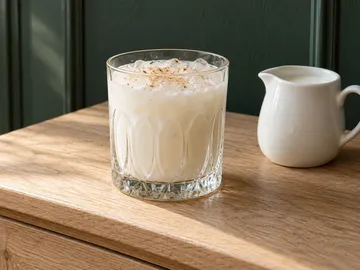
A wine-glass of Cognac and half as much St. Croix rum, shaken with sugar, shaved ice and milk to fill the glass, topped with nutmeg: Jerry Thomas’s Milk Punch of 1862, eggnog without the egg.
With boiling water or hot tea in place of cold water, poured over the spirit, sugar and lemon. Victorians drank their Christmas punch this way.
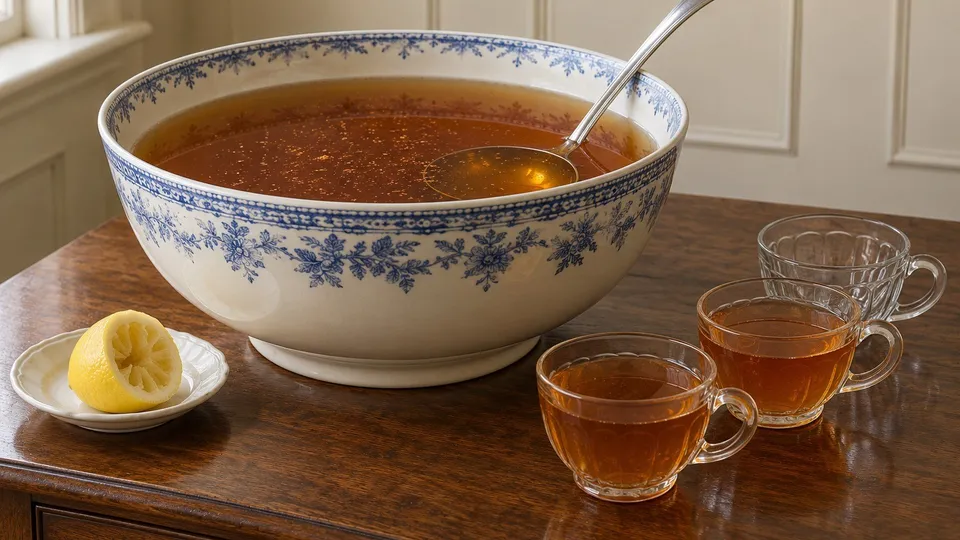
Equal parts rum and brandy, sugar rubbed on a lemon, nutmeg and a pint of boiling water, mixed in a punchbowl: the hot punch of Mrs. Beeton’s 1861 book.
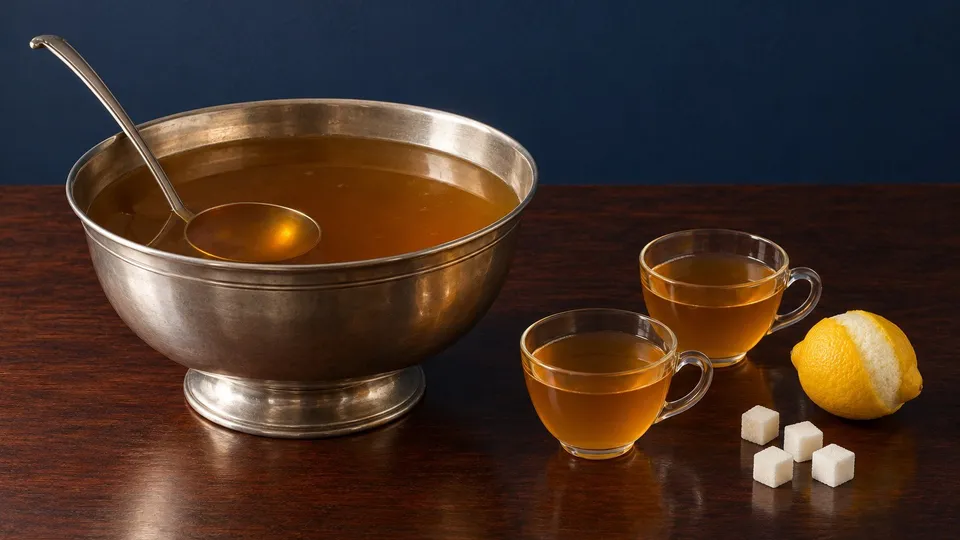
A quart of strong green tea poured into hot brandy, rum, lump sugar rubbed on lemon peel and lemon juice: Jerry Thomas’s 1862 tea punch, once served alight.
A cup was the Victorian summer cousin: wine or cider lengthened with soda water and ice, lighter than a spirit punch. Escoffier froze his punch into an ice served mid-dinner.
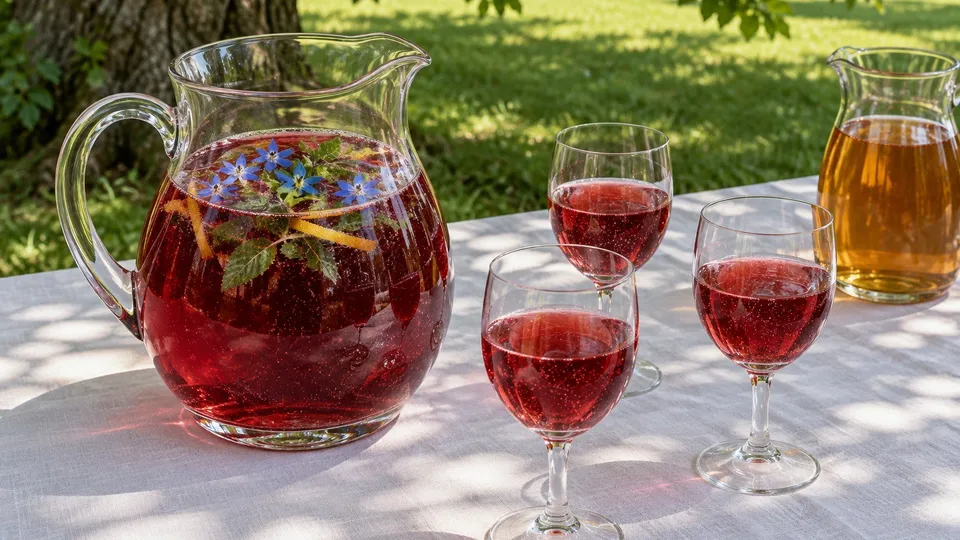
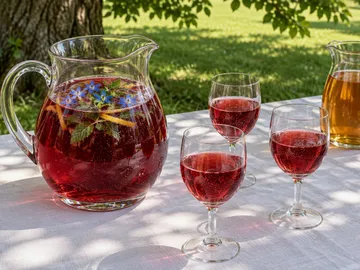
Claret chilled with lemon peel and sugar, then sherry, brandy, noyau, maraschino, borage and soda water: the claret cup of the Edwardian tennis tea, from 1906.
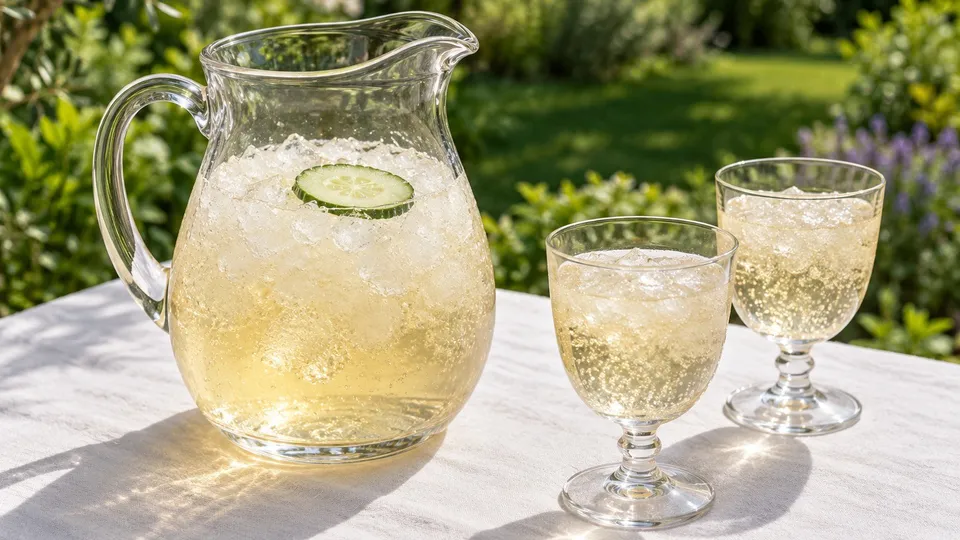
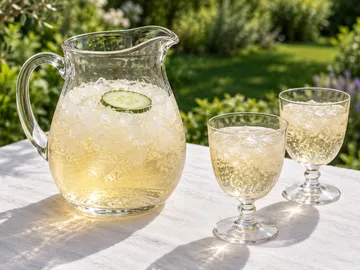
Sparkling cider with curaçao, brandy, rock sugar, lemon and a slice of cucumber, poured over shaved ice and served at once: a summer cider cup from 1869, at half quantity.
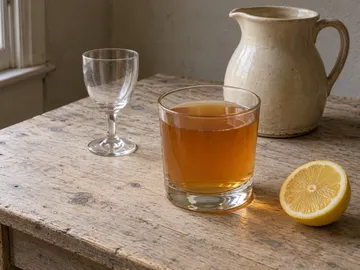
Lemons, sugar and cold water, the Glasgow sherbet before the rum, or the 1920s dry party bowl of tea, citrus and ginger ale. All four are alcohol-free.
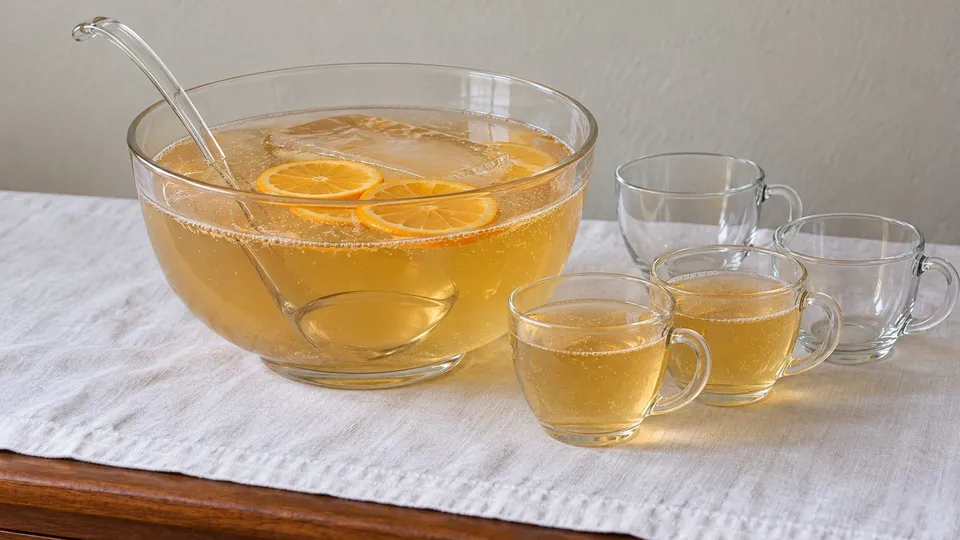
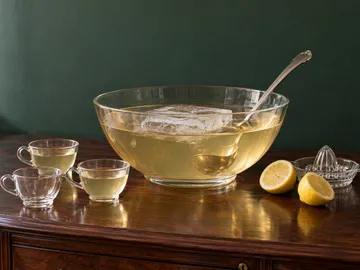
Weak tea, sugar, orange and lemon juice over a block of ice, topped with ginger ale and sparkling water at the last minute: a Prohibition party punch.
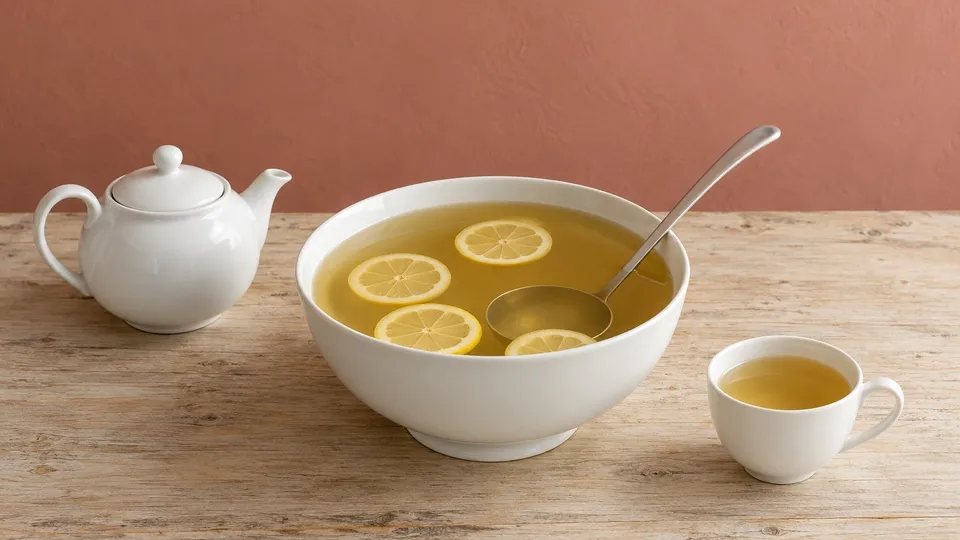
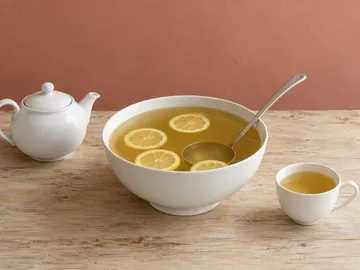
The green tea, lump sugar rubbed on lemon peel and lemon juice of Jerry Thomas’s 1862 tea punch, with hot water in place of the brandy and rum, served from a warm bowl.
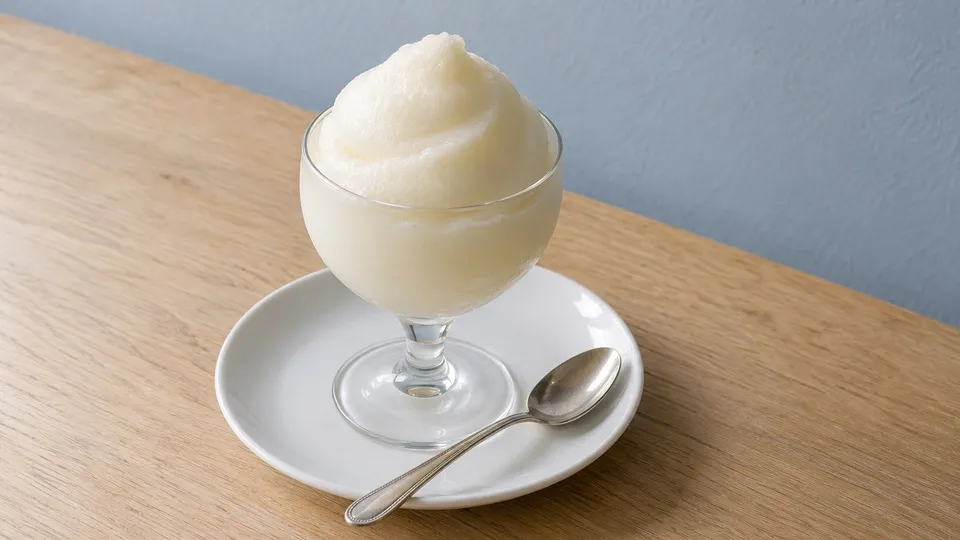
Escoffier’s half-frozen Punch à la Romaine without the wine or rum: white grape juice, orange and lemon steeped in syrup, churned to a soft ice and lightened with Italian meringue.
The full list
13 recipes in Historic Punch Recipes, From the Punch Bowl to the Dry Party
Try a different ingredient or recipe name, or use Clear filters above to see the full collection.
Recipes could not be loaded. or browse this collection page without filters.
Alcohol-free version
Alcohol-free version
Alcohol-free version
Always alcohol-free
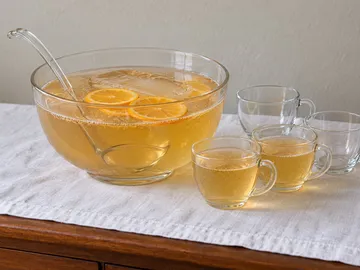
Escoffier’s half-frozen Punch à la Romaine without the wine or rum: white grape juice, orange and lemon steeped in syrup, churned to a soft ice and lightened with Italian meringue.
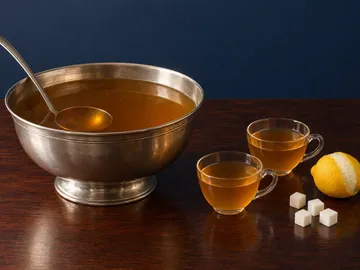
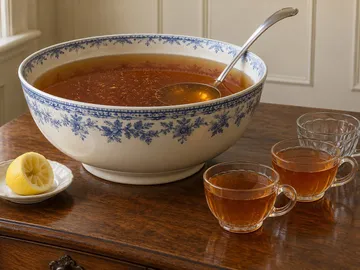
The green tea, lump sugar rubbed on lemon peel and lemon juice of Jerry Thomas’s 1862 tea punch, with hot water in place of the brandy and rum, served from a warm bowl.
Brandy steeped with lemon peel, then nutmeg, lemon, sugar and boiling milk, dripped clear through a jelly bag and bottled: Franklin’s 1763 receipt at a twelfth of the size.