Always alcohol-free
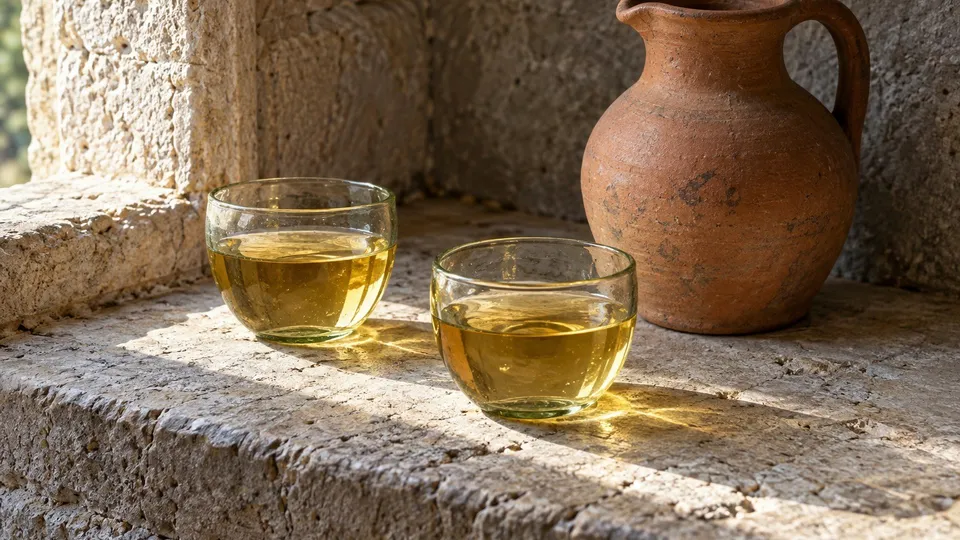
Adynamon, Pliny’s Wine Without Strength
White grape must boiled with half its volume of water until the water is gone: the Roman ‘wine’ given to people who were not allowed wine. Alcohol-free.
Without the alcohol
Long before anyone said “mocktail”, people mixed serious drinks without alcohol: for health, for faith, for temperance or simply for thirst. These are the drinks they made on purpose, under the names they used.
Updated
Looking for a cocktail without the spirit? Our vintage mocktails are the mixed drinks of the bar and the soda fountain, made alcohol-free from the start.
Throwing a Prohibition party? Our 1920s drinks include the soda-fountain drinks America poured when the bars went dry.
Planning a dry month? Our Dry January drinks gather the old recipes worth making in the depth of winter.
Every drink here has no alcohol added, and comes in one of two kinds. Always alcohol-free drinks were made without alcohol in their own day, from Roman posca to soda-fountain lemonade. Alcohol-free version drinks are our modern takes on drinks that had wine, beer or spirits in the period source, with the swap explained on the recipe. Fermented drinks such as small beer or ginger beer are labeled low-alcohol, because fermentation leaves some behind.
Make it today
White grape must boiled with half its volume of water until the water is gone: the Roman ‘wine’ given to people who were not allowed wine. Alcohol-free.
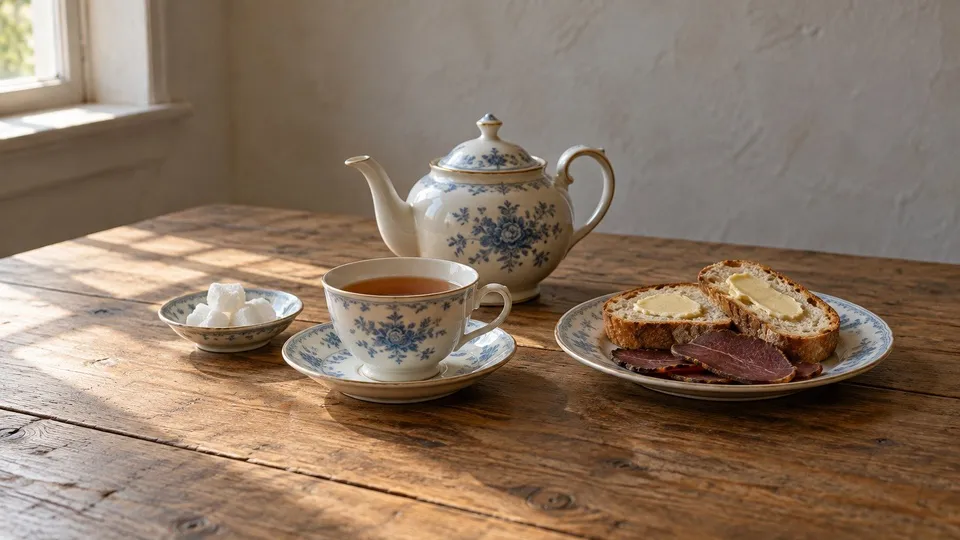
Black tea without milk, drunk with a small lump of sugar held in the mouth: breakfast tea as a Swedish visitor saw the Dutch of Albany take it in 1749.
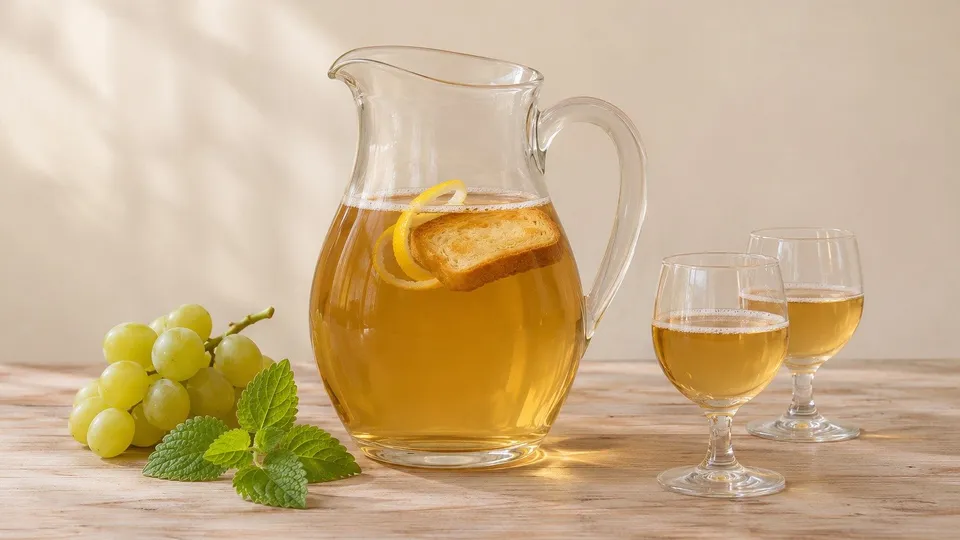
Spencer’s 1903 Ale Cup made without alcohol: a 0.0% ale and white grape juice poured cold over hot toast with lemon, sugar, nutmeg and a sprig of balm.
Why without
Thirst and work. Roman soldiers and slaves drank posca, wine vinegar stirred into water: cheap, sour and quick to make.
Health. Pliny counted oxymel, honey boiled with vinegar and salt, among the drinks Romans used as medicines. Medieval books give thin oat gruel for the sick.
Faith. On fast days the medieval Church ruled out milk from animals, so kitchens made almond milk instead and drank and cooked with it.
Temperance and Prohibition. The temperance movement of the 1800s gave many households a reason to drink without alcohol. In the United States, Prohibition (1920 to 1933) filled the soda fountains, though the trade argued about how much of that boom the dry law caused.
Every recipe here starts from a period book, with the source named on the page, and is made today without adding any alcohol.
Keep going
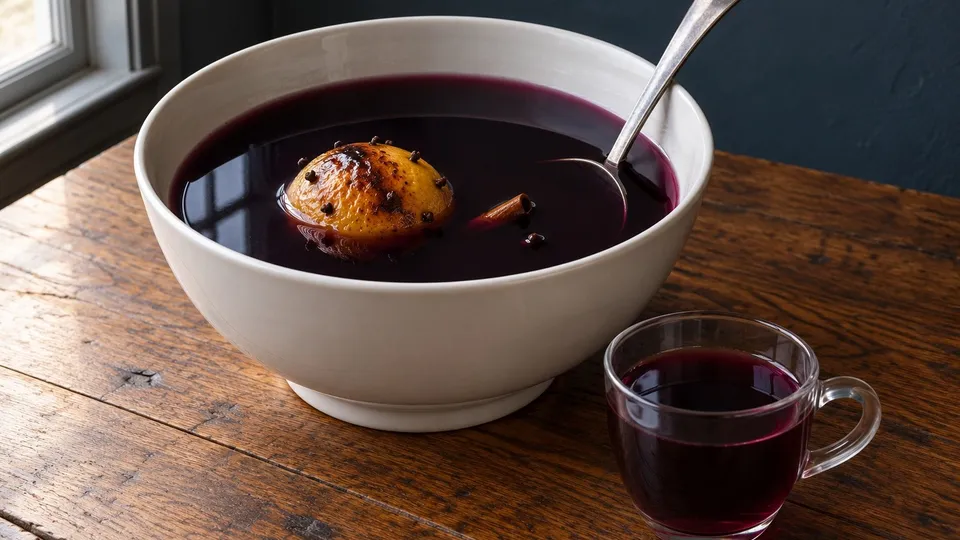
Hot red grape juice with a roasted clove-studded lemon, boiled-down spices, fresh lemon and nutmeg: the 1847 Oxford bishop made without the port.
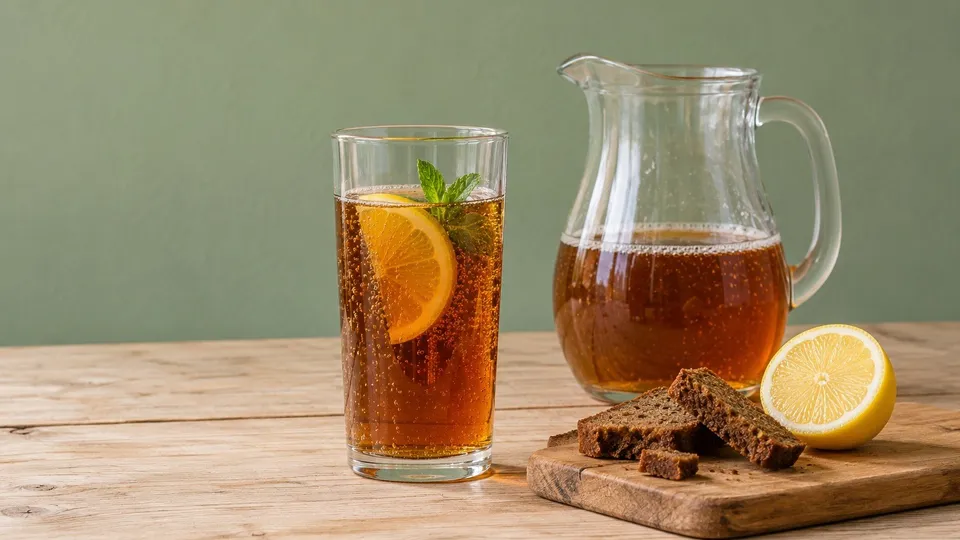
Dried rye bread and fresh mint steeped in boiling water, sweetened with dark treacle and sharpened with lemon, then lifted with soda water: Molokhovets’s 1887 kvass made without yeast.
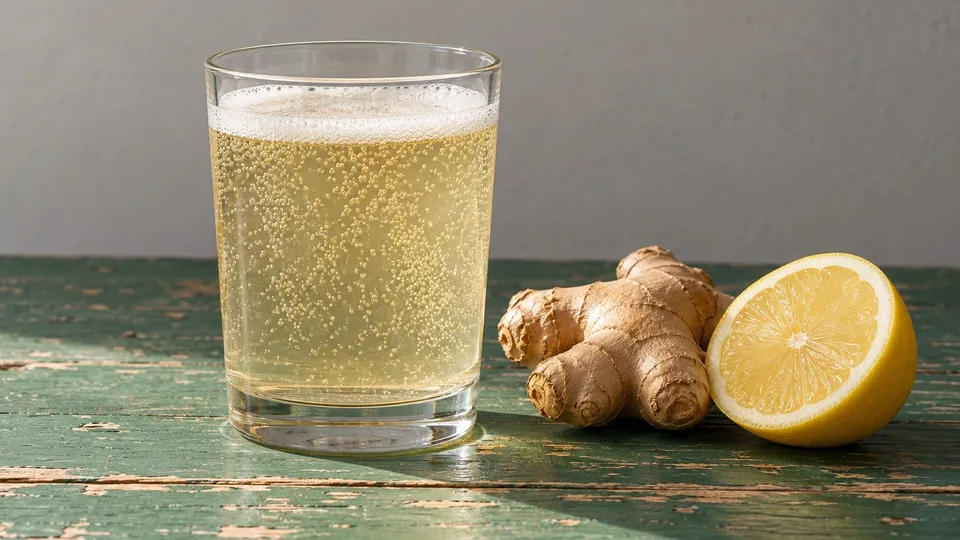
Fresh ginger syrup, lemon juice and cold soda water, never fermented: an alcohol-free ginger beer after the street fountains of 1850s London.
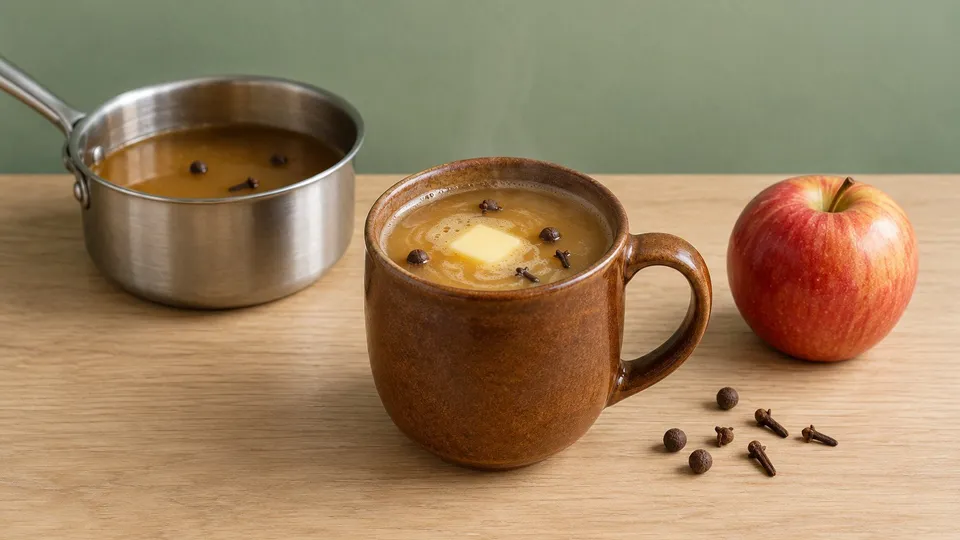
Jerry Thomas’s 1862 hot spiced rum without the rum: sweet apple cider heated with whole allspice and cloves, finished with a piece of butter melting on top.
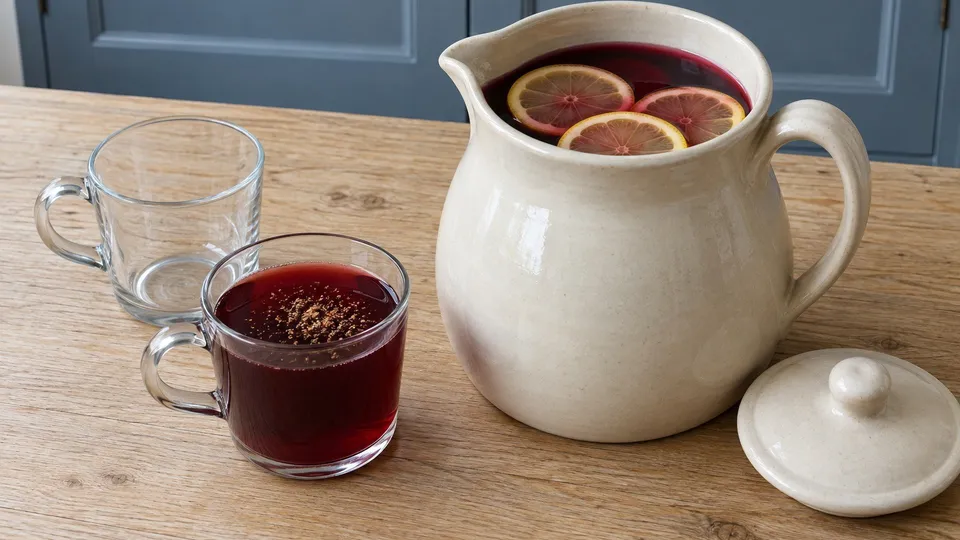
Hot red grape and blackcurrant juice poured into a covered jug of lemon sugar, sliced lemons and a little spice, then grated over with nutmeg: negus by the 1847 Oxford method, without the port.
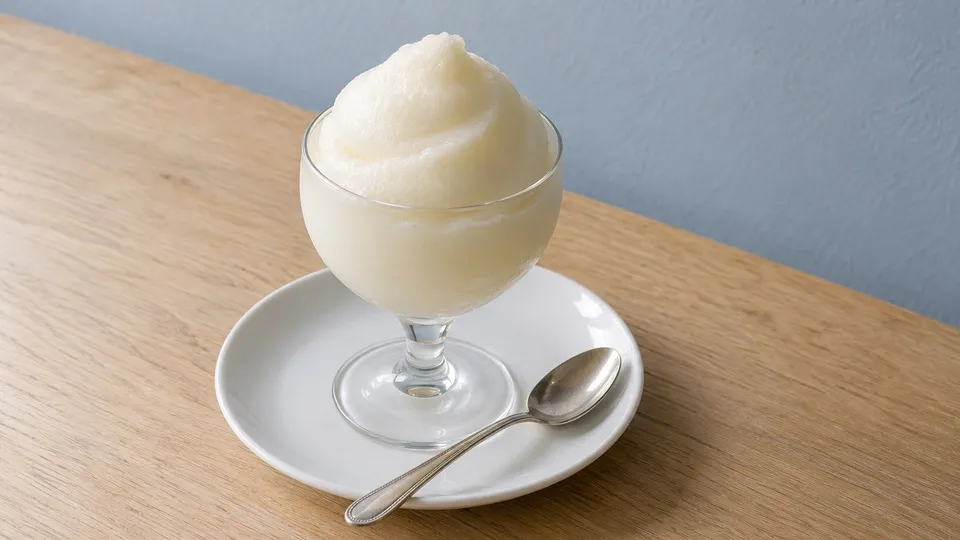
Escoffier’s half-frozen Punch à la Romaine without the wine or rum: white grape juice, orange and lemon steeped in syrup, churned to a soft ice and lightened with Italian meringue.
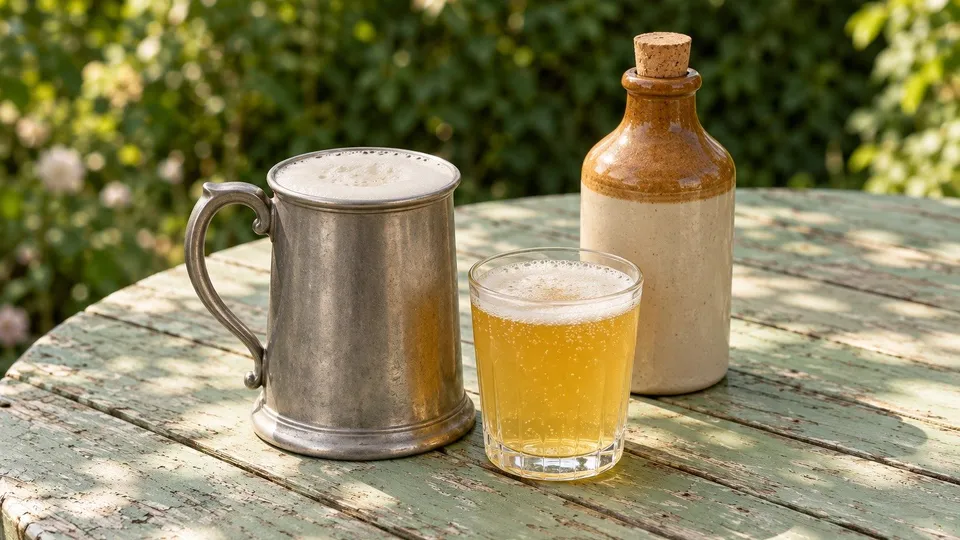
Terrington’s 1869 shandy gaff made without alcohol: a 0.0% ale topped up with ginger beer in equal parts, poured cold.
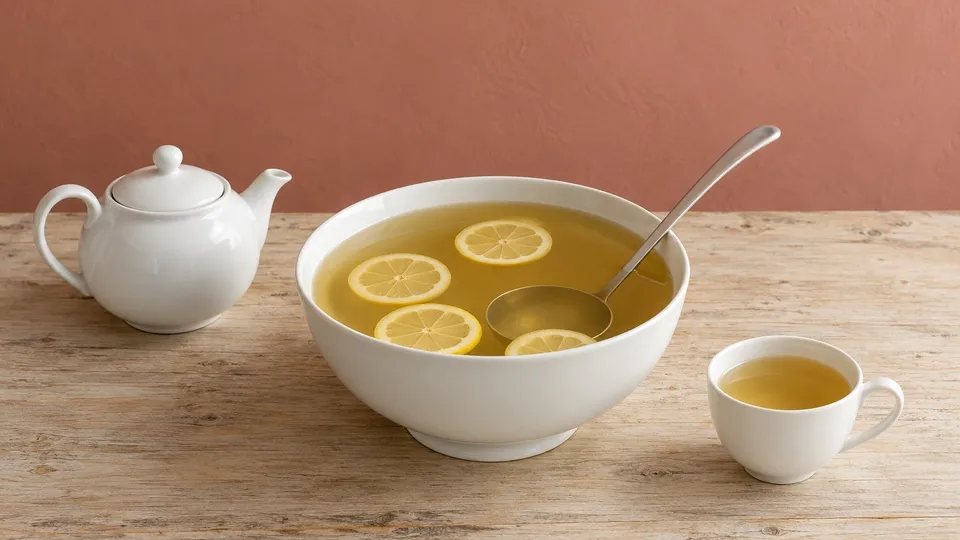
The green tea, lump sugar rubbed on lemon peel and lemon juice of Jerry Thomas’s 1862 tea punch, with hot water in place of the brandy and rum, served from a warm bowl.
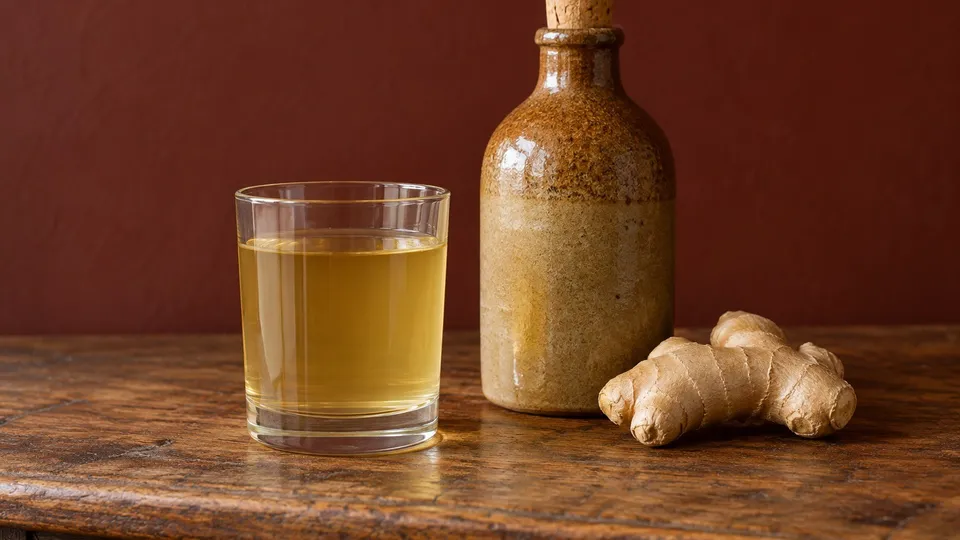
A still ginger drink with no wine in it: sugar, tartaric acid and boiling water heated with ginger and chile, after an 1887 Temperance Cook Book. A modern alcohol-free version.
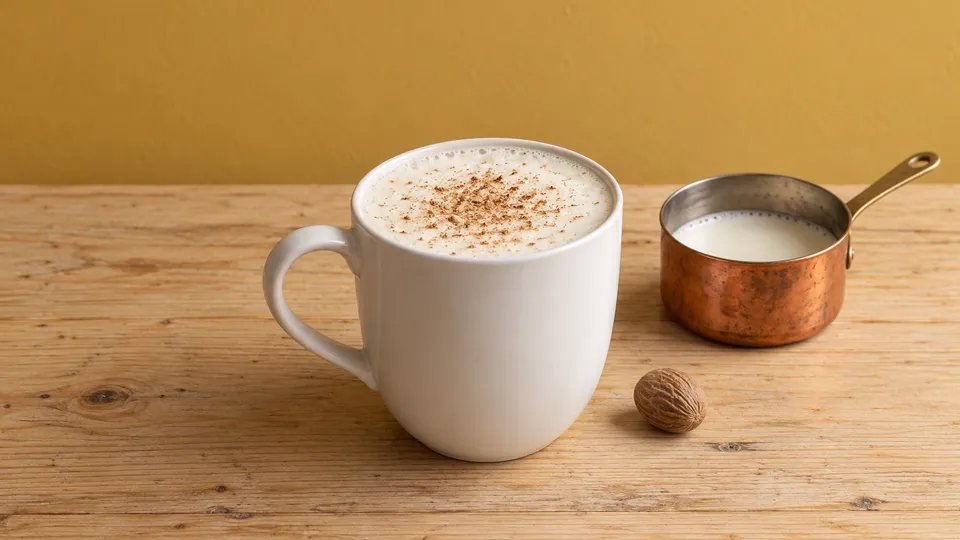
The spiced egg batter of the 1862 Tom and Jerry, beaten light and stirred into milk just off the boil, with nutmeg on top: the hot Christmas drink without the brandy.
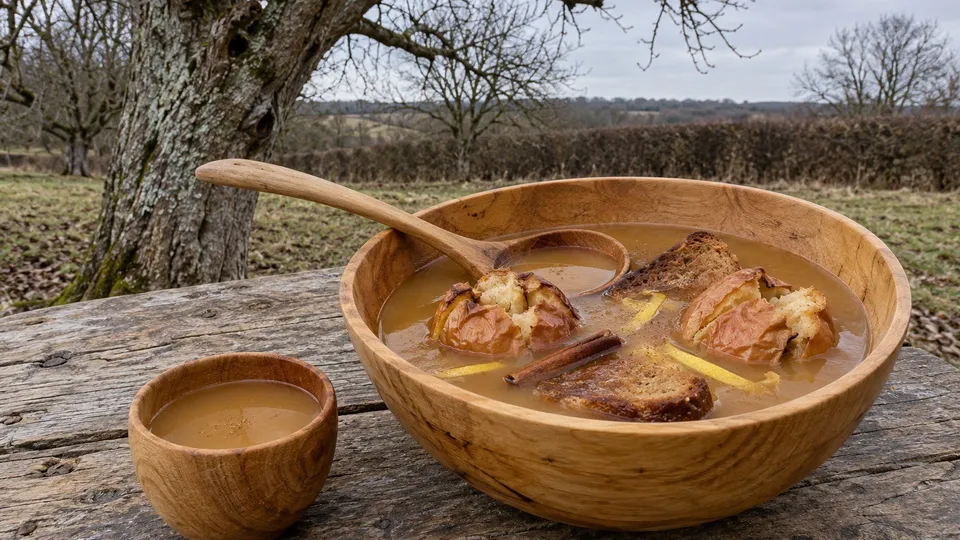
Cloudy apple juice heated with cinnamon, ginger, lemon and nutmeg, with roasted apples and toast floating in the bowl: our modern alcohol-free take on the 1869 wassail.
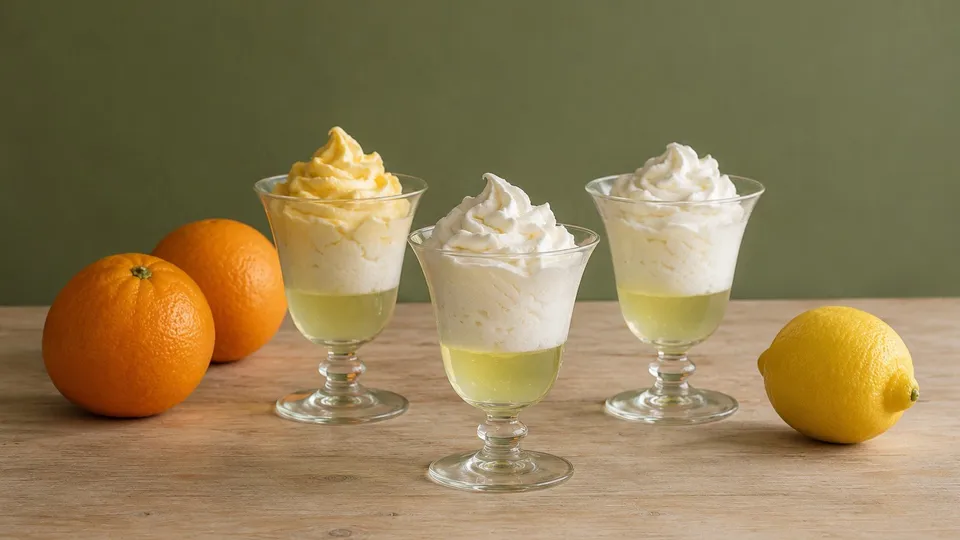
Cream whisked with orange and lemon juice, grated lemon peel and fine sugar, spooned over sweetened lemon whey, which Hannah Glasse offered in 1747 in place of the wine.