Always alcohol-free
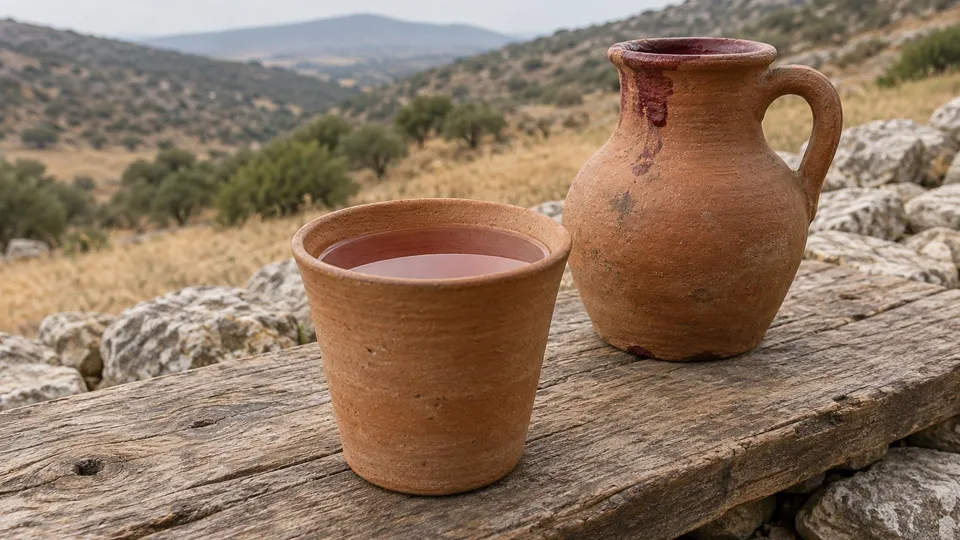
Posca, the Roman Soldier’s Vinegar Drink
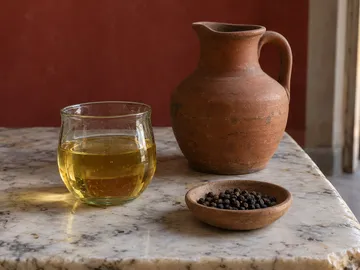
Wine vinegar stirred into cold water: the sour, cheap drink of Roman soldiers and slaves, alcohol-free and ready in a minute.
Drinks by theme
Roman drinks to make today, from honeyed mulsum and spiced conditum to posca, oxymel and fresh grape juice, each with its ancient or later source.
Updated
Make it today
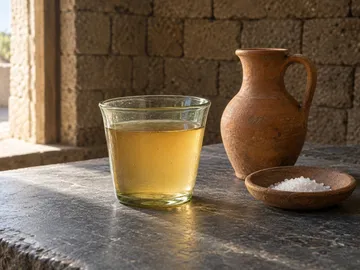
Wine vinegar stirred into cold water: the sour, cheap drink of Roman soldiers and slaves, alcohol-free and ready in a minute.
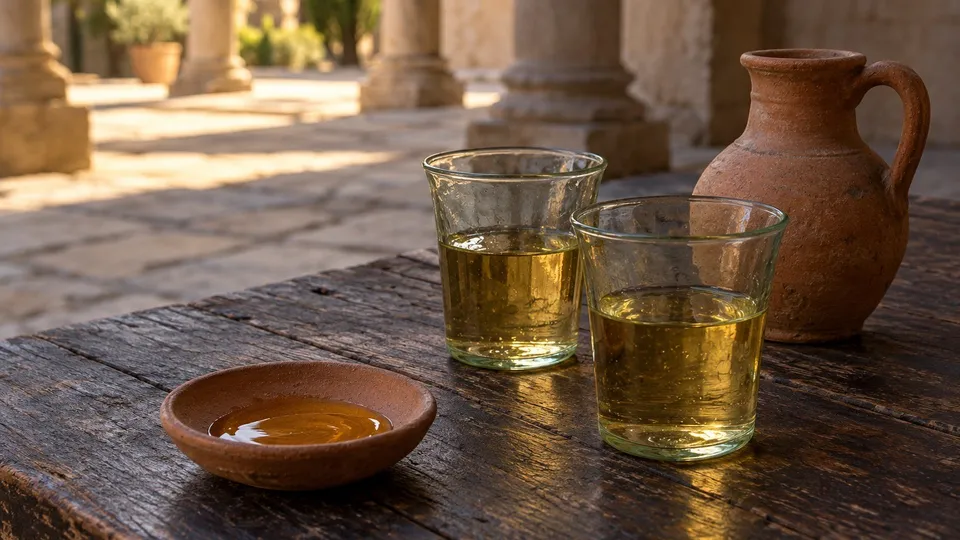
Four measures of wine to one of honey: the drink Romans poured with the first course of dinner, made in five minutes, then left to cool.
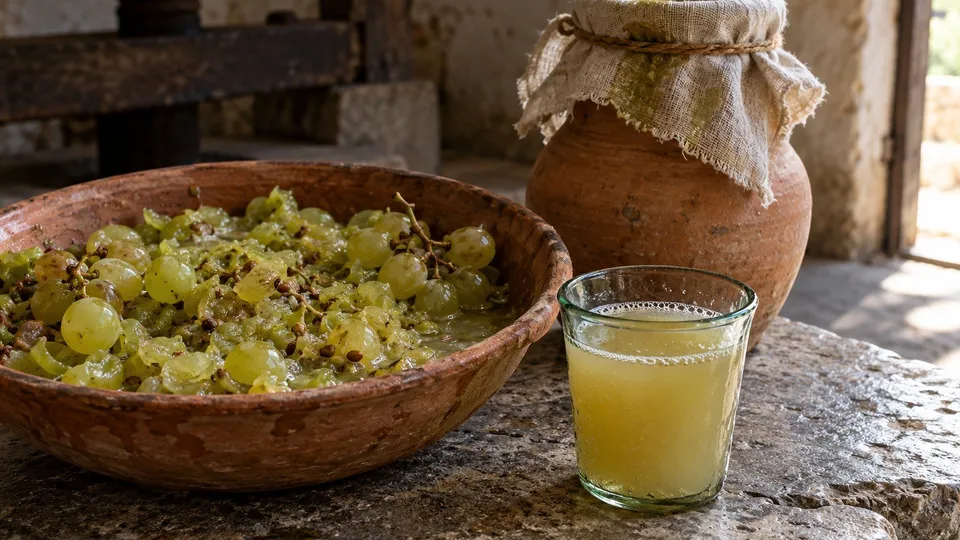
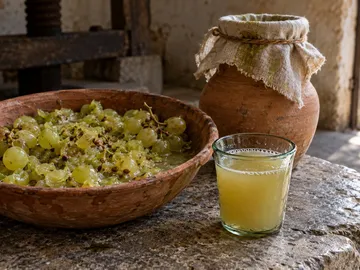
Ripe grapes crushed and strained into cloudy fresh juice, the Roman mustum drunk before it could become wine, kept cold and drunk the same day.
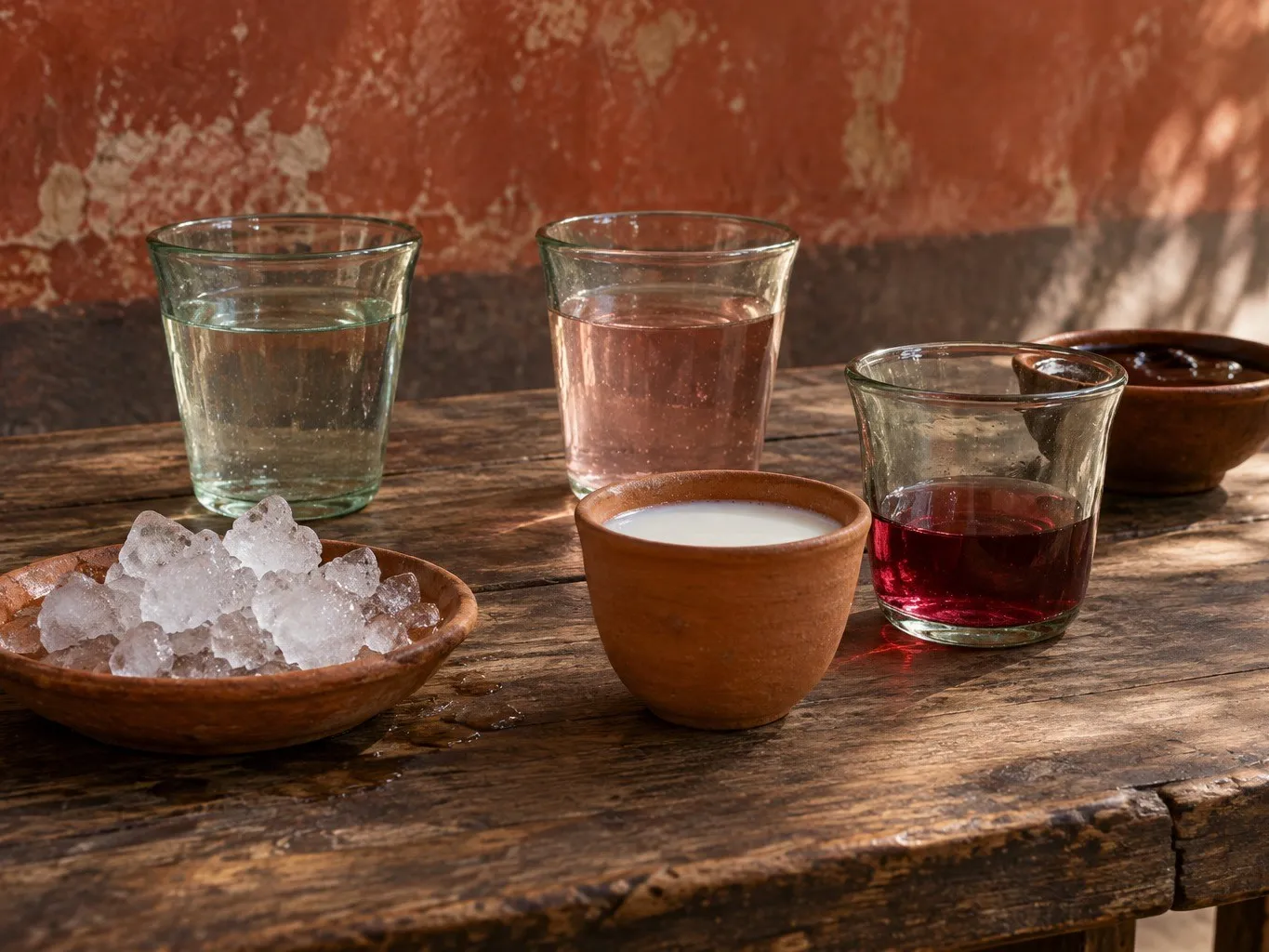
Water first, then wine, almost always mixed with water and often sweetened with honey or spiced. Beside them stood drinks with no alcohol at all: posca, vinegar stirred into water; oxymel, honey boiled with vinegar; fresh grape juice and the syrups boiled down from it; and milk.
Water was easy to come by. “All the important towns of Italy had abundant supplies of water piped from hills,” Harold Whetstone Johnston wrote in The Private Life of the Romans (1903), and the rich chilled it with snow saved from the winter or kept it hot in bronze urns at table. Pliny the Elder gave a whole book of his Natural History to wine and still thought water should have been enough.
Wine itself was thinner than ours. Romans “always mixed it with water and used more water than wine,” Johnston wrote, and drinking it unmixed “was thought typical of barbarism.” Mulsum, four measures of wine to one of honey, came with the first course of dinner; the cookbook that goes under the name of Apicius opens with conditum paradoxum, honey boiled with wine and steeped with pepper, saffron and bay. Beer, Roman writers filed under other people’s habits.
The sober drinks had their uses. Posca was the soldier’s and the slave’s drink, cheap and quick; oxymel was medicine; and adynamon, a “wine without strength” of grape must boiled down with water, was given to people who were not allowed wine.
Every recipe here names its Roman or later source, and the alcohol-free ones are marked.
As if Nature had not given us water as a beverage, the one, in fact, of which all other animals make use.
Water, milk, vinegar drinks and grape juice, none with alcohol. Posca was the everyday one, oxymel the medicine.
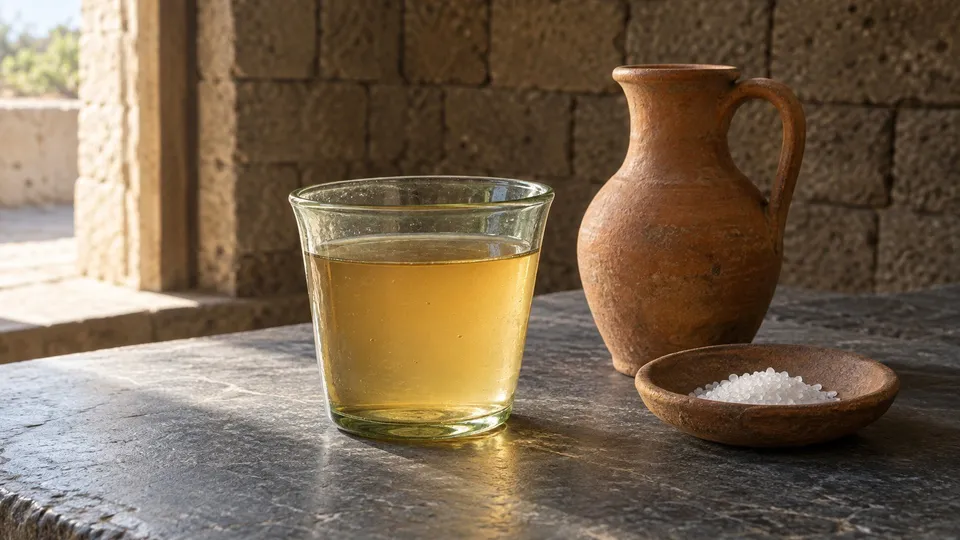
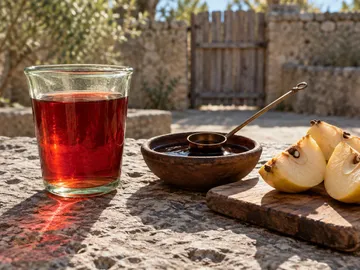
Honey, old vinegar, sea salt and water, boiled into a sharp-sweet syrup: the sweetened cousin of the Roman soldier’s vinegar drink, and alcohol-free.
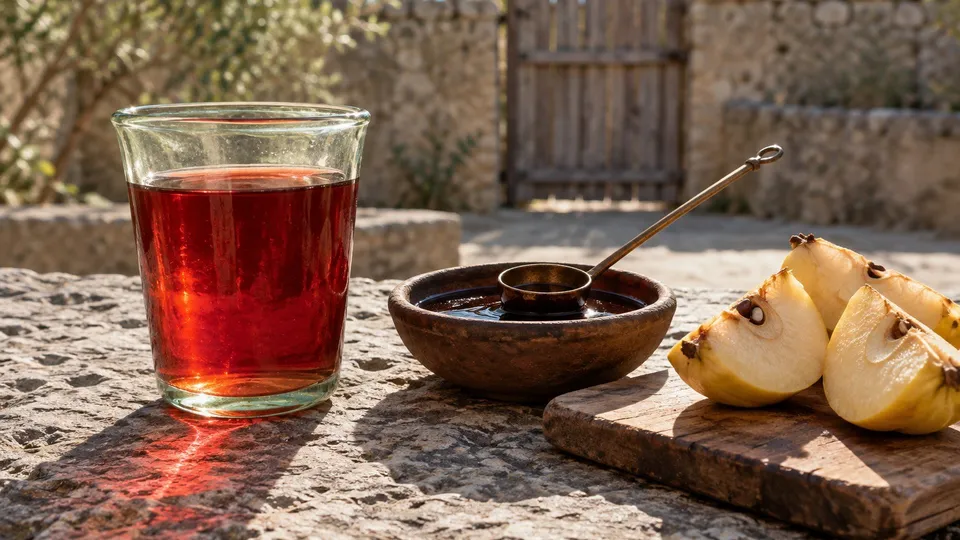
Grape juice boiled down to half its volume into the Romans’ defrutum, then stirred into cold water: a dark, sweet, alcohol-free grape drink.
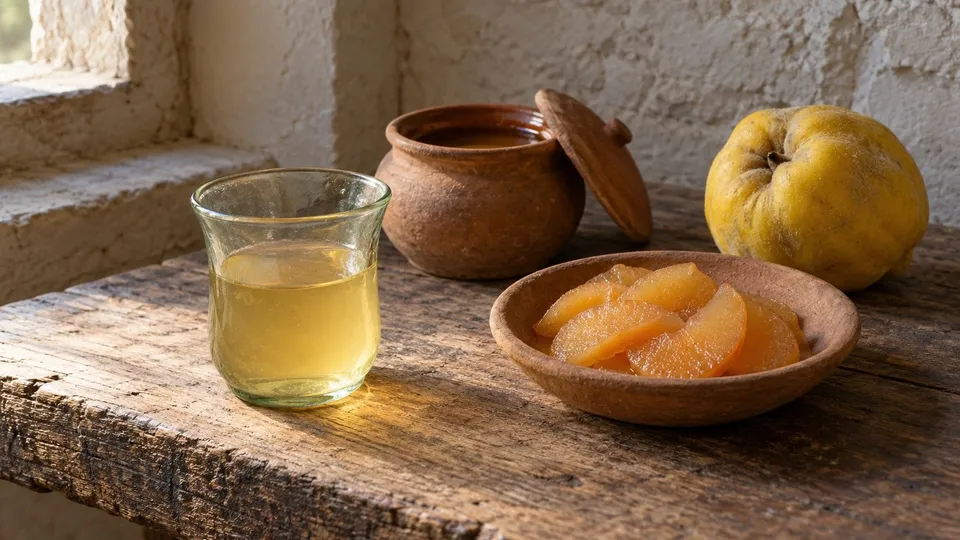
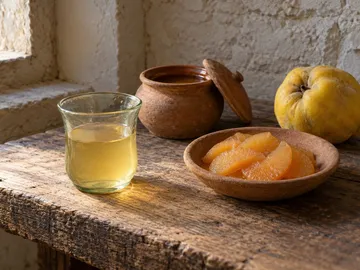
Ripe quince warmed in honey and steeped overnight: Columella’s quince-scented honey, stirred into cold water for an alcohol-free Roman drink.
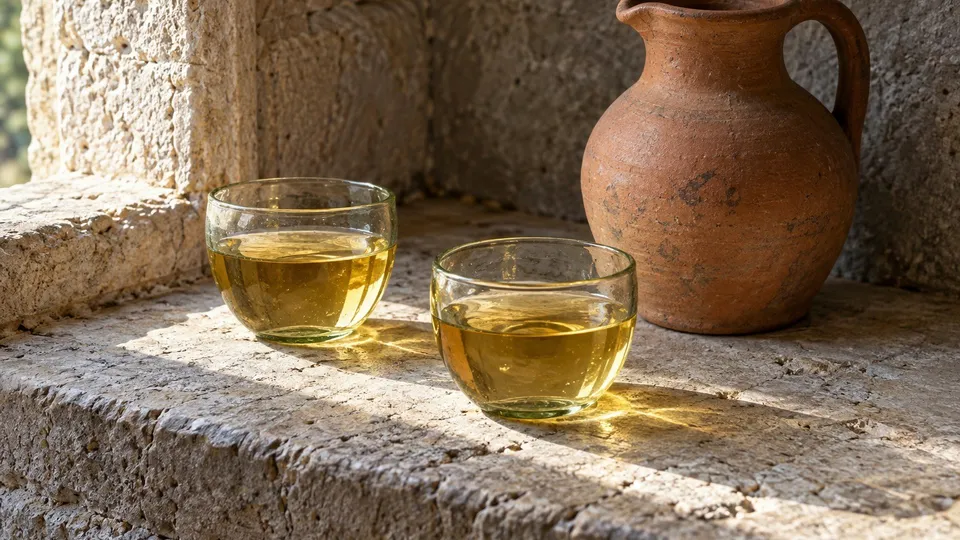
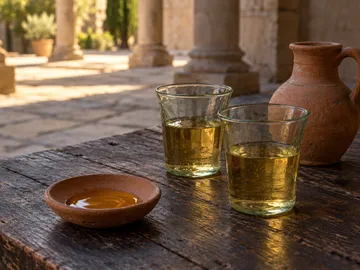
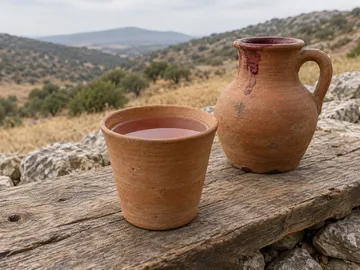
White grape must boiled with half its volume of water until the water is gone: the Roman ‘wine’ given to people who were not allowed wine. Alcohol-free.
Where breakfast grew into a regular meal, eggs were served with mulsum, the honeyed wine, and milk, as Harold Whetstone Johnston summed up the Roman evidence in The Private Life of the Romans (1903). Milk came from sheep and goats as well as cows.
Milk, water and the other drinks that came before wine are in What Did Romans Drink Besides Wine?.
Vinegar, in the Gospels: at the crucifixion a sponge was filled from “a vessel full of vinegar” (John 19:29, King James Version). Whether it was posca, the vinegar and water that Roman soldiers drank in the field, the Gospel doesn’t say.
Thinner and usually sweeter than ours, cut with water and often sweetened with honey or flavored with spices, roses or wormwood.
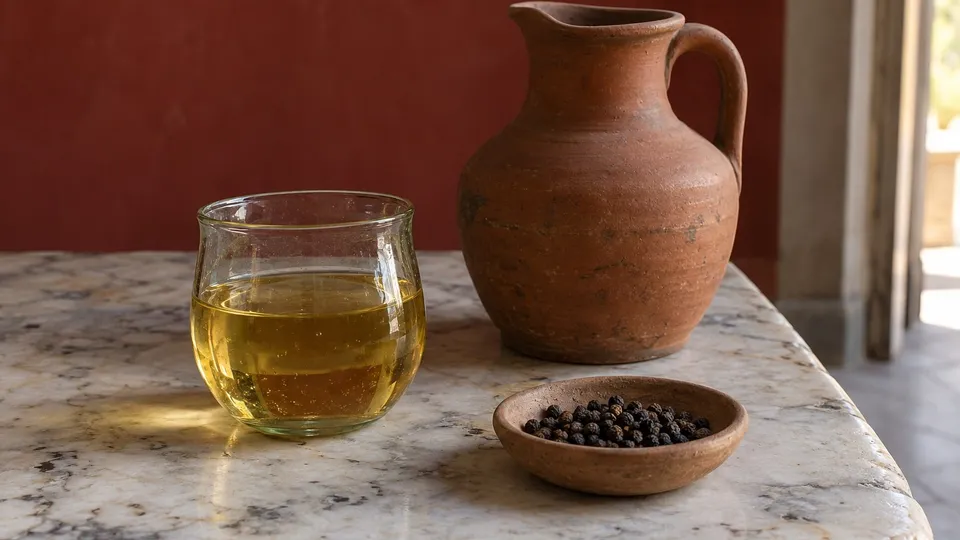
The first recipe in the Roman cookbook of Apicius: honey boiled with wine, then steeped with pepper, saffron, bay and mastic resin.
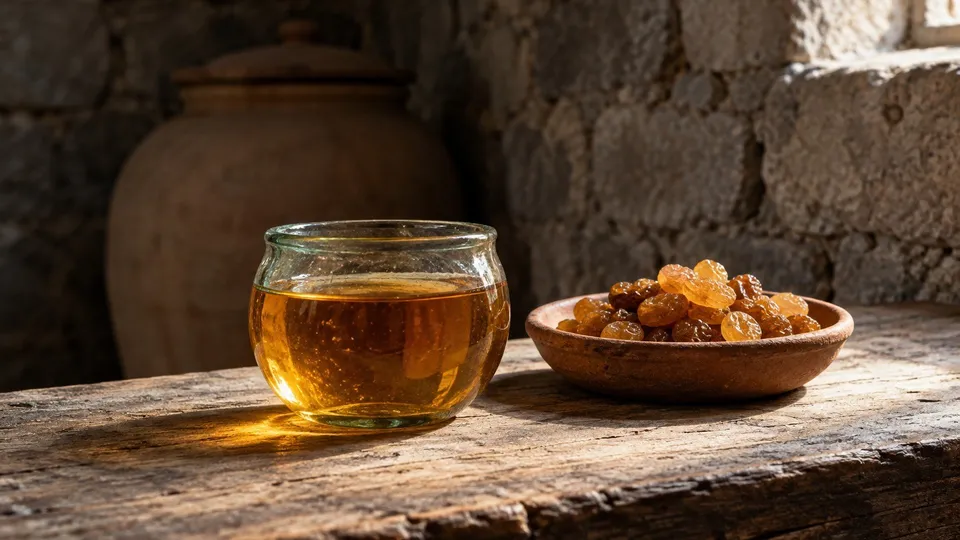
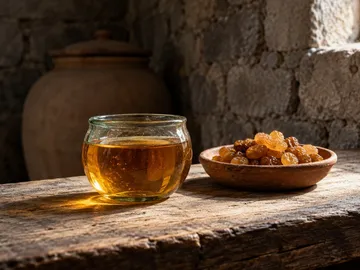
Crushed raisins soaked in wine for five days and pressed: Columella’s raisin wine, made with shop raisins and a bottle of white.
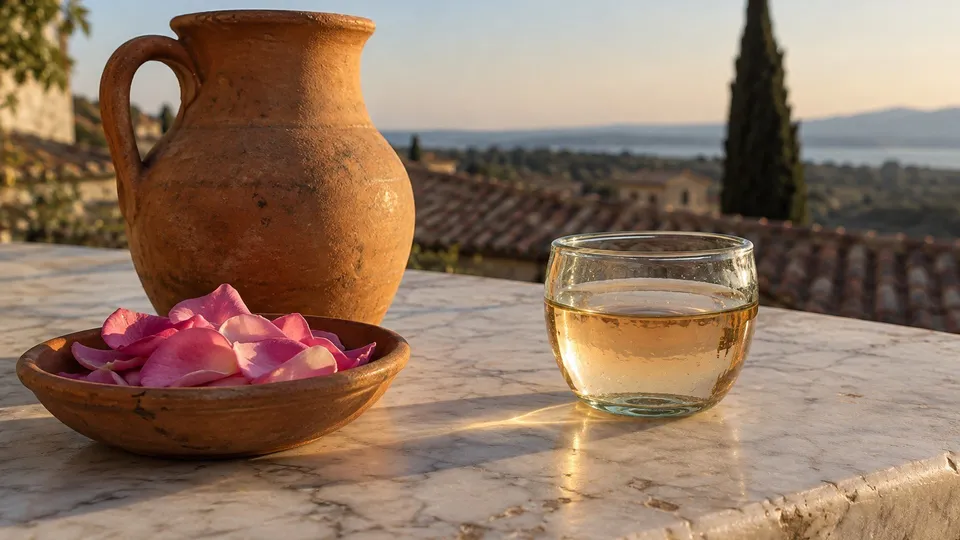
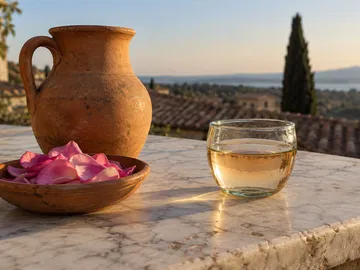
White wine steeped with fresh rose petals three times over, a week at a time, then sweetened with honey: the rose wine of Apicius.
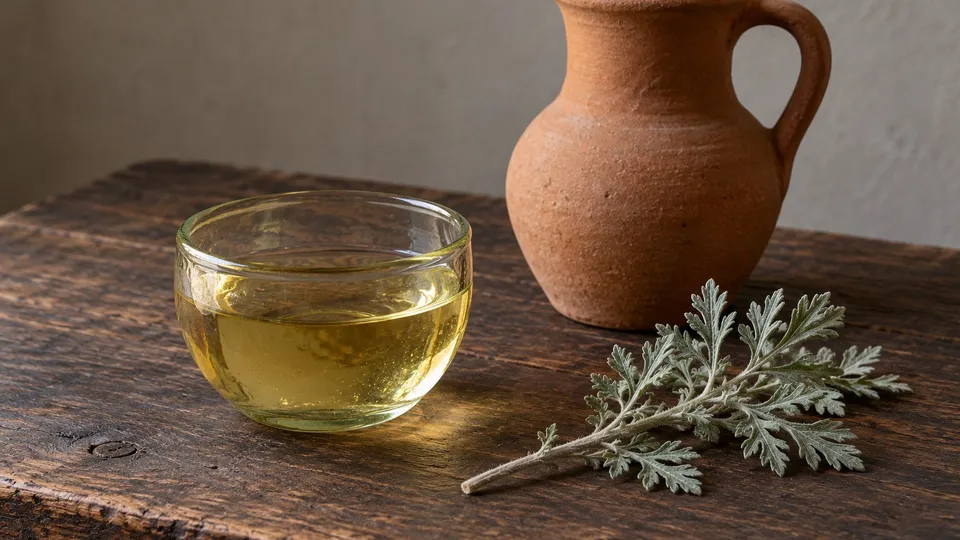
Apicius’s Roman vermouth: mild white wine steeped for a day with wormwood, mastic, bay and saffron, unsweetened and bitter by design.
Yes: calda was wine mixed with hot water, more water than wine, and was sometimes kept hot in bronze urns.
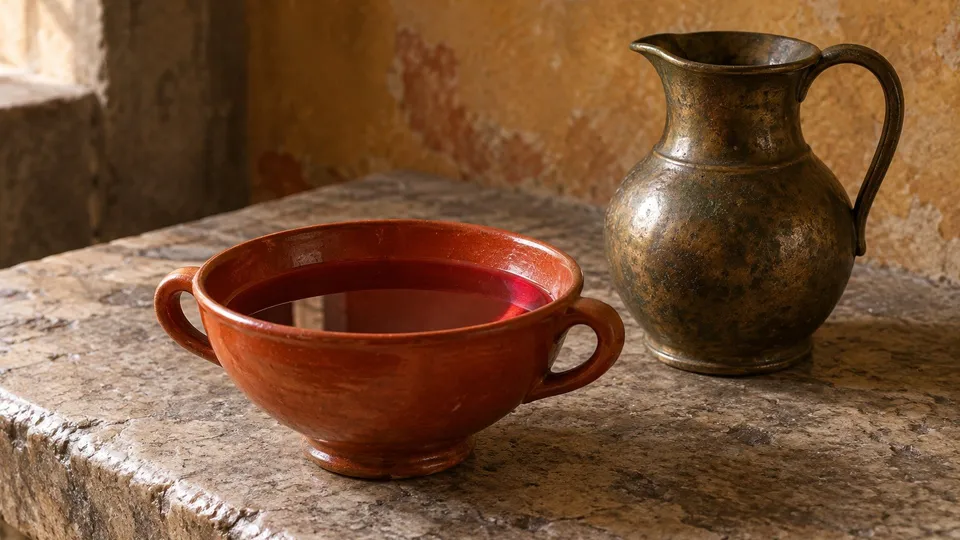
Wine mixed with hot water, more water than wine: the Roman winter drink, sometimes kept hot in bronze urns.
The full list
12 recipes in Ancient Roman Drinks: Recipes From Apicius, Columella and Pliny
Try a different ingredient or recipe name, or use Clear filters above to see the full collection.
Recipes could not be loaded. or browse this collection page without filters.
Always alcohol-free
Always alcohol-free
Always alcohol-free
Always alcohol-free
Always alcohol-free
Always alcohol-free
Apicius’s Roman vermouth: mild white wine steeped for a day with wormwood, mastic, bay and saffron, unsweetened and bitter by design.
White grape must boiled with half its volume of water until the water is gone: the Roman ‘wine’ given to people who were not allowed wine. Alcohol-free.
Wine mixed with hot water, more water than wine: the Roman winter drink, sometimes kept hot in bronze urns.
For what was on the plate, our sister site The Forgotten Menu has Roman recipes from Cato and Apicius (opens in a new tab).