Always alcohol-free
Switchel, the 1856 Harvest Drink
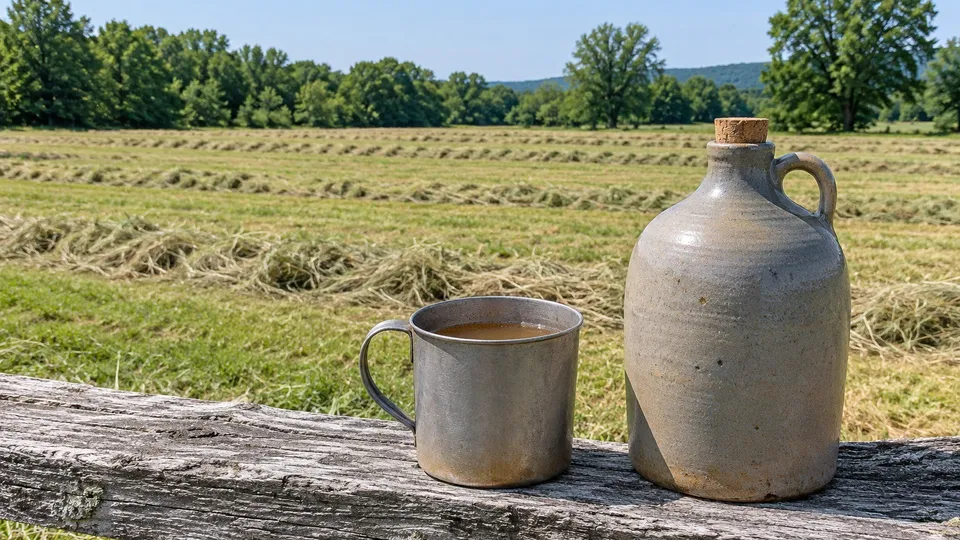
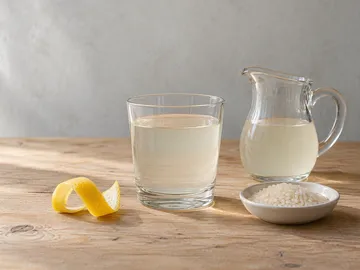
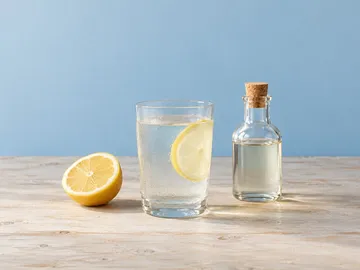
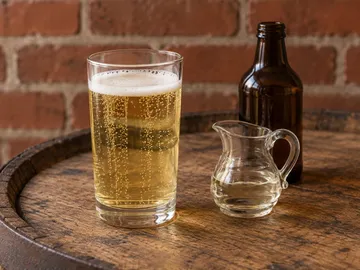
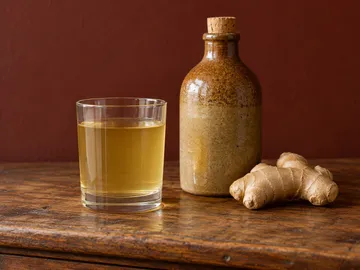
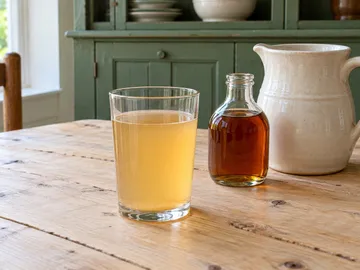
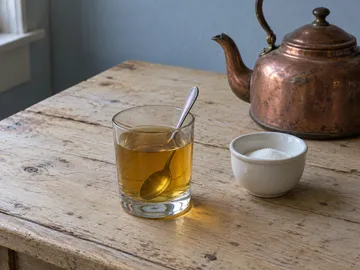
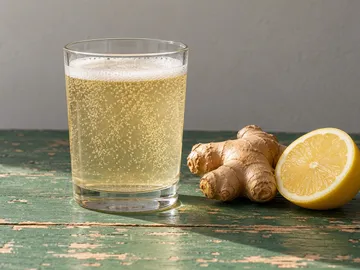
Cold water, molasses, cider vinegar and ground ginger shaken in a jug: the haymakers’ switchel, scaled from the 1856 Harvest Drink to a liter of water.
Drinks by theme
What people drank in the 1800s, from period books: switchel and cider at harvest, negus and orgeat at the ball, saloon whiskey and soda-fountain phosphates.
Updated
Make it today
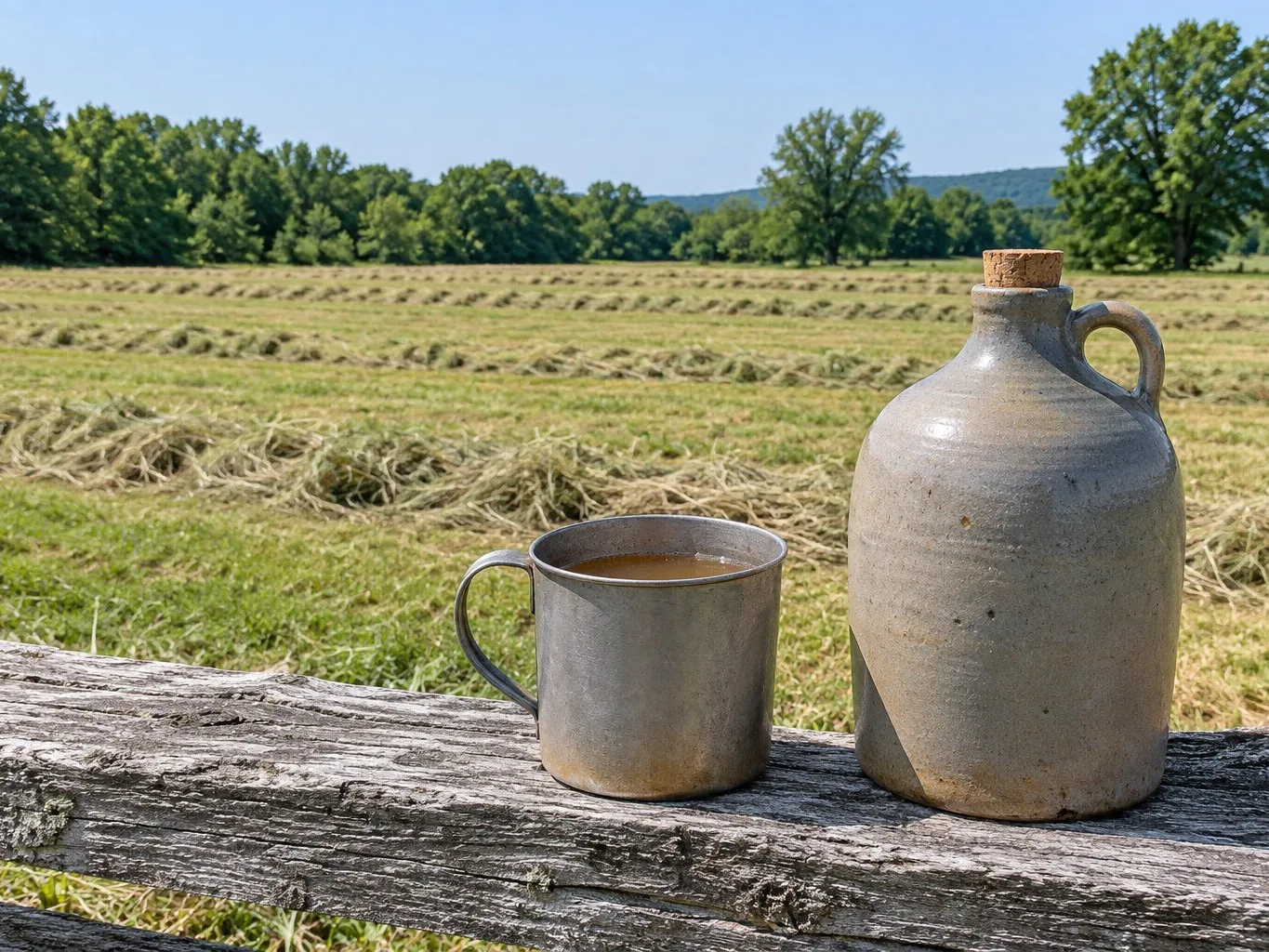
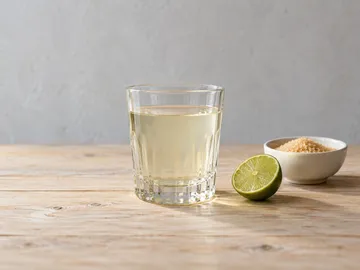
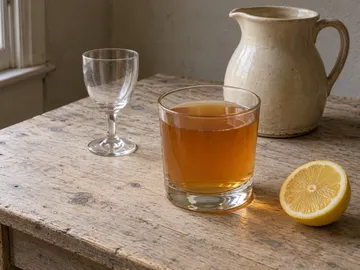
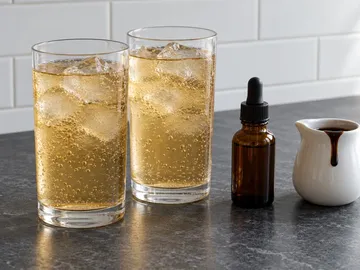
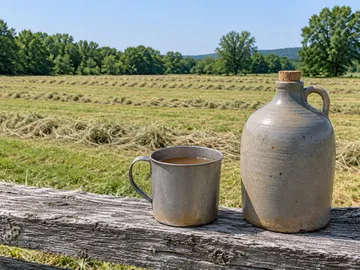
Cold water, molasses, cider vinegar and ground ginger shaken in a jug: the haymakers’ switchel, scaled from the 1856 Harvest Drink to a liter of water.
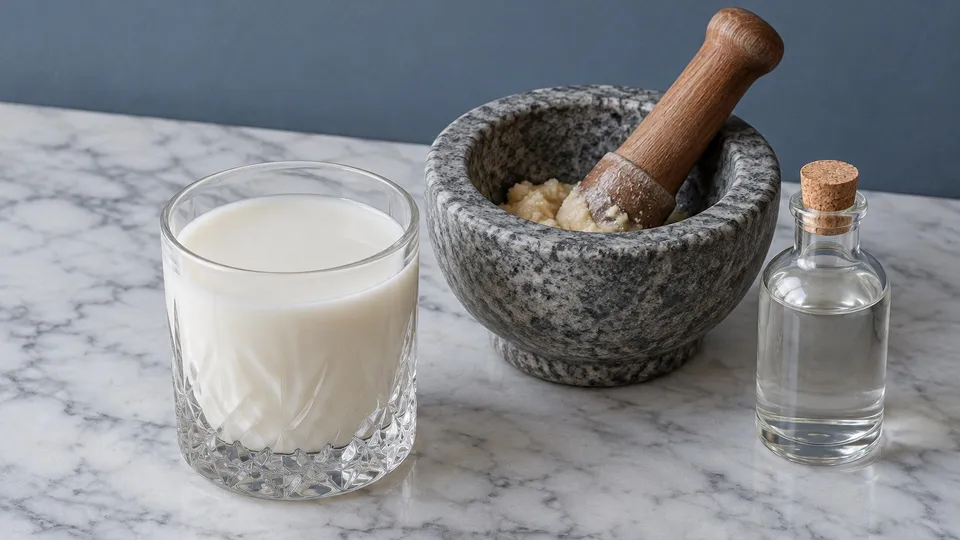
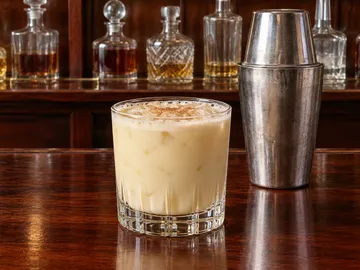
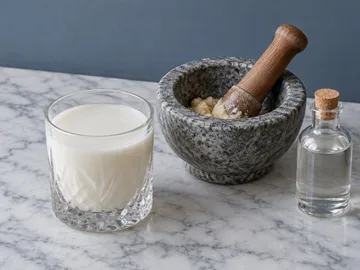
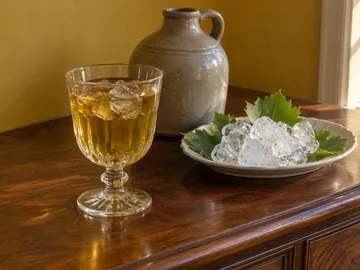
Almonds pounded with orange-flower water, let down with milk and water, strained and sweetened: the alcohol-free orgeat of Rundell’s 1807 sickroom chapter.
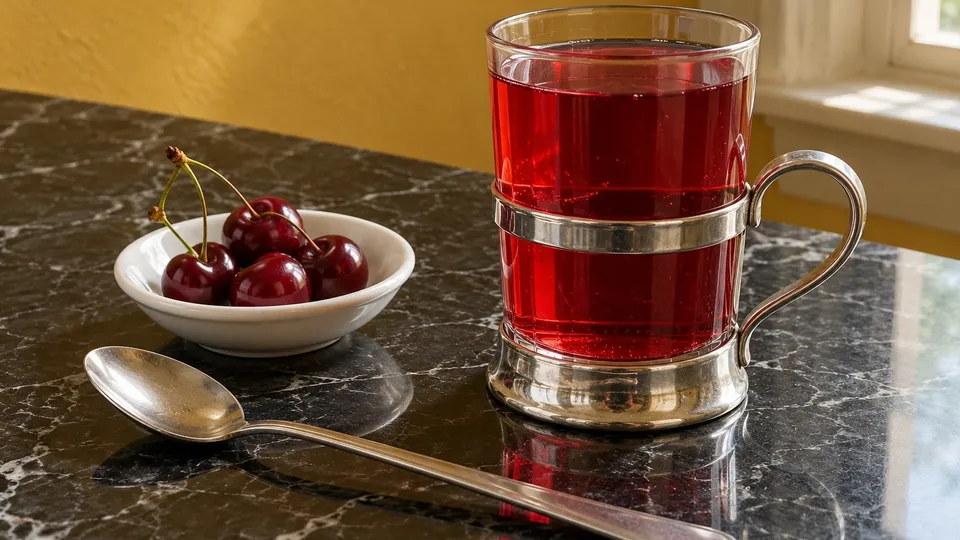
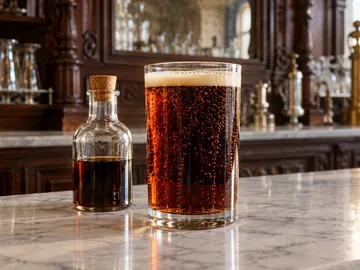
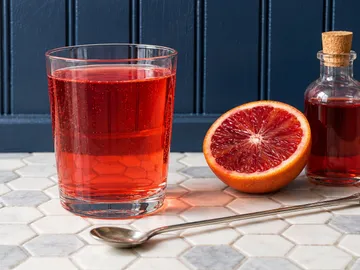
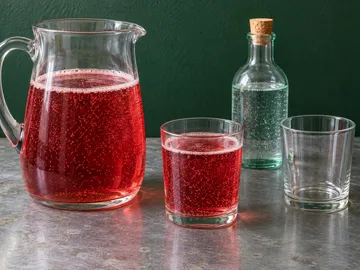
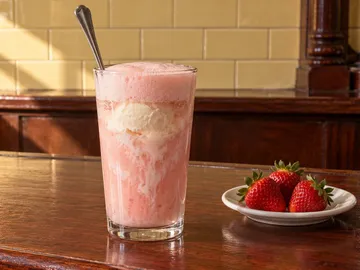
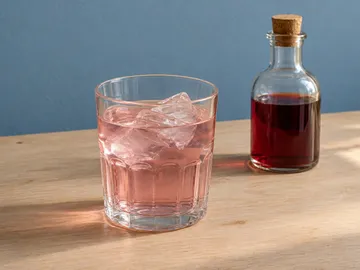
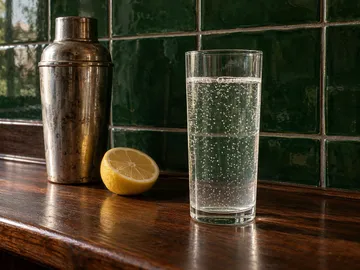
Fresh cherry syrup, cold soda water and acid phosphate added last, stirred in a short glass: the soda fountain’s cherry sour, after Saxe’s dispensers’ guide of 1894.
It depended on where you stood. In a Regency ballroom it was tea, lemonade and orgeat, or negus at a private supper. In an American hayfield it was switchel, cold water with molasses and later vinegar and ginger, pressed on haymakers from at least 1805 in place of the rum that usually went out to the field. When the apples came in, the drink was cider.
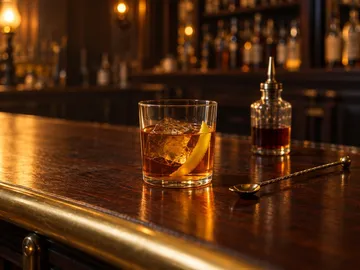
In the West it was whiskey at two bits a glass (about $8.30 today, by US consumer prices) and black coffee on the trail. By the end of the century the soda fountain, which began as chemists’ imitation of medicinal spring water, was selling phosphates and ice cream sodas, and Klondike gold rushers were paying gold-rush prices for coffee, tea and cocoa.
Most recipes here come from sources of the century, from Regency cookbooks to the 1862 and 1887 bar books and the soda-fountain manuals; a few are later or our own alcohol-free versions, and each page says which. The alcohol-free drinks are marked.
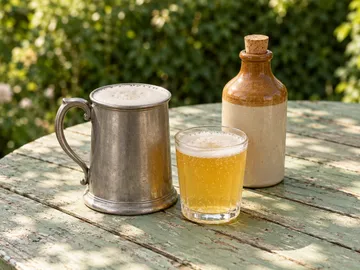
Switchel in the hayfield and cider when the apples came in. Cider was “sweet” while it was fresh juice and “hard” once it had fermented, and in 1840 a barrel of hard cider became one of the emblems of a presidential campaign.
The haymakers’ jug and the cider barrel are in What Did Early Americans Drink at Harvest?.
At Almack’s, the London assembly everyone wanted to get into, the refreshment room by 1820 served tea, lemonade and orgeat, with no supper and no wine. Private balls gave a supper with wine, soup and negus, warm port and water sweetened with sugar and lemon.
The ballroom, the supper and the ratafia of the novels are in What Did People Drink in the Regency?.
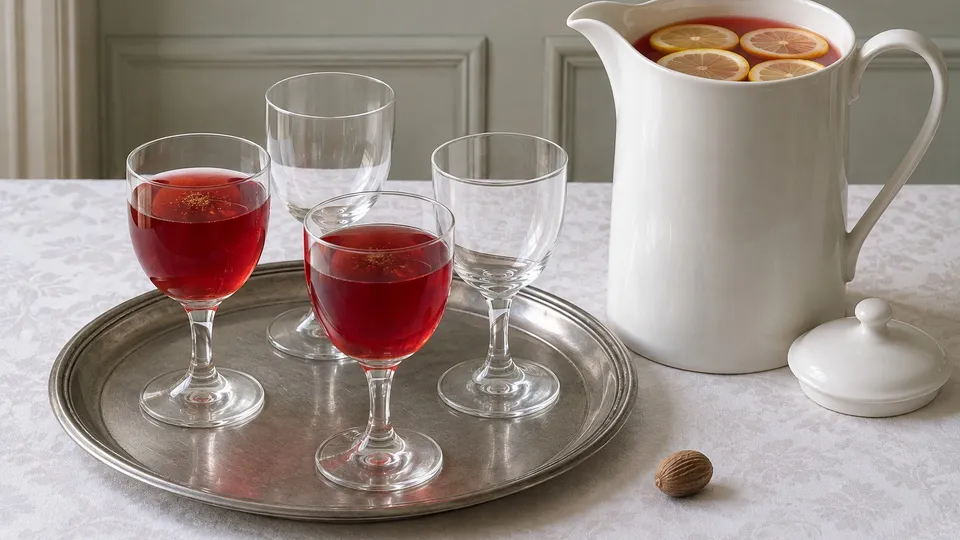
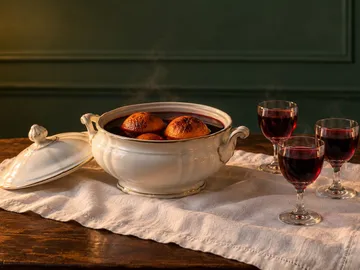
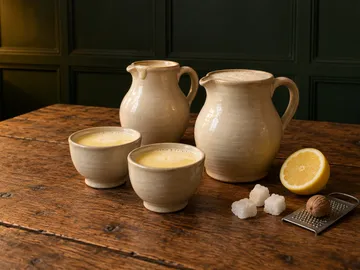
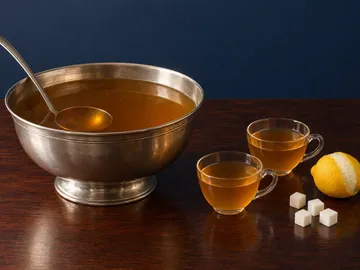
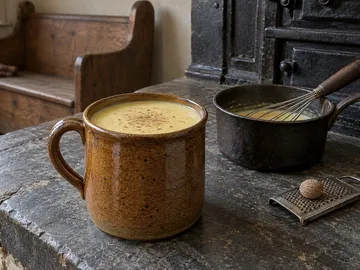
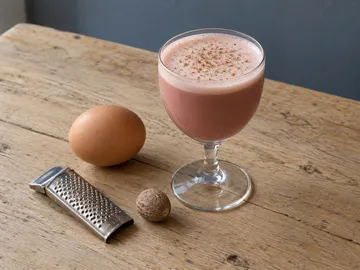
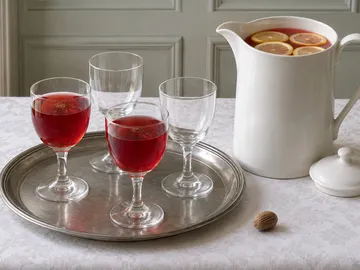
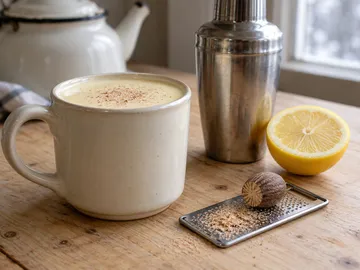
A bottle of hot ruby port poured into a covered jug of lemon sugar, sliced lemons, a little spice and a quart of boiling water, then grated over with nutmeg: negus as Oxford made it in 1847.
Whiskey, poured straight in the saloon, and black boiled coffee on the trail, at the stage stations and in the cow camps. A traveler who wanted something cold could stir up lemonade from citric acid and sugar.
The saloon, the trail and the soda works are in Wild West Drinks.
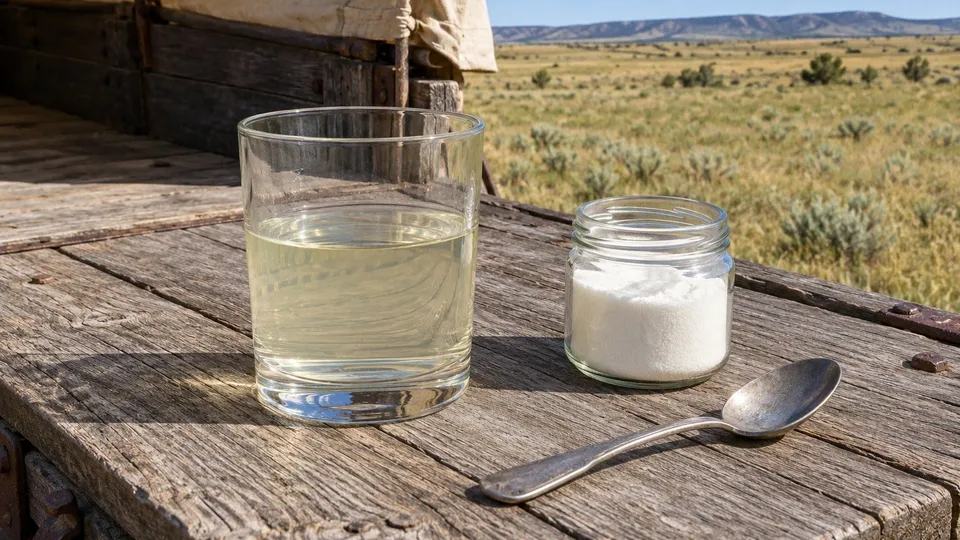
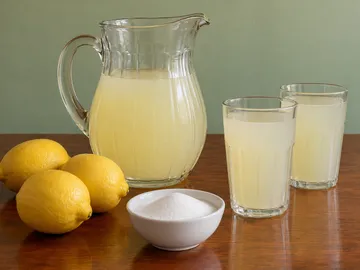
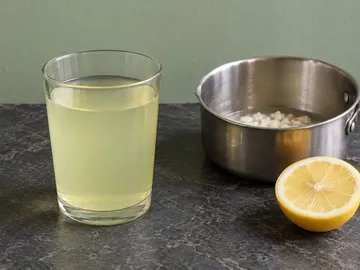
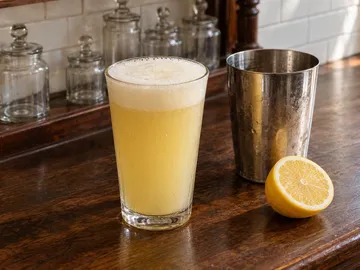
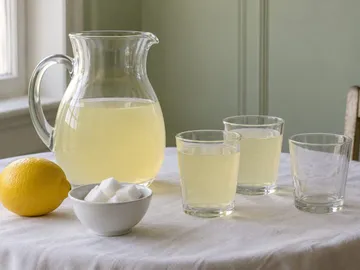
Sugar, citric acid and a few drops of lemon oil, mixed dry and kept in a jar, then stirred into cold water by the teaspoon: Jerry Thomas’s lemonade powders of 1862.
In part it was. American soda water began as chemists’ imitation of medicinal spring water, and a manual written for druggists in 1897 still wanted headache salts kept within reach of the fountain.
The druggist’s counter is in Was the Soda Fountain a Pharmacy?.
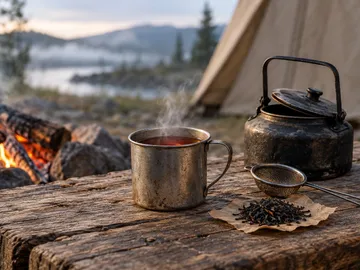
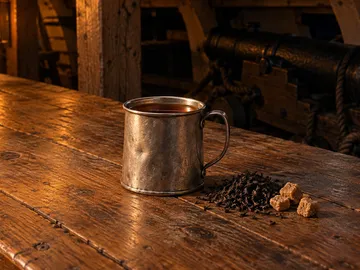
Coffee and tea on the trail, cocoa when they could pay for it, and whiskey that was weak, watered and dear. When the whiskey ran short in Dawson they distilled their own from sourdough and sugar and called it “hootch.”
Tappan Adney’s prices, from his winter in Dawson, are in Hootch, 50-Cent Coffee and $40 Champagne.
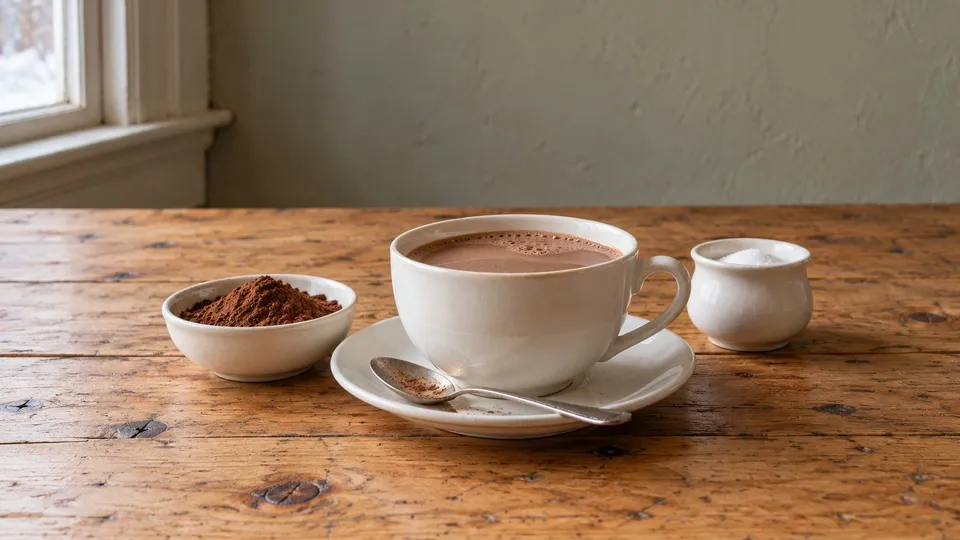
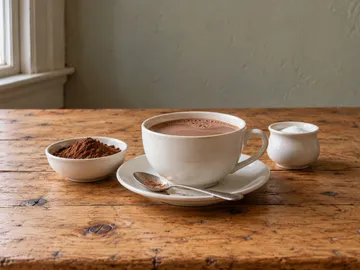
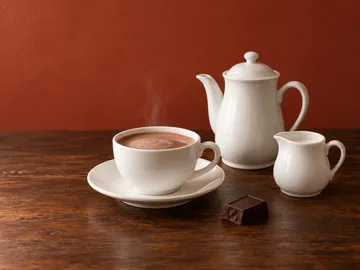
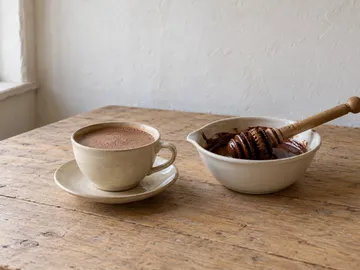
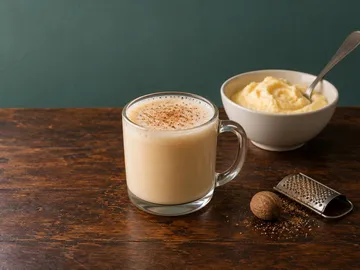
Cocoa powder worked to a paste with a spoonful of boiling water, then made up with equal parts of boiling water and boiled milk: the breakfast cocoa of a Massachusetts chocolate maker’s 1886 booklet, at the center of an 1898 lawsuit.
The full list
98 recipes in What Did People Drink in the 1800s? 19th-Century Drinks and Recipes
Try a different ingredient or recipe name, or use Clear filters above to see the full collection.
Recipes could not be loaded. or browse this collection page without filters.
Always alcohol-free
Always alcohol-free
Always alcohol-free
Always alcohol-free
Always alcohol-free
Alcohol-free version
Alcohol-free version
Always alcohol-free
Always alcohol-free
Always alcohol-free
Always alcohol-free
Alcohol-free version
Alcohol-free version
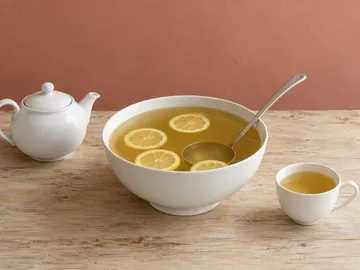
Alcohol-free version
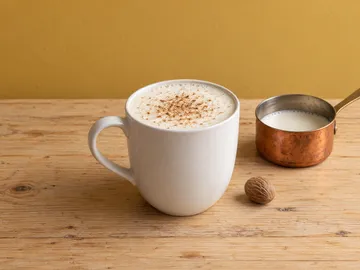
Alcohol-free version
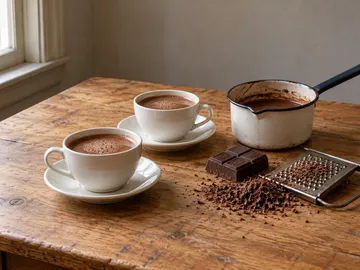
Always alcohol-free
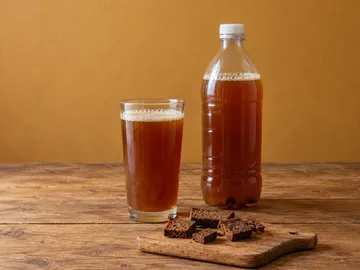
Always alcohol-free
Always alcohol-free
Always alcohol-free
Always alcohol-free
Always alcohol-free
Always alcohol-free
Always alcohol-free
Always alcohol-free
Always alcohol-free
Always alcohol-free
Alcohol-free version
Alcohol-free version
Alcohol-free version
Always alcohol-free
Always alcohol-free
Always alcohol-free
Always alcohol-free
Always alcohol-free
Always alcohol-free
Always alcohol-free
Always alcohol-free
Always alcohol-free
Always alcohol-free
Always alcohol-free
Always alcohol-free
Always alcohol-free
Always alcohol-free
Always alcohol-free
Always alcohol-free
Always alcohol-free
Alcohol-free version
Alcohol-free version
Always alcohol-free
Always alcohol-free
Always alcohol-free
Always alcohol-free
Alcohol-free version
Alcohol-free version
Alcohol-free version
Always alcohol-free
Always alcohol-free
Always alcohol-free
Always alcohol-free
Always alcohol-free
Always alcohol-free
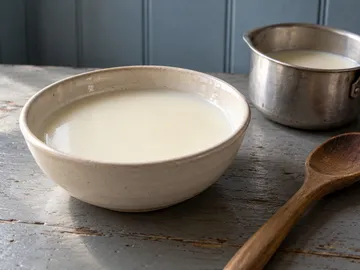
Always alcohol-free
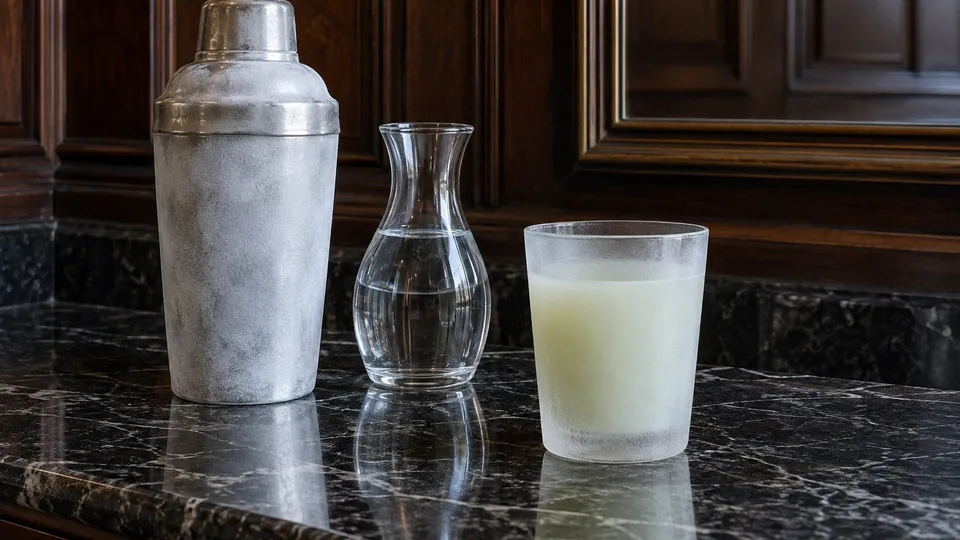
A pony of absinthe and a pony of water with a dash of anisette, shaken with fine ice until the shaker frosts, strained and topped with seltzer: the absinthe frappé of 1895.
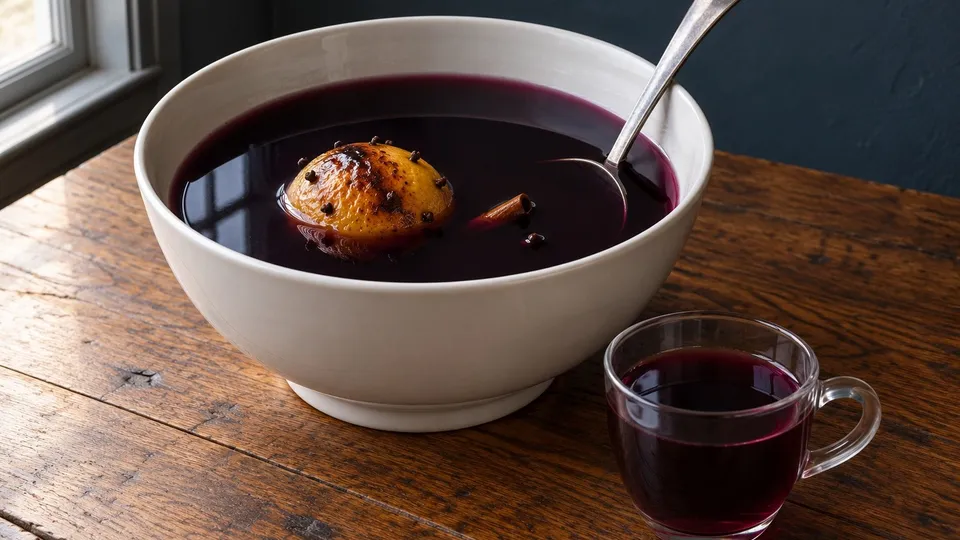
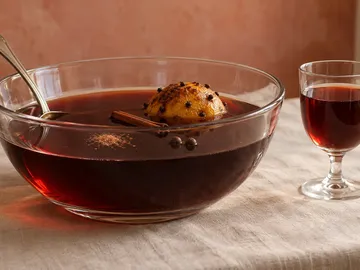
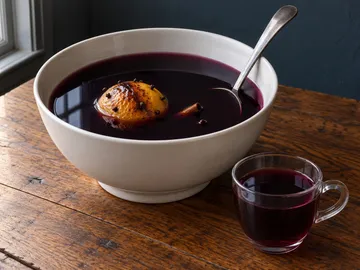
Hot red grape juice with a roasted clove-studded lemon, boiled-down spices, fresh lemon and nutmeg: the 1847 Oxford bishop made without the port.
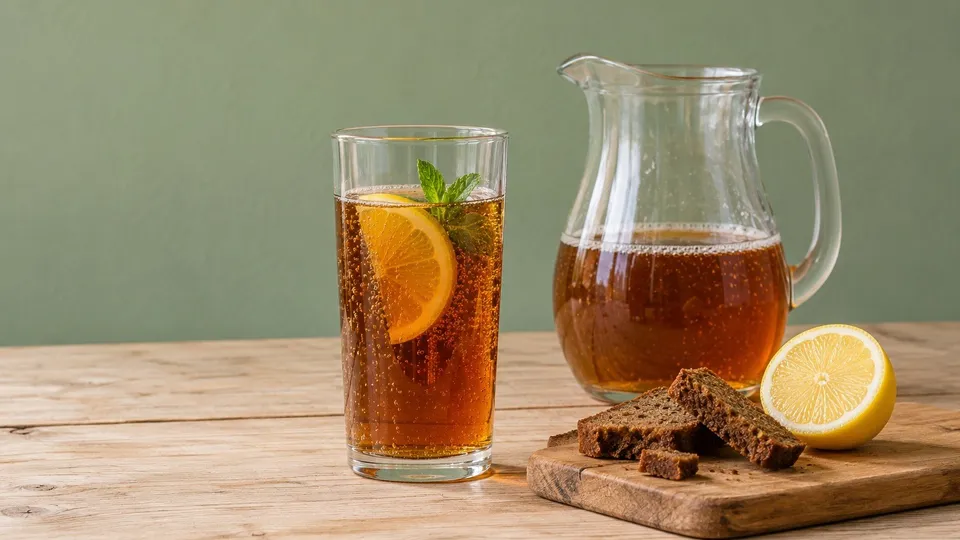
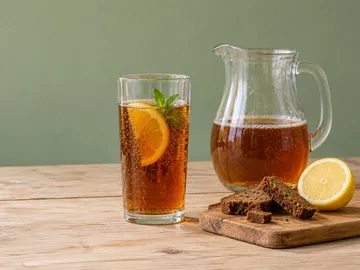
Dried rye bread and fresh mint steeped in boiling water, sweetened with dark treacle and sharpened with lemon, then lifted with soda water: Molokhovets’s 1887 kvass made without yeast.
For what was on the plate, our sister site The Forgotten Menu has 19th-century recipes (opens in a new tab).