Always alcohol-free
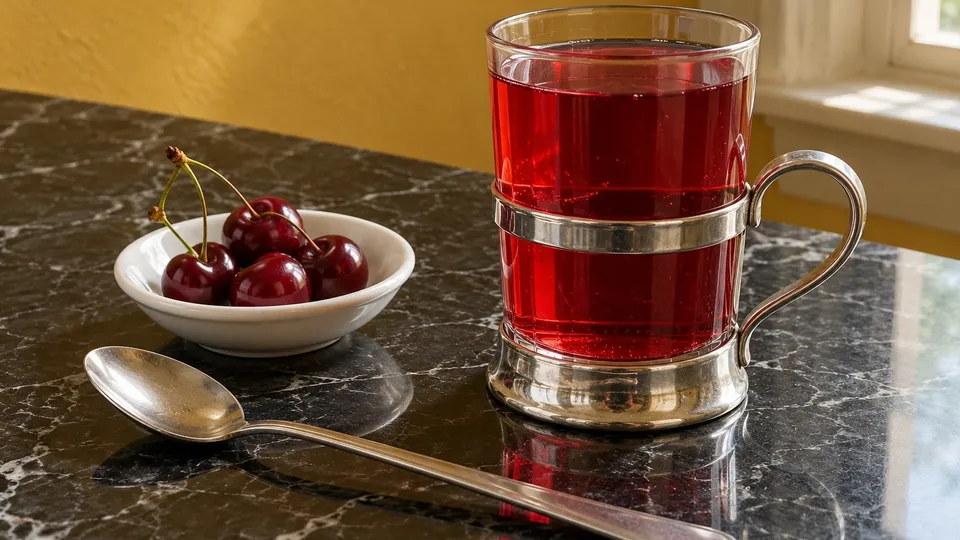
Cherry Phosphate, the Soda Fountain Cherry Sour
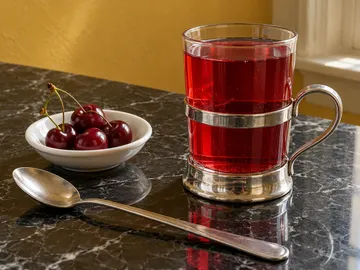
Fresh cherry syrup, cold soda water and acid phosphate added last, stirred in a short glass: the soda fountain’s cherry sour, after Saxe’s dispensers’ guide of 1894.
Drinks by theme
Old-fashioned sodas from period manuals: phosphates, the egg cream, ice cream sodas, root beer and sarsaparilla, ginger beer, spruce beer and kvass.
Updated
Make it today
Fresh cherry syrup, cold soda water and acid phosphate added last, stirred in a short glass: the soda fountain’s cherry sour, after Saxe’s dispensers’ guide of 1894.
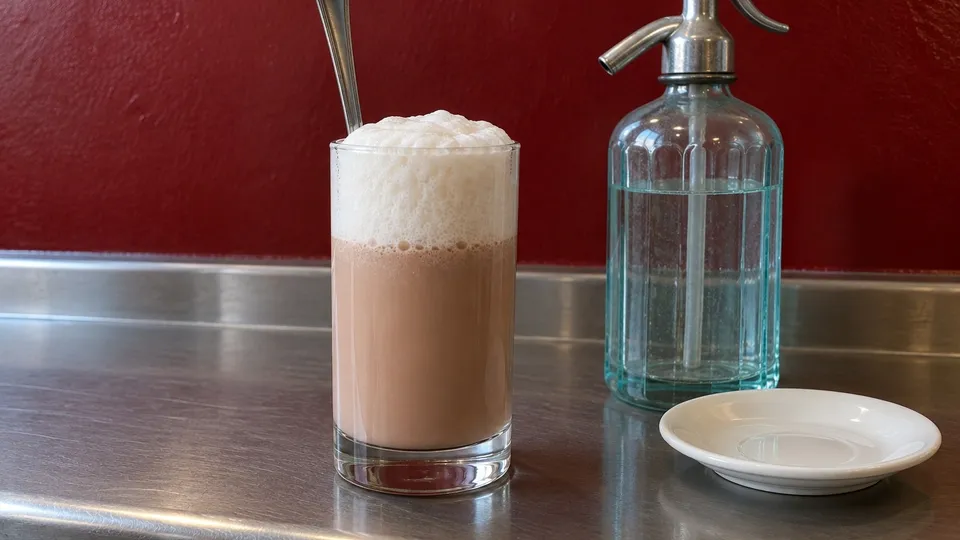
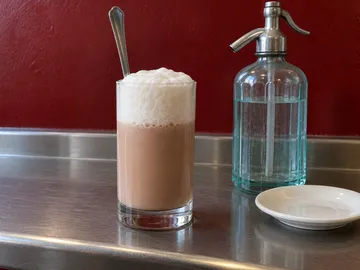
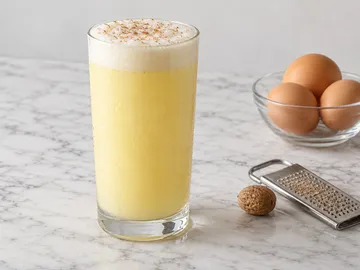
Chocolate syrup, cold milk and seltzer stirred to a white head, plus the 1897 egg cream that really did have egg yolks and cream in it, topped with nutmeg.
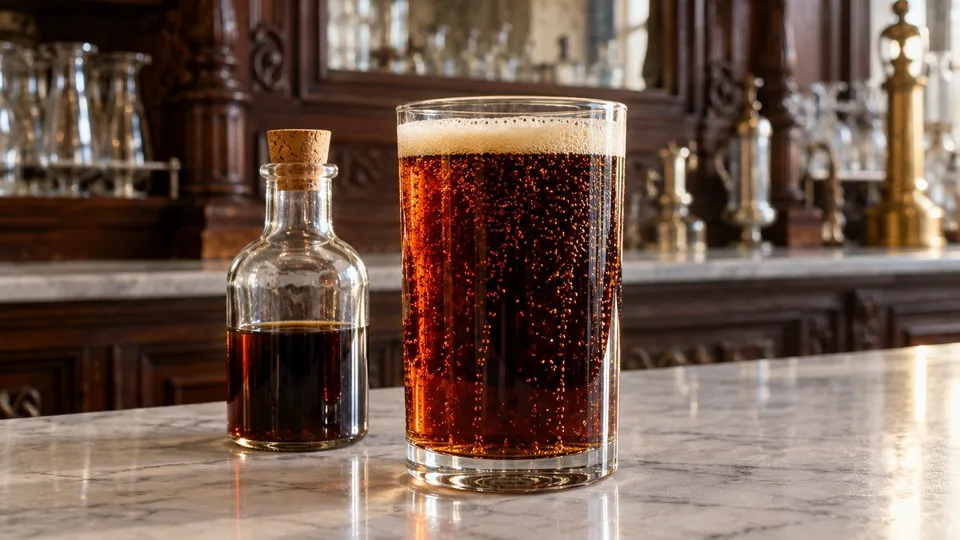
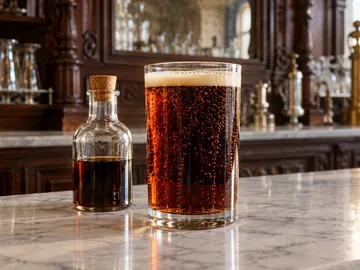
Root beer extract stirred into a heavy sugar syrup and drawn with very cold soda water, as an 1897 soda manual made it: never fermented, and alcohol-free with an alcohol-free extract.
Flavored syrups drawn with carbonated water at a drugstore soda fountain, and the home-brewed sodas that came before them: ginger beer, spruce beer, root beer and kvass. The fountain drinks had no alcohol; the brewed ones, worked with yeast in a sealed bottle, had a little.
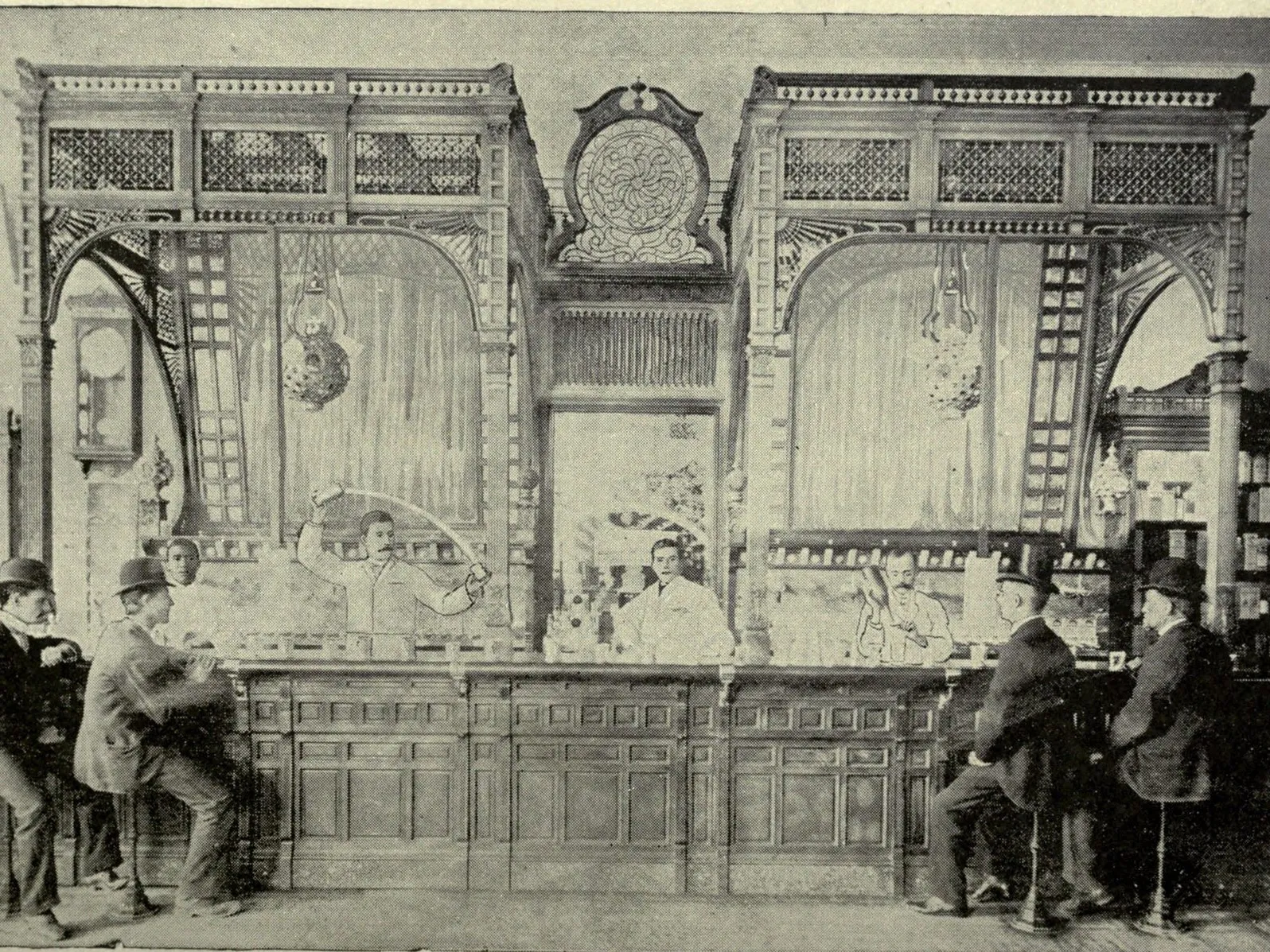
The fountain began in the pharmacy. A. Emil Hiss’s Standard Manual of Soda and Other Beverages (Chicago, 1897), written for druggists and confectioners, says the trade started as “an attempt of early chemists to imitate famous medicinal springs,” and that soda water, “on account of its presumed medicinal character,” had always been part of the druggist’s stock. The word “presumed” is his.
The dispensers’ manuals, James W. Tufts’s Book of Directions (Boston, 1890), De Forest Saxe’s New Guide (Chicago, 1894) and Hiss’s, give the phosphates, soured with acid phosphate from the druggist’s shelf; the egg drinks; the ice cream sodas; and root beer drawn from a syrup and drunk at once. In winter the same counter served hot ginger and malted milk.
Home brewing was older and less predictable. A New York druggist’s handbill of about 1804 sold essence of spruce for a “most wholesome agreeable table beer,” and a Russian household book of 1887 made bread kvass in a day. In 1916 a Philadelphia pharmacist bottled root beer at home “strictly according to directions” and measured up to 1.52 per cent alcohol after eleven days.
Most recipes below come from the manuals and household books of their day; the modern ones, like our sarsaparilla root beer syrup, say so.
An attempt of early chemists to imitate famous medicinal springs.
A fruit syrup and soda water sharpened with a spoonful of acid phosphate, the soda fountain’s sour. Shake in a whole egg and it becomes an egg phosphate.
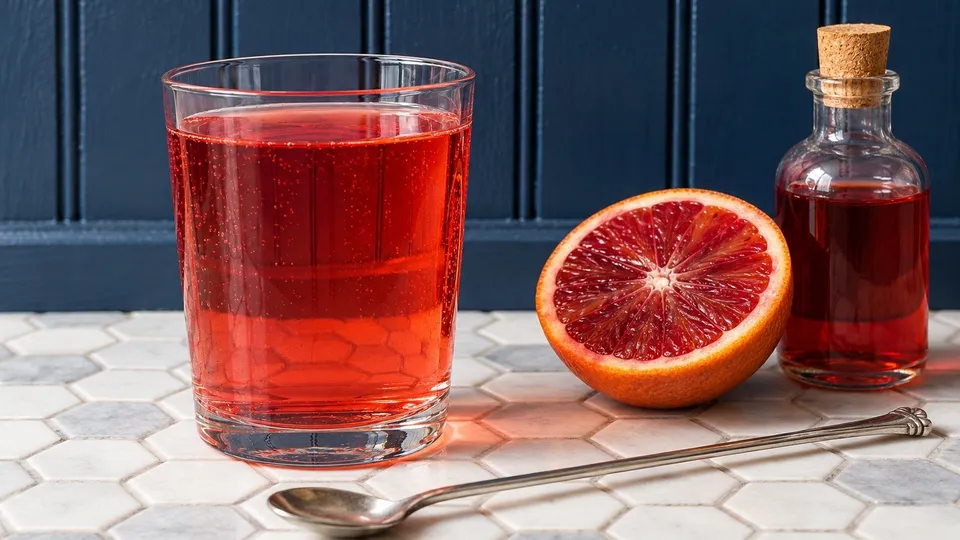
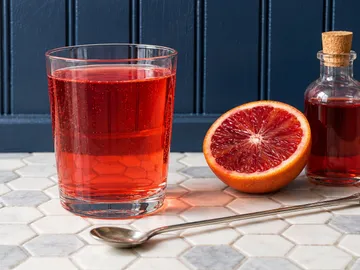
Blood orange and raspberry syrup, plain soda water and a teaspoon of acid phosphate, stirred and served still: Saxe’s red orange phosphate from Chicago, 1894.
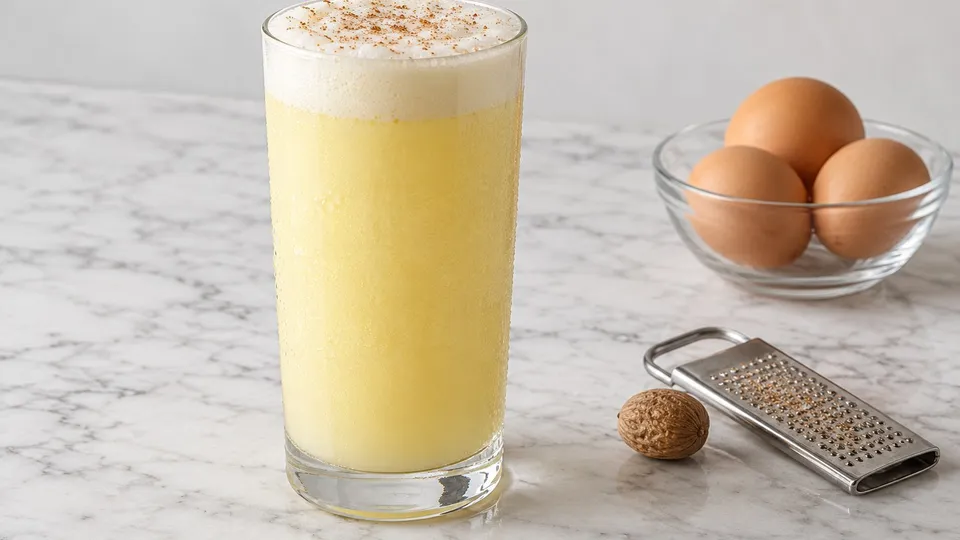
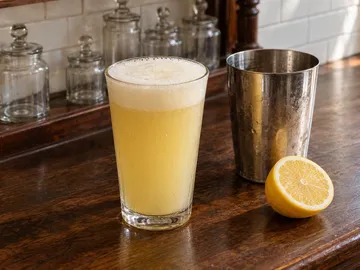
Lemon syrup, a whole egg and half a teaspoon of acid phosphate, shaken with ice and topped with soda: the soda fountain’s sour drink from What to Drink (1920).
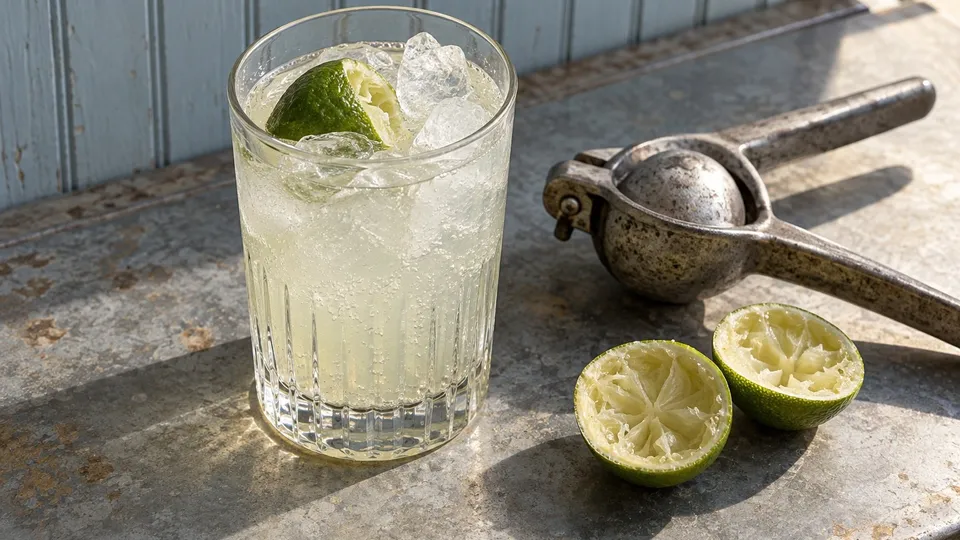
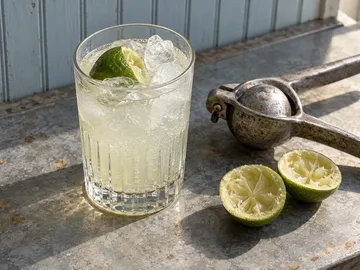
A whole lime squeezed over pineapple syrup, then cracked ice and a fill of soda water: the alcohol-free lime rickey from a San Francisco druggists’ journal of 1912.
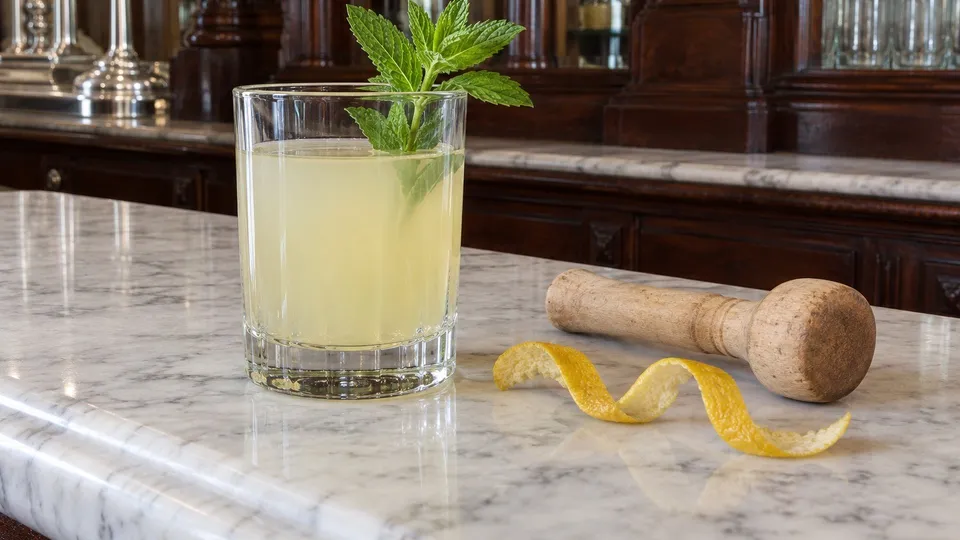
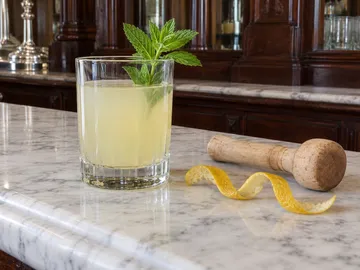
A peeled lemon pounded in the glass with sugar and fresh mint, shaken with ice and water and strained over a new sprig: one glass of mint lemonade from a 1910 soda-fountain formula.
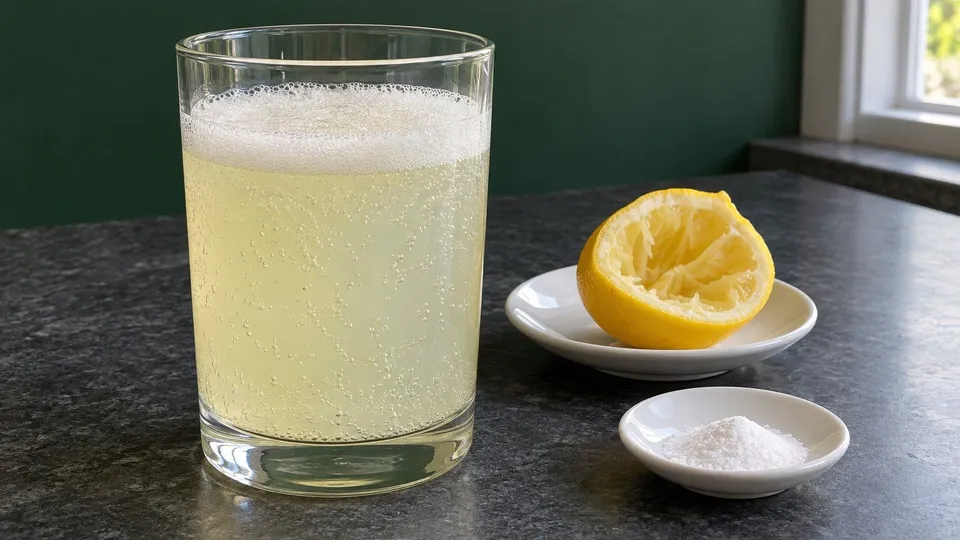
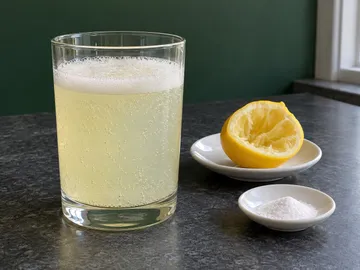
The juice of a lemon, three-quarters of a tumbler of water and sugar, with a little baking soda stirred in last so it foams: Jerry Thomas’s Soda Nectar of 1862.
Today, chocolate syrup, milk and seltzer, with no egg and no cream. The 1897 manual’s egg cream had both, drawn with soda water; the ice cream soda put a scoop in the glass.
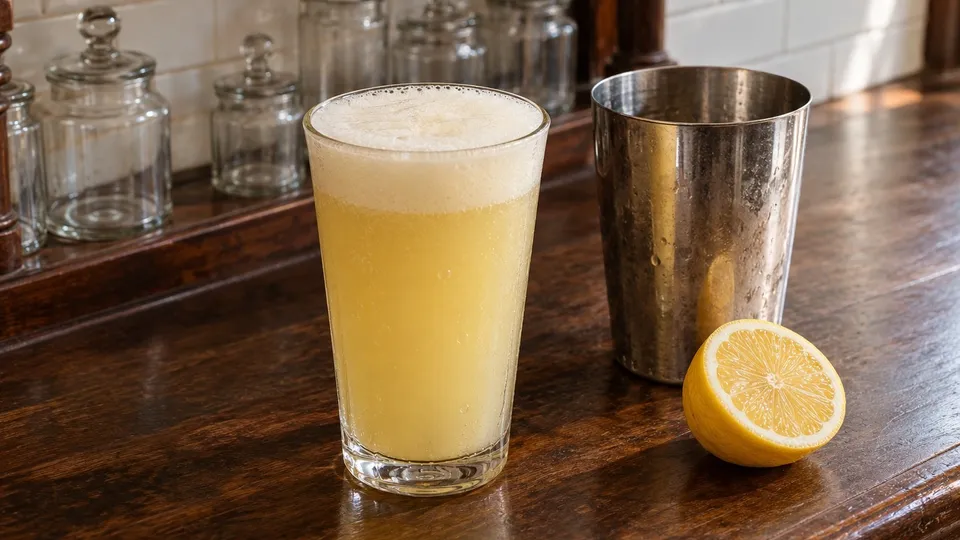
An egg yolk shaken with powdered sugar, fresh lemon juice and ice, then filled with soda and poured back and forth: the alcohol-free Goldenade of an 1897 soda fountain manual.
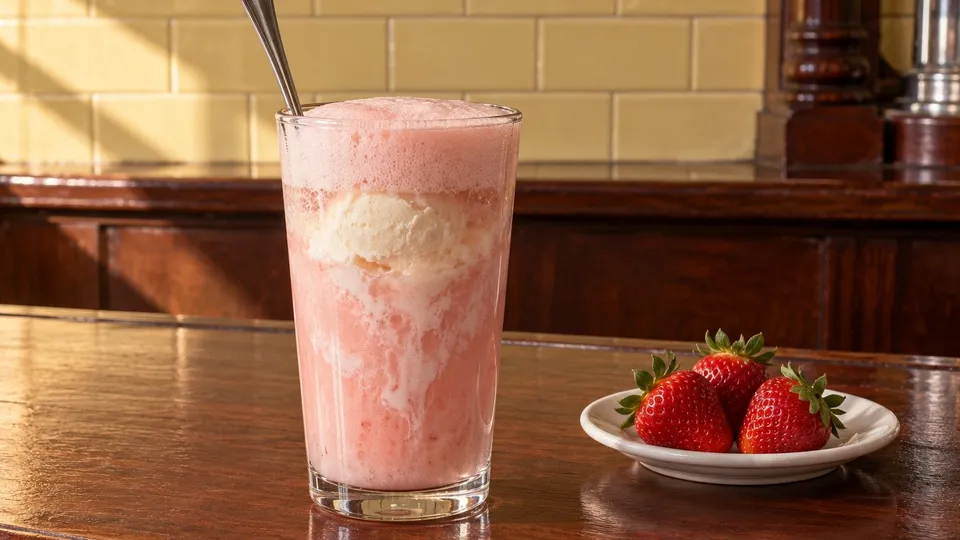
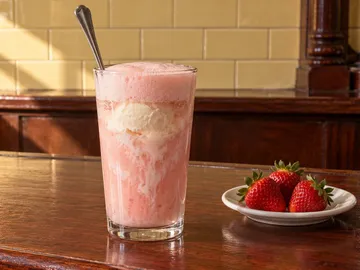
Fresh strawberry syrup, soda water and a big scoop of plain ice cream floating in the middle, with a long spoon: the soda fountain’s ice cream soda as the 1890s drew it.
Root beer drawn from a syrup with soda water had none worth measuring. Brewed at home with yeast in a sealed bottle, it reached 1.52 per cent in eleven days in a 1916 test. Our sarsaparilla syrup and spruce soda have no yeast.
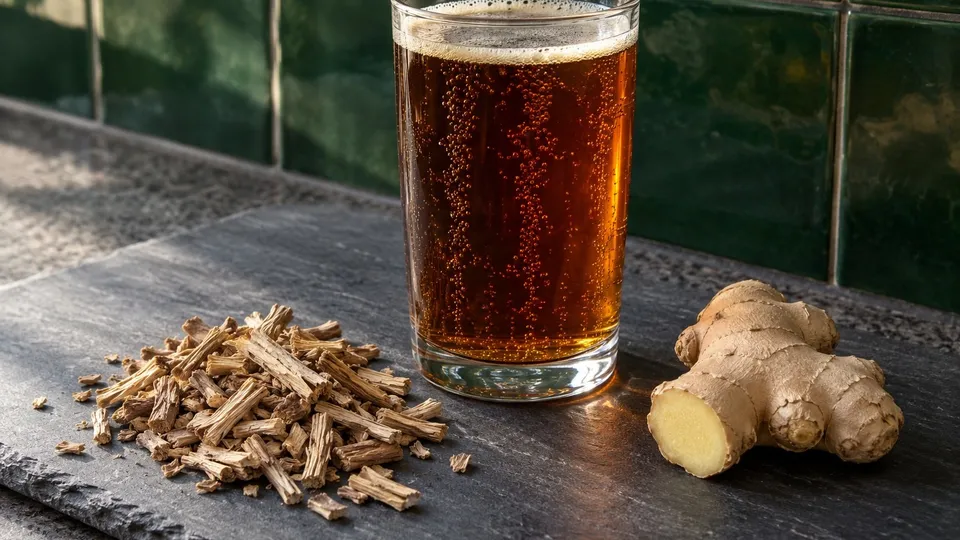
A modern root syrup of sarsaparilla, roasted dandelion root, fresh ginger and dark brown sugar, served the 1890s fountain way with cold soda water. No sassafras, no fermenting.
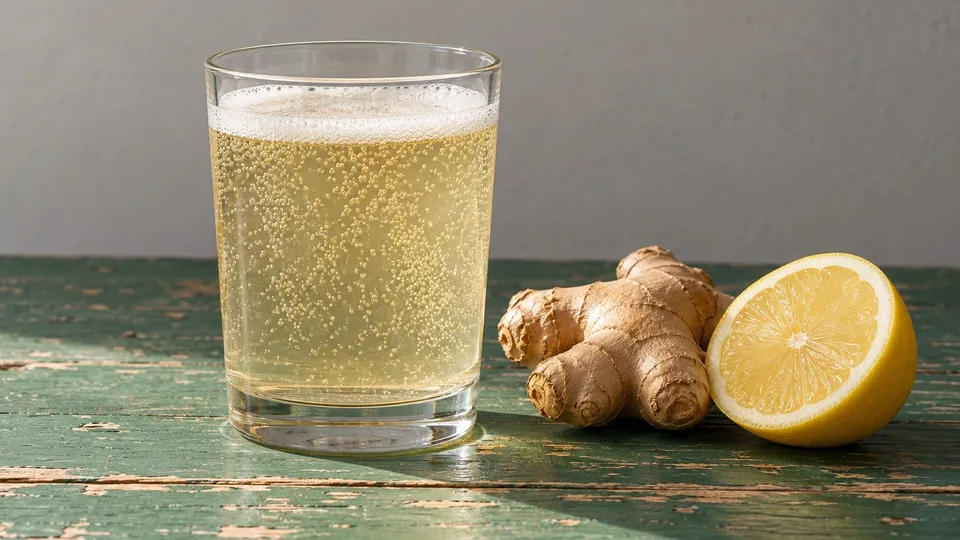
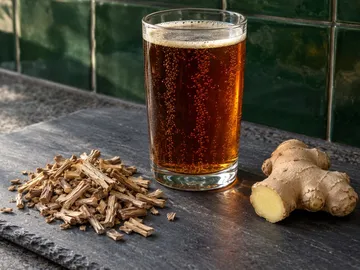
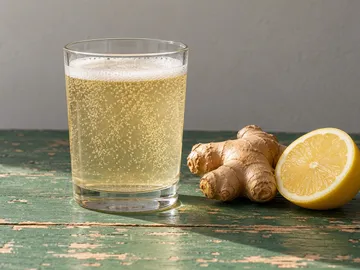
Fresh ginger syrup, lemon juice and cold soda water, never fermented: an alcohol-free ginger beer after the street fountains of 1850s London.
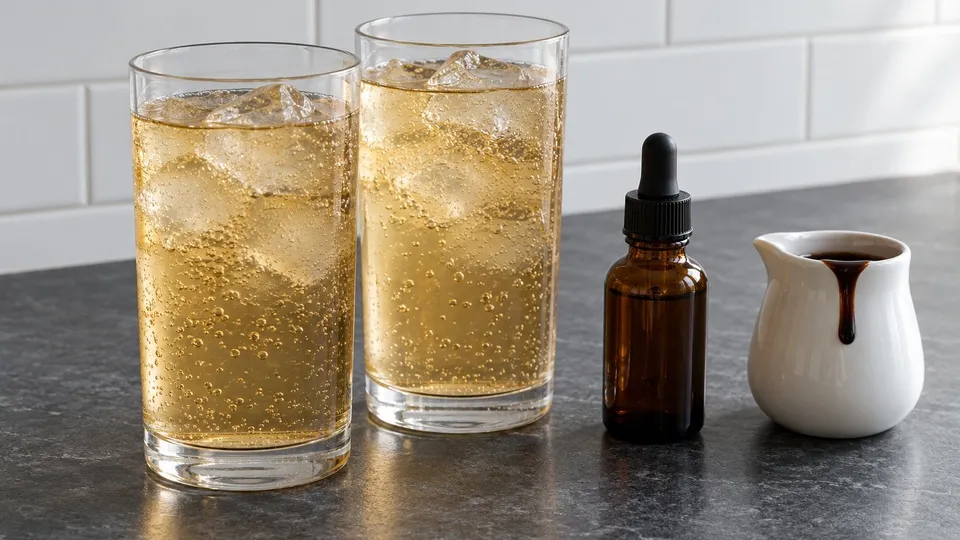
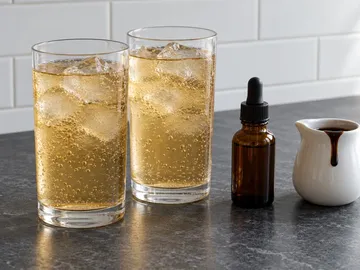
Simple syrup, a spoonful of molasses and a drop of food-grade spruce essence over ice, topped with soda water: the flavors of old spruce beer with no yeast and no alcohol.
Spruce beer and kvass were bottled while the yeast was still working, which gave them their fizz and a little alcohol. Our alcohol-free kvass skips the yeast.
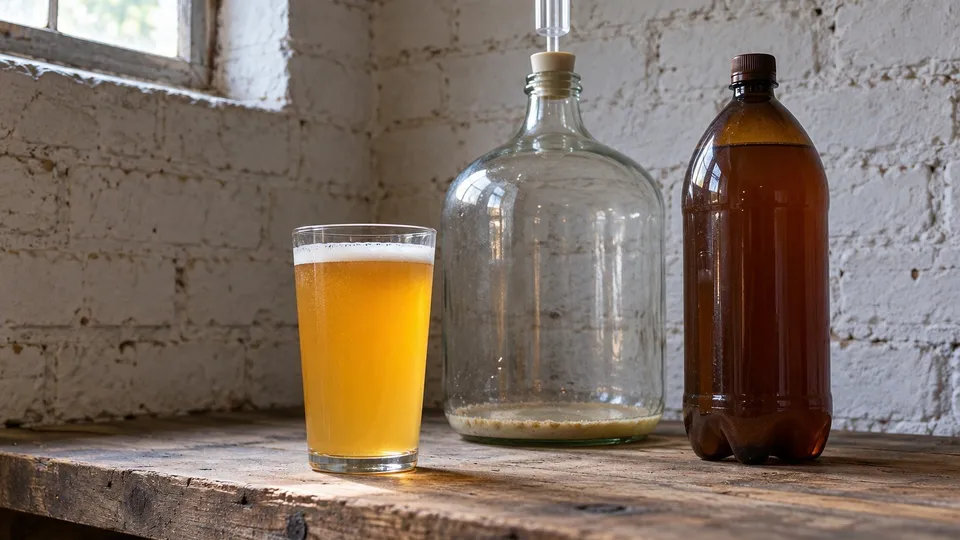
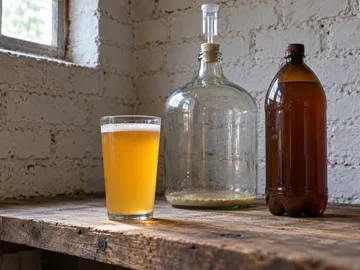
Molasses, water and essence of spruce, worked with yeast for three or four days, rested, then bottled for ten: a New York druggist’s spruce beer of about 1804, at one gallon.
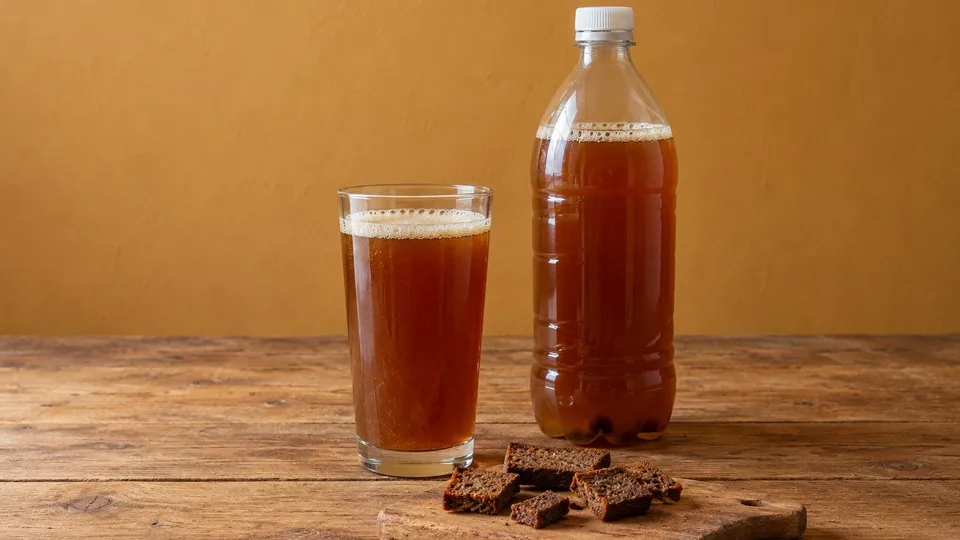
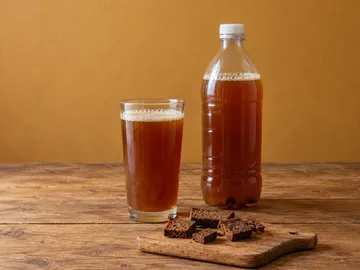
Dried rye bread steeped in boiling water, sweetened with dark treacle, started with a little yeast and bottled with two raisins: Elena Molokhovets’s 1887 kvass, at a tenth of her batch.
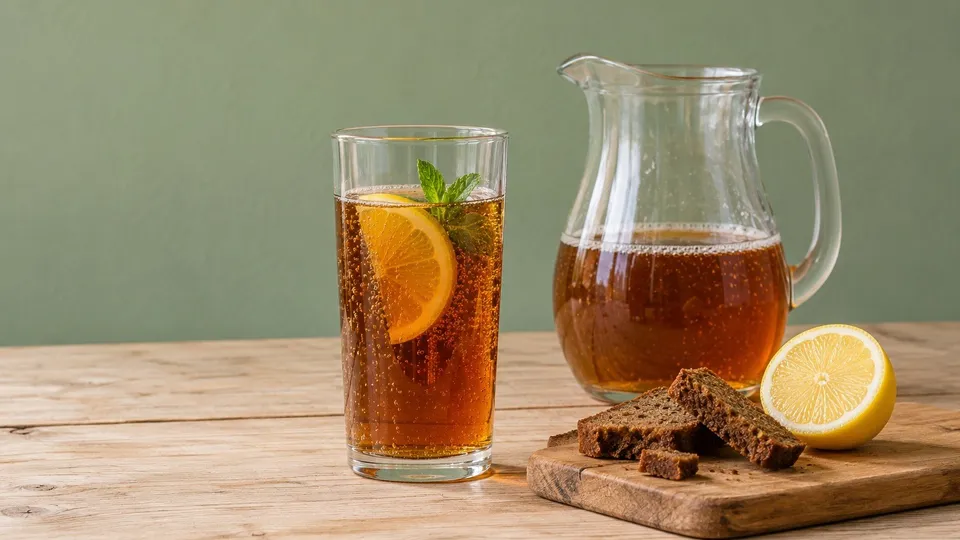
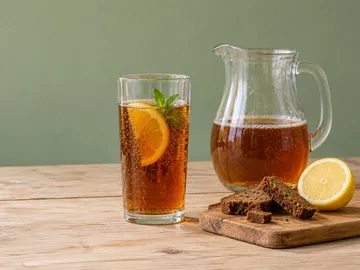
Dried rye bread and fresh mint steeped in boiling water, sweetened with dark treacle and sharpened with lemon, then lifted with soda water: Molokhovets’s 1887 kvass made without yeast.
Hot drinks from the same counter, served in mugs: hot ginger, hot egg lemonade and malted milk seasoned with salt and pepper. None has any alcohol.
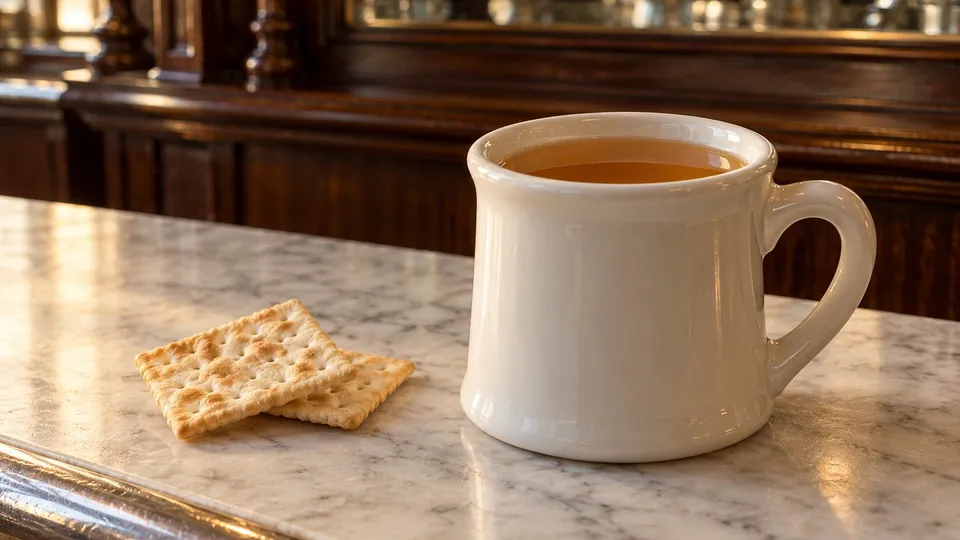
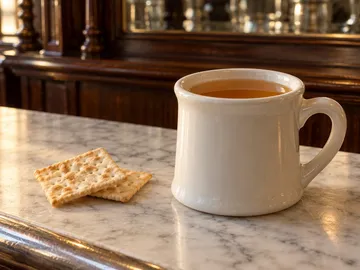
A strong ginger syrup drawn into a mug and filled with hot water, no fizz at all: the soda fountain’s Hot Ginger, from Saxe’s 1894 guide for dispensers.
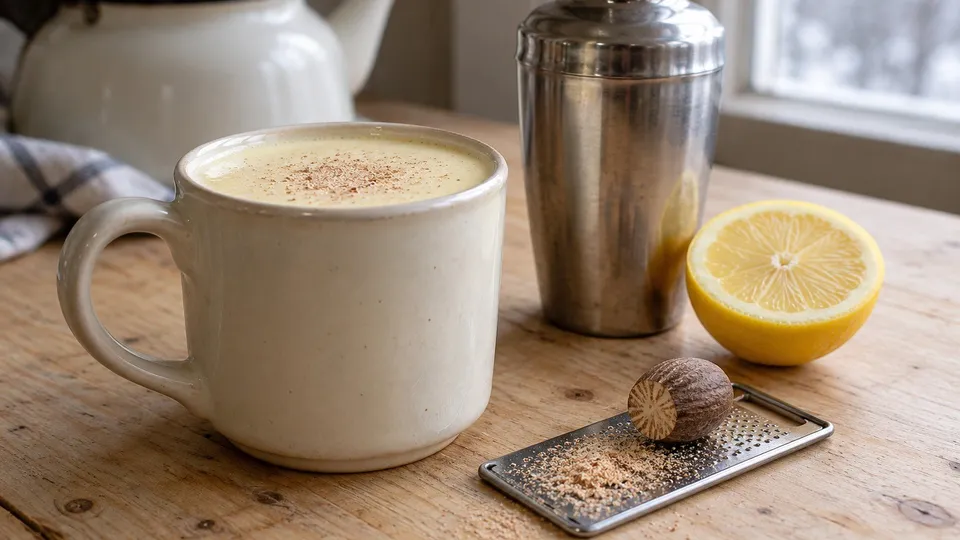
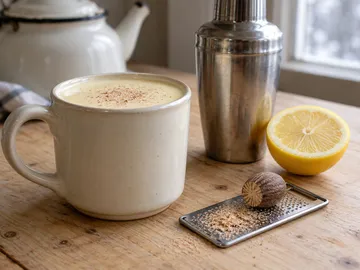
A whole egg shaken with strong lemon syrup and acid phosphate, then filled up with hot water and dusted with nutmeg: the winter fountain’s egg drink from 1894.
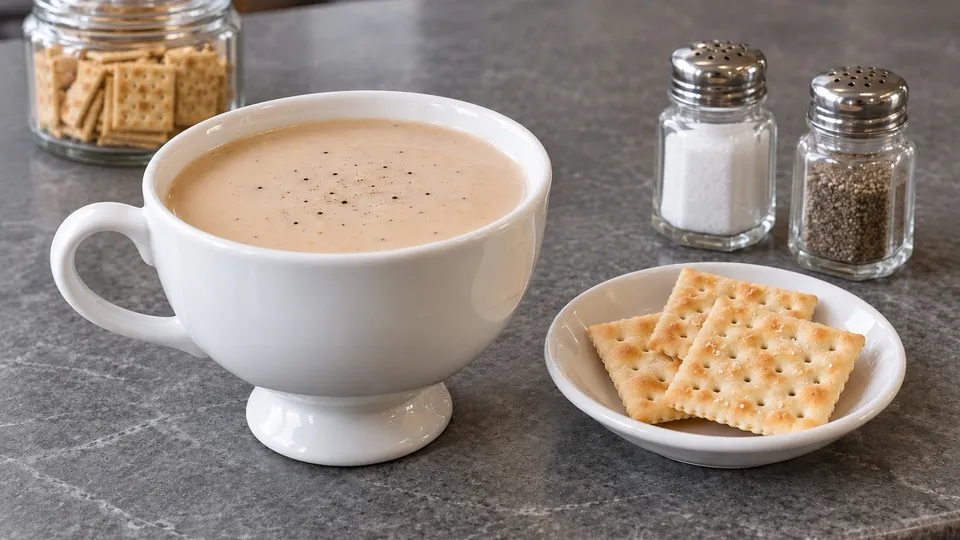
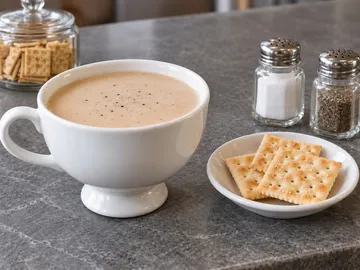
Malted milk stirred into hot water and seasoned with salt and pepper in place of sugar, with soda crackers on the side: the 1890s soda fountain’s savory mug.
The full list
20 recipes in Old-Fashioned Sodas: Soda Fountain Drinks, Root Beer and Ginger Beer
Try a different ingredient or recipe name, or use Clear filters above to see the full collection.
Recipes could not be loaded. or browse this collection page without filters.
Always alcohol-free
Alcohol-free version
Alcohol-free version
Always alcohol-free
Always alcohol-free
Always alcohol-free
Always alcohol-free
Always alcohol-free
Always alcohol-free
Always alcohol-free
Always alcohol-free
Alcohol-free version
Always alcohol-free
Alcohol-free version
Always alcohol-free
Always alcohol-free
Always alcohol-free
Always alcohol-free
Dried rye bread and fresh mint steeped in boiling water, sweetened with dark treacle and sharpened with lemon, then lifted with soda water: Molokhovets’s 1887 kvass made without yeast.
Fresh ginger syrup, lemon juice and cold soda water, never fermented: an alcohol-free ginger beer after the street fountains of 1850s London.
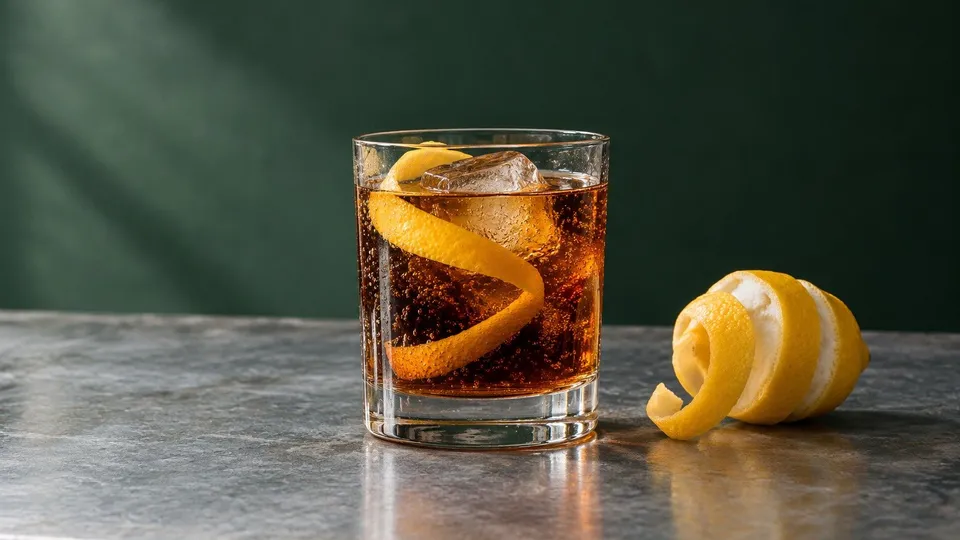
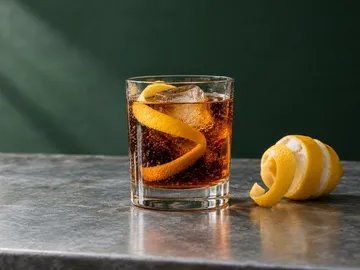
Equal parts sarsaparilla and ginger ale over a lump of ice and a whole lemon peel in a large tumbler, drunk while it fizzes: a soft cooler from a 1922 London bar book.