What did cowboys drink in the Old West?
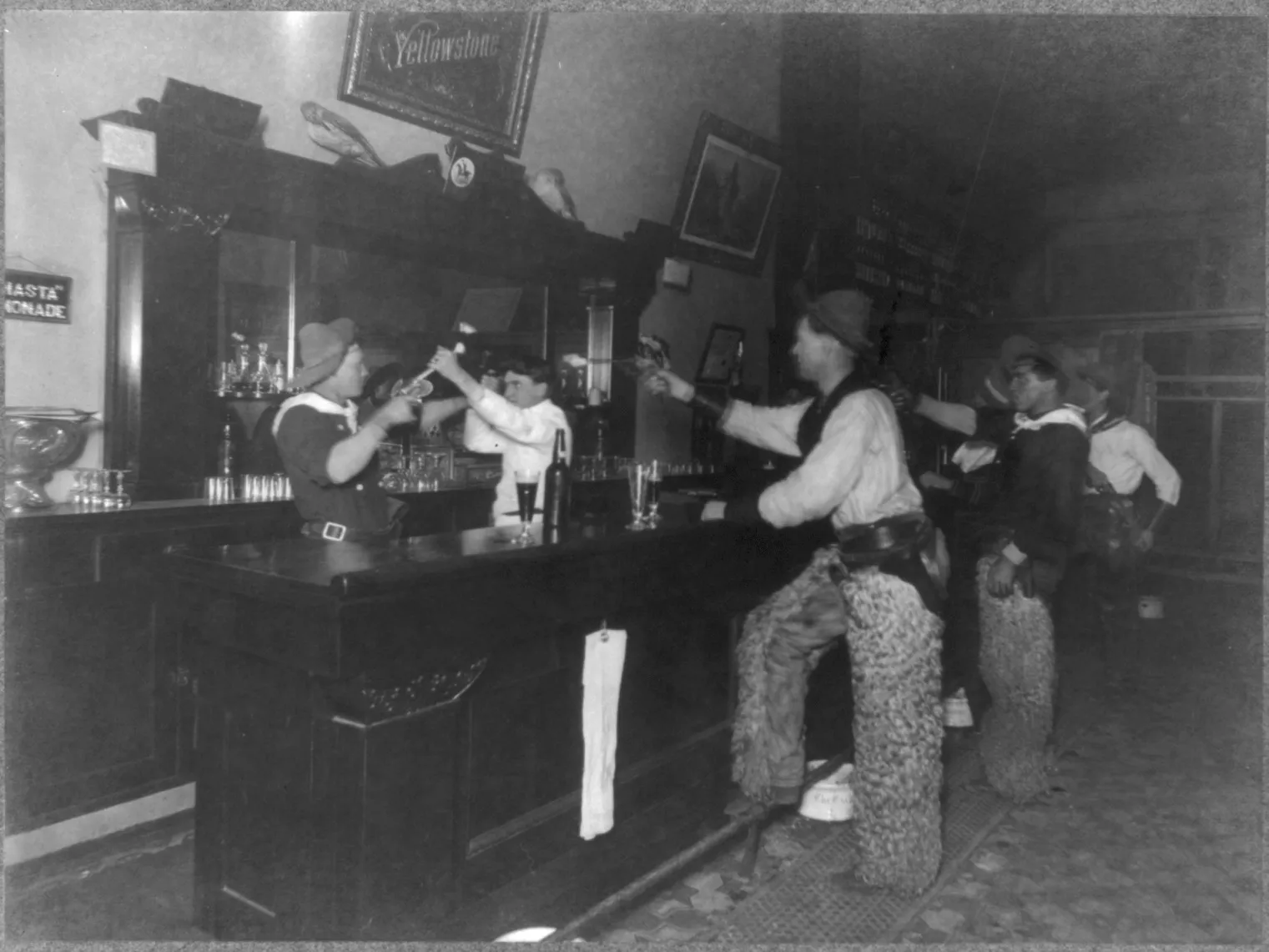
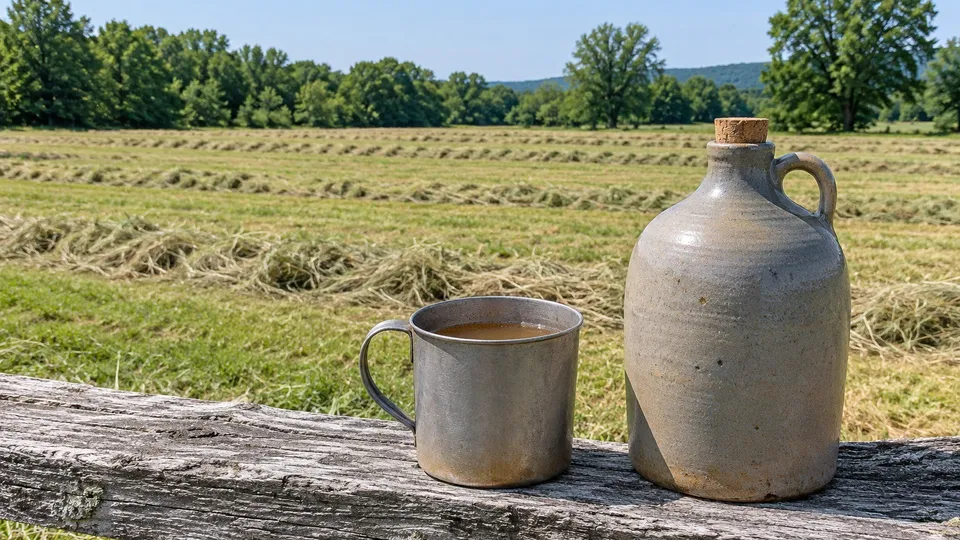
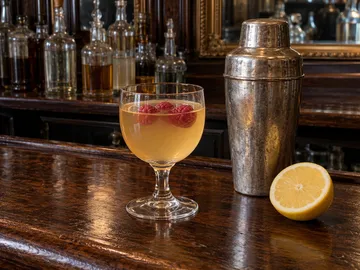
In the saloon, mostly whiskey, poured straight at a flat two bits, or 25 cents, a drink. Away from the bar, on the trail and in the cow camps, they drank black boiled coffee, by the quart.
The price held for decades. Mark Twain, who went west by stagecoach in 1861, wrote that in a California saloon “twenty-five cents is the price for anything and everything,” and Andy Adams’s trail novel has cowhands in Montana in 1882 reporting that “a shave was two-bits and a drink the same price,” about $8.30 today by US consumer prices. Much of the whiskey was distilled nearby, blended or faked; in Utah it went by the name of Valley Tan.
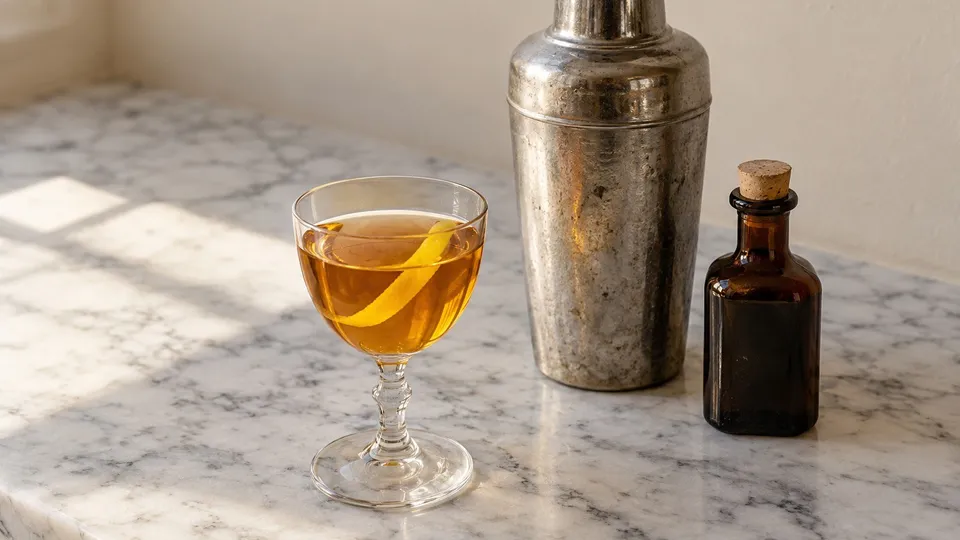
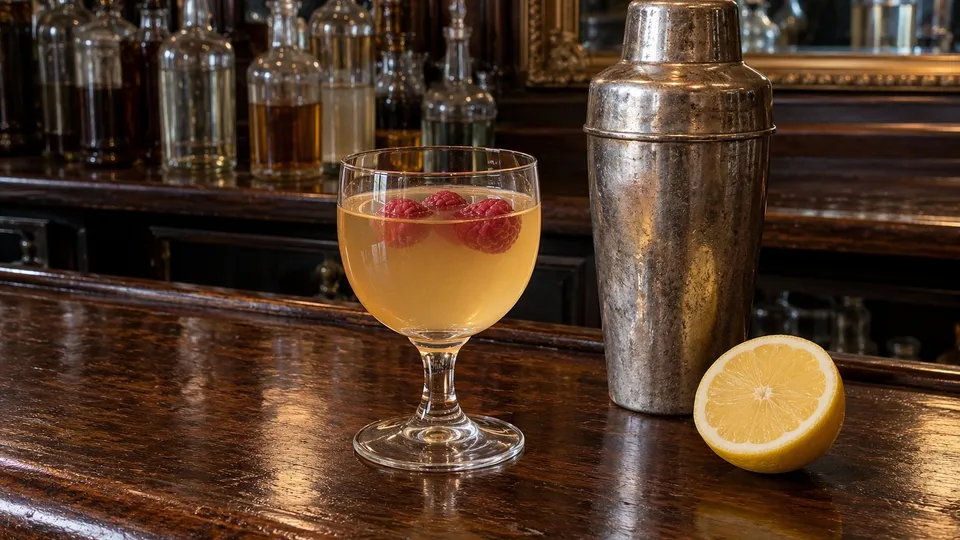
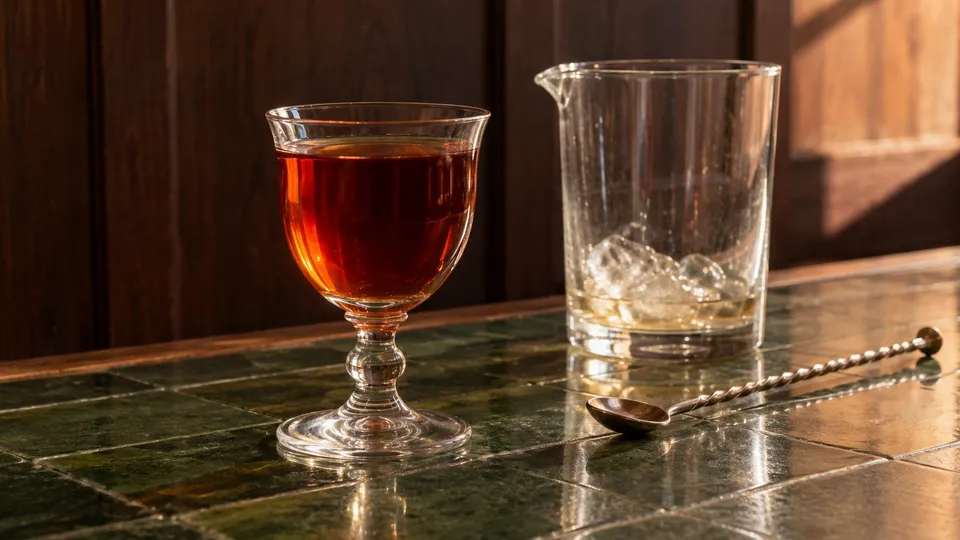
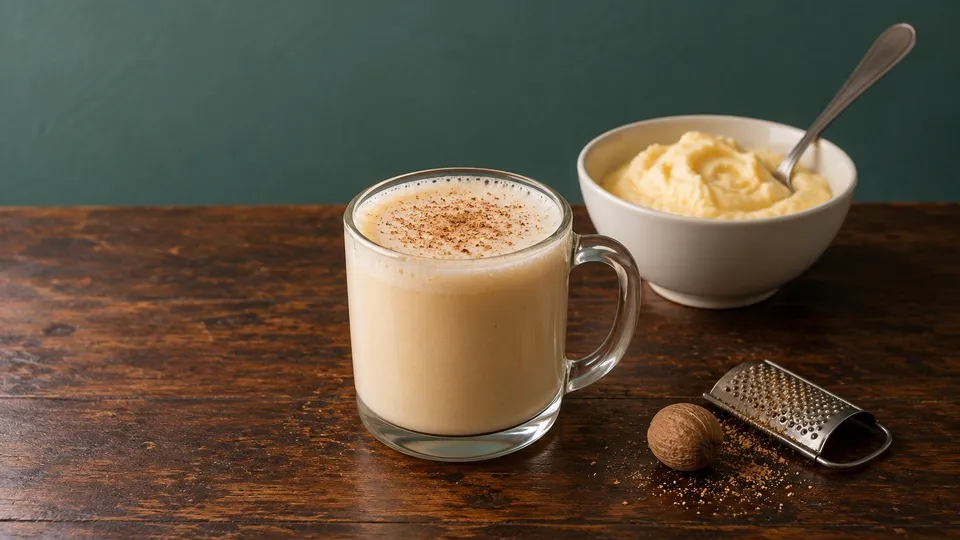
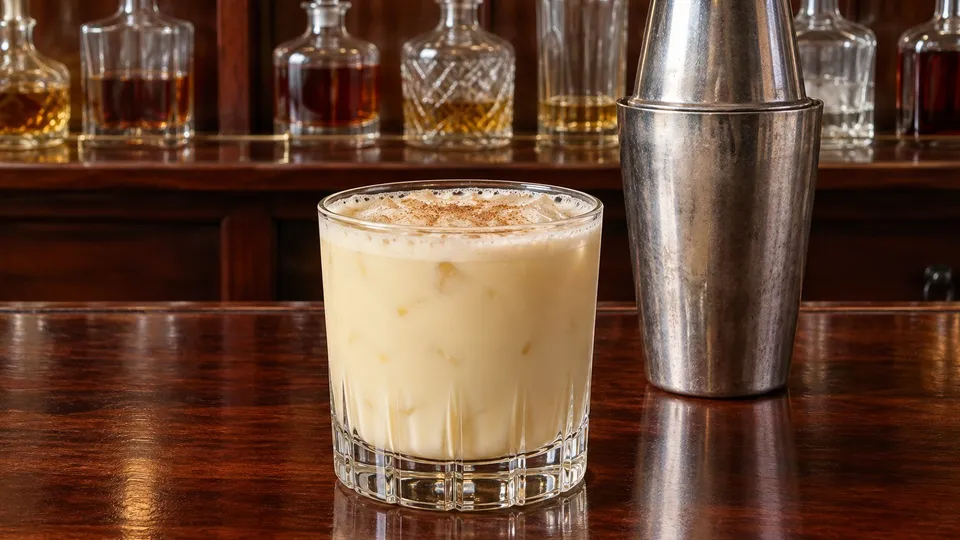
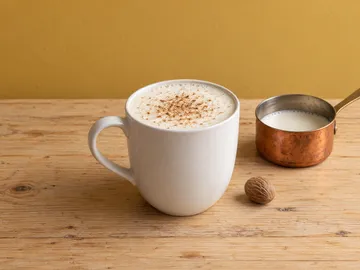
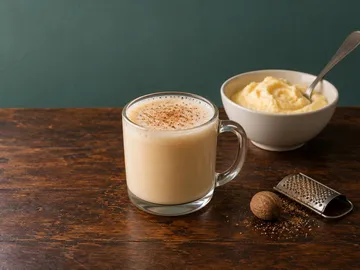
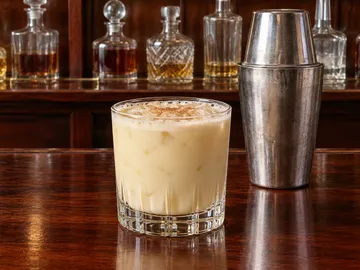
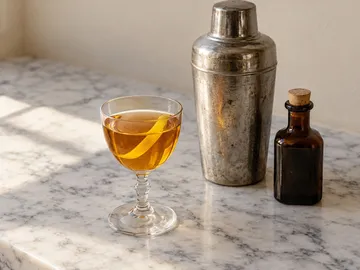
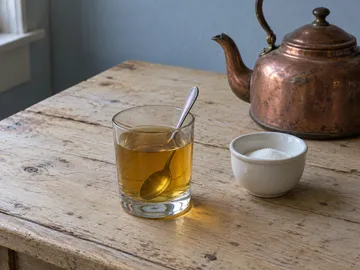
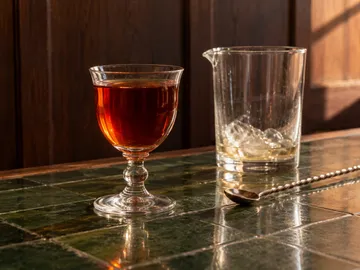
Lager went where the breweries were: Richard Burton counted ten in Utah in 1860. Bitters sat between the drugstore and the bar, and miners who struck it rich bought champagne. Mixed drinks were mainly a San Francisco and big-town trade, and Jerry Thomas’s New York bar book of 1862 gives the whiskey cocktail, the hot toddy and the Tom and Jerry as the period poured them.
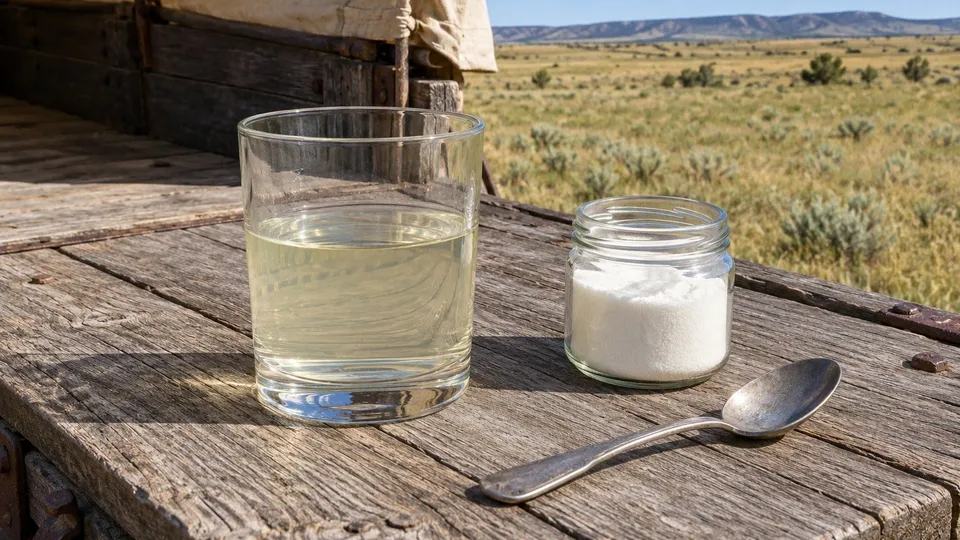
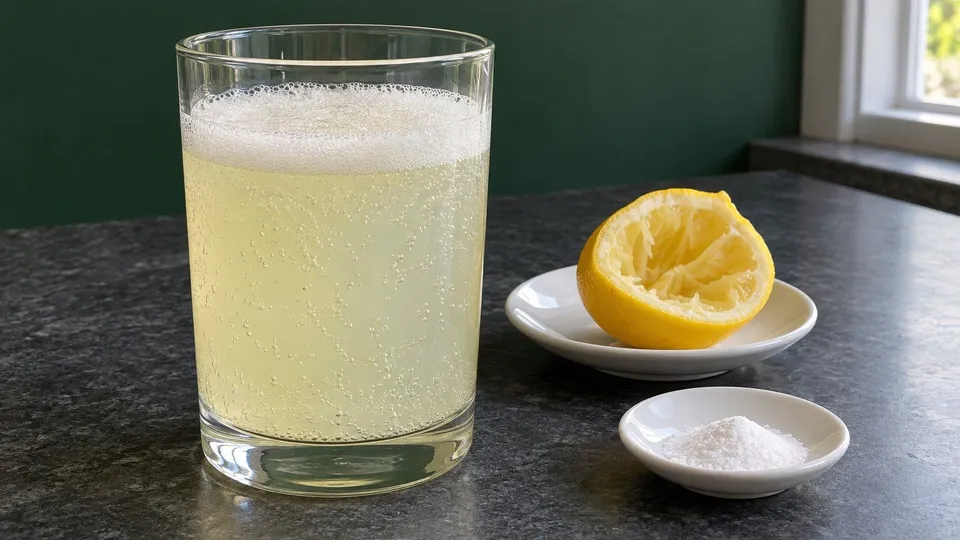
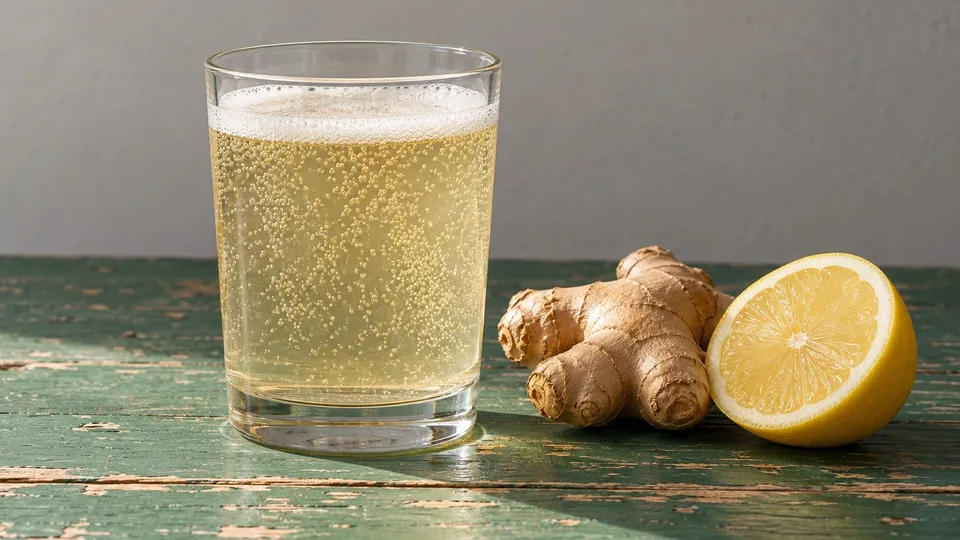
Not everyone drank at the bar. Randolph Marcy’s Prairie Traveler (1859) allowed every emigrant “15 lbs. of coffee, and 25 lbs. of sugar” for the trip, and told travelers how to stir up lemonade from citric acid and sugar. Mining towns had soda works too: Placerville, once called Hangtown, still has one built of stone.
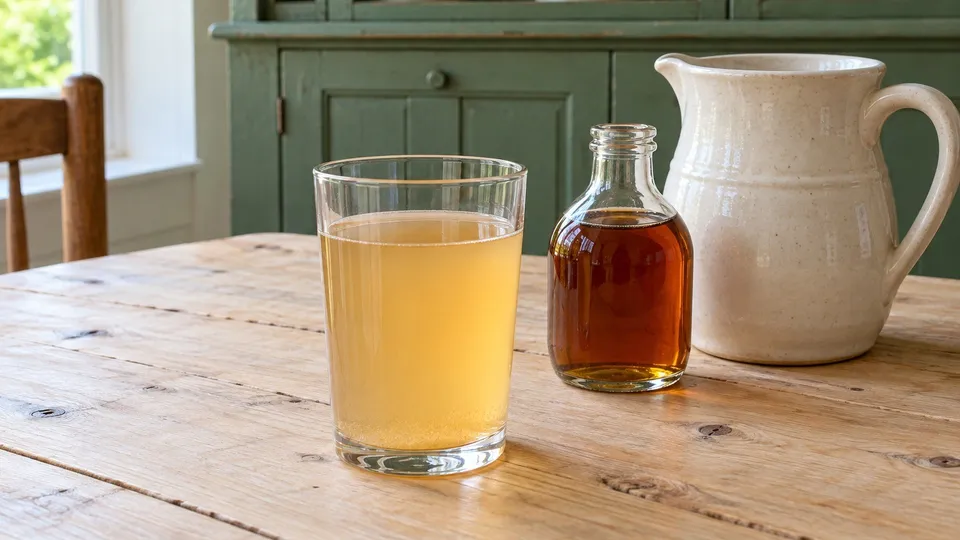
Most recipes here come from a book of the period; our own alcohol-free versions and the modern maple switchel say so on their pages. The alcohol-free drinks are marked.