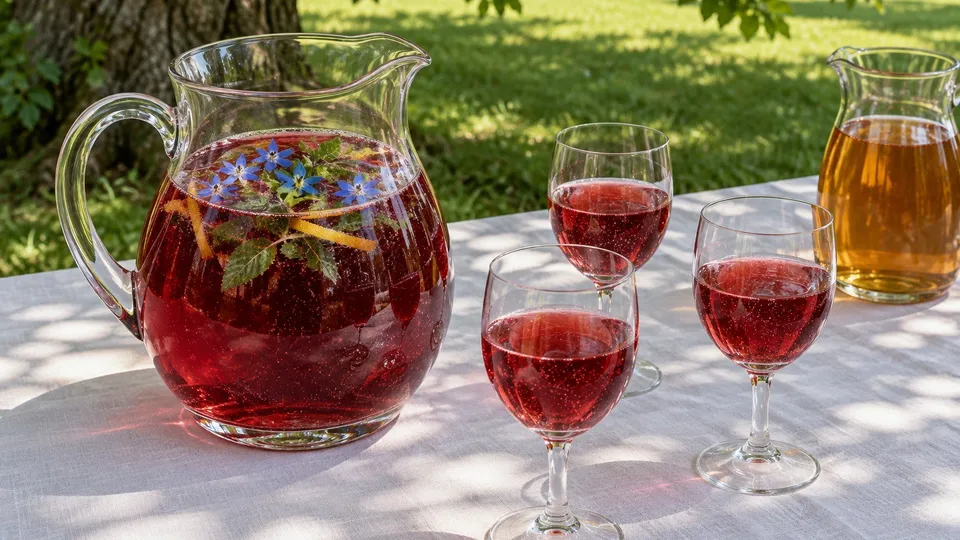
Claret Cup, Iced Claret with Soda and Borage
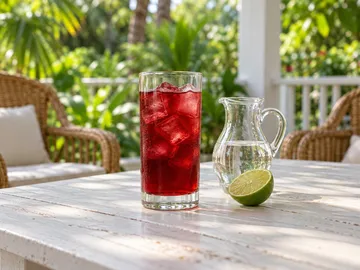
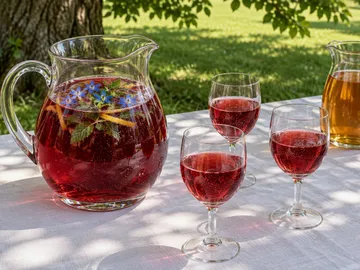
Claret chilled with lemon peel and sugar, then sherry, brandy, noyau, maraschino, borage and soda water: the claret cup of the Edwardian tennis tea, from 1906.
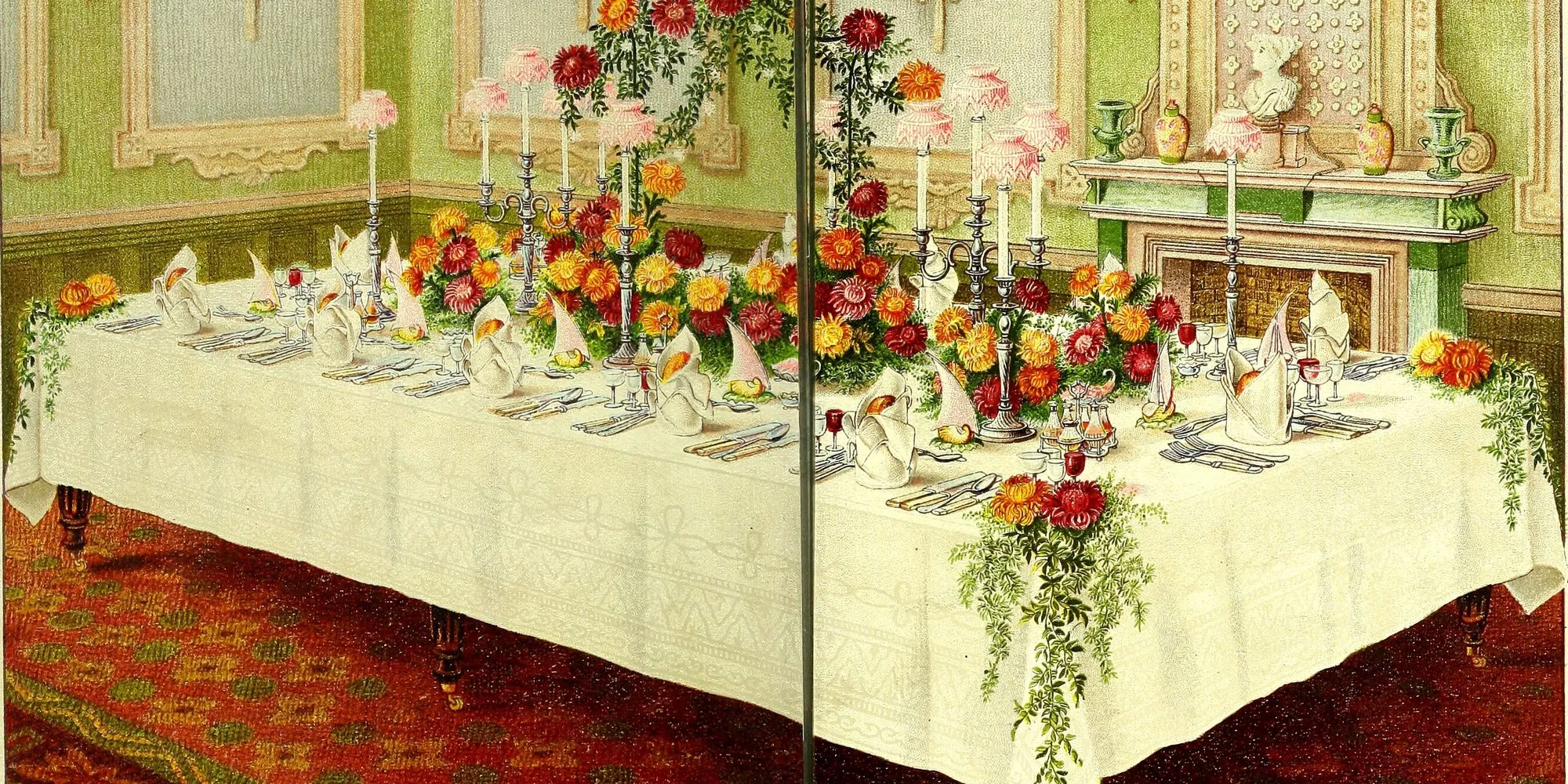
Drinks by theme
Drinks From 1901 to the First World War
What people drank from 1901 to the First World War, from period books: claret cup and lemon squash, the Titanic’s Punch Romaine, the first dry Martini.
Updated
Make it today
Claret chilled with lemon peel and sugar, then sherry, brandy, noyau, maraschino, borage and soda water: the claret cup of the Edwardian tennis tea, from 1906.
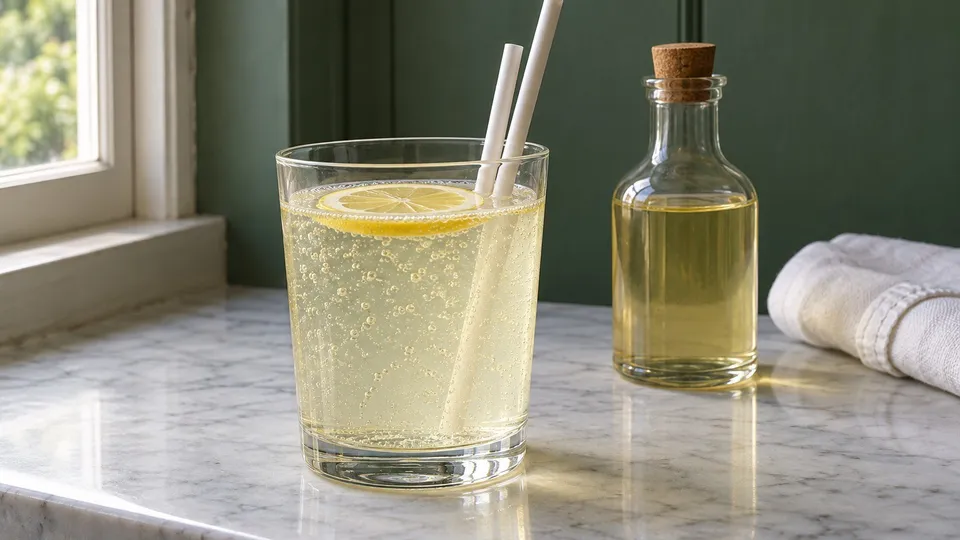
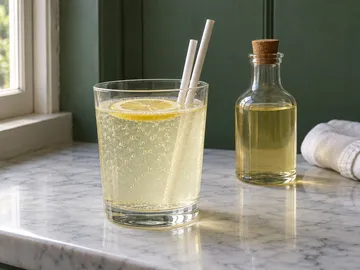
Lemon juice boiled with sugar, cleared with egg white and sharpened with citric acid, then poured over soda water: Edward Spencer’s 1903 lemon squash. Alcohol-free.
Tea, beer and wine, as the Victorians had, but less of the wine and more of the soda water. Edward VII reigned from 1901 to 1910, and the Edwardian years are usually stretched to the outbreak of war in 1914. In a country house, by the 1906 edition of Mrs. Beeton, dinner began with sherry, or whisky and mineral water, with the soup, ran on champagne to the dessert and ended with port and old claret. Downstairs the servants had tea at four and beer with their meals, or beer money in its place.
Summer drinks were long and cold. A tennis or croquet tea on the lawn served iced tea, coffee and claret cup, which was claret made long with soda water and borage, and the soft drinks of the day were lemon squash, lemonade and bottled soda. Edward Spencer, whose The Flowing Bowl came out in 1903, thought the old days of the “three-and-four-bottle heroes” had passed into a “whisky age” and a “‘small bottle’ age”, the small bottle probably soda water for the whisky.
Beyond the country house, the years before 1918 were busy ones for drinks. American bartenders printed the dry Martini by 1904, the Bronx by 1908, the Daiquiri in 1913 and the Aviation in 1916, while the soda fountain sold mint lemonade and a lime rickey without the gin. In Singapore two members ordered a gin sling at the Cricket Club in 1913, and a Singapore cookbook of 1915 made a pineapple cup with rock sugar. On the Titanic in April 1912 every class had tea and coffee, and first class’s last dinner menu, as usually transcribed, included Punch Romaine. In the First World War, from June 1915, local orders across much of Britain made it an offense to buy someone else a drink in a pub, though a cup of tea or a lemonade could still be bought for a friend.
This page covers 1901 to the end of the First World War: Britain first, with America’s bars and the British Empire’s ports alongside. Every recipe comes from a book of those years and names it, and the alcohol-free drinks are marked.
Each recipe names the period book it comes from and says what we changed. How we research
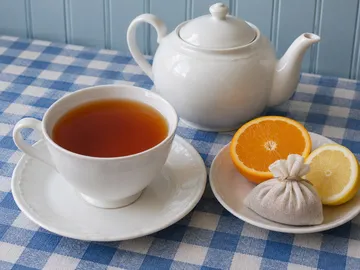
Iced tea, coffee, claret-cup, etc., are served, with sandwiches, pastry, cakes and other light viands.
Fewer wines than before. The 1906 Beeton says a different wine with each course was the old way; now sherry or whisky and mineral water went with the soup, champagne ran until the dessert, and port and old claret came with it. Many tables kept to one or two wines, “or champagne alone.”
 The storyWhat Did People Drink in an Edwardian Country House?
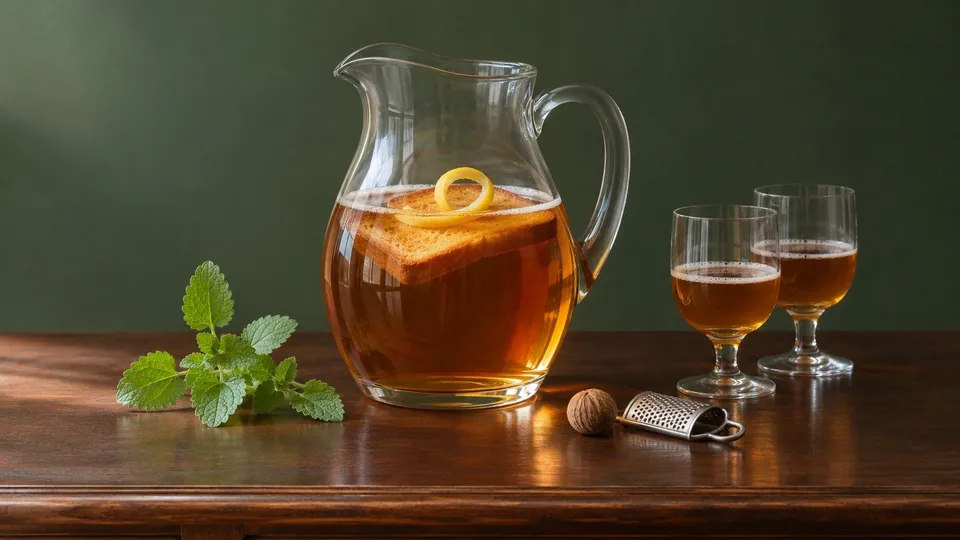
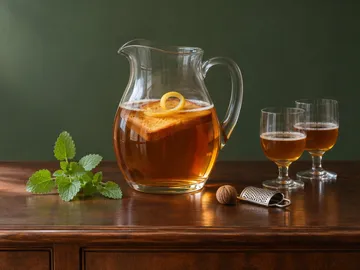
Lemon juice squeezed onto hot toast, then sugar, nutmeg and a sprig of balm, and cold mild ale, sherry and brandy poured over: the Ale Cup of Edward Spencer’s The Flowing Bowl, 1903.
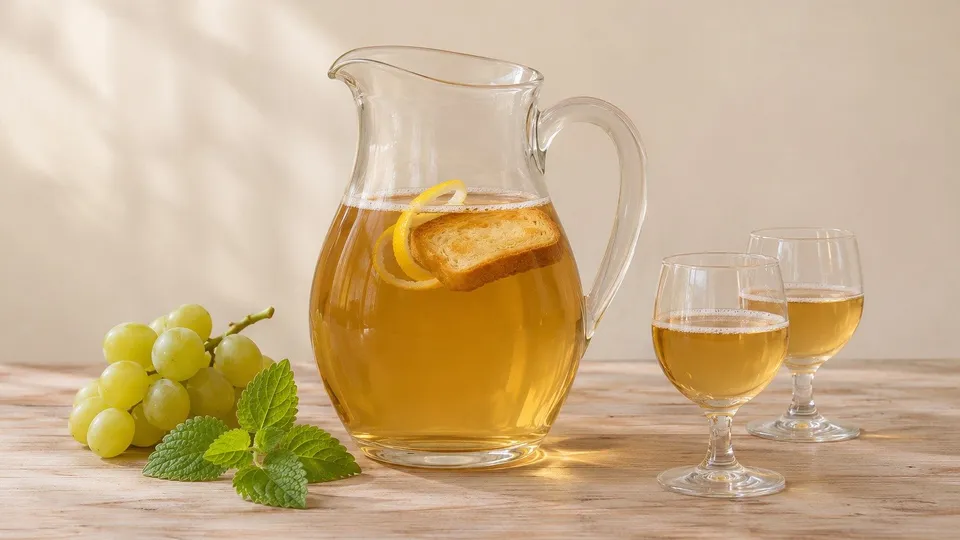
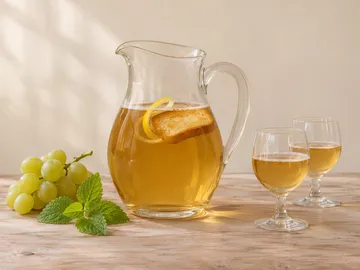
Spencer’s 1903 Ale Cup made without alcohol: a 0.0% ale and white grape juice poured cold over hot toast with lemon, sugar, nutmeg and a sprig of balm.
Lemon squash, lemonade and bottled soda water, with barley water mostly kept for invalids. At the King’s Dinner of July 1902, half a million of London’s poor were given nearly 28,000 gallons of ale and 72,000 gallons of lemonade and other soft drinks, and the soft drinks won by a wide margin.
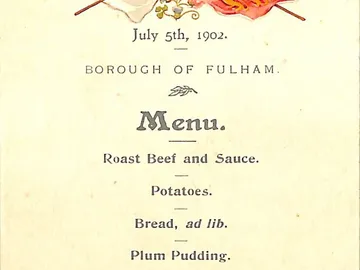 The story28,000 Gallons of Ale, 72,000 of Lemonade: The King’s Dinner of 1902
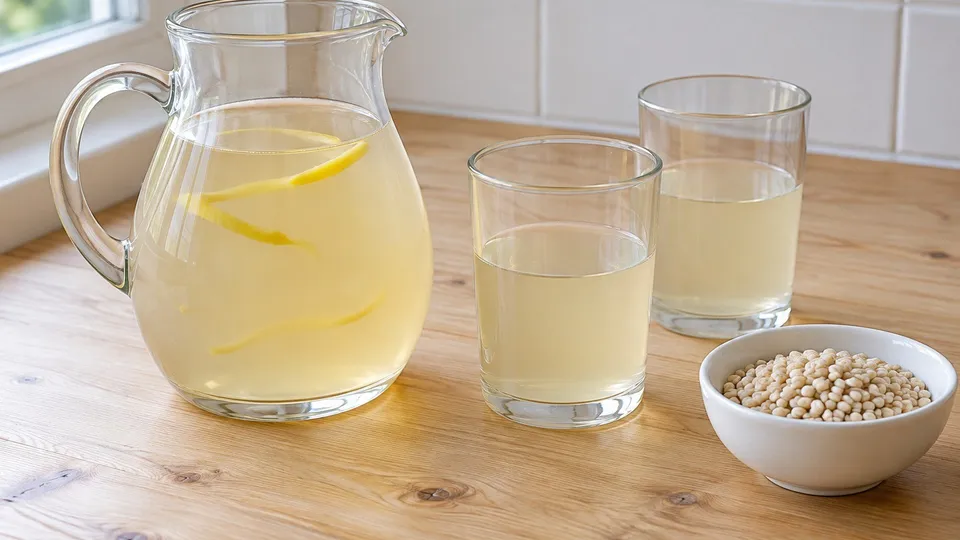
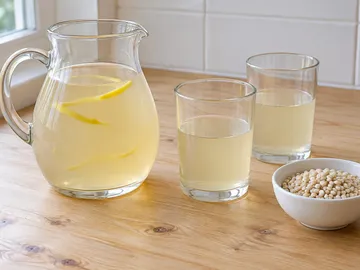
Blanched pearl barley, a little sugar and thin lemon peel, covered with boiling water and left until cold: the quick barley water of Mrs. Beeton’s 1906 book. Alcohol-free.
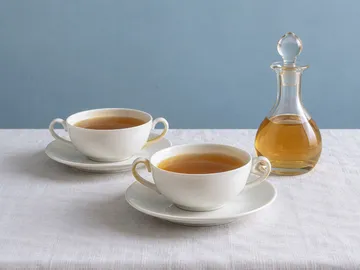
Tea and coffee in every class. First class also had wine at dinner, coffee and cordials after it, and on its last dinner menu, as usually transcribed, Punch Romaine, in Escoffier’s recipe a half-frozen ice of wine, citrus and meringue with rum stirred in. No wine list or cocktail list from the ship is known.
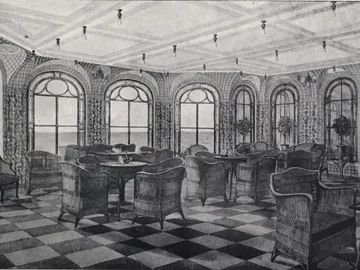 The storyWhat Did People Drink on the Titanic?
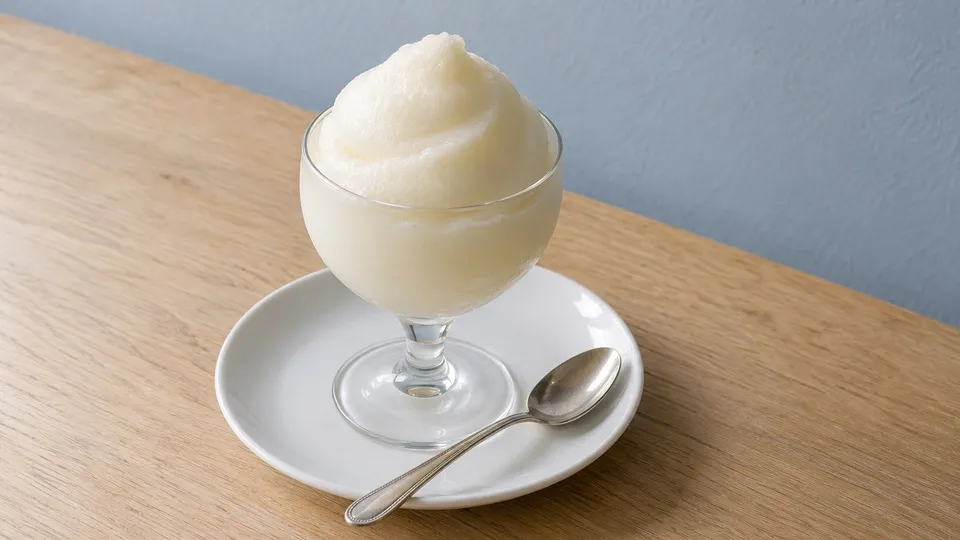
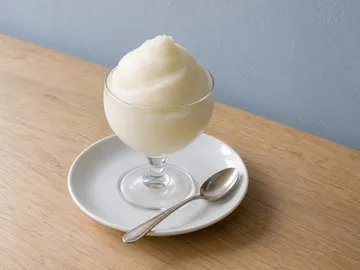
Escoffier’s half-frozen Punch à la Romaine without the wine or rum: white grape juice, orange and lemon steeped in syrup, churned to a soft ice and lightened with Italian meringue.
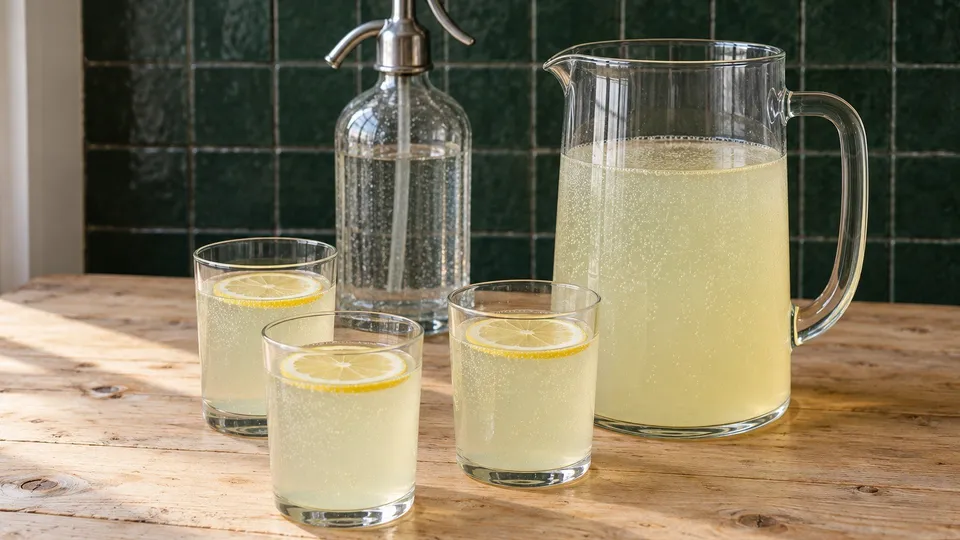
Lemon zest and juice steeped cold in sugar syrup for three hours, strained and lengthened with a siphon of seltzer, with a thin round of lemon in each glass: Escoffier’s lemonade of 1907.
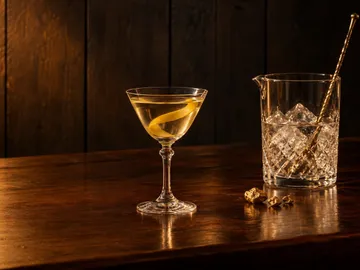
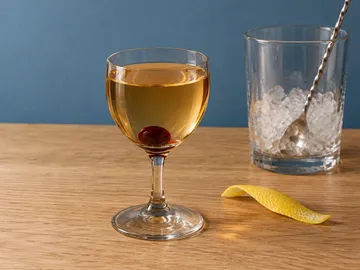
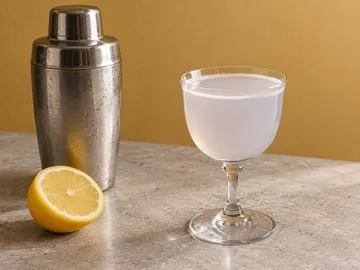
Many of the ones still made today. A 1904 bar book printed the oldest dry Martini we have found, half Tom gin and half Italian vermouth, when dry meant no syrup. The Bronx followed in 1908, the Daiquiri in 1913 and the Aviation, with its crème de violette, in 1916.
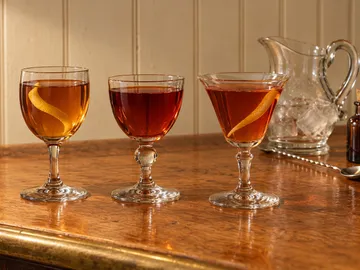 The storyThe Bartenders Who Wrote Down the Classic Cocktails
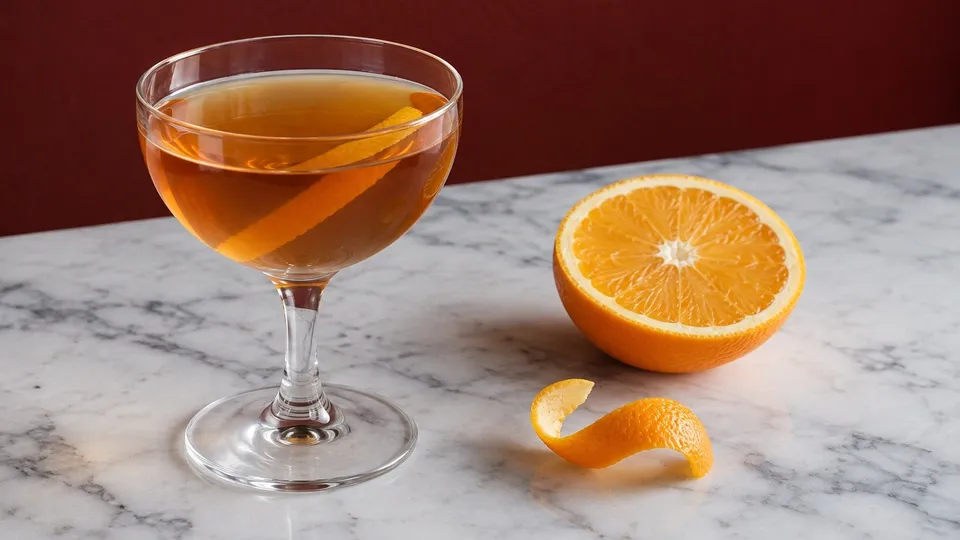
Equal thirds of gin, French and Italian vermouth, with orange bitters, a spoonful of orange juice and a squeeze of peel: the Bronx as William Boothby printed it in 1908.
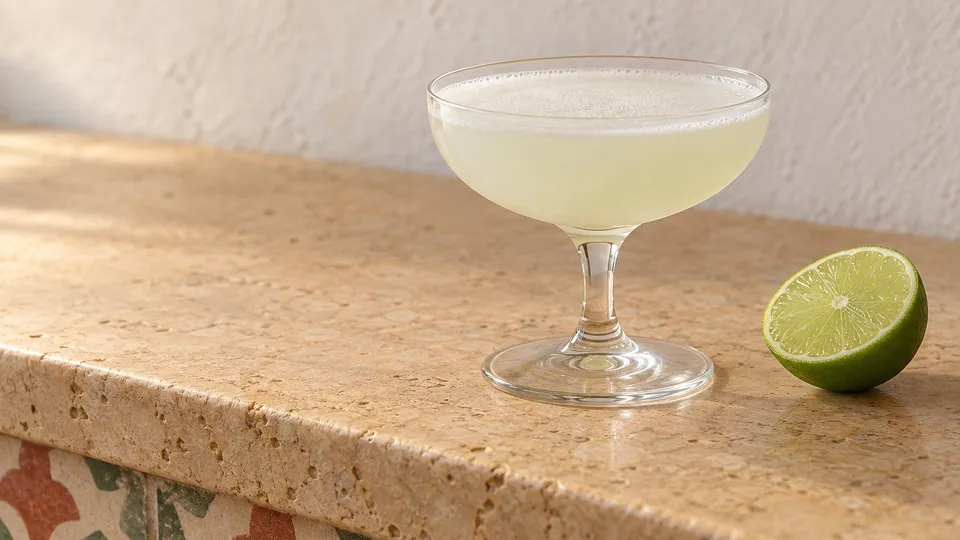
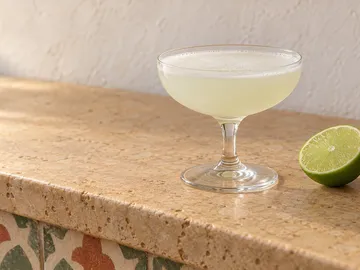
Two-thirds of a jigger of lime juice, one-third of rum and a spoon of powdered sugar, shaken with fine ice: the Daiquiri as Jacques Straub first printed it in 1913.
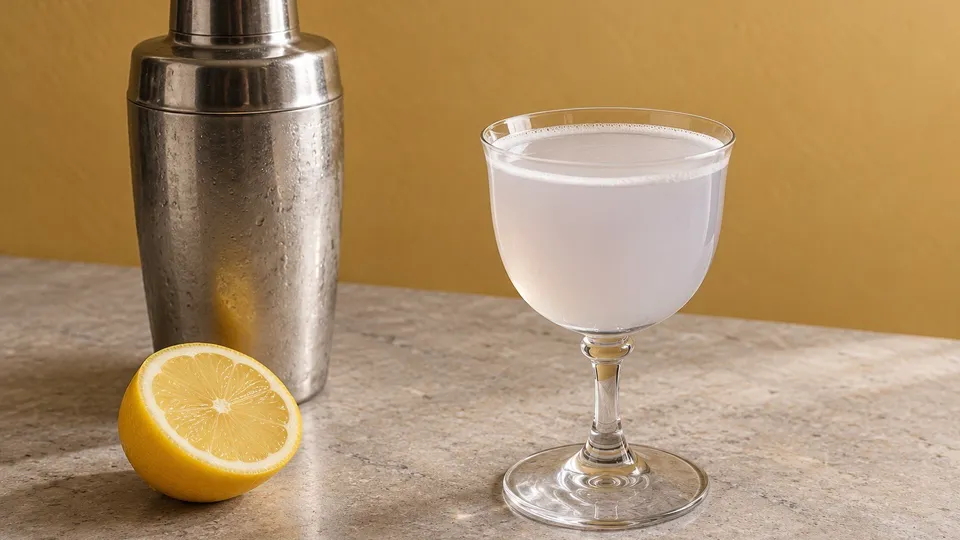
Two-thirds gin to one-third lemon juice, with two dashes of maraschino and two of crème de violette, shaken with cracked ice and strained: the Aviation as Hugo Ensslin printed it in New York, before the violette went missing.
Coffee for most people, soda water from the town’s own factories, lemon squash and barley water, and at the clubs and hotel bars the gin sling, on an ordinary bar card by 1907, long before anyone said Raffles Hotel invented it.
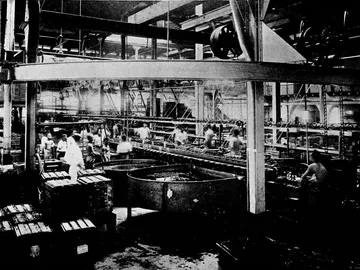 The storyWhat Did People Drink in Old Singapore?
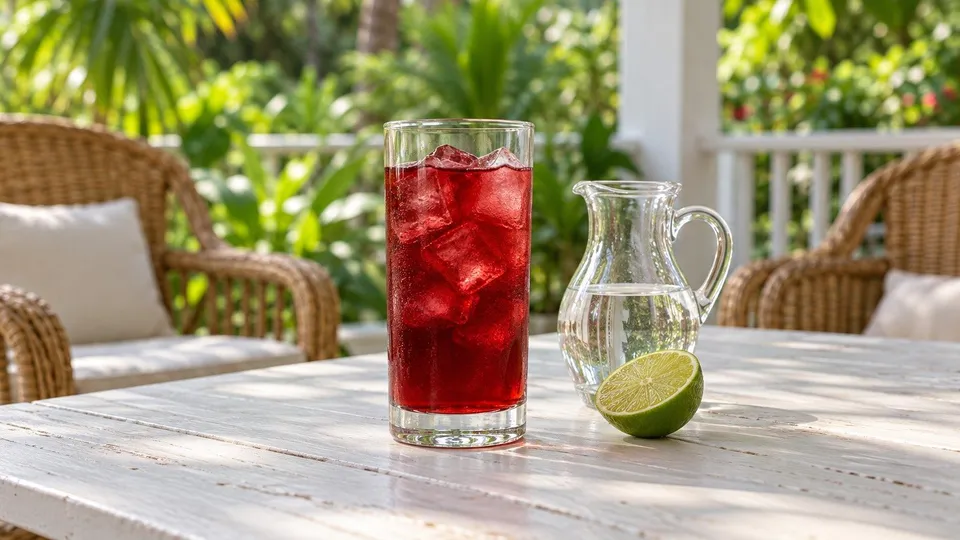
Gin, cherry brandy, Bénédictine and lime juice in equal parts, with bitters, ice and water: the gin sling two members ordered at the Singapore Cricket Club in 1913.
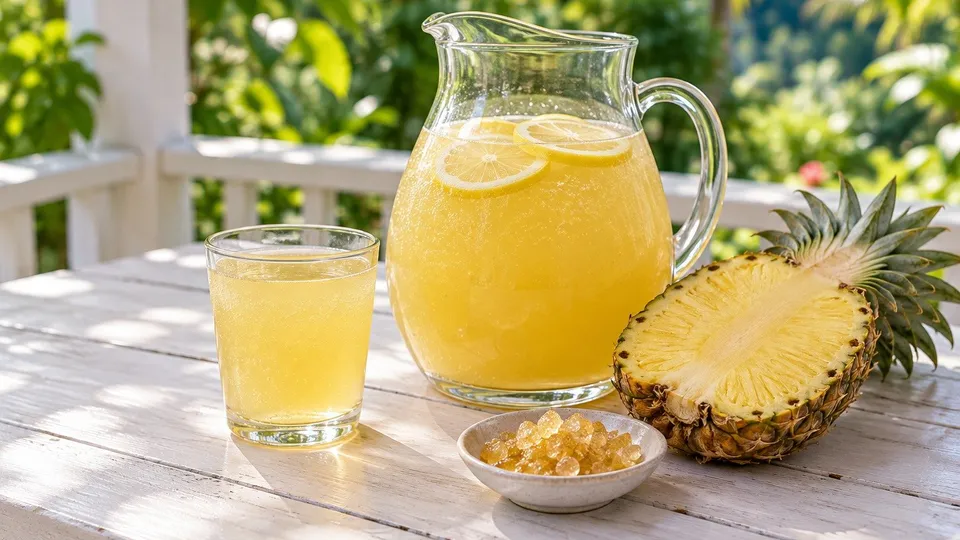
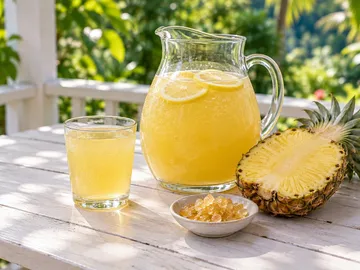
Fresh pineapple juice with soda or plain water, a little crushed rock sugar and thin slices of lemon: a hot-weather drink printed in Singapore in 1915.
Less in company, in Britain. From June 1915 the Central Control Board, set up to keep war workers sober, banned “treating,” standing a round, area by area, and the buyer, the seller and the drinker could all be fined. The orders covered only alcohol, and the last of them went in June 1919.
 The storyNo Rounds Allowed: The Wartime Treating Orders of 1915
The full list
18 recipes in What Did Edwardians Drink?
Try a different ingredient or recipe name, or use Clear filters above to see the full collection.
Recipes could not be loaded. or browse this collection page without filters.
Alcohol-free version
Always alcohol-free
Alcohol-free version

Always alcohol-free
Always alcohol-free
Always alcohol-free
Always alcohol-free
Always alcohol-free
Always alcohol-free
Spencer’s 1903 Ale Cup made without alcohol: a 0.0% ale and white grape juice poured cold over hot toast with lemon, sugar, nutmeg and a sprig of balm.
Escoffier’s half-frozen Punch à la Romaine without the wine or rum: white grape juice, orange and lemon steeped in syrup, churned to a soft ice and lightened with Italian meringue.
Lemon juice squeezed onto hot toast, then sugar, nutmeg and a sprig of balm, and cold mild ale, sherry and brandy poured over: the Ale Cup of Edward Spencer’s The Flowing Bowl, 1903.
For what was on the plate, our sister site The Forgotten Menu has Edwardian recipes (opens in a new tab).