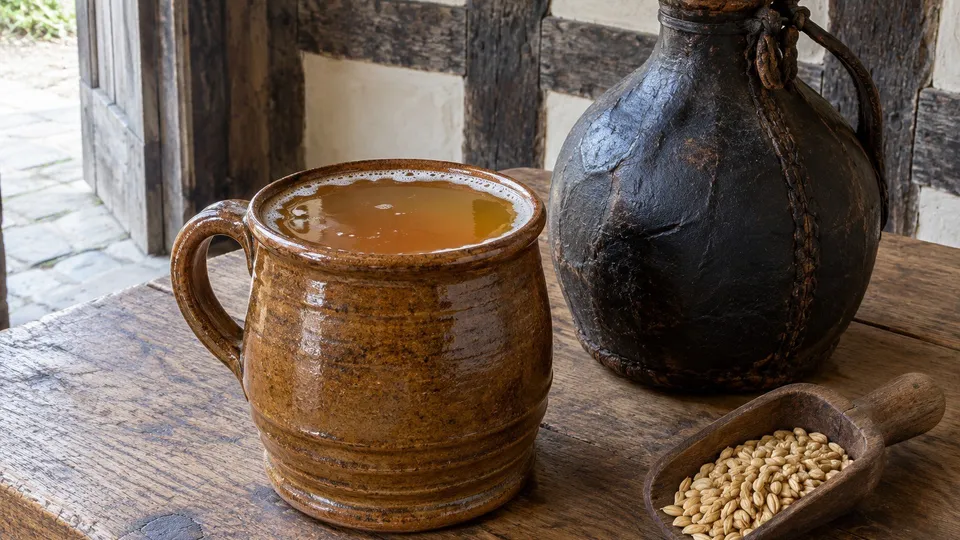
Ordinary Beer, the Household Brew of 1623
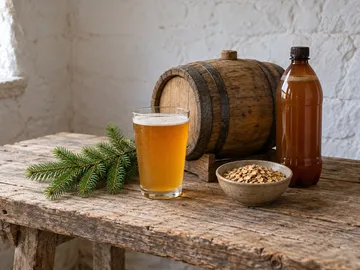
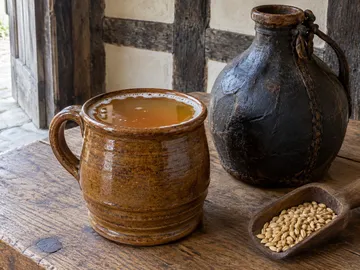
Pale malt and a light hand of English hops, mashed, boiled an hour and drunk at a fortnight old: Gervase Markham’s everyday beer of 1623, scaled to a 10-liter home brew.
Drinks by theme
Beer and small beer, cider, punch, Dutch kandeel and French spruce beer: what the English, Dutch and French colonists of North America and the islands drank.
Updated
Make it today
Pale malt and a light hand of English hops, mashed, boiled an hour and drunk at a fortnight old: Gervase Markham’s everyday beer of 1623, scaled to a 10-liter home brew.
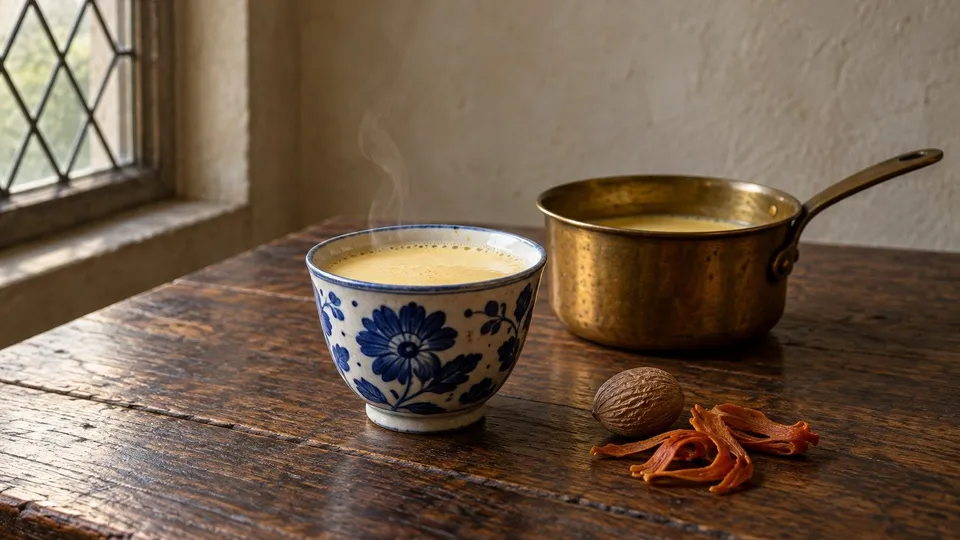
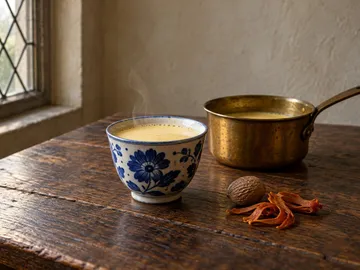
Rhenish wine and water thickened with beaten eggs and spiced with mace, nutmeg, cinnamon and cloves: kandeel from an Amsterdam cookbook of 1669.
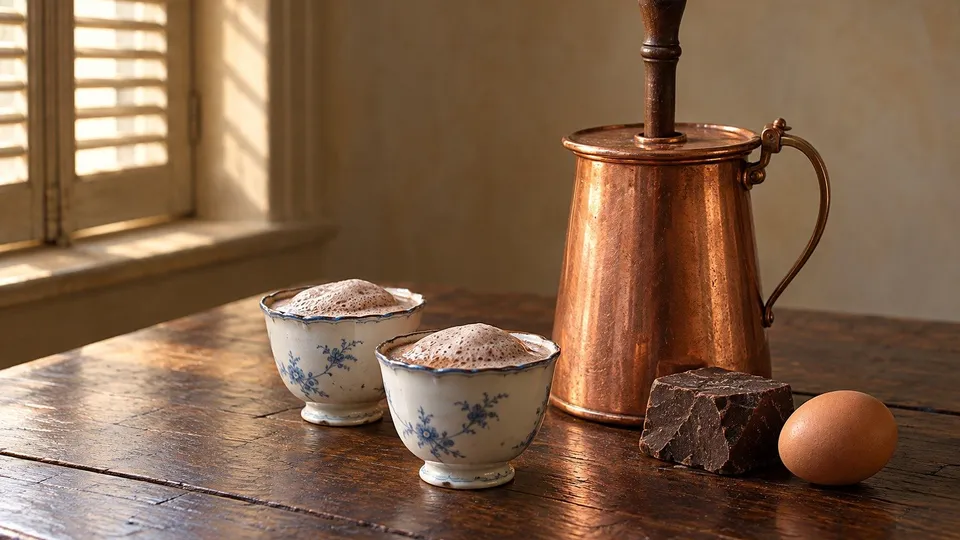
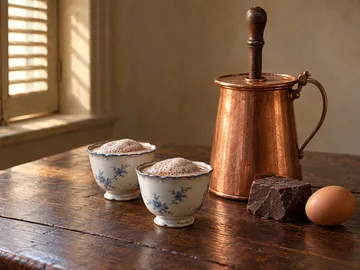
Grated cacao, sugar, cinnamon and a whole fresh egg, worked into boiling water and milled to a thick froth: chocolate as the French islands made it, from Labat’s 1722 account.
Beer first, wherever there was grain and a brewer: strong beer for those who could pay and small beer, the weak everyday kind, for the household. Cider took over where orchards grew, and by the 1670s rum came up from the West Indies.
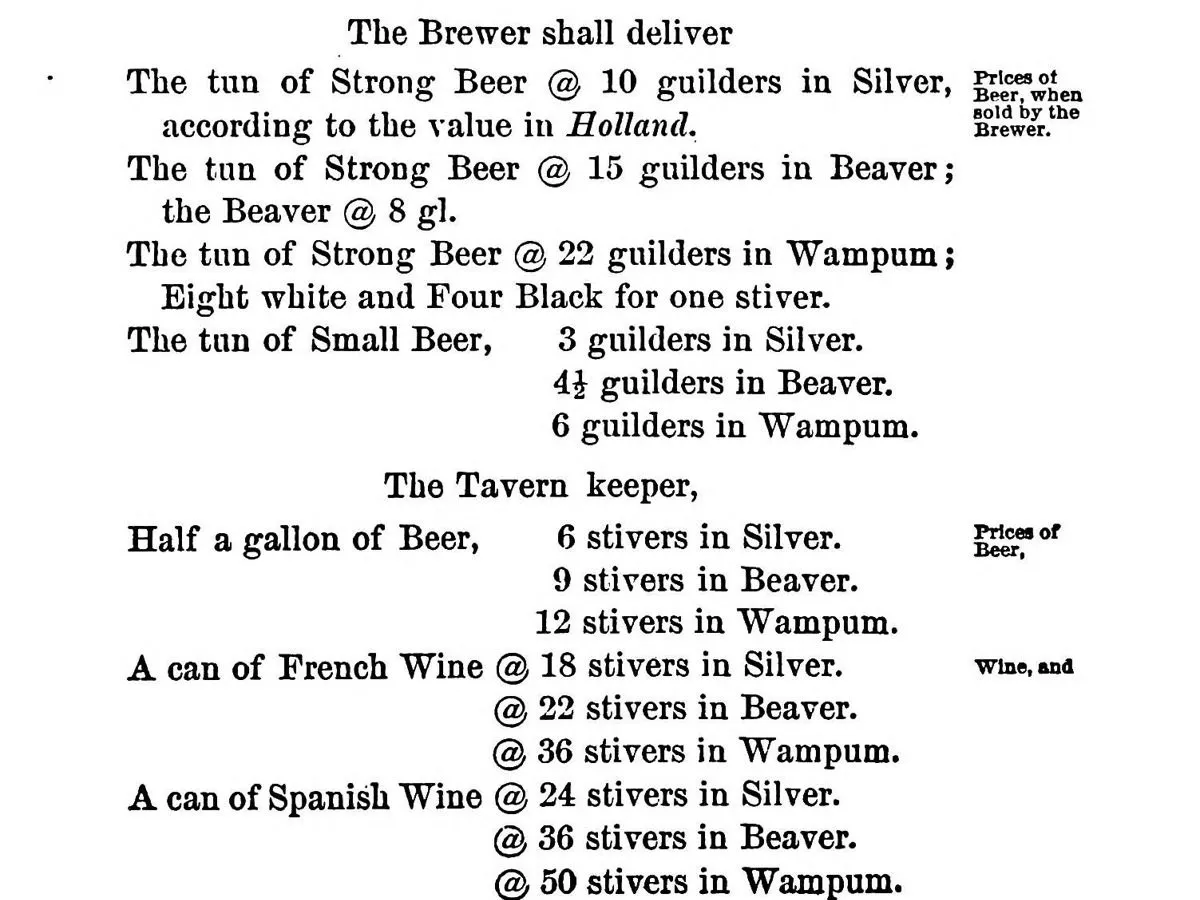
The English settlers knew the household brewing of home, the “ordinary beer” of a 1623 English housewife’s book, and George Washington’s 1757 notebook makes small beer from bran, hops and molasses. In New Netherland the Director General taxed beer by the half barrel and fixed its price in silver, beaver or wampum; by 1679 Dutch-speaking farmers on Long Island poured cider and Barbados rum they called kill-devil.
French Canada was different again. A Swedish visitor found in 1749 that people of rank took chocolate or coffee at breakfast and red wine mixed with water at dinner, spruce beer was drunk in summer, and the common people drank water. In the French islands the everyday drink was a cassava beer, and the planters copied English mixed drinks such as sangaree.
Every recipe here comes from a book or record of the period, and the alcohol-free drinks are marked.
The common people drink water; for it is not yet customary here to brew beer of malt.
Beer brewed at home from malt, or small beer from cheaper bran and molasses, and punch for company. Sweet wort, the malt drink before it becomes beer, is alcohol-free.
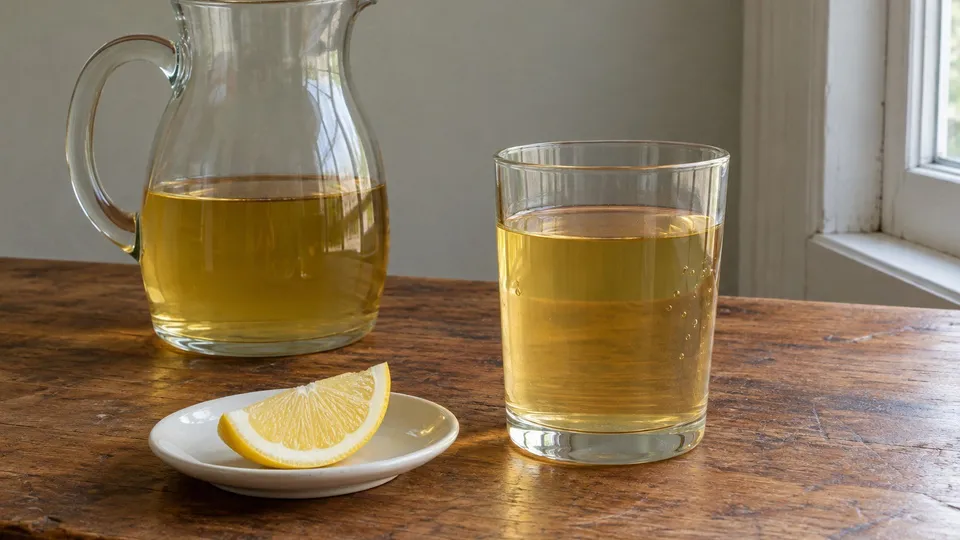
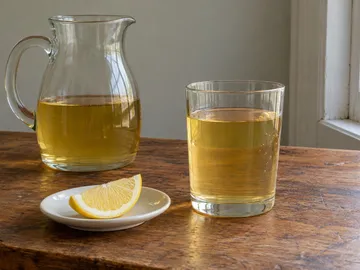
Malt boiled with a few hops, chilled and cut with sparkling water: the sweet, unfermented wort that 17th-century beer started from, made as a modern alcohol-free drink.
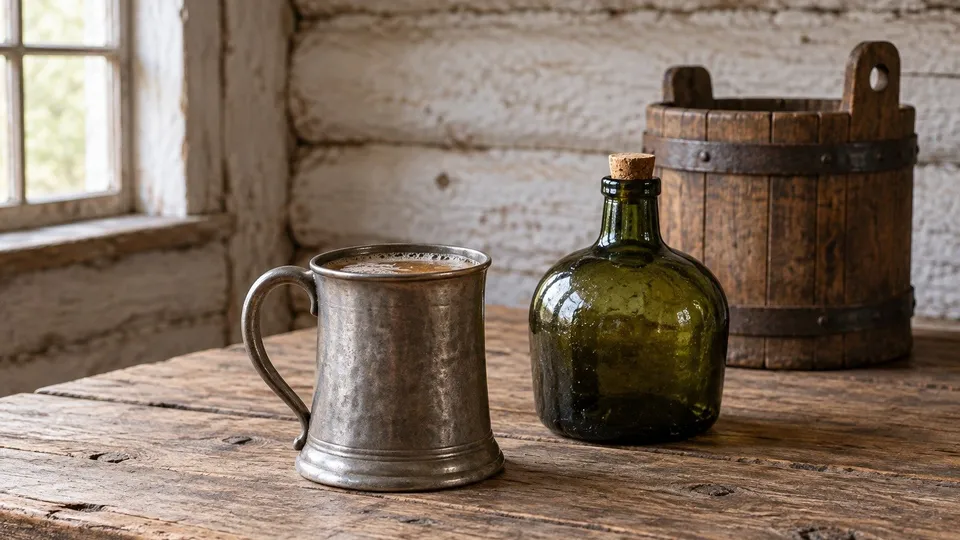
Bran and hops boiled three hours, strained onto molasses and worked a week: the small beer in the notebook George Washington kept as a Virginia colonel in 1757.
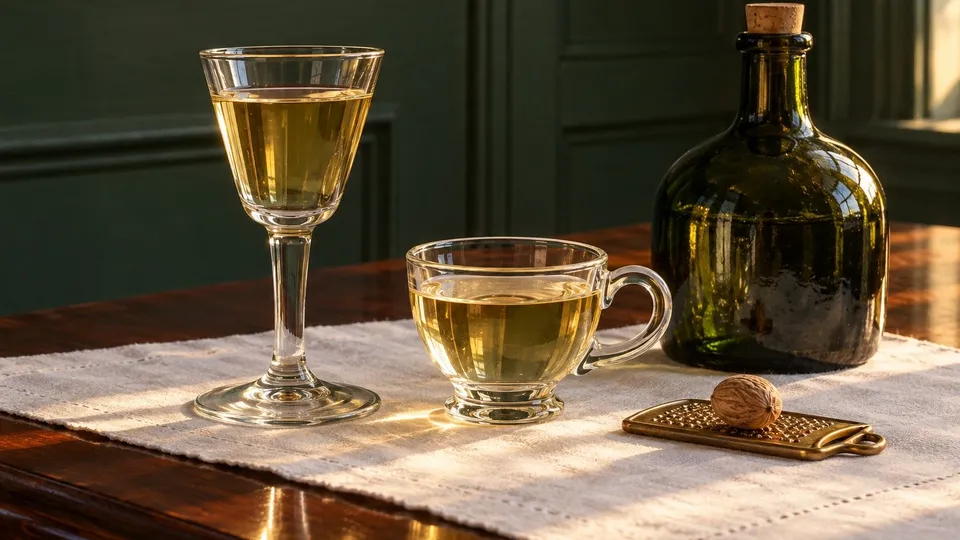
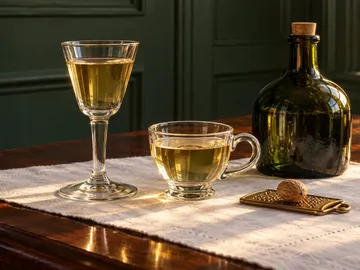
Brandy steeped with lemon peel, then nutmeg, lemon, sugar and boiling milk, dripped clear through a jelly bag and bottled: Franklin’s 1763 receipt at a twelfth of the size.
Beer above all, and wine and brandy by ship. Dutch cookbooks of the 1660s add a hot wine thickened with egg and a currant syrup for cold water; a century later, Albany’s Dutch families took their tea without milk.
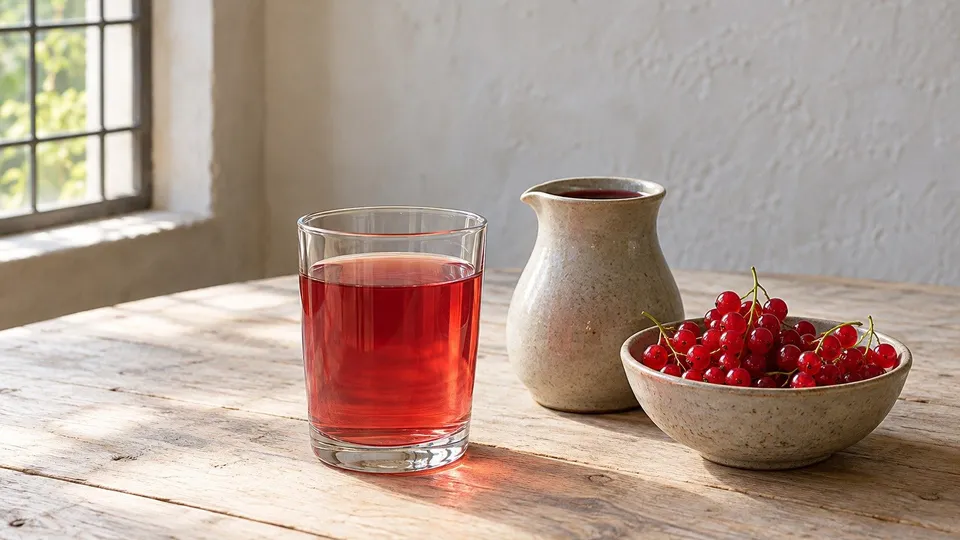
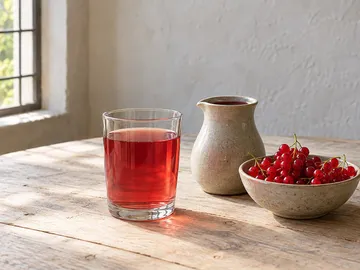
Red currant juice boiled with sugar to a thin syrup, three parts to two, and stirred into cold water: a thirst-quencher from an Amsterdam book of 1669.
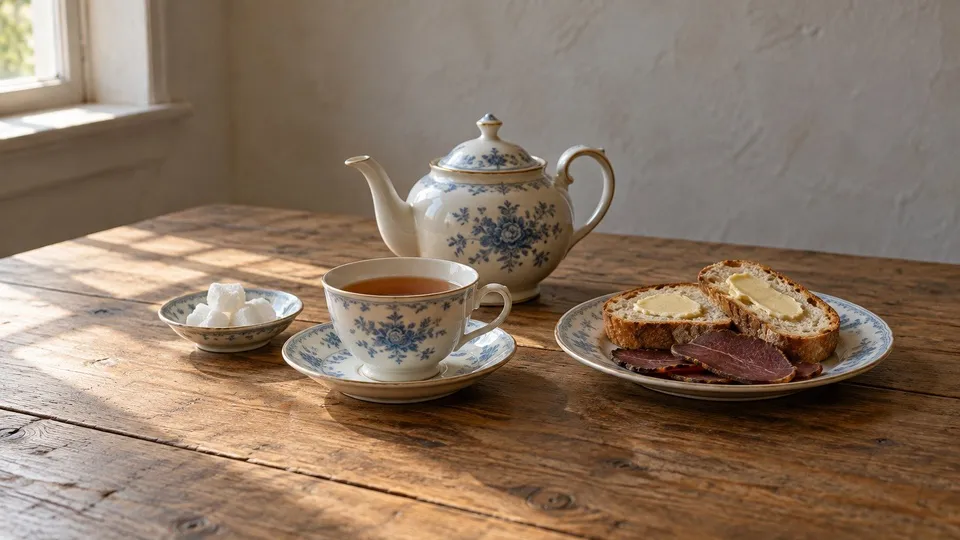
Black tea without milk, drunk with a small lump of sugar held in the mouth: breakfast tea as a Swedish visitor saw the Dutch of Albany take it in 1749.
Spruce beer in a Canadian summer, Madeira sangaree copied from the English, and chocolate frothed with a fresh egg in the islands. The chocolate is alcohol-free.
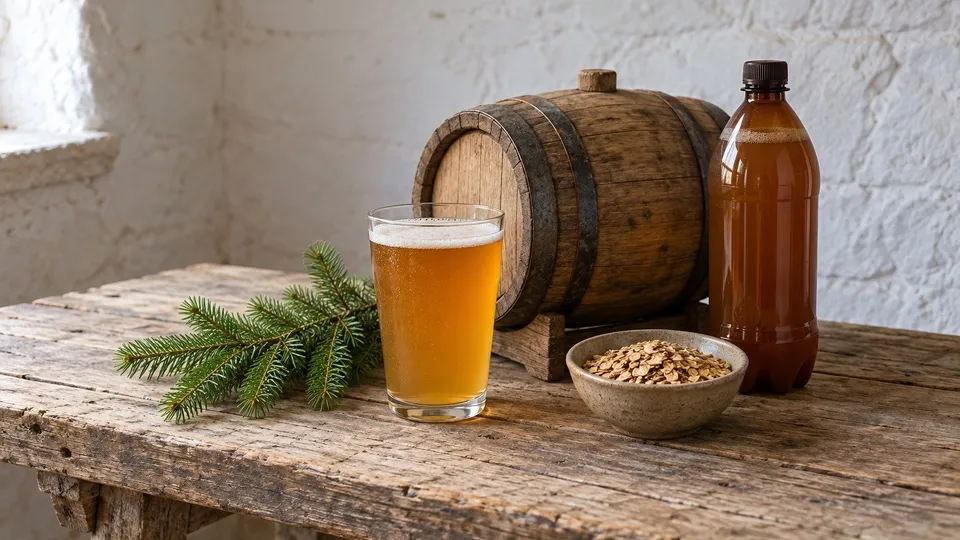
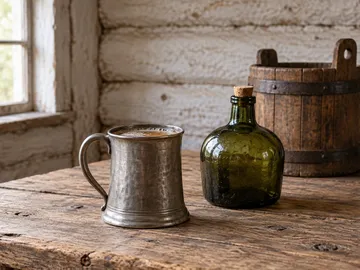
Spruce branches boiled until the bark slips, roasted oats and toast, molasses and beer yeast: spruce beer as Canada made it, printed in Paris in 1755, at one gallon.
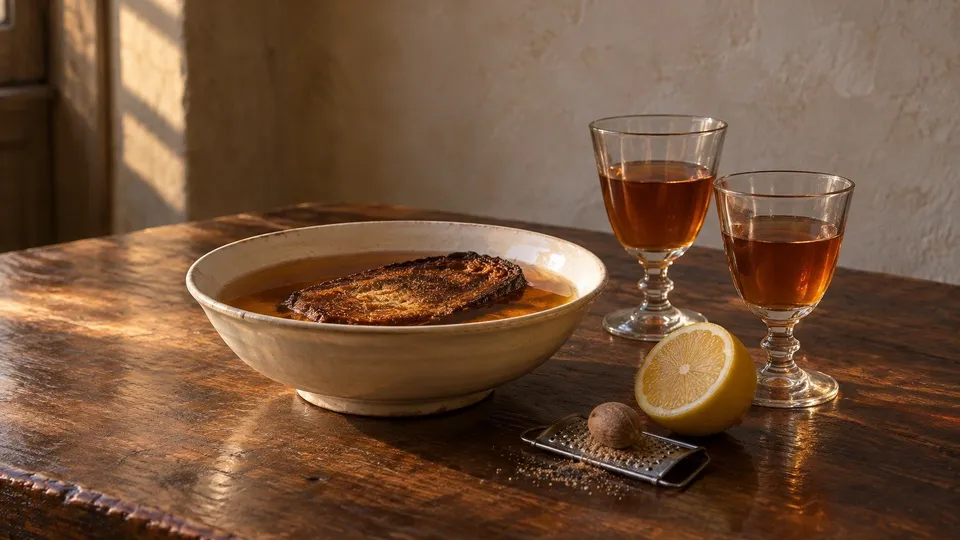
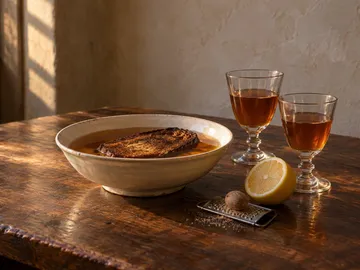
Madeira steeped with sugar, lemon juice, cinnamon, clove, plenty of nutmeg and a crust of dark toast, then strained: the English drink the French islands copied, from Labat’s 1722 account.
The full list
10 recipes in Colonial Drinks: What American Colonists Drank
Try a different ingredient or recipe name, or use Clear filters above to see the full collection.
Recipes could not be loaded. or browse this collection page without filters.
Always alcohol-free
Always alcohol-free
Always alcohol-free
Alcohol-free version
Black tea without milk, drunk with a small lump of sugar held in the mouth: breakfast tea as a Swedish visitor saw the Dutch of Albany take it in 1749.
Brandy steeped with lemon peel, then nutmeg, lemon, sugar and boiling milk, dripped clear through a jelly bag and bottled: Franklin’s 1763 receipt at a twelfth of the size.
Spruce branches boiled until the bark slips, roasted oats and toast, molasses and beer yeast: spruce beer as Canada made it, printed in Paris in 1755, at one gallon.
For what was on the plate, our sister site The Forgotten Menu has 18th-century recipes (opens in a new tab).