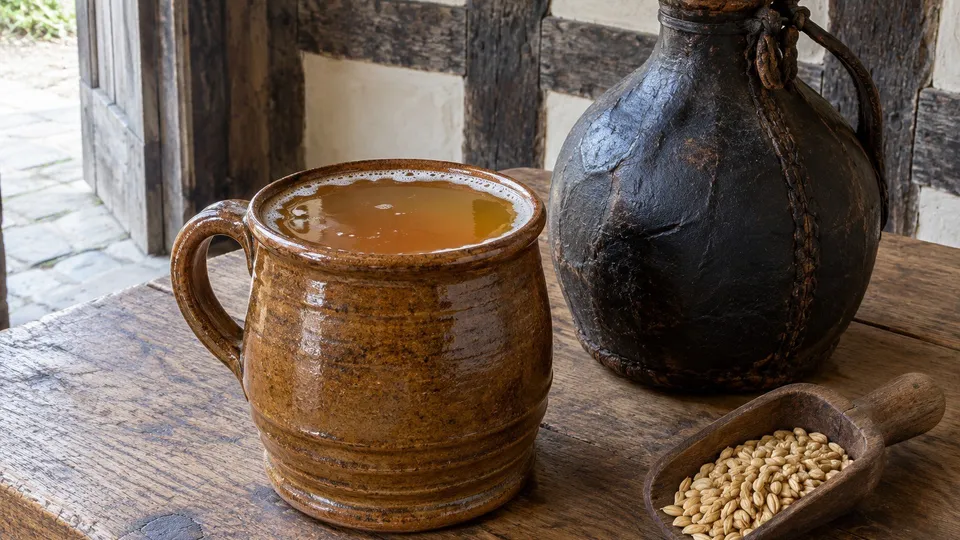
Ordinary Beer, the Household Brew of 1623
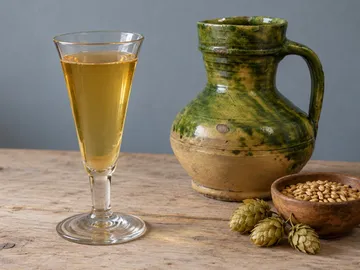
Pale malt and a light hand of English hops, mashed, boiled an hour and drunk at a fortnight old: Gervase Markham’s everyday beer of 1623, scaled to a 10-liter home brew.
Drinks by theme
What people drank in the 1600s, from period books: household beer, Digby’s meads, Dutch kandeel, and coffee, tea and chocolate as London first made them.
Updated
Make it today
Pale malt and a light hand of English hops, mashed, boiled an hour and drunk at a fortnight old: Gervase Markham’s everyday beer of 1623, scaled to a 10-liter home brew.
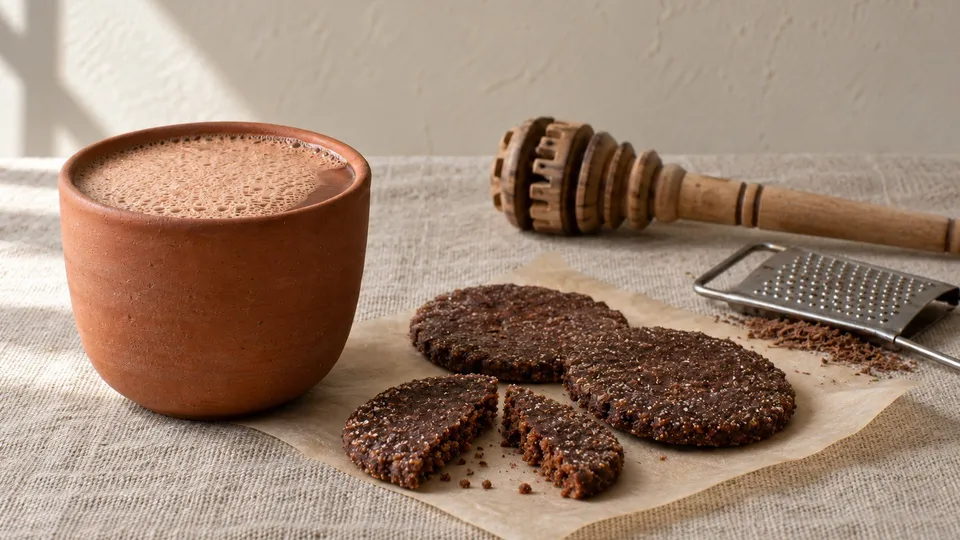
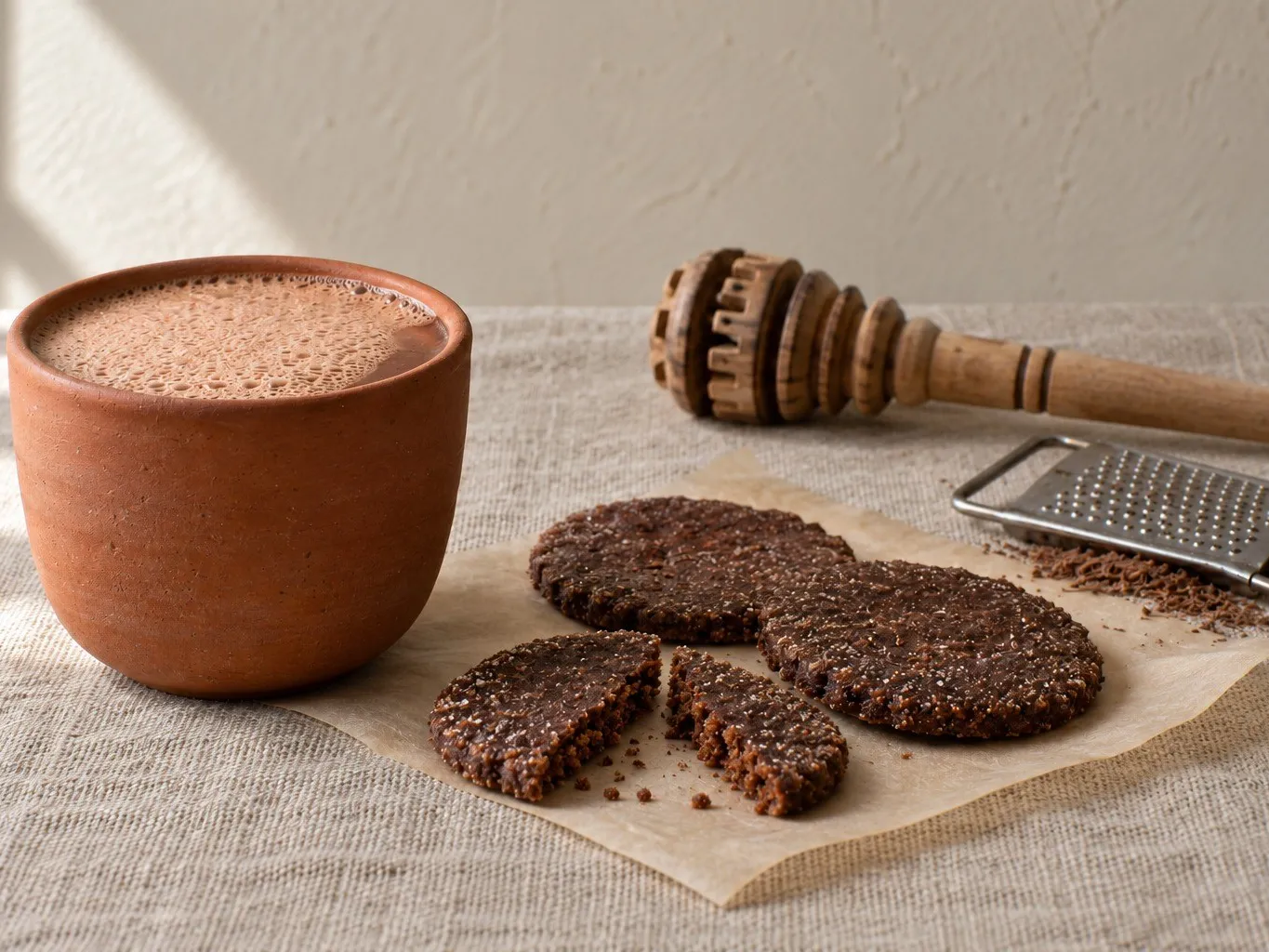
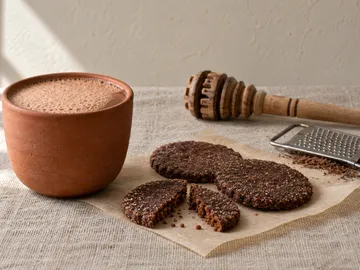
Chocolate cakes ground with chile, aniseed, cinnamon, vanilla and nuts, then frothed into hot water: a Spanish physician’s recipe, printed in London in 1685.
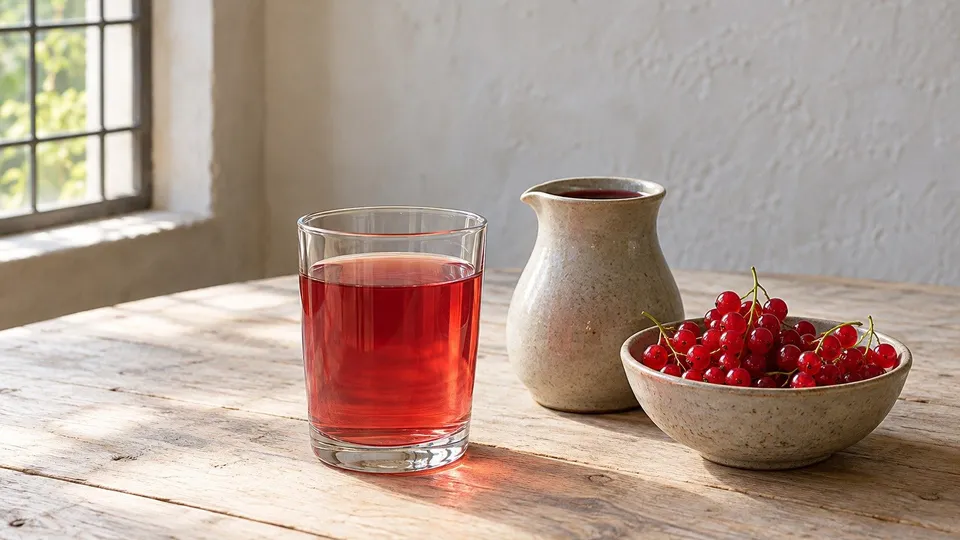
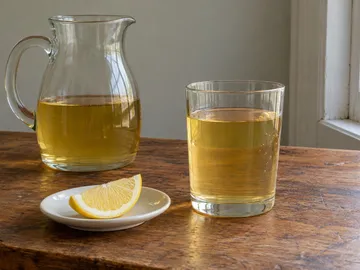
Red currant juice boiled with sugar to a thin syrup, three parts to two, and stirred into cold water: a thirst-quencher from an Amsterdam book of 1669.
Beer and ale first, in England and the Dutch world alike, with wine for those who could pay. Before coffee and tea reached England in the 1650s, the first drink of the day was ale or beer, often taken as a “morning draught” on the way to work. In New Netherland, the Dutch colony on the Hudson, the colony’s laws taxed strong beer and a cheaper small beer by the half barrel.
Mid-century brought three new hot drinks. Coffee arrived in London around 1652, sold from the start as a morning drink, and tea followed a few years later. In 1659 the diarist Thomas Rugge, as Arthur Reade quotes him, noted coffee “to be souled almost in every street,” tea, and chocolate, “a very hearty drink.” A London handbook of 1685 still had to tell its readers how to make all three.
Most recipes here come from books of the century: Gervase Markham’s household beer of 1623, Digby’s meads and posset of 1669, two Amsterdam drinks of 1669 and the coffee, tea and chocolate of 1652 and 1685. Each page names its source, and the alcohol-free drinks are marked.
Ale or beer, often as a morning draught taken in an alehouse or tavern on the way to work, and in great houses wine as well. Coffee was sold as a morning drink from the day it reached London, and the earliest English chocolate book we know of, in 1652, frothed chocolate into boiling milk with egg yolks.
The morning draught, and what replaced it, is in What Did People Drink Before Coffee and Tea?.
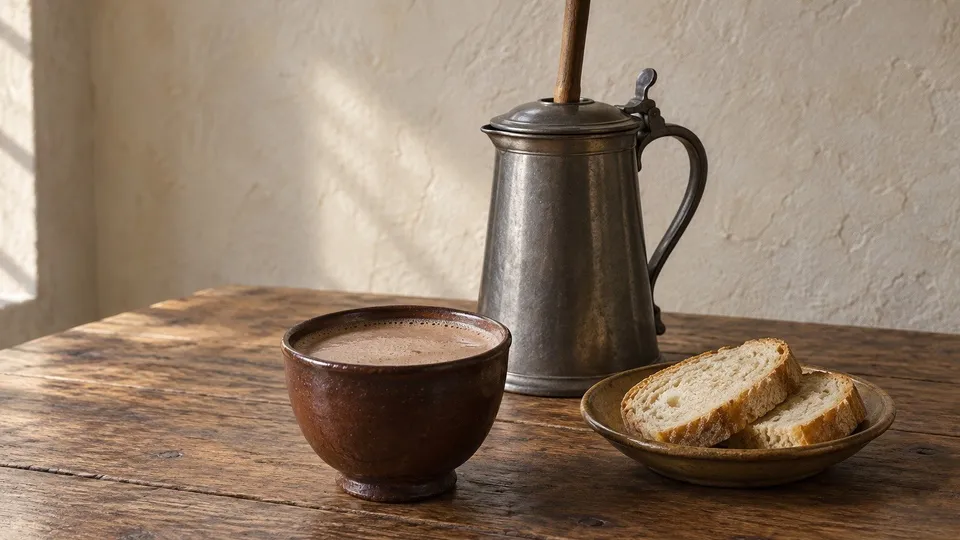
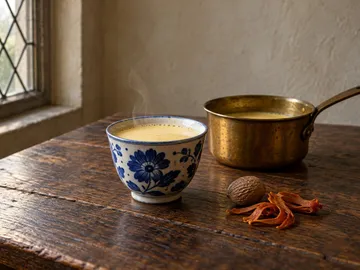
Grated chocolate frothed into boiling milk with two egg yolks and sugar: the 1652 breakfast cup from the earliest English chocolate book we know of.
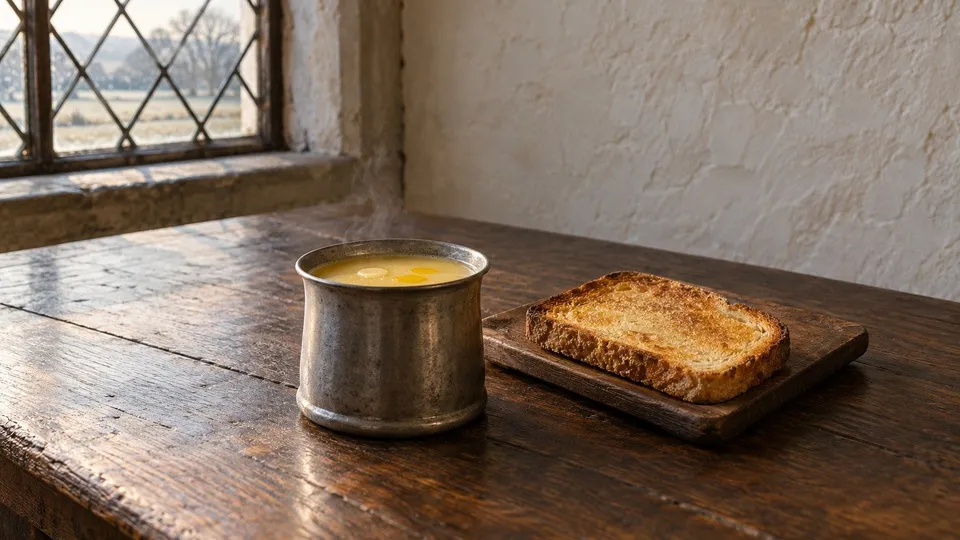
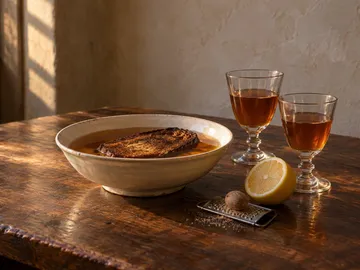
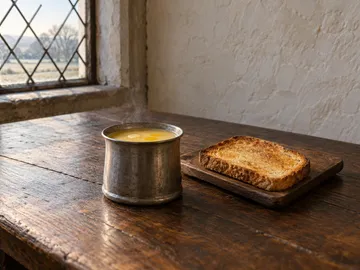
Mead warmed gently with an egg yolk and a knob of fresh butter, drunk hot first thing: a morning cup from Sir Kenelm Digby’s 1669 book, at about 10% ABV.
Hot, sweet and taken as medicine. A London handbook of 1685 boiled a third of a spoonful of powdered coffee in a glass of water with a little sugar, steeped green tea in a covered pot until the leaves sank, and whipped chocolate ground with chile, aniseed and sugar into hot water.
The 1685 handbook, drink by drink, is in How Were Coffee, Tea and Chocolate Made in 1685?.
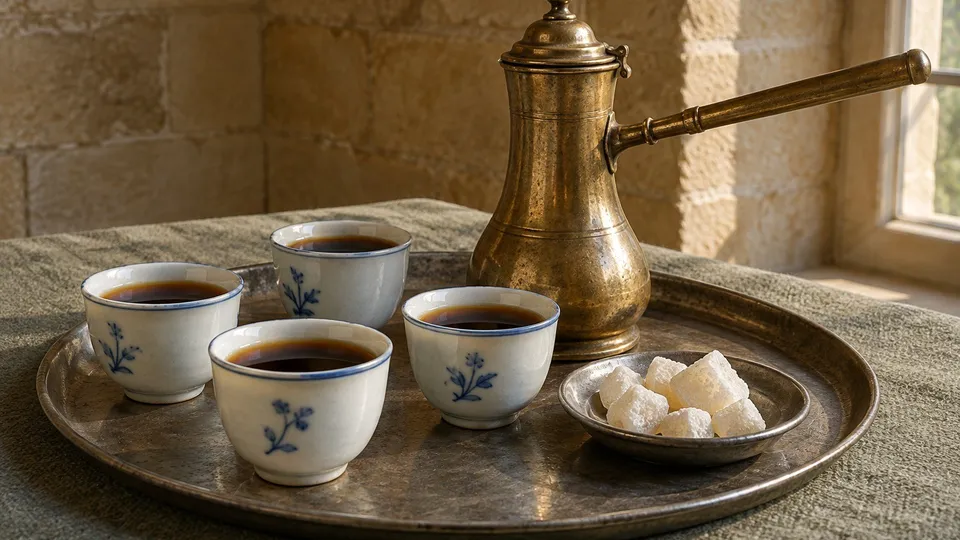
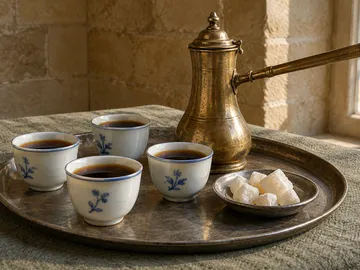
A third of a spoonful of fine coffee a head, boiled briefly with a little sugar and sipped scalding from small cups: coffee as a 1685 handbook made it.
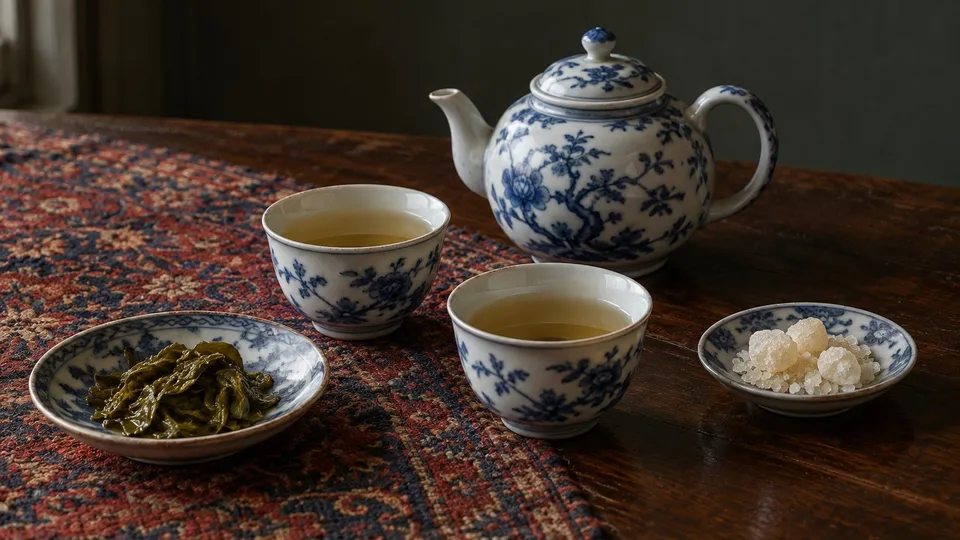
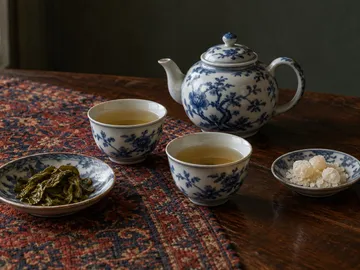
Green tea in just-boiled water in a covered pot, drunk when the leaves sink, with a little sugar against the bitterness: tea as Europe learned it in 1685.
Beer, and “strong water,” or spirits, on the voyage. Ashore at Plymouth the beer ran short within weeks, the ship’s crew kept what was left, and the settlers drank water, which the men who wrote about it praised again and again.
The Pilgrims’ beer and water are in What Did the Pilgrims Drink?.
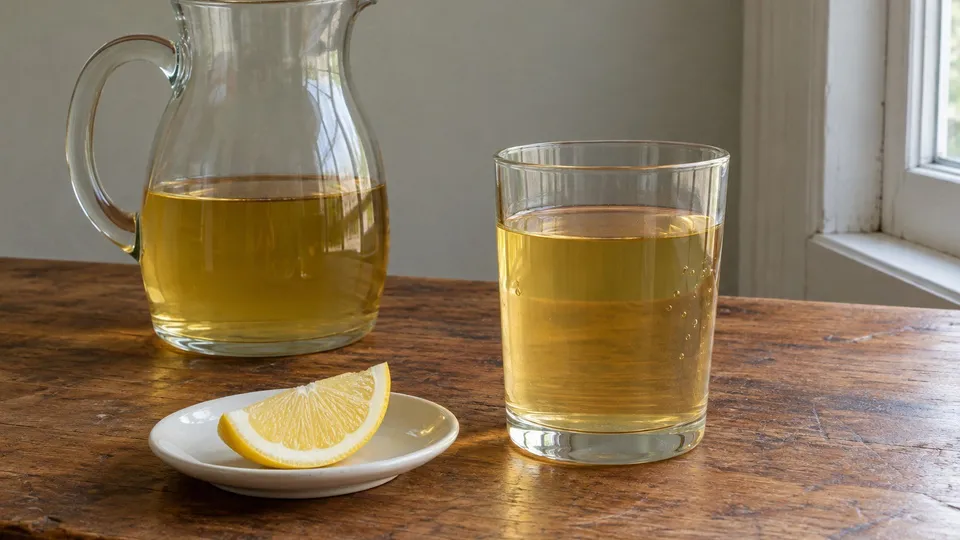
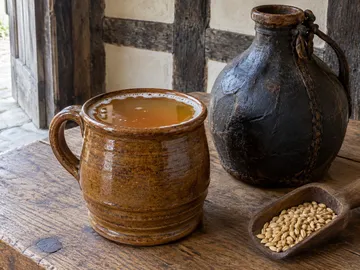
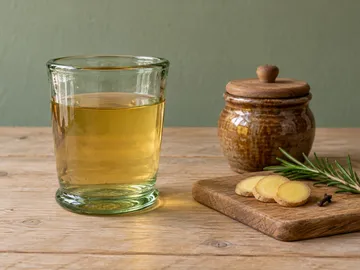
Malt boiled with a few hops, chilled and cut with sparkling water: the sweet, unfermented wort that 17th-century beer started from, made as a modern alcohol-free drink.
Beer first, strong and small. Wine from France and Spain and brandy came by ship and cost more. An Amsterdam cookbook of 1669 thickened Rhenish wine with eggs and spice for kandeel, and its companion book boiled red currant juice into a syrup to stir into cold water.
Beer by the half barrel on the Hudson is in What Did People Drink in New Netherland?.
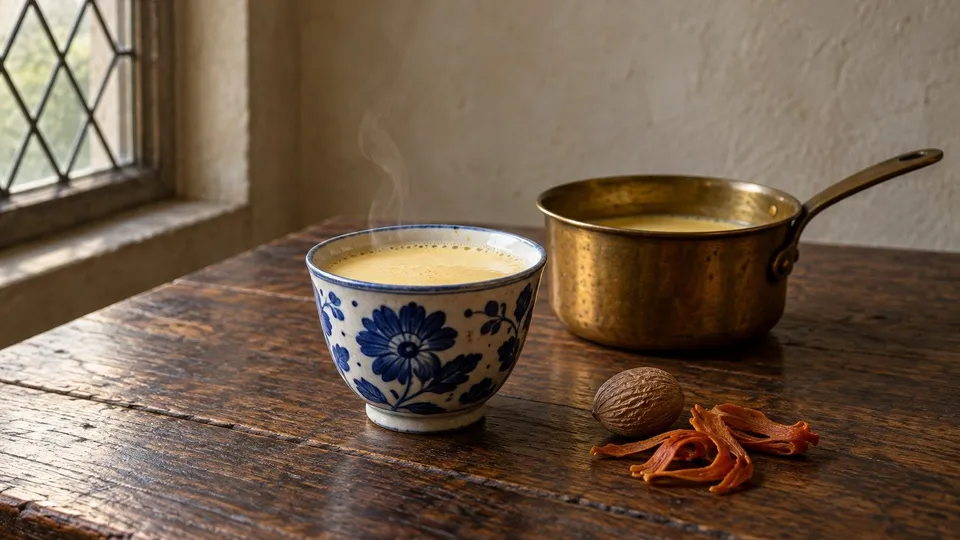
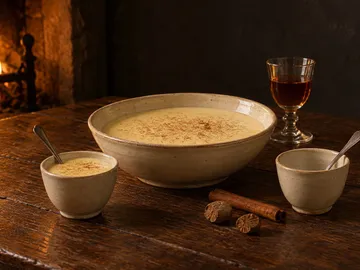
Rhenish wine and water thickened with beaten eggs and spiced with mace, nutmeg, cinnamon and cloves: kandeel from an Amsterdam cookbook of 1669.
The full list
15 recipes in What Did People Drink in the 1600s? 17th-Century Drinks and Recipes
Try a different ingredient or recipe name, or use Clear filters above to see the full collection.
Recipes could not be loaded. or browse this collection page without filters.
Always alcohol-free
Always alcohol-free
Alcohol-free version
Alcohol-free version
Always alcohol-free
Always alcohol-free
Always alcohol-free
Grated chocolate frothed into boiling milk with two egg yolks and sugar: the 1652 breakfast cup from the earliest English chocolate book we know of.
Chocolate cakes ground with chile, aniseed, cinnamon, vanilla and nuts, then frothed into hot water: a Spanish physician’s recipe, printed in London in 1685.
Red currant juice boiled with sugar to a thin syrup, three parts to two, and stirred into cold water: a thirst-quencher from an Amsterdam book of 1669.