Always alcohol-free
Temperance Raspberry Vinegar and Iced Water
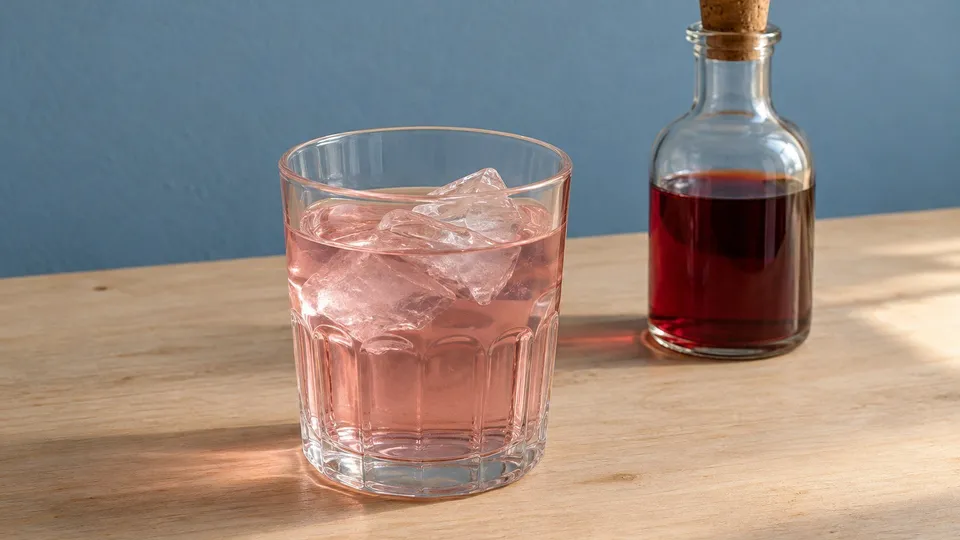
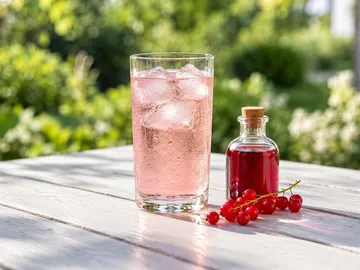
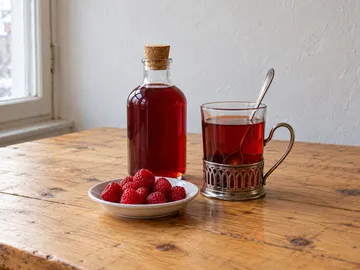
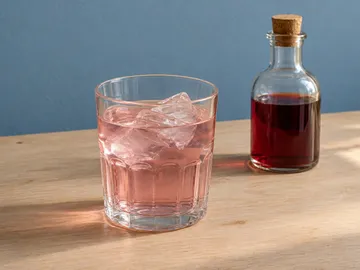
Raspberries steeped a week in cider vinegar and boiled with plenty of sugar, two tablespoons to a tumbler of iced water: the alcohol-free summer drink of an 1887 temperance cookbook.
Drinks by theme
Fruit Vinegars, Syrups and Old Liqueurs
Old shrub, syrup and cordial recipes from period books: raspberry shrub with vinegar, the 1739 brandy shrub, capillaire, orgeat, lemon squash and Warsaw syrups.
Updated
Two different drinks that share a name. The older shrub was English, printed by 1739: brandy or rum with citrus juice and sugar, sipped as a cordial or kept as a ready-made base for punch. Samuel Johnson’s Dictionary of 1755 defined it in five words: “Spirit, acid, and sugar mixed.” The other was American: ripe fruit steeped in vinegar and sweetened into a sharp syrup for iced water. A Kentucky cookbook called the vinegar kind shrub in 1839, and from the 1840s temperance cookbooks listed fruit vinegars among the drinks a teetotal household could pour.
Both were made to keep, and that is what ties this page together. Before refrigerators, a household caught the fruit of the season in sugar, vinegar or spirit, bottled it and stirred a spoonful into water for months afterward. An Amsterdam book of 1669 boiled red currant juice into a syrup for cold water. Meg Dods in Edinburgh called capillaire, a syrup scented with orange-flower water, “a pleasant summer-draught” in 1829, and William Kitchiner bottled an instant lemon syrup so that lemonade took a minute. A Warsaw household book of 1885 has raspberry and cranberry syrups for water or hot tea beside the raspberry and rose liqueurs made with vodka.
The idea is far older than any of them. Romans boiled grape juice down into defrutum, kept quinces in honey and boiled honey with vinegar into oxymel, all to be let down with water. Vinegar and water as a drink goes back to the Roman soldier’s posca, though no source links it to the American shrub.
Most of the drinks here are alcohol-free, and the liqueurs and the brandy shrub are marked. Each recipe names its book.
Each recipe names the period book it comes from and says what we changed. How we research
Spirit, acid, and sugar mixed.
Steep ripe fruit in vinegar, strain it, boil it with sugar and bottle it. Lettice Bryan’s 1839 raspberry shrub steeps the berries twice in cider vinegar; an 1887 temperance cookbook leaves them a week and takes two tablespoons of the syrup to a tumbler of iced water.
 The storyShrub: One Name, Two Very Different Drinks
Raspberries steeped a week in cider vinegar and boiled with plenty of sugar, two tablespoons to a tumbler of iced water: the alcohol-free summer drink of an 1887 temperance cookbook.
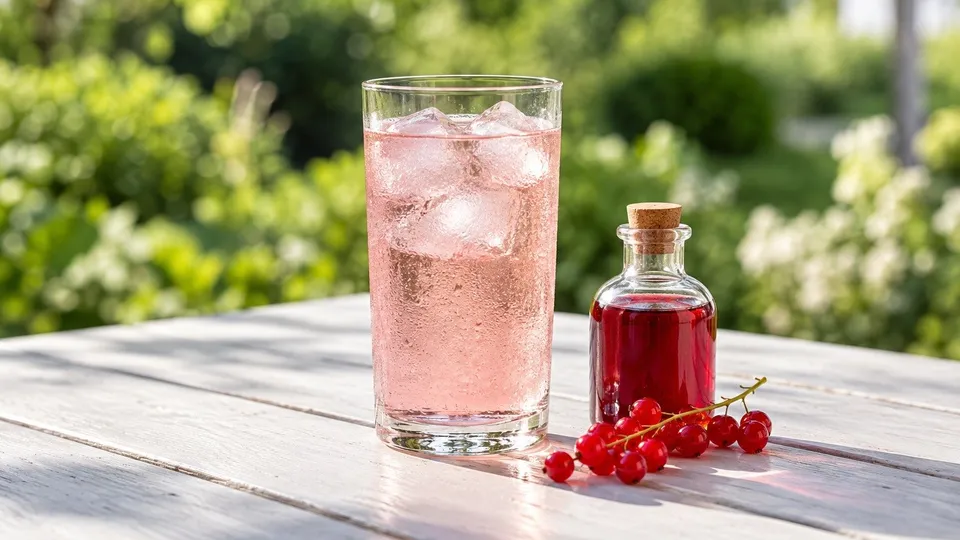
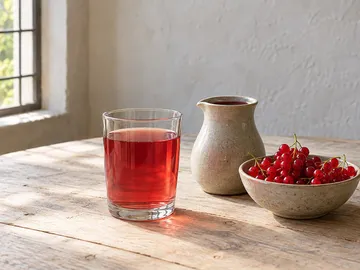
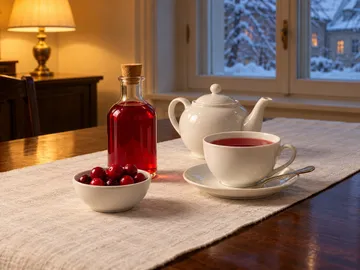
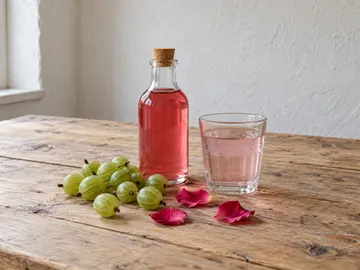
Red currant juice boiled five minutes with its weight in sugar and stirred as it cools: a family shrub dated 1845 and printed in 1920, a teaspoon to a glass of iced water.
A sweet drink kept by the bottle, with or without spirit. Eliza Smith called her brandy shrub “a pretty wine, and a cordial”; Edward Spencer’s lemon squash of 1903 is a lemon syrup sharpened with citric acid for soda water, the kind of cordial still sold by the bottle in Britain.
 The storyAlcohol-Free Drinks Through History
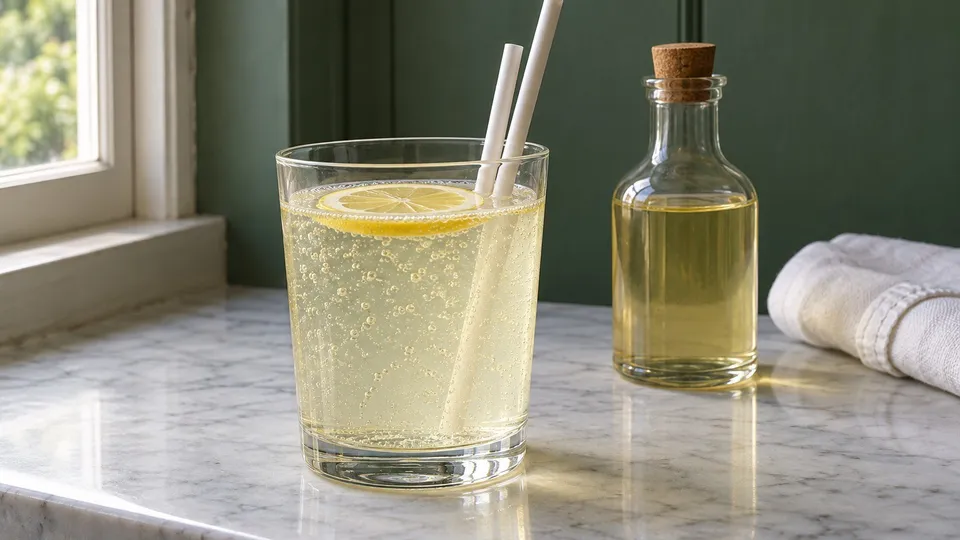
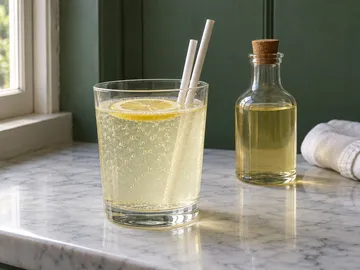
Lemon juice boiled with sugar, cleared with egg white and sharpened with citric acid, then poured over soda water: Edward Spencer’s 1903 lemon squash. Alcohol-free.
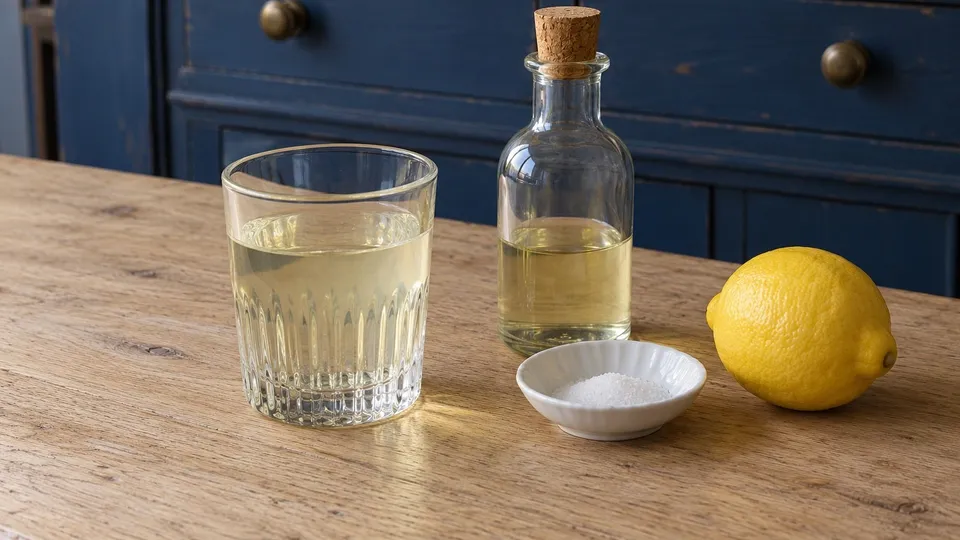
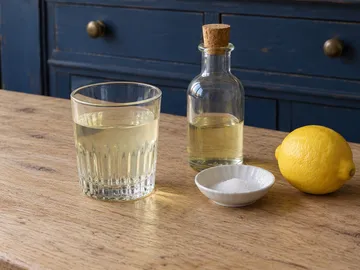
Citric acid dissolved in sugar syrup with lemon zest, bottled, and stirred into cold water two tablespoons to the pint: William Kitchiner’s instant lemonade of 1817.
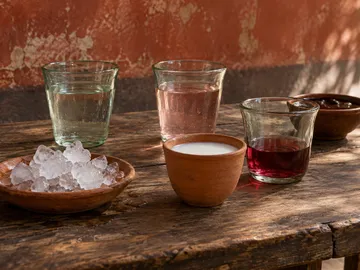
Fruit, flower and almond syrups, centuries before soda. Romans let down grape syrup and quince honey with water; an Amsterdam book of 1669 did the same with red currant syrup; and a 1920 drinks book boiled almond milk with sugar and orange-flower water into orgeat syrup.
 The storyWhat Did Romans Drink Besides Wine?
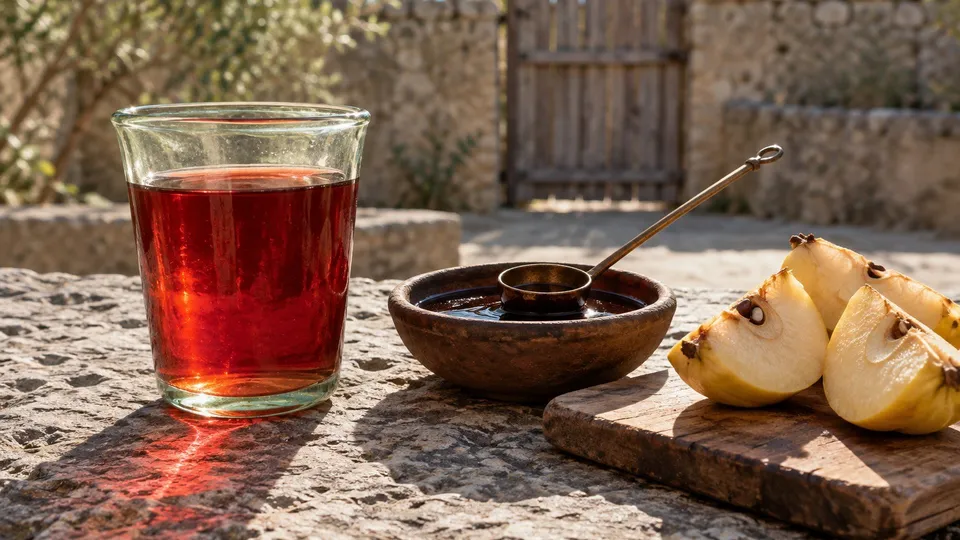
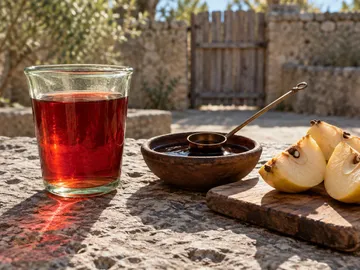
Grape juice boiled down to half its volume into the Romans’ defrutum, then stirred into cold water: a dark, sweet, alcohol-free grape drink.
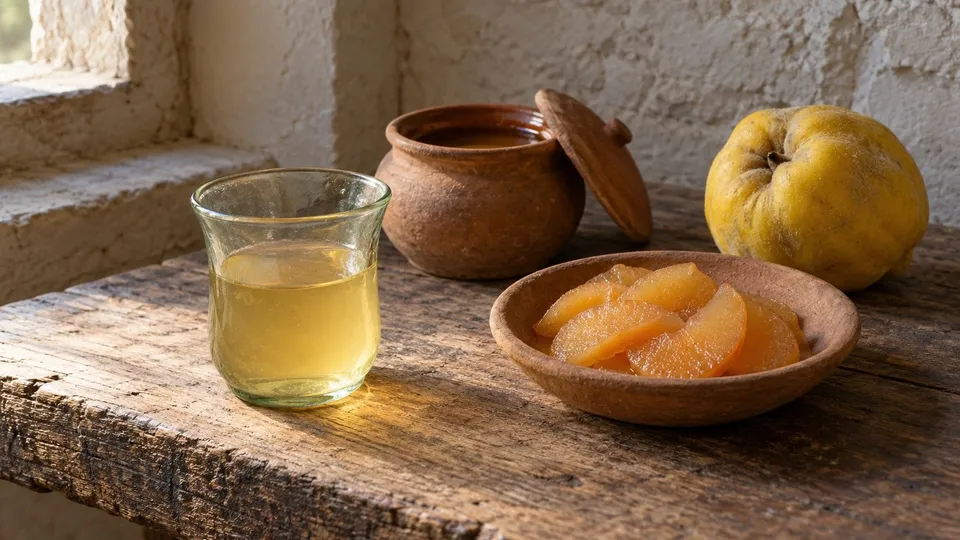
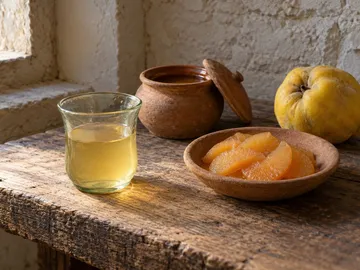
Ripe quince warmed in honey and steeped overnight: Columella’s quince-scented honey, stirred into cold water for an alcohol-free Roman drink.
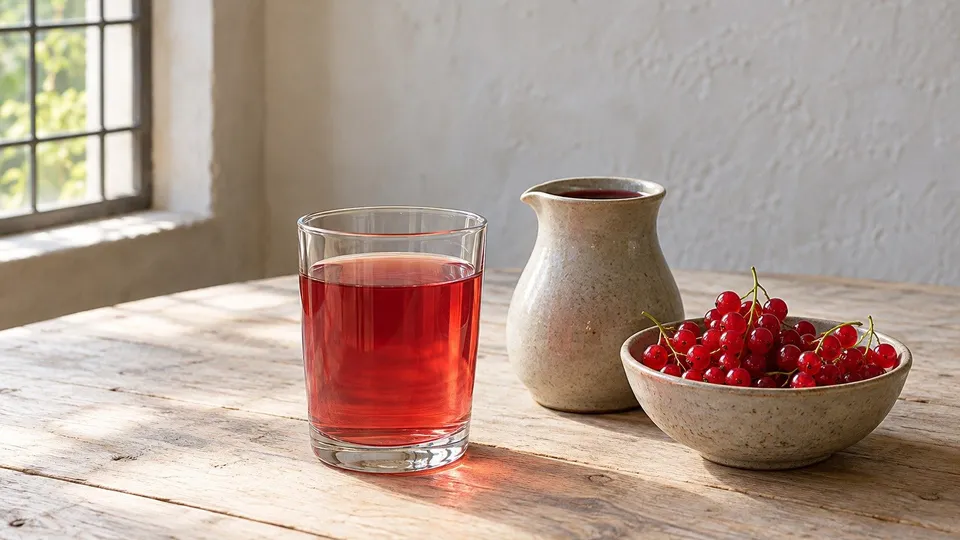
Red currant juice boiled with sugar to a thin syrup, three parts to two, and stirred into cold water: a thirst-quencher from an Amsterdam book of 1669.
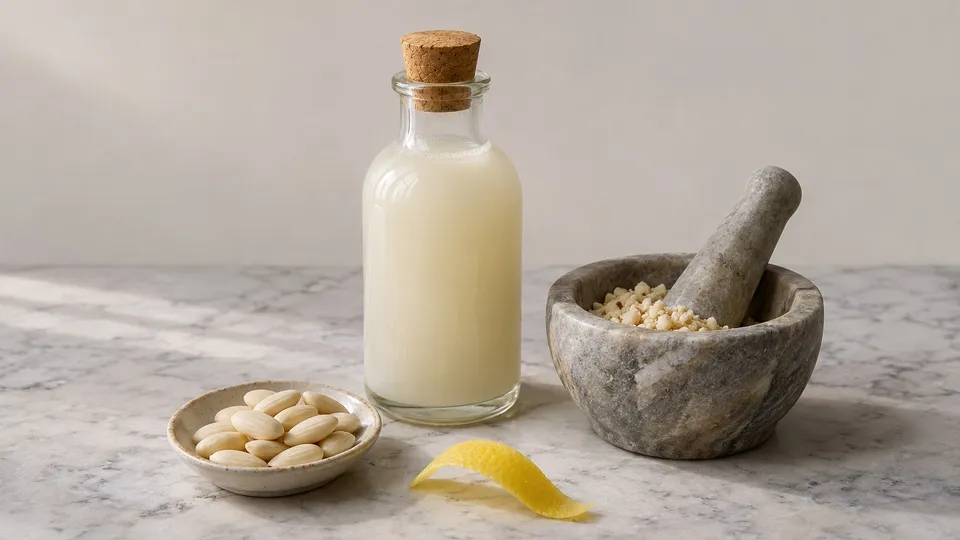
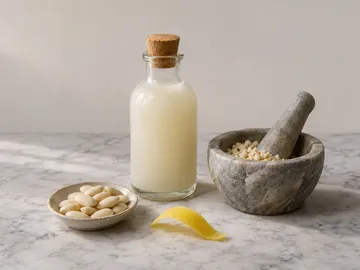
Almonds pounded to a paste with lemon zest, pressed into almond milk, boiled with sugar and scented with orange-flower water: the orgeat syrup of a 1920 drinks book.
Both syrups and liqueurs. Lucyna Ćwierczakiewiczowa’s Warsaw book of 1885 warms raspberries into a syrup for water or tea and makes cranberry syrup for tea, and steeps raspberries and roses in spirit for liqueurs sweetened with a thick syrup.
 The storyHow Poland Made Vodka
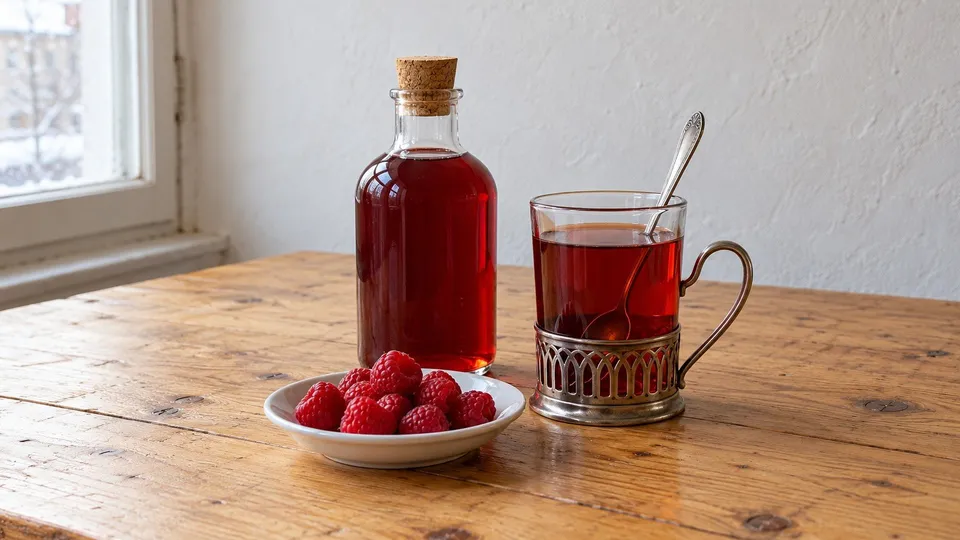
Raspberries warmed in a pot standing in hot water until they give up their juice, then boiled with sugar into a bright syrup for cold water or hot tea: the sok malinowy of Lucyna Ćwierczakiewiczowa’s Warsaw household book of 1885.
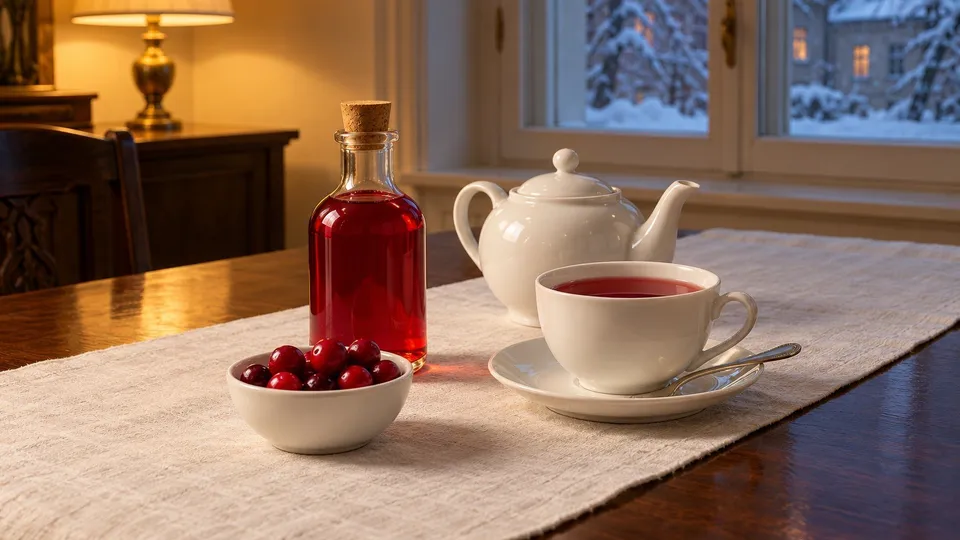
Whole cranberries boiled until they burst, the juice left to clear and then cooked with sugar into a thin, bright syrup for a glass of hot tea: the sok żurawinowy of Lucyna Ćwierczakiewiczowa’s Warsaw household book of 1885.
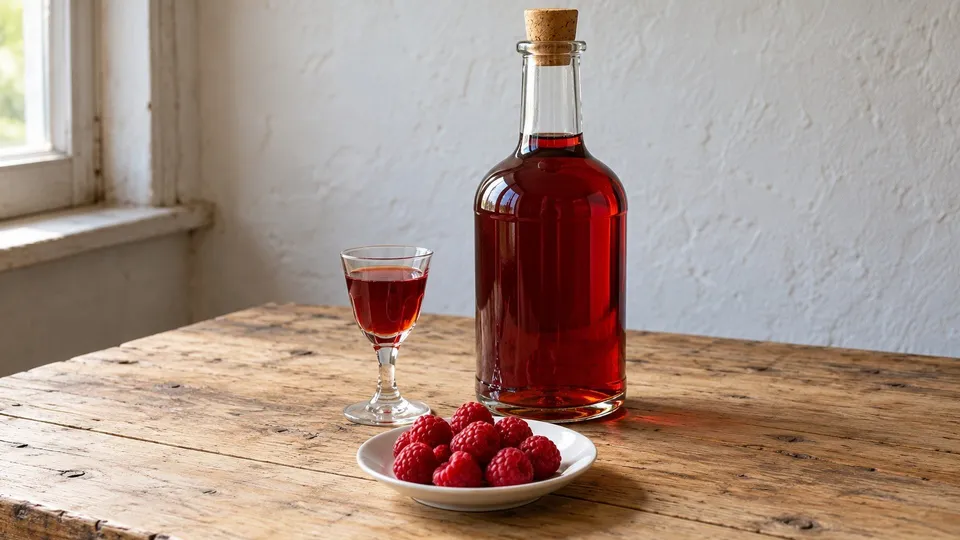
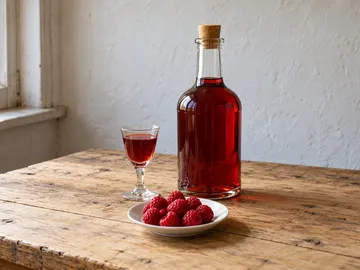
Ripe raspberries steeped in spirit for exactly twenty-four hours, twice, then filtered and poured into a thick sugar syrup: the raspberry liqueur of Lucyna Ćwierczakiewiczowa’s Warsaw household book of 1885.
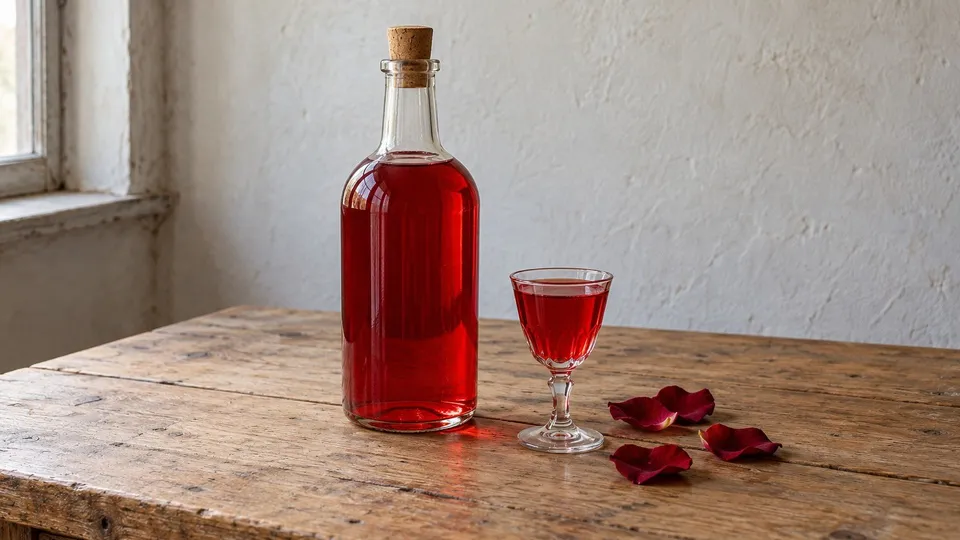
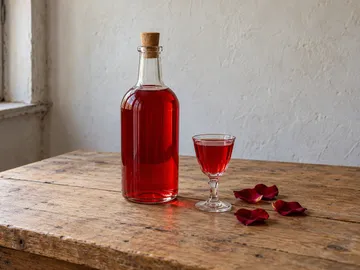
Spirit scented with rose, poured slowly into a hot sugar syrup and tinted red with cochineal: the rose liqueur of Lucyna Ćwierczakiewiczowa’s Warsaw household book of 1885, made today with culinary rose water.
The full list
16 recipes in Shrub and Cordial Recipes From History
Try a different ingredient or recipe name, or use Clear filters above to see the full collection.
Recipes could not be loaded. or browse this collection page without filters.
Always alcohol-free
Always alcohol-free
Always alcohol-free
Always alcohol-free
Always alcohol-free
Always alcohol-free
Always alcohol-free
Always alcohol-free
Always alcohol-free
Always alcohol-free
Always alcohol-free
Always alcohol-free
Always alcohol-free
Red currant juice boiled five minutes with its weight in sugar and stirred as it cools: a family shrub dated 1845 and printed in 1920, a teaspoon to a glass of iced water.
Red currant juice boiled with sugar to a thin syrup, three parts to two, and stirred into cold water: a thirst-quencher from an Amsterdam book of 1669.
Grape juice boiled down to half its volume into the Romans’ defrutum, then stirred into cold water: a dark, sweet, alcohol-free grape drink.