Benjamin Franklin’s Milk Punch
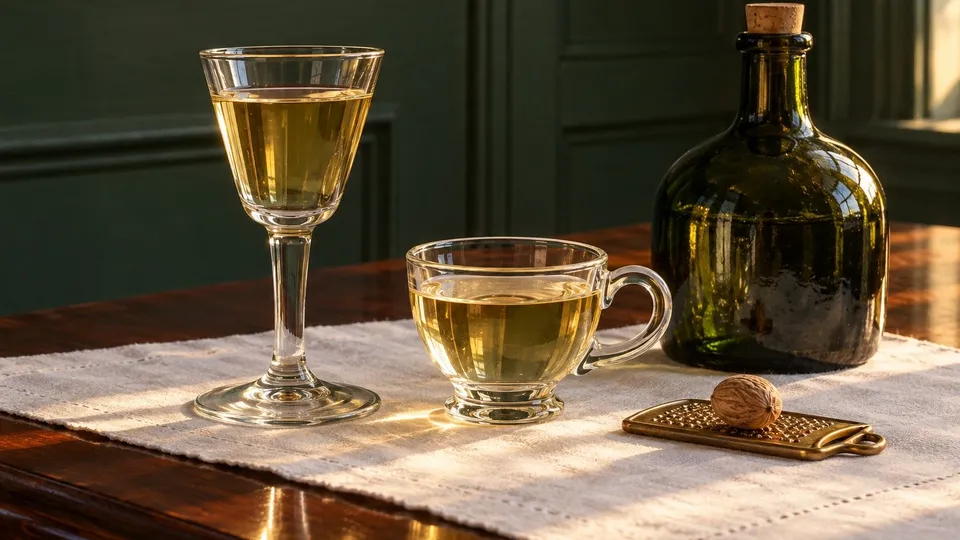
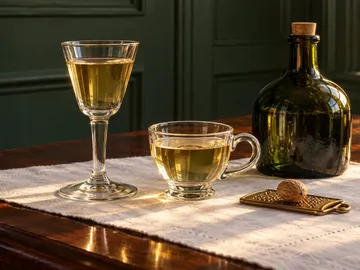
Brandy steeped with lemon peel, then nutmeg, lemon, sugar and boiling milk, dripped clear through a jelly bag and bottled: Franklin’s 1763 receipt at a twelfth of the size.
Drinks by theme
18th-Century Drinks and Recipes
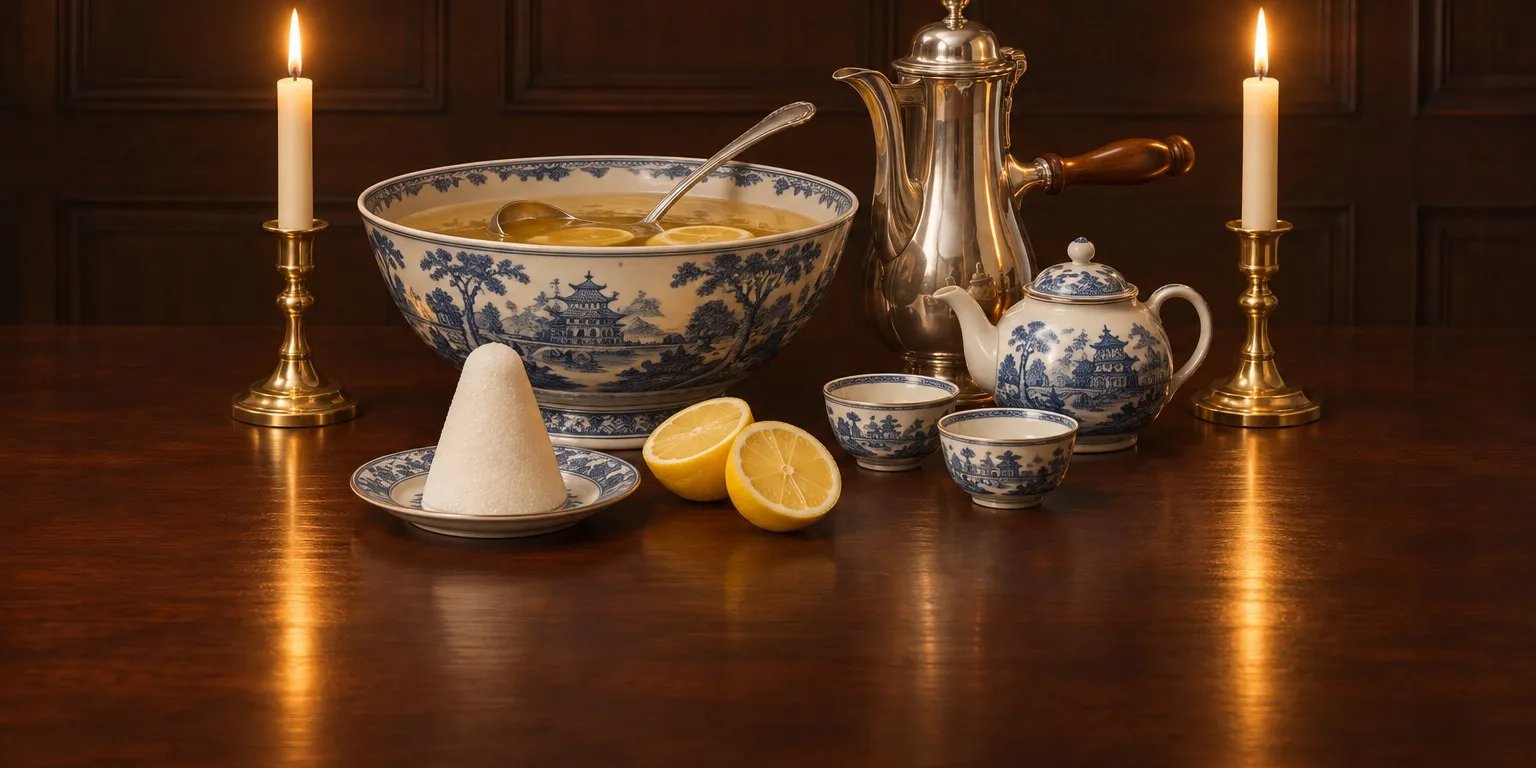
What people drank in the 1700s, from period books: punch and shrub, negus and syllabub, barley water, small beer, spruce beer and island chocolate.
Updated
Make it today
Brandy steeped with lemon peel, then nutmeg, lemon, sugar and boiling milk, dripped clear through a jelly bag and bottled: Franklin’s 1763 receipt at a twelfth of the size.
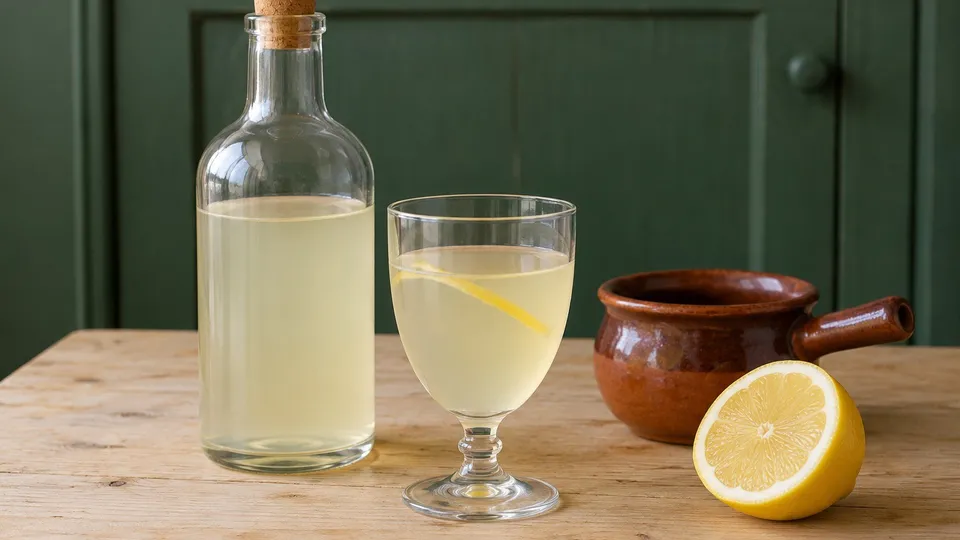
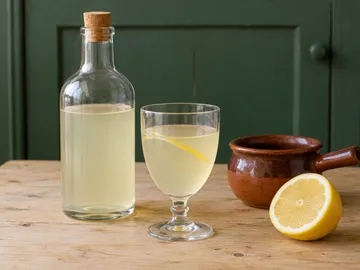
Pearl barley boiled until the water turns silky, spiced with mace, sharpened with lemon and sweetened: barley water from Eliza Smith’s Compleat Housewife (1739). Alcohol-free.
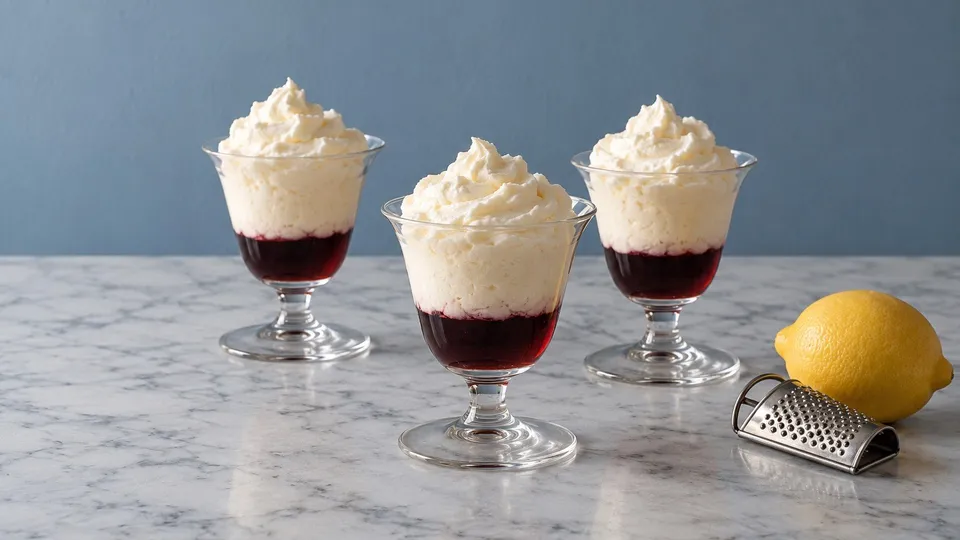
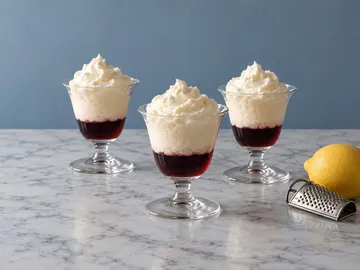
Thick cream whisked with sack, Seville orange or lemon juice, grated lemon peel and fine sugar, and the froth laid over sweetened red wine in glasses: the whipt syllabub of Hannah Glasse’s 1747 cookery book.
Punch, wine, beer and tea, in roughly that order of fame. In Britain the 1700s were the century of the punch bowl: brandy or rum with citrus, sugar and water, mixed by the bowl for a table of men, as in Hogarth’s Midnight Modern Conversation of 1733. Beer and ale were still the everyday drinks, while tea, coffee and chocolate, new in the 1650s, had become part of ordinary life for anyone who could pay.
The household books of the century show what was made at home. Eliza Smith’s Compleat Housewife of 1739 bottled shrub, brandy with lemon, white wine and sugar, and boiled pearl barley into barley water with lemon and mace. Hannah Glasse whipped cream with sack and citrus into syllabub in 1747, and offered lemon whey in place of the wine. Negus, port and hot water with sugar, lemon and nutmeg, is in print by 1745 and went round at balls for more than a century after. When Samuel Johnson defined shrub in his Dictionary of 1755, he wrote: “Spirit, acid, and sugar mixed.”
Across the Atlantic the same drinks crossed with the settlers and changed. George Washington wrote down a small beer of bran, hops and molasses in 1757, and Benjamin Franklin sent a friend his receipt for a milk punch, made clear through a jelly bag, in 1763. In French Canada spruce beer was brewed from boiled branches and molasses, and in the French islands the Dominican Labat watched planters froth chocolate with a fresh egg and copy the English sangaree.
This page covers Britain, Europe and the colonies together; the American side has its own page in colonial drinks. Every recipe here comes from a book, letter or record of the century, each page names its source, and the alcohol-free drinks are marked.
Each recipe names the period book it comes from and says what we changed. How we research
Spirit, acid, and sugar mixed.
Beer and ale every day, tea and coffee as the new habit, and punch, wine and cordials for company. Households bottled their own: Eliza Smith’s 1739 shrub of brandy, lemon and white wine comes out near the strength of a liqueur, kept in the cupboard as a cordial or a ready-made base for punch.
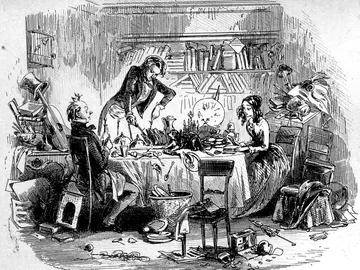 The storyShrub: One Name, Two Very Different Drinks
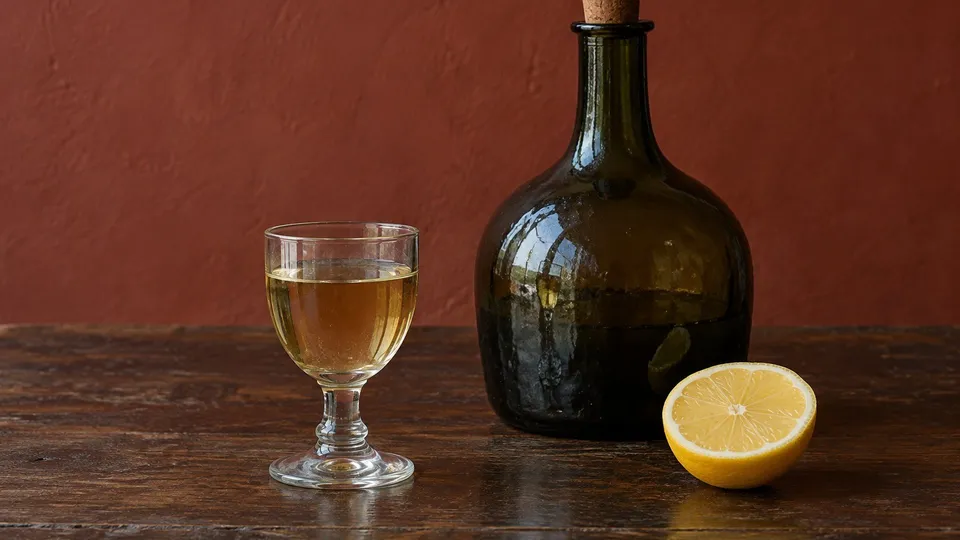
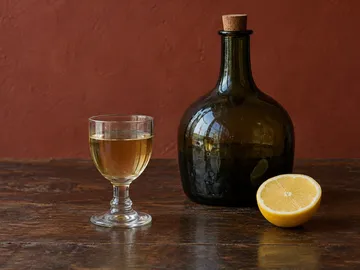
Brandy steeped three days with lemon juice, lemon peel and nutmeg, then mixed with white wine and sugar and strained twice: the English shrub of 1739, at about 24% ABV.
Negus, more than anything: wine, usually port, with hot water, sugar, lemon and nutmeg, poured warm from a jug. A common rule of one part port to two of water puts a glass at about 6 to 7% alcohol. The word is in print by 1745, and the drink was still handed round at balls a century later.
 The storyNegus, the Warm Wine of Georgian Balls
Madeira and claret at the table, punch by the bowl, porter, cider and beer, with small beer as the everyday household drink. A Philadelphia tavern bill for a dinner three days before the Constitution was signed in 1787 counts 59 bottles of Madeira, 76 of claret and 14 bowls of punch.
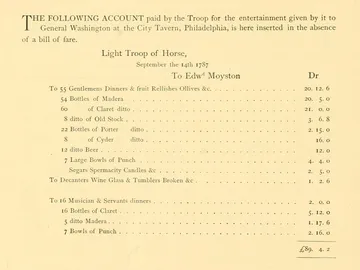 The storyWhat Did the Founding Fathers Drink?
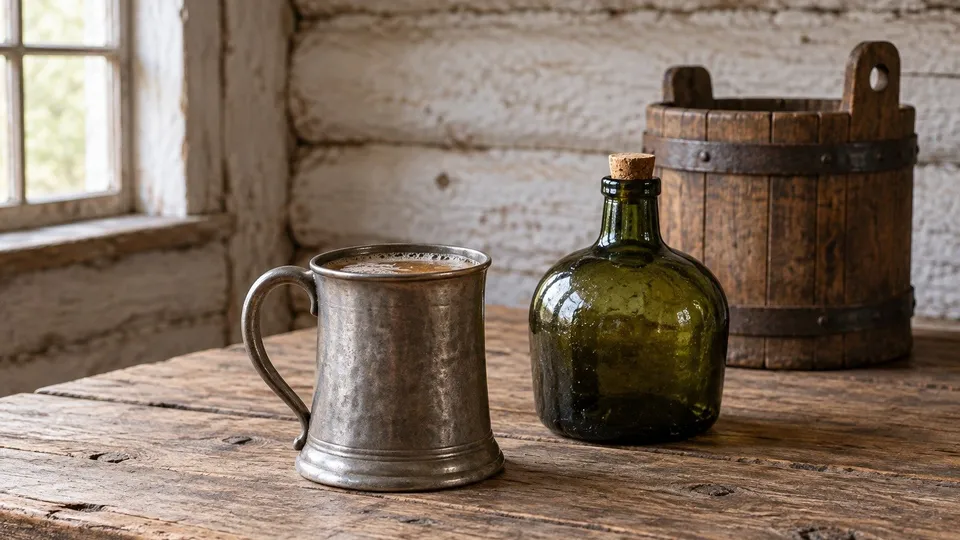
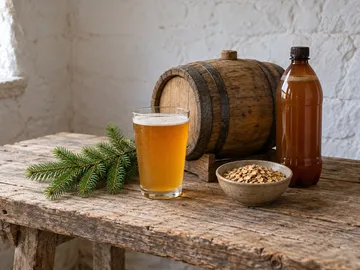
Bran and hops boiled three hours, strained onto molasses and worked a week: the small beer in the notebook George Washington kept as a Virginia colonel in 1757.
Rum and punch, above all. The pirates of the 1710s and 1720s ran on them, and a strong lime punch of brandy, spring water and double-refined sugar was printed in London in 1710, in the years of Blackbeard and Bartholomew Roberts. Roberts himself was remembered as a sober man who drank tea.
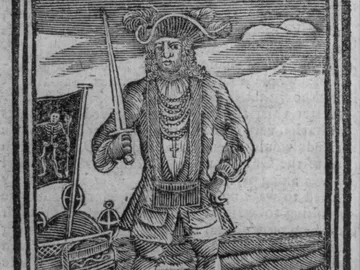 The storyWhat Did Pirates Drink?
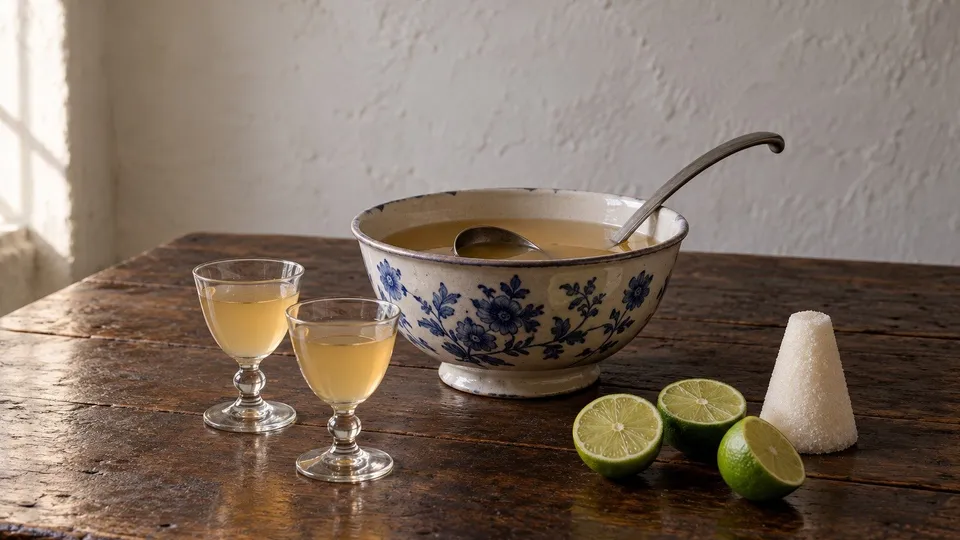
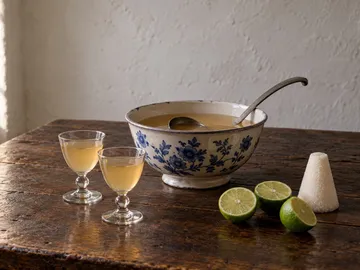
Brandy, spring water, a pint of lime juice and a pound of double-refined sugar: William Salmon’s strong lime punch of 1710, from the years of Blackbeard and Bartholomew Roberts.
In Canada, spruce beer in summer and, for people of rank, chocolate or coffee at breakfast and red wine with water at dinner. In the islands, chocolate frothed with a fresh egg, and Madeira sangaree copied from the English, both in Labat’s account of 1722.
 The storyWhat Did People Drink in New France?
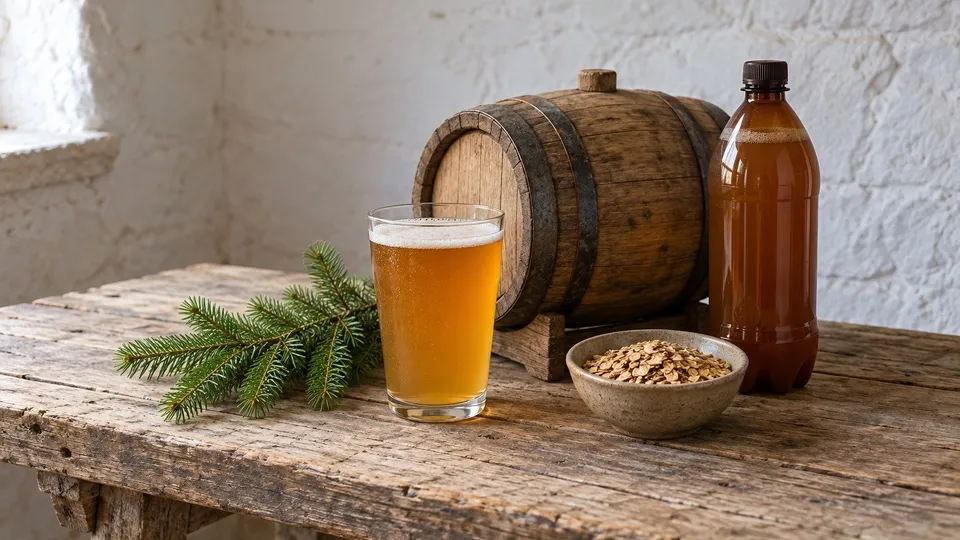
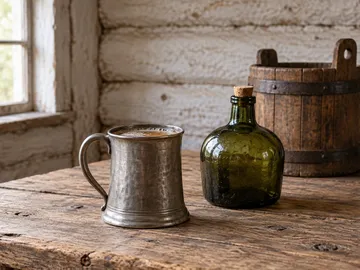
Spruce branches boiled until the bark slips, roasted oats and toast, molasses and beer yeast: spruce beer as Canada made it, printed in Paris in 1755, at one gallon.
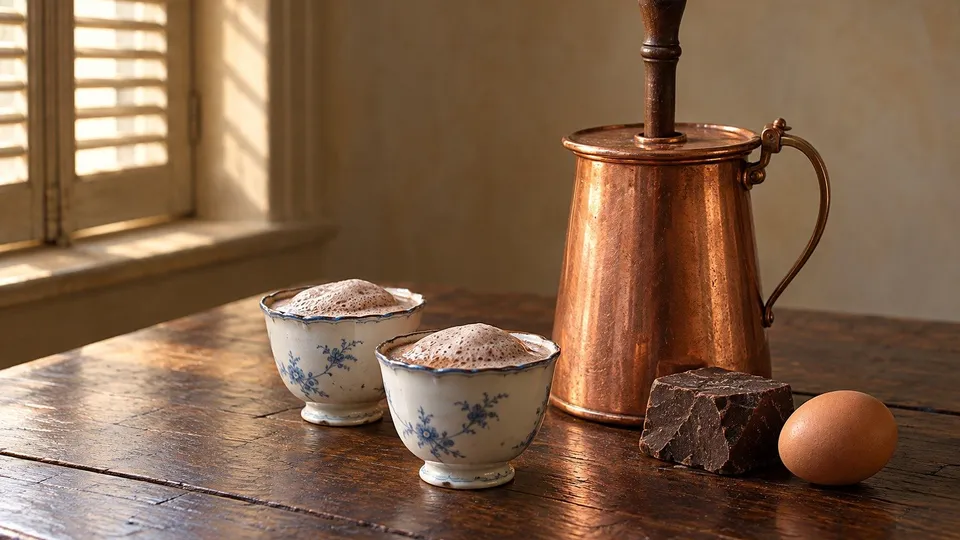
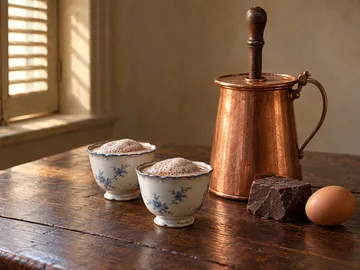
Grated cacao, sugar, cinnamon and a whole fresh egg, worked into boiling water and milled to a thick froth: chocolate as the French islands made it, from Labat’s 1722 account.
Barley water, whey, tea and chocolate, and milk drinks for the sickroom and the farm. Glasse’s syllabub could be spooned over lemon whey instead of wine, Iceland’s farms drank whey and water as blanda, and an Irish letter of 1784 describes roasted apples beaten into hot milk at Halloween.
 The storyAlcohol-Free Drinks Through History
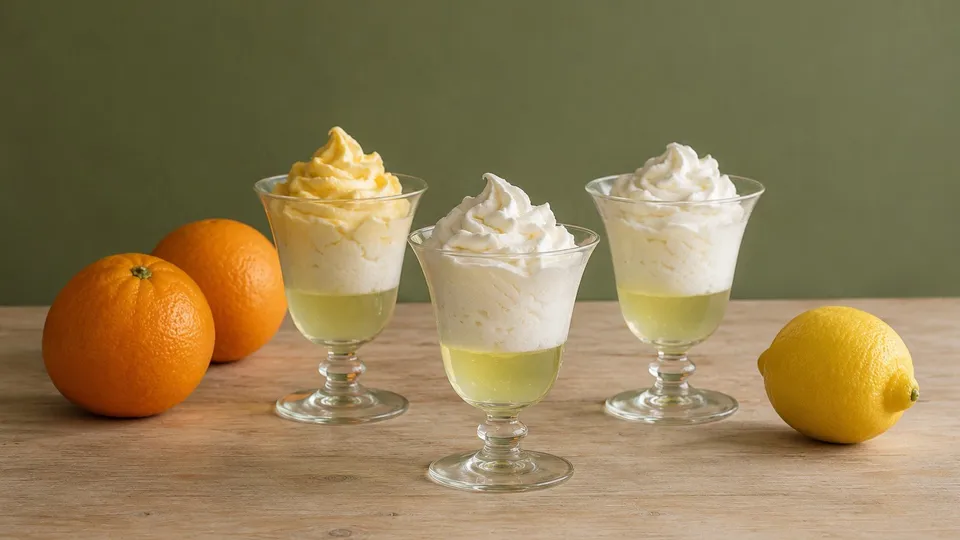
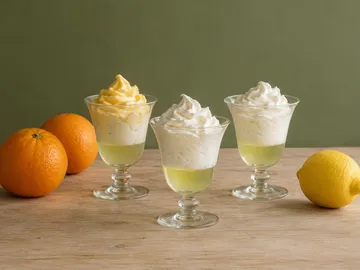
Cream whisked with orange and lemon juice, grated lemon peel and fine sugar, spooned over sweetened lemon whey, which Hannah Glasse offered in 1747 in place of the wine.
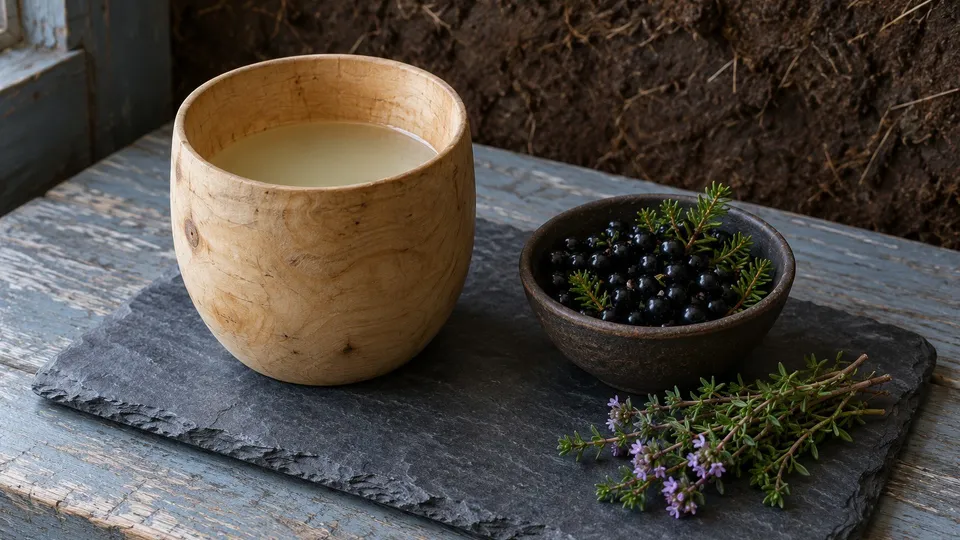
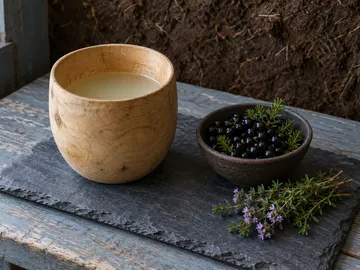
Cold water sharpened with sour whey and scented with thyme: the everyday farm drink of Iceland, recorded in 1772, from a saga-age word.
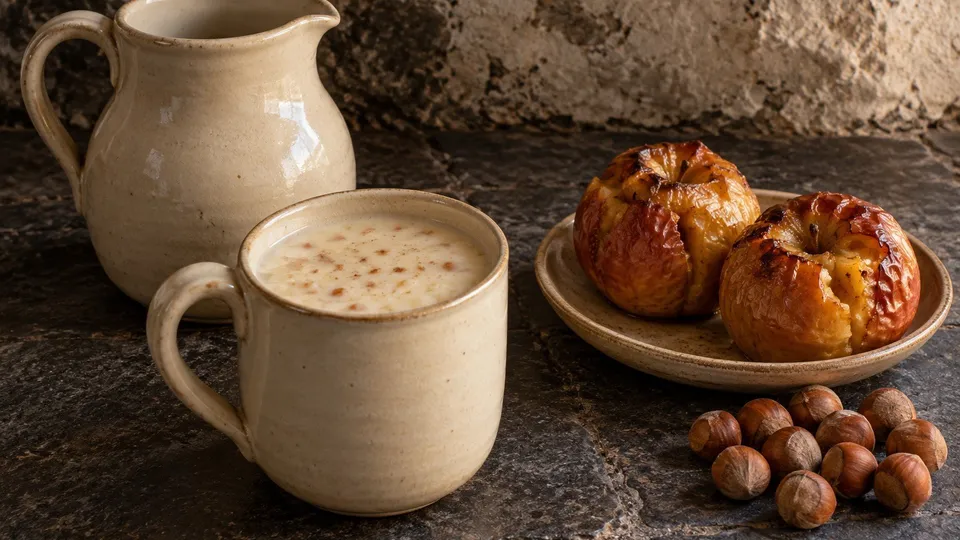
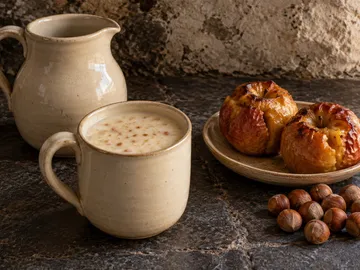
The soft pulp of roasted apples beaten into hot milk with nutmeg, ginger and sugar: the milk lambswool of an Irish Halloween, from a 1784 letter.
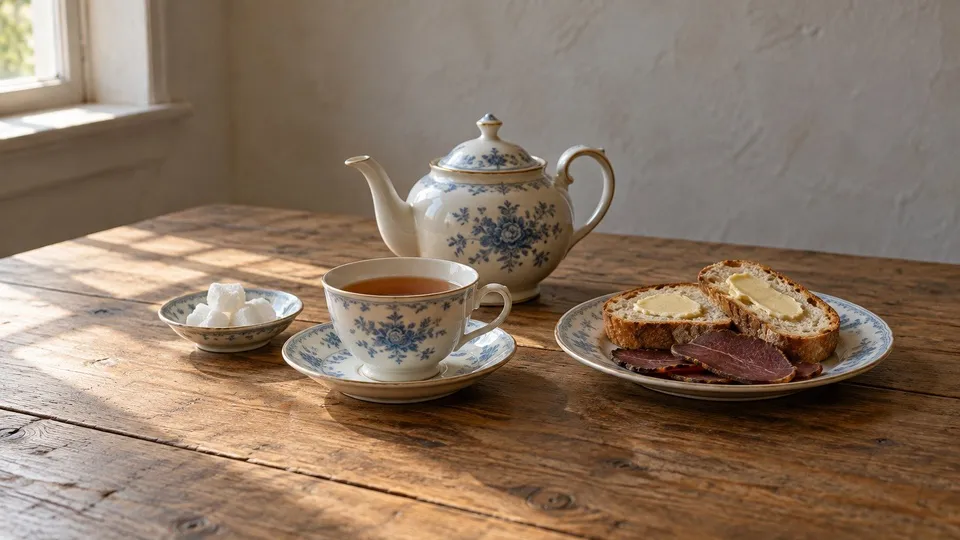
Black tea without milk, drunk with a small lump of sugar held in the mouth: breakfast tea as a Swedish visitor saw the Dutch of Albany take it in 1749.
The full list
12 recipes in What Did People Drink in the 1700s?
Try a different ingredient or recipe name, or use Clear filters above to see the full collection.
Recipes could not be loaded. or browse this collection page without filters.
Always alcohol-free
Always alcohol-free
Always alcohol-free
Alcohol-free version
Always alcohol-free
Always alcohol-free
Black tea without milk, drunk with a small lump of sugar held in the mouth: breakfast tea as a Swedish visitor saw the Dutch of Albany take it in 1749.
Cream whisked with orange and lemon juice, grated lemon peel and fine sugar, spooned over sweetened lemon whey, which Hannah Glasse offered in 1747 in place of the wine.
Pearl barley boiled until the water turns silky, spiced with mace, sharpened with lemon and sweetened: barley water from Eliza Smith’s Compleat Housewife (1739). Alcohol-free.
For what was on the plate, our sister site The Forgotten Menu has 18th-century recipes (opens in a new tab).