Always alcohol-free
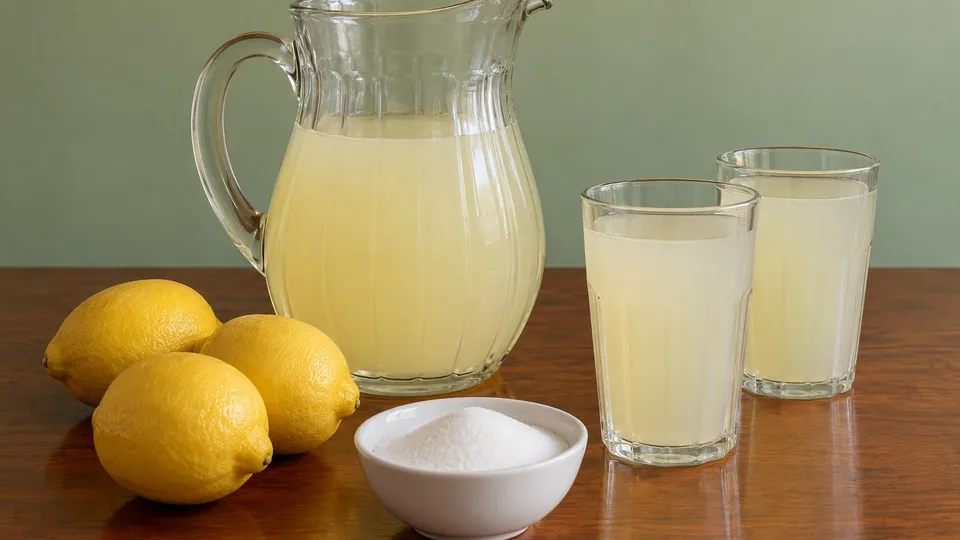
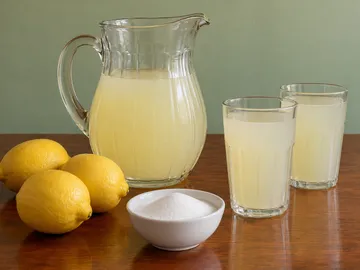
Sarah Josepha Hale’s Lemonade, Three Lemons to a Pint
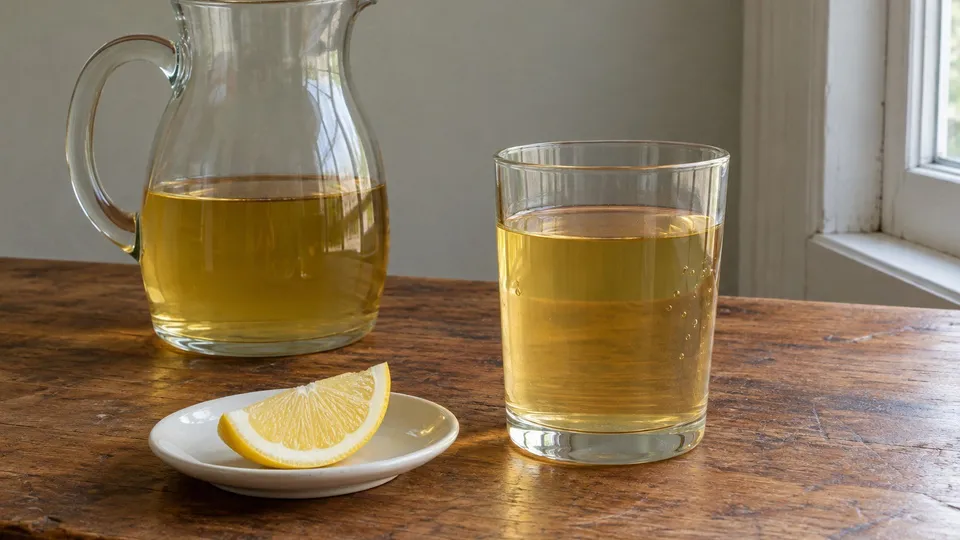
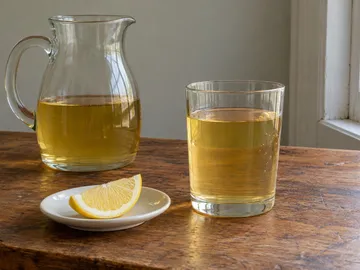
Three lemons to a pint of cold water, sweetened to taste: the strong, plain lemonade that the woman behind the national Thanksgiving called the best drink for parties.
Drinks by theme
Historic Thanksgiving drinks: Sarah Josepha Hale’s lemonade and ginger beer, sweet cider, switchel, and what the Pilgrims really drank in 1621.
Updated
Make it today
Three lemons to a pint of cold water, sweetened to taste: the strong, plain lemonade that the woman behind the national Thanksgiving called the best drink for parties.
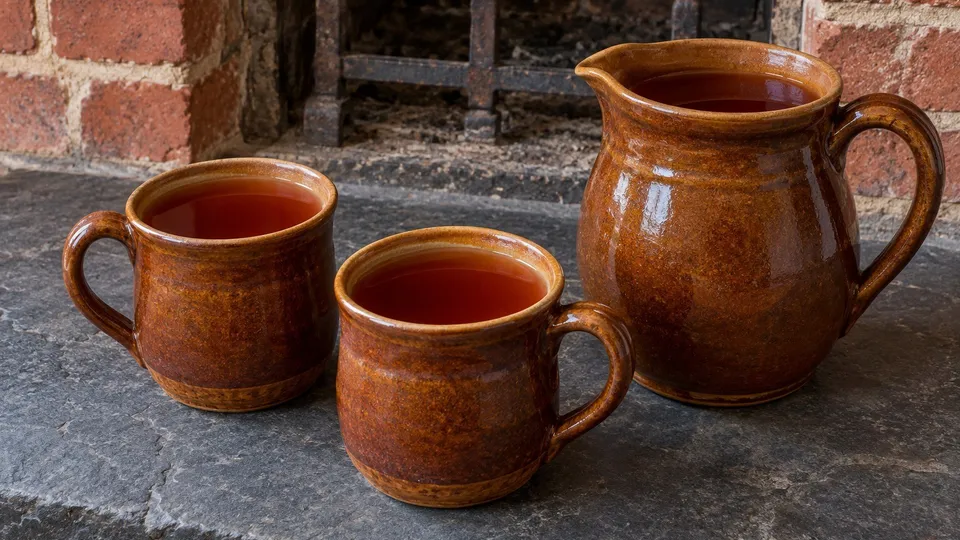
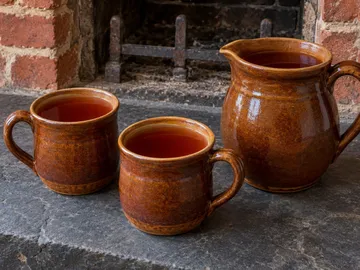
Sweet apple cider simmered for fifteen minutes with nutmeg, cloves, cinnamon and brown sugar, never boiled: an alcohol-free mulled cider from a 1919 temperance drinks book.
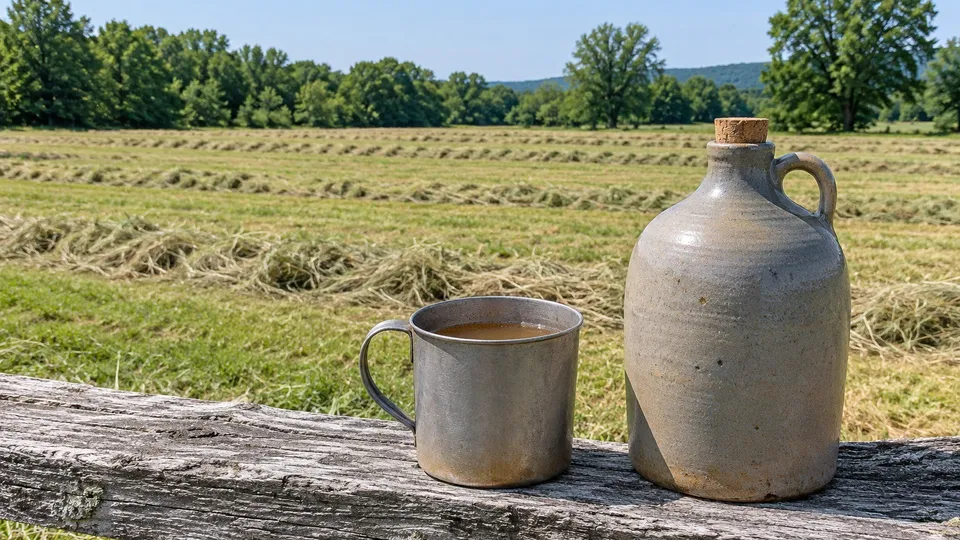
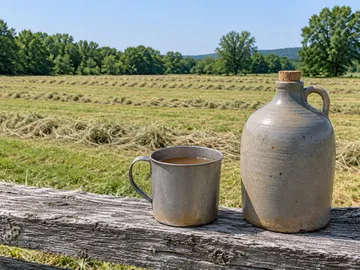
Cold water, molasses, cider vinegar and ground ginger shaken in a jug: the haymakers’ switchel, scaled from the 1856 Harvest Drink to a liter of water.
In the 1800s, cider, ginger beer, currant wine and lemonade, and on Sarah Josepha Hale’s table no spirits at all. At the 1621 harvest feast at Plymouth, the one eyewitness account names fowl and deer and not a single drink; water is the likeliest answer.
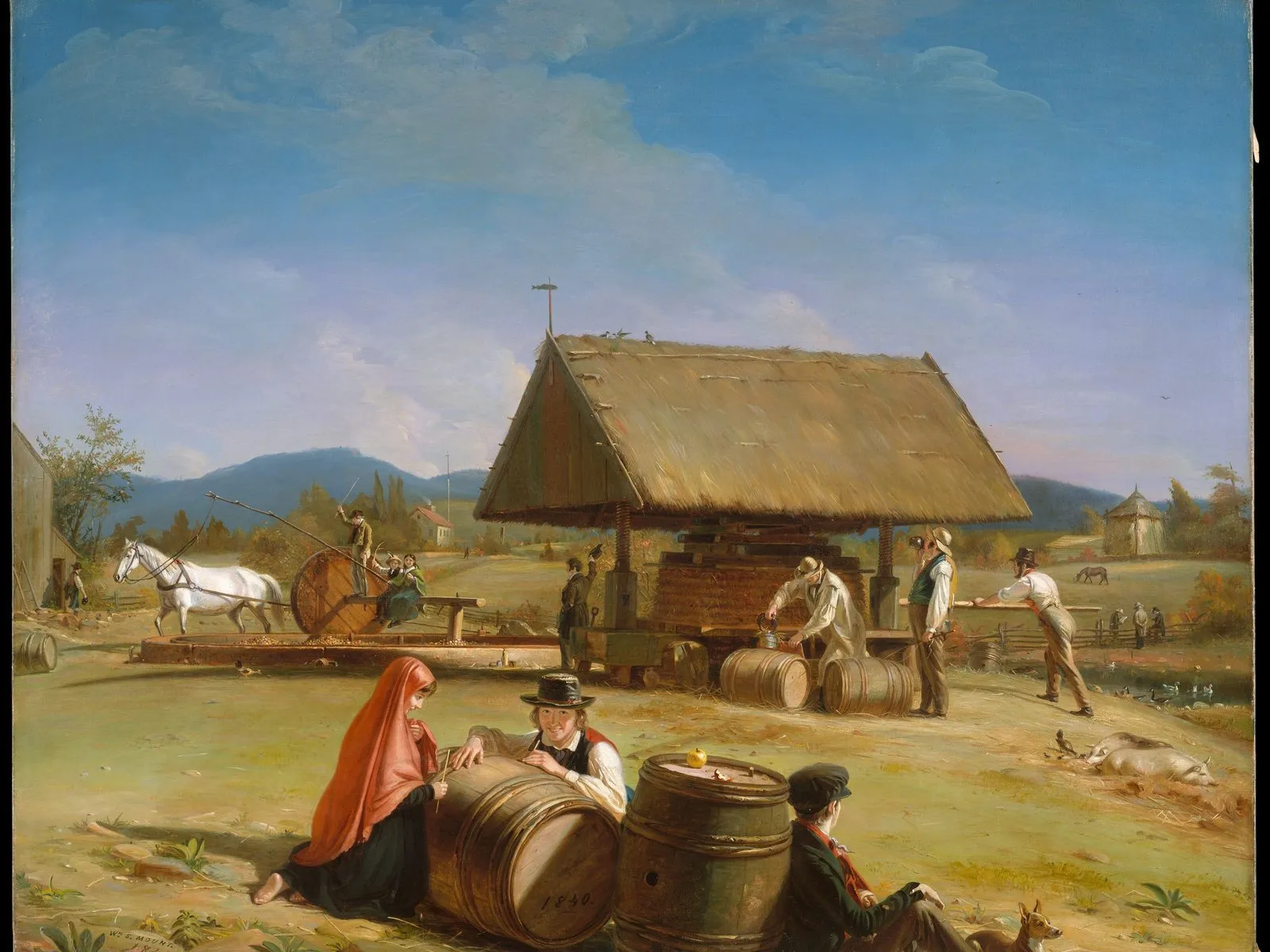
The Thanksgiving most Americans picture was largely the work of one editor. Sarah Josepha Hale campaigned for decades to make it a national holiday, and in her novel Northwood (1827) she set the table course by course: turkey, chicken pie, “pies of every name,” and on the sideboard decanters of currant wine and bottles of cider and ginger beer. She was proud of what was missing: “There were no foreign wines or ardent spirits.” Her household book of 1839 told women never to make a drink with alcohol in it for family use, and named lemonade “the best beverage for parties.”
Cider filled the gap in the rest of New England: sweet while it was fresh juice, hard once it had fermented, and new cider went into the plain mince pie as well. The Pilgrims themselves had come ashore with beer and “strong water,” but the beer ran short within weeks, the ship’s crew kept what was left, and the settlers drank water and praised it.
So a Thanksgiving table can be historic and alcohol-free at once. Most drinks below come from the books of their day, with the source on each recipe; a few are our own alcohol-free versions of period drinks, and they say so. Start with Hale’s lemonade, which takes five minutes while the turkey rests.
There were no foreign wines or ardent spirits.
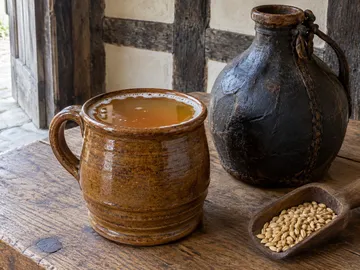
Nobody wrote it down. The Pilgrims’ beer was running short by their first winter, and they praised the local water; their household beer and the sweet malt wort it starts from are below.
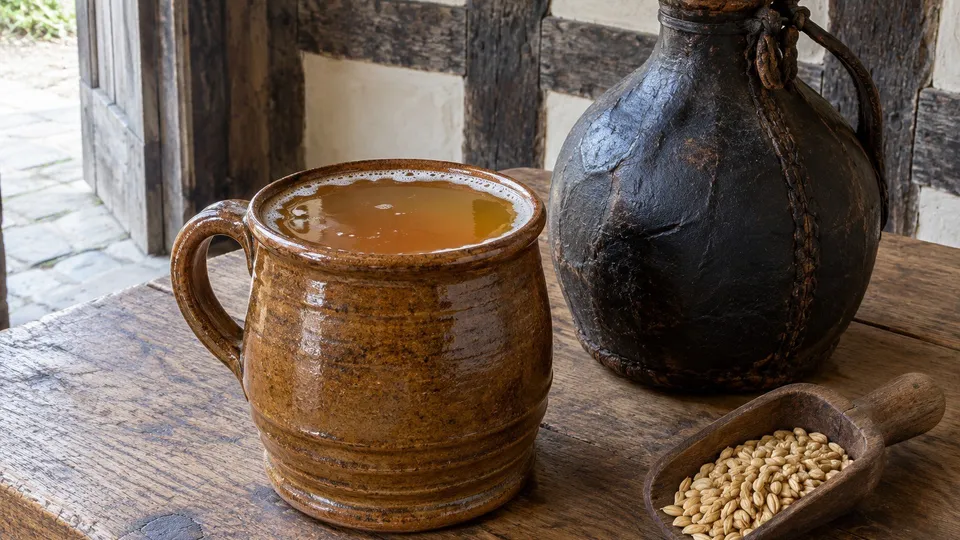
Pale malt and a light hand of English hops, mashed, boiled an hour and drunk at a fortnight old: Gervase Markham’s everyday beer of 1623, scaled to a 10-liter home brew.
Malt boiled with a few hops, chilled and cut with sparkling water: the sweet, unfermented wort that 17th-century beer started from, made as a modern alcohol-free drink.
Cider, ginger beer, currant wine and lemonade on Sarah Josepha Hale’s table, with no spirits. These versions are all alcohol-free; our ginger beer gets its sparkle from soda water instead of yeast.
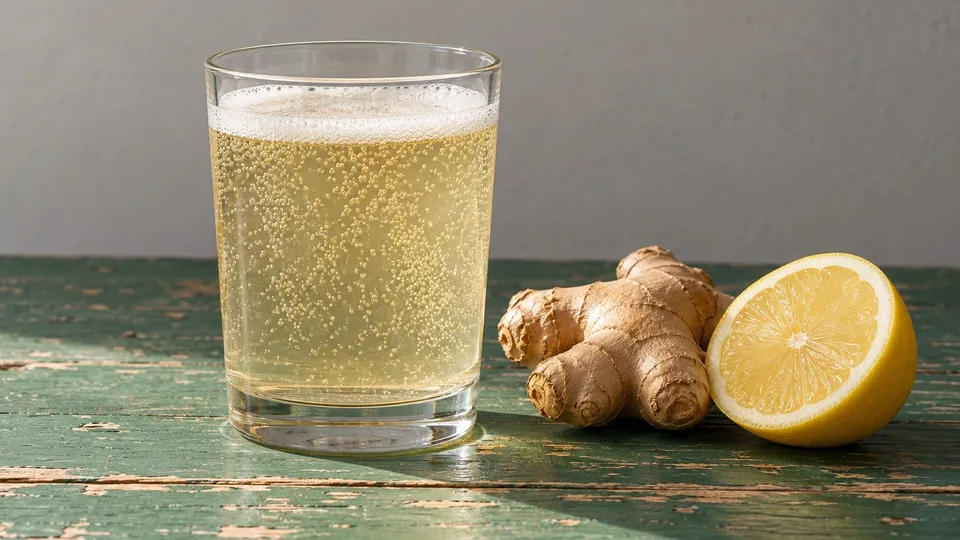
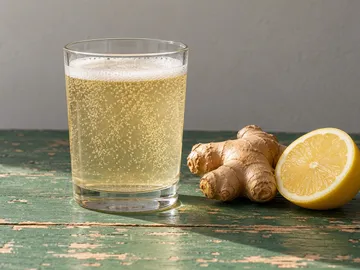
Fresh ginger syrup, lemon juice and cold soda water, never fermented: an alcohol-free ginger beer after the street fountains of 1850s London.
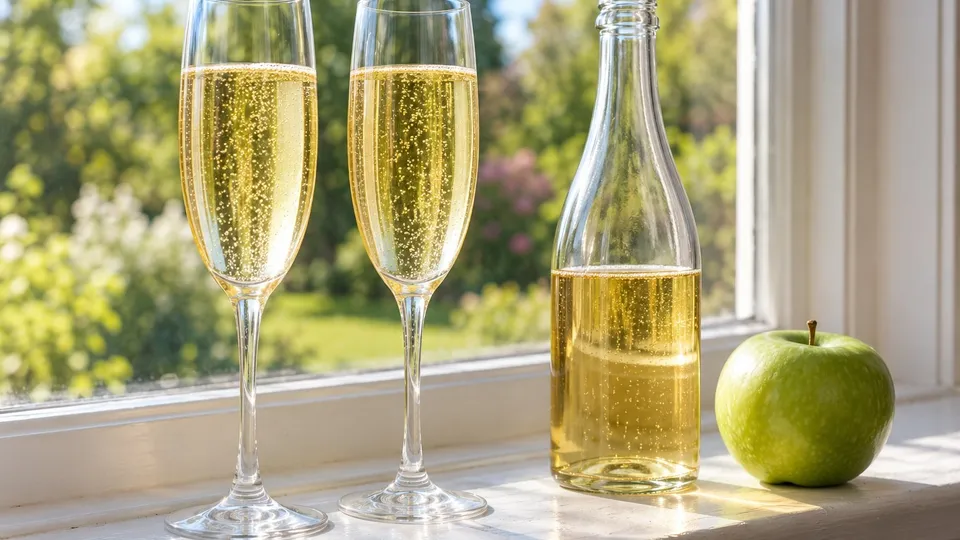
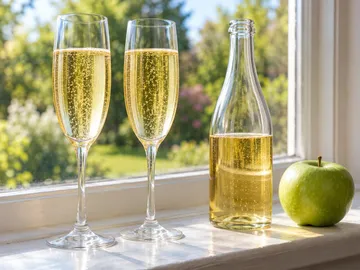
Clear apple juice and soda water, cold and poured at the last minute: a modern, alcohol-free stand-in for the bottled champagne cider of the 1860s.
Sweet cider, warm or cold, and the haymakers’ switchel of vinegar, ginger and molasses or maple in water. None of these has any alcohol.
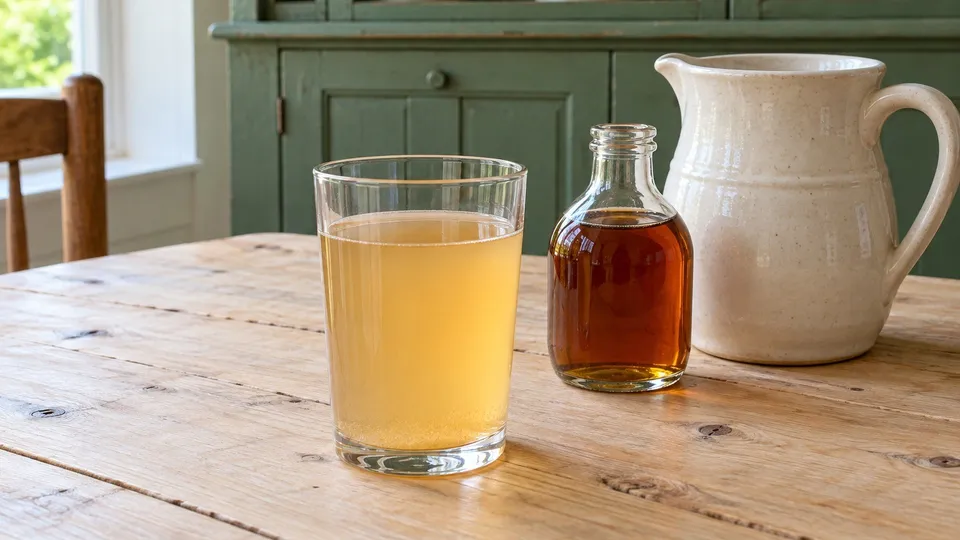
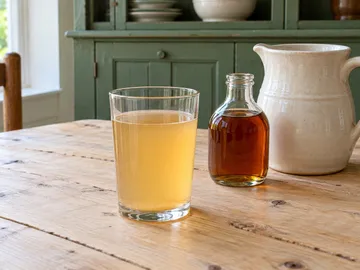
Switchel sweetened with maple syrup in place of molasses, with cider vinegar and ginger: a modern combination of two period versions of the haymakers’ drink.
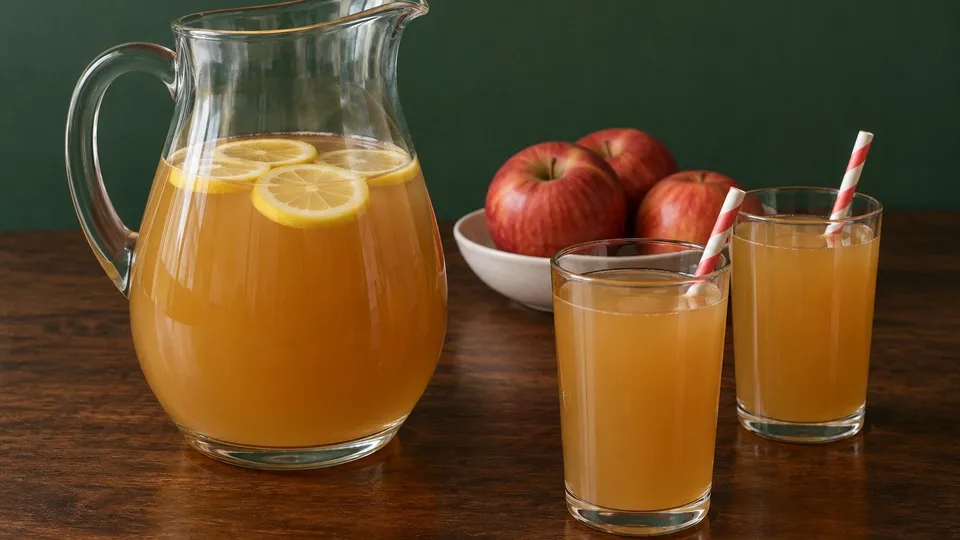
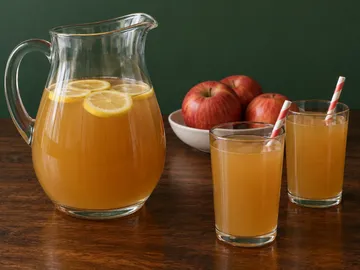
Fresh sweet apple cider in a tall pitcher with lemon slices and the juice of three lemons, served with straws, or hot on a cold night: the drink of a 1903 Halloween party book.
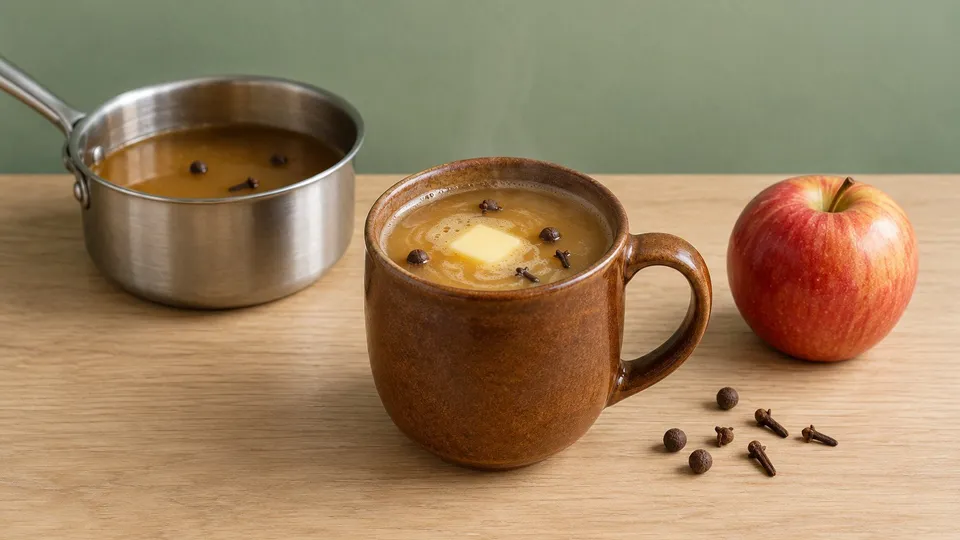
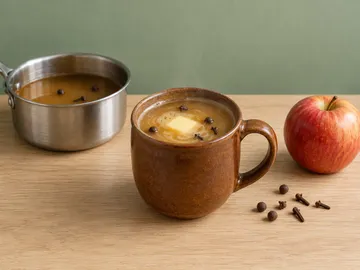
Jerry Thomas’s 1862 hot spiced rum without the rum: sweet apple cider heated with whole allspice and cloves, finished with a piece of butter melting on top.
Hard cider made sparkling, and the bar’s eggnog of 1862. Hale would not have served them.
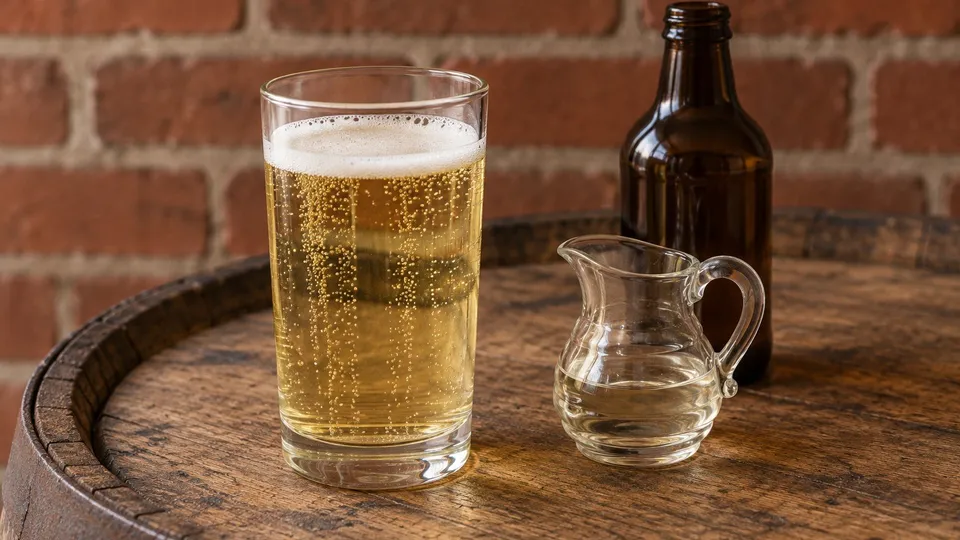
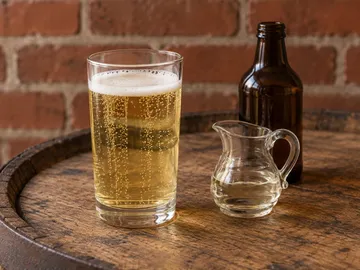
Sparkling hard cider sweetened with a little syrup, poured into a tall glass and drunk at once: a safe modern take on Terrington’s 1869 barrel of cider gassed with tartaric acid and bicarbonate.
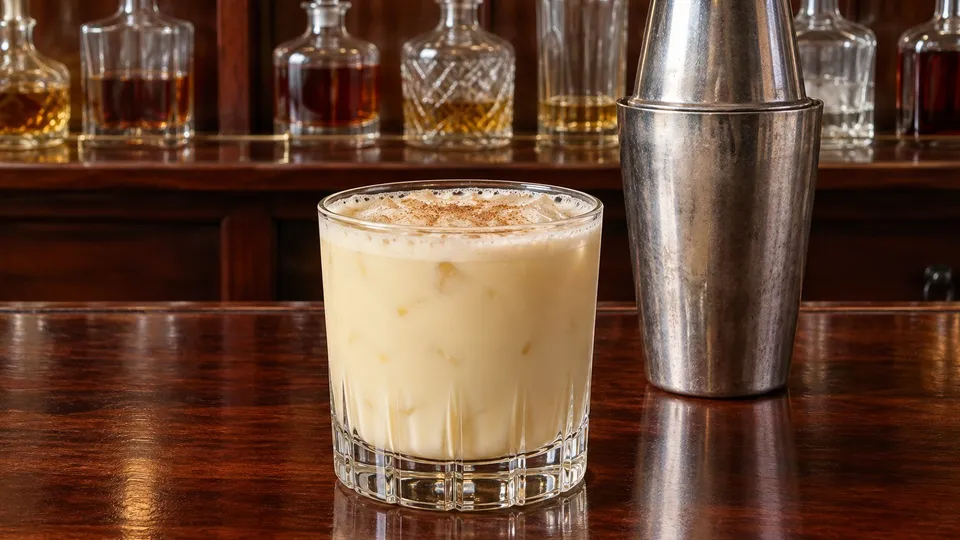
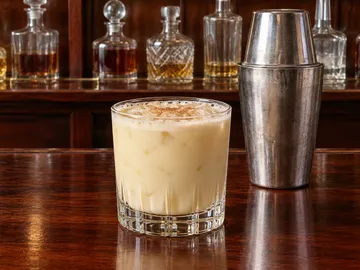
One egg, a wine-glass of Cognac, half as much St. Croix rum, sugar and a third of a tumbler of milk, shaken with shaved ice and topped with nutmeg: Jerry Thomas’s eggnog of 1862.
The full list
12 recipes in Thanksgiving Drinks: Historic Recipes With and Without Alcohol
Try a different ingredient or recipe name, or use Clear filters above to see the full collection.
Recipes could not be loaded. or browse this collection page without filters.
Always alcohol-free
Always alcohol-free
Alcohol-free version
Always alcohol-free
Always alcohol-free
Alcohol-free version
Alcohol-free version
Always alcohol-free
Alcohol-free version
Fresh ginger syrup, lemon juice and cold soda water, never fermented: an alcohol-free ginger beer after the street fountains of 1850s London.
Jerry Thomas’s 1862 hot spiced rum without the rum: sweet apple cider heated with whole allspice and cloves, finished with a piece of butter melting on top.
Fresh sweet apple cider in a tall pitcher with lemon slices and the juice of three lemons, served with straws, or hot on a cold night: the drink of a 1903 Halloween party book.
For what was on the plate, our sister site The Forgotten Menu has the food of the 1621 harvest feast (opens in a new tab).