Always alcohol-free
Horse’s Neck, Ginger Ale and a Spiral of Lemon Peel
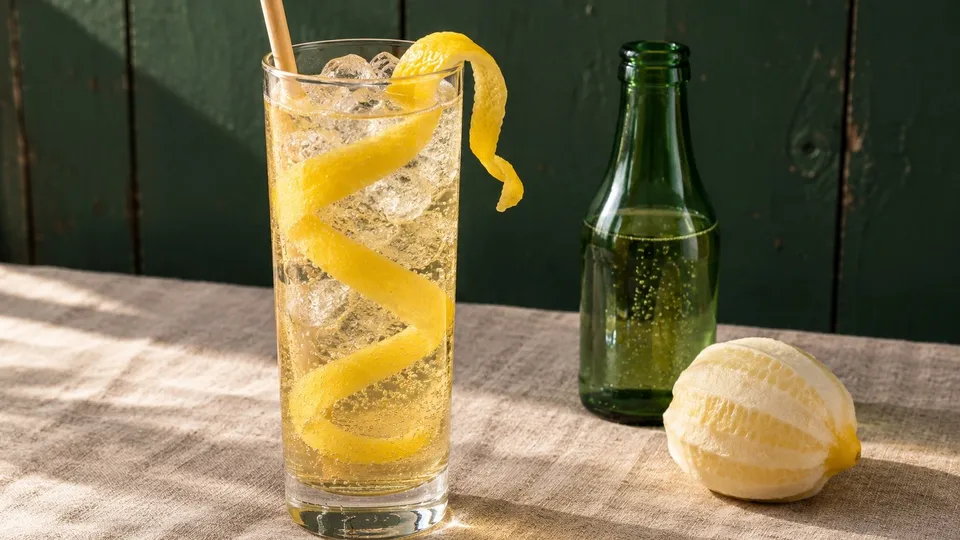
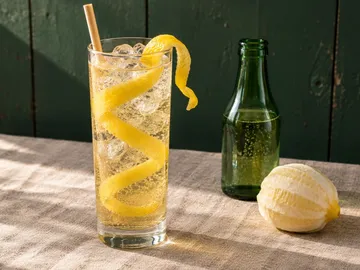
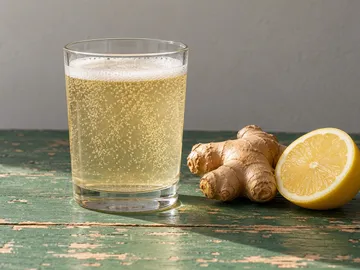
A whole lemon peel in one long spiral, ice and a bottle of ginger ale: the Horse’s Neck as an alcohol-free drink, the way an 1895 home-drinks column and a 1901 bar book made it.
Drinks by theme
Alcohol-free drinks for Dry January from period books: switchel, shrubs, barley water, fountain root beer, ginger beer, phosphates and coffee-tavern tea.
Updated
Make it today
A whole lemon peel in one long spiral, ice and a bottle of ginger ale: the Horse’s Neck as an alcohol-free drink, the way an 1895 home-drinks column and a 1901 bar book made it.
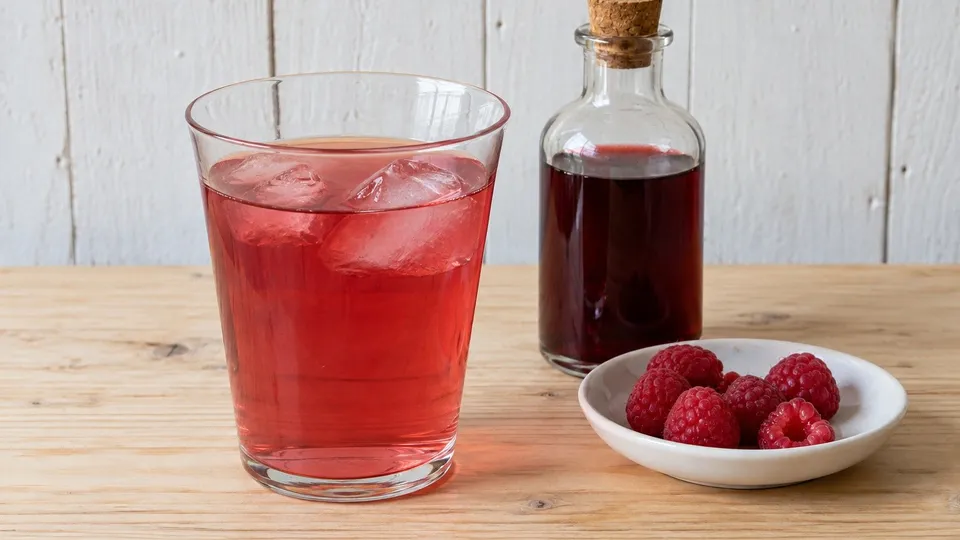
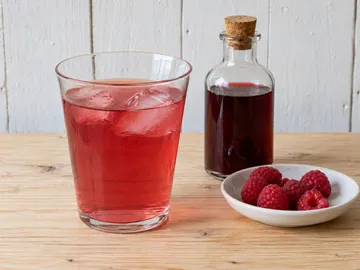
Raspberries steeped twice in cider vinegar, boiled and lightly sweetened, then stirred into iced water: Lettice Bryan’s alcohol-free raspberry shrub of 1839.
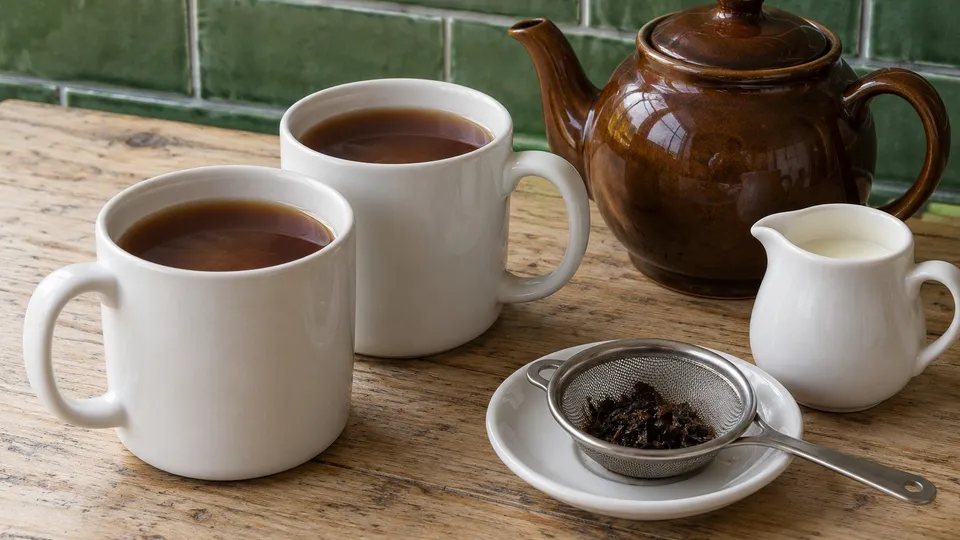
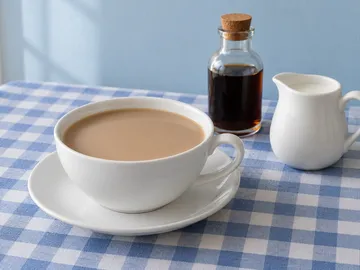
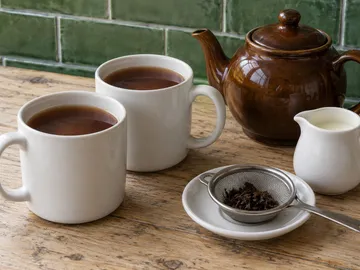
China black tea and Assam steeped exactly ten minutes, poured off the leaves, sweetened in the pot and given a spoonful of milk: tea from an 1878 coffee-tavern manual.
Water first, in every century, and around it a long line of drinks made without alcohol on purpose. Romans drank vinegar and honey drinks, medieval households whey and almond milk, Georgians barley water and orgeat, and the temperance movement filled coffee taverns and soda fountains with drinks meant to keep working people out of the pub.
Some were for health. Pliny counted oxymel, honey boiled with vinegar, among the drinks Romans used as medicine, and a wine without strength, boiled from grape must, was given to people who were not allowed real wine. Some were for work: from at least 1805, American farm papers pressed switchel of molasses and water on haymakers in place of rum.
Many were for principle. In 1839 Sarah Josepha Hale told American housewives never to make a drink with alcohol in it for family use, and in Victorian Britain the coffee taverns sold cocoa, coffee and tea at a penny a cup from five in the morning. In the United States, the soda fountain made the alcohol-free sour with acid phosphate, and in 1920 a hostess’s guide filed its fruit drinks under “Non-Alcoholic Cocktails.”
A few drinks sold as non-alcoholic were brewed with yeast and held a little alcohol, and those are labeled low-alcohol and kept off this page. Every drink here is alcohol-free. Most come straight from a book of their time; the modern adaptations, such as the bread kvass, say so.
Never make any preparation, of which alcohol forms a part, for family use!
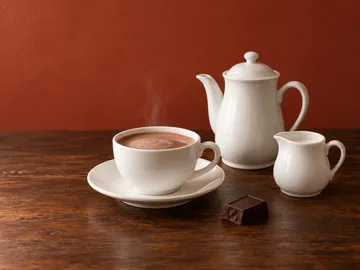
Hot ones: coffee-tavern tea and coffee, half coffee and half chocolate, and a hot clam and tomato broth. All are alcohol-free.
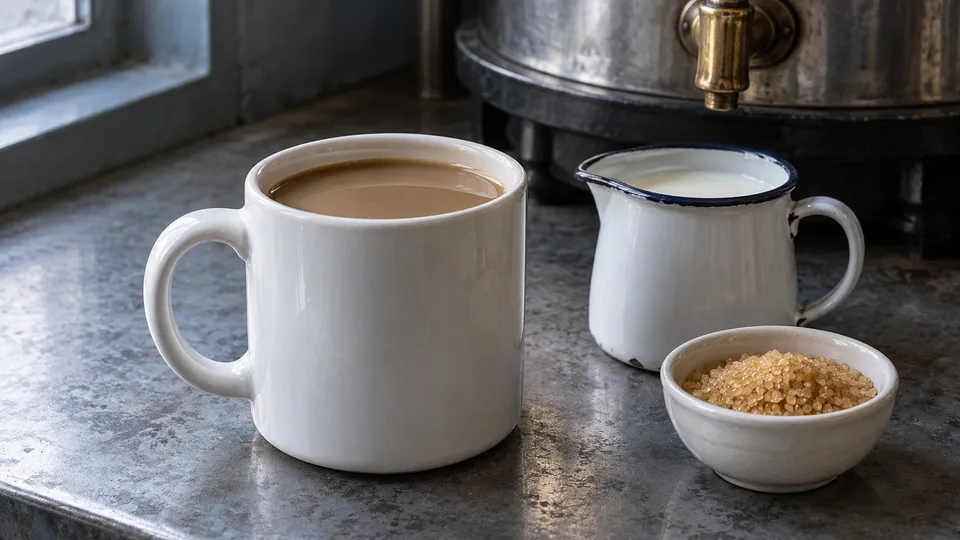
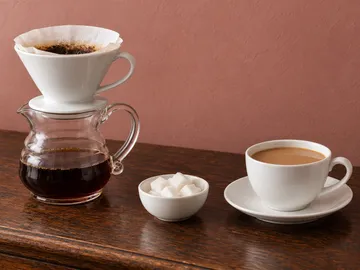
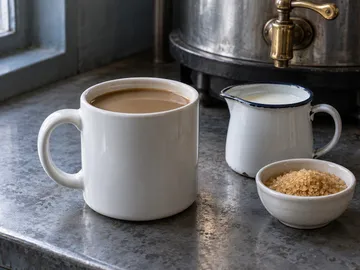
Fresh-ground coffee steeped fifteen minutes in boiling water, strained, then sweetened with Demerara and hot milk: the urn coffee an 1878 manual costed at a penny a cup.
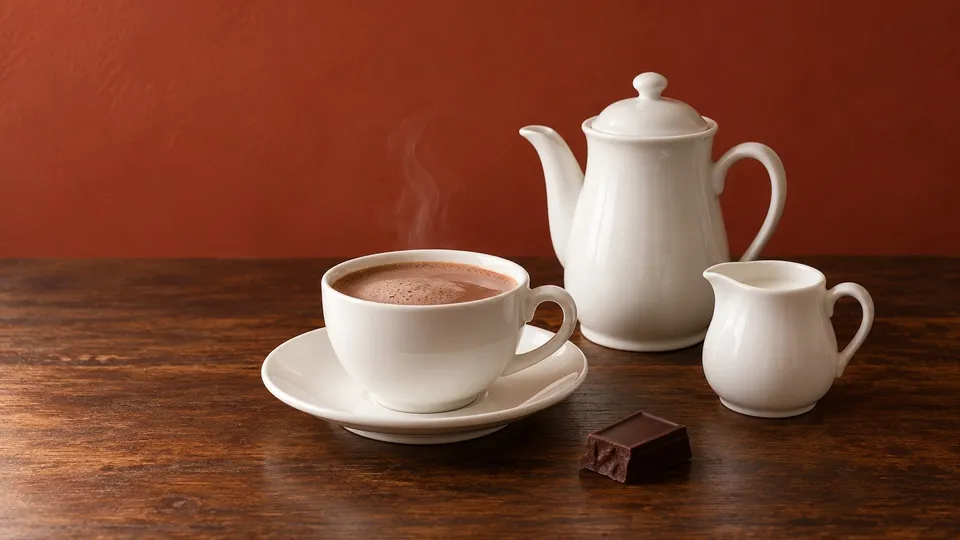
Fresh coffee poured through the grounds and chocolate melted into hot milk, mixed half and half in the cup: the choca of Pierre Blot’s 1866 New York cookery lectures.
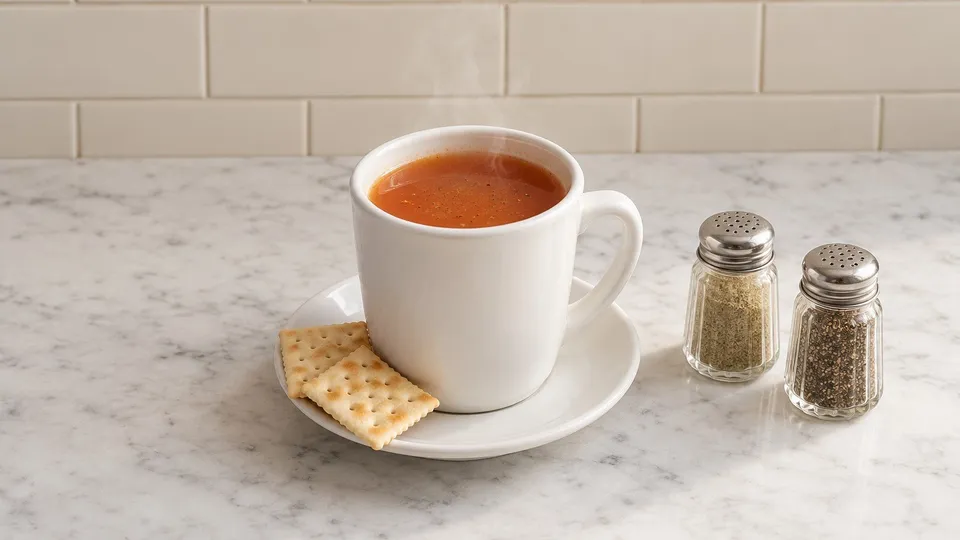
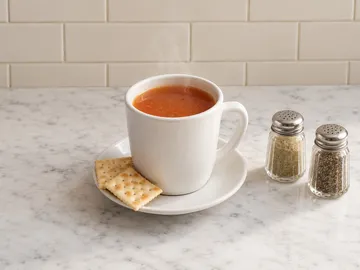
Clam juice and tomato catsup stirred into a mug of boiling water and seasoned with salt, pepper and celery salt: the 1919 clam and tomato blend, a hot savory drink with no alcohol.
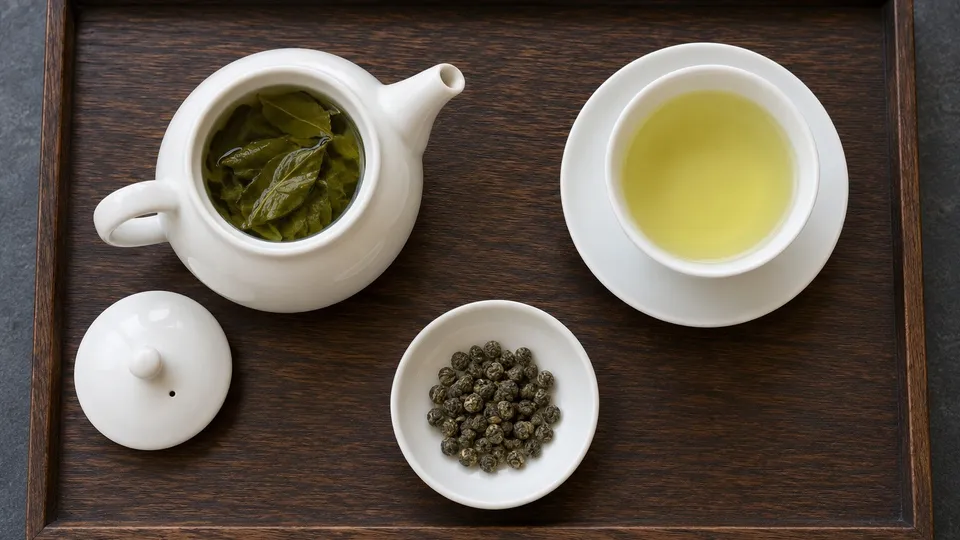
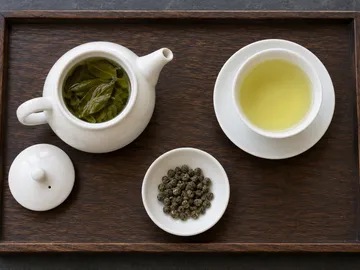
A teaspoon of rolled gunpowder tea for each person and one for the pot, boiling water, five minutes under the lid, then filled up: green tea as Mrs. Beeton made it in 1861.
A fruit vinegar syrup stirred into cold water, sharp and sweet at once. Switchel and oxymel use the same vinegar bite.
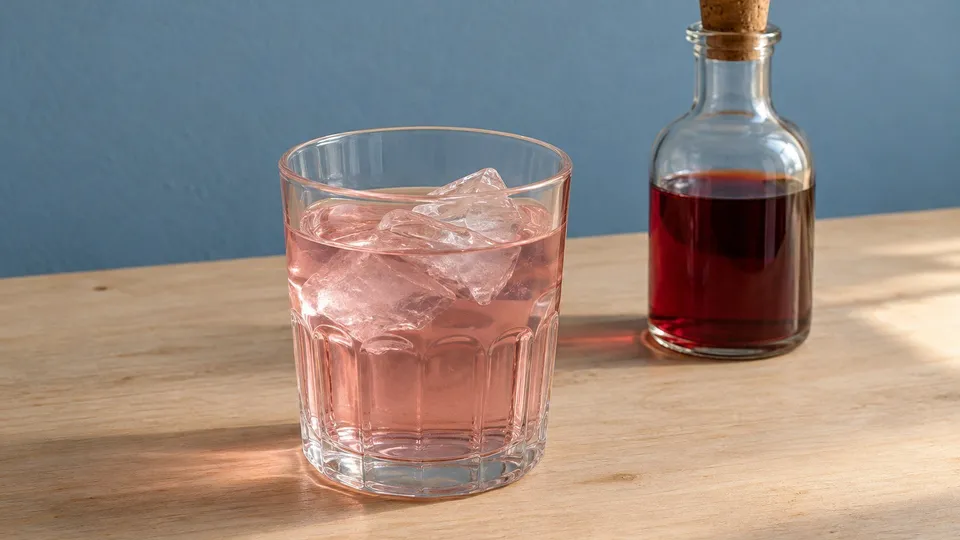
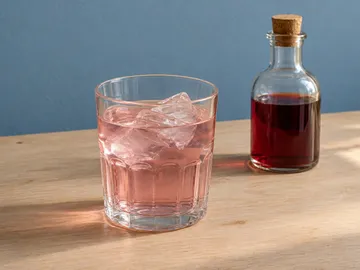
Raspberries steeped a week in cider vinegar and boiled with plenty of sugar, two tablespoons to a tumbler of iced water: the alcohol-free summer drink of an 1887 temperance cookbook.
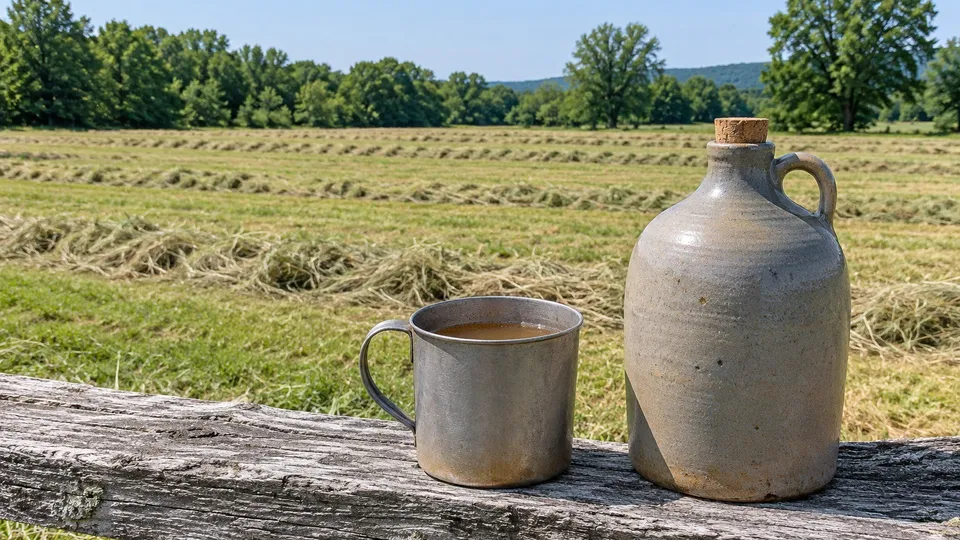
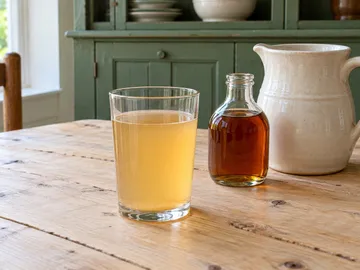
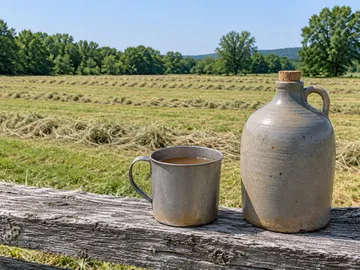
Cold water, molasses, cider vinegar and ground ginger shaken in a jug: the haymakers’ switchel, scaled from the 1856 Harvest Drink to a liter of water.
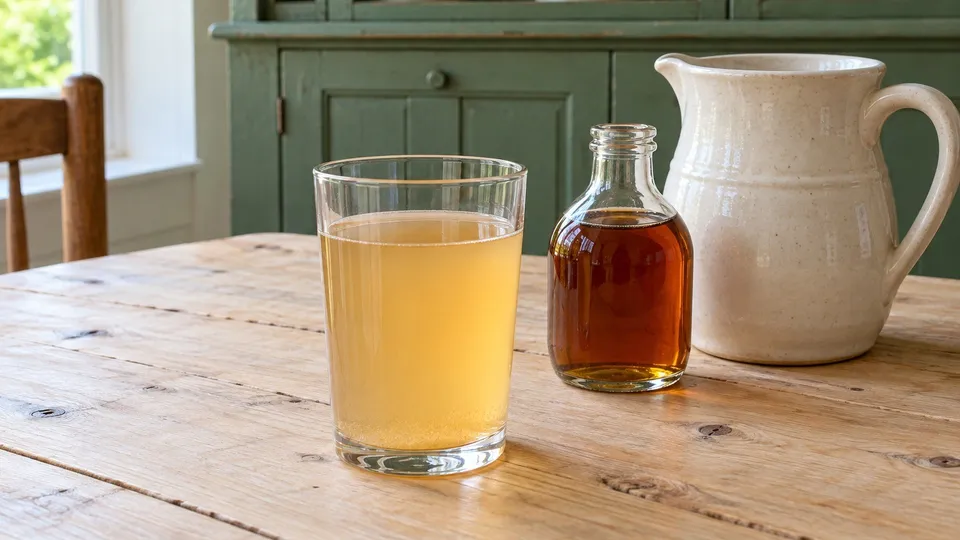
Switchel sweetened with maple syrup in place of molasses, with cider vinegar and ginger: a modern combination of two period versions of the haymakers’ drink.
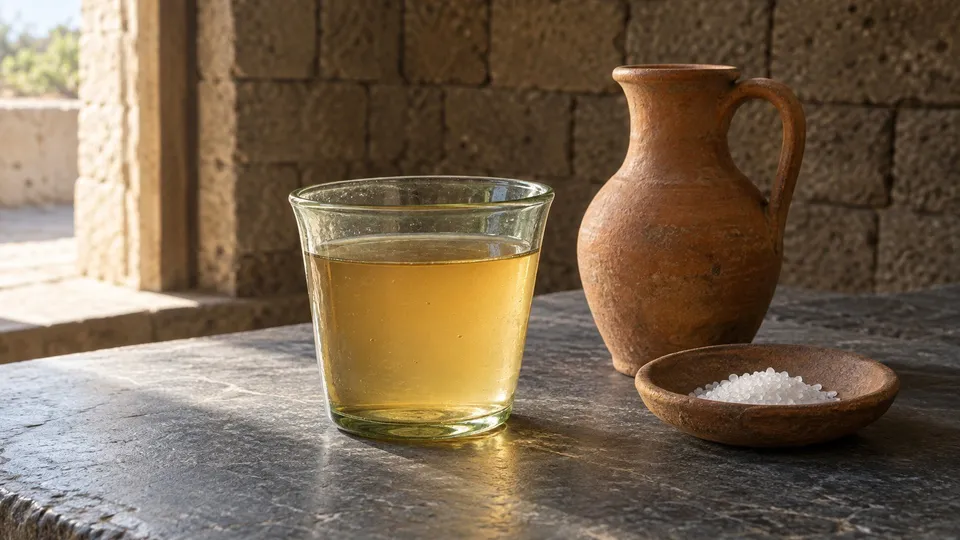
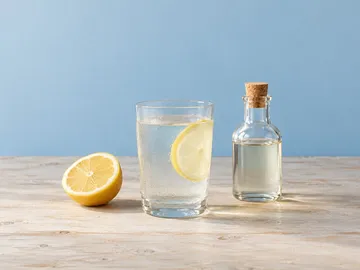
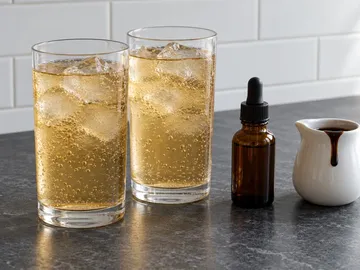
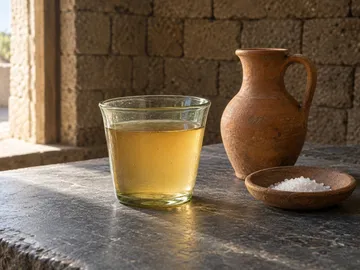
Honey, old vinegar, sea salt and water, boiled into a sharp-sweet syrup: the sweetened cousin of the Roman soldier’s vinegar drink, and alcohol-free.
The soda fountain’s sours and highballs, the Horse’s Neck and the tomato juice cocktail. They are mixed and served like bar drinks, with no alcohol.
The bartenders’ alcohol-free cocktails of the 1920s are in Vintage Mocktails: 1920s Non-Alcoholic Drinks and Older.
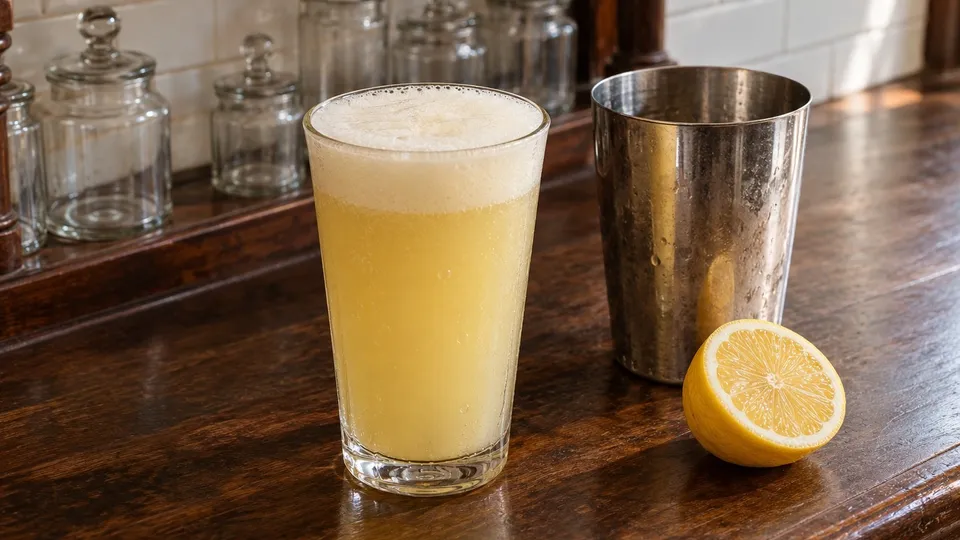
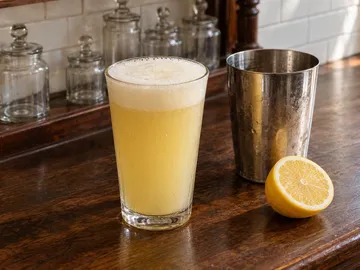
An egg yolk shaken with powdered sugar, fresh lemon juice and ice, then filled with soda and poured back and forth: the alcohol-free Goldenade of an 1897 soda fountain manual.
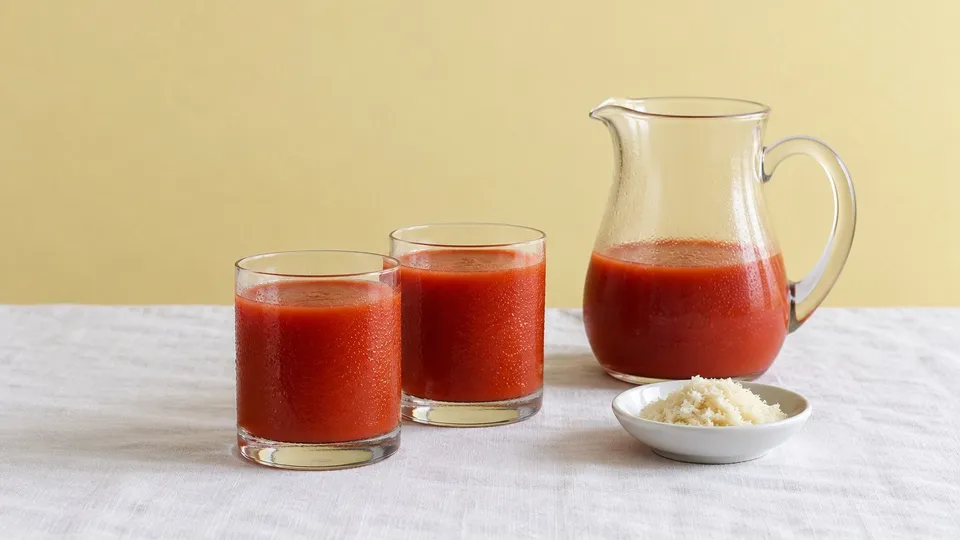
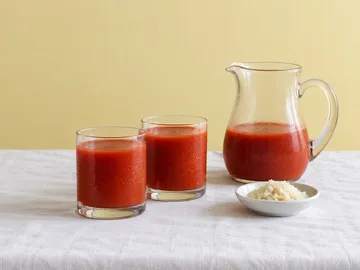
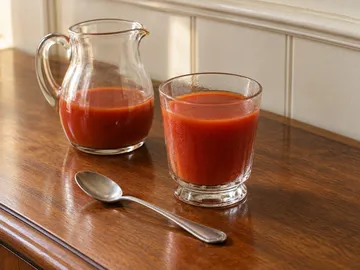
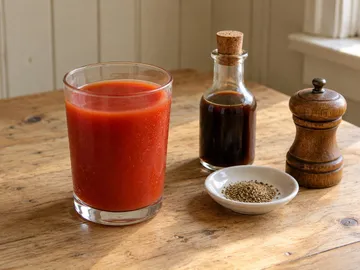
Chilled tomato juice with salt, horseradish and a little sugar: the alcohol-free tomato juice cocktail that a Washington hotel said it served more than any other recipe on its menu in 1930.
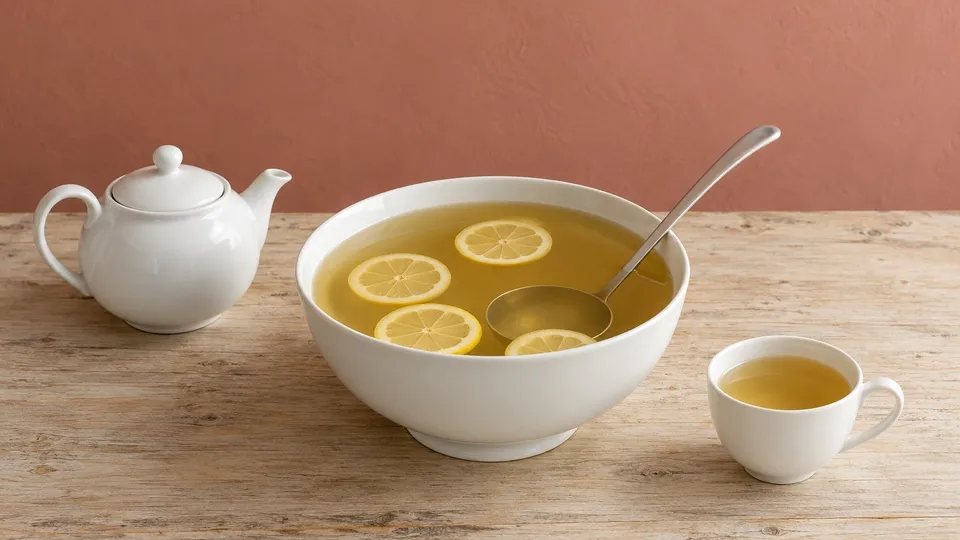
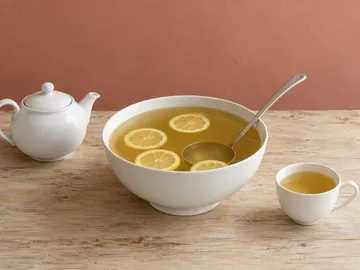
The green tea, lump sugar rubbed on lemon peel and lemon juice of Jerry Thomas’s 1862 tea punch, with hot water in place of the brandy and rum, served from a warm bowl.
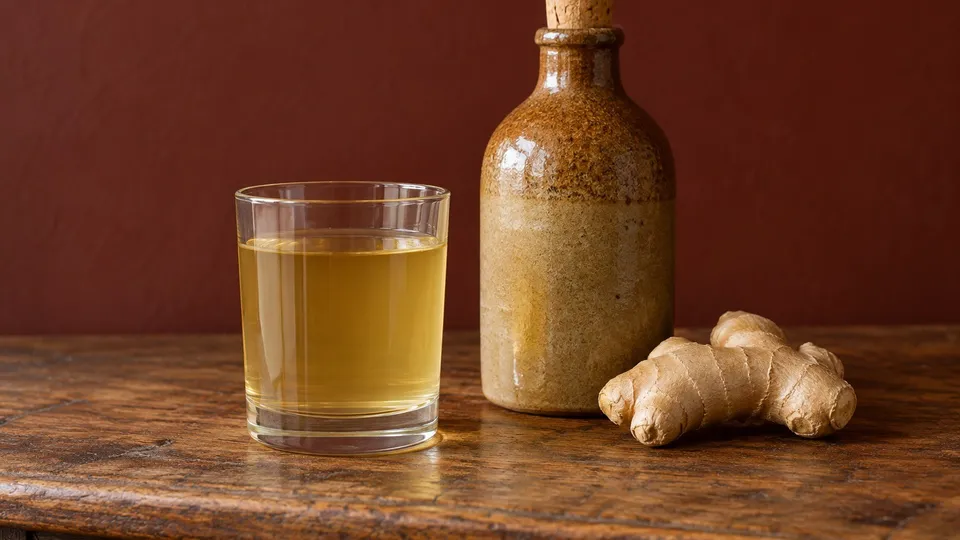
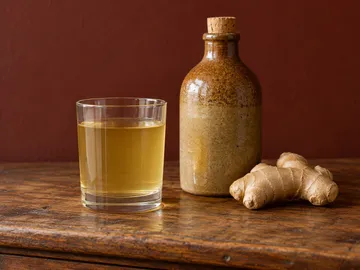
A still ginger drink with no wine in it: sugar, tartaric acid and boiling water heated with ginger and chile, after an 1887 Temperance Cook Book. A modern alcohol-free version.
Fountain sodas drawn from syrup were; home-brewed ones were not quite. The sodas here use soda water instead of yeast, and barley water needs neither.
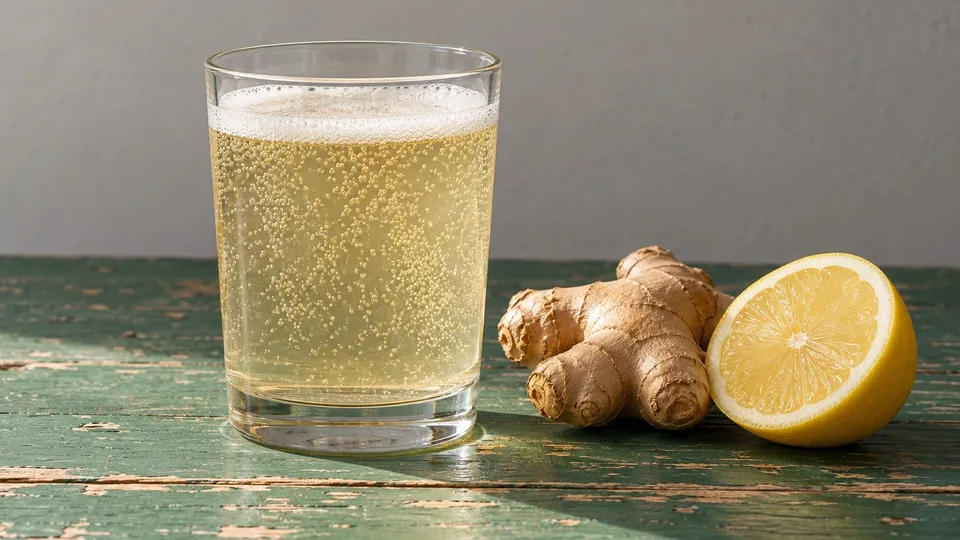
Fresh ginger syrup, lemon juice and cold soda water, never fermented: an alcohol-free ginger beer after the street fountains of 1850s London.
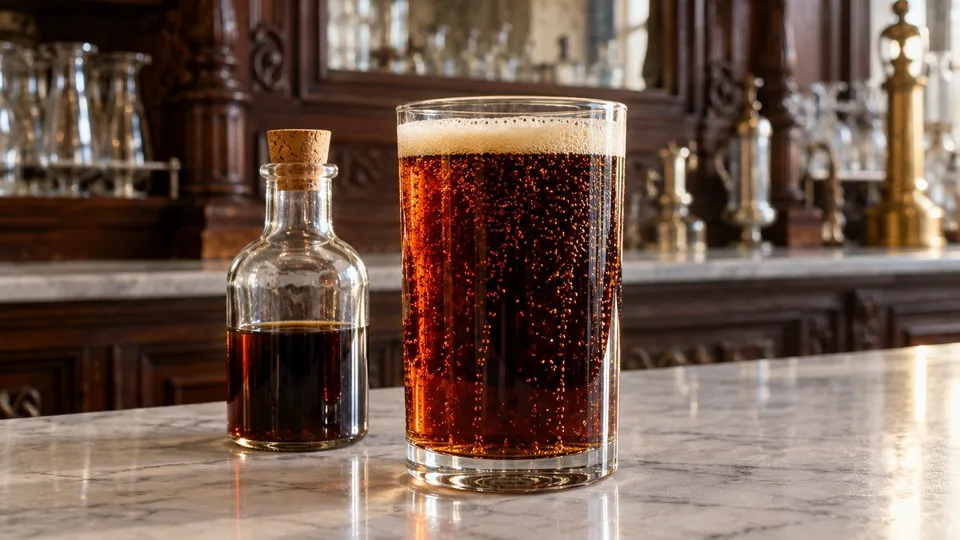
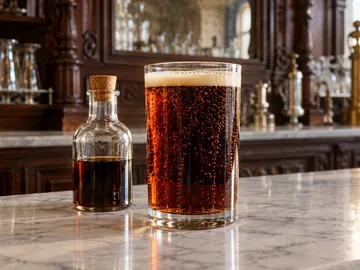
Root beer extract stirred into a heavy sugar syrup and drawn with very cold soda water, as an 1897 soda manual made it: never fermented, and alcohol-free with an alcohol-free extract.
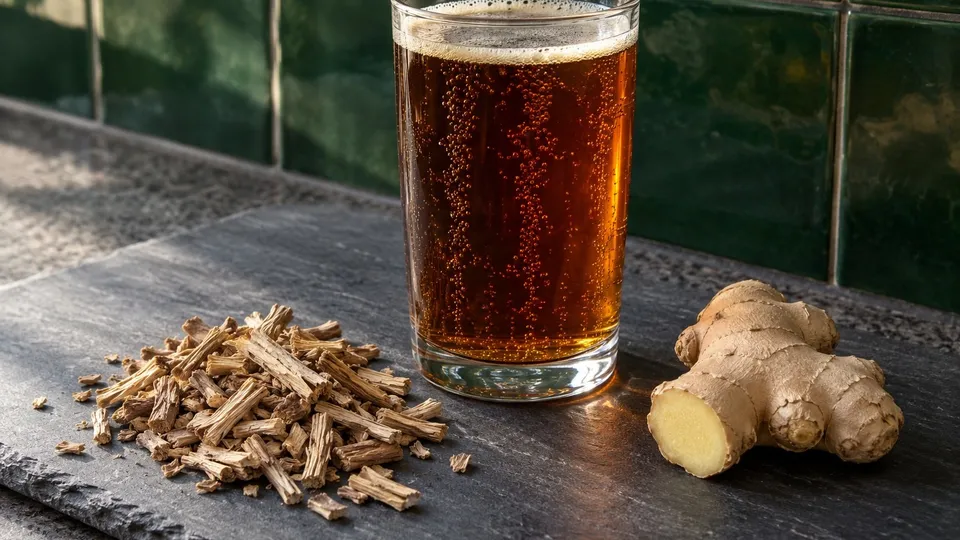
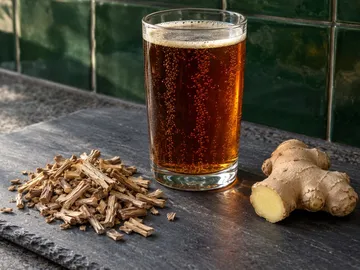
A modern root syrup of sarsaparilla, roasted dandelion root, fresh ginger and dark brown sugar, served the 1890s fountain way with cold soda water. No sassafras, no fermenting.
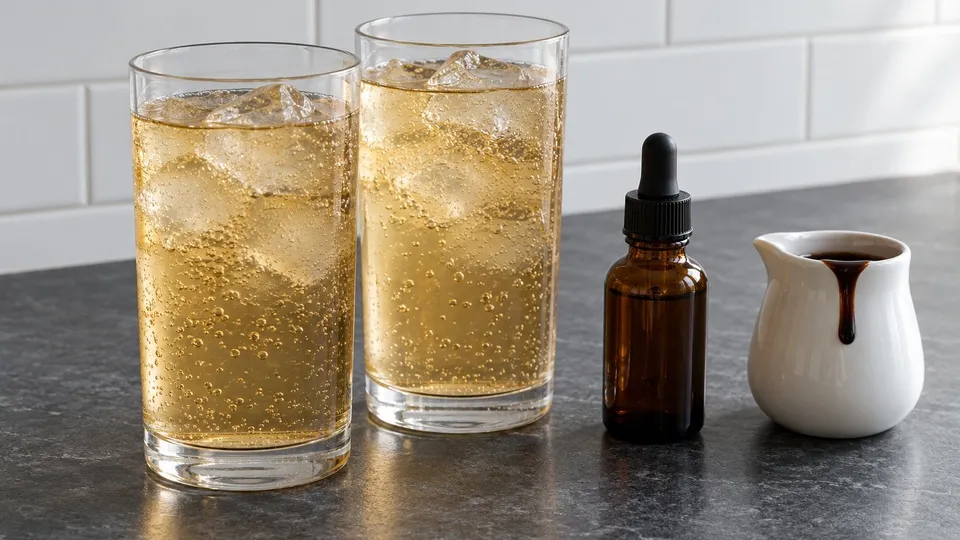
Simple syrup, a spoonful of molasses and a drop of food-grade spruce essence over ice, topped with soda water: the flavors of old spruce beer with no yeast and no alcohol.
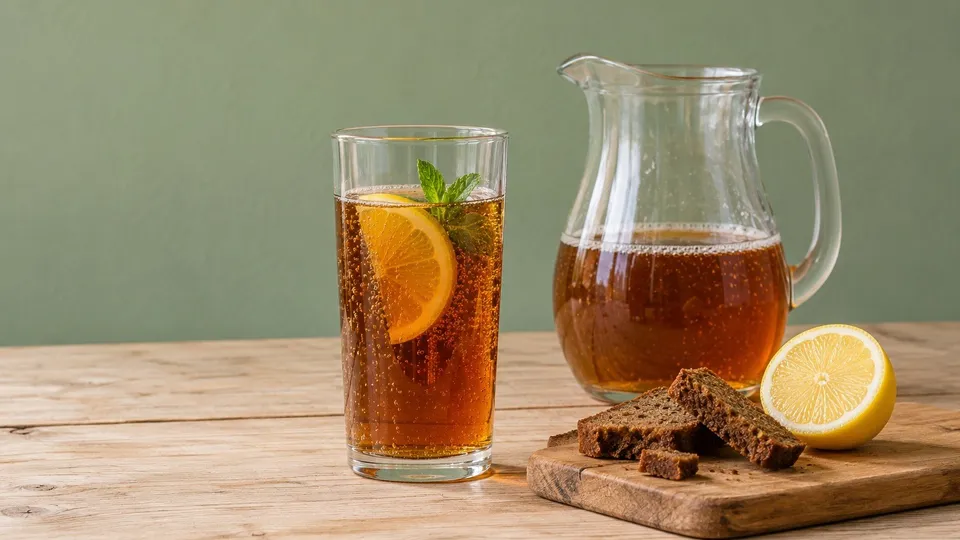
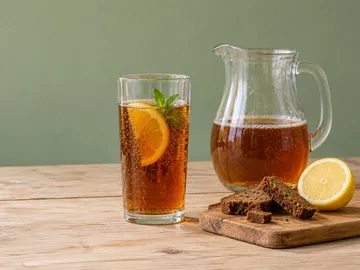
Dried rye bread and fresh mint steeped in boiling water, sweetened with dark treacle and sharpened with lemon, then lifted with soda water: Molokhovets’s 1887 kvass made without yeast.
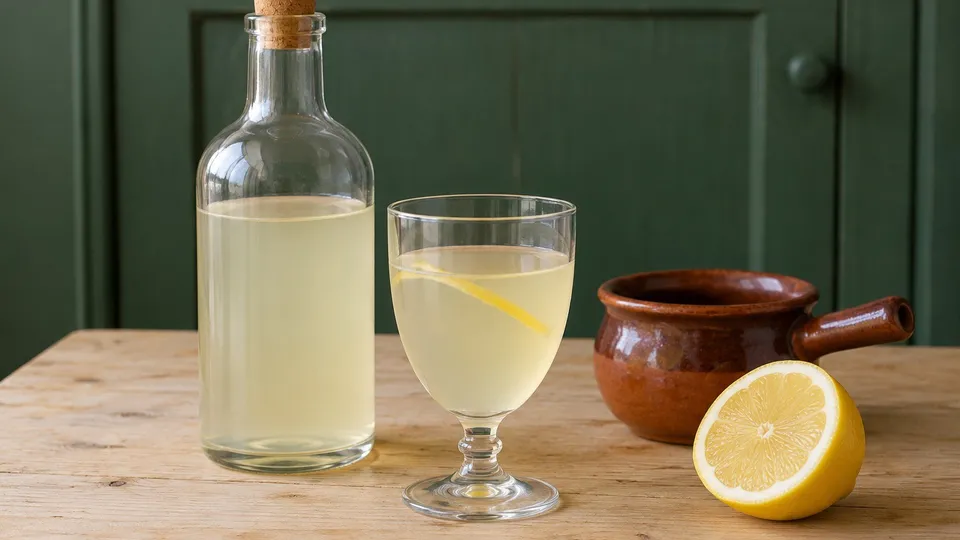
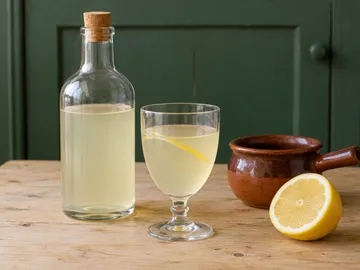
Pearl barley boiled until the water turns silky, spiced with mace, sharpened with lemon and sweetened: barley water from Eliza Smith’s Compleat Housewife (1739). Alcohol-free.
The full list
34 recipes in Dry January Drinks From History
Try a different ingredient or recipe name, or use Clear filters above to see the full collection.
Recipes could not be loaded. or browse this collection page without filters.
Alcohol-free version
Alcohol-free version
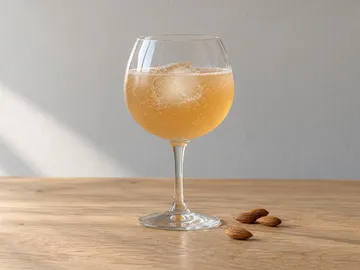
Always alcohol-free
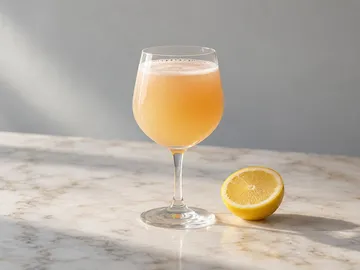
Alcohol-free version
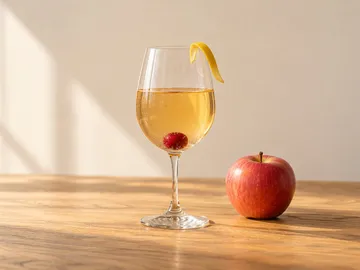
Alcohol-free version
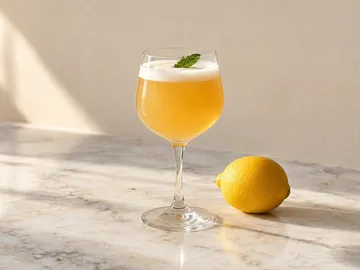
Always alcohol-free
Alcohol-free version
Alcohol-free version
Alcohol-free version
Always alcohol-free
Always alcohol-free
Always alcohol-free
Always alcohol-free
Always alcohol-free
Alcohol-free version
Always alcohol-free
Always alcohol-free
Always alcohol-free
Always alcohol-free
Always alcohol-free
Always alcohol-free
Always alcohol-free
Always alcohol-free
Always alcohol-free
Always alcohol-free
Always alcohol-free
Alcohol-free version
Always alcohol-free
Always alcohol-free
Always alcohol-free
Alcohol-free version
Always alcohol-free
Always alcohol-free
Always alcohol-free
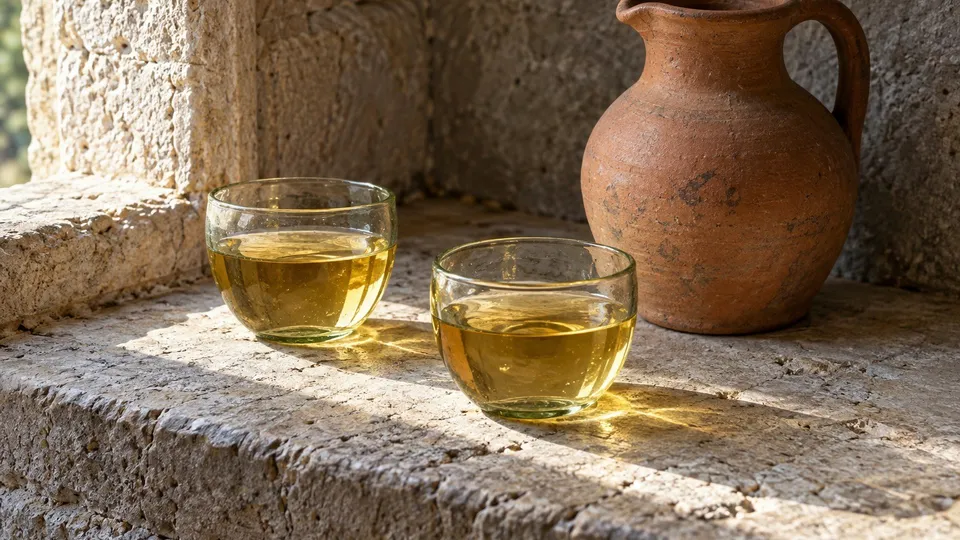
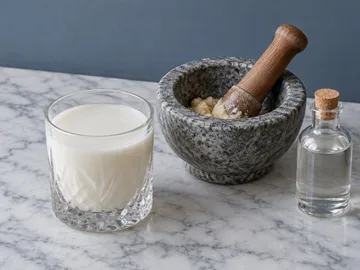
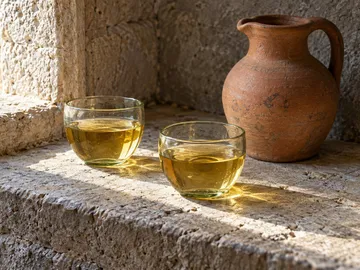
White grape must boiled with half its volume of water until the water is gone: the Roman ‘wine’ given to people who were not allowed wine. Alcohol-free.
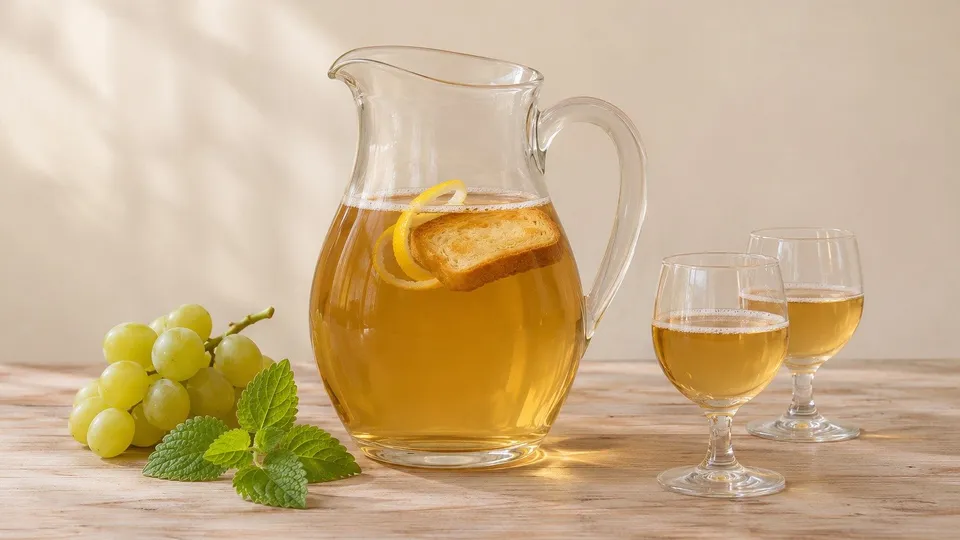
Spencer’s 1903 Ale Cup made without alcohol: a 0.0% ale and white grape juice poured cold over hot toast with lemon, sugar, nutmeg and a sprig of balm.
Dried rye bread and fresh mint steeped in boiling water, sweetened with dark treacle and sharpened with lemon, then lifted with soda water: Molokhovets’s 1887 kvass made without yeast.