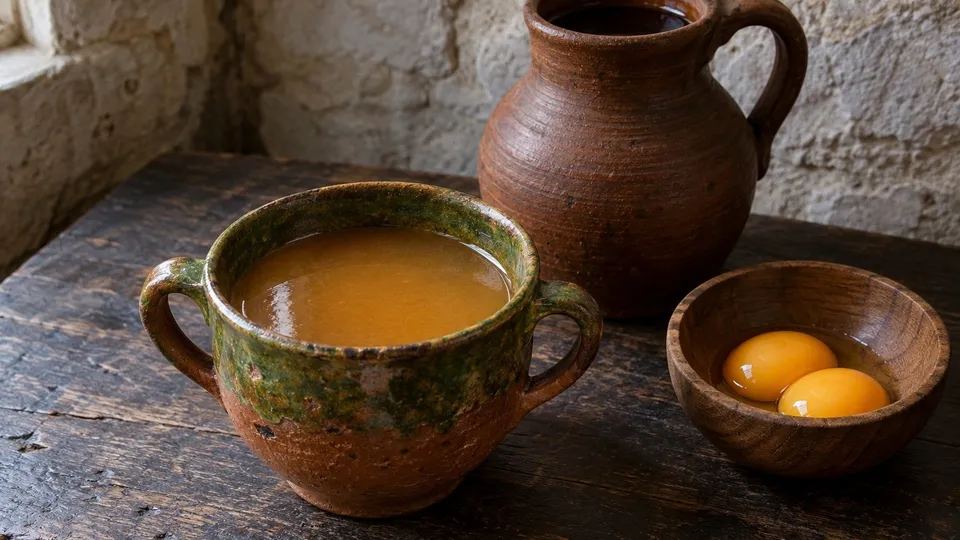
Ale Caudle, Warm Ale Thickened with Egg Yolks
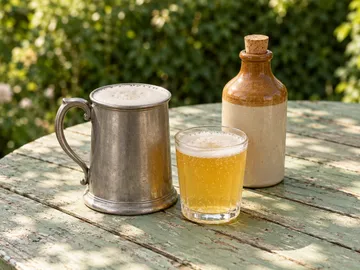
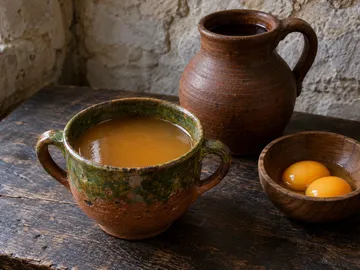
Malty ale stirred over low heat with beaten egg yolks until it thickens like a thin custard: the medieval caudle, made safe with a thermometer.
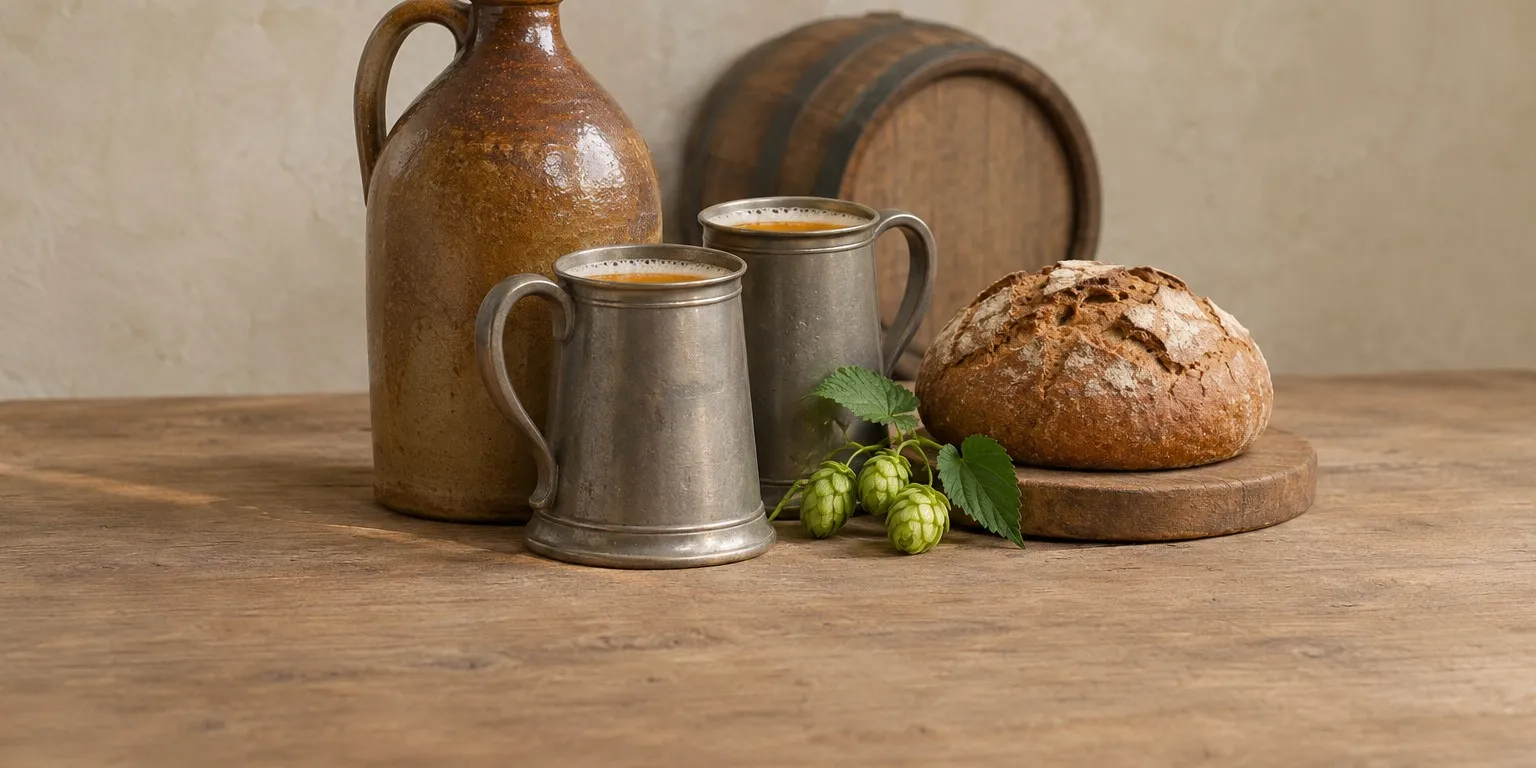
Drinks by theme
Small Beer, Spruce Beer, Lambswool and Caudle
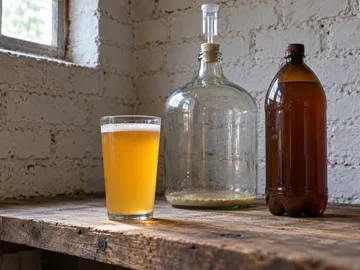
Old beer and ale recipes from period books: Markham’s 1623 household beer, Washington’s small beer, spruce beer, buttered beer, lambswool and the shandy gaff.
Updated
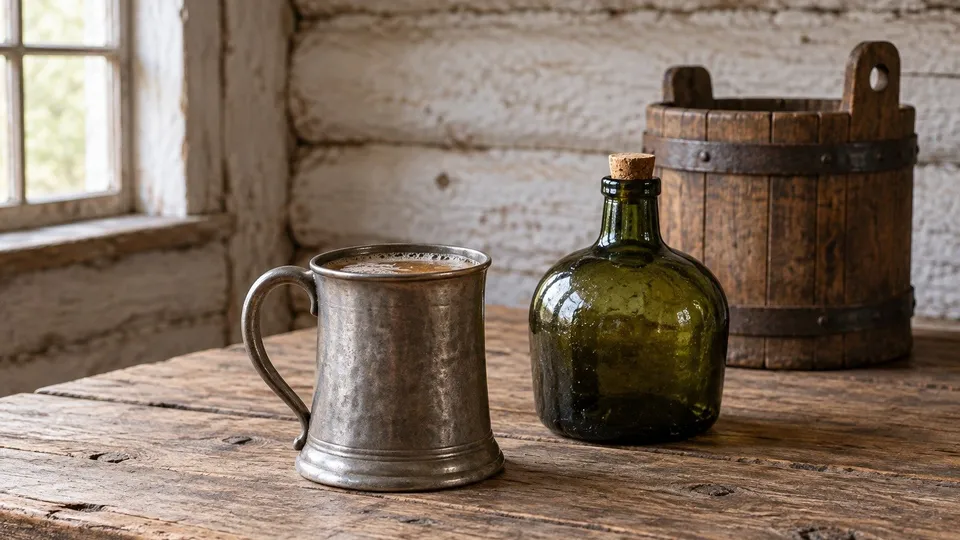
Weaker, more often, and drunk all day. For most of English history ale or beer was the everyday drink of any household that could brew or buy it, valued as food as well as pleasure, and much of it was small beer, brewed light for drinking with meals. Water was drunk too, above all by the poor, the young and servants; the old idea that nobody touched it does not survive the sources.
Ale and beer were once two different drinks. Ale was malt, water and yeast; beer added hops, and came over to England from the Low Countries. In 1542 the physician Andrew Boorde still called ale “a naturall drynke” for an Englishman and beer “a naturall drynke for a Dutche man.” By 1574 Kent had a printed manual for growing hops at home, and in 1594 Sir Hugh Plat could write that the hop alone made “the essentiall difference betweene Beere and Ale.” Gervase Markham’s household beer of 1623 is already a hopped one.
Beer also went into the kitchen. Hot ale was thickened with egg yolks into caudle, beaten with roasted apples into lambswool, poured onto hot milk to make a posset, and, in a 1594 cookbook, spiced and finished with butter. In America and Canada brewers without much malt made beer from molasses and spruce, or, in George Washington’s 1757 notebook, from bran, hops and molasses. Most of those spruce beers came out at roughly 2 percent alcohol.
The recipes run from 1594 to a Paris bar of 1927, each from a named book or record. Home-brewed beers here are low in alcohol but never alcohol-free, and two drinks are made alcohol-free with a 0.0% ale.
Each recipe names the period book it comes from and says what we changed. How we research
For it is the Hoppe onelie which maketh the essentiall difference betweene Beere and Ale.
They drank both. Ale was the everyday drink of English households that could brew or buy it, and water was drunk too, above all by the poor, the young and servants. Boorde, the physician usually quoted as proof that water was feared, mainly thought it cold and hard to digest, and told his readers which water to choose.
 The storyDid Medieval People Really Drink Beer Instead of Water?
Malty ale stirred over low heat with beaten egg yolks until it thickens like a thin custard: the medieval caudle, made safe with a thermometer.
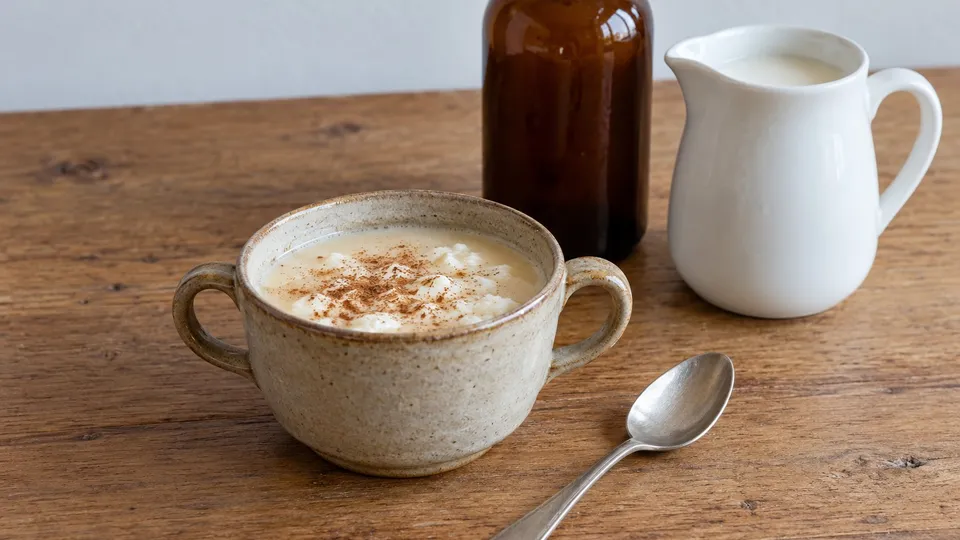
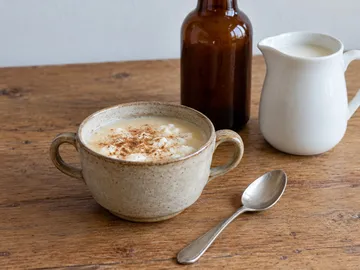
Very hot milk poured onto cold ale and left to set into soft curds in a warm whey, sweetened with honey and strewn with cinnamon and ginger.
In the 1500s. Hopped beer came from the Low Countries as a foreign drink, Kent had a hop-growing manual by 1574, and by 1594 Plat called the hopped drink “our ordinarie Beere.” A cookbook of the same year heated beer with egg yolks, spice and sweet butter into buttered beer.
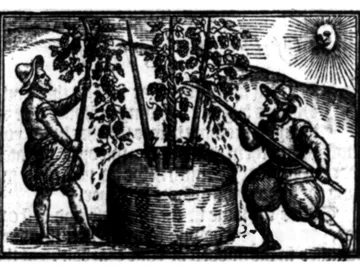 The storyWhen Did English Beer Get Its Hops?
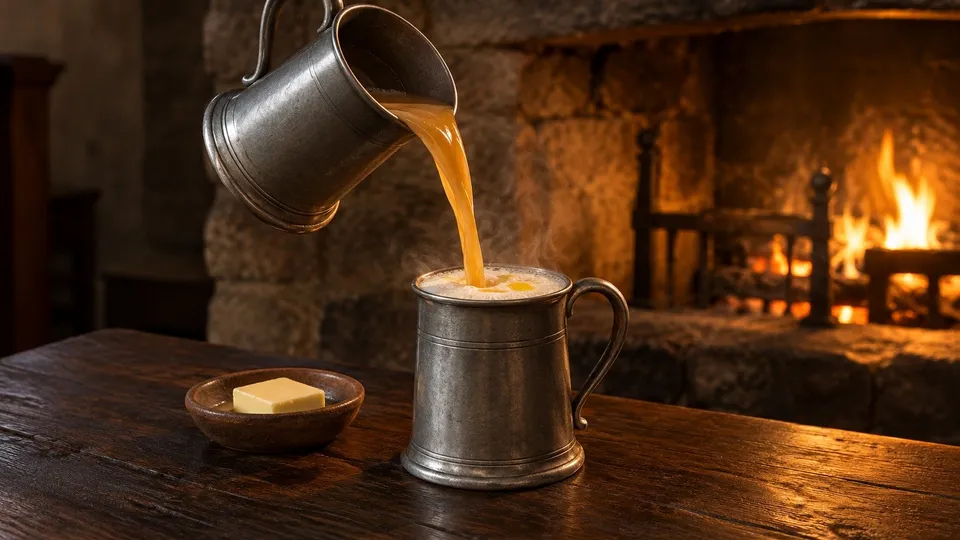
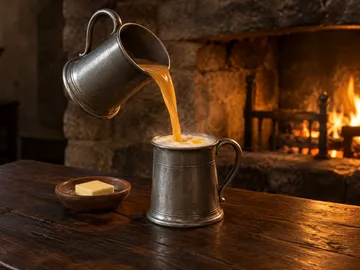
Hot beer thickened with egg yolks, sweetened, spiced with nutmeg, cloves and ginger and finished with sweet butter: buttered beer from a 1594 English cookbook.
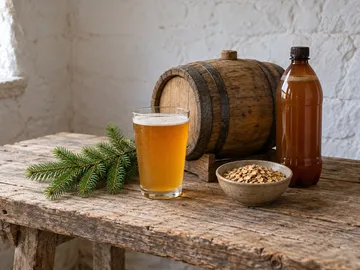
A light home-brewed beer of molasses or sugar and water, flavored with spruce and bottled after a few days’ work with yeast. It was a cheap table beer in North America and Britain, and it went to sea, where sailors believed it kept off scurvy. Most recipes made a small beer of roughly 2 percent alcohol.
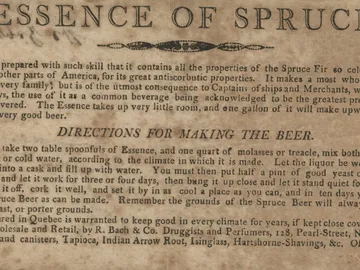 The storySpruce Beer, from Captain Cook to Jane Austen
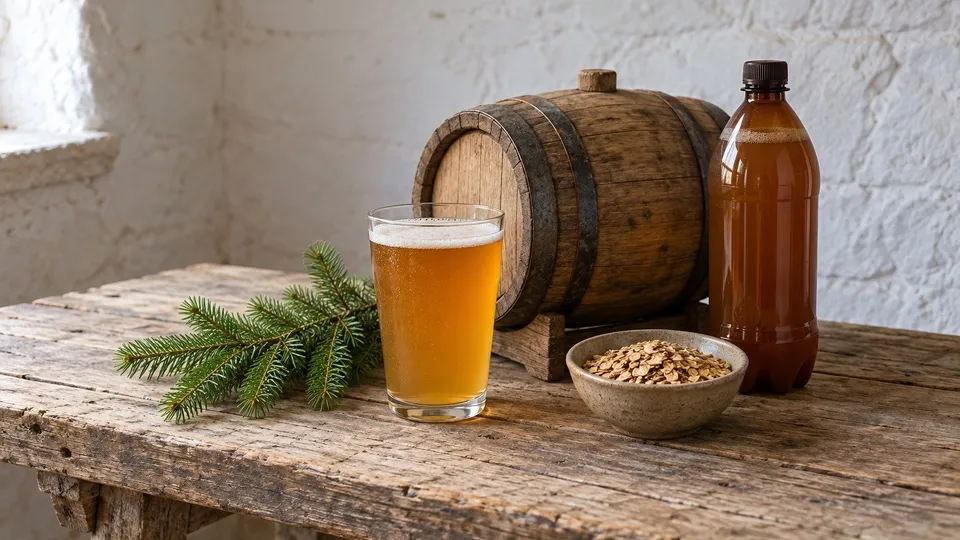
Spruce branches boiled until the bark slips, roasted oats and toast, molasses and beer yeast: spruce beer as Canada made it, printed in Paris in 1755, at one gallon.
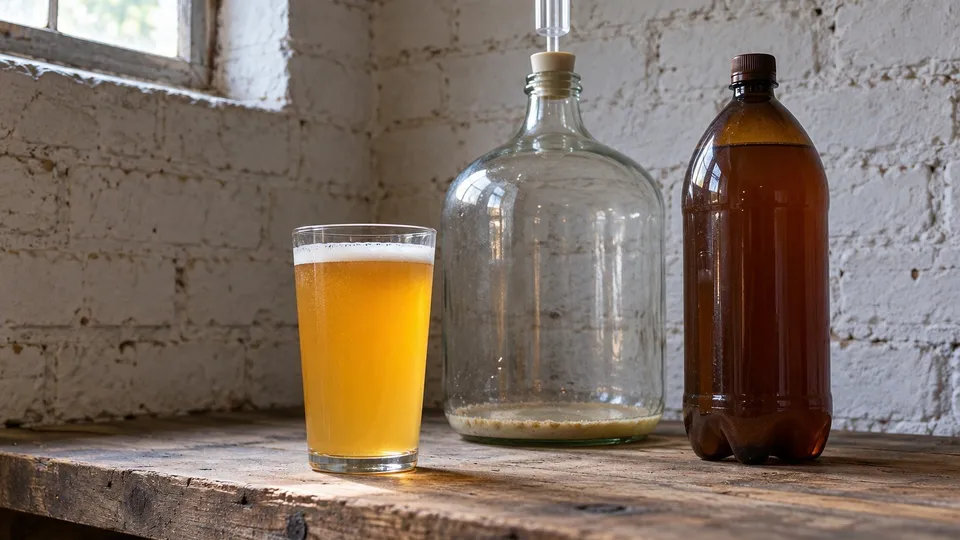
Molasses, water and essence of spruce, worked with yeast for three or four days, rested, then bottled for ten: a New York druggist’s spruce beer of about 1804, at one gallon.
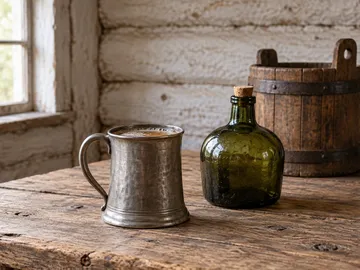
Bran and hops boiled three hours, strained onto molasses and worked a week: the small beer in the notebook George Washington kept as a Virginia colonel in 1757.
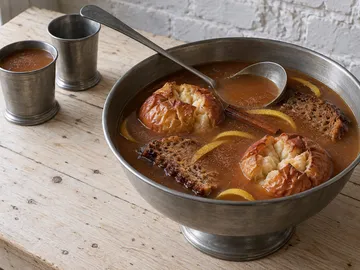
By the 1800s, hot ale with sherry, spice and lemon, with roasted apples and toast floating in the bowl. The word began as a greeting and a toast, and the bowl came to carry its name; lambswool, hot ale beaten with roasted apples, was its close relation.
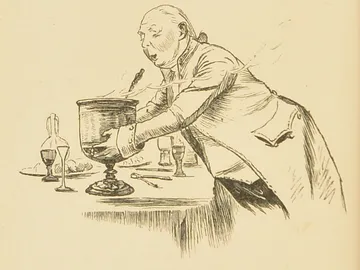 The storyWassail, from a Greeting to a Christmas Bowl
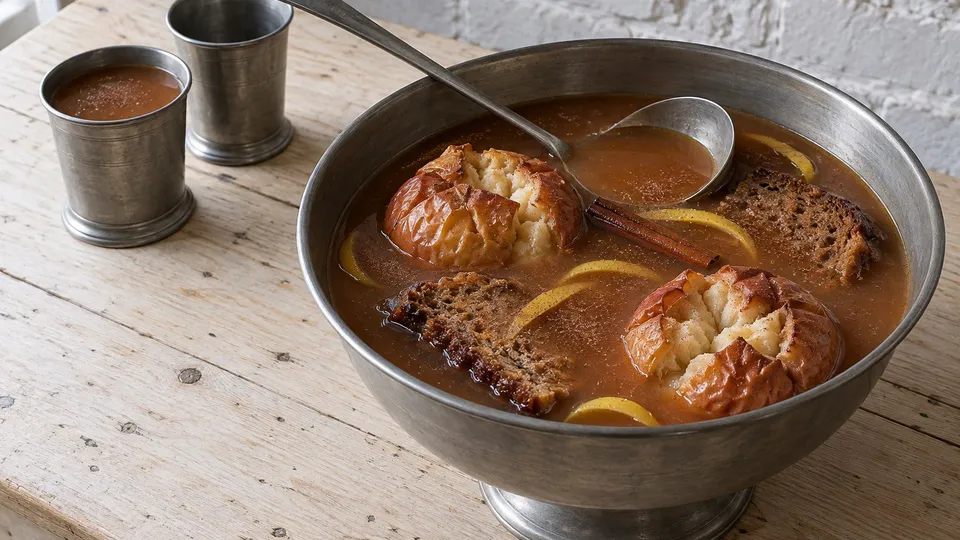
Hot ale with sherry, nutmeg, ginger, cinnamon and lemon, served with roasted apples and toast floating in the bowl: the Christmas wassail as printed in 1869.
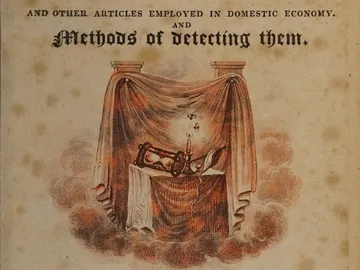
To save money and fake quality. In Regency London brewers swapped hops for quassia wood and wormwood and darkened weak porter with burnt sugar, and publicans watered the beer and faked a head with green vitriol, alum and salt. A House of Commons committee heard the evidence in 1819.
 The storyHow Was Beer Doctored?
Yes, with a 0.0% ale. Terrington’s 1869 shandy gaff of ale and ginger beer and Spencer’s 1903 ale cup poured over hot toast both work with an alcohol-free ale in place of the real one. Check the label: “alcohol-free” can still mean up to 0.5%.
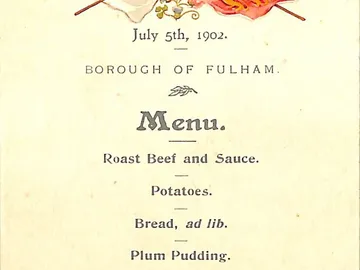 The story28,000 Gallons of Ale, 72,000 of Lemonade: The King’s Dinner of 1902
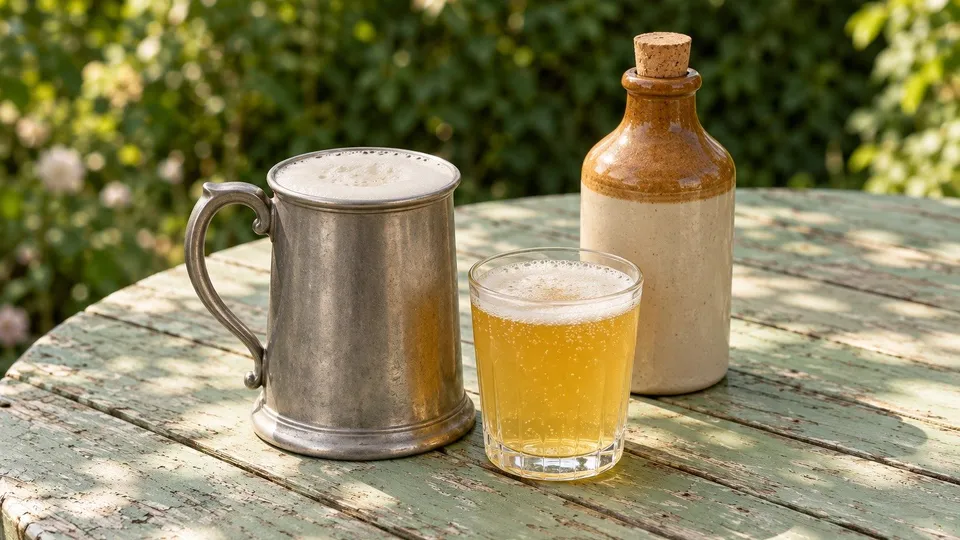
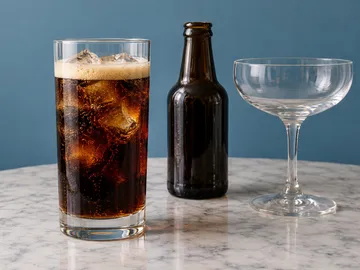
Terrington’s 1869 shandy gaff made without alcohol: a 0.0% ale topped up with ginger beer in equal parts, poured cold.
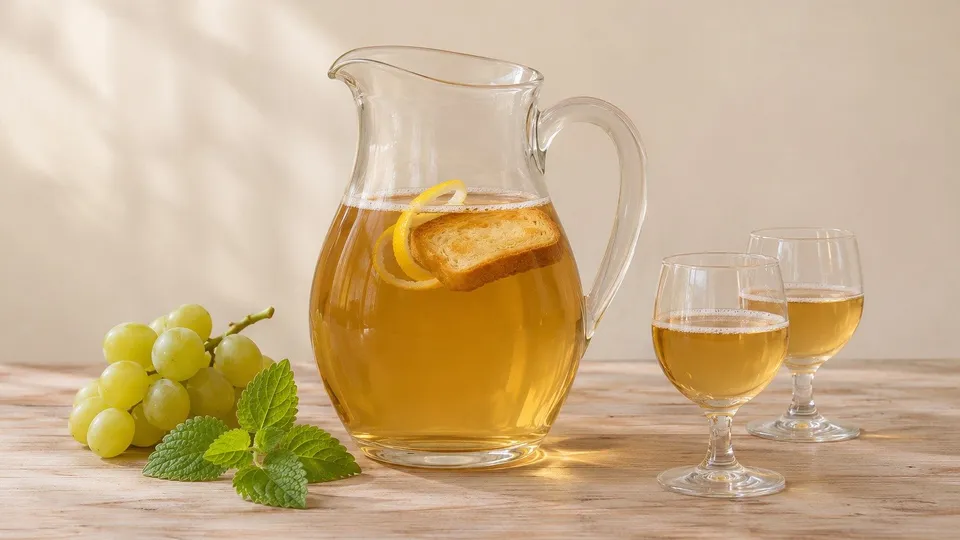
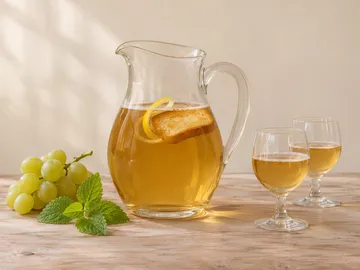
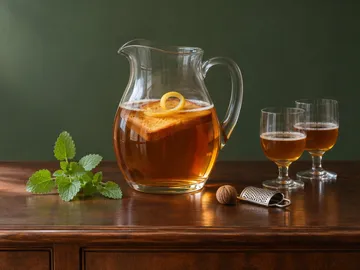
Spencer’s 1903 Ale Cup made without alcohol: a 0.0% ale and white grape juice poured cold over hot toast with lemon, sugar, nutmeg and a sprig of balm.
The full list
12 recipes in Historic Beer and Ale Recipes
Try a different ingredient or recipe name, or use Clear filters above to see the full collection.
Recipes could not be loaded. or browse this collection page without filters.
Alcohol-free version
Alcohol-free version
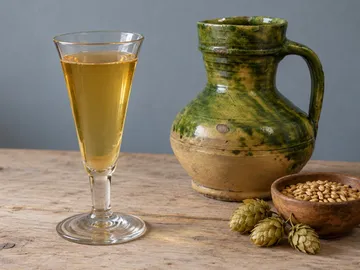
Spencer’s 1903 Ale Cup made without alcohol: a 0.0% ale and white grape juice poured cold over hot toast with lemon, sugar, nutmeg and a sprig of balm.
Terrington’s 1869 shandy gaff made without alcohol: a 0.0% ale topped up with ginger beer in equal parts, poured cold.
Malty ale stirred over low heat with beaten egg yolks until it thickens like a thin custard: the medieval caudle, made safe with a thermometer.