What Did They Drink at the First Nobel Prize Dinner?
The first Nobel banquet, in Stockholm on December 10, 1901, listed four wines: a Niersteiner, a Margaux claret, two champagnes and sherry.
The first Nobel Prize banquet, at the Grand Hôtel in Stockholm on December 10, 1901, listed four wines: a Niersteiner of 1897, Château Abbé Gorsse 1881, Champagne “Crème de Bouzy” in a sweet and an extra-dry version, and Xerez, the old name for sherry. They came with a French dinner of five courses, and the night ended, by one guest’s memory, with many toasts and a chemist carried around the room in a gold chair.
Four wines under “Vins”
The Nobel Foundation keeps a transcription of the 1901 menu, and it is in French. The food came first: “Hors d’œuvre / Suprême de barbue à la normande / Filet de bœuf à l’impériale / Gelinottes rôties, salade d’Estrée / Succès Grand Hôtel, pâtisserie.” That is brill in the Normandy style, fillet of beef, roast hazel grouse with salad, and a pastry from the hotel.
The wines are printed in their own block, headed “VINS”:
“Niersteiner 1897 / Château Abbé Gorsse 1881 / Champagne Crème de Bouzy / Doux et Extra Dry / Xerez”
Nierstein is a wine village on the Rhine in Rheinhessen, so the first wine was a Rhine white, what an English dinner would have called hock. The Foundation counts about 113 guests. We have not seen the original card, and the menu does not say which wine went with which course, so any pairing is a guess.
A twenty-year-old Margaux
The claret is the one wine on the list that can be followed to a single house. In 1897, four years before the banquet, the Bordeaux publisher Édouard Feret printed Les Vins de Médoc, and on page 64, under Margaux, he ranked “Château-de-l’Abbé-Gorsse-de-Gorsse” among the “crus bourgeois supérieurs,” a rank below the classed growths. He gave its owner as Édouard Pérès and its harvest as 50 tonneaux of red wine a year.
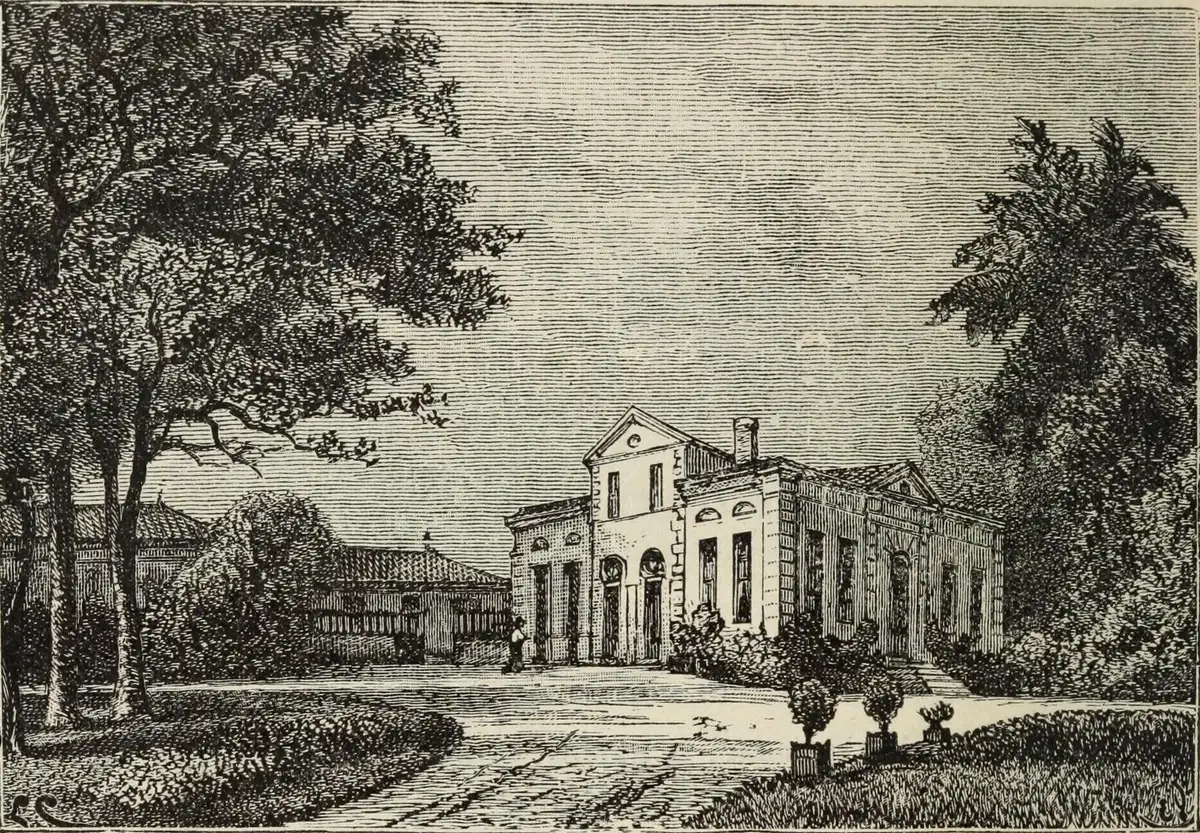
His footnote is proud of it: “Le château l’abbé Gorsse est un des crus des plus anciens et des plus renommés du Médoc. Son origine remonte au xivᵉ siècle.” In English, it is one of the oldest and most renowned growths of the Médoc, with an origin in the 14th century. Its vines, he adds, covered about 20 hectares of first-quality gravel “sur des croupes les plus élevées de Margaux,” on the highest rises of Margaux. The engraving at the top of this page is his picture of the house.
By December 1901 the 1881 vintage was twenty years old. The menu does not say who made that bottle, and we have not traced it, but the name is the Margaux estate’s.
Sweet and extra dry
The champagne came two ways, “Doux et Extra Dry,” sweet and very dry, under the same name. The menu offered both, and it does not say who took which. “Crème de Bouzy” is printed as a name, and we have not traced it to a house; Bouzy is a wine village in Champagne.
The Xerez closes the list, with no course named beside it.
Toasts and a gold chair
The best account of the evening comes from Folke Henschen, who was a student marshal at the ceremony and told the story on Swedish radio in 1975, seventy-four years later. After the prizes were handed out in the hall of the Royal Swedish Academy of Music, he remembered, the company walked the short way to the Grand Hôtel, where a banquet stood ready and even the marshals were invited. There were many toasts and a fine atmosphere. In the small hours, two of the marshals carried the Dutch chemist Jacobus van ’t Hoff, winner of the first chemistry prize, around the room in a gold chair.
It is a memory, not a record, and it says nothing about which glass anyone raised. But it is the only word we have from someone who was in the room.
A cup from the lighter wines
None of the 1901 wines can be bought now as they were, and a twenty-year-old claret is not a weeknight drink. A London book of 1869 offers a cup built from the two lightest bottles on the list. William Terrington’s Rhenish wine cup No. 5 is “Bottle of Rhenish wine, gill of dry sherry, strained juice and the rind of 1 lemon rubbed on sugar, with slice of cucumber,” iced and topped with German seltzer water. It is on our pages as the Rhenish Wine Cup with Sherry, at about 7% alcohol.
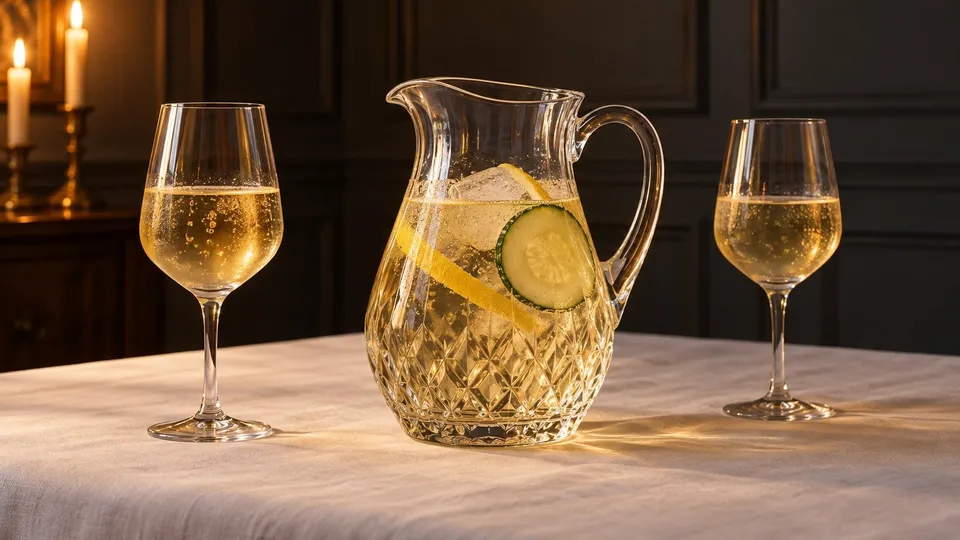 Make it todayRhenish Wine Cup with Sherry, the 1869 Hock Cup
For the claret, the Edwardian claret cup of 1906 does the same for a bottle of red. The sherry has its own famous long drink in the Sherry Cobbler, and a Champagne Cobbler shares one bottle among four glasses. The 1901 menu had no alcohol-free drink on it; for a December dinner table without wine, our suggestion is the Alcohol-Free Punch Romaine, a half-frozen grape juice course of the grand-hotel kind. Another menu card of French hotel dishes, and a quarrel over the coffee, is in Why Did Coffee Cause a Row at a 1912 Diplomatic Dinner?
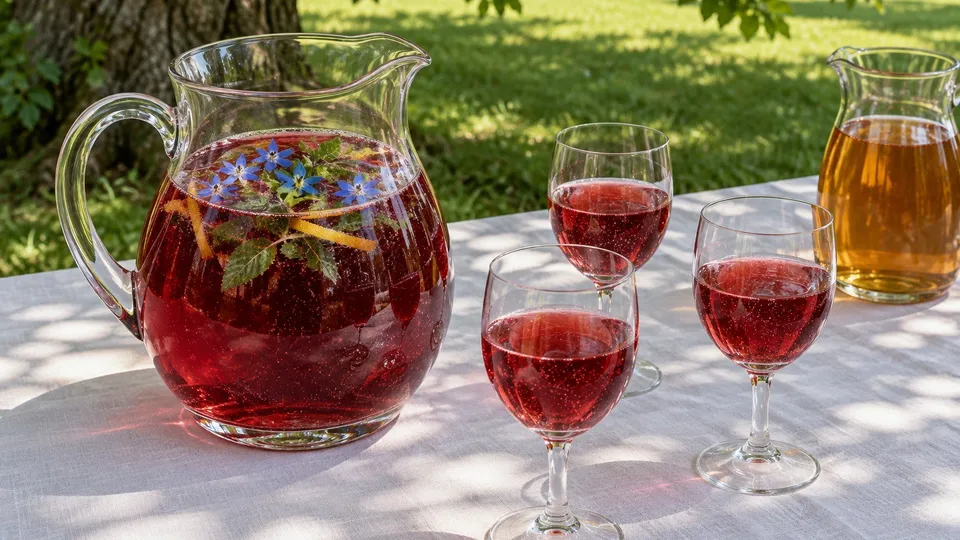 Make it todayClaret Cup, Iced Claret with Soda and Borage
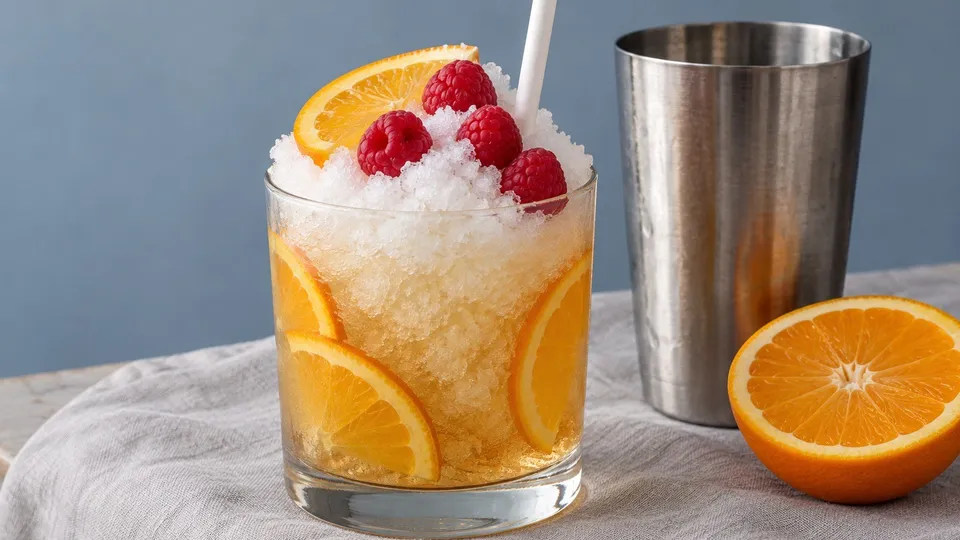 Make it todaySherry Cobbler, the 1862 Bar Recipe
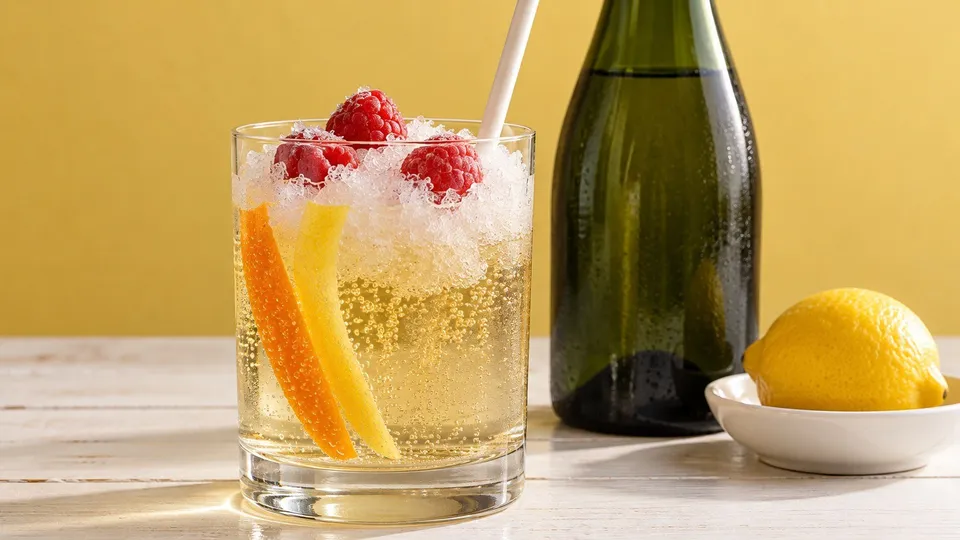 Make it todayChampagne Cobbler, a Bottle to Four Glasses
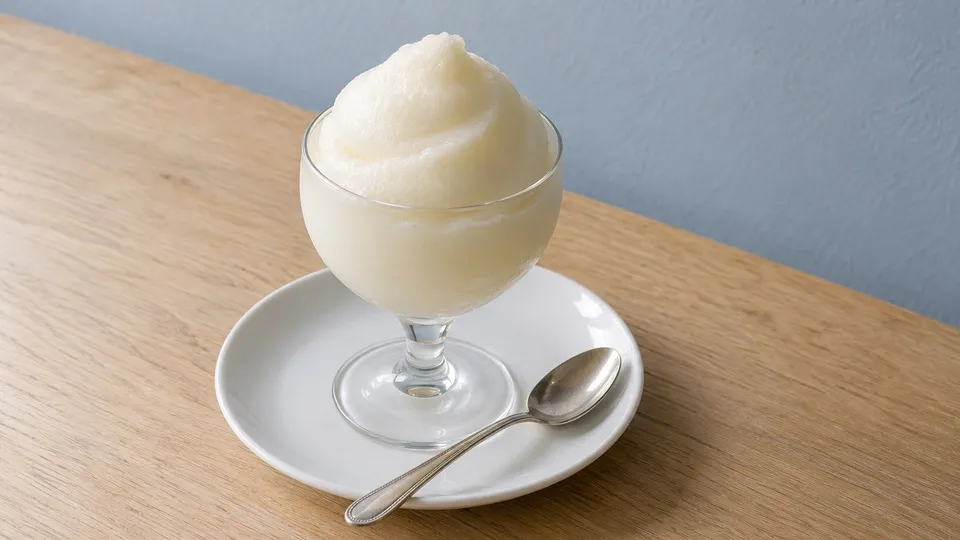 Alcohol-free versionAlcohol-Free Punch Romaine with White Grape Juice
For what was on the plate, our sister site The Forgotten Menu has the menu of the first Nobel dinner (opens in a new tab).
Sources
- Nobel Foundation, “Nobel Banquet Menu 1901,” nobelprize.org (transcription of the menu).
- Folke Henschen, “From the first Nobel Prize award ceremony, 1901,” radio memories of 1975, translated by Robert E. Savage, nobelprize.org.
- Édouard Feret, Les Vins de Médoc, illustrations by Eug. Vergez (Bordeaux: Feret & Fils, 1897), p. 64. Internet Archive.
- William Terrington, Cooling Cups and Dainty Drinks (London and New York: Routledge, 1869), pp. 175–176. Wellcome Collection copy, Internet Archive.