Digby’s Weak Hydromel, a Light Mead of 1669
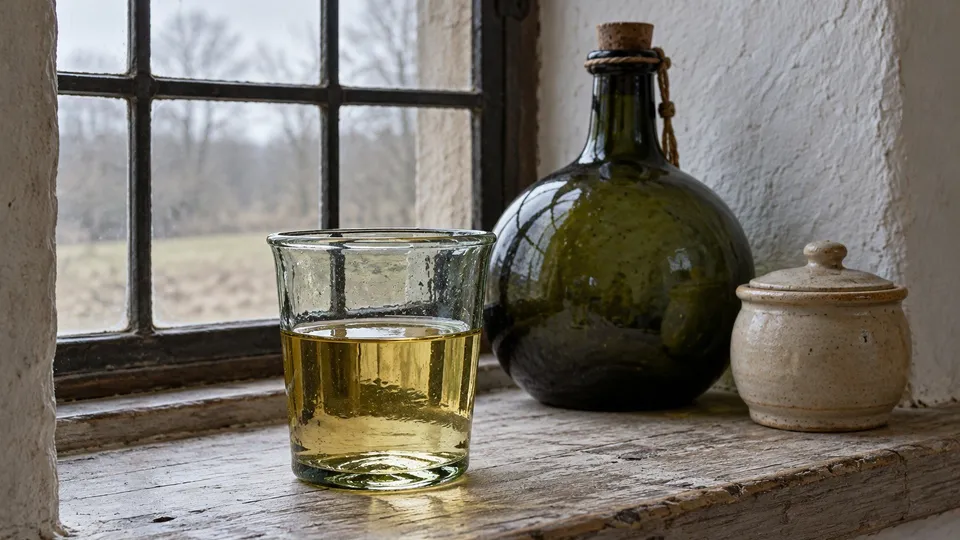
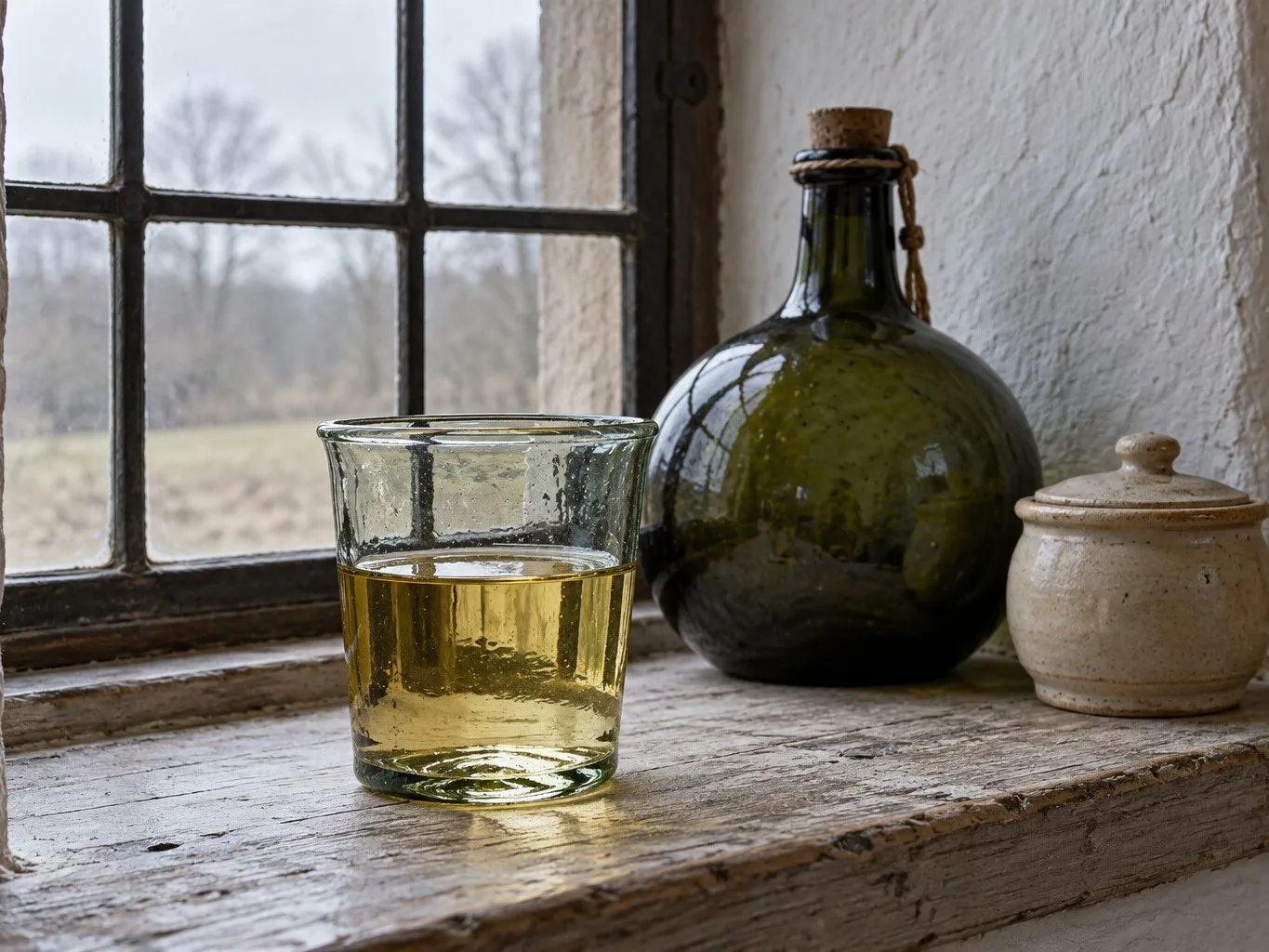
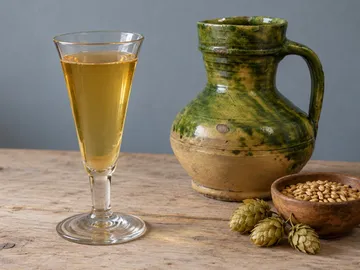
A gallon of light, gingery mead at about 4.4% ABV: one part honey to eighteen of water, boiled an hour with ginger, clove and rosemary, from Digby’s 1669 book.
Drinks by theme
Mead recipes from Digby’s 1669 book: a weak hydromel for the Queen Mother, Gower’s herb metheglin, a warm morning cup and an alcohol-free honey water.
Updated
Make it today
A gallon of light, gingery mead at about 4.4% ABV: one part honey to eighteen of water, boiled an hour with ginger, clove and rosemary, from Digby’s 1669 book.
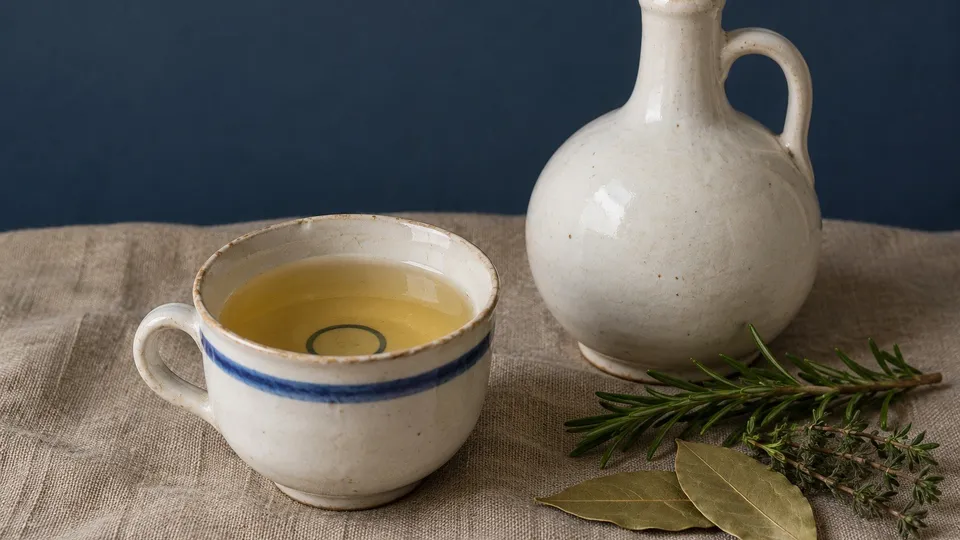
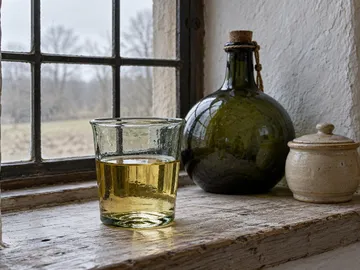
Honey stirred into a decoction of rosemary, bay, thyme and marjoram, boiled slowly, skimmed clear and fermented: Sir Thomas Gower’s pale metheglin from Digby’s 1669 book, at about 8% ABV.
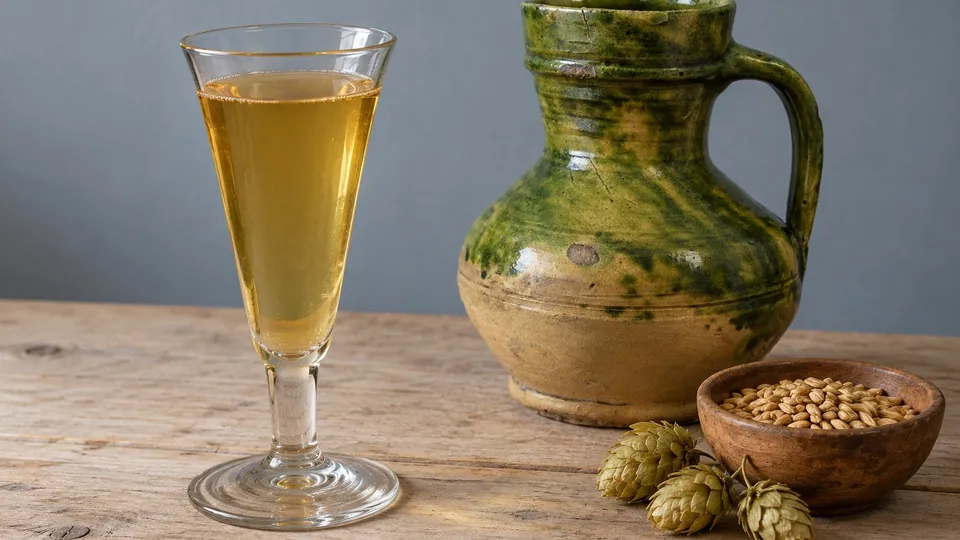
A very small ale with a gallon of honey to every eight, worked with yeast and left three months: Sir Thomas Gower’s everyday drink from Digby’s 1669 book, at about 8% ABV.
All three are honey fermented in water, and in Sir Kenelm Digby’s The Closet of the Eminently Learned Sir Kenelme Digby Kt. Opened, printed in London in 1669, four years after his death, the names overlap. His weak hydromel boils with ginger, cloves and rosemary, and the metheglins he collected carry herbs by the handful.
Strength was the brewer’s choice. Digby’s weak hydromel takes one part honey to eighteen of water and ferments out at about 4.4% ABV by our arithmetic, the strength of an ordinary beer. Sir Thomas Gower let the drinker pick anything from a third to a sixth part honey, “according as you would have it strong, and soon ready.”
Every recipe here comes from Digby’s book, and one stops before the yeast goes in, for a spiced honey water with no alcohol.
Thus was the Hydromel made that I gave the Queen, which was exceedingly liked by every body.
Anything from ordinary beer to strong ale. By our arithmetic from the honey in each recipe, Digby’s weak hydromel comes out at about 4.4% ABV, and Gower’s metheglin and his honeyed small ale at about 8%.
Some did. Digby’s recipe for Mr. Pierce’s white metheglin ends with two ways to take it early: a large draught with toast when dinner would be late, or a pint warmed with an egg yolk and fresh butter, to “drink it warm in the morning fasting.”
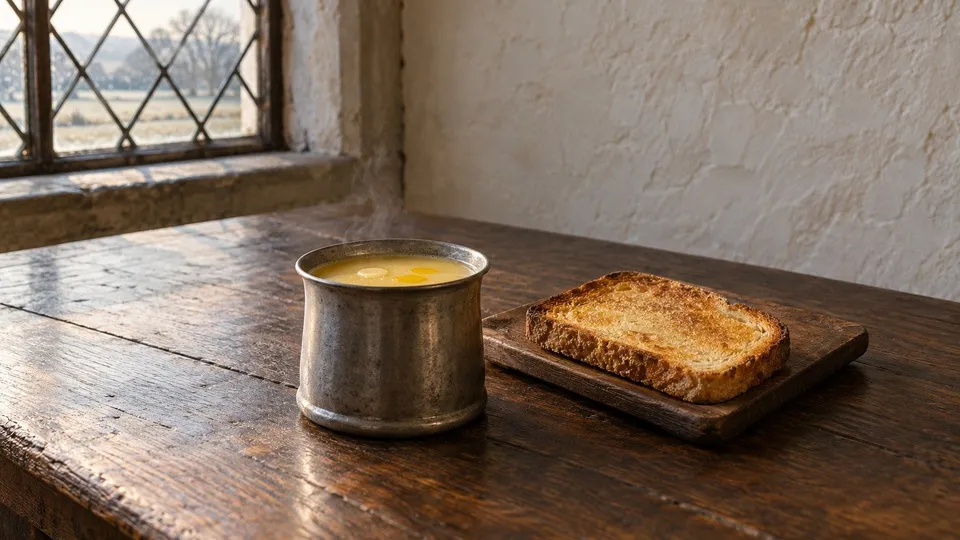
Mead warmed gently with an egg yolk and a knob of fresh butter, drunk hot first thing: a morning cup from Sir Kenelm Digby’s 1669 book, at about 10% ABV.
Stop before the yeast. Digby’s weak hydromel is honey boiled an hour in water with ginger, cloves and rosemary, and taken off and chilled at that point it is a lightly sweet, spiced honey water with no alcohol in it.
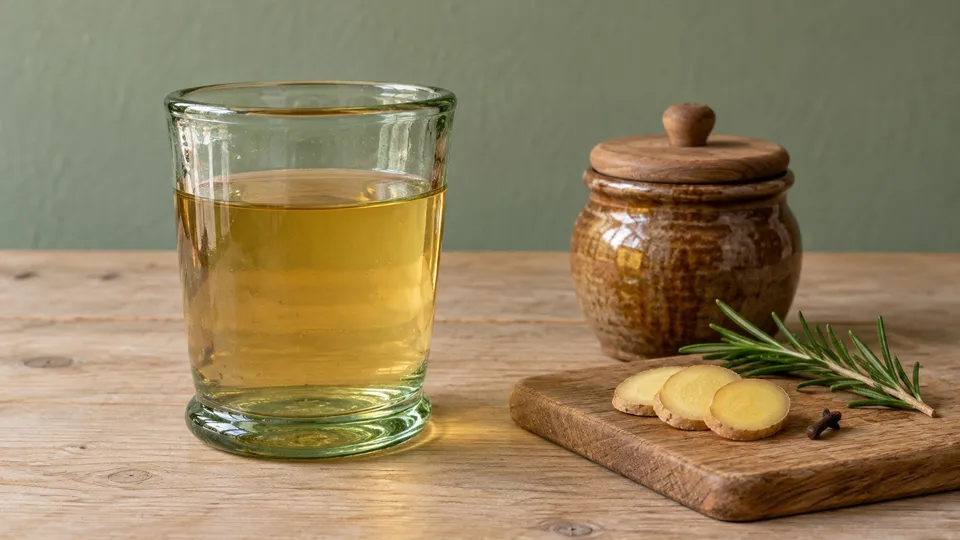
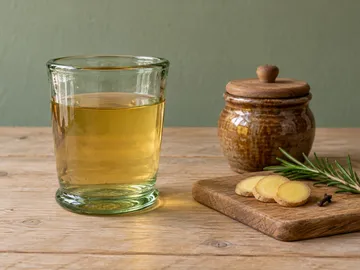
Honey simmered in water with ginger, a clove and rosemary, then chilled: Sir Kenelm Digby’s weak 1669 mead, stopped before the yeast goes in.
In their poems, mostly. Norse verse gives mead to gods and poets, while the drink at every feast was ale, and nobody in the Norse world wrote a mead recipe down.
Ale, mead, milk and whey in the Norse world are in What Did the Vikings Drink?.
The full list
5 recipes in Mead Recipes From History: Hydromel, Metheglin and Spiced Honey Water
Try a different ingredient or recipe name, or use Clear filters above to see the full collection.
Recipes could not be loaded. or browse this collection page without filters.
Alcohol-free version
A gallon of light, gingery mead at about 4.4% ABV: one part honey to eighteen of water, boiled an hour with ginger, clove and rosemary, from Digby’s 1669 book.
Honey stirred into a decoction of rosemary, bay, thyme and marjoram, boiled slowly, skimmed clear and fermented: Sir Thomas Gower’s pale metheglin from Digby’s 1669 book, at about 8% ABV.
A very small ale with a gallon of honey to every eight, worked with yeast and left three months: Sir Thomas Gower’s everyday drink from Digby’s 1669 book, at about 8% ABV.