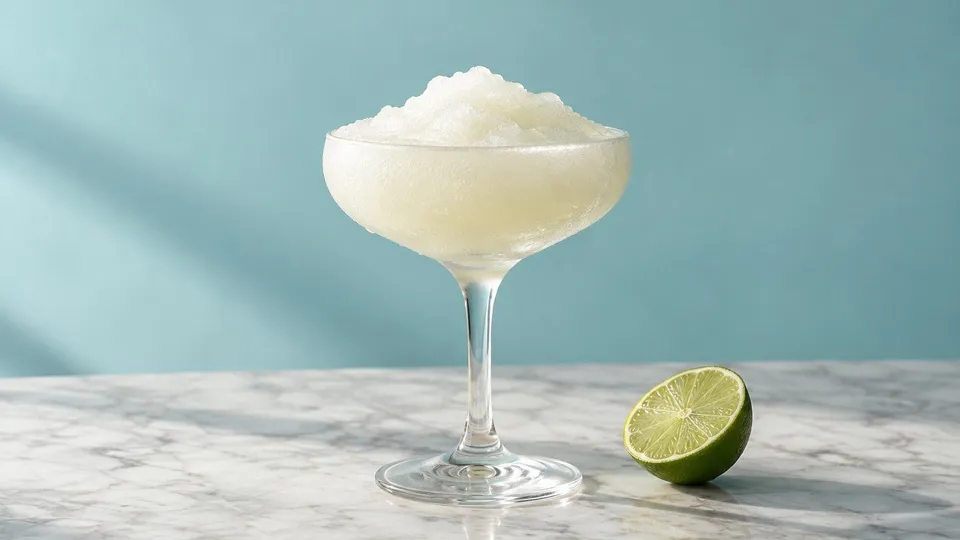
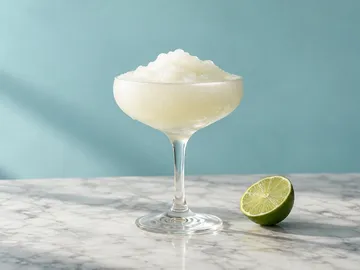
Daiquirí No. 4, the Floridita’s Frozen Daiquiri with Maraschino, 1939
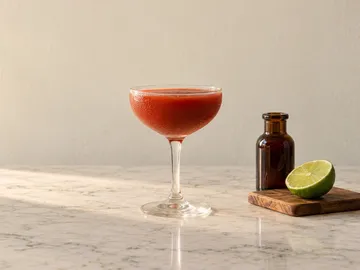
Gold rum, a teaspoon each of sugar and maraschino and half a lime, whizzed with snow-fine ice and served frappé: the Daiquirí No. 4 of Havana’s Bar La Florida, printed in 1939.
Drinks by theme
1930s drinks from the decade’s own books and radio scripts: the Depression’s tomato juice cocktail, repeal’s cocktails, Havana’s frozen daiquiri and Campari.
Updated
Make it today
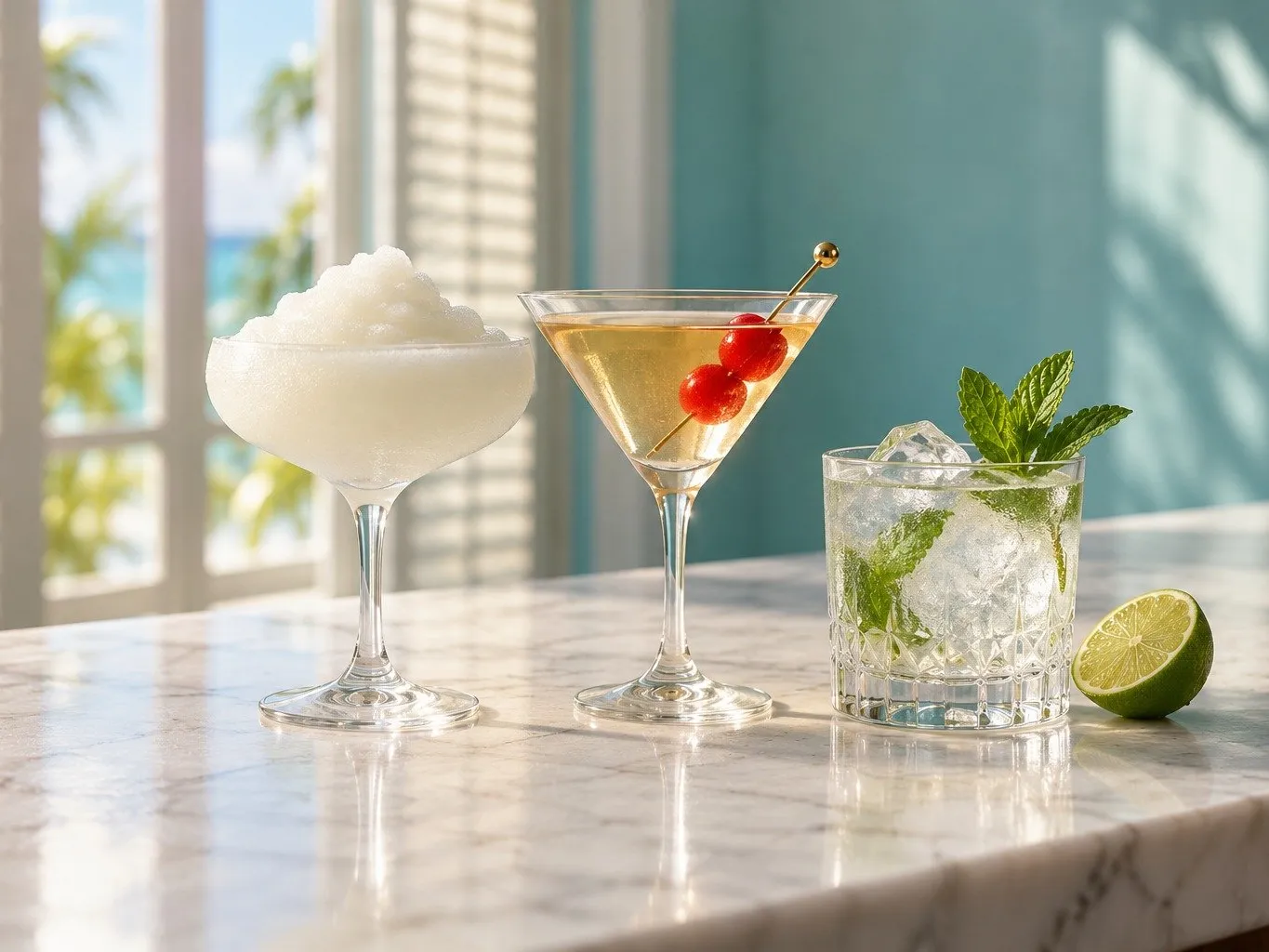
Gold rum, a teaspoon each of sugar and maraschino and half a lime, whizzed with snow-fine ice and served frappé: the Daiquirí No. 4 of Havana’s Bar La Florida, printed in 1939.
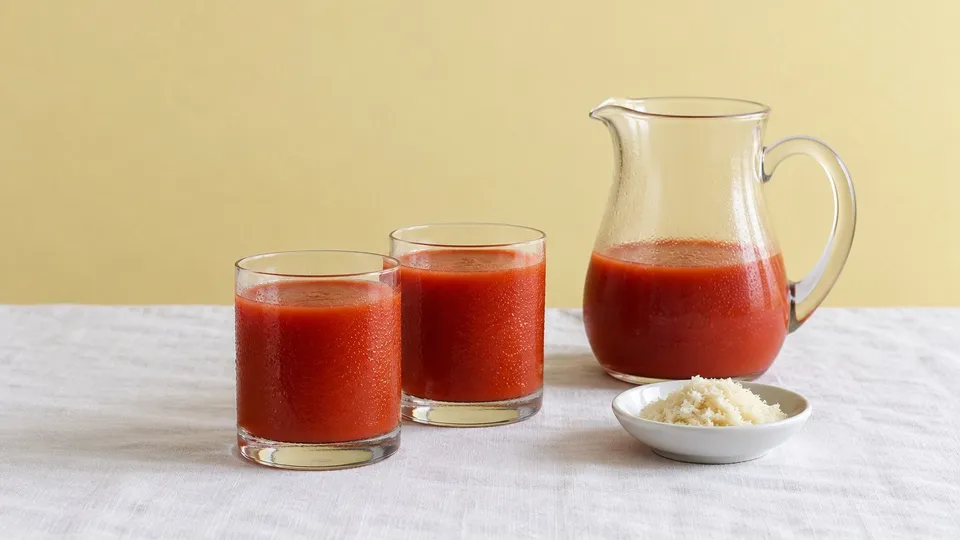
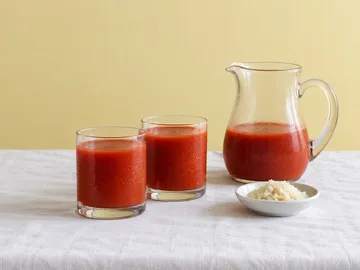
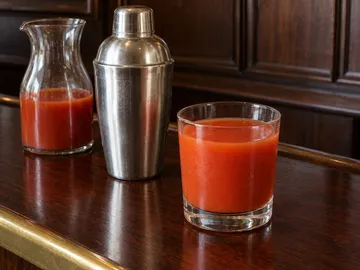
Chilled tomato juice with salt, horseradish and a little sugar: the alcohol-free tomato juice cocktail that a Washington hotel said it served more than any other recipe on its menu in 1930.
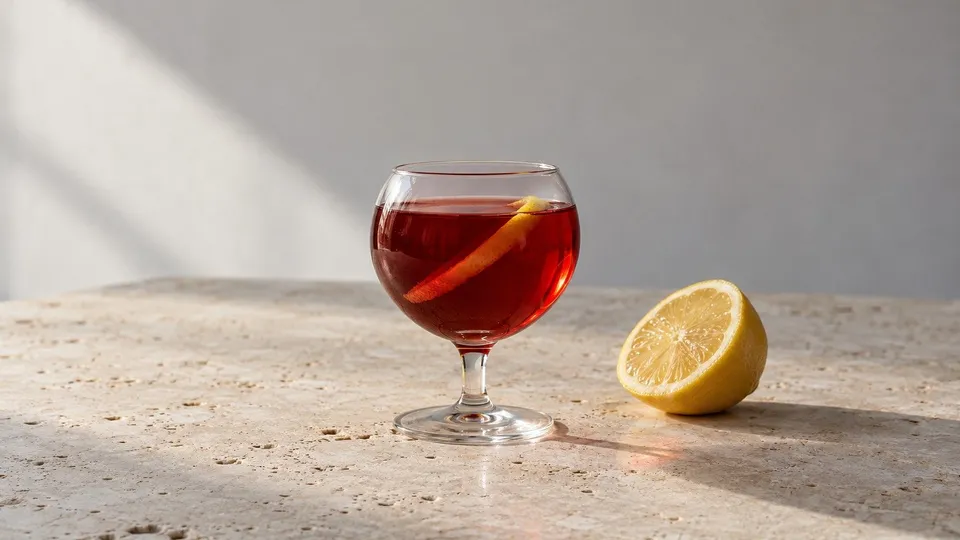
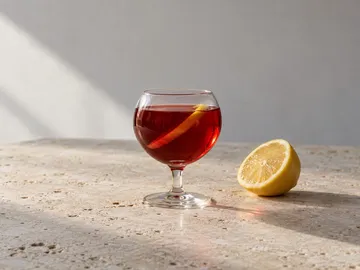
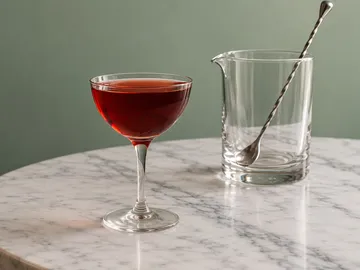
Half Turin vermouth, four tenths Campari and one tenth Piedmont grappa, shaken and served with lemon peel: a Lugano bartender’s own Milano-Torino of 1936, a cousin of the Negroni.
In the United States the decade began dry and short of money, and its new drink was a small glass of chilled tomato juice served as a first course, with no spirit in it. National Prohibition ended on December 5, 1933, and cocktails came back to American tables, many of them first printed in London. Abroad, a bar in Havana and a bartender in Lugano printed books of their own.
The Depression’s drink came from the canner. A USDA radio script of August 1934 said tomato juice had been canned “in very small amounts” before 1928 and had since “become a national drink,” with the most spectacular rise in sales “of any food product during the depression.” A 1936 script gave the pack as 4 million cases in 1933 and 8 million in 1935. The Department’s own recipes were for the home kitchen: Aunt Sammy’s tomato cocktail of 1931, cooked from fresh tomatoes with celery and green pepper, and a 1934 juice pressed through a sieve and seasoned at the table.
Repeal came in the last weeks of 1933, and the trade was ready. Hollywood Cocktails, a booklet from a greeting card firm, was printed on November 29, December 9 and December 20 of that year, under the line “(Whenever it Becomes Legal to Serve).” Most of its recipes were the Savoy Cocktail Book’s of 1930, renamed for Hollywood places, and repeal left each state to make its own rules about serving.
Prohibition had sent Americans to Havana to drink. The city’s Bar La Florida recalled that in “the dry era” magazines called it and the American Bar in Paris the cocktail’s “most sacred temples,” and a United Press reporter found in 1937 “that drinking was Cuba’s National Sport.” The bar printed its recipes in 1939, the frozen Daiquirí No. 4 among them. In Lugano, Elvezio Grassi’s 1000 misture of 1936 mixed Campari with Turin vermouth and cognac, and gave soda-water thirst-quenchers for hot days.
The decade’s best-known new drink came at its end. In November and December 1939, New York columnists described a Bloody Mary of half tomato juice and half vodka, and the same year Bar La Florida printed a Mary Rose of vodka and tomato juice with Worcestershire and lime. Each recipe here comes from a book, newspaper or government script of the 1930s, named on its own page.
It has passed the fad stage and become a national drink.
Tomato juice above all, chilled, seasoned and served before dinner as a first course. The USDA taught it on the radio, and a Washington hotel said in 1930 that its tomato juice cocktail was served more than any other recipe on its menu. Every drink in this group is alcohol-free.
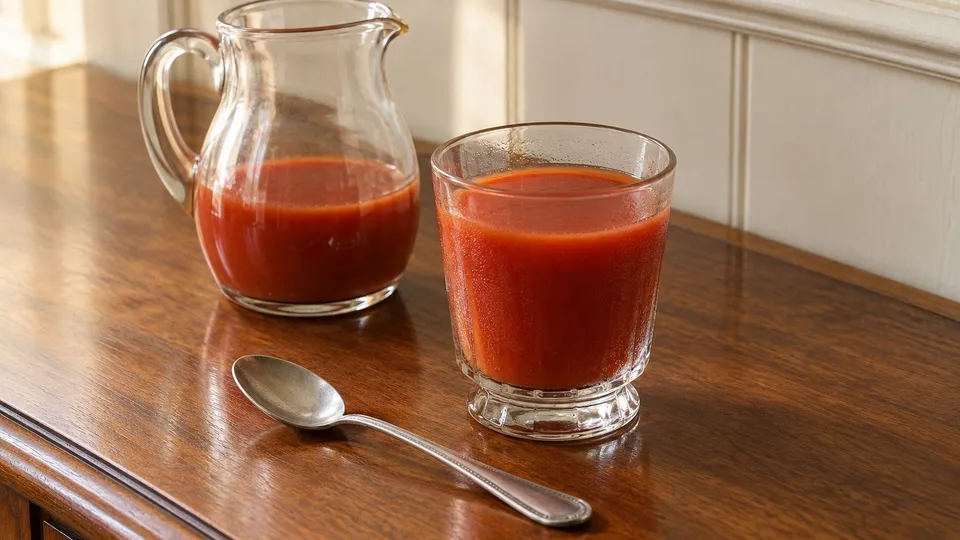
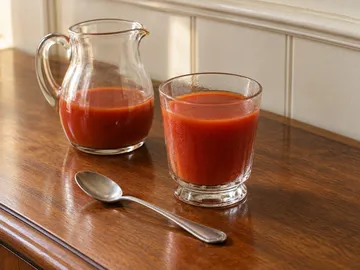
Fresh tomatoes cooked with celery and green pepper, sieved, then sharpened with catsup, onion and horseradish and chilled: the USDA’s 1931 first course in a small glass.
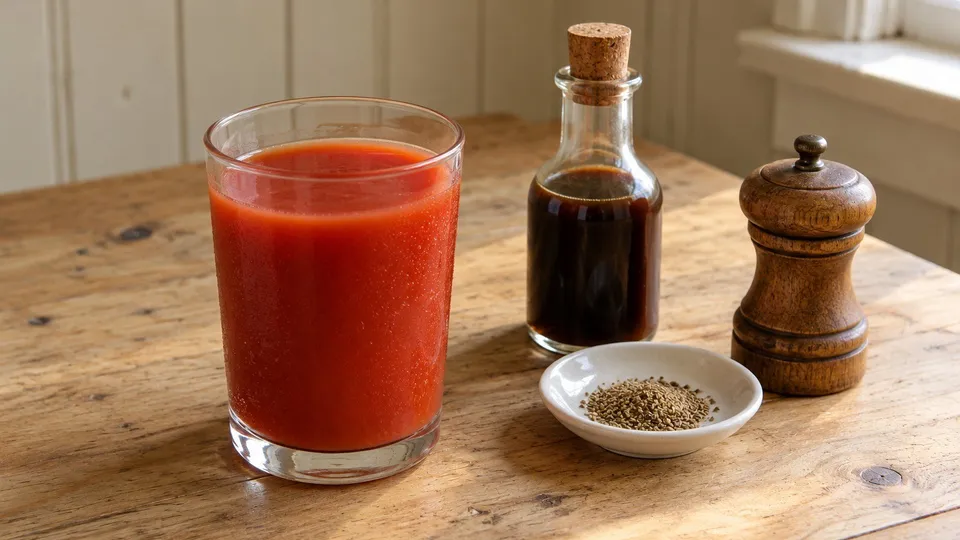
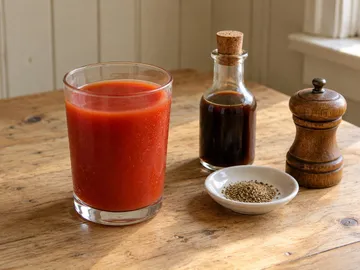
Ripe tomatoes simmered soft, pressed through a sieve and lightly salted, then seasoned glass by glass from the USDA’s 1934 list: Worcestershire, Tabasco, celery seed and more.
Mostly London’s, under new names. Hollywood Cocktails took recipes from the Savoy Cocktail Book and printed them under drawings of star haunts, and by the end of the decade New York had the Bloody Mary.
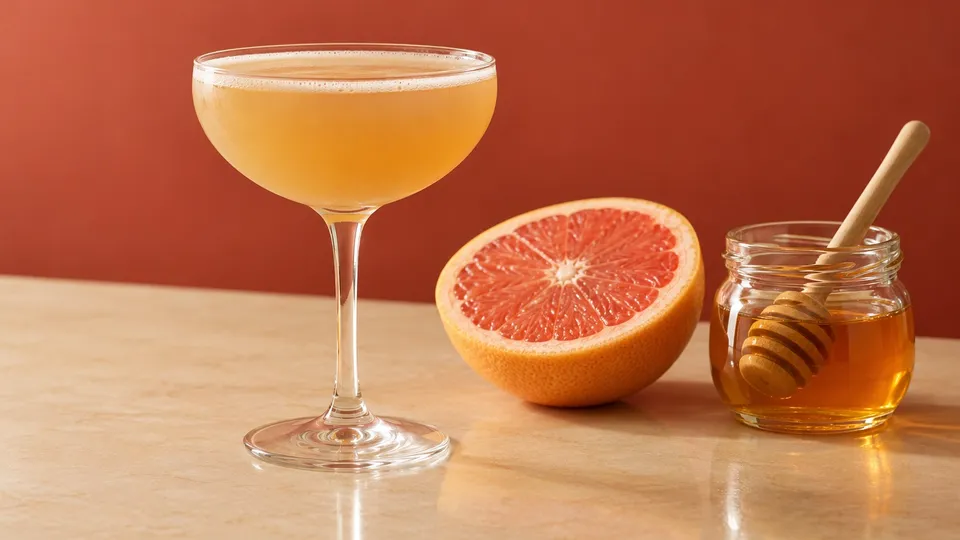
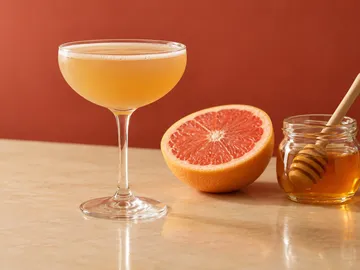
Half whisky, a quarter grapefruit juice and a quarter honey, shaken: the Brown Derby as Hollywood Cocktails printed it in 1933, the same drink the Savoy Cocktail Book had called the De Rigueur.
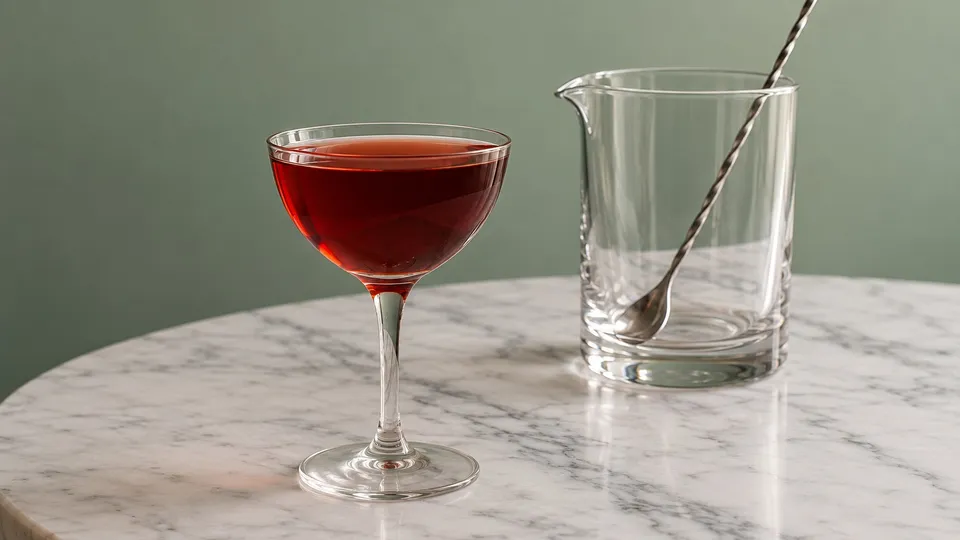
Dubonnet, gin and French vermouth in thirds, with a little more Dubonnet and a little less vermouth: the Vendome Cocktail from Hollywood Cocktails, 1933, the Savoy’s Salomé under a Hollywood name.
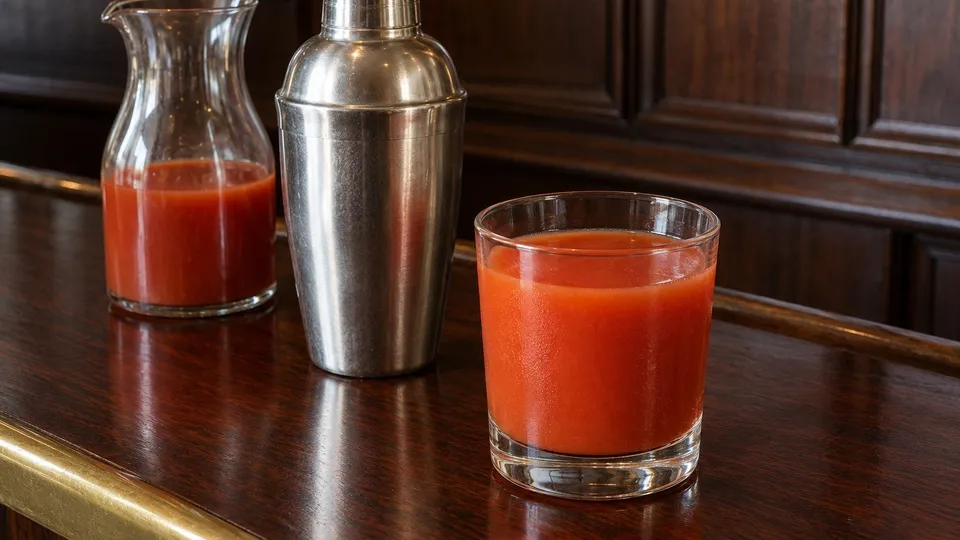
Half tomato juice and half vodka, shaken cold: the Bloody Mary as New York’s columnists first described it in 1939, before salt, pepper and Worcestershire went in.
Rum frozen with snow-fine ice, rum stirred with vermouth, and cognac drinks named for people, all from the 1939 booklet of Bar La Florida, where a reporter found “the cocktail king of Cuba.”
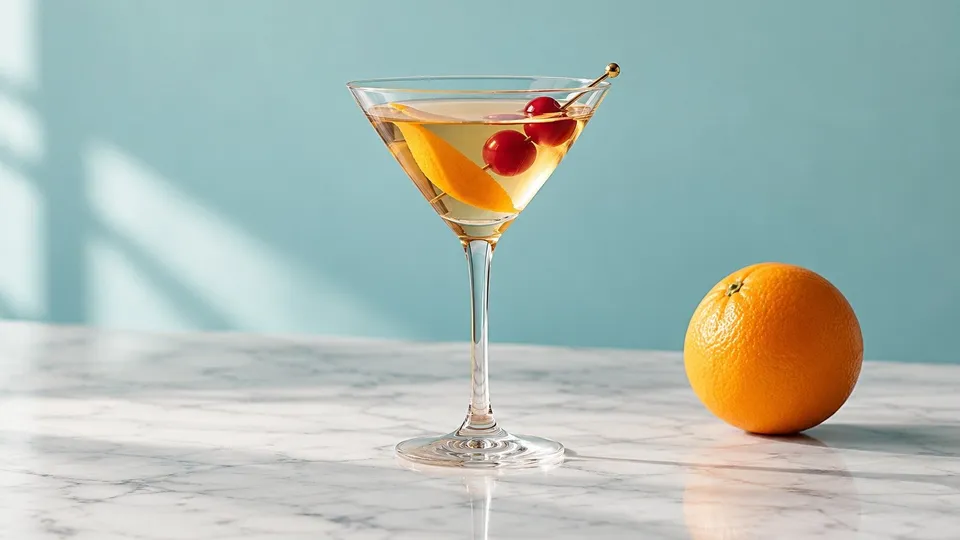
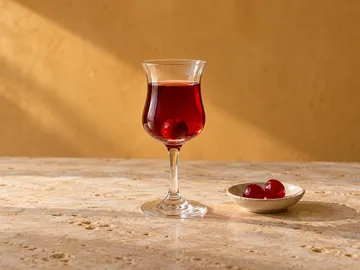
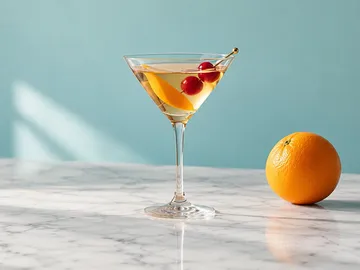
Vermouth and gold rum, three parts to two, stirred cold with half a teaspoon of curaçao and served with cherries and orange peel: the Presidente of Havana’s Bar La Florida, printed in 1939.
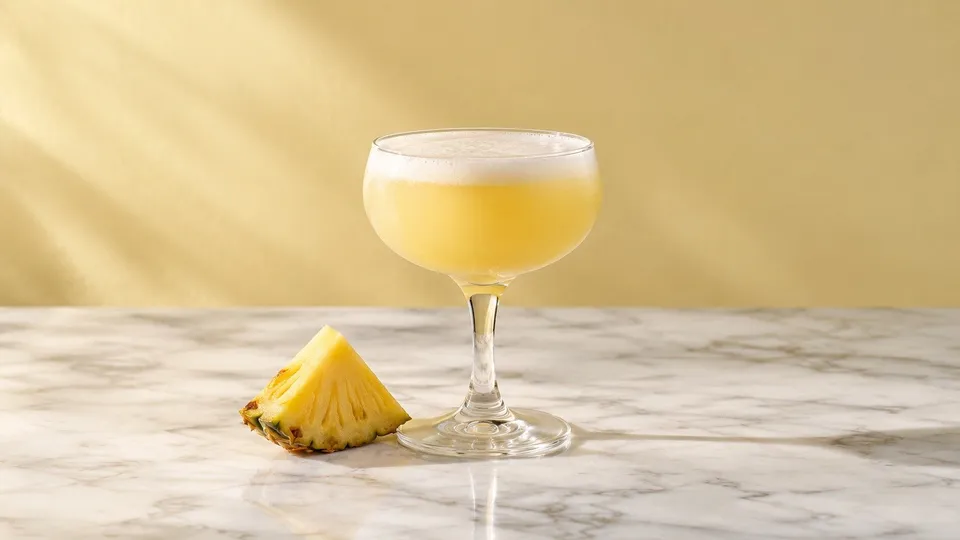
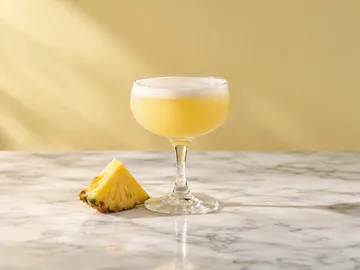
Equal parts Cuban rum and pineapple juice with a teaspoon of sugar, shaken well and strained into a cocktail glass: the Havana Special of the city’s Bar La Florida, printed in 1939.
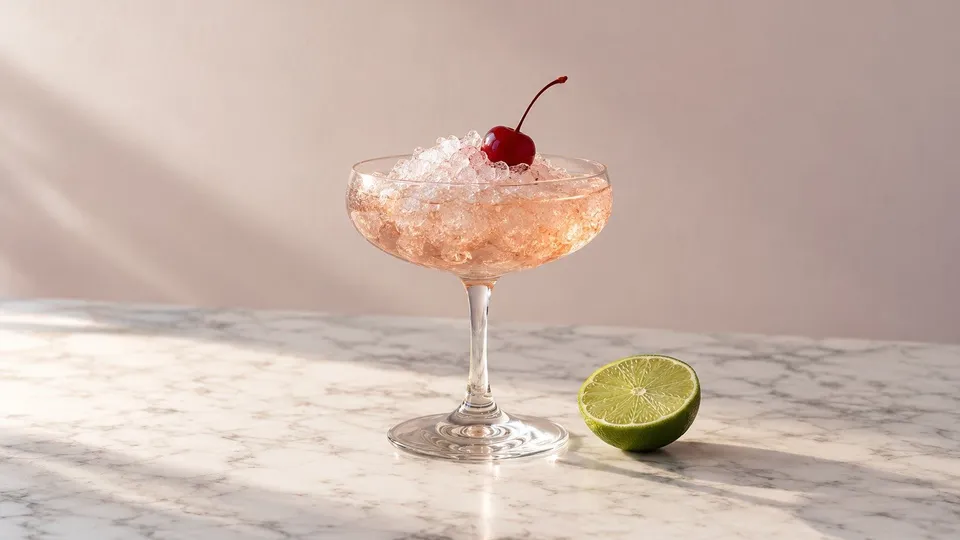
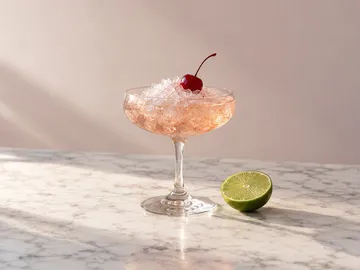
Two ounces of cognac with a teaspoon of grenadine and half a lime, served frappé with a cherry: a daiquiri-style brandy drink from Havana’s Bar La Florida, printed in 1939.
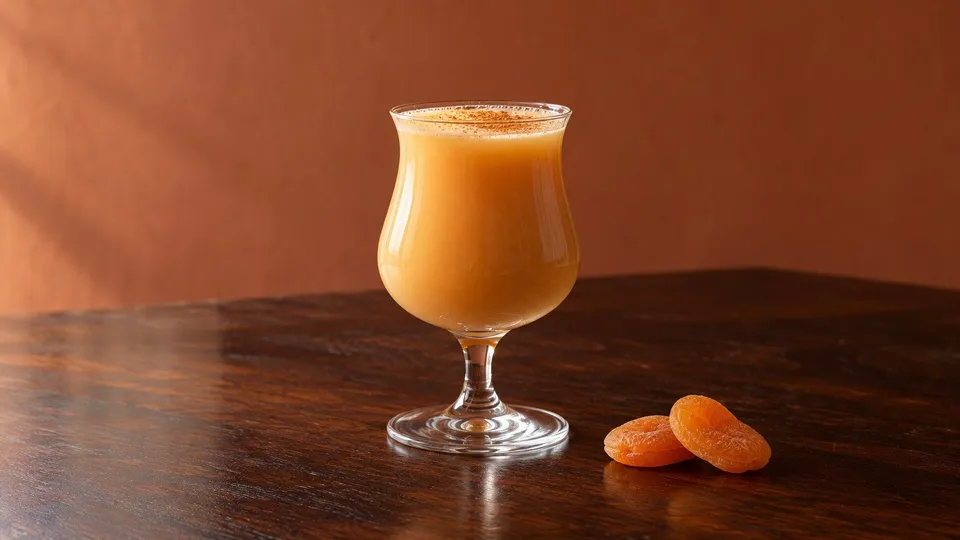
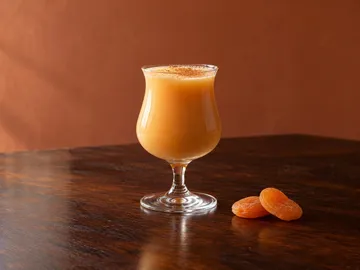
Cognac, port and apricot brandy shaken with sugar, lemon peel and an egg yolk, strained and dusted with cinnamon: the Josephine Baker of Havana’s Bar La Florida, printed in 1939.
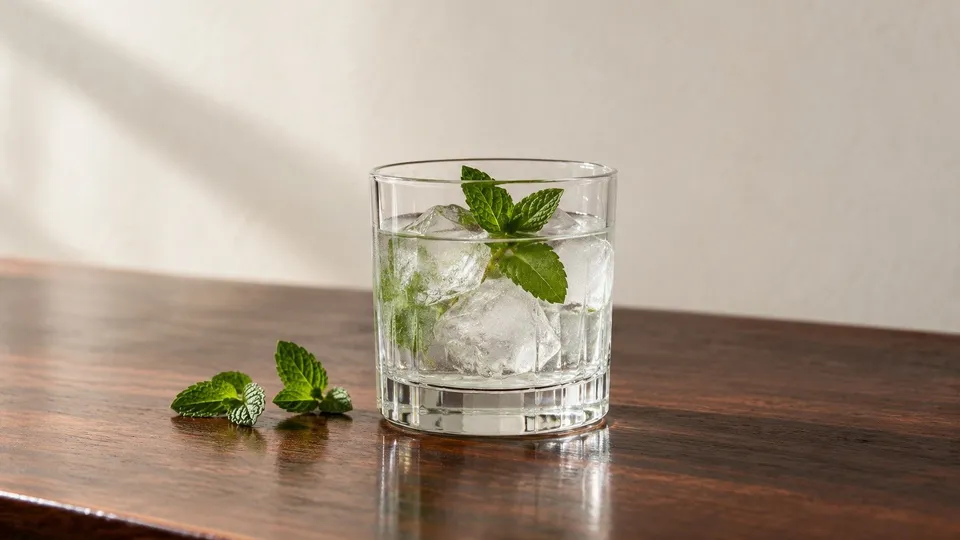
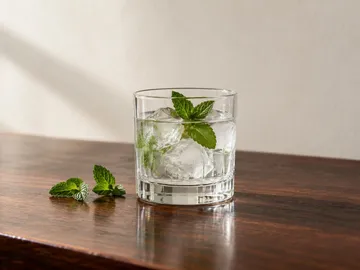
Gin with a sprig of mint, a dash of Angostura, a teaspoon each of sugar and curaçao, served unstrained: the ‘mixed gin’ Havana’s Bar La Florida traced to its corner tavern of 1819 and printed in 1939.
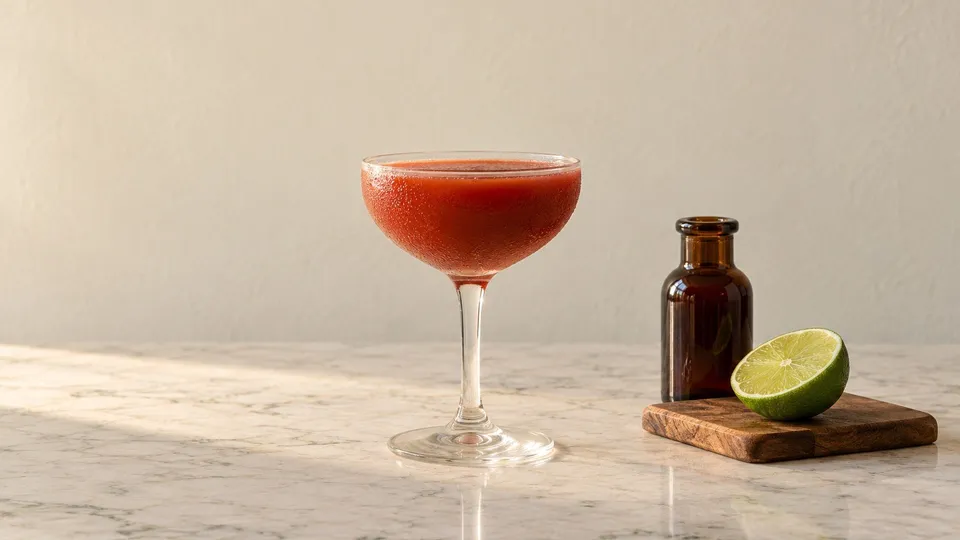
Vodka and tomato juice in equal parts with Worcestershire sauce and lime, shaken: the Mary Rose of Havana’s Bar La Florida, printed in 1939 under another name than Bloody Mary.
Campari and Turin vermouth, in Lugano at least, where Elvezio Grassi printed 1000 misture in 1936: a cocktail named for the Duke of Bergamo with his written permission, a shaken Milano-Torino, and long soda-water drinks for hot days.
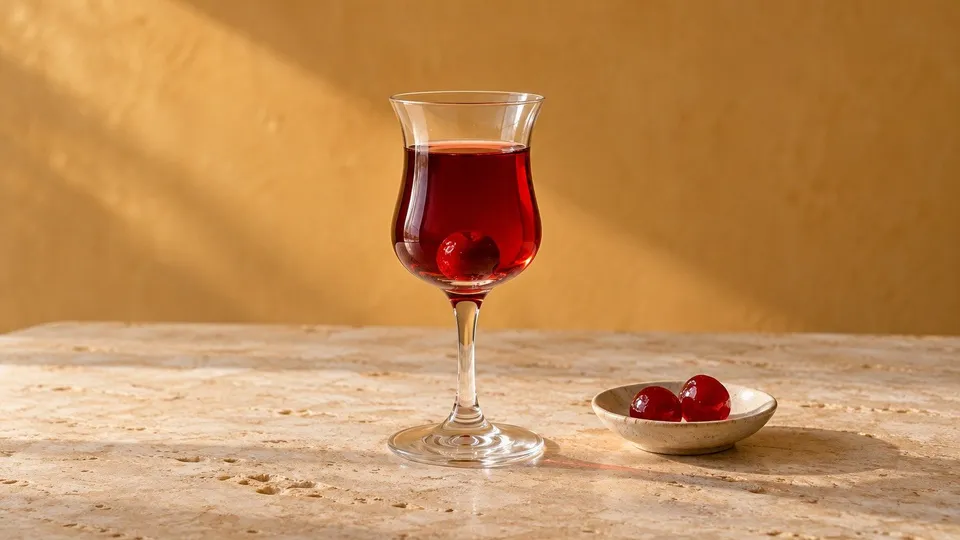
Lemon, Campari, Campari’s sweet cordial and old cognac, shaken and served with a candied cherry: a Lugano bartender’s cocktail, named for the Duke of Bergamo with his written permission in 1935.
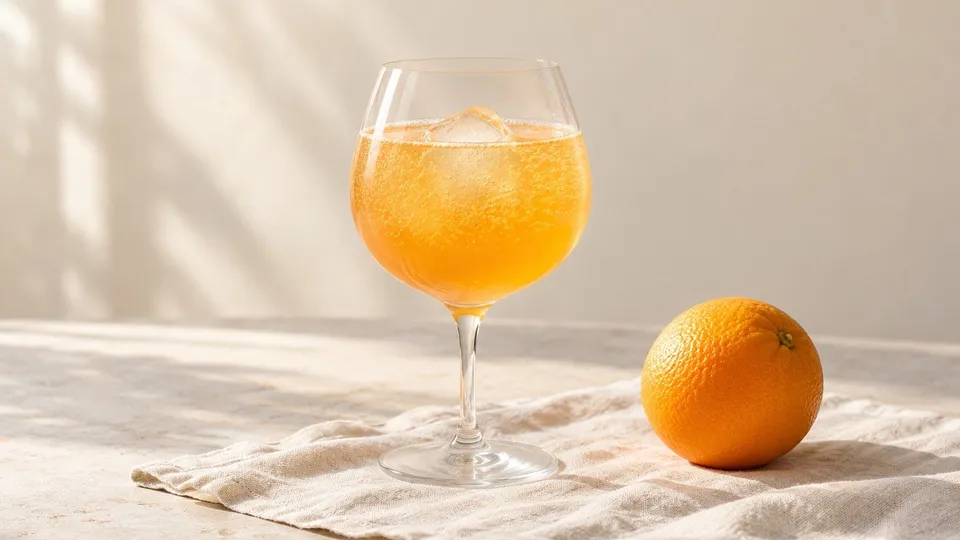
Orange juice, a spoon of sugar and soda water with a tenth part anisette, stirred in a balloon glass over one piece of ice: an Italian thirst-quencher of 1936, light on alcohol.
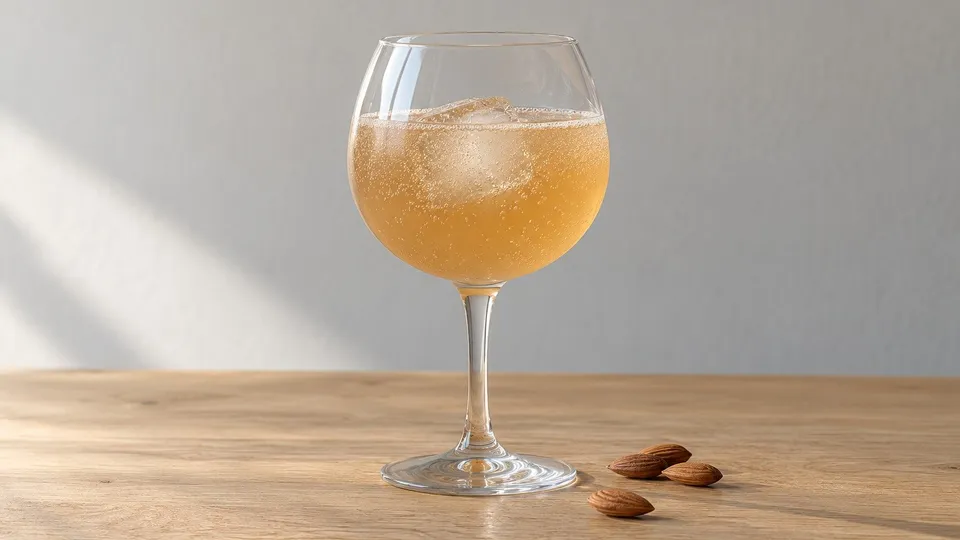
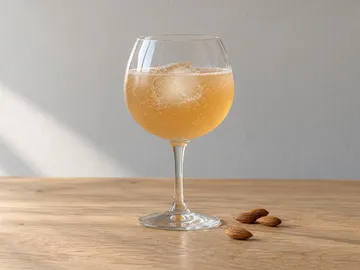
Almond orgeat syrup and tamarind syrup topped with soda water over one piece of ice: an alcohol-free Italian thirst-quencher a Lugano bartender printed in 1936.
Tomato juice cocktails from American kitchens and hotels, an Italian soda of orgeat and tamarind syrups, and the four-cent coffee-shop kopi of 1933 Singapore, poured over condensed milk.
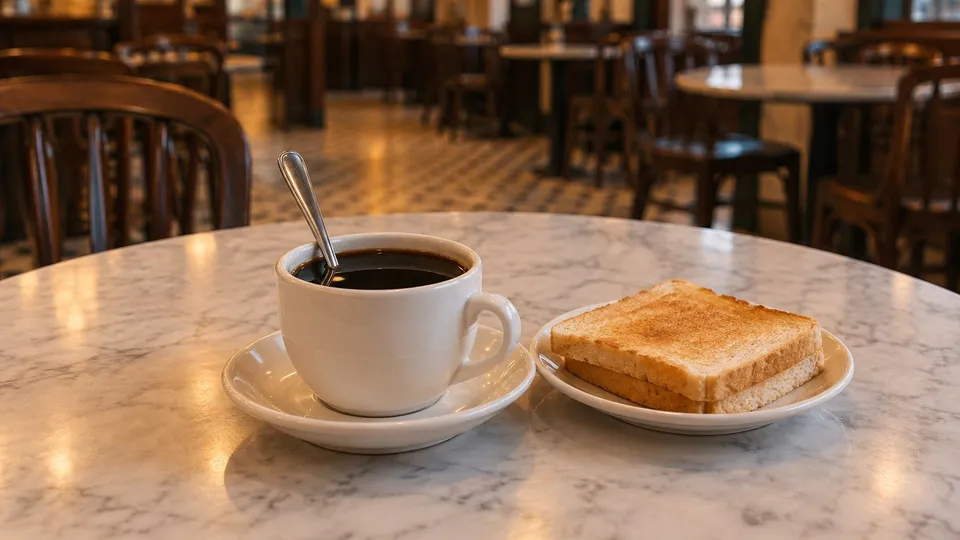
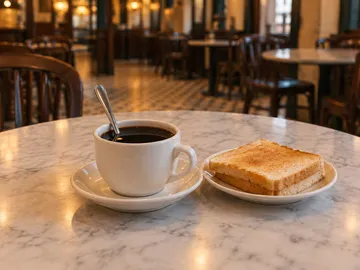
Jet-black coffee poured over a spoonful of sweetened condensed milk, left for the drinker to stir until it turns light brown: the four-cent coffee-shop cup of 1933 Singapore.
The full list
18 recipes in 1930s Drinks: Depression and Repeal Cocktails and Mocktails
Try a different ingredient or recipe name, or use Clear filters above to see the full collection.
Recipes could not be loaded. or browse this collection page without filters.
Always alcohol-free
Always alcohol-free
Always alcohol-free
Always alcohol-free
Always alcohol-free
Orange juice, a spoon of sugar and soda water with a tenth part anisette, stirred in a balloon glass over one piece of ice: an Italian thirst-quencher of 1936, light on alcohol.
Fresh tomatoes cooked with celery and green pepper, sieved, then sharpened with catsup, onion and horseradish and chilled: the USDA’s 1931 first course in a small glass.
Almond orgeat syrup and tamarind syrup topped with soda water over one piece of ice: an alcohol-free Italian thirst-quencher a Lugano bartender printed in 1936.