Always alcohol-free
Tea the Chinese Way, with a Little Sugar
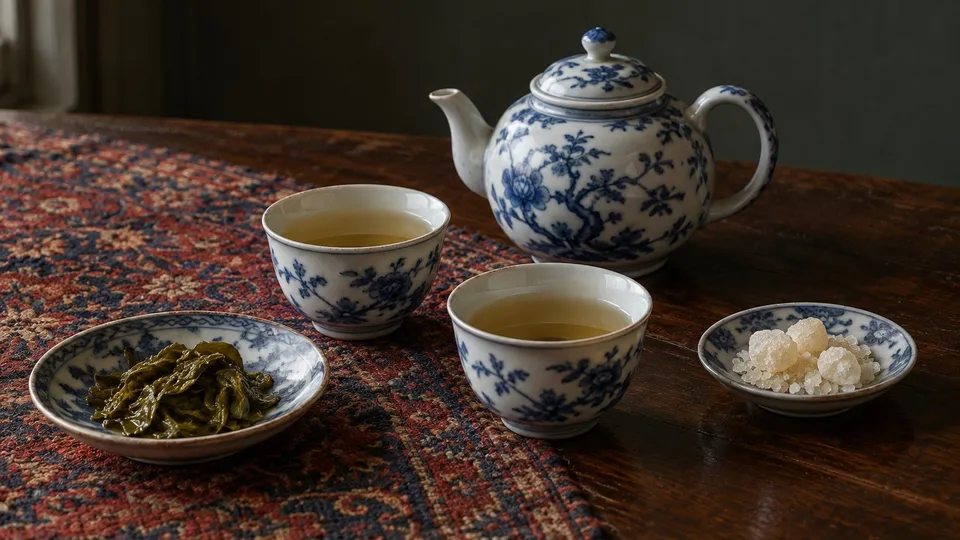
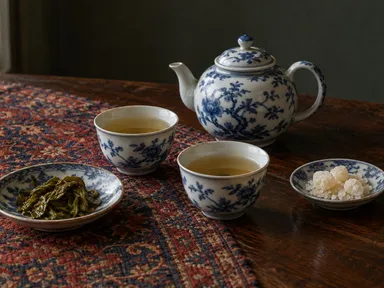
Green tea in just-boiled water in a covered pot, drunk when the leaves sink, with a little sugar against the bitterness: tea as Europe learned it in 1685.
Drinks by theme
Johnson’s Tea, Darwin’s Maté, Austen’s Spruce Beer and Dickens’s Punch
Twelve famous people’s drinks from their own letters, diaries and memoirs, from Pepys’s chocolate to Gandhi’s goat’s milk, each with a recipe you can make.
Updated
Mostly everyday things. Samuel Johnson called himself a “hardened and shameless tea-drinker,” Charles Darwin drank “much mate” by a campfire in Argentina, and Jane Austen wrote that her household was “brewing spruce beer again.” Ten of the twelve drinks here are alcohol-free as we make them.
We kept only what the people wrote themselves, or what someone beside them saw, and left out the legends of favorite drinks and daily cup counts. Most of those records name a drink without a recipe, so each person is paired with a period recipe for the same kind of drink, and every recipe says how close the match is. Only Dickens wrote out his own quantities, and Marie Antoinette’s breakfast, told years later by one of her ladies, is the one record we class as likely rather than documented.
The recipes run from 1685 to 1908, each from a named book. None of them is the famous person’s own formula, and we say so on every page.
Each recipe names the period book it comes from and says what we changed. How we research
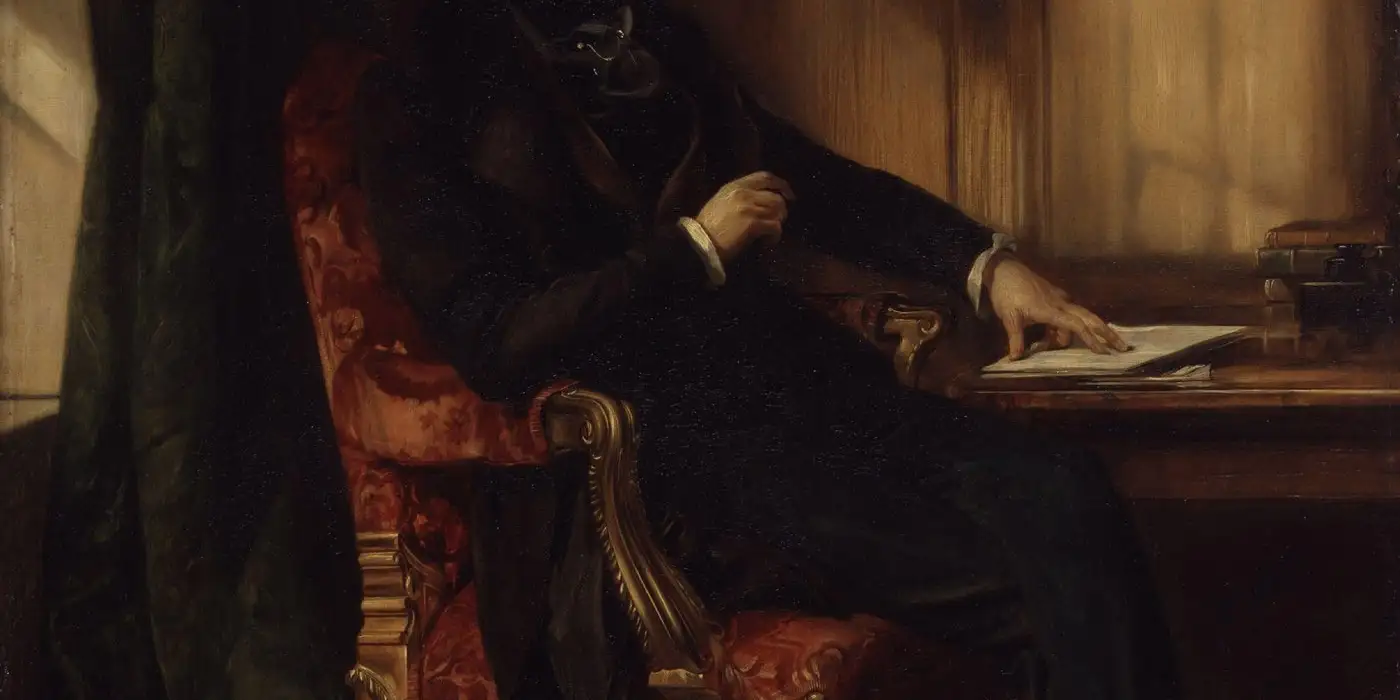
A hardened and shameless tea-drinker, who has, for twenty years, diluted his meals with only the infusion of this fascinating plant.
Chocolate and tea, in their own words. Pepys drank a morning draft of chocolate on April 24, 1661, “to settle my stomach” after the coronation night. Johnson, reviewing an attack on tea in 1757, called himself a tea-drinker of twenty years “whose kettle has scarcely time to cool.” Both drinks are here as a London handbook of 1685 made them.
 The storyHow Were Coffee, Tea and Chocolate Made in 1685?
Green tea in just-boiled water in a covered pot, drunk when the leaves sink, with a little sugar against the bitterness: tea as Europe learned it in 1685.
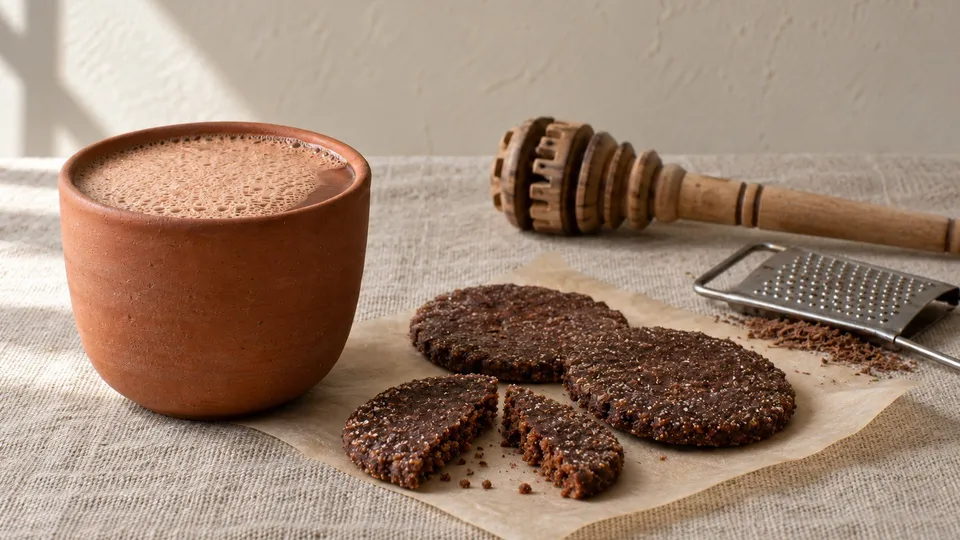
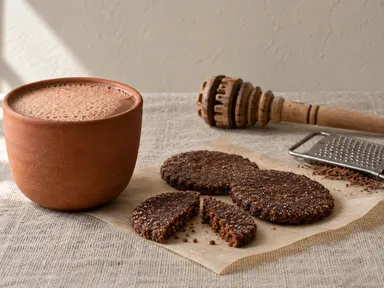
Chocolate cakes ground with chile, aniseed, cinnamon, vanilla and nuts, then frothed into hot water: a Spanish physician’s recipe, printed in London in 1685.
Whatever their hosts drank. Darwin had “much mate” at a bivouac in the Sierra Ventana on the Beagle voyage. In Norway in the 1790s, Mary Wollstonecraft was offered coffee by farmers who were offended when she tried to pay. Neither says how it was made, so we pair them with Emerson’s 1908 account of maté and Rundell’s boiled coffee of 1806.
Lemonade and sponge cake. On the hospital transport Medora in the Crimean War, Seacole wrote in 1857, these “were all the doctors would allow me to give.” She left no recipe. The cheapest lemonade in print in those years was Alexis Soyer’s, thin-sliced lemons bruised with sugar and stirred into cold water.
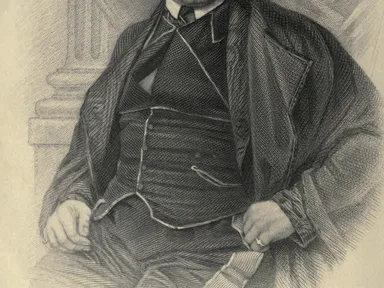 The storyLemonade, Rice Water and a Better Teapot: Soyer at Scutari
Yes. In January 1847 he wrote one out for a friend in Paris: lemon peel and sugar, a pint of rum, a large wineglass of brandy, set alight, then lemon juice and boiling water. It survives in a certified copy, with measures no one can fix exactly. Jerry Thomas’s hot brandy and rum punch of 1862 has the same flavors in measured form, and isn’t flamed.
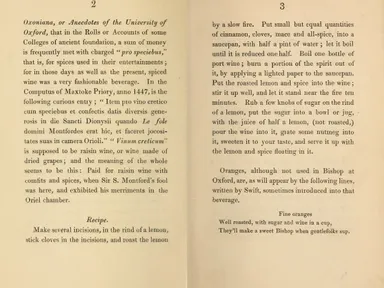 The storyWhat Was Smoking Bishop, the Drink in A Christmas Carol?
With dried flowers in the cup. The American painter Katharine Carl watched Cixi add honeysuckle, jasmine “or other fragrant blooms” to her tea, from a jade bowl with long cherry sticks. Carl gives no amounts, so our cup uses a bought jasmine tea and says plainly that it is not Cixi’s blend.
Coffee or chocolate, according to Madame Campan, one of her ladies, writing in memoirs published in 1822, long after the Queen’s death. That makes it likely, not documented, and it names no favorite and no recipe. The chocolate here is from an English household book of 1806.
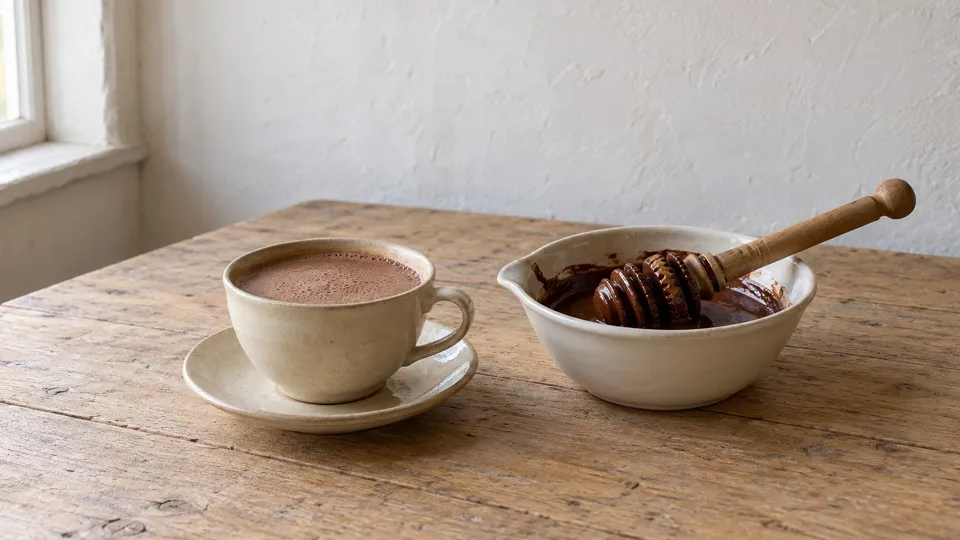
A cake of chocolate melted into boiling water and kept in a basin, then a spoonful or two boiled up in milk with sugar and whisked to a froth: the hot chocolate of Maria Rundell’s 1806 household cookery book.
Home-brewed spruce beer and boiled camp tea. In December 1808 Austen wrote that “we are brewing spruce beer again,” a household job, not a recipe. Camped in the Colorado Rockies in 1873, Bird drank tea “out of the battered meat tins in which it was boiled.” The spruce beer is low in alcohol but not alcohol-free.
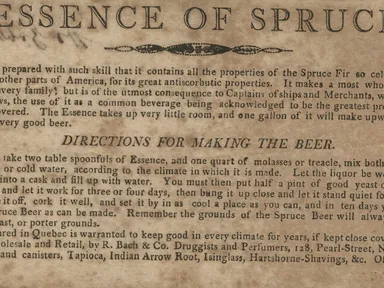 The storySpruce Beer, from Captain Cook to Jane Austen
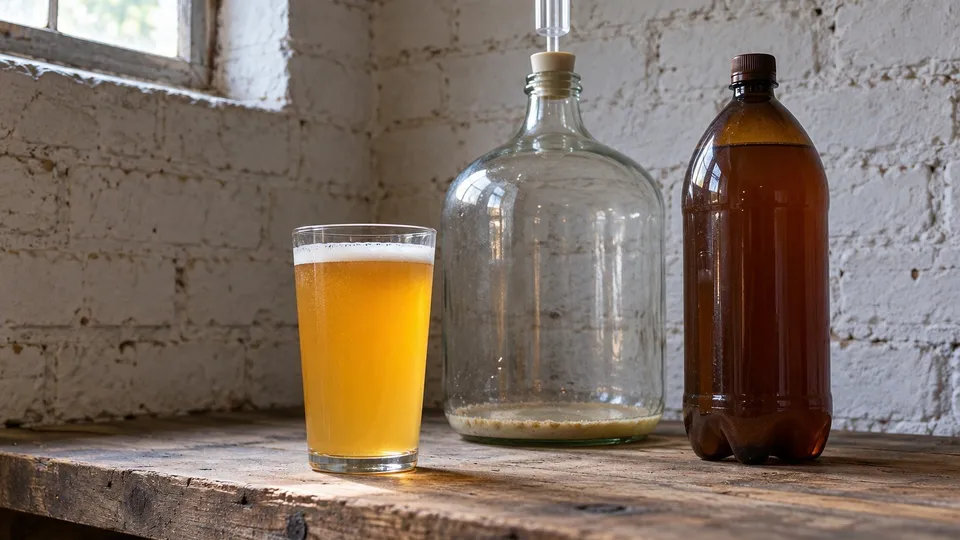
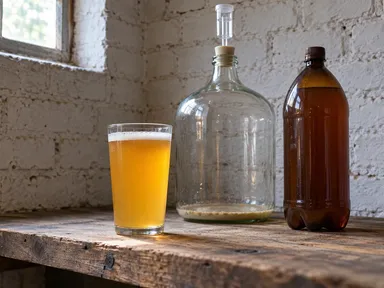
Molasses, water and essence of spruce, worked with yeast for three or four days, rested, then bottled for ten: a New York druggist’s spruce beer of about 1804, at one gallon.
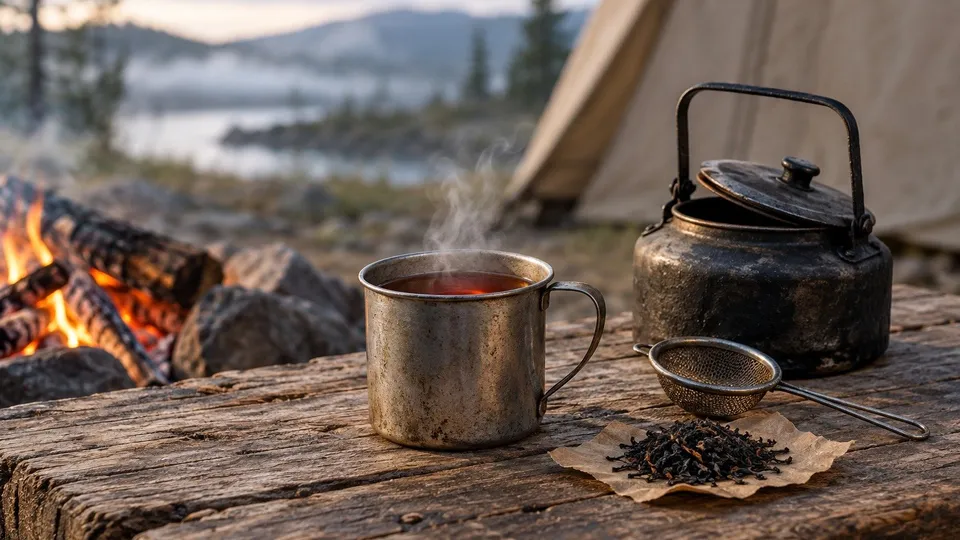
Leaves pre-steeped a minute, boiled a minute under a lid and rested five by the fire, in his method: the tea a Union commissary taught company cooks in 1862.
Gandhi wrote that he accepted goat’s milk against the spirit of his vow not to drink milk, and regretted it. Fukuzawa Yukichi, writing for a Tokyo dairy in 1870, suggested mixing strong coffee into milk for people new to it. Neither gives a recipe; these are two period ways of serving milk from America and England.
The full list
5 recipes in What Famous People Drank
Try a different ingredient or recipe name, or use Clear filters above to see the full collection.
Recipes could not be loaded. or browse this collection page without filters.
Always alcohol-free
Always alcohol-free
Always alcohol-free
Always alcohol-free
Leaves pre-steeped a minute, boiled a minute under a lid and rested five by the fire, in his method: the tea a Union commissary taught company cooks in 1862.
Chocolate cakes ground with chile, aniseed, cinnamon, vanilla and nuts, then frothed into hot water: a Spanish physician’s recipe, printed in London in 1685.
A cake of chocolate melted into boiling water and kept in a basin, then a spoonful or two boiled up in milk with sugar and whisked to a froth: the hot chocolate of Maria Rundell’s 1806 household cookery book.