What Did Scots Drink on St Andrew’s Day?
Haggis and sheep’s-head broth on the table, whisky toddy from the punch bowl afterwards, and by 1863 a St Andrew’s ball with no wine, spirits or beer.
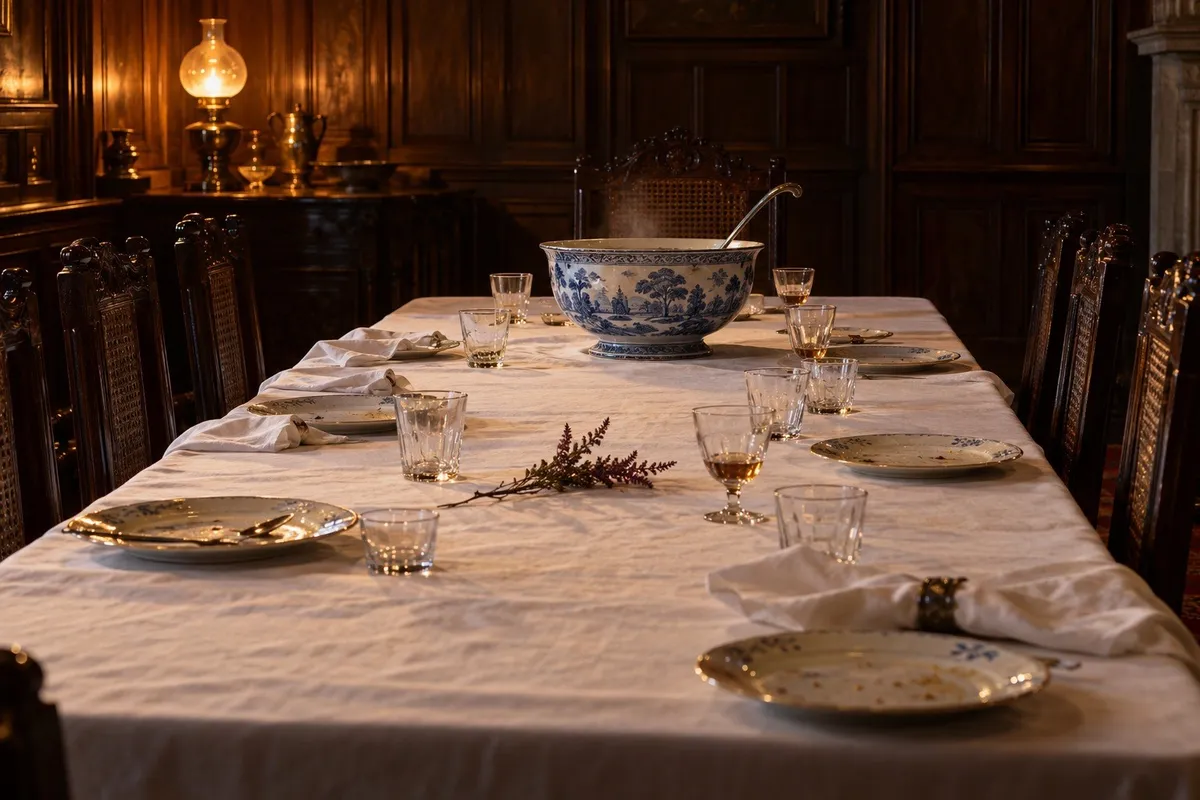
On St Andrew’s Day in the 19th century, the Scots whose dinners were written up drank whisky toddy, ladled from a punch bowl after a long dinner of haggis and sheep’s-head broth. The day was above all a dinner, kept by Scottish societies wherever Scots had settled, and the drink came after the toasts: whisky, hot water and sugar ladled from a bowl the chairman had brewed himself. The sources that describe it, though, mostly come from Scots far from home. We found none that names a drink for the day in Scotland itself, and by 1863 one Scottish society in Canada was holding its St Andrew’s ball with no wine, spirits or beer at all.
This story is part of our Historic Punch Recipes, From the Punch Bowl to the Dry Party guide.
A bill of fare from Edinburgh
The day had its own menu in an Edinburgh cookbook of the time. The Cook and Housewife’s Manual, published in Edinburgh under the name of “Mistress Margaret Dods,” the comic landlady of Walter Scott’s St Ronan’s Well, was written by the journalist Christian Isobel Johnstone. Its first edition of 1826 already had a bill of fare for St Andrew’s Day, and the fourth, of 1829, gives it as a “Bill of Fare for St. Andrew’s Day, Burns’ Clubs, or other Scottish National Dinners.”
The first course includes Friar’s Chicken or Scotch brown soup, haggis, sheep’s-head broth, salt Caithness goose and “Two Tups’ Heads and Trotters.” The second brings buttered partans, which are crabs, apple puddings in skins, and a “Rich Eating Posset, in a China Punch Bowl,” a posset thick enough to eat with a spoon, served in the vessel a Scottish table would also use for punch. The menu lists no drinks.
Toddy from the president’s bowl
That part is described best from Saint John, New Brunswick. The St Andrew’s Society there, founded in 1798, held its dinner at the Exchange Coffee House in 1828, and the town’s Courier reported it at length. The barley soup was “a national viand,” laid down as “a good ground tier” for the haggis and the sheep’s head. There were thirty-one toasts. After the president had retired, “a few choice spirits … sat down to regale themselves with whisky toddy sent round in the ‘guid old way’ by the guid man at the head o’ the table, from a bowl of Punch o’ his ain brewin’.”
The bowl mattered. By 1850 the Society had its own, and the history records the brewing of the whisky punch “in the large and elegant bowl belonging to the Society.”
Sherbet first, rum second
How a Scottish punch bowl was filled is told most fully from Glasgow. John Gibson Lockhart’s Peter’s Letters to his Kinsfolk (1819), written in the voice of a fictional Welsh visitor, describes a Glasgow merchant’s dinner party, not a St Andrew’s dinner. When the ladies have gone, the bowl is brought in, “a beautiful old piece of porcelain,” and the host sets to work:
the sugar being melted with a little cold water, the artist squeezed about a dozen lemons through a wooden strainer, and then poured in water enough almost to fill the bowl. In this state the liquor goes by the name of Sherbet, and a few of the connoisseurs in his immediate neighbourhood were requested to give their opinion of it—for, in the mixing of the sherbet lies, according to the Glasgow creed, at least one half of the whole battle.
Only once the sherbet was approved “by an audible smack from the lips of the umpires” did the rum go in, “something about the proportion of one to seven,” and last of all a few limes were cut and run round the rim of the bowl. Meg Dods reprinted the passage, and her 1829 edition adds an instruction of its own: Glasgow punch “is made of the coldest spring water newly taken from the spring.”
The rum was Glasgow’s habit. In Saint John on St Andrew’s night, the spirit in the bowl was whisky.
Athole brose
The same 1829 cookbook prints a Highland drink of a different kind: Athole brose, heather honey mixed with twice its measure of whisky, “alias mountain-dew.” Brandy or rum will mix with honey too, the book allows, but then it is not Athole brose, and an egg yolk is sometimes beaten in.
Dods does not tie it to St Andrew’s Day. That link appears in 20th-century whisky advertising, and the story that the drink began when an Earl of Atholl filled a rebel’s well with honey and whisky is a legend. Two recipes later, Dods has lait sucré: milk boiled with fine sugar and flavored with lemon, “a refreshment fit for children’s balls, and is so used in France.”
A dry ball in 1863
The Saint John society’s history records a different kind of evening thirty-five years after its toddy. Its St Andrew’s ball of 1863, at Stubbs’ Hotel, had a supper table “well supplied with everything needful and appetising,” and then this: “No wine, spirits or beer were provided by the committee of management, or served in the supper-room.” The history does not say what was poured instead, or why the committee decided it.
The bowl without the rum
The Glasgow sherbet is the alcohol-free drink hidden inside the punch: lemons, sugar and cold water, judged on its own before any spirit went near it. Our Glasgow Sherbet makes a smaller bowl of it, finished with Lockhart’s limes, and it is the drink to set out on the 30th for anyone keeping the 1863 ball’s rules. For the whisky side, Athole Brose is two parts whisky to one of heather honey, and the hot toddy is in our Original Hot Toddy, an American bar recipe of 1862. How the punch bowl gave way to the shaker is told in From Punch Bowl to Shaker: How Rum Got Into Cocktails.
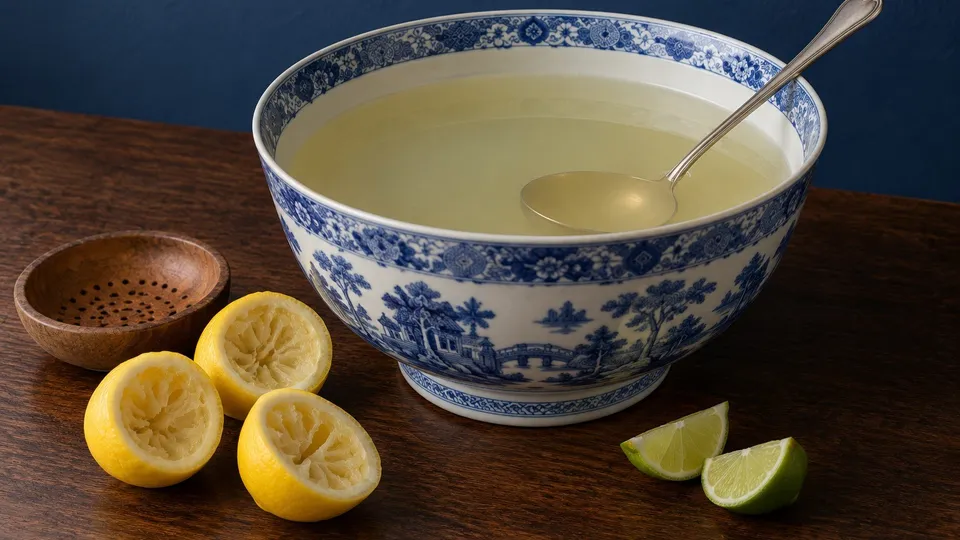 Alcohol-free versionGlasgow Sherbet, the Punch Before the Rum
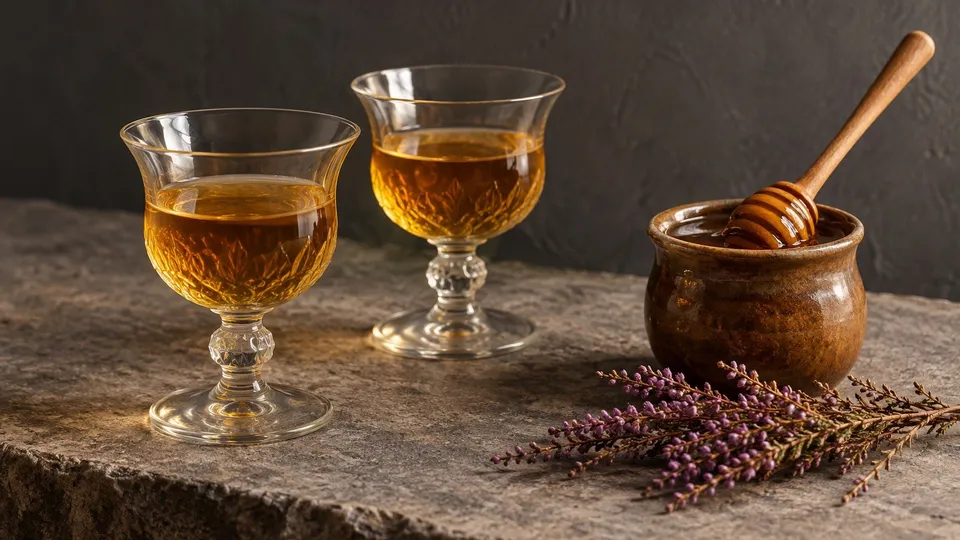 Make it todayAthole Brose, Heather Honey and Whisky
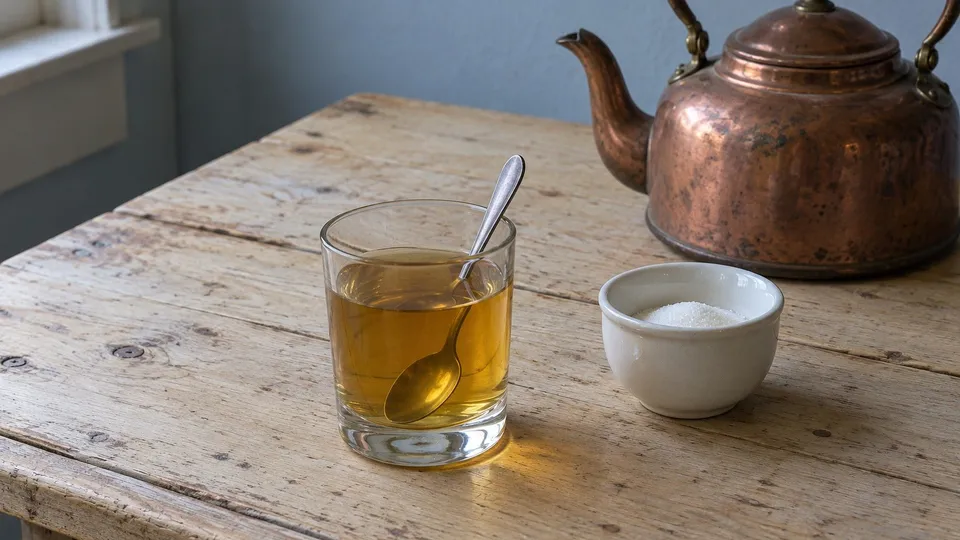 Make it todayThe Hot Toddy as Jerry Thomas Made It (1862)
Six large lemons, a little sugar and a jug of the coldest water you can draw make the sherbet in a quarter of an hour, and the Glasgow habit is worth keeping: let someone taste it and pass judgment before it goes to the table.
Sources
- “Mistress Margaret Dods” [Christian Isobel Johnstone], The Cook and Housewife’s Manual, 4th ed. (Edinburgh: Oliver & Boyd, 1829), pp. 69, 458 and 462.
- J. G. Lockhart, Peter’s Letters to his Kinsfolk, vol. 3 (Edinburgh: Blackwood, 1819), pp. 173–174.
- I. Allen Jack, History of St. Andrew’s Society of St. John, N.B., Canada, 1798 to 1903 (Saint John: J. & A. McMillan, 1903), pp. 37–39, about 59–60 and 89–90, quoting The Courier, December 6, 1828.