Cocktails in 1920s London and Paris
Sidecars, Monkey Glands, Gimlets and a White Lady without gin: what the bar books of London and Paris printed while America was dry, and who got the credit.
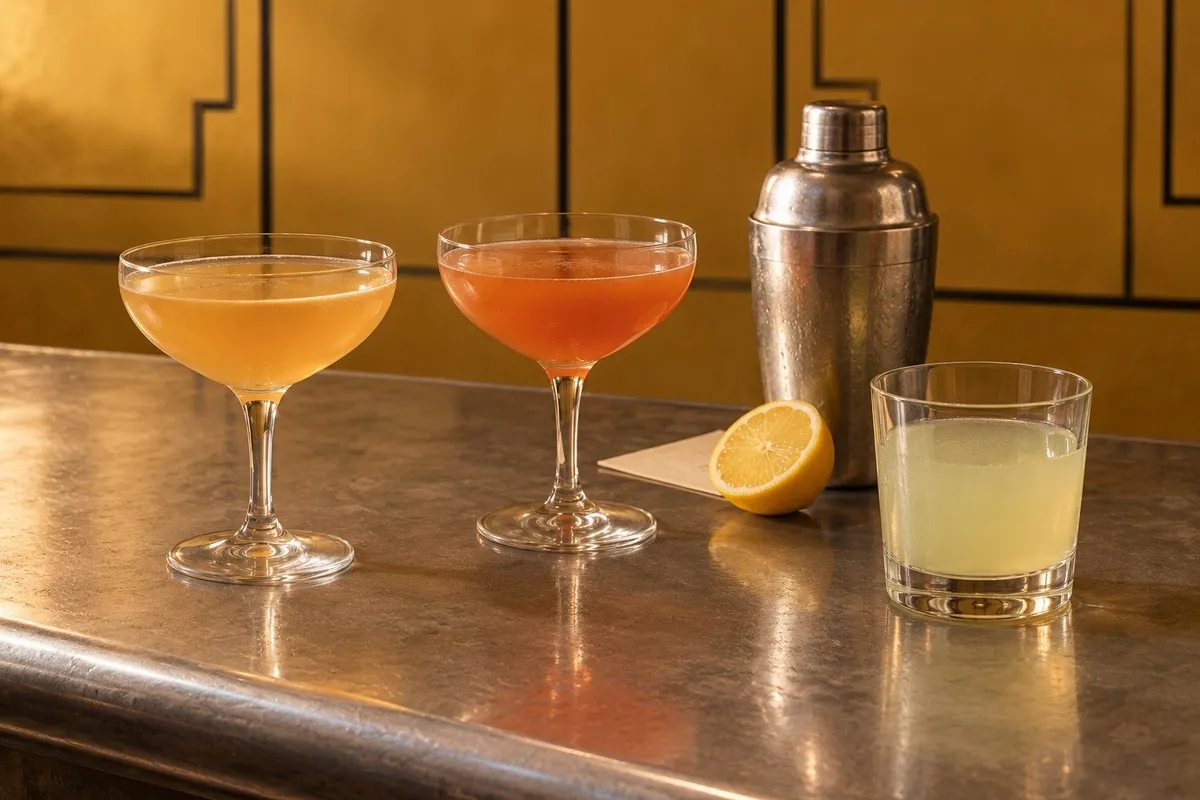
The cocktail bars of 1920s London and Paris poured short, cold drinks of gin or brandy, shaken or stirred, with citrus, a French liqueur or vermouth: the Sidecar, the Monkey Gland, the White Lady, the Gimlet, the Bronx. With the United States dry from January 17, 1920, the books that recorded them were printed in London and Paris. The man behind two of those books, Harry MacElhone, signed the 1923 one as “Harry” of Ciro’s, after a London club, and by 1927 he owned a Paris bar named Harry’s New York Bar. His ABC of Mixing Cocktails (London, 1923), his Barflies and Cocktails (Paris, 1927) and Harry Craddock’s Savoy Cocktail Book (London, 1930) are the record of what those bars poured.
This story is part of our 1920s Drinks guide.
The last New York list
The story starts on Fifth Avenue. Hugo Ensslin, a bartender in New York hotels, sold Recipes for Mixed Drinks from his own address there, and he wanted “a complete list of the standard mixed drinks that are in use at present in New York City.” His second edition of 1917 is counted among the last big American cocktail books before Prohibition, a line that began with Jerry Thomas in 1862. One of its drinks was new: the Aviation, two parts gin to one of lemon with two dashes each of maraschino and crème de violette, which the Oxford Companion to Spirits and Cocktails credits to his first edition of 1916.
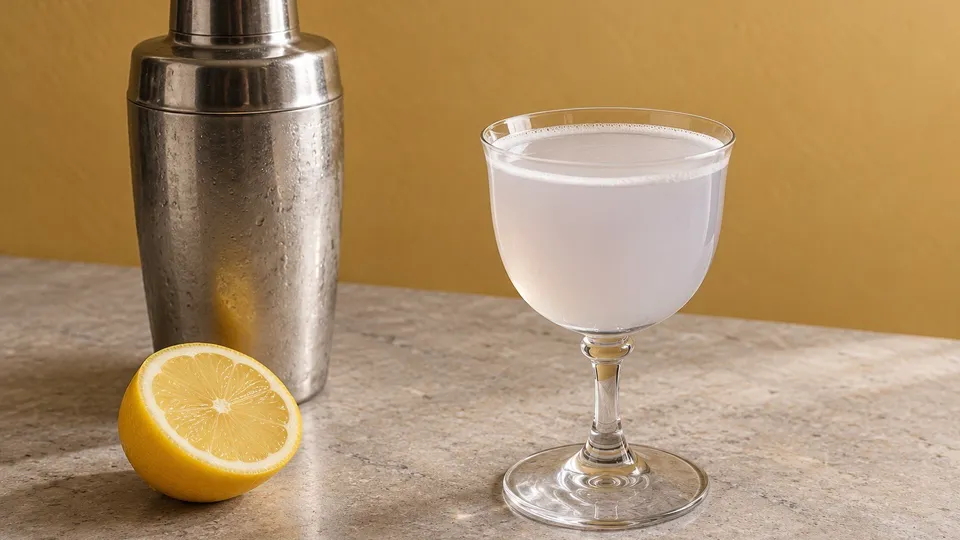 Make it todayThe Aviation as Ensslin Printed It (1916)
When the American bars closed, their drinks traveled. The Bronx, gin with both kinds of vermouth and a little orange, was in New York newspapers by 1901, according to the word historian Barry Popik, and in two American bar books of 1908. MacElhone’s 1923 London book has it too, in equal thirds of gin, French and Italian vermouth, but with the juice of a quarter of an orange where William Boothby’s 1908 recipe used about a barspoonful. MacElhone’s own career had made the same crossing. The preface to his 1927 book describes him as late of the Plaza in New York, of the Casino Municipal at Enghien and at Nice, and of Ciro’s in London and Deauville.
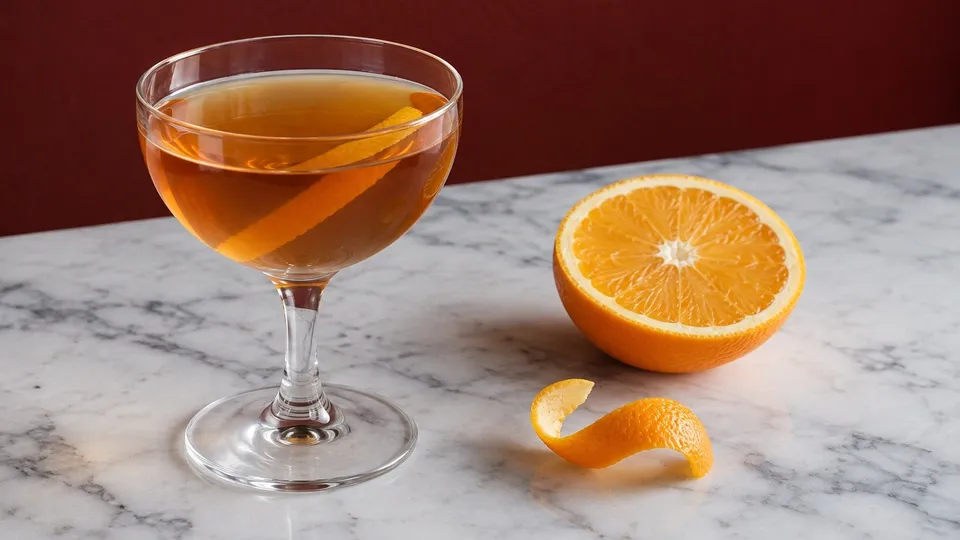 Make it todayBronx, Gin, Two Vermouths and Orange
Harry of Ciro’s
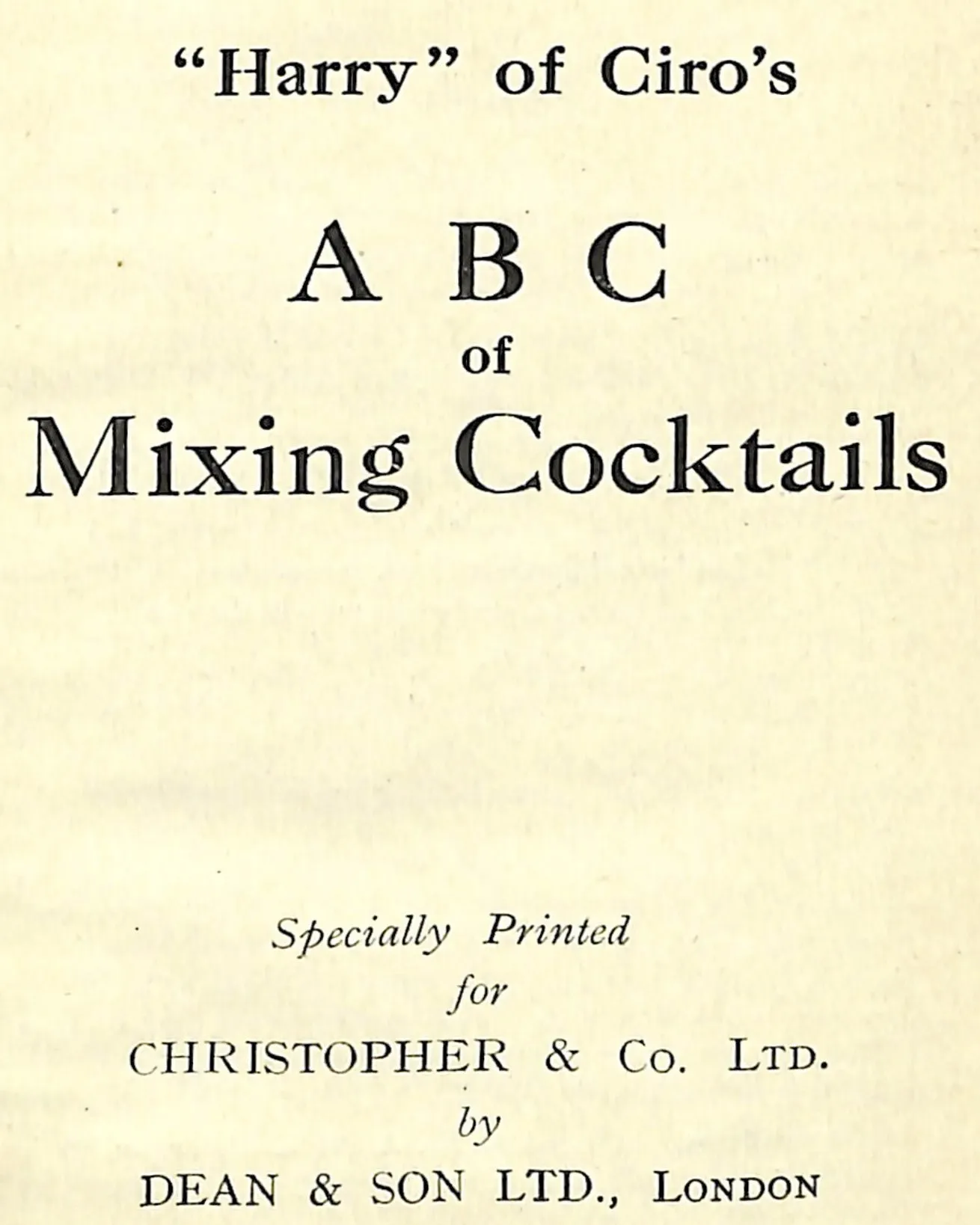 Title page of “Harry” of Ciro’s ABC of Mixing Cocktails (London: Dean & Son for Christopher & Co., late 1923 or after).
The ABC was printed in London for Christopher & Co., wine merchants of Pall Mall, and it came with a cause. Its front matter warns British readers that Prohibition could cross the Atlantic, tells them to keep “teetotal tyrants” out of Parliament, and cites “the late President Harding” on the state of enforcement in America. Harding died in August 1923, which dates this printing to the end of that year or later.
The recipes are mostly fractions of a glass, a third of this and a sixth of that, often with no method at all. The Sidecar is brandy, Cointreau and lemon in equal parts, credited to MacGarry, the bartender at Buck’s Club in London. The Monkey Gland is gin and orange juice in halves with grenadine and a dash of absinthe, marked as invented by the author and named after Serge Voronoff, the surgeon who grafted monkey testicle tissue into aging men. MacElhone’s White Lady is two-thirds Cointreau, with a little brandy and crème de menthe, and no gin or lemon at all. The South Side is a gin sour with fresh mint, made long with soda from the siphon. And the Gimlet is half Plymouth gin and half Rose’s lime juice cordial, stirred in the glass it is served in, with a one-line note: “A very popular beverage in the Navy.”
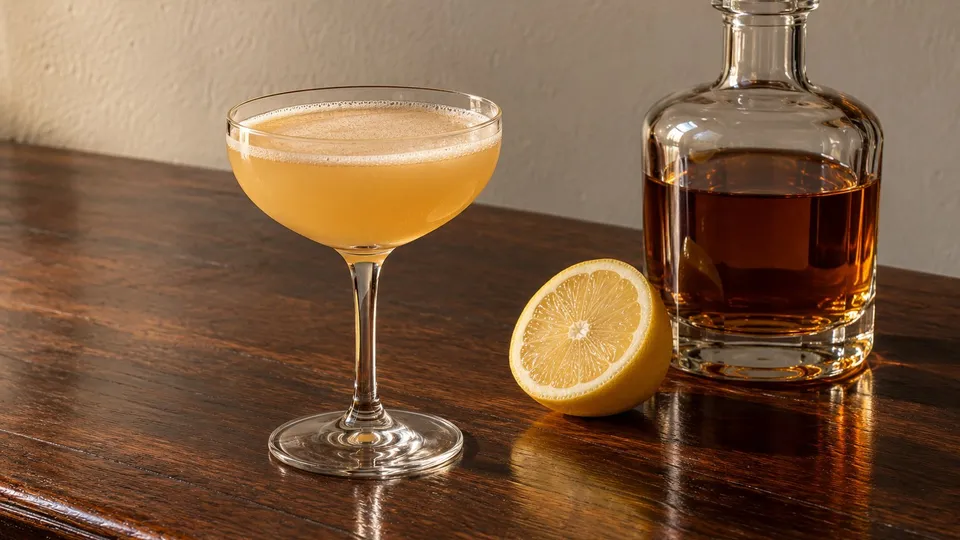 Make it todaySidecar, Brandy, Cointreau and Lemon
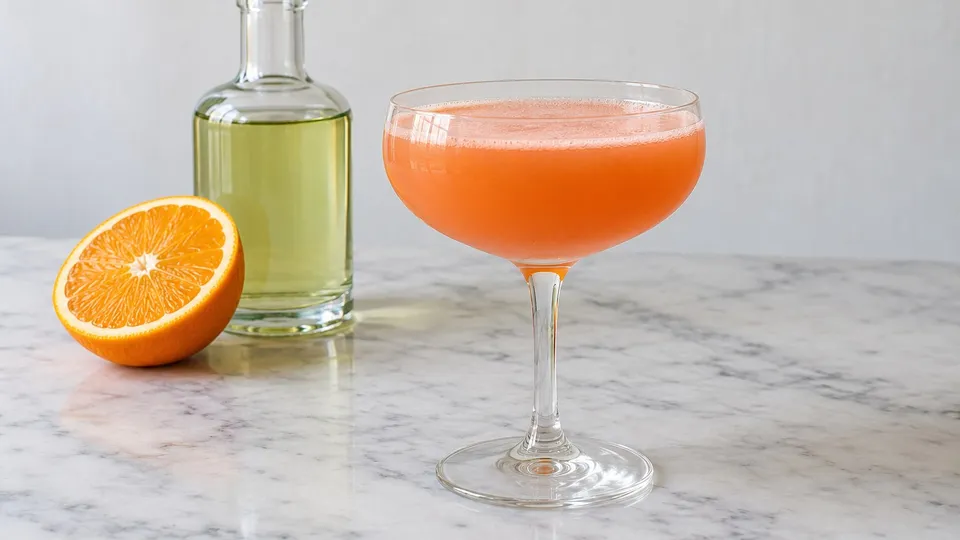 Make it todayMonkey Gland, Gin and Orange Cocktail
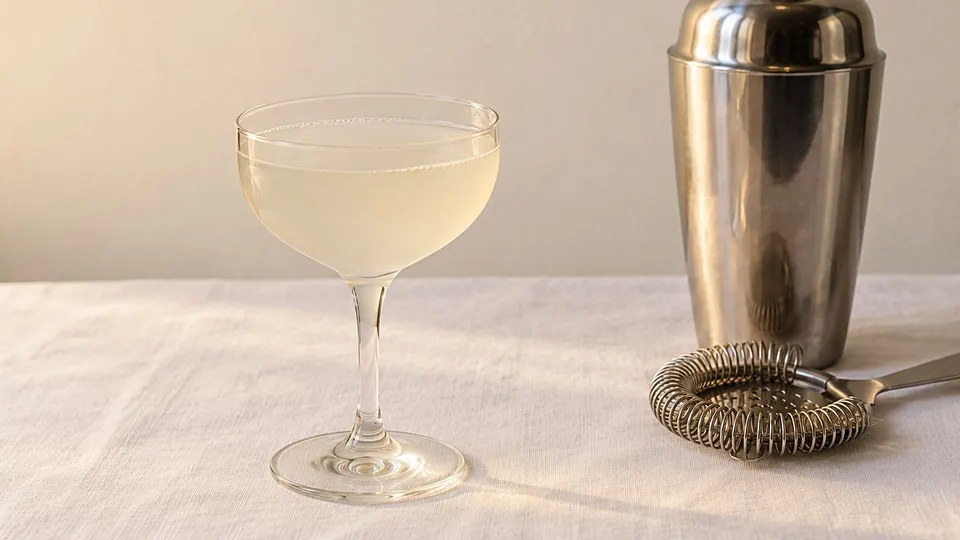 Make it todayWhite Lady, Brandy and Mint Cocktail
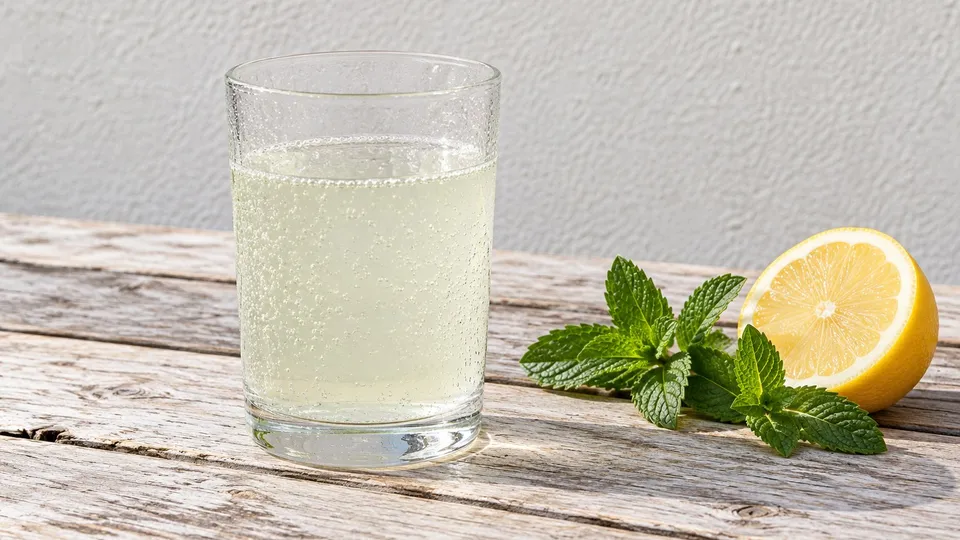 Make it todaySouth Side, Gin, Lemon and Mint
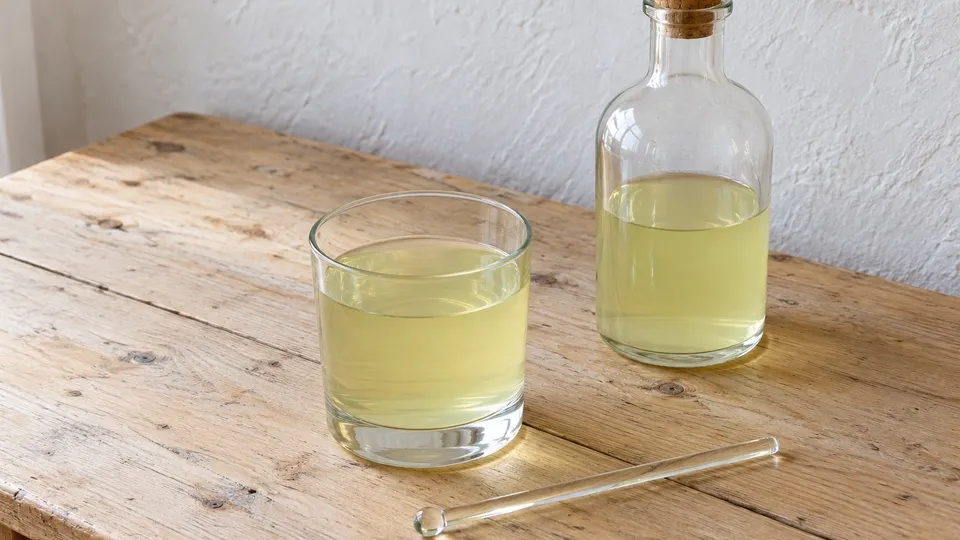 Make it todayThe Gimlet as MacElhone Printed It (1923)
Harry’s New York Bar
By 1927 MacElhone was the proprietor of Harry’s New York Bar at 5 rue Daunou in Paris. Barflies and Cocktails is credited to “Harry and Wynn,” the caricaturist whose drawings run through it, “with slight contributions” from Arthur Moss, a columnist on the Paris edition of the New York Herald. Its comic drinking society is told in The International Bar Flies of Harry’s New York Bar. Several of its pages look back across the Atlantic.
It reprints a report it credits to the Chicago Tribune of January 27, 1924. Boston, the paper wrote, had just added “scoff-law” to the dictionary as a term of abuse, and Paris had come back with a “wet answer”: Jock, the bartender at Harry’s, had invented a Scoff-law Cocktail of rye, French vermouth, lemon juice and grenadine, already popular “among American prohibition dodgers.” A modern version of that drink is on TuneMyRecipe (opens in a new tab). A few pages on, the Spirit of St. Louis, of egg white, grenadine, gin and orange water, was “inspired at the New York Bar” by Charles Lindbergh’s flight across the Atlantic. The bar even had its own drinking society, the International Bar Flies, founded there about Christmas 1924.
The Boulevardier shows the circle at work. It isn’t among the book’s recipes. It appears in Moss’s gossip column at the back, where Erskine Gwynne arrives with “his” Boulevardier: bourbon, Campari and Italian vermouth in equal thirds. The name was shared with an English-language Paris magazine, The Boulevardier, and the book carries a full-page notice for it. Campari appears only twice in the whole book, both times in that column, and the bourbon was American whiskey, poured legally in Paris while it was banned at home.
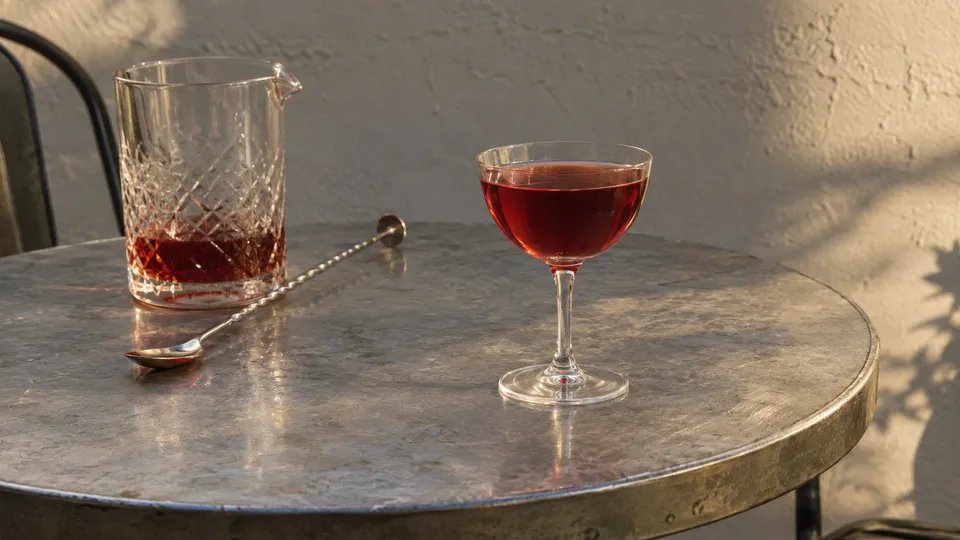 Make it todayBoulevardier, Bourbon and Campari Cocktail
Printed credits and bar legends
The books name names, and those names are the documented part: MacGarry for the Sidecar, MacElhone himself for the Monkey Gland, Jock for the Scofflaw, Gwynne for the Boulevardier, Billy Malloy of Pittsburgh for Boothby’s Bronx. Each is a claim as printed, the best evidence anyone has, though a printed credit is still not proof of who mixed a drink first.
The famous stories mostly have no paper behind them. The Sidecar is often said to have begun at the Ritz in Paris, or to be named for the motorcycle sidecars of the war; neither story has a document. The South Side is said to be named for Al Capone’s Chicago, where rough gin needed sugar and mint, but MacElhone and the Savoy say nothing of it. The gin White Lady has several claimants. Difford’s Guide finds the best support for Victor Cabrin of the Grosvenor House Hotel in London, and none at all for the tale that Craddock sealed a shaker of White Ladies into the Savoy bar’s walls.
The Negroni is the clearest case. Florentine tradition credits Count Camillo Negroni, who is said to have asked for his Americano with gin in place of soda around 1919 (the oldest printed Americano, Mazzon’s, has no soda). We found no Negroni in any bar book of the 1920s. The nearest printed gin relative is the Camparinete in Cocktails de Paris (1929): Campari, Italian vermouth and twice as much gin, credited to Albert of the Chatham bar in Paris.
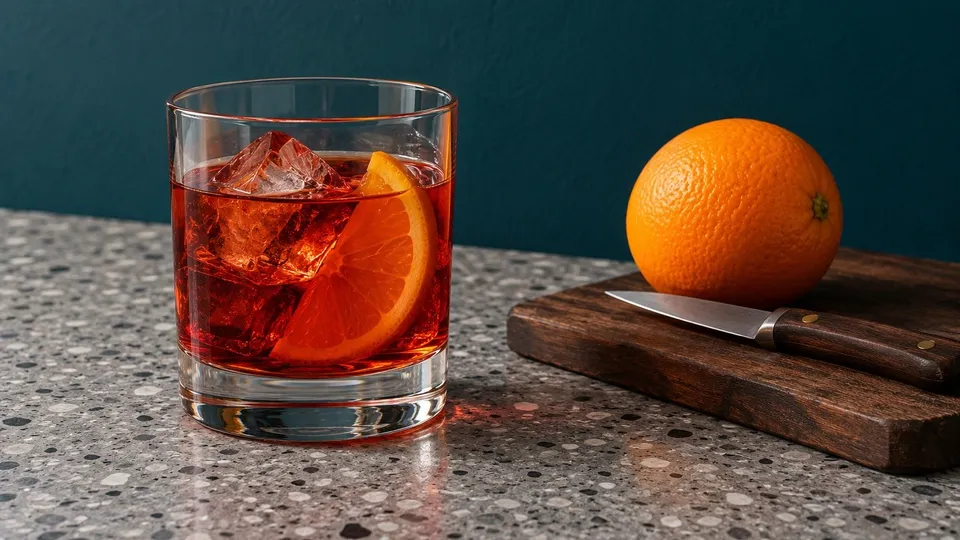 Make it todayNegroni, Gin, Campari and Vermouth
The Campari and vermouth pairing went on into the next decade. In Lugano in 1936, Elvezio Grassi printed a shaken Milano-Torino with grappa where the Negroni has gin, and a Duca di Bergamo of Campari and cognac, named with the Duke’s written permission and signed off, by coincidence, by an officer called Negroni.
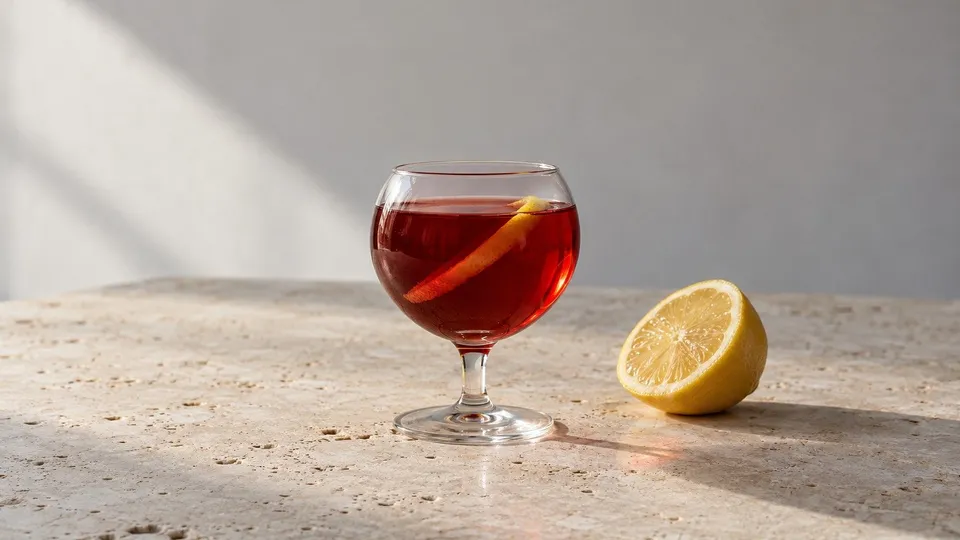 Make it todayMilano-Torino Cocktail, Grassi’s Shaken Campari and Vermouth, 1936
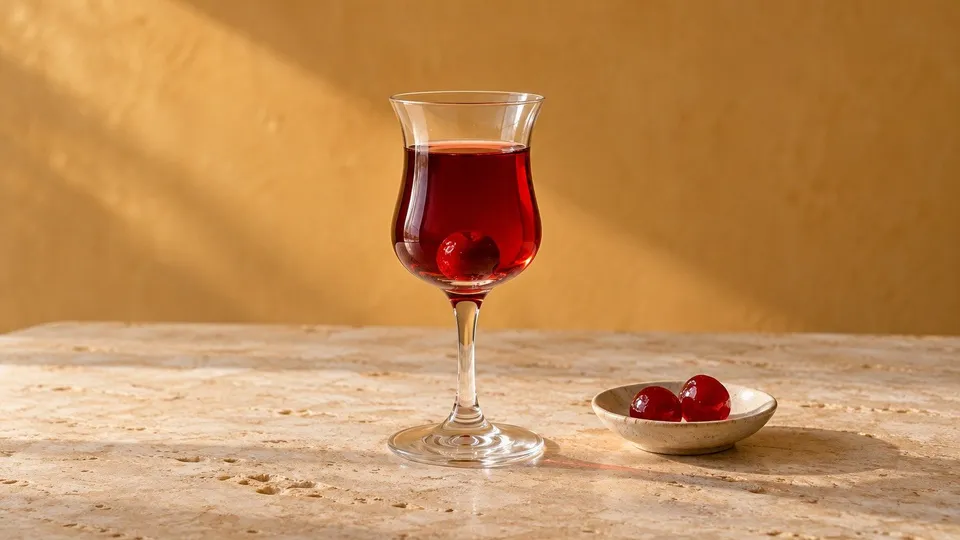 Make it todayDuca di Bergamo Cocktail, Campari and Cognac from 1935
Robert of the Embassy Club
A third London book of the decade came from Robert Vermeire, who had worked at the Royal Automobile Club, the Criterion and the Embassy Club. His Cocktails: How to Mix Them (1922) credits the club’s own R.A.C., gin with both vermouths, to Fred Faecks in 1914. It places the Ward Eight of rye, orange and lemon in Boston, and the vermouth-heavy H.P.W. at a New York club, made for the millionaire Harry Payne Whitney. Its oddest entry is the Yellow Rattler, a sweet Martini shaken with a bruised onion, which Vermeire called a cowboys’ cocktail. He also gave a whole chapter to drinks without alcohol, told in 1920s Mocktails From a London Bar Book.
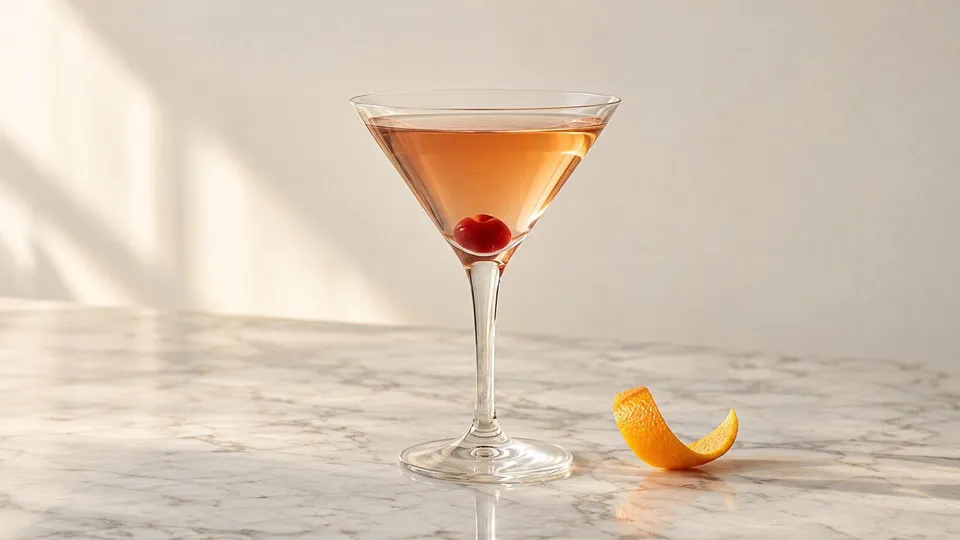 Make it todayR.A.C. Cocktail, the Royal Automobile Club’s Gin and Two Vermouths
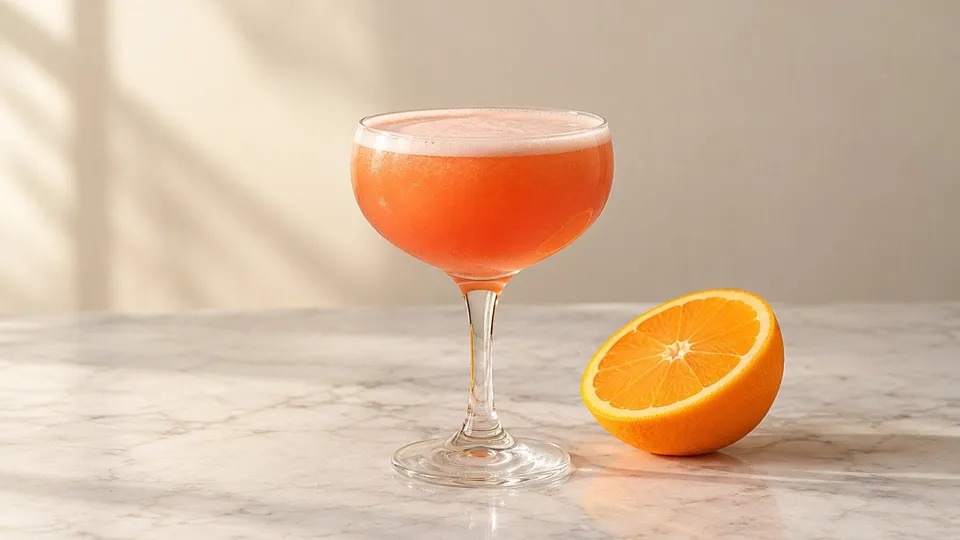 Make it todayWard Eight, Rye, Orange and Lemon from 1922
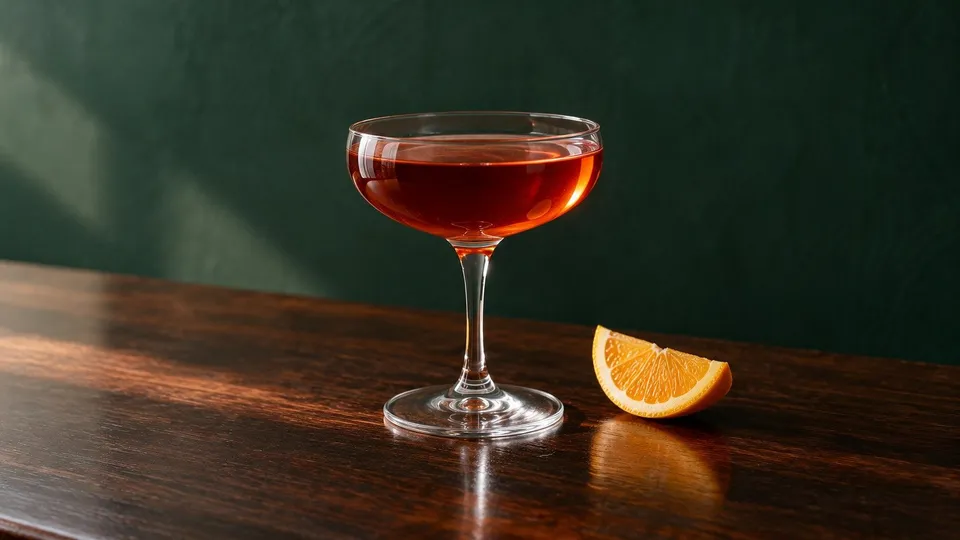 Make it todayH.P.W. Cocktail, Harry Payne Whitney’s Gin and Vermouth
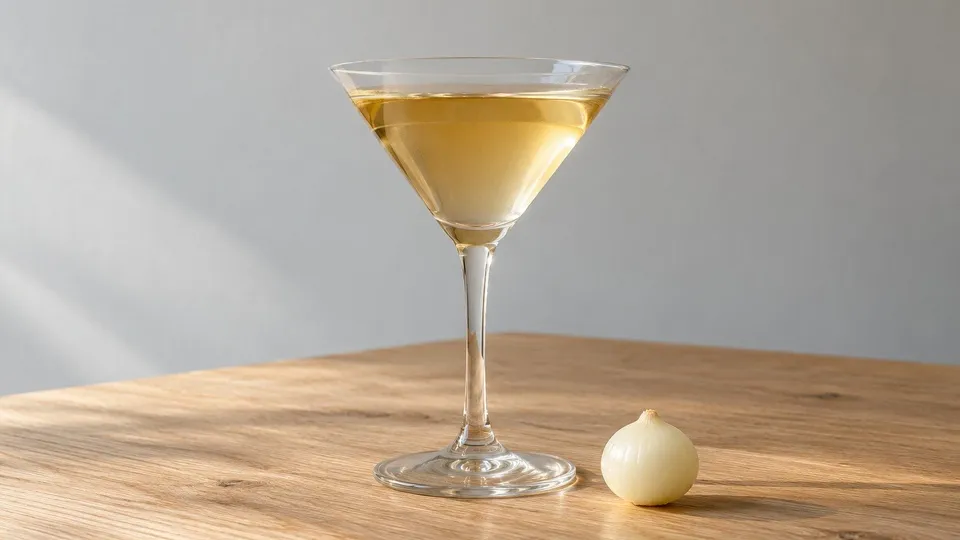 Make it todayYellow Rattler, the 1922 Martini Shaken with an Onion
The Savoy sums it up
Harry Craddock’s Savoy Cocktail Book closed the decade in 1930, and several of its versions outlasted MacElhone’s. It doubled the brandy in the Sidecar. Its White Lady is gin, Cointreau and lemon, and the brandy and crème de menthe are gone. Craddock, who drew heavily on Ensslin according to the Oxford Companion, printed the Aviation without its violette. Its South Side is shorter and sweeter than MacElhone’s. Only the Gimlet came through unchanged, the same half-and-half of Plymouth gin and Rose’s cordial.
Meanwhile, at home
Americans who could travel went where the drinks were legal, to Paris or to Havana for the Daiquiri; From Punch Bowl to Shaker: How Rum Got Into Cocktails follows them across the Florida Straits. Dry guests at home were served from the jug, and Five Alcohol-Free Drinks for a 1920s Party lists what was in it. The soda fountain had a lime drink of its own, the Lime Rickey, fresh lime and pineapple syrup filled up with soda water.
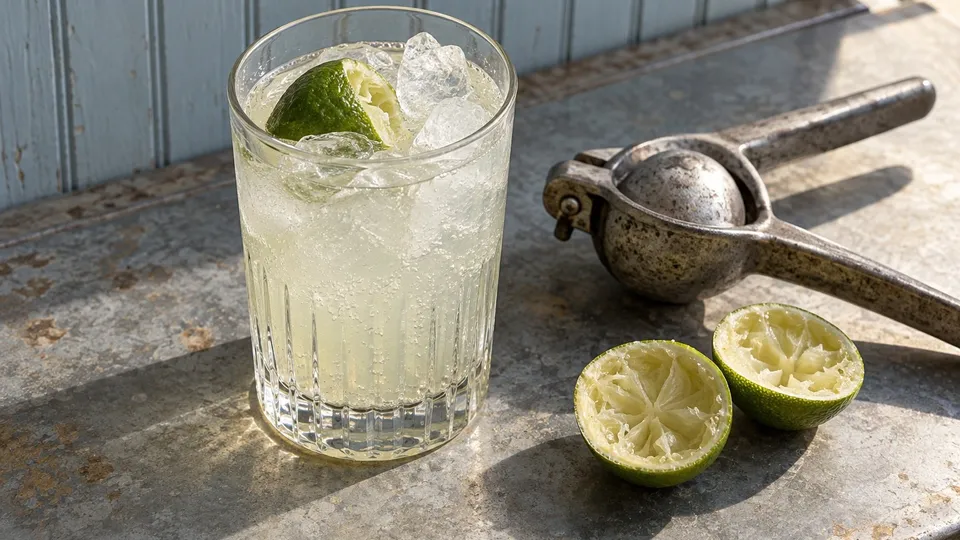 Always alcohol-freeLime Rickey, the Soda Fountain Rickey Without Gin
For a party in the spirit of Harry’s, start with the Sidecar: MacElhone’s equal parts of brandy, Cointreau and lemon need no recipe card after the first round.
For what was on the plate, our sister site The Forgotten Menu has what 1920s cocktail parties served to eat (opens in a new tab).
Sources
- Harry MacElhone, “Harry” of Ciro’s ABC of Mixing Cocktails (London: Dean & Son for Christopher & Co., [late 1923]), pp. v, xxi–xxii, 17, 33, 48, 65, 68, 77.
- Harry McElhone [MacElhone] and Wynn, with Arthur Moss, Barflies and Cocktails (Paris: Lecram Press, 1927), pp. 1–2, 46, 63, 64, 68, 77, 79–85, 95, 111.
- Harry Craddock, The Savoy Cocktail Book (New York: Richard R. Smith, 1930; first published London: Constable, 1930), pp. 25, 75, 147, 152, 175.
- Hugo R. Ensslin, Recipes for Mixed Drinks, 2nd ed. (New York: the author, 1917), pp. 5, 7.
- Hon. Wm. T. Boothby, The World’s Drinks and How to Mix Them (San Francisco, 1908), p. 23.
- Cocktails de Paris (Paris: Demangel, 1929), “Camparinete.”
- Robert Vermeire, Cocktails: How to Mix Them (London: Herbert Jenkins, 1922; eleventh printing), pp. 32, 42, 48 and 50.
- Elvezio Grassi, 1000 misture (Bologna: Licinio Cappelli, 1936), pp. 78–79 and front section.
- David Wondrich, “Ensslin, Hugo Richard,” and Paul Clarke, “Gimlet,” in The Oxford Companion to Spirits and Cocktails (2021).
- Cocktail Kingdom Library, “Hugo Ensslin.”
- Barry Popik, “Bronx Cocktail,” The Big Apple, barrypopik.com.
- Simon Difford, “White Lady cocktail,” Difford’s Guide.