1920s Mocktails From a London Bar Book
In 1922 a London bartender gave a chapter of his cocktail book to non-alcoholic cocktails, and named one for the most famous dry campaigner of the day.
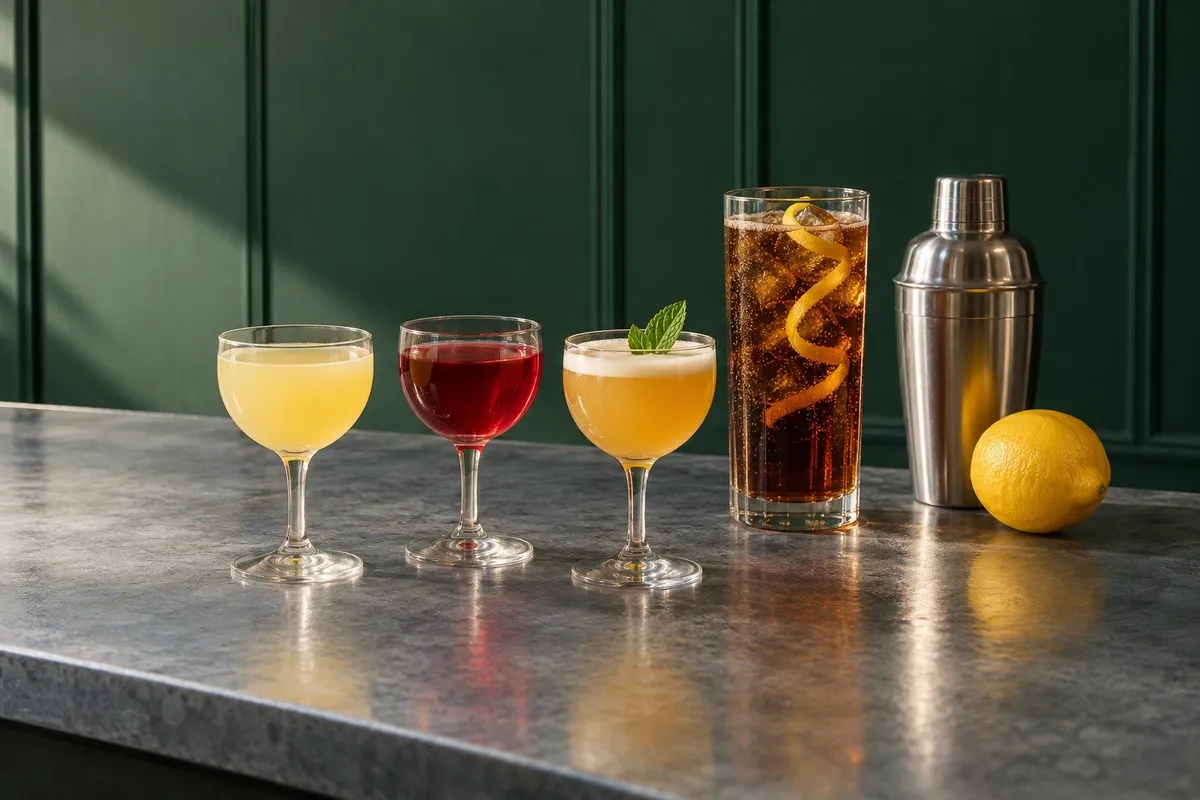
Bartenders in the 1920s mixed non-drinkers proper cocktails without the liquor: fresh juice, syrup and bitters, shaken or stirred on ice and strained into a small wine glass, made at the same bar and with the same care as the gin drinks. In 1922 Robert Vermeire, a London bartender, gave them a whole chapter of his book Cocktails: How to Mix Them, headed “Non-Alcoholic Cocktails.” One of them he named for the most famous enemy of his trade. His drinks sit beside the soda fountain’s and the temperance punches in our 1920s non-alcoholic drinks.
This story is part of our 1920s Drinks guide.
A chapter of its own
Vermeire knew the London bars from behind the counter. The book’s blurb says he was known “first at the Royal Automobile Club, then the Criterion, finally at the Embassy Club,” and he signed himself as Robert of the American Bar at the Casino Municipal in Nice. The book explains itself in two lines: “Hundreds of thousands know how to drink a cocktail; but few can mix one. That was the inception of this book.” It sold. The copy we read is the eleventh printing, “completing 68,317 copies.” Its blurb looked past the trade as well, promising anyone with a shaker “first-class cocktails at home.”
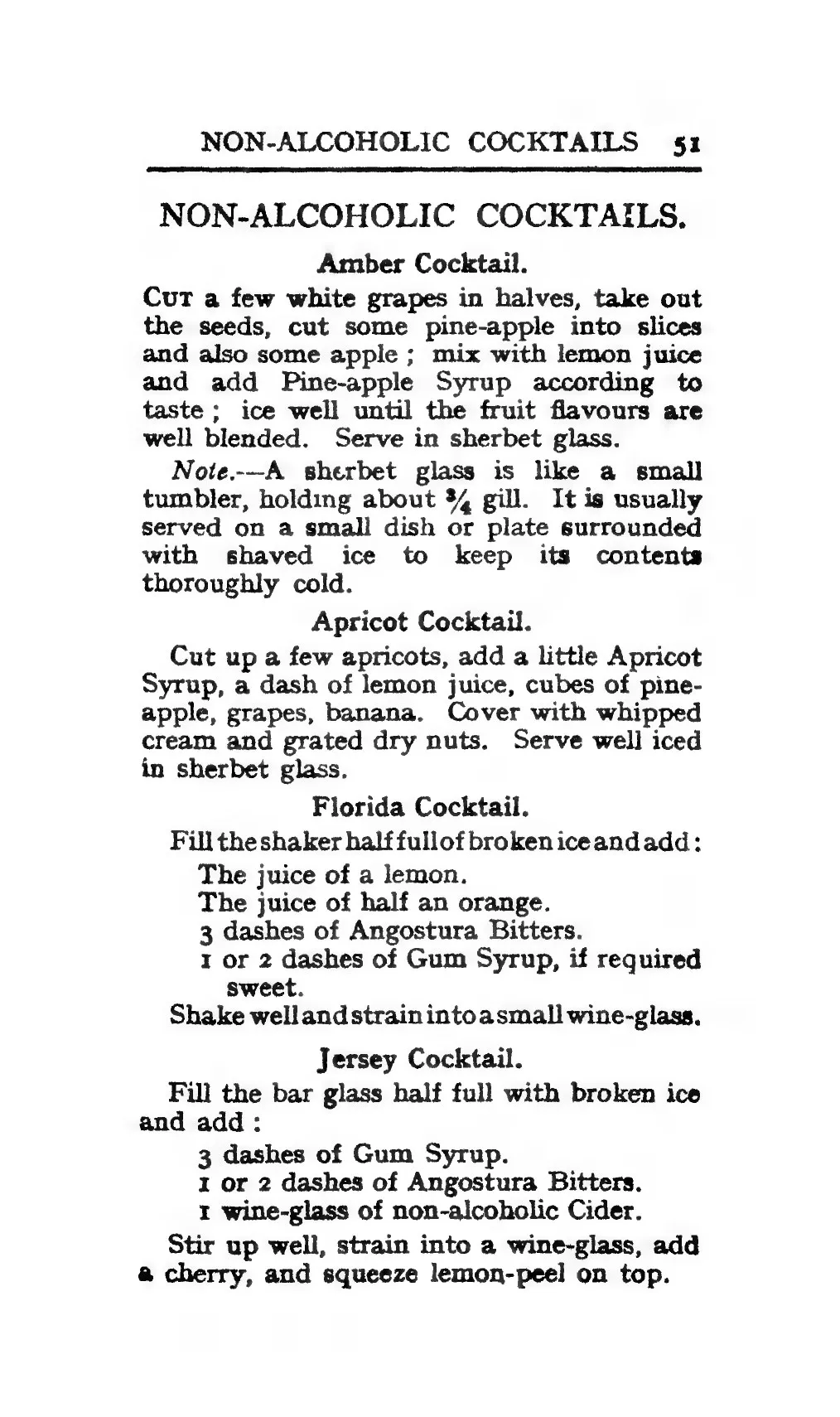 Robert Vermeire, Cocktails: How to Mix Them (London: Herbert Jenkins, 1922; eleventh printing), p. 51. Salar Jung Museum copy via Internet Archive.
The chapter sits among the gin and whisky pages, and its drinks are built the same way. The Florida Cocktail shakes the juice of a lemon and half an orange with three dashes of Angostura, sweetened only “if required.” The Jersey Cocktail is the oldest cocktail pattern, syrup, bitters and a base, with “1 wine-glass of non-alcoholic Cider” as the base. The Rose Cocktail shakes strawberries, pineapple and orange with orange-flower water and goes out under rose petals. For the Summer Cocktail, the bartender mashes currants, raspberries and strawberries with sugar by hand.
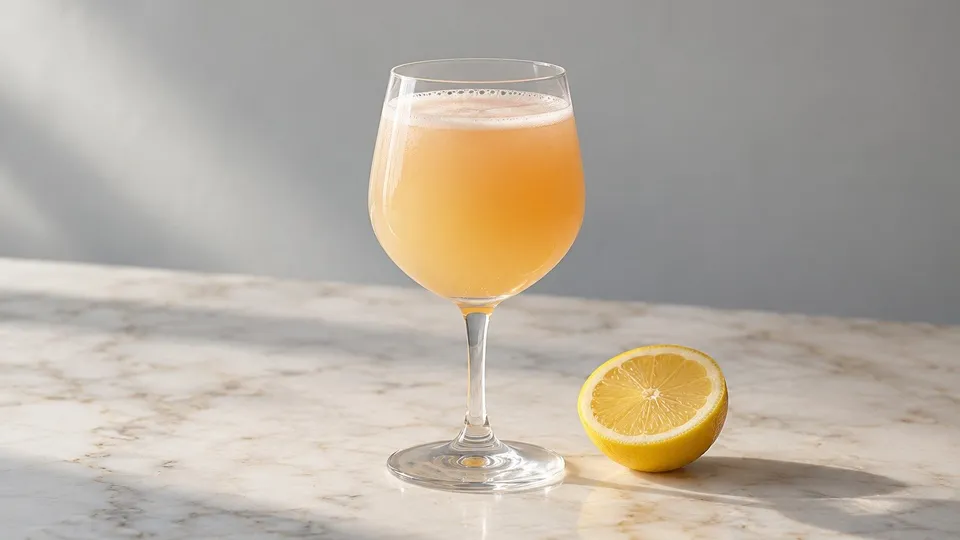 Alcohol-free versionFlorida Cocktail, a Lemon, Orange and Bitters Mocktail from 1922
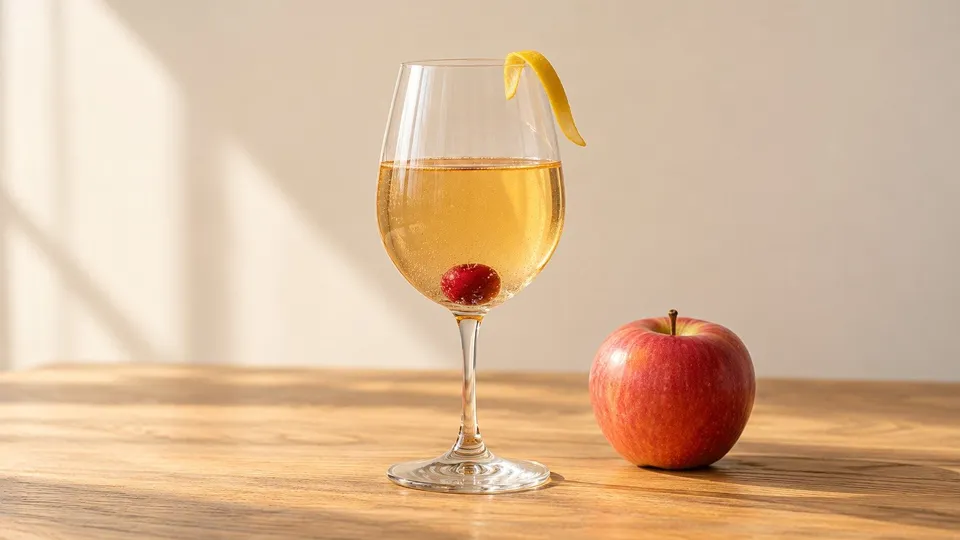 Alcohol-free versionJersey Cocktail, Non-Alcoholic Cider and Bitters from 1922
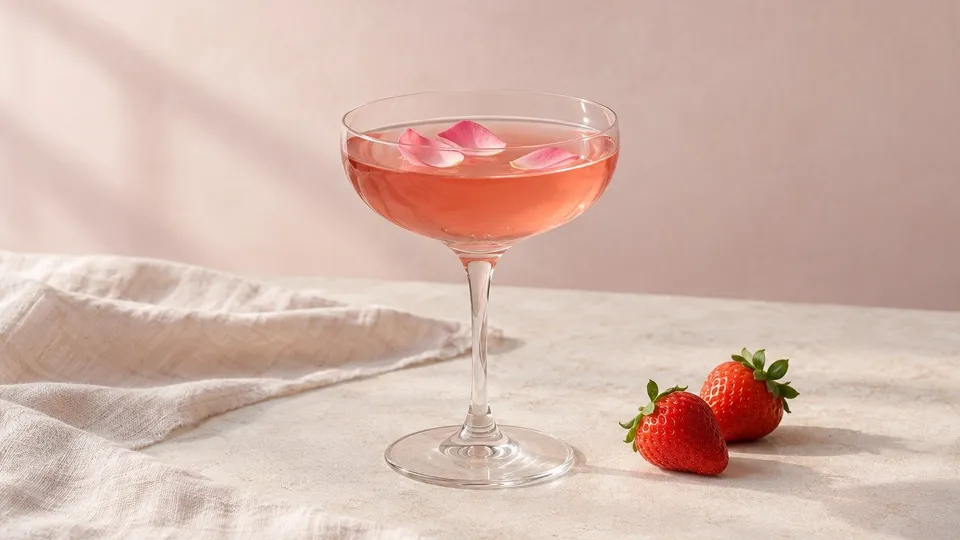 Always alcohol-freeRose Cocktail, a Strawberry, Pineapple and Orange-Flower Mocktail from 1922
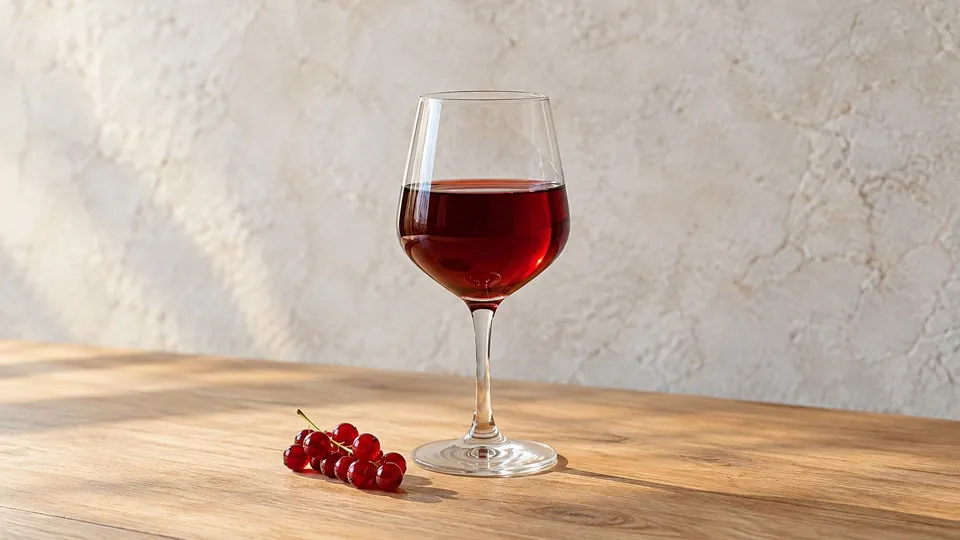 Always alcohol-freeSummer Cocktail, Shaken Red Berry Juice from 1922
Vermeire’s idea of the word was wide. The same pages file a Lobster Cocktail of catsup, citrus and cold lobster as a non-alcoholic cocktail. We know these drinks were printed; we don’t know how many were ordered.
A drink for Pussyfoot
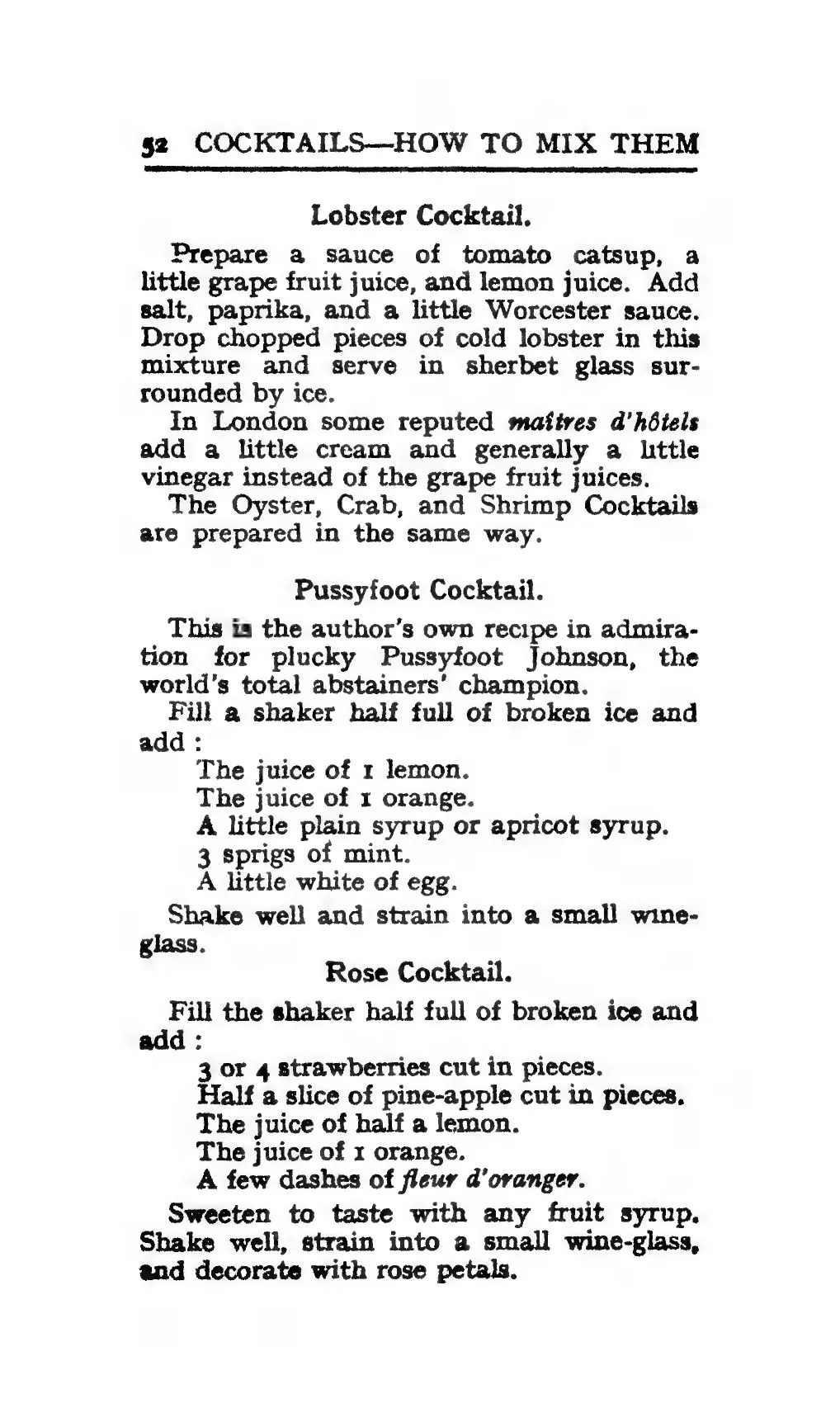 Robert Vermeire, Cocktails: How to Mix Them (London: Herbert Jenkins, 1922; eleventh printing), p. 52. Salar Jung Museum copy via Internet Archive.
The Pussyfoot Cocktail shakes the juice of a lemon and an orange with a little syrup, three sprigs of mint and a little egg white. “This is the author’s own recipe,” Vermeire wrote, “in admiration for plucky Pussyfoot Johnson, the world’s total abstainers’ champion.” Pussyfoot was William E. Johnson, the American dry campaigner. A bartender saluting him in a cocktail book is a joke with some respect in it.
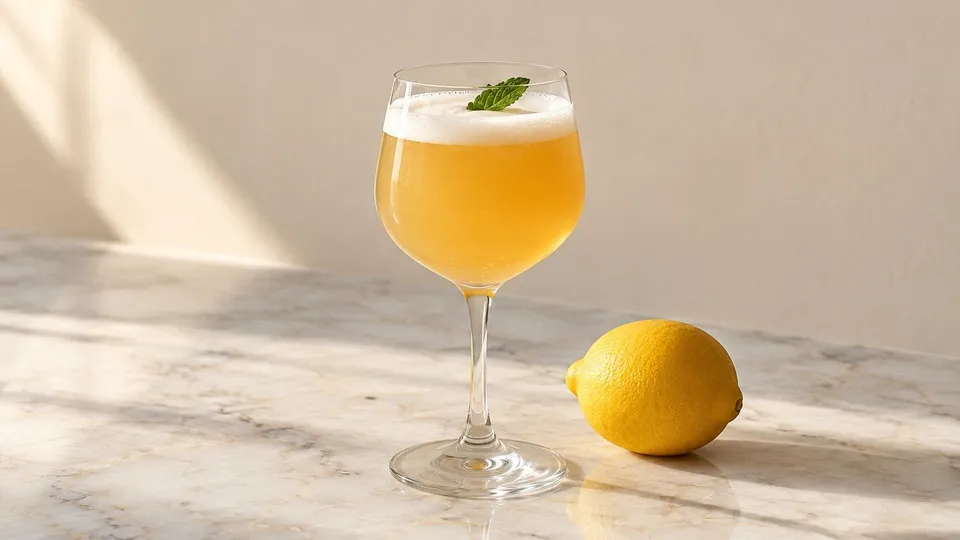 Always alcohol-freePussyfoot Cocktail, the 1922 Bartender’s Mocktail
Coolers and thirst-quenchers
The long drinks came a few pages on. Vermeire’s coolers, he wrote, “are made with liquors; others are absolutely non-alcoholic drinks.” His Boston Cooler is sarsaparilla and ginger ale in equal parts over a whole lemon peel: “Serve and drink when fizzy.”
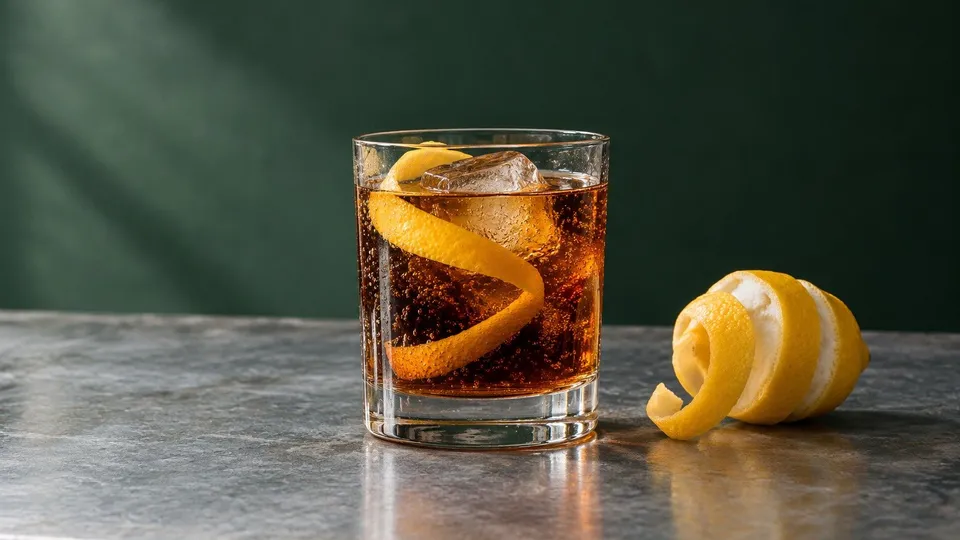 Always alcohol-freeBoston Cooler, Sarsaparilla and Ginger Ale from 1922
The habit lasted into the next decade. In Lugano in 1936, Elvezio Grassi’s 1000 misture filed its long drinks as “Dissetanti,” thirst-quenchers, and printed two side by side: an Aranciata Torinese of orange juice and soda with a splash of anisette, and a Bianco e Nero of almond and tamarind syrups with none at all. The hostess at home had her own book of alcohol-free drinks for a 1920s party.
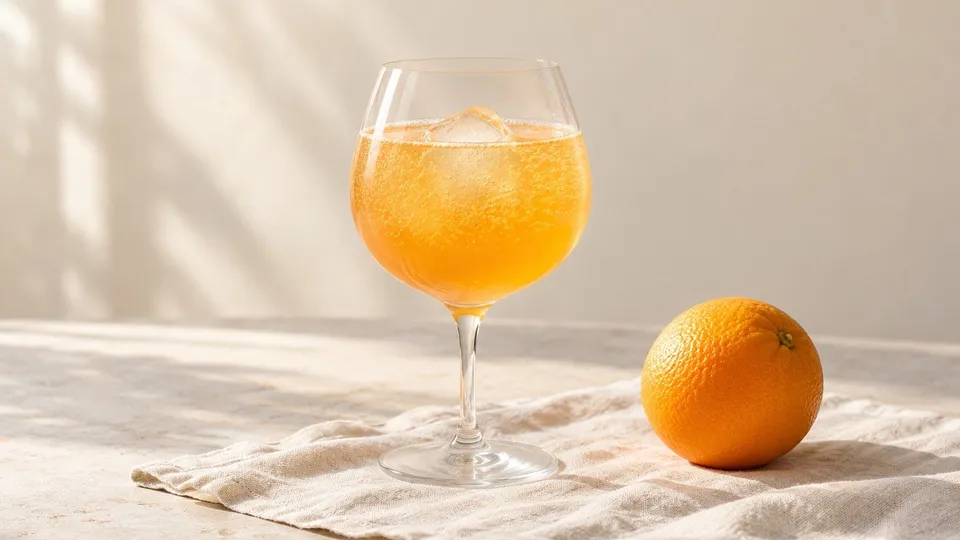 Make it todayAranciata Torinese, Orange Soda with a Splash of Anisette, 1936
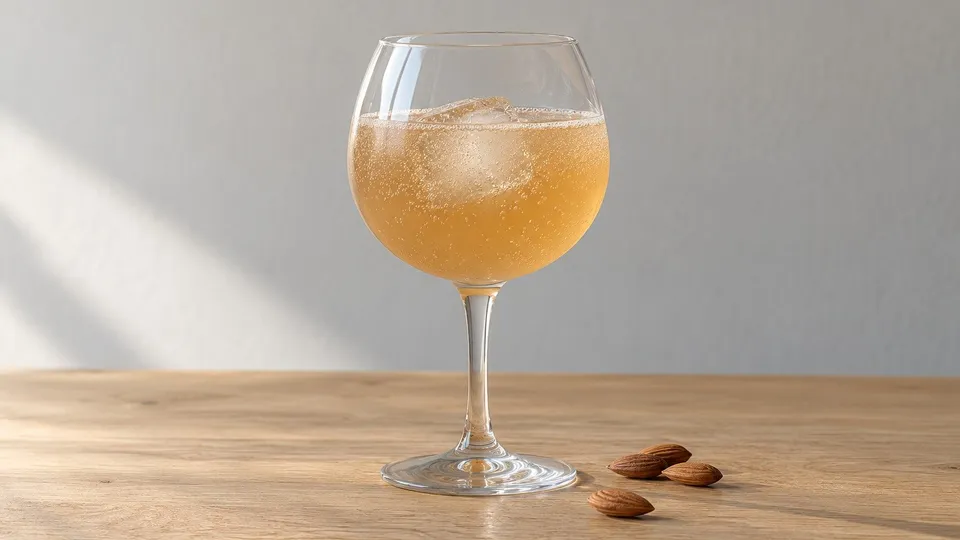 Always alcohol-freeBianco e Nero, Orgeat and Tamarind Soda from 1936
Of Vermeire’s six, the Pussyfoot is the one to shake first: a lemon, an orange and a few mint leaves are in most kitchens, and the egg white gives it the foam of a real sour. Strain it into a small wine glass, as Vermeire did.
Sources
- Robert Vermeire, Cocktails: How to Mix Them (London: Herbert Jenkins, 1922; eleventh printing), blurb, preface and pp. 51–55. Salar Jung Museum copy, Internet Archive
dli.ministry.11256. - Elvezio Grassi, 1000 misture (Bologna: Licinio Cappelli, 1936), p. 147.