The International Bar Flies of Harry’s New York Bar
The International Bar Flies was a mock drinking club founded at Harry’s New York Bar in Paris about Christmas 1924. A 1927 book printed its rules and drinks.
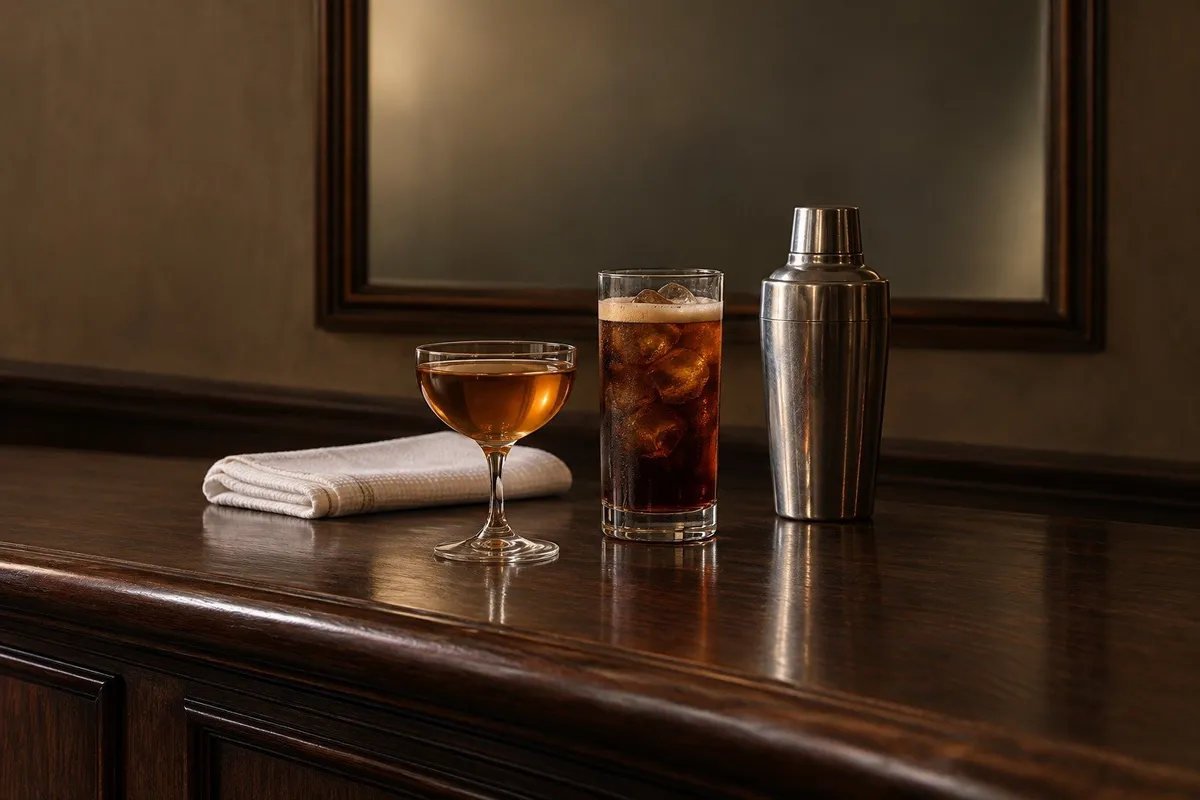
The International Bar Flies was a mock drinking society founded at Harry’s New York Bar in Paris around Christmas 1924, with lodges called traps, officers named after flies, and rules that were mostly jokes about paying. Its history, its rules and a page of its members’ favorite drinks were printed in Barflies and Cocktails, the 1927 book from the same bar, credited to “Harry and Wynn,” with “slight contributions” from the newspaper columnist Arthur Moss.
This story is part of our 1920s Drinks guide.
A society started by an advertisement
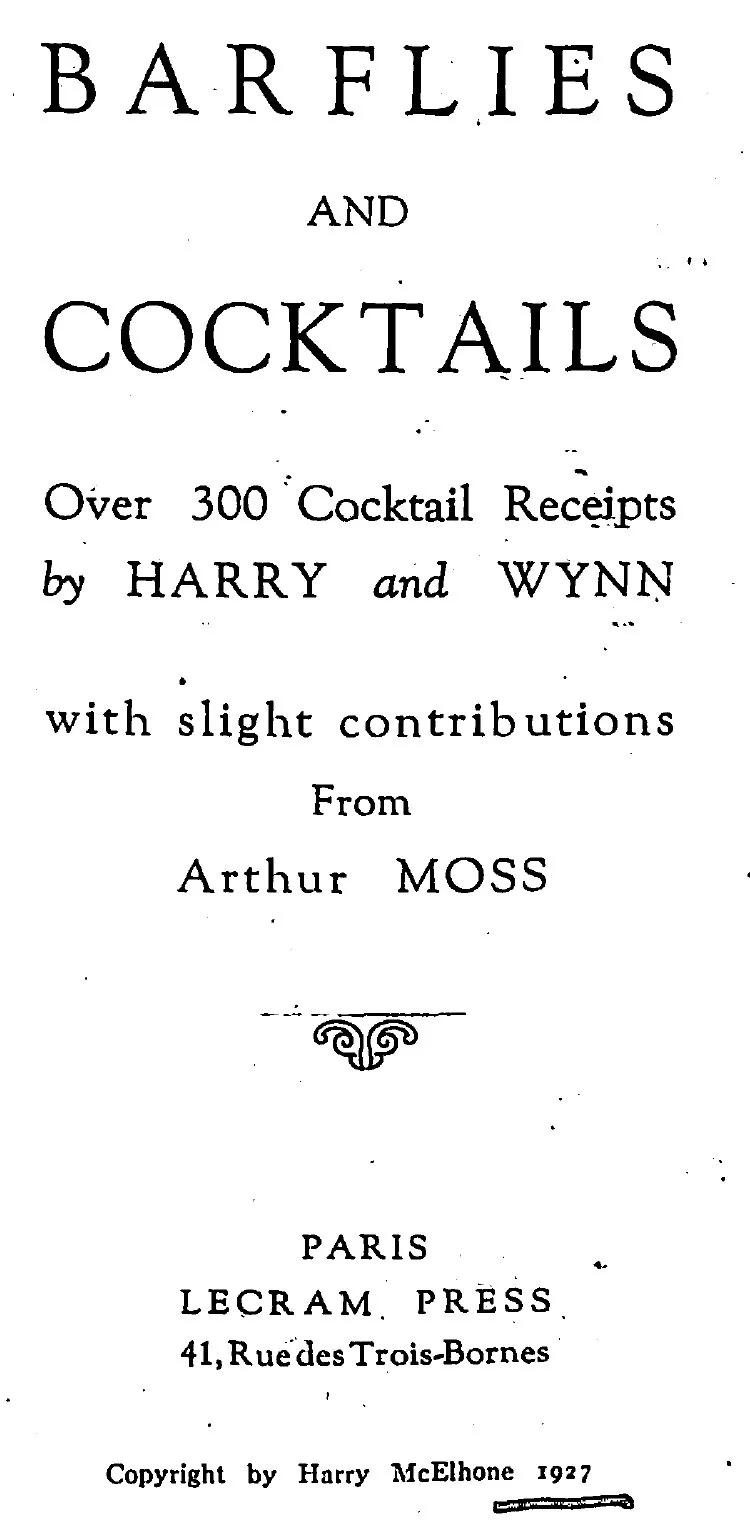 Title page of Barflies and Cocktails (Paris: Lecram Press, 1927).
Moss tells the founding story in a chapter called “The Birth of the I.B.F.,” and admits he wasn’t there: “I can only speak as an ear witness.” In his telling, it began with an article. In the autumn of 1924 O. O. McIntyre wrote a mournful piece for Cosmopolitan on the “Beachcombers of the Boulevards,” which spoke of the “barflies” of Paris. A Montmartre cabaret owner advertised his Christmas Eve takings for the needy barflies of Harry’s and other bars, and Harry McElhone answered by calling a meeting of barflies at his own.
About Christmas 1924, Moss goes on, Trap 1 was organized. The presidency was “foisted upon” McIntyre, with the title Big Blue Bottlefly; McElhone was Little Blue Bottlefly. By 1927 Moss claims “over fifty traps and more than five thousand members.” That is a boast in a book sold by the bar, and nothing in it could test the number.
Rules with a bill attached
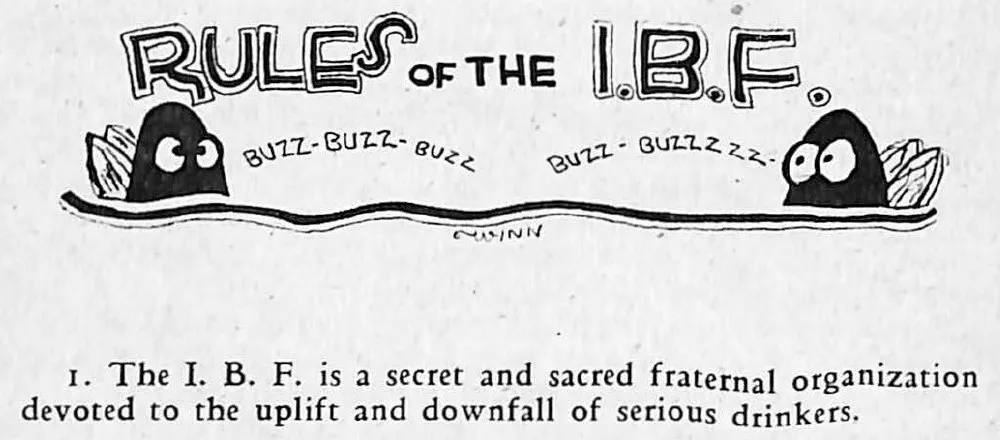 The first of the rules, under Wynn’s heading, in Barflies and Cocktails (Paris, 1927), p. 86.
The numbered rules follow, each under a cartoon by Wynn, the caricaturist credited on the title page. The first sets the tone: the I.B.F. is “a secret and sacred fraternal organization devoted to the uplift and downfall of serious drinkers.”
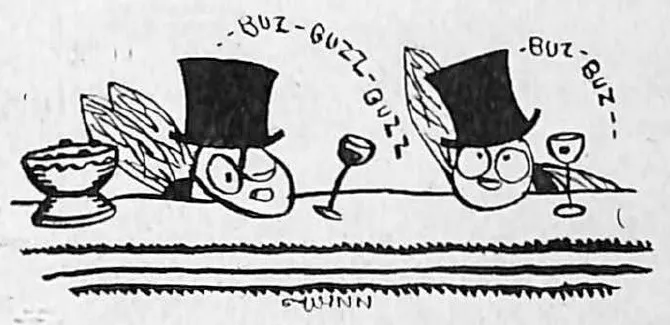 Wynn’s members at the bar, drawn for the rule about falling against the rail, Barflies and Cocktails (1927), p. 87.
Three come back to the till, the eleventh shortest of all: “Remember, nothing is on the house but the roof.” A society that existed to be laughed at was also a reason to come back to one bar and order another round.
The bartender’s side
The front of the same book speaks to the man behind the bar, and it is all discipline. He should be polite and prompt, learn his customers’ names and drinks, wear a spotless white jacket and mix every drink above the counter: “Do all the work in plain view, for there is nothing to conceal.” The customers misbehave; the bartender stays neat and fast.
Drinks for men about town
Moss’s column “Cocktails Round Town” puts names on the drinks. The Murderer’s Cocktail belongs to the novelist Bob Coates: a third each of Calvados, Swedish punch and rum, a dash of bitters and two of absinthe, “asbestos shaker advised,” a joke about the strength of the glass. We give it as the Murderer’s Cocktail, Calvados, Swedish Punch and Rum from 1927. The bandleader Billy Arnold takes a third each of champagne, Coca-Cola and stout, “all well iced,” our Black Bottom Cooler, Champagne, Cola and Stout from 1927. The boxer Tommy Carr gets “a temperance tipple” he calls the Santa Monica: a large tumbler, a lot of ice, and Coca-Cola poured into the spaces.
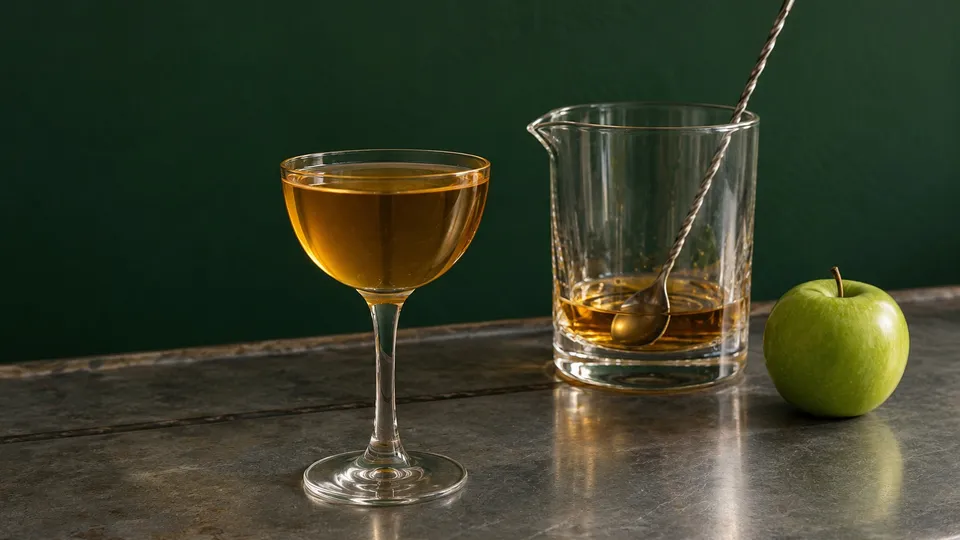 Make it todayMurderer’s Cocktail, Calvados, Swedish Punch and Rum from 1927
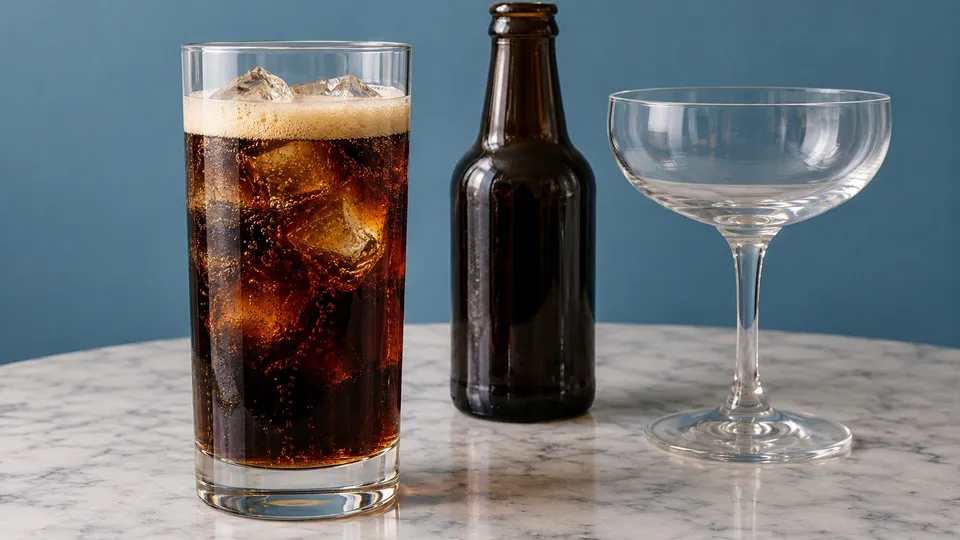 Make it todayBlack Bottom Cooler, Champagne, Cola and Stout from 1927
The same page holds Erskine Gwynne’s Boulevardier, bourbon, Campari and Italian vermouth in equal thirds. The book’s idea of a member was narrow: Moss writes about men about town, and the next page of his column turns on a blackface joke. It was a club for a certain kind of American man in Paris, and the book doesn’t pretend otherwise. The bar’s other drinks of those years are in Cocktails in 1920s London and Paris.
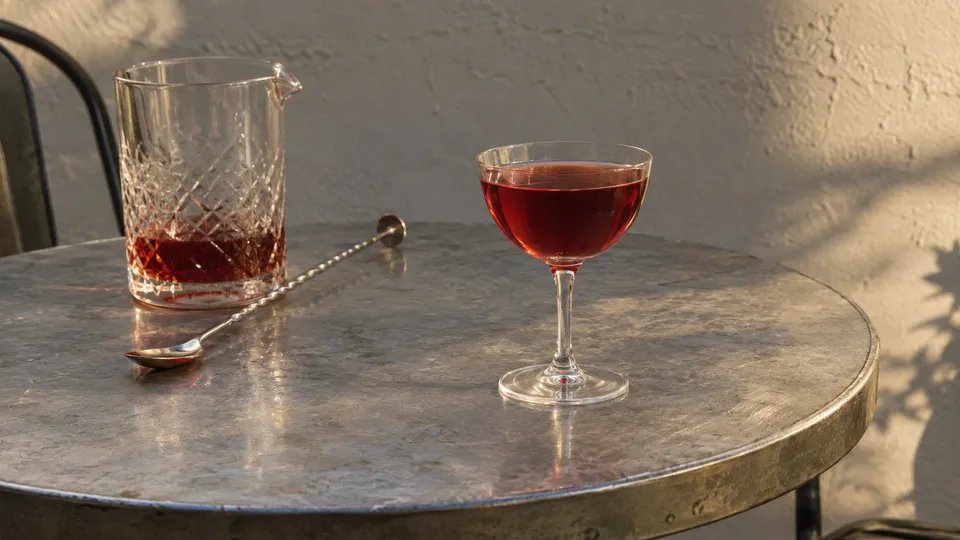 Make it todayBoulevardier, Bourbon and Campari Cocktail
The name outlived the joke
Harry’s New York Bar registered “International Bar Flies” as a French trademark in 1977. In January 1999 the Paris court of appeal upheld its claim against a Paris bar that had registered “Barfly,” for bar and restaurant services, though Harry’s lost its rights for perfume, bags and clothing.
Of the drinks on Moss’s page, make the Black Bottom Cooler for a long evening: it comes out at about the strength of a beer, where the Murderer’s comes to about 29%. Tommy Carr’s Santa Monica needs no recipe, only cola and a lot of ice. For another tall glass without alcohol, the Horse’s Neck of a 1901 bar book is ginger ale over ice with one long spiral of lemon peel.
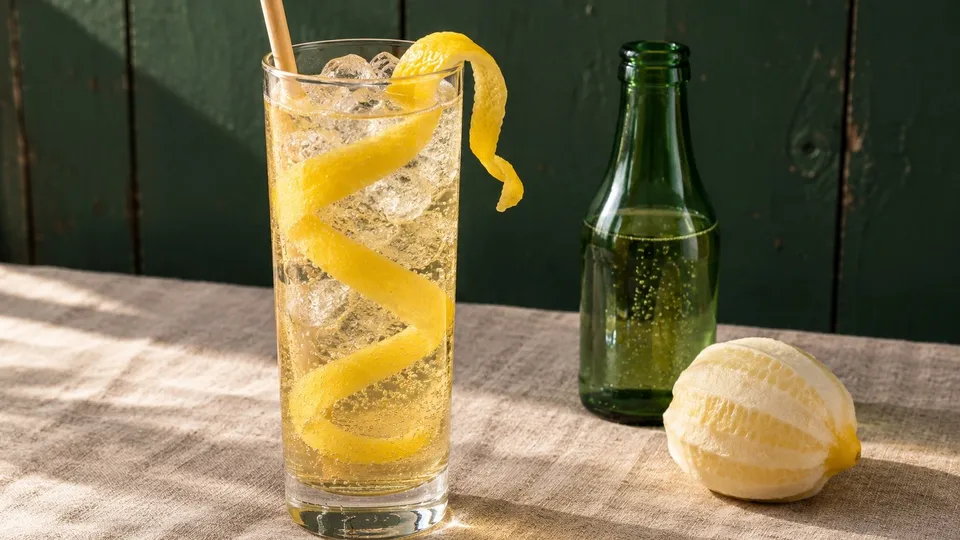 Always alcohol-freeHorse’s Neck, Ginger Ale and a Spiral of Lemon Peel
Sources
- Harry McElhone [MacElhone] and Wynn, with Arthur Moss, Barflies and Cocktails (Paris: Lecram Press, 1927), title page, pp. 1–4, 79–81, 84–87, 89, 95.
- Cour d’appel de Paris, 4e chambre, judgment of January 15, 1999, Harry’s New York Bar v. George V Restauration (INPI M19990035), and the Paris tribunal de grande instance’s judgment of November 26, 1997 (INPI M19970751).