Forgotten Drinks Worth Making Again
Forgotten drinks people once had every day, with and without alcohol: switchel, posset, negus, saloop, shrub, spruce beer, hippocras, mulsum and the egg cream.
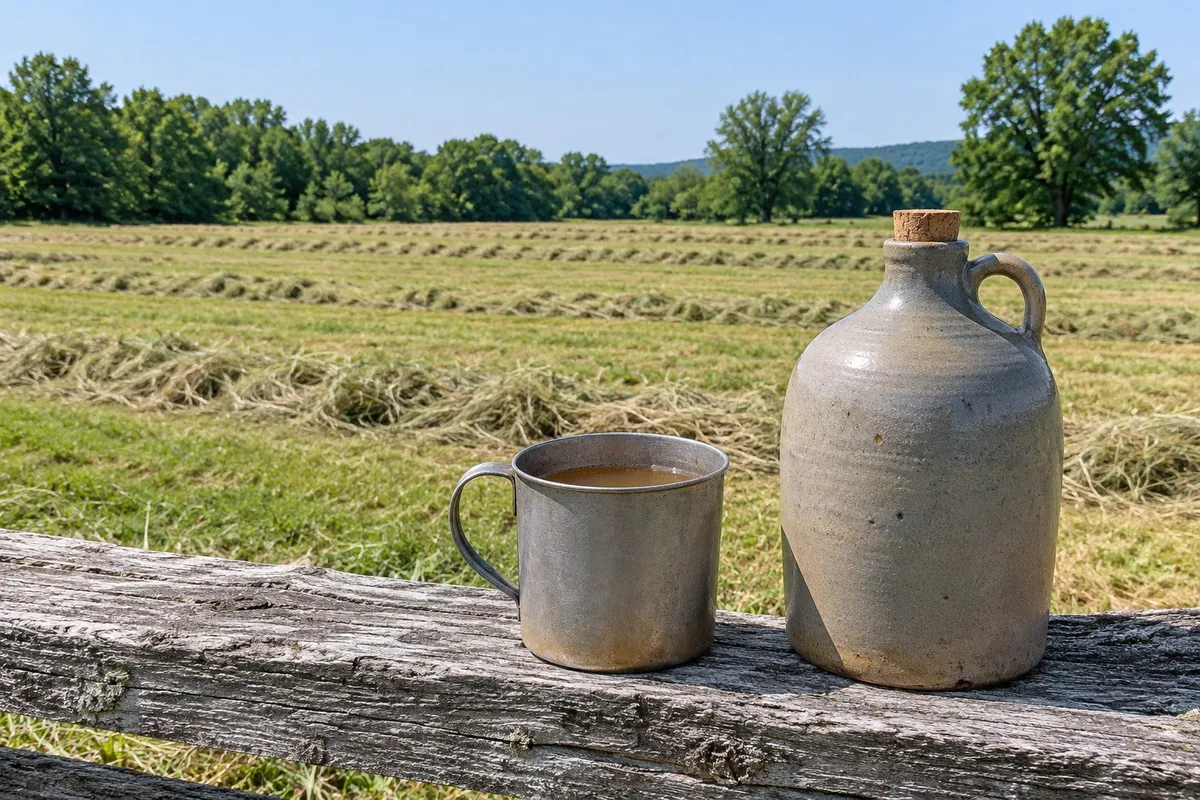
The forgotten drinks worth making again are the ordinary ones: switchel in the hayfield, saloop at a London street stall before dawn, raspberry shrub stirred into iced water, posset by the fire, negus at a ball, hippocras after a feast and honeyed mulsum before a Roman dinner. People once drank them as a matter of course, and most of them need nothing harder to find than molasses, vinegar, milk, lemons or a bottle of wine. Six of the nine have no alcohol at all, or come in an alcohol-free version.
Without alcohol
Switchel is cold water with molasses, vinegar and ground ginger. A Philadelphia Quaker weekly gave it by the ten-gallon batch in 1856 as a “Harvest Drink,” promising that harvesters would “stand their labors well” on it, and from at least 1805 American papers pressed water drinks like it on haymakers in place of the field rum. Ours is Switchel, the 1856 Harvest Drink, and the farm year around it is in What Did Early Americans Drink at Harvest?
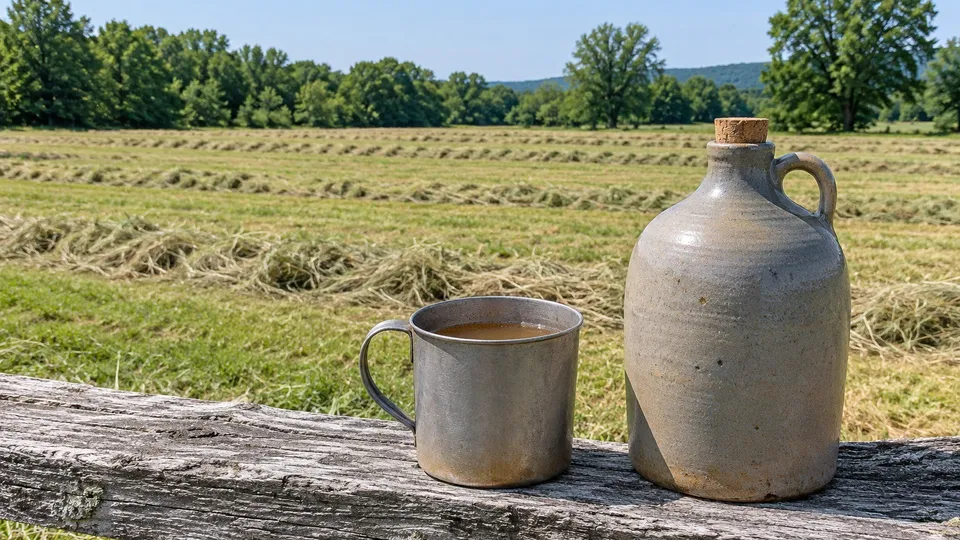 Always alcohol-freeSwitchel, the 1856 Harvest Drink
Saloop was London’s pre-dawn street drink from the 1700s to the 1840s, hot, sweet and slightly thick. Its original thickener, orchid-root salep, can’t be used today, but an 1821 cookbook published in Salford “by a member of the Society of Bible-Christians” already offered a way round it: Saloop with Milk, thickened with starch or arrowroot.
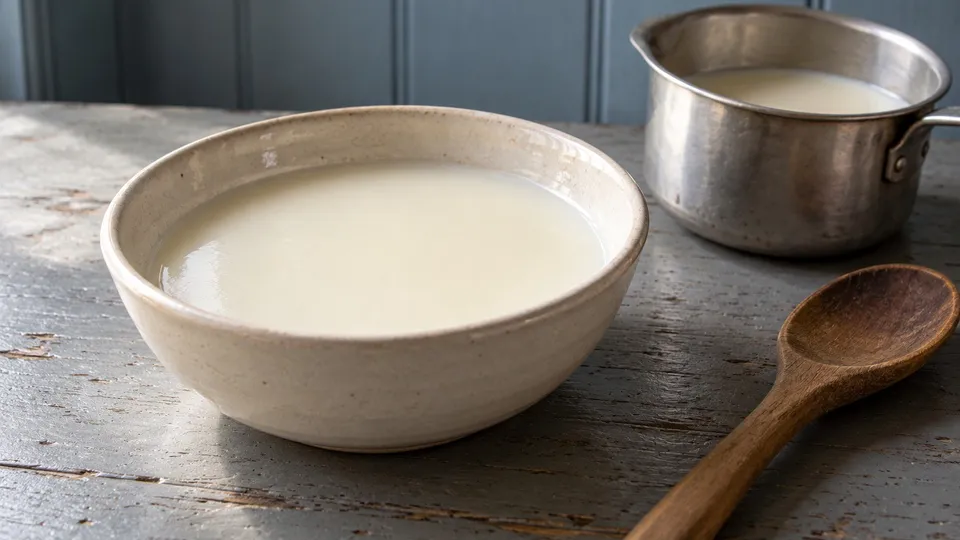 Always alcohol-freeSaloop with Milk
Shrub in America meant fruit steeped in vinegar and sweetened, a syrup kept for summer. Lettice Bryan’s Kentucky Housewife of 1839 calls her raspberry shrub “very nice, mixed with iced water, for a summer drink,” and our Raspberry Shrub Made with Vinegar follows her.
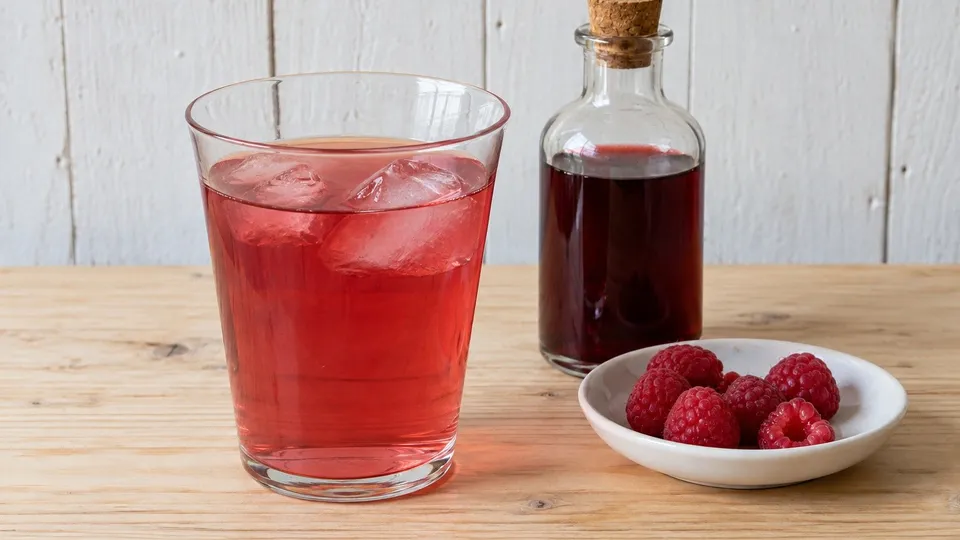 Always alcohol-freeRaspberry Shrub Made with Vinegar
The egg cream is the one on this list that never quite went away. A Chicago soda manual of 1897 printed one with real egg and cream, and the name was on a Missouri cafe’s list in 1893; the New York version poured now has neither, only chocolate syrup, cold milk and seltzer. Make the New York one with Egg Cream: Chocolate Syrup, Milk and Seltzer.
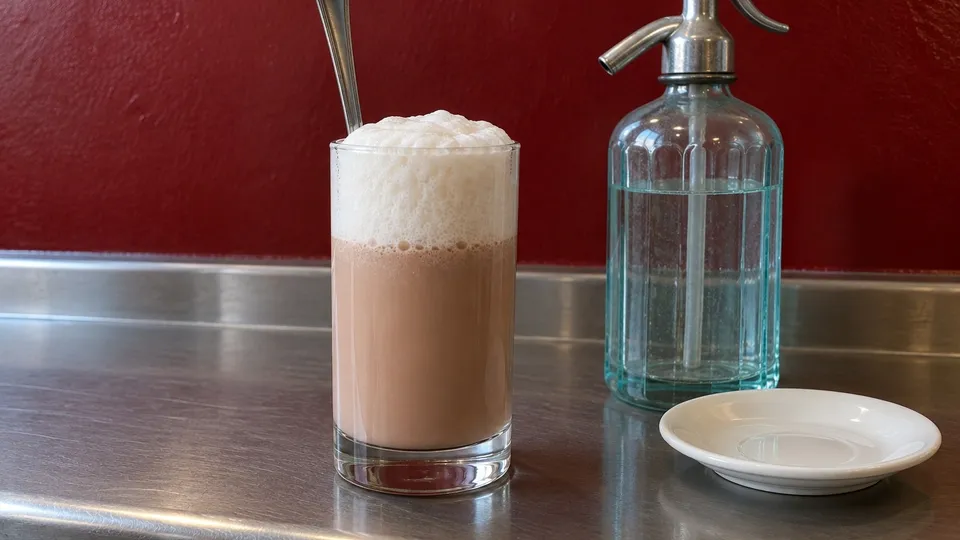 Always alcohol-freeEgg Cream: Chocolate Syrup, Milk and Seltzer
Low in alcohol
Spruce beer is molasses and water worked with yeast and a spoonful of spruce essence. Our recipe comes from a New York druggist’s handbill of about 1804, and it bottles into a light, gently sparkling small beer of roughly 2.5 percent: Spruce Beer from an 1804 New York Handbill. For a no-yeast glass with the same flavor, Spruce Soda with Molasses uses soda water instead.
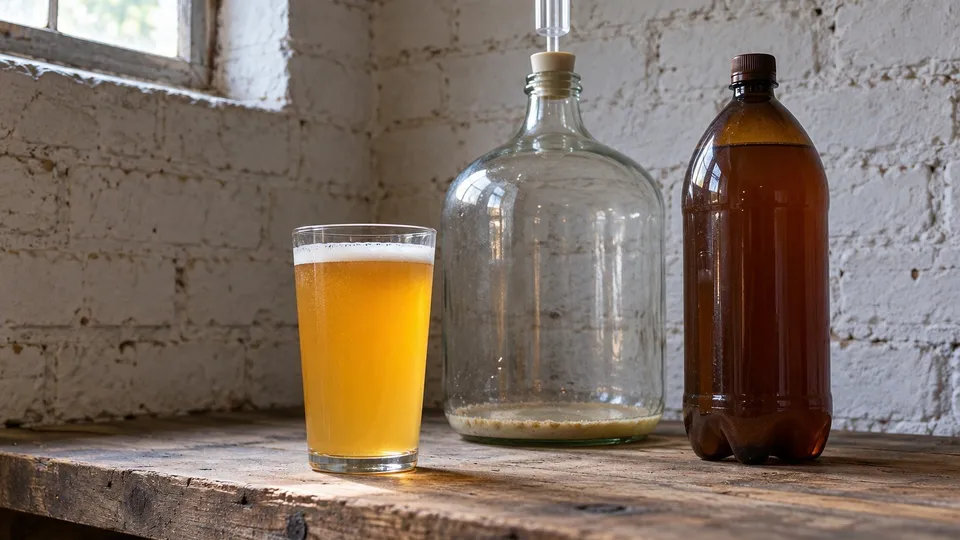 Make it todaySpruce Beer from an 1804 New York Handbill
 Alcohol-free versionSpruce Soda with Molasses
With wine and ale
Posset is hot milk poured onto cold ale, which sets into soft curds in a warm whey. Andrew Boorde gave the whole method in one line in 1542, and an English cookbook of about 1430 already assumed every cook knew how to make one. Ours is Posset Ale, Hot Milk Curdled with Ale.
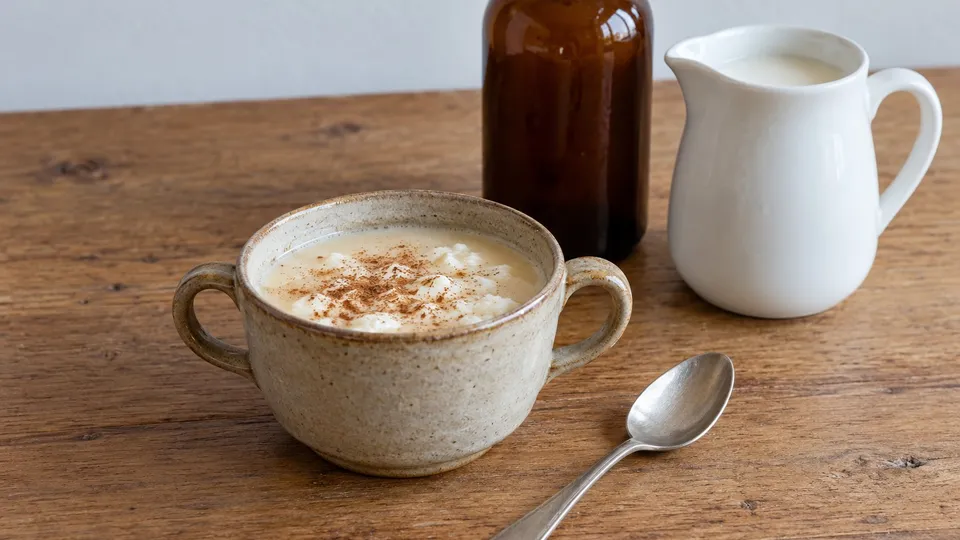 Make it todayPosset Ale, Hot Milk Curdled with Ale
Negus is port and hot water with sugar, lemon and nutmeg, poured from a jug at balls and evening parties from the 1740s until it faded in the 1890s. Jane Austen sends Fanny Price to bed after her first ball “feverish with hopes and fears, soup and negus.” Oxford’s 1847 method is our Port Wine Negus, Hot Port with Lemon and Nutmeg, and the same jug with hot grape and blackcurrant juice is the Alcohol-Free Negus.
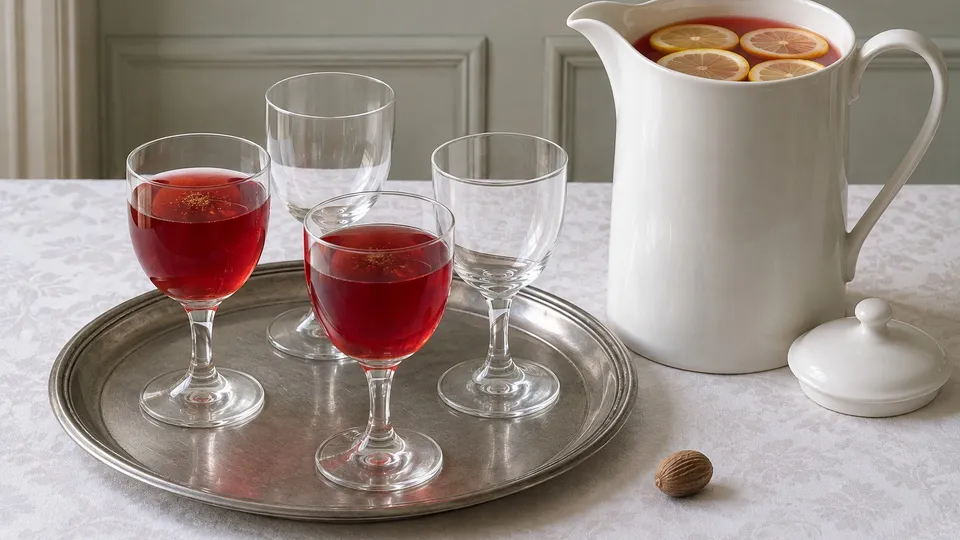 Make it todayPort Wine Negus, Hot Port with Lemon and Nutmeg
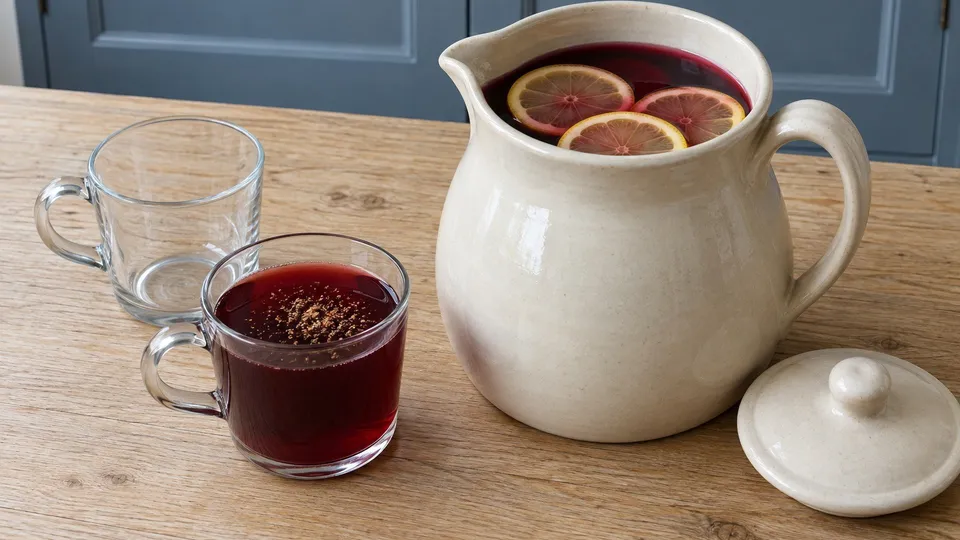 Alcohol-free versionAlcohol-Free Negus, Hot Grape and Blackcurrant with Lemon
Hippocras is red wine sweetened with sugar, loaded with ground spice and poured through a row of cloth bags until it runs clear. In great medieval households it was often served at the end of the feast, with wafers. Ours follows John Russell’s Boke of Nurture: Hippocras, Medieval Spiced Wine.
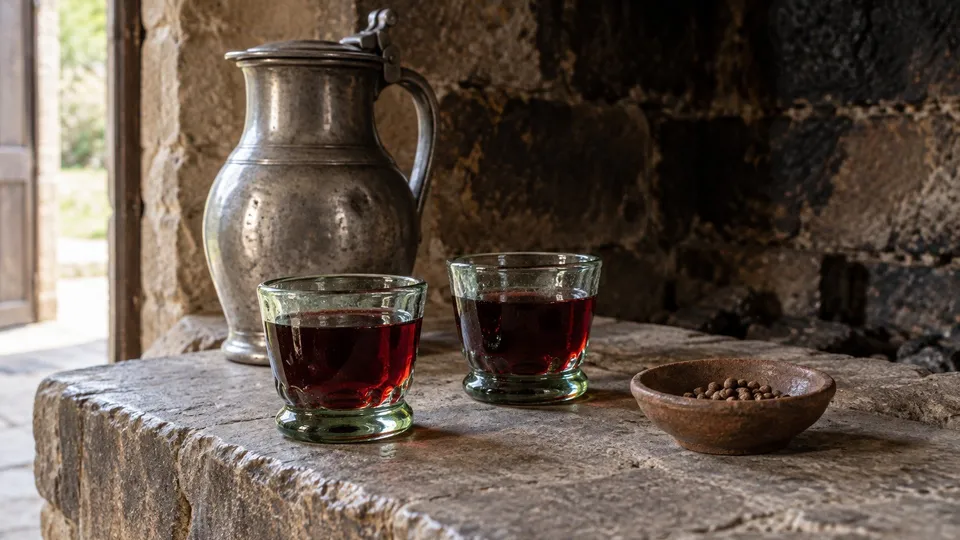 Make it todayHippocras, Medieval Spiced Wine
Mulsum is wine sweetened with honey, four measures to one, which Romans drank with the first course while the plain wine waited. The first course even took its name from it, the promulsis. Ours is Mulsum, Roman Honeyed Wine.
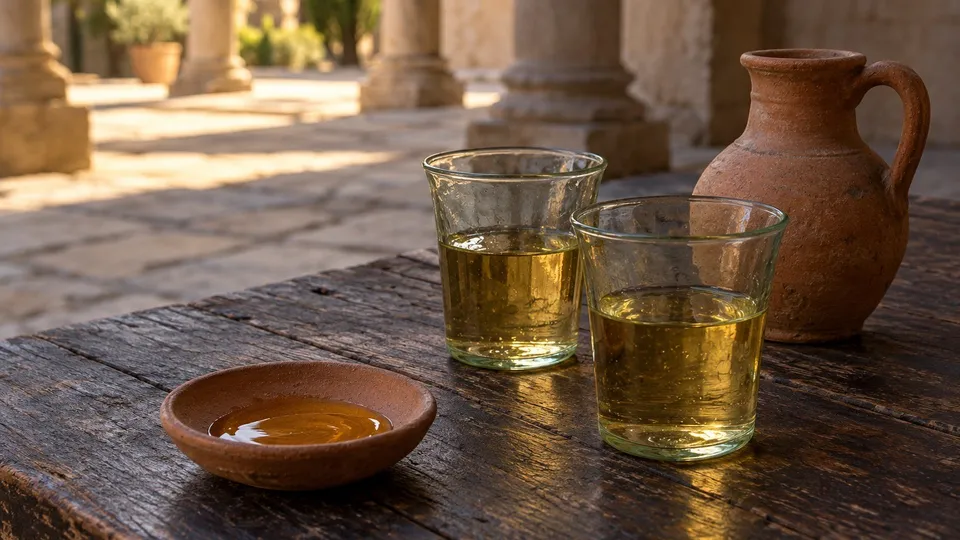 Make it todayMulsum, Roman Honeyed Wine
Why they were dropped
Each one fell away for its own reason, and only some of the reasons are on record. Saloop lost both of its ingredients: wild orchid salep is now protected, and sassafras, the cheaper street version, has been banned as a food additive in the United States since 1960. Switchel belonged to haying by hand. Negus belonged to a ballroom where dancers needed something warm and weak, and it had faded by the 1890s. Hippocras and mulsum went with the tables that served them. For the others no source gives a reason, though bottled and canned drinks were taking over the shelf as they faded.
What they share is that they were everyday drinks, made at home from what was in the kitchen. The wider story of what people drank without alcohol, era by era, is in Alcohol-Free Drinks Through History.
Switchel is the one to start with: a jug of water, molasses, cider vinegar and ginger takes five minutes to shake together, and you pour it cool, without ice, as the old sources describe it.
For what was on the plate, our sister site The Forgotten Menu has historic recipes worth cooking again (opens in a new tab).
Sources
- “Harvest Drink,” Friends’ Intelligencer (Philadelphia), vol. 13 no. 16, July 5, 1856, p. 254.
- A New System of Vegetable Cookery, 2nd ed. (Salford: Academy Press, 1821), No. 709, p. 271.
- Lettice Bryan, The Kentucky Housewife (Cincinnati: Shepard & Stearns, 1839), p. 391.
- A. Emil Hiss, The Standard Manual of Soda and Other Beverages (Chicago: G. P. Engelhard, 1897), p. 112.
- R. Bach & Co., Essence of Spruce, handbill (New York, about 1804). National Library of Medicine.
- Andrew Boorde, A Compendyous Regyment or a Dyetary of Helth (1542), ed. F. J. Furnivall (1870), p. 257.
- [Richard Cook, attrib.], Oxford Night Caps, 4th ed. (Oxford: Henry Slatter, 1847), pp. 6–7.
- Jane Austen, Mansfield Park (1814).
- John Russell, The Boke of Nurture, in F. J. Furnivall (ed.), Early English Meals and Manners (1868), pp. 9–12.
- Harold Whetstone Johnston, The Private Life of the Romans (Chicago: Scott, Foresman, 1903), p. 199.