Lemonade, Rice Water and a Better Teapot: Soyer at Scutari
In the Scutari hospitals of 1855, sick soldiers drank tea, rice water, barley water and lemonade, many made to recipes by the chef Alexis Soyer.
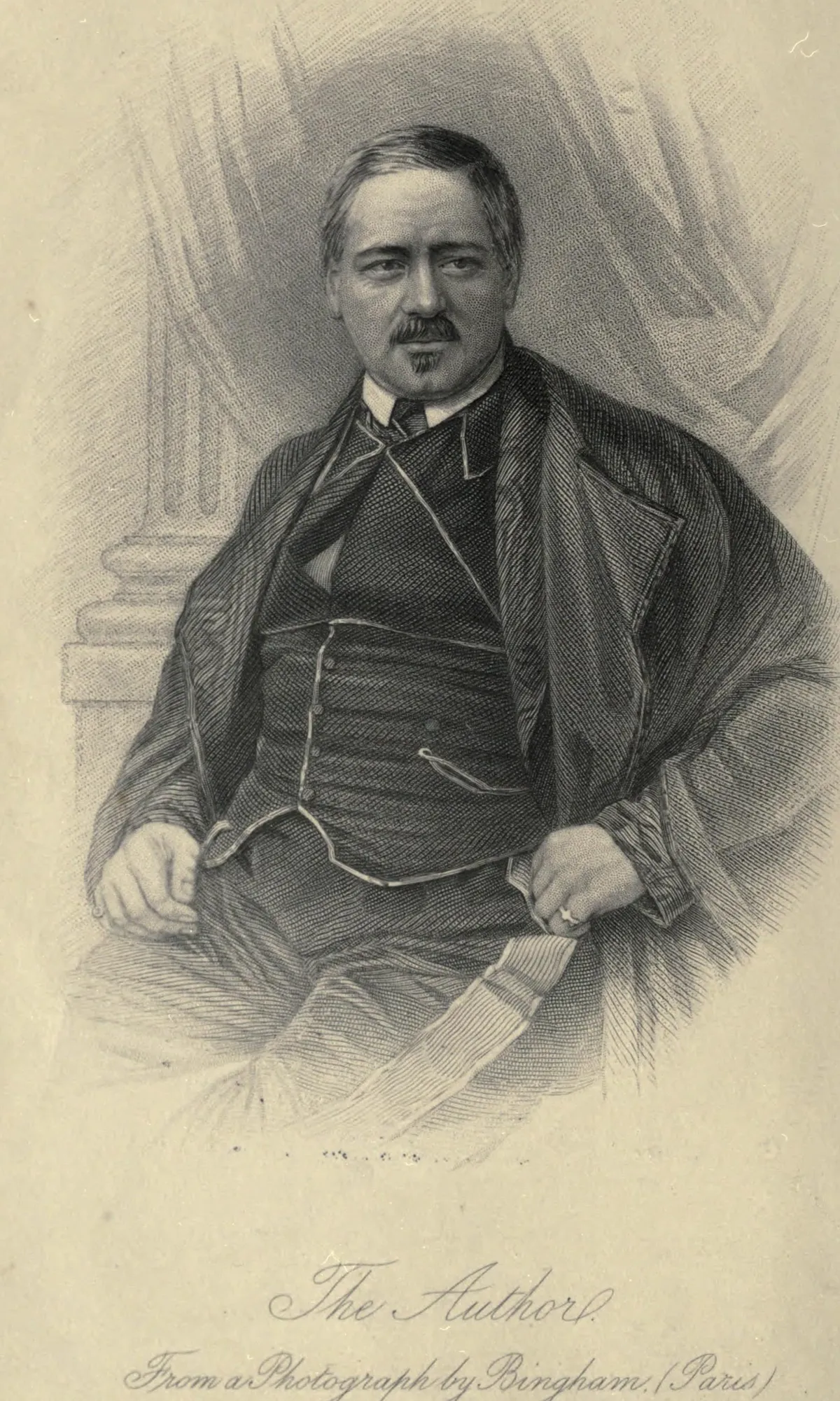
In the Scutari hospitals in 1855, Florence Nightingale’s sick soldiers drank tea, beef tea, rice water, barley water, arrowroot water and lemonade, and many of those drinks were made to recipes by Alexis Soyer, the most famous chef in London. He went out to Turkey at his own expense, rewrote the hospital diets, and printed them all in 1857 in Soyer’s Culinary Campaign. When the lemons ran out, he made lemonade from the lime juice the army already issued.
A chef volunteers
Soyer had cooked for the Reform Club in London and was a celebrity by the time the war in the Crimea began. On February 2, 1855, he wrote to The Times about the army hospitals at Scutari, across the Bosphorus from Constantinople. “I propose offering my services gratuitously, and proceeding direct to Scutari, at my own personal expense, to regulate that important department, if the Government will honour me with their confidence.” The department was the kitchens. He was polite about one of them: “the kitchen under the superintendence of Miss Nightingale affords so much relief,” but the big kitchen of the Barrack Hospital “is far from being perfect.”
By the spring of 1855 he was there. His book prints letters dated from the hospitals at Kululee and Scutari in April and May.
Tea in a cloth
Tea was the first thing he fixed. The cooks, he found, made it in the same copper boilers as the soup and meat. “Their plan was to tie the tea in a piece of cloth, and throw it into the boiling water. In a few minutes the cloth had shrunk so much, that the aroma of the tea, instead of being diffused, was retained in the centre, the inside of the bag being scarcely soaked.”
He suggested fine nets in place of the cloth. “Miss Nightingale immediately had this done, and they were a great improvement.” Then he went further and built what he called the Scutari Teapot.
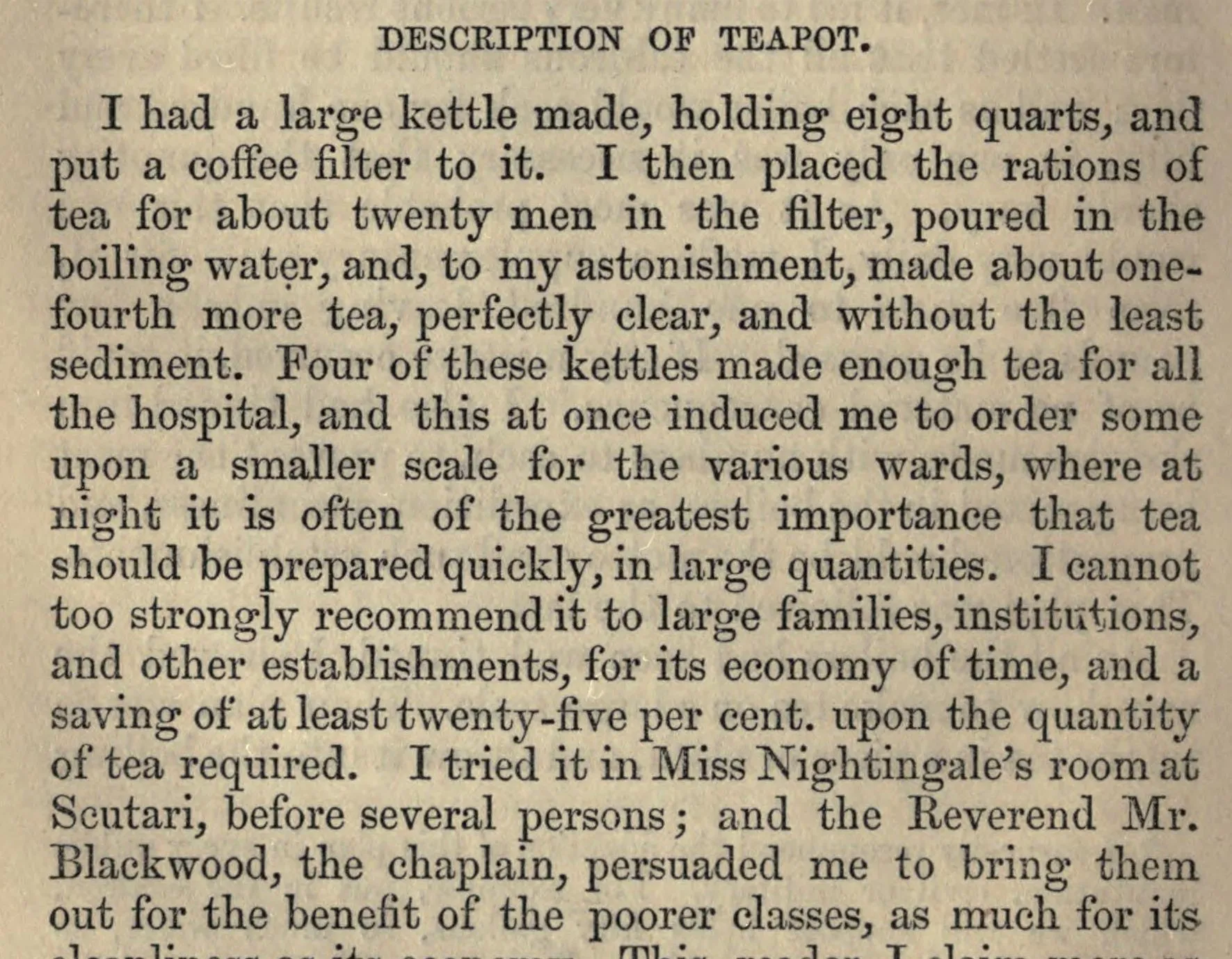 Soyer’s description of his Scutari Teapot, in Soyer’s Culinary Campaign (London: Routledge, 1857), p. 126.
“I had a large kettle made, holding eight quarts, and put a coffee filter to it,” he wrote. Into the filter went the tea rations for about twenty men, then boiling water, “and, to my astonishment, made about one-fourth more tea, perfectly clear, and without the least sediment.” Four of the kettles, he says, made enough tea for the whole hospital. He tried it “in Miss Nightingale’s room at Scutari, before several persons,” and claimed a saving of at least a quarter of the tea. That is his own account, and the book is his own advertisement as much as a record, but the nets and the kettle are simple enough to believe.
Rice water before lemonade
Soyer’s new hospital diets did not forget what he called the beverages: “rice water, lemonades, arrow-root, panada ditto, barley water, sago jelly, &c.” He printed each one in quantity, by the pint and by the fifty pints, for cooks who had to feed a ward.
The doctors chose among them. The climate, he wrote, tended to bring on diarrhea, dysentery and cholera, and for drinking in the first stage of those illnesses the doctors ordered “strong rice-water, barley-water, and arrowroot-water, in preference to lemonade.” His rice water is plain: rice, sugar and lemon peel simmered in water for three-quarters of an hour and strained, made today as Soyer’s Rice Water. His barley water is the same idea with barley and two hours on the fire, much like the barley water with lemon and mace on our pages.
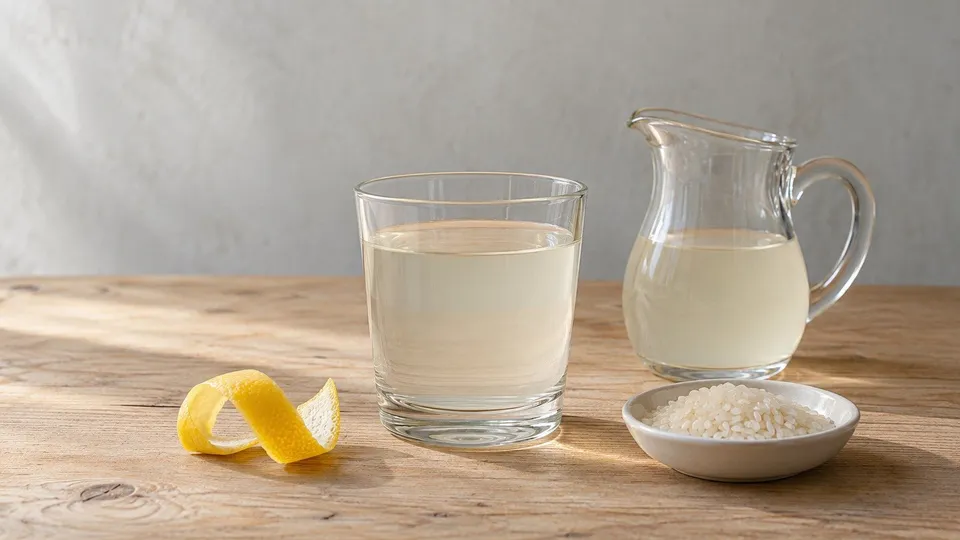 Always alcohol-freeSoyer’s Rice Water, a Scutari Hospital Drink from 1857
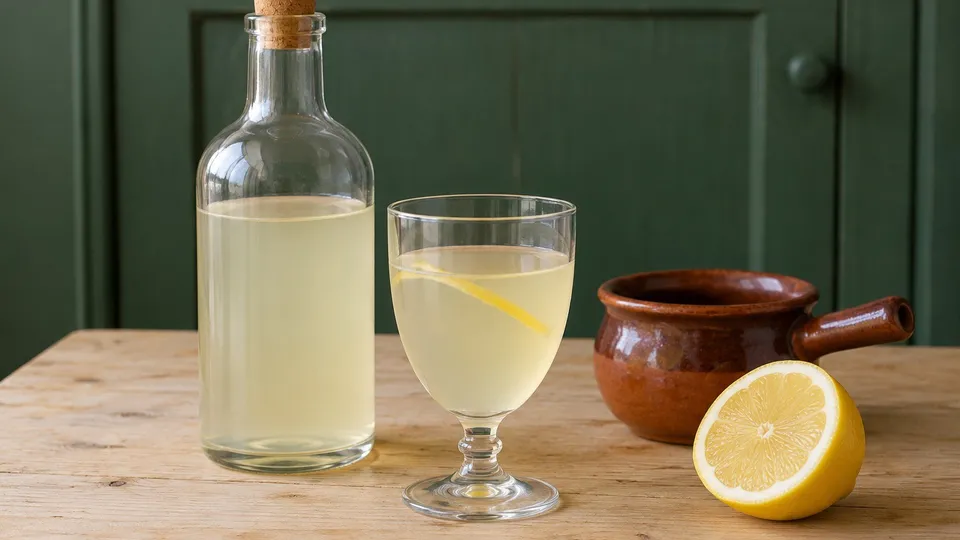 Always alcohol-freeBarley Water with Lemon and Mace
The hospital was not dry. The tasting he held for the chief doctor when his kitchen opened included arrowroot water “ditto with wine” and sago with port, and the invalid diets used wine where the doctors ordered it.
Lemonade without lemons
For his plain lemonade Soyer used the whole lemon, and said why: juice and sugar alone “will make lemonade, but will then be deprived of the aroma which the rind contains, the said rind being generally thrown away.” Lemons were not always to be had at Scutari or in the camp, so he added two lemonades approved, he says, by eminent doctors at Scutari for when they were not.
The cheaper one needs no fruit at all. Two tablespoons of sugar and half a tablespoon of lime juice, stirred together for a minute, then a pint of water. The lime juice was the army’s own, issued every day against scurvy, and the rum came with it, much as the Navy’s daily spirit ration in What Did Navy Sailors Drink in 1824? did. Soyer finished the recipe with a soldier’s suggestion: “A drop of rum will make a good variation, as lime juice and rum are daily issued to the soldiers.”
Make it as Soyer’s Cheap Crimean Lemonade. Half a tablespoon of lime to a pint looks mean, but the army’s lime juice was probably stronger than fresh juice; add more of today’s fresh juice to taste. Everything in it came out of a soldier’s own rations. The lemonade it was saving lemons for has its own long history in A Short History of Lemonade.
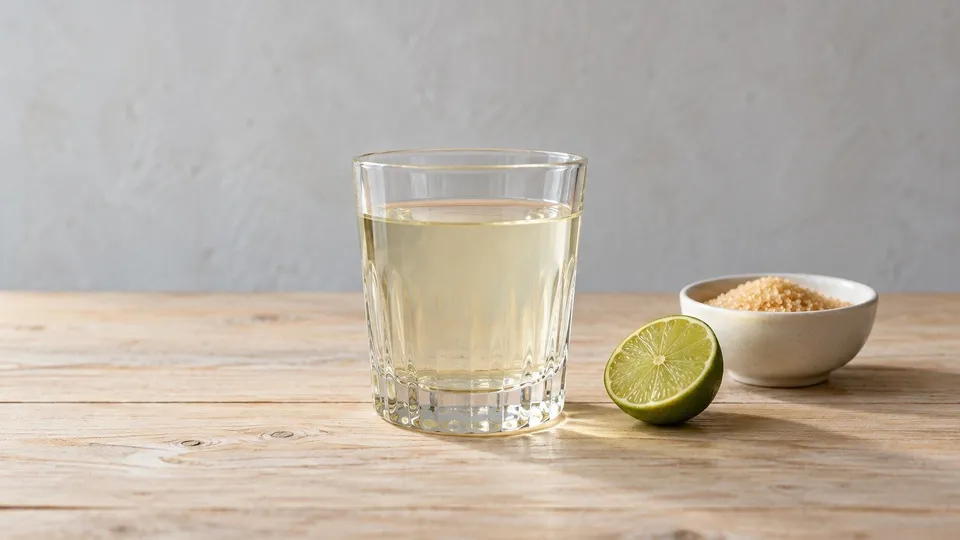 Always alcohol-freeSoyer’s Cheap Crimean Lemonade, Lime Juice, Sugar and Water from 1857
For what was on the plate, our sister site The Forgotten Menu has the food Soyer cooked at Scutari (opens in a new tab).
Sources
- Alexis Soyer, Soyer’s Culinary Campaign: Being Historical Reminiscences of the Late War, with the Plain Art of Cookery for Military and Civil Institutions (London: G. Routledge, 1857), frontispiece and pp. 5, 122, 125–126, 132, 266–267 and 518–519. University of Toronto copy, Internet Archive.