What Did Havana’s Cocktail King Pour in the 1930s?
Frozen daiquiris made on a milkshake mixer, a rum and vermouth Presidente and drinks named for people: what Havana’s Bar La Florida printed in 1939.
Havana’s “cocktail king” poured frozen daiquiris whizzed on a drugstore milkshake mixer, a rum and vermouth Presidente, and a long list of house drinks, many named for people. In 1939 his bar, La Florida on the corner of Obispo and Monserrate, printed them all in a small bilingual booklet, Floridita Cock-tails, with its head bartender on the cover: Constantino Ribalaigua, known as Constante.
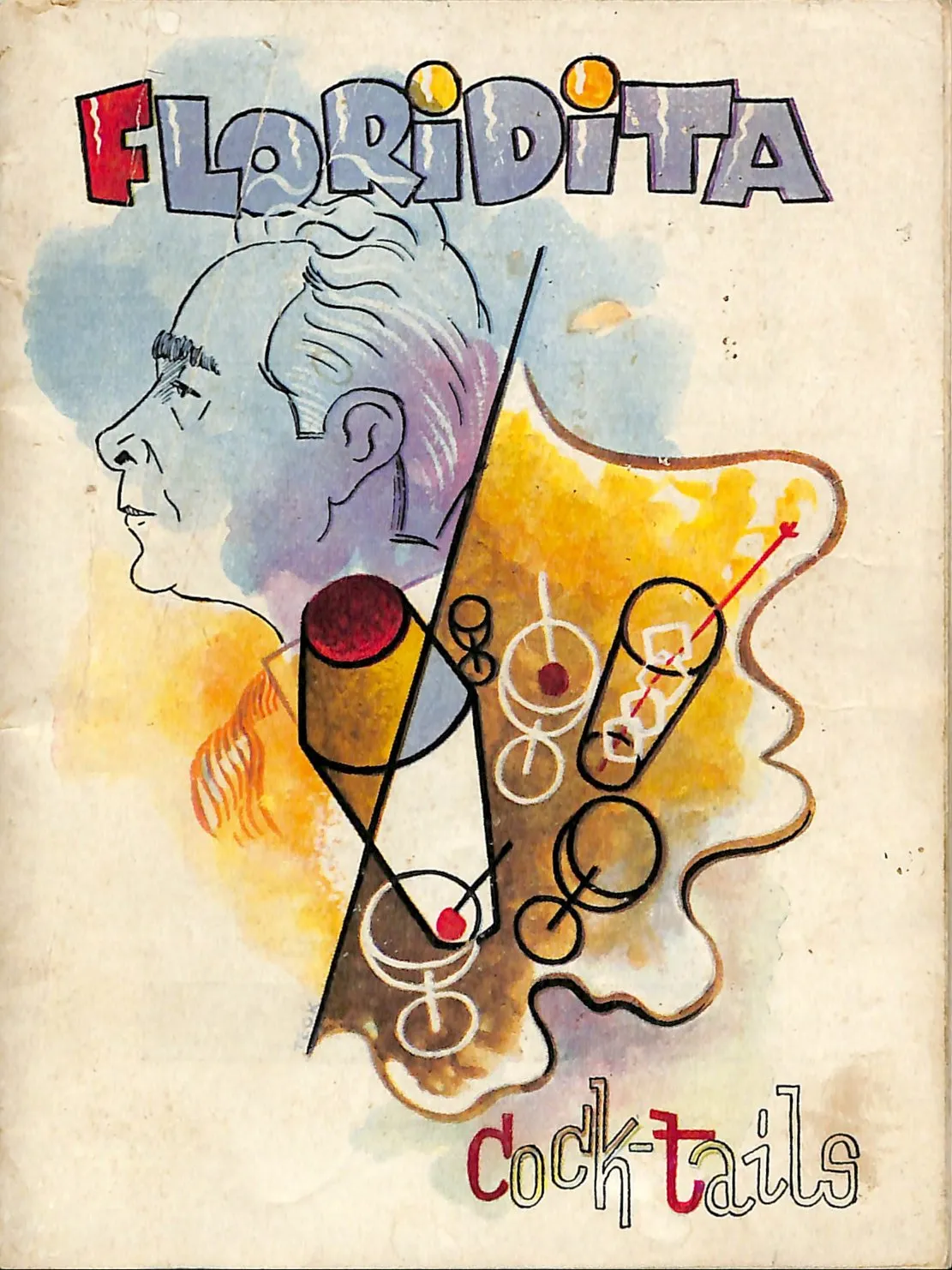 Floridita Cock-tails (Havana: Bar La Florida, 1939), cover. EUVS Vintage Cocktail Books facsimile.
Crowned by the press
The title came from a newspaperman. The booklet reprints a United Press report by Jack Cuddy, datelined Havana, March 2, 1937. Reporters at the Hotel Nacional, he wrote, agreed “that drinking was Cuba’s National Sport,” and set out to find its champion. They phoned “Sloppy Joe’s, the Plaza, the Sevilla, and Prado 86,” and the vote went “unanimously in favor of Constantino Ribalaigua,” “the cocktail king of Cuba.” Cuddy found him at La Florida, “already in uniform of white jacket and apron.”
Ice like snow
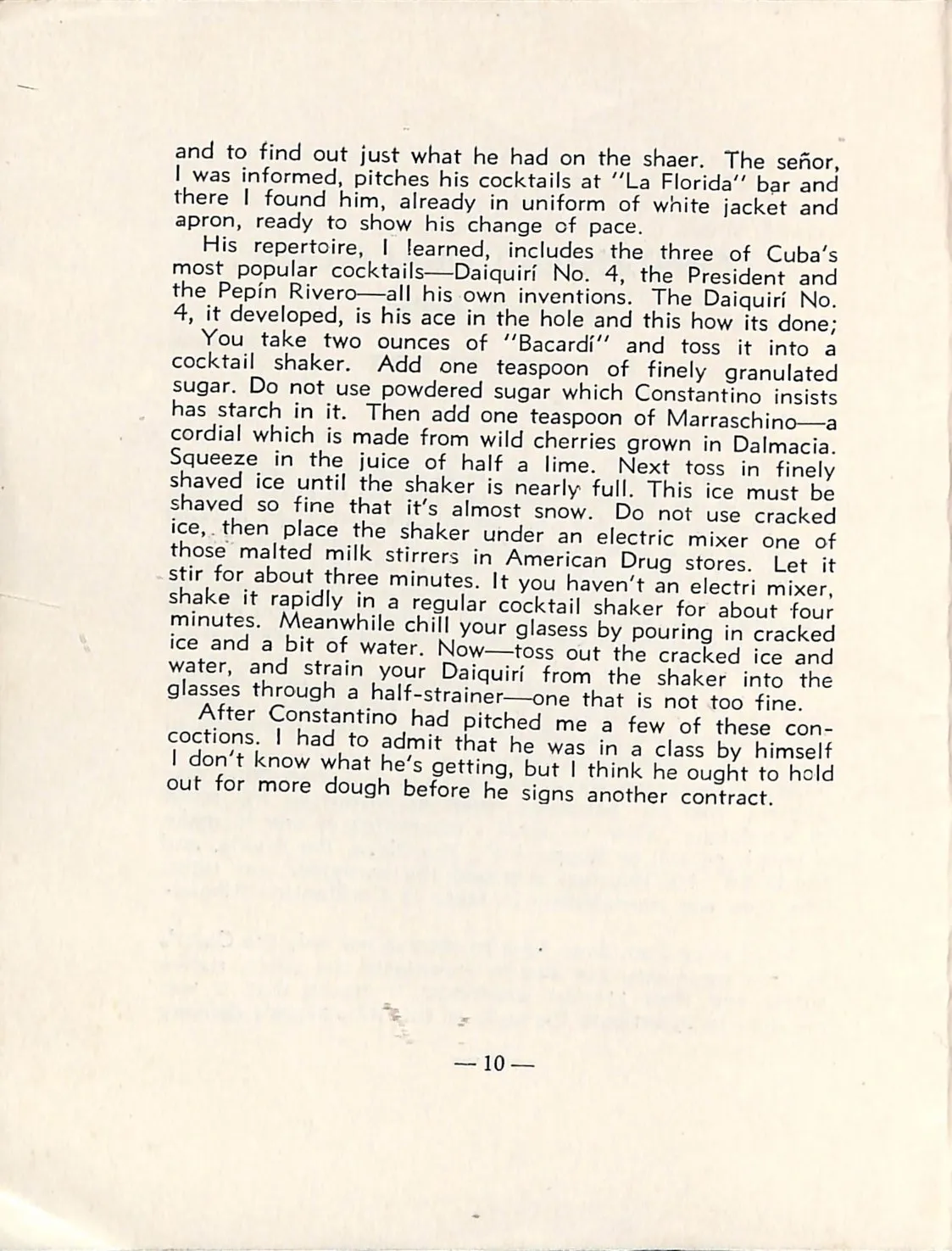 Floridita Cock-tails (Havana: Bar La Florida, 1939), p. 10, reprinting Jack Cuddy’s United Press report of 1937. EUVS Vintage Cocktail Books facsimile.
Cuddy named three drinks as the most popular in Cuba, “Daiquirí No. 4, the President and the Pepín Rivero,” and called them all Constante’s own inventions; that is the reporter’s word, not a record of who was first. Then he gave the method for the Daiquirí No. 4. Rum, sugar, a teaspoon of maraschino and half a lime go into a shaker full of ice that “must be shaved so fine that it’s almost snow,” and the shaker goes under “an electric mixer one of those malted milk stirrers in American Drug stores” for about three minutes. Havana’s most famous daiquiri came off a soda-fountain spindle. TuneMyRecipe has a modern frozen lime daiquiri (opens in a new tab).
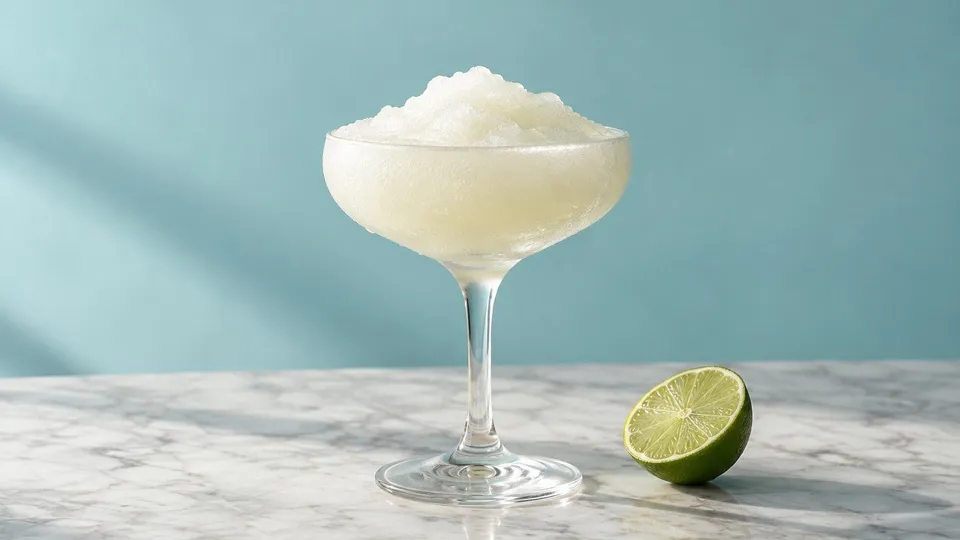 Make it todayDaiquirí No. 4, the Floridita’s Frozen Daiquiri with Maraschino, 1939
The Presidente is the stirred one: more vermouth than gold rum, a little curaçao, cherries and orange peel. The Havana Special is half rum and half pineapple juice, shaken until it foams.
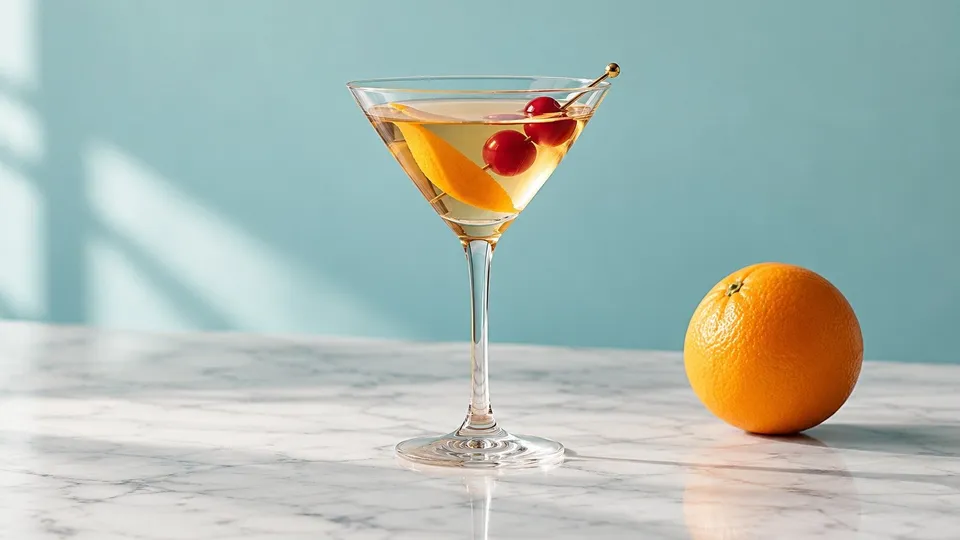 Make it todayPresidente Cocktail, Gold Rum, Vermouth and Curaçao, Havana 1939
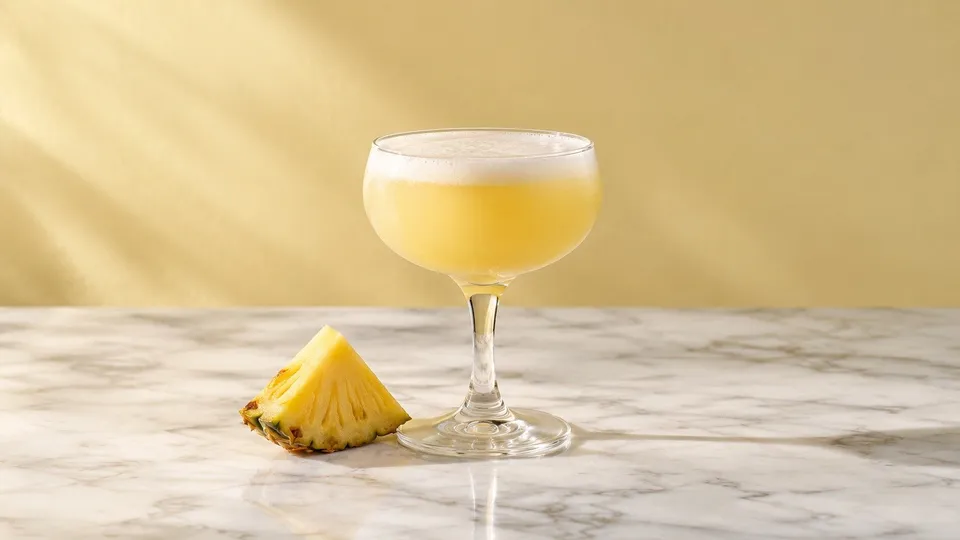 Make it todayHavana Special, Rum and Pineapple Juice from 1939
The bar’s own history
The booklet tells its own story, and it should be read as the bar’s. It says a tavern stood on the corner in 1819, where customers came for “‘mixed gin’ or cherry Brandy,” and it prints a recipe under that name, the Ginebra Compuesta of gin, mint, bitters, sugar and curaçao. During “the dry era,” it says, magazines called the American Bar in Paris and La Florida the cocktail’s “most sacred temples.” The same page sums up the claim: “1819-1939—one century of fine standing.” Elsewhere it calls the bar the “Cradle of the Daiquirí,” a slogan rather than a record, and offers its “exquisite whipped fruit juices” beside the rum. A testimonial from one H. W. Graham puts it plainly: “‘La Florida’ is the greatest bar on earth.”
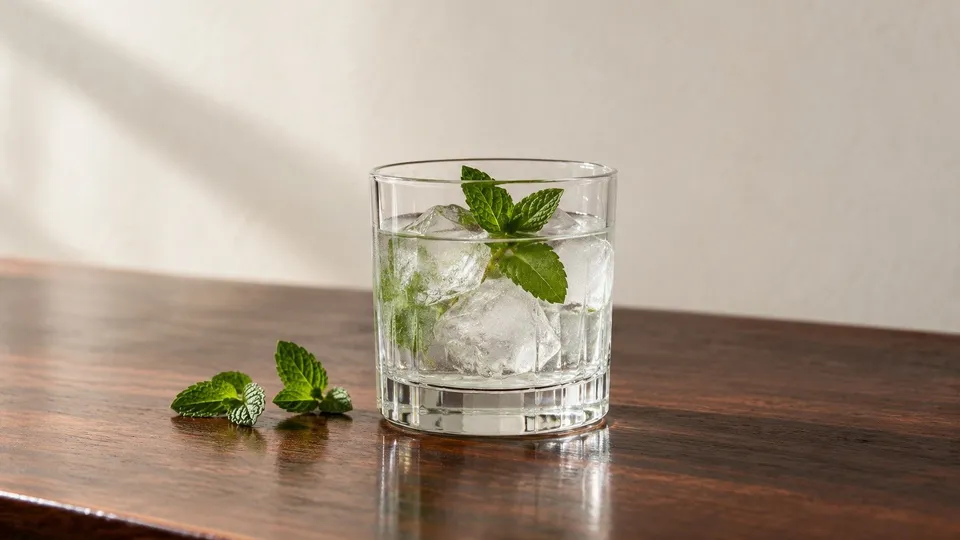 Make it todayGinebra Compuesta, Havana’s Mixed Gin with Mint and Curaçao, 1939
Drinks with names
Many house drinks carry a person’s name, with no story attached. The Josephine Baker shakes cognac, port and apricot brandy with an egg yolk under a dusting of cinnamon. La Vida en Rosa is credited “(Juan Comellas),” a brandy daiquiri served frappé with a cherry. The booklet also has the vodka and tomato Mary Rose, told with the Bloody Mary’s other names. Rum’s longer road into the cocktail glass is in From Punch Bowl to Shaker.
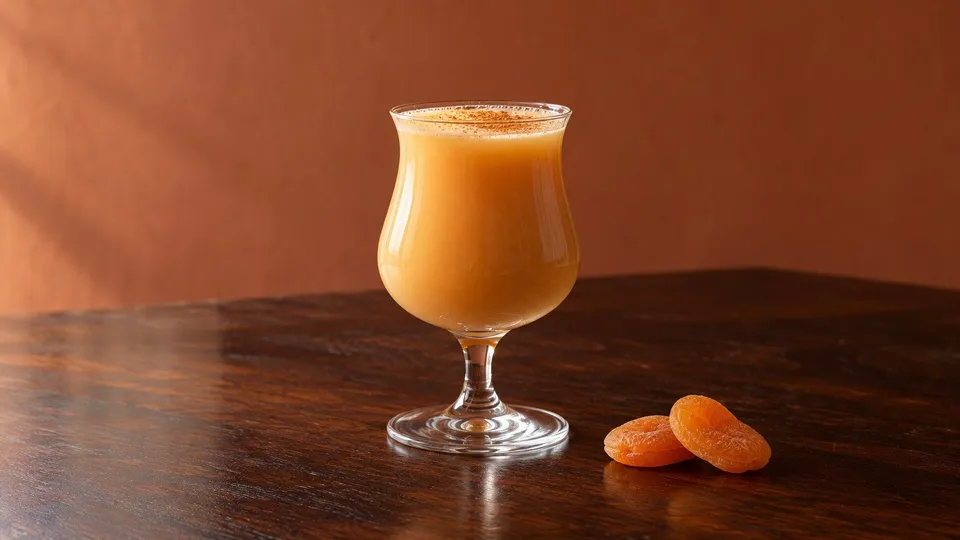 Make it todayJosephine Baker Cocktail, Cognac, Port, Apricot and Egg Yolk, 1939
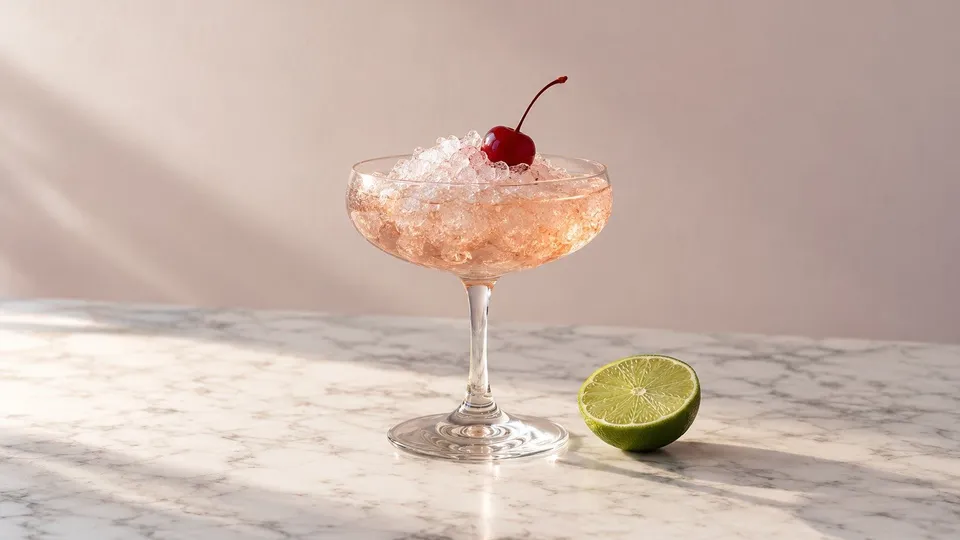 Make it todayLa Vida en Rosa, Cognac, Grenadine and Lime Frappé, 1939
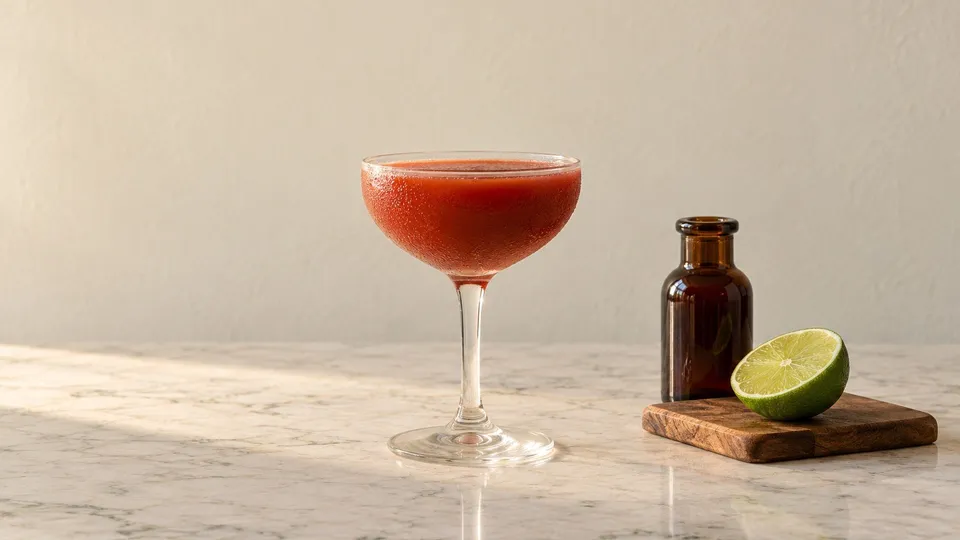 Make it todayMary Rose, the 1939 Havana Vodka and Tomato Cocktail
What Americans drank at home in the same decade, from the Depression’s tomato juice cocktail to the cocktails of repeal, is in 1930s drinks.
For the daiquiri’s lime and sugar with no rum, the nearest glass on our pages is the 1912 Lime Rickey: a whole lime squeezed over pineapple syrup, with cracked ice and soda water.
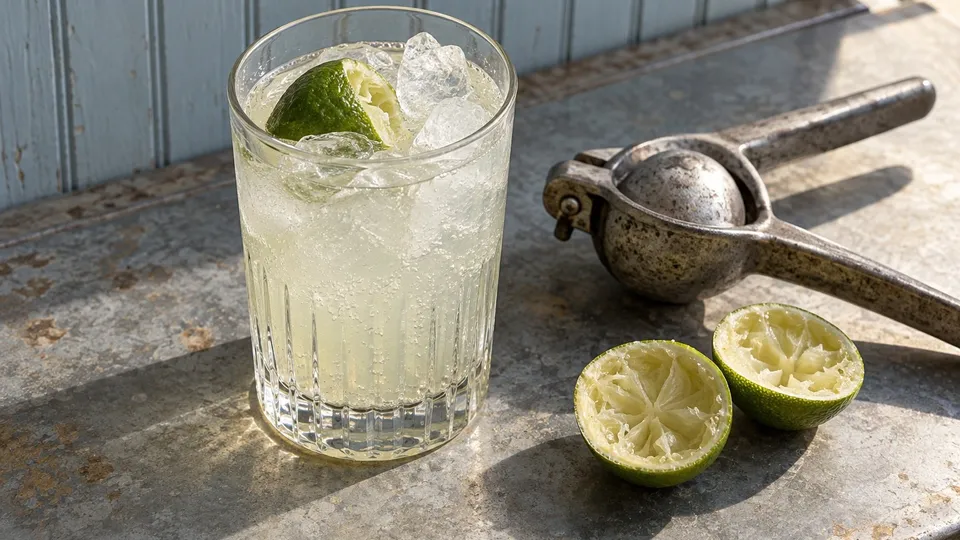 Always alcohol-freeLime Rickey, the Soda Fountain Rickey Without Gin
Start with the No. 4, the drink Cuddy called Constante’s “ace in the hole”: a blender and a cold coupe do what the drugstore mixer did, and the gold rum, maraschino and lime come out as soft as snow.
Sources
- Floridita Cock-tails (Havana: Bar La Florida, 1939), cover, pp. 7–12, 28, 36, 39, 58 and 76. EUVS Vintage Cocktail Books facsimile.
- Jack Cuddy, United Press, Havana, March 2, 1937, reprinted in Floridita Cock-tails, pp. 9–10.