Before Your Cocktail Had Its Modern Recipe
The Negroni’s thirds in a 1929 French book under another name, tequila and Cointreau in 1937: what old bar books show about ten of today’s bestselling classics.
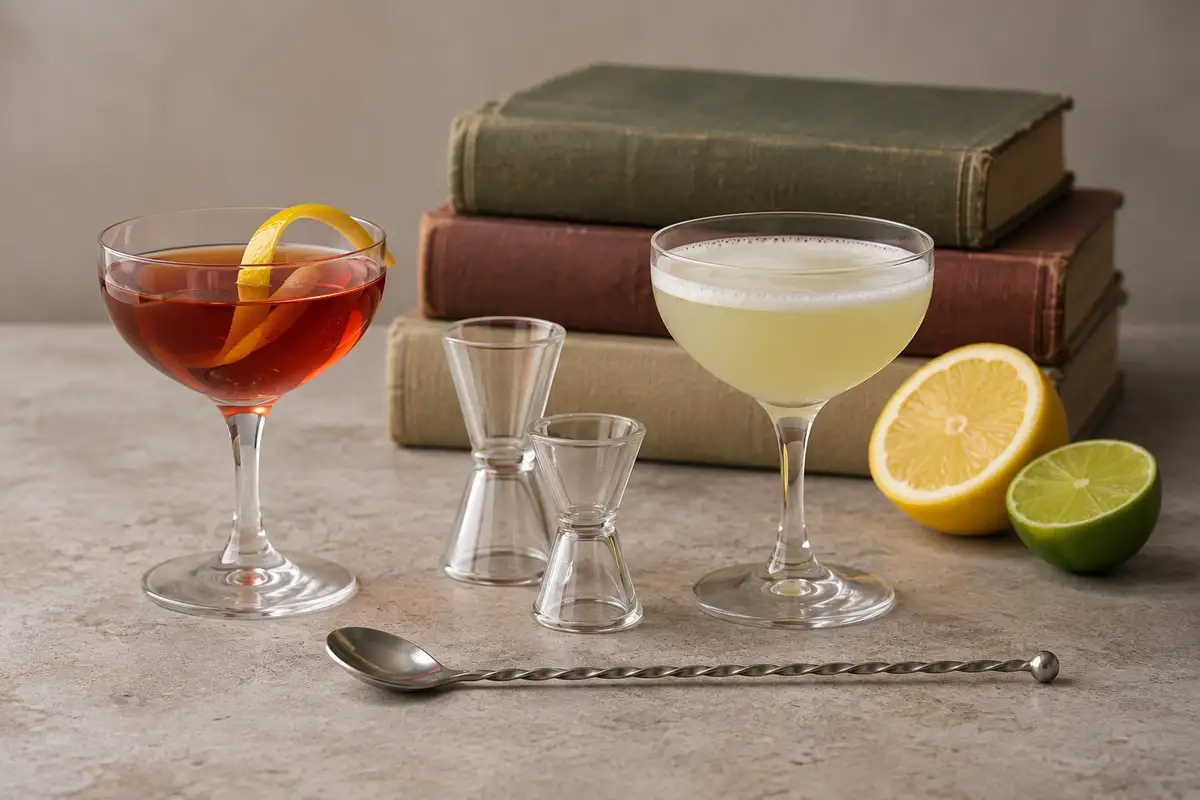
Most of today’s favorite cocktails were in print before their modern recipes, sometimes under another name and sometimes under the same name with different proportions. A French bar book of 1929 gives the Negroni’s equal thirds of gin, Campari and Italian vermouth and calls the drink Campari Mixte. A London book of 1937 shakes tequila with Cointreau and citrus and calls it a Picador. Neither names an inventor. What the old books record is a formula, a name and a way of serving it, and those three rarely arrive on the same date.
Ten drinks on a bar list
The ten come from a trade ranking. In April 2026 Drinks International asked a panel of 100 leading bars around the world to name their ten bestselling classic cocktails, and the combined list opened with the Negroni, then the Margarita, Old Fashioned, Dry Martini, Espresso Martini, Daiquiri, Aperol Spritz, Paloma, Whiskey Sour and Manhattan. It is a list of what a particular kind of bar sells, not a count of the world’s drinks, but it is a fair picture of what a cocktail menu looks like now.
Seven of the ten, or recipes very close to them, turn up in bar books from before the Second World War. Three are much newer, and their histories rest on people’s memories rather than printed recipes.
The same thirds under another name
The Florentine story of the Negroni, with Count Camillo Negroni asking for gin in his Americano around 1919, rests on later accounts, and no bar book of the time prints a drink of that name. The formula is easier to find than the name. J. Alimbau and E. Milhorat, two Paris barmen, published L’Heure du Cocktail, Recettes pour 1929, and on page 67 their Campari Mixte takes a third each of Campari, gin and Italian vermouth, mixed with ice in a shaker and finished with lemon zest. Its neighbors in the book, the Campari Cocktail and the Campari Cardinal, are different drinks, so the match is exact, not a loose family likeness.
The book was written for drinking at home as well as in bars. “C’est une erreur de penser que le cocktail est uniquement une consommation de grand luxe qui ne se déguste qu’en dehors de chez soi,” the authors write in their foreword: it is a mistake to think the cocktail is only a luxury drink taken away from home.
Two years earlier, in Barflies and Cocktails (Paris, 1927), Arthur Moss had given the same thirds with bourbon in place of the gin and credited them to Erskine Gwynne as the Boulevardier. That does not prove one drink grew out of the other. It shows equal thirds of Campari, vermouth and a spirit were being poured in Paris in the late 1920s. Our Negroni and Boulevardier both stir their thirds with ice; the 1929 book only says to mix them well.
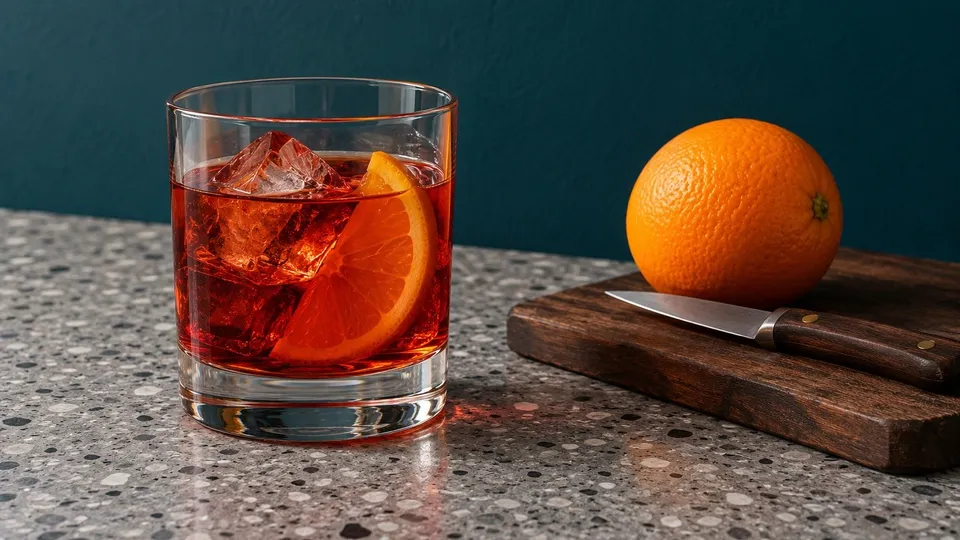 Make it todayNegroni, Gin, Campari and Vermouth
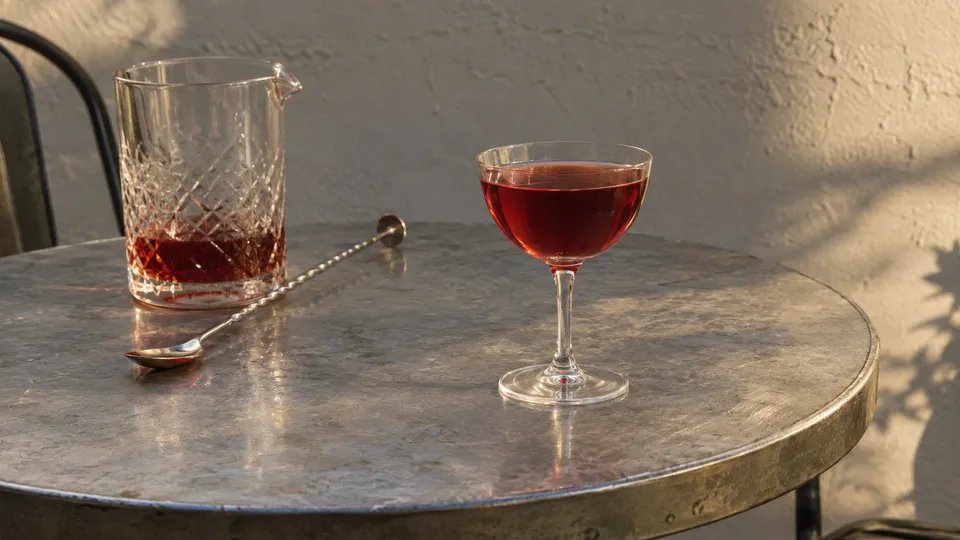 Make it todayBoulevardier, Bourbon and Campari Cocktail
Tequila and Cointreau in 1937
The Café Royal Cocktail Book, compiled by W. J. Tarling and printed in London as a Coronation Edition in 1937, has a Picador: half tequila, a quarter Cointreau and a quarter fresh lime or lemon juice, shaken. That is the Margarita’s tequila, orange liqueur and citrus, with no salt and not under that name. It counts against any story that has someone first combining the three in the 1940s, such as the much-told account of Margarita Sames mixing it in Acapulco in 1948. It cannot say who first called a drink a Margarita, and a later bartender could have arrived at the same mix independently. TuneMyRecipe makes the 1937 Picador (opens in a new tab) with today’s measures.
The Margarita name is in print by December 1953, when Esquire made it the drink of the month: “She’s from Mexico, Señores, and her name is the Margarita Cocktail.” The recipe is an ounce of tequila, a dash of Triple Sec and the juice of half a lime or lemon, stirred over crushed ice and poured into a stemmed glass whose rim has been rubbed with lemon or lime peel and spun in salt. That is the salt rim the Picador lacked. It dates the name and the salted glass in print, not an inventor.
The name Picador did not belong to one drink, either. The 1929 Paris book has a Picador Cocktail of grenadine and anise topped with soda, with no tequila and no citrus. Two drinks with one name, eight years apart, are not ancestor and descendant.
One name, several recipes
The Old Fashioned shows how a name can stand for a way of making a drink. George Kappeler’s Modern American Drinks (New York, 1895) builds it in the glass: a small lump of sugar dissolved in a little water, two dashes of Angostura, a small piece of ice, lemon peel and a jigger of whiskey, mixed with a bar spoon, and then “serve, leaving spoon in the glass.” The spoon stayed for the drinker. William Boothby’s San Francisco book of 1908 lets the customer choose the liquor, uses orange bitters with Boker’s, a larger piece of ice and a glass of ice water on the side. Neither is the first; the earliest recipe we have found printed under the name is Chicago’s of 1888, in Proulx’s Old-fashioned Cocktail, and the drink itself is older still, as How Old Is the Old Fashioned? tells.
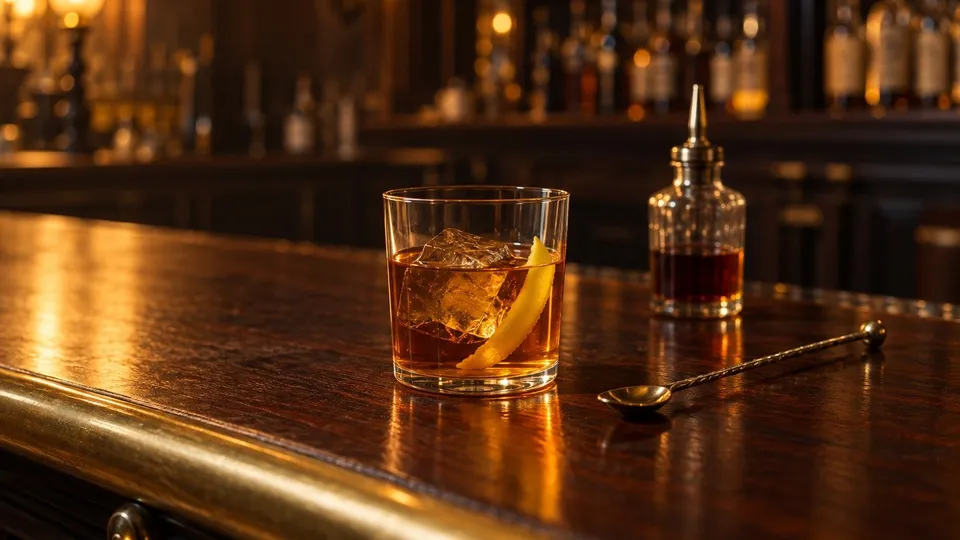 Make it todayProulx’s Old-Fashioned Cocktail, the 1888 Recipe
The Martini moved further. The 1887 Bar-Tender’s Guide published under Jerry Thomas’s name has no Martini, only the Martinez, of Old Tom gin, vermouth, maraschino and bitters, shaken, with a note for sweeter tastes: “If the guest prefers it very sweet, add two dashes of gum syrup.” Boothby’s Dry Martini of 1908 is equal half-jiggers of French vermouth and dry English gin, with orange bitters, stirred and strained, finished with lemon oil and an olive. The 1929 Paris book’s Martini Dry runs two-thirds gin to one-third white vermouth with a few drops of Campari. Today’s international standard pours six of gin to one of dry vermouth. In the early recipes “dry” did not mean almost no vermouth; our 1904 Dry Martini is half gin and half vermouth, and dry there meant no syrup.
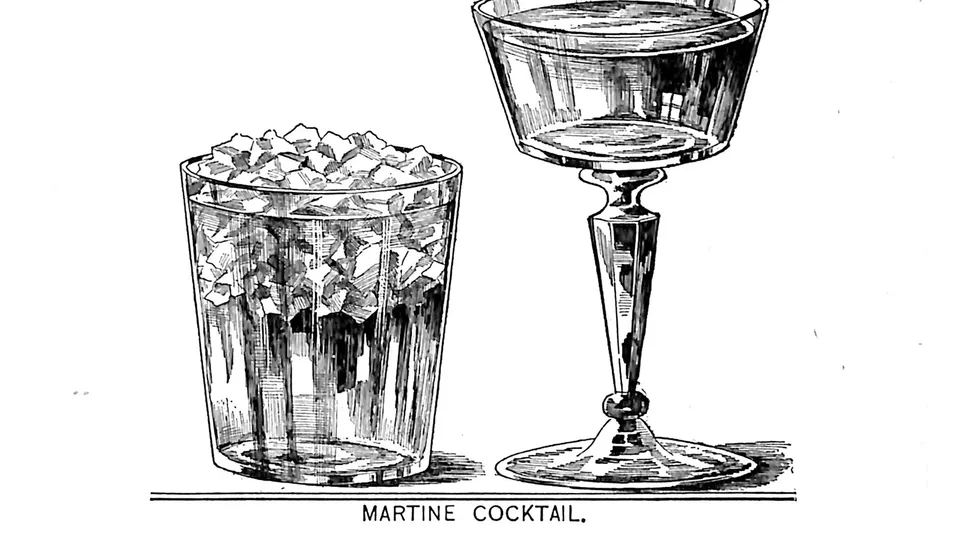 Make it todayMartinez, Old Tom Gin and Vermouth Cocktail
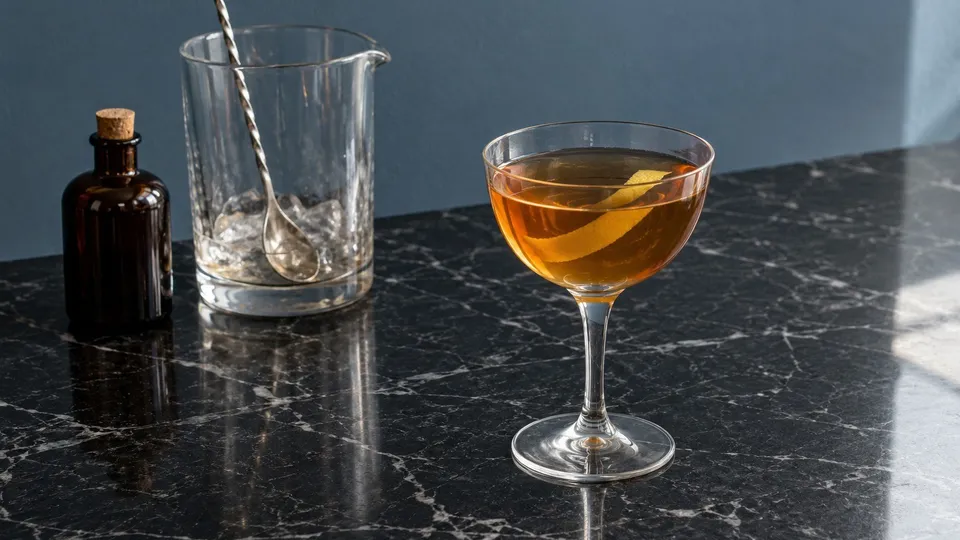 Make it todayThe Oldest Dry Martini We Found (1904)
The Manhattan’s famous origin, a party given by Jennie Jerome at the Manhattan Club, is a late tale, but the drink’s recipes are well recorded. The 1887 Thomas book takes rye, vermouth, curaçao or maraschino and bitters, shaken, with a quarter slice of lemon. Kappeler in 1895 has equal half-jiggers of whiskey and vermouth with a little syrup, and a Dry Manhattan that simply leaves out the syrup and the cherry. The 1929 Paris book prints two different Manhattans. Our Manhattan of 1884 is equal halves, from one of the first printed recipes.
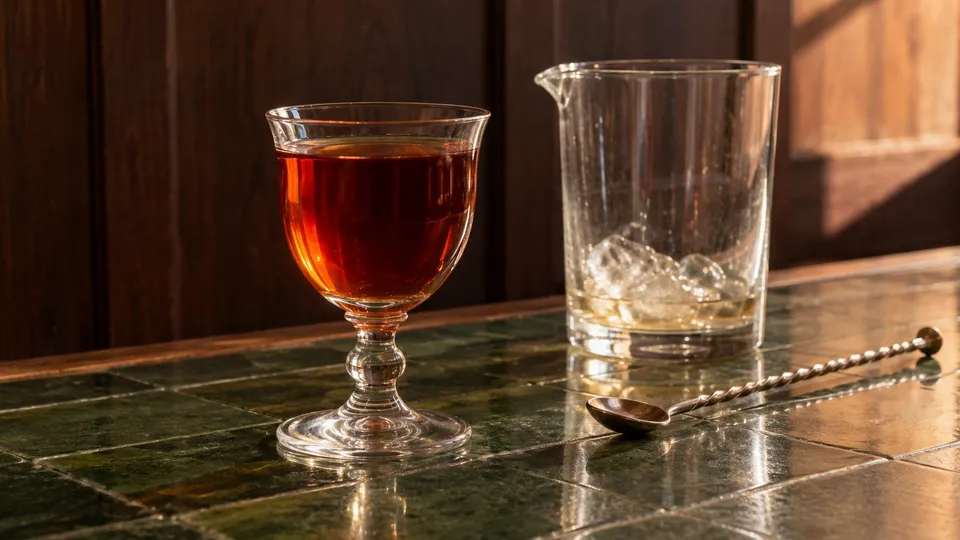 Make it todayThe Manhattan as Byron Printed It (1884)
The sour even changed inside one book. Harry Johnson’s Bartender’s Manual of 1882 was printed in English and German, and the two versions of its Whiskey Sour disagree: three or four dashes of lemon juice and a glass filled with ice in the English, two or three dashes and three-quarters of a glass of broken ice in the German. Five years later the Thomas book uses the juice of half a small lemon and shakes it with shaved ice. None of them has egg white, which today’s standard lists as optional. Our 1887 Whiskey Sour follows Thomas.
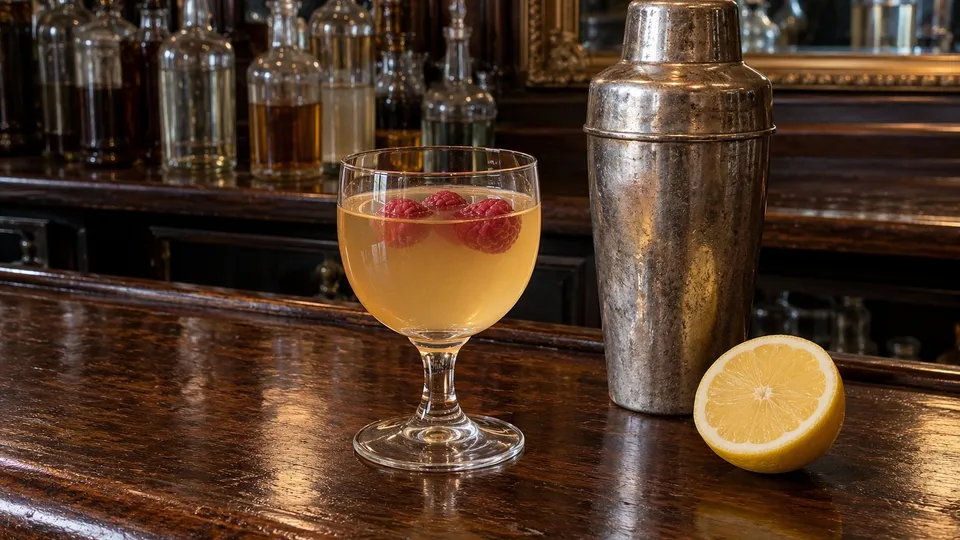 Make it todayWhiskey Sour, the 1887 Bar Recipe
The Daiquiri has an undated family manuscript at the University of Miami, “Original Daiquiri recipe by Mr. Cox,” for six: six lemons, six teaspoons of sugar, six cups of Bacardi Carta Blanca, two small cups of mineral water and crushed ice, shaken and not strained. The library’s catalogue gives it only a broad date range. An undated London printing of Harry MacElhone’s ABC of Mixing Cocktails, from 1923 or later, colors its Dacqueri with grenadine, and the Savoy Cocktail Book of 1930 takes a quarter of a lemon or half a lime. We have kept to Jacques Straub’s 1913 recipe for our Daiquiri, and to Havana’s Daiquirí No. 4 for the frozen kind.
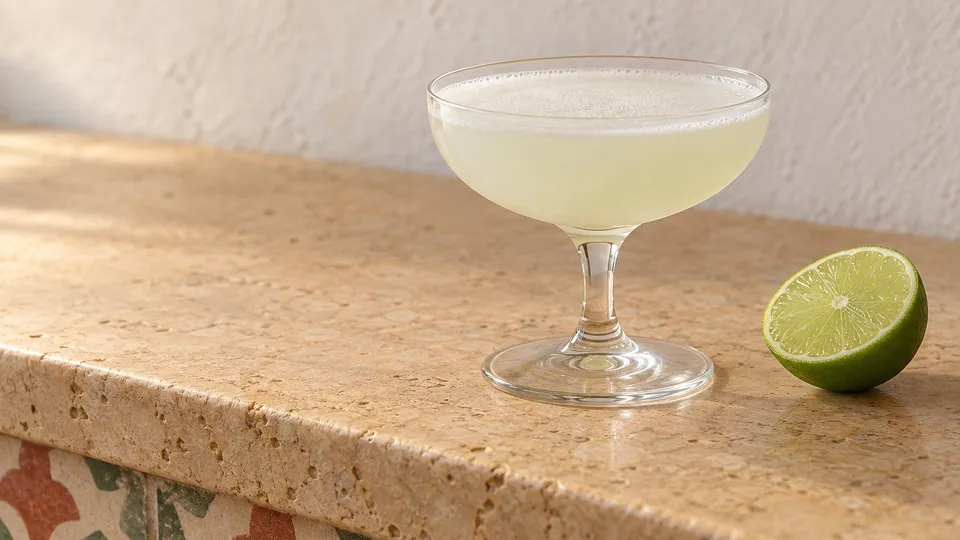 Make it todayThe Daiquiri as Straub Printed It (1913)
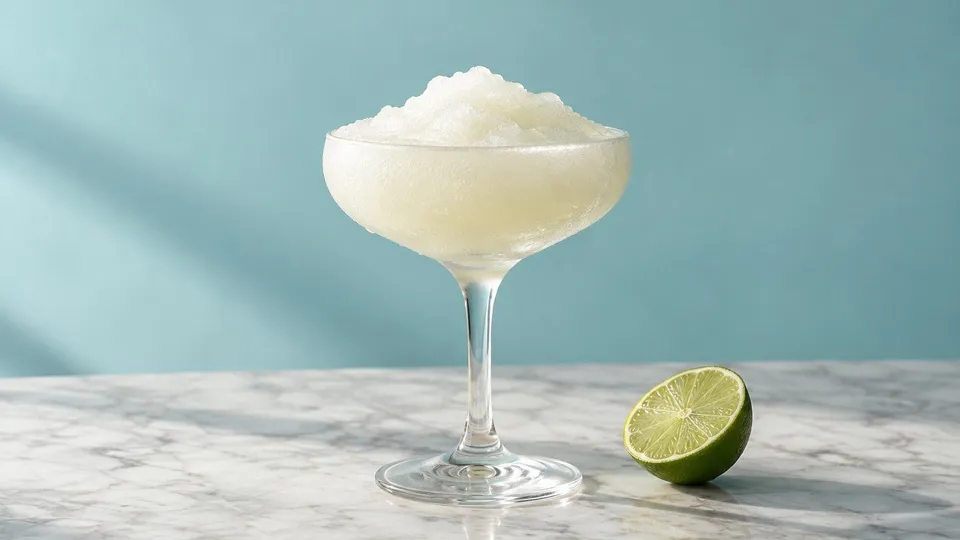 Make it todayDaiquirí No. 4, the Floridita’s Frozen Daiquiri with Maraschino, 1939
The newer three
The Espresso Martini has a well-supported creator, the London bartender Dick Bradsell, and the accounts of its beginning still disagree. Sophie Parkin recalled a coffee, vodka and sugar drink at the Zanzibar club around 1981 or 1982; his daughter, Bea Bradsell, has recalled the Soho Brasserie and a new coffee machine in the middle of the decade. The recipe credited to Bradsell himself, a Vodka Espresso served on the rocks, is a later text. Agreement on who made it can sit beside disagreement about where, when and how.
Aperol dates its bitter to 1919 and its Spritz recipe to the 1950s, two different events. Its current recipe is three parts prosecco, two of Aperol and one of soda water, while a company press release of 2019 described the drink in other proportions. A product’s centenary is not the birthday of a drink made with it.
The Paloma is the youngest on paper. The earliest report under the name that we have read is a Los Angeles Times food article of February 11, 1999, which describes tequila with Squirt grapefruit soda in a tall, salted glass at Tlaquepaque, a restaurant in Placentia, California. Earlier tequila-and-Squirt promotions are reported; the story of a single inventor remains unproven.
None of this takes anything away from the modern drinks. It means that “who invented it?” is usually three questions: when the formula first appears, when the name does, and when the drink began to be served the way we know it. To taste the first of those answers, stir up our Negroni in the 1929 thirds and finish it with lemon zest instead of orange, as the Campari Mixte was; its recipe notes also give an alcohol-free version.
Sources
- “The Bestselling Classic Cocktails at the World’s Best Bars 2026,” Drinks International, April 28, 2026.
- J. Alimbau and E. Milhorat, L’Heure du Cocktail, Recettes pour 1929 (Toulouse: Imprimerie Régionale, 1929), foreword pp. 3–6, pp. 67 (Campari Mixte), 209, 211, 223 and 275; translations ours.
- Harry and Wynn, with Arthur Moss, Barflies and Cocktails (Paris: Lecram Press, 1927), pp. 79–80.
- W. J. Tarling, comp., Café Royal Cocktail Book, Coronation Edition (London: Publications from Pall Mall, 1937), Picador.
- Esquire, December 1953, p. 76, “Potables: Drink of the Month,” Margarita Cocktail.
- George J. Kappeler, Modern American Drinks (New York: Merriam, 1895), pp. 38, 43.
- William T. Boothby, The World’s Drinks and How to Mix Them (San Francisco, 1908), pp. 24, 26.
- Jerry Thomas, The Bar-Tender’s Guide, new and enlarged edition (New York: Dick & Fitzgerald, 1887), pp. 24, 25, 40.
- Harry Johnson, New and Improved Bartender’s Manual (New York, 1882), English pp. 49–50, German p. 130.
- Harry MacElhone, ABC of Mixing Cocktails (London: Dean & Son, undated, 1923 or later), p. 27.
- Harry Craddock, The Savoy Cocktail Book (New York: Richard R. Smith, 1930), p. 54.
- “Original Daiquiri recipe by Mr. Cox,” Carmen Puig Papers, CHC0484, University of Miami Libraries.
- Robert Hess, David Wondrich, Philip Greene and Leo Leuci, entries for the Old Fashioned, Martini, Manhattan, Spritz and Paloma, The Oxford Companion to Spirits and Cocktails (New York: Oxford University Press, 2021).
- Thomas Barrie, oral history of the Espresso Martini, GQ (UK), 2020; Bea Bradsell, interview, CLASS, March 15, 2024; Difford’s Guide, “Vodka Espresso.”
- Aperol, “Our Story” and “Aperol Spritz,” accessed November 6, 2026; Campari Group, press release, April 16, 2019.
- Max Jacobson, “The Food of Love,” Los Angeles Times, February 11, 1999.